Why You Must Visit Europe's Most Haunting Abandoned Castles in France, Italy, and Scotland
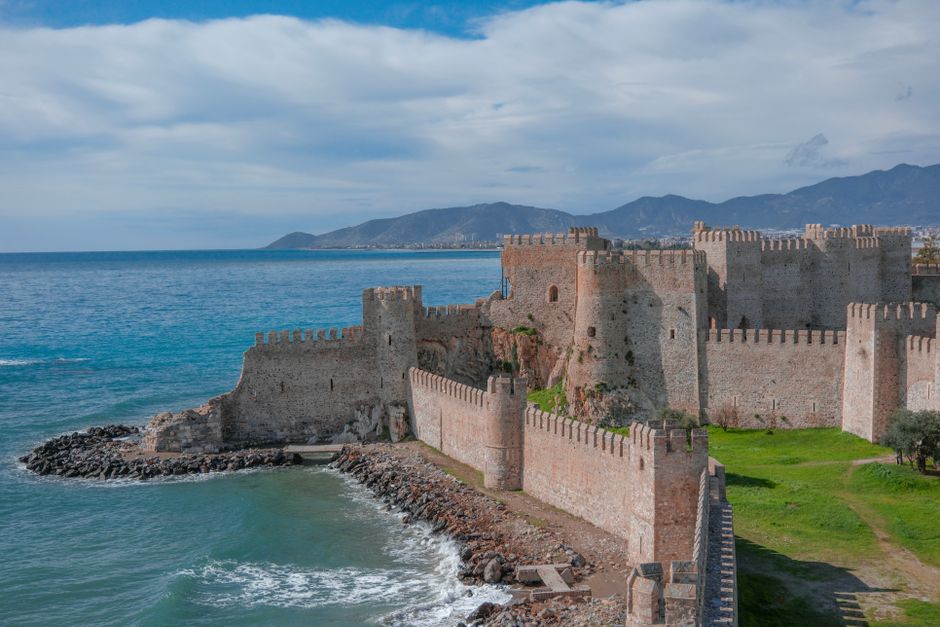
The forgotten silhouette of an ancient ruin against a brooding sky — a scene that awaits you in Scotland's Highlands.
✈️ Best time to visit: Late spring (May–June) or early autumn (September) for mild weather and fewer tourists.
💰 Estimated budget: €80–€150/day per person for mid-range travel, including rental car, accommodation, and entry fees (most ruins are free).
⏱️ How long to spend: 10–14 days to cover three countries, or 5–7 days for a deep dive into one region like the Scottish Highlands.
🎯 Difficulty level: Moderate — involves uneven terrain, overgrown paths, and some hiking boots are essential.
📍 Recommended season: May to September for dry trails; October for atmospheric mist and dramatic light.
👥 Best for: Solo travelers, history buffs, photographers, and adventurous couples.
Introduction
I still remember the first time I stumbled upon a forgotten fortress. I was hiking alone near the Ardeche Gorges in southern France, following a map I’d scribbled on a napkin from a local bistro. The path ended in a tangle of brambles, and beyond them, half-devoured by ivy, stood the skeletal remains of a 13th-century castle. No ticket booth, no ropes, no crowds — just the wind whistling through empty arrow slits. That morning, I understood why abandoned castles pull at something primal in us. They are history stripped of polish, places where you feel the weight of centuries without a guidebook narrative. I’ve since spent years exploring dozens of ruin castles across Europe, from the misty lochs of Scotland to the sun-baked hills of Tuscany, and in this article, I’ll share the top destinations for visiting these forgotten fortresses — the ones that genuinely deliver an experience worth the mud, the brambles, and the long drives. You’ll learn exactly where to go, when to visit, how much it costs, and the insider secrets that make the difference between a memorable ruin and a disappointing pile of stones.
The Essentials at a Glance
- 🗝️ Go off the beaten path: The real magic lies not in restored tourist castles like Edinburgh, but in neglected ruins like Château de La Mothe in France or Castle Tioram in Scotland, where you can touch crumbling walls and feel the story.
- 💰 Bring cash, not cards: Many remote ruin castles have no facilities, no entrance fees, and no card machines. Carry small notes for parking or local guides who sometimes appear on-site.
- 👢 Wear sturdy boots, always: I once wore trainers to an Italian ruin and spent an hour slipping on mossy stones. Proper ankle-supporting boots with good grip are non-negotiable.
- 📸 Golden hour is sacred: The best light for photographing abandoned castles is 30 minutes after sunrise and 60 minutes before sunset — it softens the decay and adds depth to every shadow.
- 🌿 Respect the ruins: These castles are fragile and often unprotected. Never climb on unstable walls or take stones as souvenirs. Leave every place exactly as you found it for the next explorer.
The Complete Guide
Why This Matters / Why You Should Go
Abandoned castles aren’t just Instagram backdrops — they are time capsules that offer a rawer, more honest glimpse into the past than any fully restored museum fortress ever could. In France, you’ll find châteaux that were sacked during the Hundred Years’ War and then simply left to rot because the cost of rebuilding was too high. In Italy, feudal towers crumble in olive groves, abandoned after plagues decimated entire communities. In Scotland, dozens of clan strongholds were deliberately destroyed during the Jacobite risings and never rebuilt, their ruins serving as poignant monuments to a crushed way of life. What makes these destinations special is the sense of discovery: no velvet ropes, no gift shops, no audio guides telling you what to think. You are free to explore, to imagine, to sit on a fallen stone and listen to the silence. These ruins are for travelers who value authenticity over convenience, who don’t mind a muddy walk to a place that offers nothing but atmosphere. They are for anyone who has ever stood before an old building and wondered: What happened here?
When to Visit (Seasonal Guide)
May to June is my hands-down favorite window. The weather is mild across all three countries, the vegetation hasn’t fully overgrown the paths (important in Scotland where bracken can hide ankle-breaking holes), and the tourist crowds are still thin. July and August bring warm, dry conditions ideal for long explorations, but also the highest tourist density — expect company at famous ruins like Dunstaffnage Castle or the ruins of Castelvecchio in Verona. September offers a perfect compromise: still warm, but with fewer visitors and lower prices on car rentals. October transforms the experience dramatically: mist hangs over the ruins, autumn leaves carpet the courtyards, and the light for photography is sublime. However, days are shorter and some remote access roads in the Scottish Highlands close after the first frost. November through March is for the truly dedicated — you’ll have the ruins almost to yourself, but you’ll battle mud, rain, and sometimes snow. I once visited an abandoned castle near Chambéry in February; the beauty of the frost-covered stones was incredible, but I had to wade through a freezing stream because the bridge had collapsed. The lesson: always check local conditions and pack for the worst.
Budget Breakdown
Based on my own travels, here’s a realistic three-country breakdown for mid-range travel: Accommodation — budget hostels or guesthouses (€30–€50/night), mid-range B&Bs (€70–€120/night), or self-catering cottages (€100–€180/night). I recommend opting for B&Bs run by locals; they often know the location of the most obscure ruins. Food — €15–€25/day for picnic lunches (cheese, bread, cured meats from local markets) plus €25–€40 for a decent dinner with local wine. Transport — a rental car is almost essential for reaching remote ruins; expect €30–€50/day for a compact model, plus €15–€25/day for fuel. Tolls in France add roughly €10–€20 per 100 km on main highways. Activities — most abandoned castles charge nothing, but guided tours of lesser-known ruins (like the underground chambers at Château de Puymartin) run €8–€15. Budget for parking fees (€2–€5 per site) and one or two guided visits. The total daily cost is €80–€150, or about €1,100–€2,100 for a 14-day trip. Money-saving tip: buy a regional museum pass in areas like Dordogne or Tuscany; some include access to larger fortress ruins. Also, camp at municipal campsites near smaller towns — they cost as little as €12/night and often have the best local tips.
Getting There & Getting Around
Fly into Paris Charles de Gaulle for France, Rome Fiumicino for Italy, and Edinburgh or Glasgow for Scotland. From these hubs, you absolutely need a car. I learned this the hard way in Scotland, where a bus timetable promised a castle ruin but dropped me 8 km from the site. Public transport simply doesn’t reach most forgotten fortresses. In France, rent a car from Sixt or Europcar; in Italy and Scotland, local agencies like Rentalcars.com offer good prices. Compact cars are fine for France’s smooth D-roads, but for Scotland’s single-track roads and muddy farm tracks, I highly recommend a 4x4. Navigation is straightforward with Google Maps offline (download the area ahead of time) or a dedicated GPS like Garmin. In Italy, be prepared for narrow lanes and hairpin bends — I once scraped my rental’s side mirrors twice in one afternoon near a castle in the Apennines. Always carry a paper map too; mobile reception frequently dies in valleys and remote areas. For getting around once you’re at a ruin, hiking boots and a small backpack with water, snacks, and a first-aid kit are mandatory. Many sites require a 15–30 minute walk from the nearest parking spot.
Top Recommendations / Must-Do Activities
In France, the Dordogne region is littered with ruin castles and hidden fortresses. My absolute favorite is Château de la Treyne — not abandoned itself, but a short walk leads to the 12th-century ruins of the former village fortress, completely overgrown and overlooking the Dordogne River gorges. Arrive at 7:30 am to have it entirely to yourself. In Italy, the ruins of Castello di Verrazzano in Tuscany’s Chianti region are magnificent: a crumbling medieval tower set among vineyards where you can actually taste a Chianti Classico in the winery that now owns the ruins. The contrast between the living vines and the dead stone is unforgettable. In Scotland, Castle Tioram on the remote Ardnamurchan peninsula is my top pick. It’s not abandoned in the sense of being forgotten — locals fiercely guard its history — but it’s unrestored and deeply atmospheric. The tides cut off the causeway twice a day, so check the tide tables and aim to arrive two hours before low tide to explore and then cross back safely. The downside? Midges are ferocious in summer; bring strong repellent. An insider tip for beating crowds at popular sites: visit on a Tuesday or Wednesday, and aim for opening time (usually 9 am or 10 am). I also recommend hiring a local guide for the ruins near Sarlat-la-Canéda in France; they know legends that never made it into any guidebook.
Traveler’s Pro Tips
Learn the local name for the ruin: In France, many abandoned castles are called “château en ruines” or “vestiges” on maps. In Italy, look for “castello abbandonato” or “ruderi”. In Scotland, search for “clan castle ruins” or “derelict tower house”. Using these terms in Google Maps will reveal hidden sites not listed in tourist guides.
Pack a headlamp, not just a torch: Many ruins have dark underground chambers, cellars, or collapsed stairwells. A headlamp frees your hands for climbing over rubble and taking photos. I once got stuck in a pitch-black basement of a ruined castle in Lazio; my headlamp saved me from an hour of fumbling in the dark.
Ask the oldest person at the local pub or bar: This is my most reliable method. In three different villages across France and Scotland, elderly locals told me about ruins that weren’t on any map — one was the birthplace of a forgotten 14th-century bishop, another a hunting lodge used by Mary Queen of Scots. They’re happy to talk if you buy them a drink.
Download offline maps and save the GPS pins: I once spent two hours driving in circles near an Italian ruin after my phone lost signal. Now, before any trip, I drop pins for every castle on Google Maps offline, including the exact parking spot. Do this at home on WiFi and you’ll never get lost.
Bring insect repellent for Scotland and Italy: The Scottish midge will ruin your experience faster than any weather. In Italy, it’s ticks in the undergrowth near ruins. I use a 50% DEET repellent and wear long trousers tucked into socks in high grass. Trust me on this.
Common Mistakes to Avoid
Mistake 1: Underestimating the terrain. I once hiked to a ruin in France wearing casual sneakers because the path looked flat on the map. It rained the night before, and I spent the entire walk sliding through mud, arriving with soaked feet and a bruised ego. Always bring waterproof hiking boots with deep treads — they’re worth the suitcase space. The consequence is not just discomfort; with twisted ankles, you could be far from any road.
Mistake 2: Relying on GPS in rural areas. In the Scottish Highlands, my GPS once guided me to a “road” that turned into a sheep track ending at a locked gate. I lost an hour reversing down a single-track lane. The mistake is assuming technology has perfect coverage; it doesn’t. Always carry both a paper map and a downloaded offline map, and ask locals for the route before you go.
Mistake 3: Expecting facilities at the ruins. A traveler near me at a French ruin once complained loudly that there was “no cafe or toilet.” The truth is, these sites are wild and unprotected. Plan to carry everything you need: water, snacks, tissues (for emergencies), and a zip-lock bag for your rubbish. The consequence of not doing this is a miserable experience or, worse, leaving litter behind.
Mistake 4: Trying to visit too many ruins in one day. I once crammed four castles into a single day in Italy and by the third one, I was rushing through, barely absorbing the atmosphere. The magic of abandoned castles is in the quiet moments — sitting on a window ledge watching the sun move across the stones. Limit yourself to one or two per day, and you’ll truly connect with each place.
Your Travel Checklist
Documents: Valid passport (with at least 6 months validity), driver’s license (plus an International Driving Permit for Italy and France), travel insurance documents (confirm it covers off-road hiking and medical evacuation), and copies of all bookings.
Packing: Waterproof hiking boots (worn in), quick-dry trousers, a insulated waterproof jacket (essential for Scotland), layers for temperature changes, a wide-brimmed hat for sun or rain, insect repellent (50% DEET), a headlamp, trekking poles (helpful on steep slopes), and a small daypack.
Research: Download offline maps for all three countries, saving GPS pins for parking and ruins. Read local history blogs about specific castles (e.g., Undiscovered Scotland for Scottish ruins). Check tide tables for coastal sites like Castle Tioram.
Bookings: Reserve rental car at least 2 weeks in advance for better rates, especially in peak season. Book B&Bs or guesthouses in small towns near ruin clusters (e.g., Sarlat in Dordogne, Pitlochry in Scotland).
Health/Safety: First-aid kit with blister plasters, antiseptic wipes, and painkillers. Tetanus shot up to date. In Scotland, a midge head net is worth its weight in gold.
Local currency: Euros for France and Italy, British pounds for Scotland. Have at least €60/£50 in cash per day for parking, small markets, and tips. ATMs in rural villages are often out of service.
Apps: Google Maps offline, ViewRanger (for hiking trails), MeteoBlue (for accurate mountain weather), and a currency converter.
Traveler FAQ
Q: Are abandoned castles safe to explore on my own?
A: Most are reasonably safe if you use common sense — stay out of any structure with a visibly cracked roof or leaning walls, never climb on loose stonework, and watch for rotten floorboards. I always avoid entering deeply into dark towers unless I can see daylight through the top. Carry a headlamp and stick to well-trodden paths inside the ruin.
Q: Can I just show up to these ruins, or do I need a guide?
A: Usually you can visit freely, as most are on public land or accessible without restrictions. However, a few privately owned ruins may require permission or a small fee. In France, for example, some château vestiges are on active vineyards; you can ask at the winery. A guide is not essential, but in Italy, I recommend one for ruins in remote areas like the Apennines, as they know safe routes and historical context you’d otherwise miss.
Q: What is the best country for a first-time ruined castle explorer?
A: France, specifically the Dordogne region. The density of ruins is incredibly high, access is relatively easy compared to Scotland’s remote Highlands, and the weather is generally more forgiving. You can base yourself in a small town like Sarlat and visit a dozen different abandoned castles within a half-hour drive.
Q: Will I find information about these castles on-site?
A: Rarely. Most forgotten fortresses have no interpretive signs, which is part of their charm. I recommend reading about each castle on Wikipedia or local heritage websites before you go, or carrying a small guidebook. For Scottish castles, the book “The Castles of Scotland” by Martin Coventry is indispensable.
Q: Is photography allowed at all these ruins?
A: Yes, almost always — these are not guarded historical monuments. However, be respectful and do not use drones near ruins that are still structurally fragile, as the vibrations can cause damage. For the best shots, I use a polarizing filter to cut through glare on wet stones and a tripod for interior darkness. In Italy, some ruins are on private land; always ask for permission if the land is fenced.
Ready for Your Adventure?
Standing alone in a ruined castle, with only the sound of wind and birds, is one of the most profound travel experiences I know. It strips away the noise of modern life and places you face to face with the raw passage of time. You don’t need to be a historian or a seasoned outdoorsperson to do this — you just need curiosity, a sturdy pair of boots, and the willingness to drive a few hours off the main roads. The castles are waiting: abandoned, forgotten, but never empty of wonder. If you’ve been hesitating because the sites seem too remote or the logistics too complicated, start with one — a single ruin in the Dordogne, a day trip from Edinburgh to Castle Tioram, a morning walk through a Tuscan tower. That first moment when you step through a broken gate and into another century will change how you see travel forever. So pack your bags, download that map, and go. The forgotten fortresses are calling — and trust me, they answer back.


No comments:
Post a Comment