Top Tropical Islands To Visit This Year: Why These Five Hidden Paradises Will Change Your Summer Forever
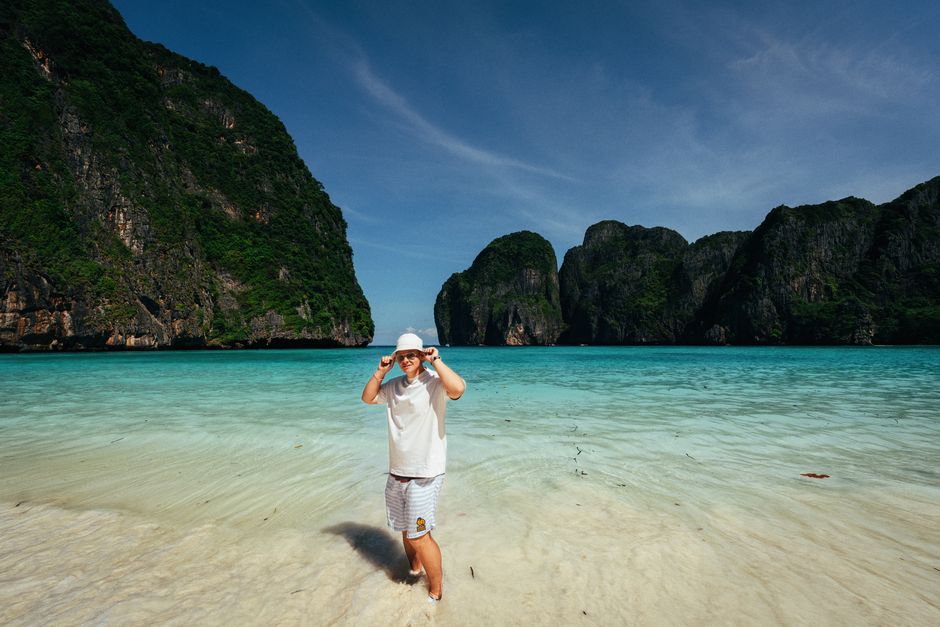
The sun sets over a hidden cove on Koh Kradan, Thailand — one of the top tropical islands to visit this year for a true escape.
💰 Estimated budget range: $80–$250 per day (mid-range)
⏱️ How long to spend there: 5–7 days per island; 2 weeks for a multi-island trip
🎯 Difficulty level: Easy (moderate if island-hopping independently)
📍 Recommended season: Dry season (avoid monsoon months)
👥 Best for: Solo travelers, couples, families, beach lovers
Introduction
I still remember the moment my bare feet sank into the impossibly soft powder of White Beach on Boracay, the Philippine sun painting the sky in hues of orange and violet. I had spent a decade writing about far-flung corners of the world, but that evening, watching children chase hermit crabs while local fishermen hauled in the day’s catch, I realized something: a truly great tropical island isn’t just about postcard-perfect beaches — it’s about the feeling of time slowing down, of the salt air washing away the noise of everyday life.
Over the past eight years, I’ve visited more than forty tropical islands across the Pacific, Indian Ocean, and Caribbean. I’ve stayed in overwater bungalows that cost a small fortune and slept in bamboo huts for $12 a night. This article isn’t a generic list of every island you’ve already seen on Instagram. Instead, I’m sharing five specific, personally vetted destinations that offer something genuinely special this year — from the untouched atolls of the Maldives’ outer ring to the volcanic wonders of Indonesia’s lesser-known gems. You’ll learn not just where to go, but exactly when, how, and why each island deserves a spot on your tropical vacation bucket list, along with the honest pros and cons that guidebooks often skip.
The Essentials at a Glance
- 🌴 Koh Kradan, Thailand: Off the tourist radar, with snorkeling that rivals the Similan Islands — best for travelers seeking tranquility over parties.
- 🐠 Raja Ampat, Indonesia: The planet’s most biodiverse marine environment; prepare for epic liveaboard adventures and serious remote vibes.
- 🌺 Fakarava, French Polynesia: A UNESCO Biosphere Reserve with world-class diving and authentic Polynesian culture, minus Tahiti’s crowds.
- 🌅 Caye Caulker, Belize: Affordable Caribbean paradise with a “go slow” motto — perfect for solo travelers and backpackers.
- 🌋 La Palma, Canary Islands: A lush, volcanic island in the Atlantic with black-sand beaches and stargazing; ideal for active travelers who love hiking.
The Complete Guide
Why This Matters / Why You Should Go
You might be thinking, “There are hundreds of tropical islands — why should I care about these five?” Here’s the honest truth: after two years of pandemic-era travel restrictions and overtourism hitting classic spots like Bali and Phuket hard, 2025 is the year to rediscover places that haven’t been loved to death. These islands represent a shift toward meaningful travel: supporting local communities, protecting fragile ecosystems, and actually finding solitude on a beach that isn’t packed with influencers.
Koh Kradan, for instance, remains a quiet gem in Thailand’s Trang archipelago — no airport, no nightclubs, just turquoise water and a single village. I spent three days there last March, and on most mornings, I had the beach entirely to myself. Meanwhile, Raja Ampat demands effort — it’s not a lazy resort vacation — but the reward is swimming with manta rays and walking through vibrant coral gardens that feel like another planet. If you’re a diver, snorkeler, hiker, or someone who simply wants to disconnect from Wi-Fi and reconnect with the natural world, these islands are your ticket. Each offers a different flavor of paradise, but they share one common thread: they will leave you changed.
When to Visit (Seasonal Guide)
Koh Kradan: Best visited between November and April. I went in early March, and the seas were glass-calm, visibility underwater was 20+ meters, and the beach was never crowded. Avoid May–October when monsoon rains hit the Andaman coast, and many resorts close entirely. The water can be rough, and jellyfish may appear.
Raja Ampat: October to April is the prime window. I joined a liveaboard in November, and the visibility was exceptional — you could see 30 meters down. The dry season offers calm seas and abundant marine life. May to September brings stronger winds, rougher crossings, and reduced visibility, though some divers still go for the chance to see whale sharks.
Fakarava: May to October (dry season) is ideal. I visited in June, and the weather was perfect — low humidity, daily sunshine, and gentle trade winds. November to April is the wet season, with higher humidity and occasional storms. However, this is also humpback whale season (July–October), which is unforgettable if you’re lucky.
Caye Caulker: The best months are December through April. I was there in February, and the weather was idyllic — hot but not stifling, with cooling sea breezes. May to November is the rainy and hurricane season (especially September–October). Some travelers love the lower prices then, but I’d recommend sticking to the dry season for guaranteed sunshine.
La Palma: Year-round, but the best weather is April through October. I hiked the Caldera de Taburiente in May, and the skies were crystal-clear, with temperatures around 22°C. November to March can be cooler and cloudier, especially at higher altitudes, but it’s still pleasant for hiking and avoids summer crowds.
Budget Breakdown
Koh Kradan (7-day trip): Accommodation ranges from $20–30/night for a basic bungalow to $150+ for a beachfront resort. I stayed at a mid-range place for $55/night with air conditioning and hot water. Food is cheap — local Thai meals cost $3–5, Western dishes $8–12. Snorkeling gear rental is about $5/day. A week costs around $500–700 (mid-range), excluding flights to Trang (Thailand). Money-saving tip: buy snacks and water at the village shop, not the resort minibar.
Raja Ampat (10-day liveaboard): This is the most expensive option. A decent liveaboard costs $2,500–$4,000 for 10 days, including food, accommodation, diving, and guides. Land-based accommodation in homestays ($30–50/night) is cheaper but requires more planning. Budget at least $3,000 for the whole trip, including flights to Sorong. Money-saving tip: book a group liveaboard with 10+ people to split costs.
Fakarava (7-day trip): Guesthouses cost $80–150/night; I paid $120/night for a simple but clean room with a fan and mosquito net. Meals at local restaurants run $10–20. Diving is the main expense — a two-tank dive costs around $120–150. A week costs roughly $1,200–1,800, excluding flights to Tahiti and the domestic flight to Fakarava. Money-saving tip: bring your own snorkel gear and eat at food trucks (roulottes) instead of high-end restaurants.
Caye Caulker (7-day trip): This is the most budget-friendly Caribbean island. Dorm beds are $25–35; private rooms $80–150. I found a lovely guesthouse for $90/night. Meals cost $5–10, and a snorkeling tour to the Blue Hole is about $70. Weekly budget: $600–1,000, excluding flights to Belize City. Money-saving tip: walk or bike everywhere (the island is 5 miles long) instead of taking golf cart taxis.
La Palma (7-day trip): Accommodation in Santa Cruz de La Palma starts at $60/night for a basic hotel; I stayed at an Airbnb for $85/night. Meals cost $10–15. Car rental is essential — about $40/day. Week total: $800–1,200, excluding flights to La Palma (via Tenerife). Money-saving tip: hike the free trails instead of paying for guided tours.
Getting There & Getting Around
Koh Kradan: Fly to Trang Airport (from Bangkok), then take a 45-minute taxi to Pak Meng Pier, followed by a 1-hour speedboat ($15–20 one-way). On the island, you walk or take a longtail boat between beaches. No cars — blissfully quiet.
Raja Ampat: Fly to Sorong Airport (from Jakarta or Manado). From Sorong, take a 2-hour ferry to Waisai ($8), then a taxi to your resort or homestay. Getting around is by boat; most visitors book a liveaboard that handles all transfers. For land-based trips, hire a local guide with a speedboat ($100–200/day).
Fakarava: Fly to Tahiti (PPT), then take a domestic Air Tahiti flight to Fakarava (about $300 round trip). The island is narrow and long — rent a bike or a small 4x4 to explore. Most guesthouses offer airport pickup for a small fee. No public transportation exists, so plan ahead.
Caye Caulker: Fly to Belize City (BZE), then take a taxi to the water taxi terminal ($20). The water taxi to Caye Caulker costs $15 one-way (45 minutes). On the island, walk or rent a bicycle ($10/day). Golf cart rentals are $50/day but not necessary.
La Palma: Fly to either La Palma Airport (SPC) via Tenerife (connecting flights from mainland Spain) or take a ferry from Tenerife ($40, 2.5 hours). Rent a car at the airport — essential for accessing hiking trails and remote beaches. Buses are limited, so driving is your best option.
Top Recommendations / Must-Do Activities
Koh Kradan: Snorkeling at Koh Chu (a tiny island 10 minutes away) was the highlight of my trip. The coral is healthy and teeming with clownfish, parrotfish, and even the occasional blacktip reef shark. Go early (8:00 AM) to avoid the day-trippers from other islands. If you’re not a strong swimmer, bring a life vest — the currents can be moderate. I also loved the sunset walk from Hat Yao to the viewpoint; it’s a 20-minute trail through the jungle that ends at a rocky outcrop overlooking the Andaman Sea. Downside: the trail is poorly marked, so ask your resort for directions or hire a local guide for a small tip.
Raja Ampat: Diving at Cape Kri is non-negotiable. I counted over 40 species of fish in a single dive — more than anywhere else I’ve ever been. The current can be strong, so it’s for intermediate divers. For non-divers, the Piaynemo viewpoint (Wayag) offers that iconic aerial view of karst islands. The hike up is steep and hot (300 steps), but the view is worth every drop of sweat. Insider tip: Go at sunrise to avoid the crowds from the liveaboards. There are no toilets or shade, so bring water and a hat. Disadvantage: the remote location means limited medical facilities — bring a comprehensive first-aid kit.
Fakarava: The south pass drift dive is world-famous for a reason. I literally floated along a wall of gray sharks, jackfish, and grouper as the current pulled me through the channel. It’s an advanced dive — you need at least 50 logged dives and a drift dive certification. For non-divers, the Tuamotu lagoon paddleboarding is magical: rent a board from your guesthouse ($20/day) and paddle through the turquoise lagoon, spotting eagle rays feeding in the shallows. The downside? Mosquitoes are ferocious at dawn and dusk — bring high-quality repellent with DEET. I learned the hard way.
Caye Caulker: The Split is the island’s social hub — a narrow channel where locals and tourists swim, sunbathe, and drink rum punch from the Lazy Lizard bar. It’s fun but can get rowdy on weekends. For a quieter experience, head to The Airstrip Beach on the south side, where I had the entire stretch to myself at sunset. The Hol Chan Marine Reserve snorkeling trip is a must, especially the Shark Ray Alley stop where you swim with nurse sharks. I will admit it felt a bit touristy, but the guides are knowledgeable and the marine life is incredible. One tip: bring reef-safe sunscreen — the reserve strictly enforces this, and they’ll check your bottle at the dock.
La Palma: Hiking the Caldera de Taburiente was the defining experience of my trip. This massive volcanic crater offers trails that wind through pine forests and waterfalls. I did the Los Brecitos to Cascada de Colores route (about 5 hours), which ends at a colorful waterfall caused by mineral deposits. The trail is moderately difficult — wear hiking boots with ankle support, as the rocks are slippery. Another must-do is the Roque de los Muchachos Observatory (free to visit at night). The stargazing here is among the best in the world because of La Palma’s light pollution regulations. I booked a guided stargazing tour for $40, and we saw Saturn’s rings through a telescope — I cried a little. Drawback: the roads are narrow and winding, especially in the mountains, so drive slowly and pull over for faster traffic.
Traveler’s Pro Tips
Download offline maps before you go: On Koh Kradan and Fakarava, cell reception is spotty. I pre-downloaded Google Maps of the entire island onto my phone, which saved me when I got lost on a jungle trail in Koh Kradan. Also, save screenshots of your ferry and flight confirmations. On Caye Caulker, the Wi-Fi at Splash Bar is the most reliable on the island — I used it to check in with family.
Pack a dry bag for boat transfers: Speedboat rides to Raja Ampat and the islands of the Trang archipelago can get wet. I learned this lesson when my backpack (not in a dry bag) went overboard in a small wave between Koh Lipe and Koh Kradan. A good dry bag costs $30 and can save your phone, passport, and camera. Also, wear your swimsuit for the journey — you’re likely to arrive already damp anyway.
Bring cash — ATMs are rare or unreliable: On Koh Kradan, there are no ATMs at all. I withdrew cash at Trang Airport before the boat left. Similarly, on Fakarava, the only ATM is in the main village, Rotoava, and it sometimes runs out of cash. Carry enough for a week, especially for diving payments. On La Palma, many smaller restaurants and hiking cafes only accept cash.
Respect the reef, even above water: In Raja Ampat and Fakarava, touching coral is both illegal and ecologically destructive. I always wear a long-sleeve rash guard to avoid getting too close. Also, never wear sunscreen that isn’t reef-safe — many dive operators check bottles at the dock. In Belize, they’re especially strict at Hol Chan Marine Reserve, and guides will turn you away.
Learn a few phrases of the local language: On Caye Caulker, locals appreciate a simple “Gud morning” (Creole phrase). In Raja Ampat, saying “Terima kasih” (thank you in Indonesian) with a smile goes a long way. I found that guesthouse staff and local fishermen shared more of their culture when I made the effort — one elder in Fakarava taught me how to husk coconuts after I greeted him in Tahitian.
Common Mistakes to Avoid
Mistake 1: Overpacking for a beach vacation. I once packed seven dresses and three pairs of shoes for a week in Fakarava. The truth is, you’ll live in swimsuits, flip-flops, and a light sarong. The humidity can make heavy clothes feel miserable. Pack one smart-casual outfit for dining out and triple the swimwear. On Caye Caulker, I wore the same pair of shorts and a rash guard for five days straight — nobody cared, and I was far more comfortable.
Mistake 2: Skipping travel insurance. I know it’s tempting to save the $50, but get insurance. During my Raja Ampat trip, a diver from another boat suffered a decompression illness and needed an emergency evacuation to Sorong. The cost? Over $10,000. I use World Nomads for dive coverage, but any policy that covers medical evacuation from remote areas is essential. Also, check if your policy covers trip interruptions — weather can cause cancellations in Belize and French Polynesia.
Mistake 3: Booking a return flight too soon after your island trip. In Koh Kradan, speedboats to Pak Meng Pier can be delayed due to weather. I once met a traveler who missed his international flight from Bangkok because the boat was canceled for two days due to unexpected storms. Always leave a buffer of at least 24 hours between your island departure and any international flight. In Belize, I recommend staying overnight in Belize City before your onward flight — the water taxis can be unreliable in the rainy season.
Mistake 4: Underestimating the sun. Even on cloudy days, the tropical sun burns intensely. I spent a full day snorkeling in Raja Ampat without reapplying sunscreen to my back — I ended up with second-degree burns that ruined two days of diving. Use a reef-safe SPF 50+ and reapply every two hours, especially after swimming. Wear a sun hat and polarized sunglasses. On La Palma, the altitude increases UV exposure, so protect yourself even on cool, overcast days.
Your Travel Checklist
Documents: Valid passport (6+ months remaining), printed flight confirmations and hotel bookings, travel insurance card, dive certification card (if applicable), international driver’s permit (for La Palma and Caye Caulker).
Packing: Reef-safe sunscreen (SPF 50+), mosquito repellent with DEET, dry bag, rash guard and swimsuit, polarized sunglasses, sun hat (wide-brimmed), quick-dry towel, waterproof phone pouch, reusable water bottle (many islands have refill stations).
Research: Check visa requirements (most nationalities get visa-free or visa-on-arrival for Thailand, Indonesia, Belize, and French Polynesia, but always confirm), read recent travel advisories from your government, and note local customs (e.g., in French Polynesia, always remove shoes before entering a home).
Bookings: Secure liveaboard spots in Raja Ampat at least 3 months in advance, reserve a rental car on La Palma early (they sell out in high season), and pre-book the water taxi from Belize City to Caye Caulker (up to a week ahead during Christmas and Easter).
Health & Safety: Get travel vaccinations (Typhoid, Hepatitis A, Tetanus), pack basic medical kit (antihistamines, rehydration salts, antibiotic cream), bring motion sickness tablets (for boat transfers), and carry cash for any medical emergencies.
Local Currency: Thai Baht, Indonesian Rupiah, Belizean Dollar (pegged to USD), CFP Franc (Fakarava), Euro (La Palma). All US dollars are accepted in Belize, but popular change will be in Belize dollars.
Apps: Google Maps (offline), XE Currency Converter, safety app for your region (e.g., WalkSafe), WhatsApp (for messaging guesthouses), and a weather app like Windy (for marine forecasts).
Traveler FAQ
Q: Which of these islands is best for a first-time solo traveler?
A: Caye Caulker, hands down. It’s safe, incredibly walkable, and has a vibrant backpacker community. I met fellow solo travelers at every meal and swim. It’s also affordable and easy to navigate without a guide. If you’re more adventurous and a confident diver, Raja Ampat can work too, but you’ll need to join a liveaboard, which feels more structured.
Q: How do I choose between Koh Kradan and Fakarava?
A: That depends on your budget and diving goals. Koh Kradan is cheaper ($500/week vs $1,200/week for Fakarava), easier to get to from Southeast Asia, and has decent snorkeling. Fakarava requires a long flight to Tahiti and a domestic flight, but the drift diving is world-class and the Polynesian culture is more immersive. If you love nature above and below the water, choose Fakarava. If you want a casual, low-budget tropical vacation, pick Koh Kradan.
Q: Is Raja Ampat worth the high cost and travel time?
A: Yes, but only if marine biodiversity is your primary goal. The journey from the US or Europe takes 24+ hours with two flights, and the liveaboard costs $3,000+. However, the underwater life is unmatched anywhere else on Earth — I saw more species of fish in one dive than in a week in the Caribbean. If you’re a casual snorkeler, it’s too much effort and expense. Wait for a less remote island.
Q: What’s the food like on these islands?
A: On Koh Kradan, expect fresh seafood, Thai curries (green curry, panang), and mango sticky rice. Caye Caulker serves Belizean staples like fry jacks (fried dough), conch ceviche, and lobster (especially in summer). Fakarava offers poisson cru (raw fish marinated in lime and coconut milk) — it’s divine. La Palma has great Canarian tapas (mojo sauce, papas arrugadas) and fresh fish. Raja Ampat liveaboards serve Indonesian-inspired dishes (nasi goreng, satay). Overall, food is delicious and abundant, but in Raja Ampat and Fakarava, expect simpler meals due to isolation.
Q: Can I visit these islands with young children?
A: It depends. Caye Caulker is the easiest — calm waters, small streets, family-friendly accommodations. Koh Kradan works well for families with older kids (5+) who can snorkel, but there are no pediatric medical facilities. La Palma is excellent for active families, with safe hiking trails and stargazing. I wouldn’t recommend Raja Ampat or Fakarava for children under 8 because of long boat rides, strong currents, and limited access to medical care. For families, choose the Canary Islands or Belize.
Ready for Your Adventure?
Standing on the dock at Pak Meng Pier, waiting for the speedboat that would take me back to the mainland, I felt a pang of reluctance I hadn’t expected. Koh Kradan had given me something I hadn’t known I needed: silence that wasn’t empty, but full — full of bird calls, rustling palms, and the gentle hiss of waves retreating over sand. That’s the gift of a well-chosen tropical island. It doesn’t just offer a vacation; it offers a reset.
Whether you’re diving with sharks in French Polynesia, hiking volcanic ridges in La Palma, or simply swinging in a hammock on Caye Caulker with a cold coconut in hand, each of these five islands promises a version of paradise that is both real and reachable. Yes, the planning may feel overwhelming — the flights, the budgets, the logistics — but I promise you this: the moment you step off the boat onto that white sand, all the effort evaporates. The only thing left is the salt on your skin, the sun on your face, and the quiet joy of being exactly where you should be.
So go ahead — pick your island, book your ticket, and let the adventure begin. Your summer escape is waiting, and it’s more beautiful than any photo could ever capture.


No comments:
Post a Comment