Train Across Canada: Why the VIA Rail Journey is the Greatest Road Trip on Rails
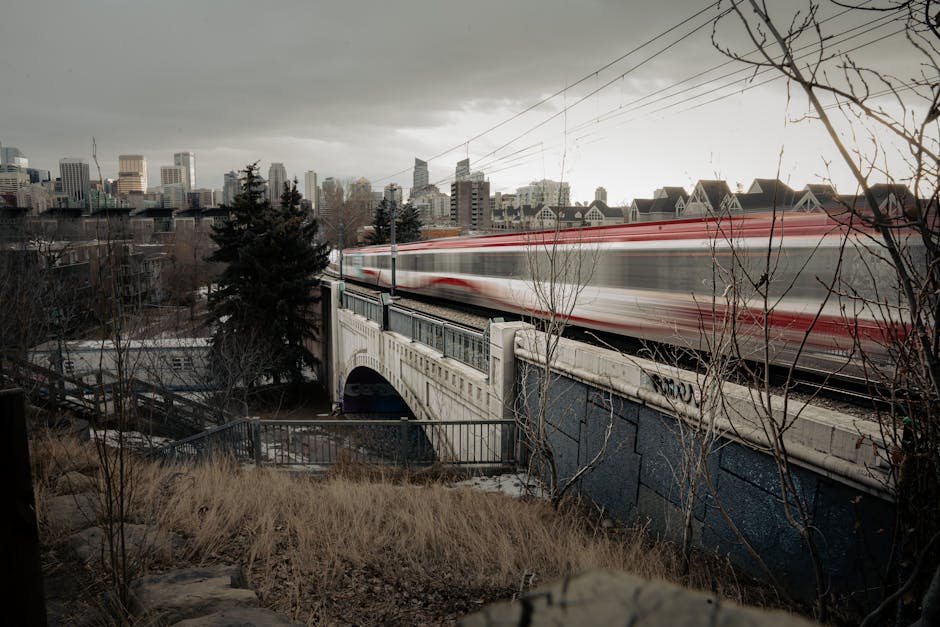
A VIA Rail train snakes through the rugged Canadian Rockies – a sight that never gets old.
Quick Stats – Your VIA Rail Cross-Country Trip
✈️ Best time to visit: June to September (peak scenery & weather)
💰 Estimated budget: $1,500–$4,000 CAD per person (Sleeper Plus class, one-way Toronto–Vancouver)
⏱️ How long to spend: 4 nights/5 days (Toronto–Vancouver) or add stopovers for 7–10 days
🎯 Difficulty level: Easy (you just sit back and watch)
📍 Recommended season: Late spring to early autumn (avoid winter for first-timers)
👥 Best for: Solo travelers seeking solitude, couples wanting romance, families with older kids, and rail enthusiasts
Introduction
I remember the exact moment the train crossed into the Rockies. The sky was that impossible shade of blue you only get at altitude, and the first jagged peak appeared through the pine trees like a colossal whale breaching the ocean. I had been staring out the dome car window for three hours, my coffee long cold, my phone sitting untouched in my bag. A woman across the aisle whispered, “Oh my God,” and we both laughed – what else can you do when confronted with 1,000 miles of pristine wilderness rolling past your window? I’m a travel writer who has taken dozens of long-distance trains across Europe and Asia, but nothing prepared me for the sheer scale and silence of VIA Rail’s Canadian.
You might think a four-day train journey sounds insane – or boring. I thought that too before I stepped aboard in Toronto. But let me be honest: this trip changed how I understand Canada. It’s not a way to get from A to B. It’s a slow-moving immersion into the geography and soul of a country so vast that most people only see it from 30,000 feet. In this guide, I’ll tell you exactly what to expect – the costs, the views, the tricks to snagging the best seat, and the moments where you’ll want to cry (from beauty, not boredom). Whether you’re a solo traveler in your 60s or a family with teenagers, this is the Canadian adventure you didn’t know you needed.
The Essentials at a Glance
- 🚆 Two iconic routes: The Canadian (Toronto–Vancouver, 4 nights) and the Ocean (Montreal–Halifax, 1 night). Both are unforgettable, but the Canadian is the bucket-list queen.
- 🛏️ Sleeper Plus is worth the splurge: Economy seats are cramped; invest in a cabin for real sleep, meals, and access to the Park Car with its panoramic dome lounge.
- 📸 The Rockies are the climax, but don’t sleep on the Prairies: The flatlands have their own stark beauty – golden wheat oceans and sunsets that last an hour.
- 🍽️ Pack snacks and a sense of adventure: Meals are included in Sleeper Plus and are surprisingly good (think salmon, steak, local wines). But the dining car is also a social hub – talk to strangers!
- 📵 Embrace the disconnection: Cell service is patchy for days. Bring books, a journal, and a camera you actually use. The boredom is the point.
The Complete Guide
Why This Matters / Why You Should Go
In an age of budget airlines and overnight buses, why spend four days on a train? Because this isn’t just transportation – it’s a pilgrimage through the last great wilderness of North America. The Canadian route from Toronto to Vancouver covers 4,466 kilometers (2,775 miles) of terrain that shifts from the manicured farmlands of Ontario to the boreal forests of Northern Ontario, across the endless prairies of Manitoba and Saskatchewan, then punches through the majesty of the Rocky Mountains into British Columbia. You’ll see bears, elk, deer, and maybe a moose. You’ll watch the sunrise over Lake Superior’s rocky shores and the sunset over the Fraser River valley. No plane can show you that.
Who is this for? Solo travelers who crave solitude. Couples who want to actually talk to each other without Wi-Fi. Families who want a screen-free bonding experience (I watched a 10-year-old teach her dad how to play chess on a cardboard board). And retirees – I met three solo women over 65 who were crossing Canada by rail “because we finally have time.” If you hate crowds and love authentic travel, this is your train.
What makes it special compared to, say, a road trip? On the train, you’re not fighting traffic or searching for gas stations. You’re served three meals a day, you sleep in a real bed with sheets, and the scenery comes to you. The Park Car – the glass-domed observation car at the rear of the train – is where magic happens. I spent hours there, camera in hand, as the Rockies unfolded frame by frame. The train moves slow enough (around 80 km/h) that you can actually see details: the lace of a waterfall, the berry bushes where a black bear is grazing, the rusted cabooses abandoned in forgotten yards. It’s the opposite of fast travel – and that’s exactly why it matters.
When to Visit (Seasonal Guide)
June to September is the golden window. Summer offers the warmest temperatures (20–30°C), the longest daylight hours (sunset after 9 PM in the Rockies), and the highest chance of clear views. The downside? Summer is peak season, so tickets cost more – expect to pay 20–30% above off-season rates. You’ll also share the Park Car with more passengers. But honestly, the wildlife is active, the wildflowers are out, and the lakes are that impossible turquoise. I traveled in mid-August and saw seven bears along the tracks.
May and October are shoulder months. Prices drop, and crowds thin. May can be rainy and muddy, but the forests are emerald green and waterfalls are roaring with snowmelt. October brings fall colors – golden larches and red maples in the Rockies – but the weather is unpredictable (expect rain and early snow at higher elevations). I’d skip May unless you’re a photographer chasing moody clouds.
November to April is the budget-friendly option, but it’s hardcore. The Canadian runs year-round, but winter crossings can involve delays due to snow. The scenery is stark and beautiful – snow-capped peaks, frozen lakes – but you’re stuck inside much of the time. It’s best for experienced rail travelers or those who genuinely love winter. I did a January trip once and loved the silence, but I wouldn’t recommend it for a first-timer.
Budget Breakdown
Let’s talk numbers. A one-way ticket in Economy from Toronto to Vancouver starts at around $450 CAD – but you’ll be in a reclining seat for four nights, and meals are not included. I tried Economy once and regretted it: I barely slept, and the dining car costs added up. For a comfortable trip, book Sleeper Plus, which includes all meals, a cabin with a bed that converts to a seat by day, and access to the Park Car. A one-way Sleeper Plus ticket costs between $1,200 and $2,500 CAD depending on season and how far ahead you book. I paid $1,800 CAD for a mid-August trip booked four months out.
Accommodation breakdown: You don’t need hotels – you sleep on the train. But if you want to break the journey (recommended), consider stopovers in Jasper, Edmonton, or Winnipeg. A mid-range hotel in Jasper costs $200–$300 CAD per night. Food on the train is included in Sleeper Plus, but I spent about $50 CAD on snacks and drinks (alcohol is extra – a glass of wine is $9 CAD). Activities? The train is the activity. But if you stop in Jasper, budget $100–$150 for a wildlife tour or boat ride on Maligne Lake.
Total one-way cost (Toronto to Vancouver, Sleeper Plus, including stopover): Roughly $2,200–$3,500 CAD for one person. For a couple, it’s a better deal since you share a cabin (add ~$800 for the second person). Money-saving tip: book the “Canrailpass” if you plan to do multiple segments over a month – it gives you 7 travel days within 21 days for about $1,000 CAD in Economy. Also, book on a Tuesday – VIA Rail often runs mid-week discounts.
Getting There & Getting Around
Your journey starts at Toronto Union Station – a Beaux-Arts beauty built in 1927. Arrive at least 90 minutes early to check luggage (two large suitcases per person free) and explore the station. The Canadian departs three times a week from Toronto. In Vancouver, the terminus is Pacific Central Station, right near SkyTrain for airport access. I flew into Toronto two days early to acclimate – the jet lag is real.
Onboard, getting around is simple: the train has two cars (Economy and Sleeper Plus), plus the dining car and the Park Car. You can walk freely between cars, but the vestibules (between cars) can be loud and cold – avoid lingering. The Park Car is the premier spot: it has a dome lounge with floor-to-ceiling windows, a small bar, and an outdoor balcony at the rear. Pro tip: Stargazing from the balcony at night in the Rockies is an experience you’ll never forget. The train stops for about 20 minutes in major stations like Winnipeg, Saskatoon, Edmonton, and Jasper – you can get off to stretch your legs, but don’t wander far. The PA system announces departures.
Navigation off-train is easy: most Canadian cities have reliable public transit. In Jasper, the town is walkable from the station. In Vancouver, grab the SkyTrain to downtown (20 minutes). I recommend renting a car for a day if you stop in Jasper to reach the more remote viewpoints.
Top Recommendations / Must-Do Activities
1. The Park Car at Sunset in the Rockies
There’s no better spot. As the train climbs into the Rockies near Jasper, the sun dips behind the peaks, painting the sky in burnt orange and pink. I spent two hours there, sharing binoculars with a retired couple from Germany. We spotted a grizzly sow with two cubs ambling along a riverbank. The Park Car is free for Sleeper Plus passengers, but it fills up – claim your seat by 4 PM. Downside: It can get crowded with chatter. Bring noise-cancelling headphones.
2. The Dining Car – Not Just for Food
I was nervous about dining alone, but the assigned seating policy forces you to share tables with strangers. I ate dinner with a geologist who explained the rock formations outside, a grandmother traveling solo for her 70th birthday, and a Quebecois chef. The food is genuinely good – I had grilled salmon with dill sauce and a local Okanagan wine. Don’t skip breakfast: the French toast with maple syrup is legendary.
3. The Jasper Stopover
If you can, get off in Jasper and spend a night. The train stops for about 20 minutes, but you can store your luggage and reboard the next evening. Jasper is less crowded than Banff, and the wildlife is abundant. I took a guided walk to Maligne Canyon and saw three bull elk within 50 meters. Book at least two weeks ahead for summer hotels.
4. The Lake Superior Section (Day 1–2)
Most passengers sleep through this part, but don’t. The north shore of Lake Superior is a dramatic coastline of granite cliffs, pine forests, and hidden coves. The train hugs the water for hours. I sat in the dome car at 6 AM as the fog lifted off the lake – it was silent except for the rhythmic clatter of the rails. This is the part that feels like a secret.
5. The Winnipeg Smoke Break
Yes, this sounds silly. But the 20-minute stop in Winnipeg at midnight is a strange highlight. The entire train empties onto the platform for a cigarette break (even non-smokers go out for fresh air). The station is art-deco, and the night sky over the prairies is thick with stars. I bought a beaver tail pastry from a vendor – a clumsy, delicious mistake.
Traveler’s Pro Tips
Book the Upper Berth for privacy on a budget: If you’re solo but don’t want a full cabin (costs ~$2,000 CAD), the upper berth in a shared section is a curtained bunk that converts from the ceiling. It’s surprisingly comfortable, cheaper (around $1,200 CAD), and you get access to the Sleeper Plus amenities. I did this on my second trip and loved the cocoon feeling.
Pack a power strip: Each cabin and each seat row has exactly one power outlet. A small power strip lets you charge your phone, camera, and tablet simultaneously – and makes friends with your seatmates. I saved a stranger’s trip when his laptop died.
Bring binoculars and a neck pillow: The best wildlife sightings happen from the window of the dome car. Without binoculars, that dark shape in the trees remains a shape. A neck pillow is non-negotiable – the seats are fine, but the rocking motion makes sleeping awkward without support.
Ask the crew for “the mountain side” on the Rockies stretch: The Canadian runs east-west, so the best views of the Rockies are on the right side (north) when heading west from Jasper to Vancouver. In the dining car, request a window seat on that side for dinner – the sun sets behind the peaks.
Don’t overpack your main bag: You’ll carry it down narrow aisles and up stairs to your cabin. I packed a medium duffel and a backpack, and that was plenty. Leave the hard-shell suitcase at home – it won’t fit under the seats or in the luggage racks.
Common Mistakes to Avoid
Mistake #1: Booking Economy thinking you’ll “rough it.” I made this mistake on my first trip. After two sleepless nights in a reclining chair with a crying toddler nearby, I was a zombie. The savings aren’t worth the misery for a 4-night journey. Upgrade to Sleeper Plus or at least a berth. How to avoid: Book at least 3 months ahead to get a discounted Sleeper Plus fare.
Mistake #2: Forgetting that Wi-Fi is basically non-existent. You’ll have sporadic cell service until Thunder Bay, then nothing for two days until Jasper. I saw a businessman having a meltdown near Winnipeg because he couldn’t send an email. Consequence: Panic and frustration. How to avoid: Download movies, books, podcasts, and maps before departure. Let work know you’ll be offline. The train phone is $2/minute – not worth it.
Mistake #3: Not reserving a seat in the Park Car early. The Park Car is first-come, first-served. I saw passengers climb over seats to grab a spot. By 7:30 AM on the Rockies day, every dome seat was taken. Consequence: You’ll stand in the aisle or miss the best views. How to avoid: Set an alarm for 6:30 AM, grab your coffee, and head to the Park Car. Some travelers “camp out” with a book – it’s acceptable.
Mistake #4: Over-scheduling stopovers. The train is often delayed by 2–4 hours (freight trains have priority). I missed a connecting bus from Jasper to Banff because we arrived three hours late. Consequence: Panic and lost money. How to avoid: Build in a full day’s buffer for any connections. Don’t book anything tight – trains run on “Canada time.”
Your Travel Checklist
- 📄 Documents: Valid passport (for international travelers), VIA Rail e-ticket (printed or on phone), travel insurance card, vaccination record (optional).
- 🎒 Packing: Comfortable clothes for layering (temperatures vary from 5°C at night in the Rockies to 30°C in the prairies), sturdy walking shoes, swimsuit (the cabin showers are tiny but work), binoculars, camera with zoom lens, noise-cancelling headphones, neck pillow, sleep mask, small flashlight.
- 📚 Research: Download offline maps of Canada, read a bit about the history of the Canadian railway (the book “The Last Spike” is a great choice), check current wildlife sightings on the VIA Rail blog.
- 🎟️ Bookings: Confirmed train ticket, optional stopover hotels (book refundable!), any pre- or post-trip flights, travel insurance.
- 🧴 Health/Safety: Motion sickness meds (the train can rock on curves), basic first-aid kit, hand sanitizer, insect repellent (for stops in Jasper), sunscreen (high altitude).
- 💰 Local Currency: Canadian dollars – credit cards are widely accepted, but you’ll want cash for small platform vendors and tips for the baggage porter ($2–$5 CAD per bag).
- 📱 Apps: VIA Rail app (real-time tracking), SkyMap (for stargazing in the Park Car), Kindle/audiobook app, offline downloaded playlist.
Traveler FAQ
Q: Is the train safe for solo female travelers, especially at night?A: Absolutely – I felt safer on the VIA Rail train than in many city hotels. The crew does regular cabin checks, the doors lock from inside, and there are no strangers wandering cars after 11 PM. The dining car staff will walk you to your cabin if you feel uneasy. I traveled solo as a woman twice and only ever felt welcomed.
Q: Can I bring my own alcohol on board?A: Yes, but only in your cabin or seat – not in the dining car or Park Car (they serve their own for profit). I packed a bottle of Canadian rye whiskey and shared it with my seatmate during a sunset in the Prairies. Just be discreet; the crew is nice about it as long as you’re not rowdy.
Q: How do I handle dietary restrictions (vegetarian, gluten-free, etc.)?A: I have a friend who is celiac – she called VIA Rail 72 hours before departure and they prepared special meals for her entire trip. The dining car chef brought her a separate gluten-free bread basket each morning. For vegetarians, there’s usually a pasta or risotto option. Just tell them when you board or call ahead.
Q: Do I really need four days? Can I do a shorter segment?A: Yes! Many people do just the Jasper to Vancouver stretch (about 18 hours, overnight) or Toronto to Winnipeg (24 hours). I’d recommend the Jasper–Vancouver segment if you’re short on time – it covers the best mountain scenery. But the full crossing has a cumulative magic that shorter trips miss.
Q: What happens if the train is delayed and I miss a connection?A: VIA Rail has a “delay assistance” policy where they’ll help rebook you or put you up in a hotel if you miss your last connection. I missed a bus in Jasper once, and they called a shuttle for me. That said, it’s not guaranteed – always have a backup plan. Most locals I met just treat delays as part of the adventure.
Ready for Your Adventure?
I won’t lie – four days on a train is a commitment. Your back will ache from the rocking. You’ll run out of podcasts. You’ll wonder why you didn’t just fly. But then the train rounds a bend, and Canada opens up in a way no jet window ever could. The geologist who shared my dinner table said it best: “This isn’t a trip – it’s a pilgrimage through geology and time.” You’ll feel the immense loneliness of the Prairies, the quiet power of the boreal forest, and the awe of the Rockies. You’ll return home with a new understanding of space, silence, and the kindness of strangers in the dining car. If you’ve ever dreamed of a slow-paced adventure that’s both luxurious and raw, book that ticket. Pack your binoculars. Leave your expectations at Union Station. The train is waiting – and Canada is ready to show you its heart.


No comments:
Post a Comment