Why Quiet Escapes Are the Ultimate Luxury for Introverted Travelers
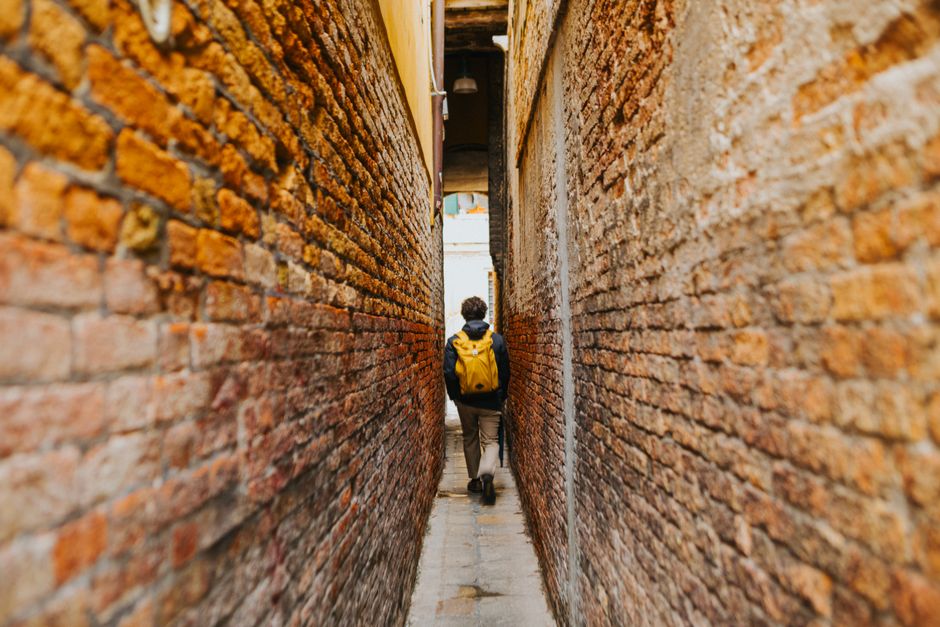
Sunrise on a secluded lake – the kind of silence that restores an introvert’s soul.
Quick Stats for a Quiet Escape (e.g., a solo retreat to the Scottish Highlands):
✈️ Best time to visit: May–June or September–October (shoulder seasons for fewer crowds)
💰 Estimated budget range: £80–£150 per day (mid-range; £50–£80 budget, £200+ luxury)
⏱️ How long to spend: 5–7 days for a real reset
🎯 Difficulty level: Easy (if you drive); moderate using public transport
📍 Recommended season: Autumn for solitude and golden light
👥 Best for: Solo travelers, couples, writers, meditators, anyone craving silence
Introduction
Let me paint a picture for you. It was late September, and I was standing at the edge of Loch Cluanie in the Scottish Highlands. The air was cold and tasted of pine and damp moss. There was no wind, no rustling leaves, no distant drone of traffic. Just the occasional cry of a lone curlew across the water. I hadn’t spoken a single word in four hours. And for the first time in months, I felt my shoulders drop away from my ears.
As an introvert, I used to dread the question, “So, where are you going next?” Because most travel advice seems designed for extroverts: crowded hostels, group tours, bar-hopping in vibrant cities. I’d return from these trips more exhausted than when I left. That journey changed everything. I discovered that the real luxury of travel isn’t a five-star hotel – it’s the space to just be. To hear your own thoughts again.
I’ve spent the last six years seeking out quiet corners of the world – from the silent valleys of Norway to the misty hills of rural Japan. I’ve made the mistakes so you don’t have to. This guide is your blueprint for crafting a trip that doesn’t drain you, but fills you. You’ll learn exactly where to go, when to go, what to budget, and how to navigate these havens without feeling lost or overwhelmed. Let’s find your silence.
The Essentials at a Glance
- 🌲 Seek micro-seasons: Shoulder seasons (late spring, early autumn) offer the quietest crowds and most serene landscapes.
- 📵 Digital detachment is a feature, not a bug: Many quiet escapes have limited cell service – embrace it. Bring a real map and a journal.
- 🚐 Your vehicle is your sanctuary: Renting a car (or campervan) gives you ultimate control over your schedule and solitude.
- ☕ Find your “third place”: A local café, a library, a bench by a stream – a consistent spot you can visit daily for grounding.
- 🏠 Stay in self-catering accommodation: Avoid the forced social interaction of hotels. A cottage or cabin is worth every penny.
The Complete Guide
Why This Matters / Why You Should Go
The world is loud. Open-plan offices, relentless notifications, and the pressure to be “on” constantly leave introverts in a state of quiet crisis. Standard travel – queues, chit-chat with strangers, packed museums – often amplifies this drain. A quiet escape isn’t just a holiday; it’s a form of active recovery. It’s the difference between scrolling through Instagram and actually seeing a sunset.
This is for the person who finds energy in stillness, not stimulation. Who prefers one deep conversation to a dozen small ones. Who wants to come back from a trip not needing a vacation from their vacation. These places – be it a remote bothy in the Cairngorms, a minimalist cabin in the Finnish forest, or a silent retreat in rural Devon – offer you permission to do nothing. And that, for an introvert, is the most luxurious activity of all.
When to Visit (Seasonal Guide)
Best months: May through June, and September through October. I’ve visited the Scottish Highlands in July and found myself bumper-to-bumper with campervans on the A82. Never again. May brings lambing season and longer evenings without the school holiday crush. September offers golden heather and fewer midges (the tiny biting flies that are the Highlands’ only real curse).
Winter (November–February): Intensely quiet but brutally short days (sunset at 3:30 PM). Great for true hermits, but you need proper gear and a reliable four-wheel drive. I once got snowed in for three days near Fort William – terrifying and magical in equal measure.
Summer (June–August): Peak season, but if you stick to less famous spots (e.g., the Isle of Rum instead of Skye), you can still find solitude. Expect midges and higher prices.
Autumn (September–October): My personal favourite. The light is soft, the crowds have gone home, and the air has that crisp, clarifying quality. Plus, lower accommodation rates.
Budget Breakdown
Let’s use a 6-day solo trip to the Scottish Highlands as a realistic example.
- Accommodation: Budget – £50/night (campsite with tent). Mid – £100/night (self-catering cottage booked 6 months ahead). High – £200+/night (a bothy or boutique lodge with wood-fired hot tub). I paid £90/night for a tiny stone bothy near Glencoe and felt like a king.
- Food: Groceries for self-catering: £30–40/week. One nice pub dinner: £25. Budget roughly £10–15/day cooking, £30–40/day eating out.
- Transport: Rental car: £200–£300 for a week (book early, automatic transmission costs more). Petrol: £50–£70 for 400 miles. Public buses between towns exist but are infrequent; car is strongly advised.
- Activities: Most hikes are free. A ferry to an island like Mull: £40 return. Entry to a castle: £10–15. Total activity spend: £0–£80.
- Daily total: £80–£150 per day (mid-range). Total trip: £500–£900 for a week. Save money by bringing a travel kettle and instant porridge – luxury is in the view, not the price tag.
Getting There & Getting Around
From London, take the Caledonian Sleeper train to Fort William or Inverness (around £120 for a berth). It’s an experience in itself – falling asleep in London, waking up to the Highlands. For maximum flexibility, fly into Glasgow or Edinburgh, then rent a car. Be warned: many rental companies require you to be 25+ and charge extra for one-way drops.
Driving is your best friend for quiet escapes. Single-track roads with passing places are standard – it’s a dance, not a race. Always pull over to let locals pass; you’ll get a friendly wave. A tip I learned the hard way: fill up your tank whenever you see a petrol station, because the next one might be 50 miles away. Bring a physical road atlas – GPS dies in glens. Also, download offline Google Maps for the entire region. The lack of signal is liberating, but only if you’re prepared.
Top Recommendations / Must-Do Activities
1. The Hike to the Lost Valley (Glen Coe): This isn’t on the main tourist path. A 3-mile round trip through a hidden gorge where cattle rustlers once hid their spoils. I went at 7:00 AM and saw no one. The silence was so deep I could hear my own heartbeat. Go early, bring a flask of tea, and sit on the boulders at the end. Downsides: you’ll get your boots wet crossing the stream, and on weekends, the car park fills by 8 AM.
2. The Isle of Rum Day Trip: Take the CalMac ferry from Mallaig (book car space weeks ahead). Rum has fewer than 30 permanent residents. Hire a bike and cycle the single road to the white sandy beach at Kilmory. I saw four red deer and zero humans for three hours. The ferry is bumpy (take seasickness pills), and the midges can be brutal by the lochans.
3. The Bothy Experience at A’Chuil (Fort William area): A bothy is a basic, unlocked shelter in the mountains. Staying in one is an introvert’s dream – no electricity, no running water, just you and a stove. Book A’Chuil through the Mountain Bothies Association (free, but donate). I brought a sleeping bag, a headlamp, and a book. By 9 PM, the only sound was the wind. Bring earplugs if you’re a light sleeper – the wind can howl like a banshee.
4. Secret Beach at Sandwood Bay: A 4-mile walk from the car park near Kinlochbervie. This is one of the most remote beaches in the UK. Pink sand, huge dunes, and a ruined croft. I was there for two hours and saw one other person. The walk is exposed, so bring waterproofs and sunscreen (the sun burns even when it’s pale). No facilities – pack out all waste.
Traveler’s Pro Tips
Book accommodation with a kitchen: Even a simple hob and kettle gives you control over your eating and social exposure. You can eat when you want, not when the restaurant breakfast shift ends. I bring a small bag of ground coffee and a French press – it becomes a ritual.
Use the “20% penalty rule” for seasonal planning: Imagine the busiest week of the year (e.g., August in the Highlands). Add 20% more crowds than you expect. If that sounds unbearable, choose a month before or after. I never travel in July now; the peace is gone.
Carry a small notebook and a pen that works wet or dry: In truly isolated places, you’ll have thoughts you haven’t heard for years. Write them down. My best ideas – and my deepest clarity – have come while sitting on a damp log with no signal. Don’t trust your phone battery.
Master the “social buffer” technique: When you do encounter locals (at a pub or shop), use a simple phrase to indicate you’re not looking for a long chat. “I’m just passing through, taking a break from talking today” works wonders and is almost always respected. People in quiet places understand this better than anyone.
Always have a backup day indoors: The Scottish climate is fickle. Pack a single book you’ve been saving for a rainy day. When the downpour hits and you’re stuck in your bothy, that book becomes a lifeline. I read “Pilgrim at Tinker Creek” on such a day – it changed how I see solitude.
Common Mistakes to Avoid
1. Overplanning every hour: I once created a minute-by-minute itinerary for a trip to Skye. It was a disaster. Introverts need spontaneity and the freedom to rest. The consequence is burnout – you miss the point entirely. Instead, plan one activity per day and leave the rest blank. Use that emptiness for walks, naps, or simply watching the light change.
2. Staying in a hostel dorm to save money: I get it – budgets are tight. But a dorm room is a social minefield for introverts. The constant small talk, the snoring, the fluorescent lights. Spend the extra £20–30 on a private room or campsite. The peace you buy is worth more than the money you save.
3. Ignoring the midges (or local pests): In the Highlands, midges are the hidden enemy. I once sat outside for sunset and came back covered in welps, itching for days. Buy Smidge repellant and a head net. For other destinations (e.g., Norway mosquitoes), research the local pest season. The consequence of skipping this is misery and ruined evenings.
4. Assuming “quiet” means boring: I used to bring multiple devices for entertainment. The truth is, the quiet itself is the activity. Don’t try to fill every moment with podcasts or music. Let the silence be. The boredom you feel at first is actually your brain unwinding. Give it two days, and you’ll start seeing beauty in a patch of moss.
5. Forgetting to inform someone of your plans: In remote areas, safety is paramount. I once went on a hike without telling anyone my route. My phone died, and it took me until 10 PM to get back (a wrong turn added two hours). Leave your itinerary with someone at home or a B&B host. A Garmin inReach satellite messenger is a wise investment for true isolation.
Your Travel Checklist
Documents: Passport (if crossing borders), driving license (with international permit if needed), travel insurance policy number, emergency contact details on paper.
Packing: Layers (wool base, fleece, waterproof jacket), waterproof trousers, sturdy boots (broken in!), gaiters, warm hat, gloves, sunglasses, headlamp with extra batteries, a physical map, a multitool, a reusable water bottle, a thermos flask, and a first-aid kit with blister plasters.
Research: Download offline maps (Google Maps or Maps.me), check tide times for coastal walks, read bothy etiquette (if using one), note nearest petrol station and shop opening hours.
Bookings: Accommodation (pre-book for peak season), rental car (confirmed with manual or automatic), ferry tickets (reserve car space if needed).
Health/Safety: Midge repellent, SPF 50 sun cream, antihistamines, paracetamol, oral rehydration salts (for long hikes), personal locator beacon (optional but recommended).
Local Currency: British Pounds (for Scotland), some cash (ATMs are rare in villages), a credit card without foreign transaction fees.
Apps: Walkhighlands (hiking routes), What3Words (for precise location sharing), Windy (for weather forecasts), CalMac (for ferry schedules).
Traveler FAQ
Q: Is a quiet escape lonely? How do you cope if you’re an introvert but still want some human connection?
A: The difference between loneliness and solitude is choice. You control it. I schedule one hour a day (e.g., at a pub for lunch) where I’m open to a brief chat. The rest is sacred alone time. If you feel the creep of loneliness, call a friend for 10 minutes. That small dose is usually enough.
Q: Is it safe to travel alone to remote areas like the Highlands as a woman?
A: I’ve done it multiple times and always felt safe, but caution is key. Trust your instincts – if a place feels off (a dark car park, a lone figure acting strangely), leave. The most dangerous part is usually the drive. Let someone know your plans, stick to well-trafficked paths during the day, and never hitchhike alone. The quiet community is respectful, but you must still act with common sense.
Q: What if I have limited time – can I still have a meaningful quiet escape?
A: Absolutely. A long weekend (3–4 days) can work wonders if you choose a location within a 3-hour drive of an airport. I once did a 48-hour retreat in a cabin in the Lake District – arrived Friday night, left Sunday. I did two walks, read a book, and cooked simple meals. The key is to protect that time fiercely: no work emails, no social media.
Q: What if the weather is terrible all week?
A: This is why you need a backup plan. Bring a book, a journal, a deck of cards, and a puzzle. Listen to the rain on the roof. It’s an experience in itself. My most memorable afternoon was lying in a bothy listening to a storm rage outside – I felt more alive than on any sunny sightseeing day.
Q: Do I need to be a skilled hiker to do this?
A: No. Many of my favourite quiet moments have been sitting on a bench by a loch or walking flat riverside paths for an hour. The “adventure” is in the stillness, not the elevation gain. Choose routes rated “easy” or “moderate” on Walkhighlands. The goal is to feel restored, not exhausted.
Ready for Your Adventure?
I know the hesitation. The nagging voice that says you’ll be bored, or you’ll feel awkward eating dinner alone, or you’ll miss the creature comforts of home. But I promise you: the silence doesn’t judge. The glens don’t care if you sit on a rock for three hours doing absolutely nothing. The most profound experience I’ve ever had was not a mountain summit or a famous sight – it was a Tuesday afternoon in a stone bothy, watching a single cloud drift over a mountain, with no plan for the rest of the day.
You don’t need an extrovert’s travel agenda. You need a path that respects your nature. Pack a bag, pick a spot with a name you love, and go. Let the world be loud elsewhere. Your quiet awaits – and it’s the most luxurious invitation you could ever give yourself.
Book that bothy. Fill your flask. Find your silence.


No comments:
Post a Comment