The Deep Amazon: Why a Rainforest Lodge Is the Wildest Adventure You’ll Ever Book
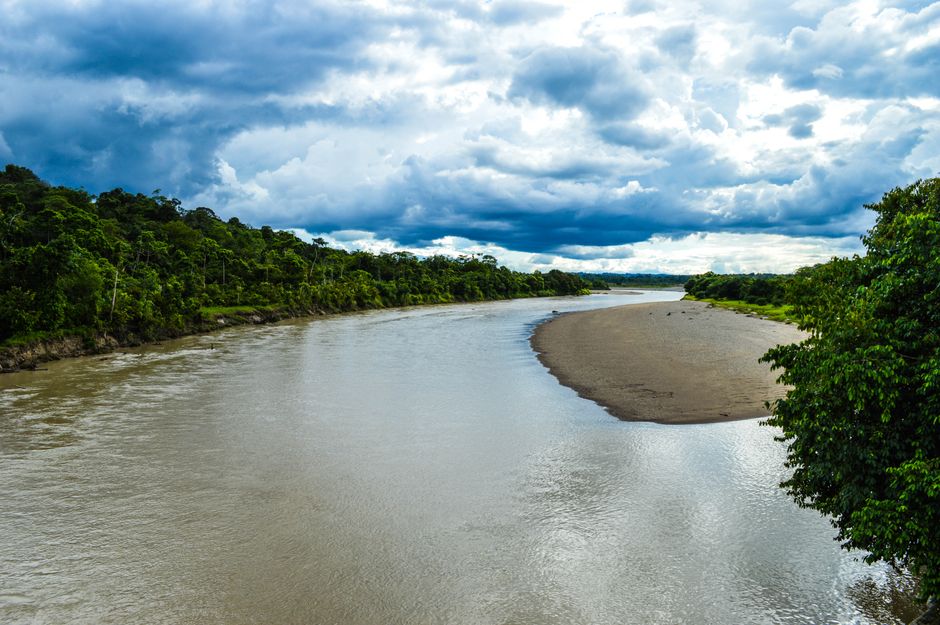
The Amazon canopy stretches endlessly, hiding secrets only a wildlife tour can uncover.
Quick Stats
✈️ Best time to visit: June–November (dry season) for hiking & wildlife viewing. December–May (wet season) for canoeing & fewer crowds.
💰 Estimated budget: $1,800–$4,500 per person for a 7-day trip (including flights from the US, lodge, tours, and meals).
⏱️ How long to spend: 5–7 days minimum to truly immerse yourself.
🎯 Difficulty level: Moderate (some hiking, early mornings, basic lodge amenities).
📍 Recommended season: Dry season (June–November) for maximum wildlife sightings.
👥 Best for: Solo travelers seeking solitude, adventurous couples, families with older kids (12+).
Introduction: The Day the Forest Spoke
I remember the exact moment the Amazon stopped being a myth and became my reality. I was in a small, hand-carved wooden canoe at 5:30 a.m., fog rising off the Napo River like steam from a pot, when a troop of squirrel monkeys launched themselves across the water overhead. One paused, stared directly at me, and let out a sharp call that sounded almost like a laugh. I was covered in mosquito bites, my rain jacket was sticking to my skin, and I had never felt more alive.
That trip to Peru’s Amazon basin—staying at a remote rainforest lodge near Iquitos—changed how I see travel. I’ve since returned three times, exploring lodges in Ecuador’s Yasuni National Park and Brazil’s Mamirauá Reserve. I’ve been bitten by bullet ants, eaten grubs by campfire, and guided night walks where the darkness hums with life. This guide isn’t a checklist of facts; it’s the hard-earned knowledge of a traveler who learned that the jungle doesn’t give up its secrets easily. You’ll walk away knowing exactly how to book the right lodge, what to pack for a wildlife tour, and how to navigate the logistics so you can focus on the magic.
The Essentials at a Glance
- 🌿 Choose a lodge, not a city hotel. The best Amazon experiences come from sleeping inside the jungle, not commuting from Iquitos or Manaus.
- 🐆 Wildlife is active early. Your 4 a.m. wake-up call for a pink river dolphin sighting is worth every yawn.
- 💧 Hydrate like a local. The humidity hits 90% consistently; carry a 1-liter reusable bottle and add electrolytes.
- 📸 Leave the zoom lens at home. A 100–400mm lens with image stabilization is better for canopy birds and river otters.
- 🧭 Book through a specialist. Companies like Rainforest Expeditions or Napo Wildlife Center offer trained naturalist guides who know where the jaguars roam.
The Complete Guide
Why This Matters / Why You Should Go
The Amazon is not a theme park. It’s a living, breathing organism that covers 2.1 million square miles across nine countries, and it’s vanishing at an alarming rate—an area the size of a football field every minute. Going there isn’t just a vacation; it’s an act of witness. I’ve stood on a canopy walkway 100 feet above the forest floor in Ecuador and watched a harpy eagle hunt a sloth. I’ve floated silently past a jaguar drinking from a riverbank in Brazil. These moments aren’t curated. They’re raw, risky, and real.
This place is for the traveler who wants to disconnect—genuinely, no cell service for days—and reconnect with something primal. It’s for the birder, the photographer, the amateur naturalist. But it’s also for anyone willing to get uncomfortable: the damp sheets, the army ants marching through your cabin, the unfamiliar sounds at night. The Amazon rewards those who lean in, not back.
When to Visit (Seasonal Guide)
I’ve visited in both extremes, and I’ll be blunt: the dry season (June–November) is superior for most travelers. The water levels drop, exposing riverbanks where capybara, caimans, and giant river otters sunbathe. Trails are drier (though still muddy), and mosquitoes are slightly less aggressive. Wildlife viewing peaks in August and September, when animals congregate around shrinking waterholes.
The wet season (December–May) has its own magic. You can canoe through flooded forests (known as várzea), glide past tree trunks underwater, and spot two-toed sloths clinging to branches just inches above the waterline. But expect daily deluges, muddy campsites, and more insects. I visited in February once and spent an entire afternoon trapped in a lodge hammock while a thunderstorm turned the sky green. It was beautiful, but I couldn’t leave the porch. If you choose the wet season, book a lodge with covered walkways and a good library.
Budget Breakdown
Accommodation: A basic rainforest lodge (shared bathroom, no electricity) runs $80–$120 per night per person. Mid-range lodges with private bungalows, solar power, and hot water cost $200–$350 per night. Luxury eco-lodges like the Napo Wildlife Center or Cristalino Lodge start at $500 per night and include all meals, guides, and excursions.
Food: Included in most lodge packages. If you eat independently in Iquitos or Puerto Maldonado, expect $5–$15 per meal.
Activities: Most lodge tours are bundled. Standalone guided wildlife tours cost $30–$60 per half day. Private naturalist guides charge $100–$150 per day.
Transport: Flights to gateway cities (Iquitos, Manaus, Coca, Puerto Maldonado) from the US range $600–$1,200 round trip. Canoe transfers from these towns to your lodge cost $20–$50 per person.
Money-saving tip: Book a 5-day package at a mid-range lodge directly (skip Expedia) and negotiate a discount for cash payment. I saved $300 by booking six weeks early and paying in soles.
Getting There & Getting Around
Your entry point depends on your chosen country. For Peru, fly into Lima, then connect to Iquitos (1.5 hours, $100–$200) or Puerto Maldonado (1 hour, $80–$150). For Ecuador, fly into Quito, then to Coca (30 minutes, $120–$180). From Coca, you take a motorized canoe for 2–4 hours down the Napo River to reach your lodge.
I’ve done the Coca-to-lodge journey twice. It’s not a sightseeing cruise; it’s a bumpy, wet, incredibly loud ride through brown water that smells of mud and fish. Pack waterproof bags for electronics and wear a life jacket (always). Once at the lodge, travel is by foot, small dugout canoe, or kayak. Your guide will handle navigation. Don’t try to go alone—the maze of tributaries is disorienting, and the electric eels are real.
Top Recommendations / Must-Do Activities
Night Canoe Trip (Peru’s Pacaya-Samiria Reserve): This is non-negotiable. With a headlamp and a silent paddle, you float through blackwater channels. I saw a spectral caiman, eyes glowing red, no more than two feet from my canoe. The guide whispered that a female jaguar had killed a howler monkey on that same bank the week before. The fear is visceral, but the awe is stronger.
Canopy Walkway (Ecuador’s Yasuni National Park): The 275-meter-long walkway rises 36 meters above the forest floor. I watched a group of spider monkeys cross right over my head, swinging arm over arm. The wind up there is different—cool, constant, and loud with bird calls. It’s the single best place for bird photography in the Amazon.
Pink River Dolphin Spotting at Dawn (Brazil’s Mamirauá Reserve): We left at 5 a.m. in a small skiff. The water was glassy, and then they came—three pink dolphins surfacing in unison, their bodies the color of faded coral. Our guide said they’re more active in the early light. Avoid the afternoon tours; the dolphins hide during the heat.
Insider tip: Ask your lodge for a “full moon night walk.” The forest is completely different under moonlight. I saw a tarantula the size of my hand and a kinkajou that watched us for ten minutes.
Traveler’s Pro Tips
Tip 1: Train your guide: On day one, show your guide a photo of your dream animal (say, a giant river otter). Ask where it’s been seen recently. Guideled tours are better when they know your specific obsession.
Tip 2: Bring a dry bag for each person’s clothes: Humidity will soak everything inside a single bag. Use two 20-liter dry bags: one for clean clothes, one for dirty. I lost an entire pair of boots to mold because I packed them with a damp towel.
Tip 3: Pre-load your phone with offline animal ID apps: iNaturalist or Merlin Bird ID are lifesavers when you see an unknown frog or hear a strange call. Cell service is nonexistent in most lodges.
Tip 4: Wear long pants and socks for night walks, even when it’s 90°F: I wore shorts once and counted 17 chigger bites the next morning. Tuck pants into socks and spray permethrin on your clothes before the trip.
Common Mistakes to Avoid
Mistake 1: Overpacking. I brought three pairs of shoes on my first trip. You need one pair of sturdy waterproof hiking boots (already broken in), one pair of rubber boots for mud (most lodges provide these), and sandals for the lodge. The extra weight is a burden in the canoe.
Mistake 2: Expecting constant action. The Amazon is 90% waiting, 10% sheer adrenaline. I sat for three hours watching an empty riverbank before a tapir casually walked out. Patience isn’t optional; it’s part of the experience. Bring a book or a journal.
Mistake 3: Ignoring health prep. I skipped the yellow fever vaccine on my second trip because I assumed I was fine. I wasn’t—I got a mild case of dengue from a mosquito bite and lost five days of my trip. Get vaccinated, bring a mosquito net, and carry Malarone for malaria prophylaxis.
Mistake 4: Booking a last-minute budget lodge. The cheapest lodges often have no screens on windows, broken plumbing, and guides who barely speak English. Spend the extra $100 per night; it directly affects your safety and quality of wildlife sightings.
Your Travel Checklist
Documents: Valid passport (6+ months remaining), entry visa (if required for Brazil or Ecuador), yellow fever vaccine certificate (carry the original card), travel insurance that covers helicopter evacuation.
Packing: Quick-dry hiking pants (2 pairs), long-sleeve sun shirt, waterproof rain jacket, wide-brim hat, headlamp with red light mode, binoculars (8x42 minimum), reusable water bottle with filter (e.g., Grayl or LifeStraw), insect repellent with 30% DEET, hydrocortisone cream.
Research: Read the lodge’s cancellation policy, check that they have a first-aid kit and radio contact, confirm the guide-to-guest ratio (ideal: 1 guide per 4 guests).
Health/Safety: Pack a basic snakebite kit (not just a tourniquet—learn how to use it), antihistamines, oral rehydration salts, and a waterproof case for medications.
Local currency: Peruvians use soles ($1 ≈ 3.7 soles); Ecuador uses US dollars; Brazilians use reais ($1 ≈ 5 reais). Small bills preferred for tips.
Apps: Maps.me (offline maps for lodge trails), Google Translate (download Spanish or Portuguese offline), WeatherPro (rain forecasts).
Traveler FAQ
Q: Is the Amazon dangerous for solo travelers?
A: It’s safe inside a reputable lodge with a guide. Danger comes from going off-trail or ignoring instructions. I’ve solo-traveled twice and felt safer than I do in most large cities. Just don’t wander alone after dark.
Q: Can I see a jaguar?
A: Yes, but bet on a slap of bad luck. Jaguar sightings are rare—I’ve seen two in four trips. The best odds are in Brazil’s Pantanal (not the Amazon itself) or Peru’s Tambopata Reserve in June–August. Ask your lodge about recent sightings.
Q: How do I handle the bugs?
A: You won’t avoid them all, but you can minimize bites. Wear permethrin-treated clothes, use DEET on exposed skin, and avoid perfumes. I recommend a wearable mosquito repellent clip (like Thermacell) for lodge decks.
Q: Do I need to speak Spanish or Portuguese?
A: Not at lodges with English-speaking guides. But knowing basic phrases like “gracias” and “dónde está el baño?” helps. Most guides appreciate the effort.
Q: Is the Amazon ethical for tourism?
A: It can be, if you choose lodges that employ local indigenous guides and have sustainability certifications (e.g., Rainforest Alliance). Avoid lodges that allow captive wildlife or boat tours that harass animals. I recommend Napo Wildlife Center (Ecuador) or Muyuna Lodge (Peru) for responsible operations.
Ready for Your Adventure?
The Amazon will test you. You’ll sweat through your clothes before breakfast, your sleep will be broken by howler monkeys at 4 a.m., and you might cry from the sheer overwhelming beauty of a sunset over the canopy. But you’ll also learn what it means to be a guest in a world that predates us by millions of years. I’ve seen travelers come back quieter, more thoughtful, and hungry for more. That’s the gift of this place—it humbles you.
So pack lighter than you think, bring a good notebook, and book that lodge. The pink dolphins are waiting. The jaguar is out there, stepping silently along the riverbank. And your canoe is ready.


No comments:
Post a Comment