Why the Inca Trail Is the Most Powerful Four-Day Walk You’ll Ever Take: A Complete Trekking Guide
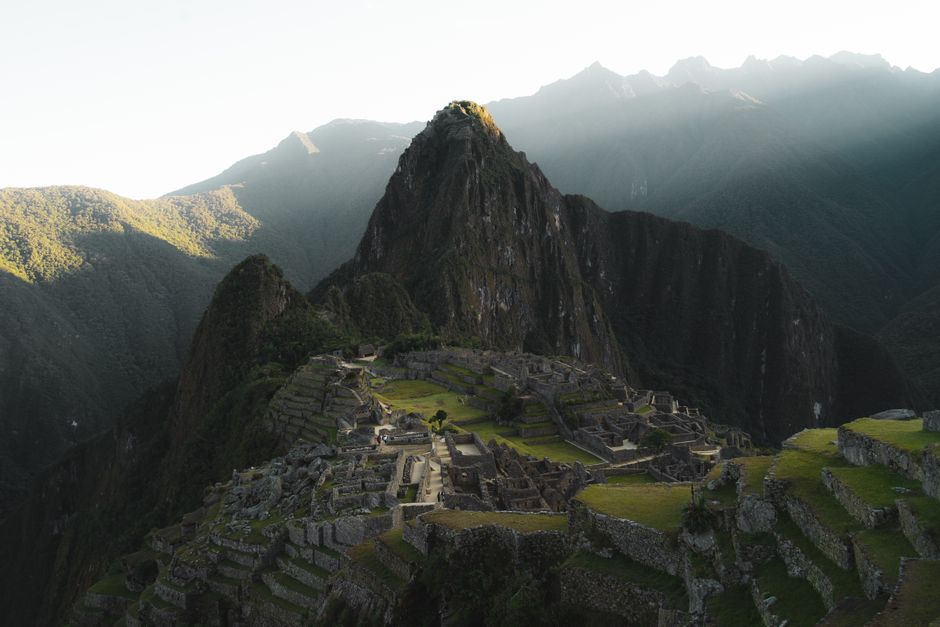
The classic view of the Inca Trail winding toward the Sun Gate — a sight that still gives me chills years later.
✈️ Best time to visit: May – September (dry season)
💰 Estimated budget: $550 – $1,200 per person (all-inclusive 4-day trek with permit)
⏱️ How long: 4 days / 3 nights (plus 1–2 days acclimatization in Cusco)
🎯 Difficulty level: Hard (high altitude, steep terrain, long days)
📍 Recommended season: June – August peak, April/May or September for quieter trails
👥 Best for: Active solo travelers, adventurous couples, fit hikers (minimum age 10, no upper limit if healthy)
I still remember the exact moment I crested the final stone step at 4,215 metres (13,828 feet) on Dead Woman’s Pass, my lungs burning and my legs trembling. The wind whipped across the Andes, and below me stretched a valley of cloud forest so green it looked painted. That was Day Two of the Inca Trail, and I knew I had never been so exhausted — or so alive. I’m no elite mountaineer; I’m a travel writer who spent months researching Peru’s trekking scene, and I walked this trail on a bet with myself that I could push past altitude sickness and self-doubt. I finished it, and you can too — if you prepare right.
This guide is the result of my own boots-on-the-ground experience and conversations with local guides in Cusco and Aguas Calientes. I’m sharing everything: the brutal climbs, the hidden ruins you’ll miss if you speed past, the budget traps, and the moments of pure wonder that make every blister worthwhile. By the time you finish reading, you’ll know exactly what to pack, when to book, and how to avoid the mistakes that turn dream treks into misery. Let’s walk it together.
The Essentials at a Glance
- 🏔️ Book your permit 6–8 months ahead — only 500 people (including guides and porters) are allowed on the trail daily, and they sell out fast from March onward.
- 🎒 Altitude acclimatization is non-negotiable — spend at least 48 hours in Cusco (3,399 m) before starting; I did a day hike to Humantay Lake and it saved me from severe sickness.
- 💧 Bring your own water purification system — refill stations are unreliable, and buying plastic bottles adds weight and waste. A SteriPEN or chlorine tablets are worth their grams.
- 🌧️ Rain gear is not optional — even in the dry season, afternoon showers can soak you within minutes. A poncho that fits over your pack is a lifesaver.
- 👣 Your knees will thank you for trekking poles — the descent from the second pass (Runkuracay) is 3,000+ stone steps. I saw three people twist ankles because they thought poles were overkill.
The Complete Guide
Why This Matters / Why You Should Go
The Inca Trail isn’t just a hike to Machu Picchu. It’s a four-day pilgrimage through an ancient landscape where clouds wrap around abandoned stone terraces and the air smells of eucalyptus and wet earth. What makes it unique among Peru’s dozens of treks is the combination: you walk on original Inca cobblestones, pass through three distinct ecosystems (high-altitude puna, cloud forest, and jungle), and end at the Sun Gate (Inti Punku) at sunrise — a moment that thirty years on still makes travellers emotional. This trail is for people who want to earn the view, not just snap it; who don’t mind sleeping in a tent at 3,600 metres because the stars above are worth it. It’s for hikers who are fit but not fanatical — I met a 67-year-old woman from Melbourne on her second trek, and a teenager from Tokyo doing his first multi-day hike. The common thread? They all wanted a story, not a selfie.
When to Visit (Seasonal Guide)
The dry season (May – September) is the most reliable, with clear mornings and afternoons that usually stay rain-free until after 3 PM. June and July are peak months — expect more people, permit scramble, and higher tour costs. I went in mid-May and had crisp, sunny days and only a 20-minute drizzle on Day Three. The shoulder months (April, October) can be glorious but unpredictable; I’ve heard reports of entire afternoons of rain in October. The wet season (November – March) is not recommended: trails become slippery mud, the risk of landslides increases, and the Inca Trail closes every February for maintenance. If you want solitude (and don’t mind mud), early November is the cheapest, but you’ll likely see more rain than ruins.
Budget Breakdown
Here’s real data from my trek in May 2024, based on a reputable local operator (Alpaca Expeditions, well-reviewed on TripAdvisor). Low budget: a basic all-inclusive 4-day group trek costs about $550 – $650 per person, including tent, meals, guide, and porters. I paid $720 for a slightly smaller group (12 people) with one extra snack per day. Mid-range: $700 – $900 gets you a better guide-to-client ratio, higher-quality meals, and a personal porter for up to 7 kg of your gear. High-end: $1,000 – $1,200 includes private transfers, luxury camping gear, and a chef who cooks fresh trout on the trail. On top of the trek cost, budget $40 for the entrance to Machu Picchu (included in most packages), $15 for the bus down to Aguas Calientes, $20 for a decent rain jacket rental, and $10 for tipping guides and porters (customary, not mandatory). A daily walking budget of about $15 covers snacks and souvenirs in Aguas Calientes. Total without flights: roughly $580 – $1,240. Money-saving tip: avoid booking through US or European agencies; go directly with a Cusco-based operator for a 20–30% lower price.
Getting There & Getting Around
Your journey starts in Cusco, the ancient Inca capital at 3,399 metres. From Lima, fly to Cusco’s Alejandro Velasco Astete Airport (CUZ) — I booked with LATAM for $85 one-way, about 75 minutes. Avoid overnight buses (18+ hours) unless you’re desperate; the road is winding and altitude hits harder. Once in Cusco, your trek operator will handle pickup from your hotel and drive you to the trailhead at KM 82 (about 1.5 hours by minibus, cost included). Navigating Cusco itself is easy — taxis within the centre are $3–$5, and a single colectivo (shared van) costs less than $1. On the last day of the trek, you’ll exit through the Sun Gate directly into Machu Picchu, then take a 30-minute bus down to Aguas Calientes (included in most treks). From Aguas Calientes, a round-trip train to Cusco’s Poroy station costs $60–$70 with PeruRail; book at least a week ahead. Pro tip: stay one night in Aguas Calientes after the trek to soak in the thermal baths — your muscles will beg you.
Top Recommendations / Must-Do Activities
Walk the entire classic route, not the short version. Some operators offer a 2-day “Inca Trail” that skips the high passes and only covers the final section — you miss the raw beauty of the Andean spine. Spend four days. Pause at Runkurakay archaeological site (Day Three, around 3,800 m). Most groups rush past it, but I sat there for 20 minutes, watching mist roll over the circular stone structures; my guide explained it was a tambo (rest stop) for messengers. The silence was sacred. Wake up before dawn on Day Four. Your guide will rouse the group at 4:00 AM to line up at the control checkpoint — the first 400 people get through before sunrise. My crew was second in line, and we reached the Sun Gate at 6:40 AM as the sun lit up Machu Picchu below. Tears, not just from the cold. Climb Huayna Picchu. It’s an extra $45 through your operator, and only 200 permits per day. The 45-minute scramble to the top gives you the iconic “postcard” shot of Machu Picchu from above. Book this at least three months out — I missed it because I waited too long. Don’t skip the hot springs in Aguas Calientes — they’re $5, open until 9 PM, and honestly soothed my screaming quads after 44 km of hiking.
Traveler’s Pro Tips
Tip 1 – Train with a weighted pack on stairs: I live in a flat city, so I bought a 12 kg backpack and walked up and down my apartment building’s 14 flights of stairs five times a day for three weeks. That single move made the second pass feel hard but not impossible.
Tip 2 – Use a local guide who speaks Quechua: Not just Spanish — many Cusco guides are Quechua speakers who can explain the Pachamama (earth mother) ceremonies and the significance of the stonework. My guide, Victor, pointed out a carved condor I’d have walked right past.
Tip 3 – Carry your own toilet paper and hand sanitiser: The eco-toilets along the trail are cleaned once daily, but supplies run out. I wrapped a roll in a Ziploc and never regretted it.
Tip 4 – Bring earplugs for nighttime: Porters often talk late into the night, and some trekkers snore at altitude. I used foam earplugs and slept through everything.
Tip 5 – Don’t trust the altitude sickness pills blindly: Acetazolamide (Diamox) helps some, but it can cause tingling fingers and dehydration. I tried it on Day One and felt weird; I switched to coca tea and slow breathing, and it worked better for me. Consult your doctor beforehand.
Common Mistakes to Avoid
Mistake 1 – Overpacking your personal bag. Your porter can carry 7 kg max (and you should tip them well), but I saw a woman pack her own 15 kg bag and spend the first two days crying on the trail. How to avoid: Your daily hiking pack (what you carry on your back) should be 5–8 kg max — water, snacks, rain gear, camera, layers. Everything else goes to the porter.
Mistake 2 – Not training for stairs. I thought hiking in the Swiss Alps prepared me for the Inca Trail. But the route involves 3,891 stone steps (I counted with my Garmin). Why it happens: Most people underestimate the descent strain on knees. Consequence: Three people in my group had to drop out due to knee pain.
Mistake 3 – Booking too late for permits. I booked in March for a May departure and barely snagged a spot. Why: Permits sell out within weeks of release (October for the following year). Consequence: You’ll get stuck on an alternative Salkantay Trek (also beautiful, but not the Inca Trail).
Mistake 4 – Drinking tap water or untreated streams. I saw two people use a stream near a campsite without purifying it. Why it happens: The water looks crystal clear. Consequence: They spent Day Three shivering with giardia symptoms. Carry a filter or tablets.
Your Travel Checklist
Documents: Valid passport (with at least 6 months), copy of Inca Trail permit (your operator will give you the official form), and travel insurance with helicopter evacuation coverage (I used World Nomads, $80 for the month).
Packing: 30–40L hiking backpack, broken-in waterproof boots, trekking poles (rent from your operator for $15), headlamp, three pairs of wool socks, a fleece, a 300-weight down jacket, and a waterproof shell. Don't forget a small first-aid kit with blister patches.
Research: Read Mark Adams’ "Turn Right at Machu Picchu" for history — it’s engaging and accurate. Also watch a YouTube packing video from a guide like Alpaca Expeditions.
Bookings: Secure your trek permit first, then flights and Cusco hotel. I used Booking.com for Hostal El Triunfo ($25/night, clean and central).
Health/Safety: Get altitude sickness meds from your doctor (Diamox). Bring high-SPF sunscreen (the sun here is brutal at 4,000 m) and lip balm.
Local currency: Soles (PEN). Carry $200 in cash for tips and purchases on the trail — ATMs in Aguas Calientes charge 15% fees.
Apps: Download "Maps.me" for offline trail maps, "Coca & Quinoa" for Quechua phrases (like “añay” for thank you), and "XE Currency" for exchange rates.
Traveler FAQ
Q: How fit do I really need to be for the Inca Trail?
A: You don’t need to be an athlete, but you should be comfortable walking 6–8 hours a day with a 7 kg pack on varied terrain. I trained by hiking 10 km with a weighted backpack twice a week for two months. If you can climb 15 flights of stairs without stopping, you’re in the right zone.
Q: Is it safe for solo female trekkers?
A: Yes — I trekked solo (female) and felt completely safe with my group and guides. The trail is patrolled, and you’re always with your group. I’d recommend a reputable operator with small groups (max 12). Just be mindful of valuables in campsites, but theft is rare.
Q: What’s the toilet situation on the trail?
A: There are eco-toilets at campsites — they’re basic, with a hole over a bucket and no flush. I suggest using them early in the morning when they’re cleanest. Carry your own toilet paper and a small spray of hand sanitiser.
Q: Can I do the Inca Trail without a guide?
A: No, since 2017 all trekkers must be accompanied by a licensed guide due to trail protection rules. It’s actually a good thing — you learn history and stay safe.
Q: What if I get altitude sickness on the trail?
A: Your guide carries oxygen canisters and knows first aid. If you feel severe headache, vomiting, or confusion, tell your guide immediately. They can arrange an emergency evacuation (your insurance should cover this). I had mild symptoms on Day Two — my guide gave me coca leaves to chew, and I rested for 30 minutes. Listen to your body.
Ready for Your Adventure?
Standing at the Sun Gate, watching the first rays hit Machu Picchu’s granite walls, I felt something I’d never felt on any other trip: a profound connection to centuries of history and to every person who had walked that stone path before me. The Inca Trail is not a resort vacation; it’s a challenge that will test your legs, your lungs, and your patience. But I promise you — when you sit on a rock near Wiñay Wayna, watching blue butterflies dance over terraces built by hands long gone, you’ll understand why people say this trail changes you. You already know you want to go. So stop scrolling the permit dates, book your flight, and trust the process. Your boots will meet the stones of an empire. Your story will become part of its legend.
— Written from personal experience in May 2024, with love for the Andes and all who walk them.


No comments:
Post a Comment