Common Signs Your Motorcycle Needs Professional Servicing: A Comprehensive Guide to Staying Safe and Smooth
Introduction
Every motorcycle tells you a story—through its vibrations, its sounds, and its performance. But sometimes, those stories are warnings. If you are a motorcycle rider, you know the feeling: that subtle hesitation when you twist the throttle, a new clunk from the engine, or a single drop of oil on your garage floor. Ignoring these whispers can lead to dangerous breakdowns, costly repairs, or even accidents. Understanding the common signs that your motorcycle needs professional servicing is not just about maintenance; it is about protecting yourself, your investment, and your riding experience.
This article will serve as your definitive guide to recognizing when your bike needs expert attention. We will cover everything from the obvious red flags like fluid leaks and strange noises to more subtle indicators such as changes in braking feel or fuel efficiency. Whether you are a weekend cruiser or a daily commuter, learning to decode your motorcycle’s language empowers you to act before a small problem becomes a roadside emergency. By the end, you will have a clear, actionable checklist to keep your machine running like new, and you will know exactly when to call a professional mechanic rather than attempting a DIY fix.
The Short Answer
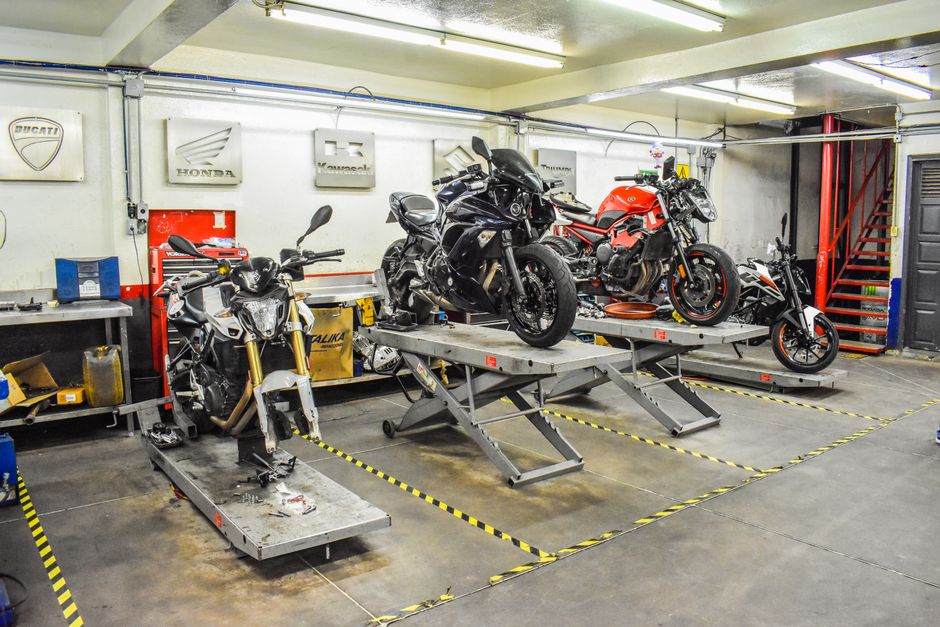
Your motorcycle needs professional servicing if you notice any of these key symptoms: unusual noises (grinding, knocking, or squealing) from the engine, brakes, or suspension; fluid leaks (oil, brake fluid, or coolant) that leave puddles; poor performance such as hard starting, stalling, or loss of power; vibrations or handling changes that feel different from normal; and warning lights on your dashboard that stay illuminated. Ignoring these signs can compromise safety and lead to expensive repairs. When in doubt, a professional inspection is always the smartest move.
The Full Explanation
Motorcycles are marvels of engineering, but they are also exposed to extreme conditions—vibration, heat, weather, and constant stress. Unlike cars, they often lack redundant safety systems, so a minor issue can become a major hazard. Recognizing the signs that your bike needs a mechanic is a skill every rider should develop. Let’s break down the most common categories of warning signals.
Unusual Noises: Your Bike’s Distress Call
Your motorcycle’s engine, drivetrain, and brakes produce a normal symphony of sounds you come to know and trust. When a new noise enters the mix, it’s time to listen closely. A high-pitched squeal from the brakes often indicates worn pads or glazed rotors, which dramatically reduce stopping power. A knocking or tapping sound from the engine could signal low oil pressure, worn valves, or even a failing piston. Meanwhile, a grinding or whining noise from the transmission area often points to a chain that is too tight, sprocket wear, or low gearbox oil. According to motorcycle mechanics, a majority of major engine failures are preceded by audible warnings that were ignored. If you hear anything new or persistent, do not assume it will go away—it probably won’t.
Fluid Leaks: The Obvious but Often Dismissed Signal
Finding a puddle under your bike is never a good sign. The fluid’s color and smell tell you what is leaking: black or dark brown means engine oil; red or pink is usually transmission or fork oil; green, orange, or blue indicates coolant; and clear, slightly oily fluid often points to brake fluid. Even a few drops of brake fluid can lead to catastrophic brake failure if the reservoir runs dry. Oil leaks not only starve your engine of lubrication but can also drip onto your tire, causing a sudden loss of traction. Coolant leaks raise the risk of overheating, which can warp engine heads. If you see any fluid on the ground, wipe it up with a paper towel to identify it, then schedule a shop visit. Leaks rarely repair themselves—they only worsen.
Poor Performance and Handling Changes
Your bike’s performance is its primary feedback mechanism. If you notice hard starting (taking more cranks than usual), rough idling, or stalling at stops, your fuel system or ignition system likely needs cleaning or adjustment. A loss of power during acceleration often points to a clogged air filter, dirty fuel injectors, or a failing spark plug. Similarly, if your bike pulls to one side while riding, the problem could be a misaligned front fork, low tire pressure, or a bent frame from an earlier tip-over. Vibrations that seem out of character—especially in the handlebars or footpegs—can indicate a loose engine mount, a worn chain, or an unbalanced wheel. Any change in the way your bike handles should be treated with respect; your safety depends on predictable, stable behavior.
Dashboard Warning Lights and Subtle Signs
Modern motorcycles come with diagnostic systems that light up the check engine or ABS warning indicator for a reason. If a light stays on after startup, the onboard computer has detected an error. Do not reset it and hope for the best—connect a code reader or have a professional scan it. Beyond lights, pay attention to increased fuel consumption; your bike might be running rich due to a faulty oxygen sensor or injector. Burning smells (oil, rubber, or electrical) are never normal. Finally, excessive smoke from the exhaust (blue for oil, white for coolant, black for rich fuel) is a definitive sign that internal parts need inspection. Recognizing these signs early is the difference between a quick tune-up and a full engine rebuild.
Key Factors That Influence When You Need Servicing
Mileage and Age
Motorcycle manufacturers provide service intervals based on mileage—commonly every 3,000 to 6,000 miles for oil changes and valve checks, and every 12,000 miles for coolant and brake fluid flushes. However, age matters too; even if a bike has low miles, rubber seals, hoses, and tires degrade over time. A 10-year-old bike with 5,000 miles likely needs a full inspection of perishable components, not just an oil change.
Riding Conditions
Do you ride in the city with frequent stop-and-go traffic, or on the highway at sustained speeds? What about rain, dust, or off-road conditions? Severe riding environments accelerate wear on brakes, clutches, chains, and air filters. A bike used for daily commuting in urban traffic will need brake fluid changes and chain lubrication more often than a weekend touring bike. If you ride aggressively, wheelies, or track days, your engine oil, suspension, and tires will degrade faster.
Maintenance History
A motorcycle with a well-documented service history is more predictable. If you bought a used bike without records, it is wise to have a professional go through every system at once. Past neglect—like old brake fluid or a sludge-filled oil pan—can cause hidden problems that manifest suddenly. Do not assume the previous owner took care of everything; a fresh baseline service from a shop gives you peace of mind and a new starting point for maintenance tracking.
DIY Skill Level and Tool Access
Some maintenance tasks are rider-friendly, like chain cleaning, oil changes, and brake pad swaps. But diagnosing internal engine noises, checking valve clearances, bleeding ABS brakes, or troubleshooting electrical issues requires specialized tools and knowledge. If you are unsure of your ability to perform a task safely, that is a sign you need a professional. Incorrect repairs can lead to more expensive damage or create dangerous riding conditions.
Common Myths & Misconceptions
Myth: “If it still runs, it doesn’t need servicing.”
This is the most dangerous belief in motorcycling. A bike can run with a cracked frame, a leaking fork seal, or seized brake caliper pistons—for a while. But performance degrades gradually, and you may not notice until an emergency stop or a tight corner. Many catastrophic failures are preceded by weeks of subtle symptoms that riders dismiss because the engine still turns over. Regular professional inspections catch these hidden issues.
Myth: “I only need to change the oil. Everything else is fine.”
While oil changes are vital, modern motorcycles rely on many fluids and filters. Brake fluid absorbs moisture over time, leading to a spongy lever and corrosion inside the braking system. Coolant loses its anti-corrosive properties. Fork oil breaks down and reduces suspension performance. A servicing professional checks all these systems—not just the oil—to keep your bike balanced and safe. An oil change alone is not enough.
Myth: “Warning lights are just a sensor problem, not a real issue.”
Sometimes a check engine light is caused by a loose gas cap or a faulty sensor. But more often, it points to a genuine issue like a misfire, an oxygen sensor failure, or a problem with the catalytic converter. Ignoring it because “it might be nothing” is a gamble. A simple diagnostic scan from a shop costs little and can save you from being stranded. Always treat warning lights as legitimate alerts until proven otherwise.
What This Means for You
As a rider, your personal safety and the longevity of your motorcycle depend on your willingness to listen to its signals. The practical takeaway is simple: adopt a proactive mindset, not a reactive one. Create a habit of performing a pre-ride visual check every time you swing a leg over the saddle. Look for leaks, check your tire tread and pressure, test your brakes, and listen for unusual sounds. Keep a small notebook or a digital log of any changes you notice—that weird vibration that started last week, or the clutch that feels a bit stiffer. When you bring this log to a mechanic, you give them a roadmap to diagnose problems faster and more accurately.
If you are not comfortable doing your own valve checks or bleeding brakes, do not hesitate to seek professional help. The cost of a service is always less than the cost of a crash or a blown engine. For most riders, an annual full-service inspection is a wise investment, even if no obvious symptoms are present. This is especially true if you ride in harsh conditions or rely on your motorcycle as a primary vehicle. Remember, a well-maintained bike is more reliable, more enjoyable, and safer. Treat servicing as a partnership between you and your machine—you ride it, and the mechanic keeps it rideable.
Expert Tips
Trust Your Gut, Not Just the Manual
Service intervals are guidelines, not absolute rules. If your bike feels off between scheduled services—maybe the gearbox is notchy or the engine vibrates more than usual—trust that feeling. Bring it in early. A professional can often spot developing issues during a routine inspection before they appear on a checklist.
Listen to Cold Starts
Start your bike for the first time each day with the choke or fast idle engaged. Pay attention to the first few seconds. A healthy engine starts quickly and idles smoothly. If you hear rattling that disappears after 30 seconds, you might have low oil pressure or worn timing chain tensioners. Record the sound with your phone and share it with your mechanic.
Test Brake Feel Before Every Ride
Before you leave your driveway, pump the front brake lever and press the rear pedal. They should feel firm and consistent. If the lever pulls back to the grip or the pedal sinks to the floor, you have air in the lines or a fluid leak. Do not ride—call a tow and a mechanic immediately.
Check the Chain When Cold
A chain that is too tight or too loose can cause premature wear on sprockets, bearings, and even the transmission. Check chain slack at the tightest point after the bike has sat overnight. If it requires adjustment more than once every 500 miles, there may be a deeper issue like a bent output shaft or seized chain links. A professional can diagnose the root cause.
Don’t Ignore Small Drips
A single drop of oil on the garage floor might seem trivial, but it often indicates a failing seal. Seals do not heal. That small drip will become a stream as the seal deteriorates. Catching a weeping seal early saves you from a messy and expensive repair down the road.
Conclusion
Your motorcycle speaks to you through every ride—through its sounds, its feel, and its performance. Recognizing the common signs that it needs professional servicing is not optional; it is an essential skill for any responsible rider. From unusual noises and fluid leaks to changes in handling and dashboard warnings, each symptom is a valuable clue. By staying aware, maintaining a proactive inspection routine, and knowing when your skills reach their limit, you keep yourself safe and your bike running at its best. Do not wait for a breakdown to learn your lesson. Listen to your bike, respect its warnings, and schedule that service appointment with confidence. A healthy motorcycle is a happy riding partner—and it will take you many more miles down the road.
Frequently Asked Questions
How often should I have my motorcycle professionally serviced?Most manufacturers recommend a full service every 6,000 miles or annually, whichever comes first. However, if you ride in harsh conditions—heavy traffic, dusty roads, or wet weather—you may need service more frequently, especially for oil, chain, and air filter checks. Always consult your owner’s manual for specific intervals.
Can I wait until my check engine light comes on to service my bike?It is not advisable to wait for the check engine light to appear. Many mechanical issues—like worn brake pads, low tire pressure, or minor fluid leaks—do not trigger dashboard warnings. By the time a warning light illuminates, the problem may already be advanced. Routine servicing catches problems before they become emergencies.
What is the most common sign that a motorcycle needs immediate professional attention?A spongy brake lever or pedal, accompanied by any fluid leak near the master cylinder, is one of the most urgent signs. Brake system failure can be catastrophic. If your brakes feel soft, do not ride the bike. Have it towed to a shop for an immediate inspection of brake lines, calipers, and fluid levels.
Is it safe to ride my motorcycle if it is making a new noise but still runs fine?Generally, no. New noises—especially knocking, grinding, or high-pitched squeals—indicate that a component is wearing abnormally or failing. Riding with these noises can lead to sudden part failure and loss of control. Have a professional diagnose the noise as soon as possible to prevent a crash or expensive secondary damage.
How much does a typical professional motorcycle service cost?The cost varies widely based on the type of service and your motorcycle brand. A basic oil and filter change might cost $100 to $200, while a full annual service including valve adjustment, fluid flushes, and chain replacement can range from $400 to $1,000 or more. High-end or exotic bikes (like certain European models) tend to be more expensive. Always get a quote upfront and ask for a breakdown of labor and parts.


No comments:
Post a Comment