How to Safely Turn Left When a Bike Is Crossing the Intersection From the Opposite Direction
You’re approaching an intersection, turn signal on, ready to make a left turn. You check for oncoming traffic and see a clear gap—but then you spot a cyclist coming from the opposite direction, riding straight through the intersection. What should you do? This scenario is one of the most common and dangerous interactions between drivers and cyclists, leading to thousands of near-misses and collisions each year. In this comprehensive article, you will learn exactly how to handle this situation, why yielding to the cyclist is legally and ethically required, and how small changes in your driving habits can prevent serious accidents. We’ll cover the official rules of the road, the physics of cyclist visibility, practical tips for scanning intersections, and common misunderstandings that put lives at risk. By the end of this article, you’ll have a clear, actionable plan for every left turn you make, ensuring safety for everyone on the road.
The Short Answer
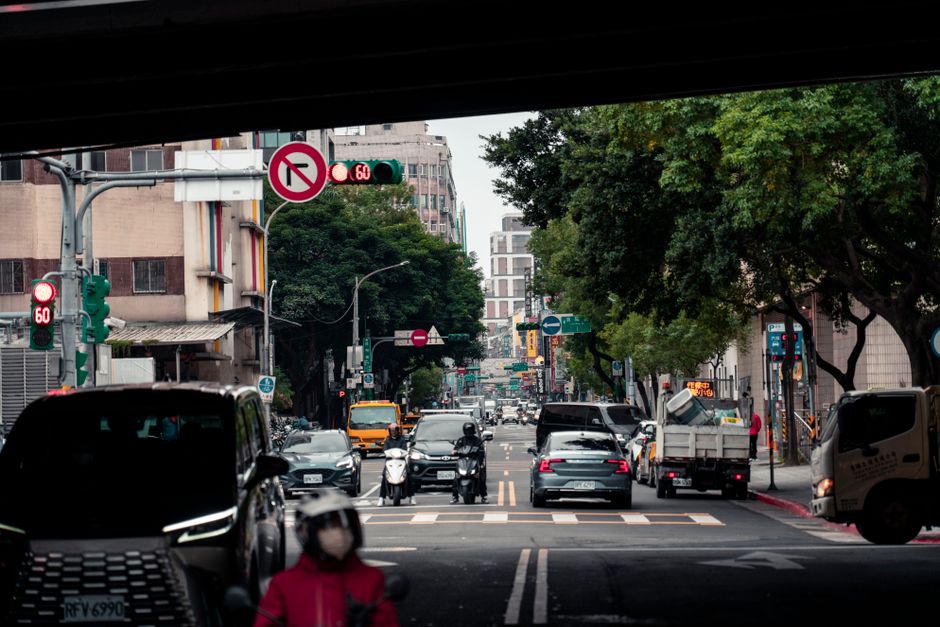
If you are turning left and a bike is crossing the intersection from the opposite direction, you must yield the right-of-way to the cyclist and wait until they have completely passed through the intersection before making your turn. This is exactly the same rule that applies to any oncoming vehicle—a bicycle is a legal vehicle on the road, and it has the same right to proceed straight through an intersection as a car. Do not attempt to turn in front of the cyclist, speed up to beat them, or wave them through, as these actions create confusion and increase collision risk. Simply stop, wait, and turn only when the intersection is clear.
The Full Explanation
Why Yielding to Cyclists Is Non-Negotiable
In virtually every jurisdiction, bicycles are legally classified as vehicles. That means cyclists have the same rights and responsibilities as motorists when traveling on public roadways. When you approach an intersection and intend to turn left, the cyclist coming from the opposite direction—traveling straight through the intersection—has the right-of-way. This is not a courtesy; it is a legal obligation. Failing to yield can result in traffic citations, liability in a civil lawsuit, and—most critically—catastrophic injury to the cyclist. A study by the National Highway Traffic Safety Administration (NHTSA) found that turning vehicles are involved in nearly 40% of all cyclist-motorist collisions at intersections, with left-turning drivers being the primary cause in a significant portion of those crashes. The rule is simple: treat the bike like any oncoming car. Would you zip across the path of an oncoming sedan? No. So why treat a cyclist differently?
The Mechanics of a Safe Left Turn
Executing a safe left turn when a cyclist is present involves more than just stopping. First, you must scan for cyclists early—well before you reach the intersection. Many drivers make the mistake of only looking for motorized traffic, overlooking cyclists who may be smaller and less conspicuous. As you approach, check your left side mirror, your windshield view, and your left window for approaching bikes. If you see a cyclist coming from the opposite direction, begin slowing down well in advance and signal your intent to turn clearly with your turn signal. Pull into the intersection only when you can do so without forcing the cyclist to brake or swerve. Common advice from driving safety experts is to “creep and peek”: edge forward slowly and check again for any cyclists you might have missed, especially those riding in your blind spot. The moment you see a bike, stop your vehicle completely and wait. Do not try to “squeeze” past them by accelerating—bicycles are narrower than cars, but their speed and trajectory can be unpredictable. A cyclist traveling at 15 mph covers about 22 feet per second; a misjudged gap of even one second can result in a collision.
What Happens When You Don’t Yield
The consequences of failing to yield to a bike are severe. At typical intersection speeds, a car turning left at 10-15 mph and a cyclist moving at 10-20 mph results in a combined closing speed that can cause devastating injury. Impact with a cyclist often leads to head trauma, broken bones, and long-term disability—or death. The driver may face criminal charges, especially if intoxication or reckless driving is involved. Even if no collision occurs, cutting off a cyclist can cause the rider to panic, swerve into traffic, or fall, resulting in secondary accidents. Data from the Insurance Institute for Highway Safety (IIHS) shows that cyclists are 12 times more likely to be killed in a crash with a motor vehicle than a motor vehicle occupant encountering the same scenario. This is not a risk worth taking. The few seconds you save by rushing a turn are never worth a life.
Key Factors That Affect Your Left Turn Decision
Cyclist Speed and Distance
One critical factor is accurately judging how fast the cyclist is approaching and how far away they are. Unlike cars, cyclists may not have brake lights or clear signals, making it harder to gauge their intentions. A common mistake is assuming a cyclist is moving slower than they actually are. Many road cyclists cruise at 15-20 mph, and downhill or with a tailwind, they can reach 25 mph or more. Always err on the side of caution—if you are uncertain, wait. The old rule of thumb for left turns is to give yourself a minimum of 5 seconds of gap time. For a cyclist, that translates to roughly 110 feet at 15 mph. If you cannot confidently make the turn without the bike having to adjust, you are not safe to proceed.
Intersection Design and Visibility
Not all intersections are created equal. Blind corners, hills, parked cars, and vegetation can obscure your view of an approaching cyclist. In such cases, slow down even more and creep forward to gain a clearer line of sight. Some intersections have dedicated bike lanes or bike boxes that change the dynamics of the turn. If a bike lane is present, cyclists will often be to your right side as they approach, and you must check for them in that lane as well. Never block a bike lane while waiting to turn, as this forces cyclists into traffic. In high-visibility intersections, a quick shoulder check is still essential—never rely solely on mirrors, as they have blind spots that can hide a cyclist.
Time of Day and Weather Conditions
Visibility is often compromised at dawn, dusk, or night. Cyclists may have reflectors and lights, but these can be less noticeable than a car’s headlights. Rain, fog, or glare from the sun further reduces your ability to see a bike. In these conditions, reduce your speed even more and double-check for cyclists before turning. If you are wearing sunglasses or have tinted windows, be aware that you might miss a cyclist who is not brightly lit. Use your headlights, even during the day, to increase the chance that the cyclist sees you as well.
Common Myths & Misconceptions
Myth 1: “Cyclists should yield to cars because they are slower.”
This is completely false. The law gives the right-of-way based on position, not speed. A cyclist approaching from the opposite direction and going straight has the same right-of-way as any other vehicle. Speed does not change this—a bicycle is a vehicle, period. In fact, many cycling advocacy groups have successfully sued drivers for this very assumption. The only exception is if the cyclist is violating a traffic law, such as running a red light, but you should still avoid hitting them even if they are in the wrong.
Myth 2: “Waving a cyclist through is safer.”
Waving a cyclist to cross in front of you may seem polite, but it actually creates a dangerous situation. When you wave, the cyclist may assume the intersection is clear, but other lanes of traffic may not see the signal and could hit the cyclist. Additionally, the cyclist may pause, uncertain if it is safe, leading to confusion. The safest approach is to follow the rules: if you have to yield, yield by stopping and waiting. The cyclist will then proceed on their own judgment. Do not try to override the system with hand gestures.
Myth 3: “If the bike is in a bike lane, I don’t have to yield.”
Bike lanes are part of the roadway. A cyclist riding straight through an intersection in a bike lane still has the right-of-way over a turning vehicle. In some jurisdictions, bike lanes continue through intersections with dashed lines, clearly indicating that cyclists have priority. You must yield to them just as you would to a car in a through lane. Failure to do so is a moving violation and a common cause of doorings and side-swipe crashes.
What This Means for You
In practice, this knowledge means you need to change your driving habits immediately. Every time you make a left turn, before you even glance at oncoming car traffic, make a conscious effort to check for bicycles. Train your eye to look for slim silhouettes, reflective gear, flashing lights, or movement at the edge of your vision. When you see a bike, your default response must be to brake and wait—not to speed up. This might add 5-10 seconds to your journey, but it could save a life. For drivers, accepting this responsibility is part of sharing the road. For cyclists, it’s a matter of survival. If you are a driver who also cycles, remember how vulnerable you feel on two wheels and extend that empathy when you are behind the wheel. Consider installing blind-spot mirrors on your vehicle to reduce missed cyclists. And always, always communicate your intentions early—signal well before the turn, and if possible, make eye contact with cyclists to confirm they see you. This proactive approach reduces ambiguity and makes the road safer for everyone.
Expert Tips
Tip 1: Perform a “Double Check” Before Turning.
Before initiating your left turn, do a final scan of the intersection: check your left mirror, glance over your left shoulder for cyclists in the blind spot, and look at the far side of the cross street for any bikes that might be hidden by your A-pillar. This second look often catches cyclists you missed the first time.
Tip 2: Creep Forward, Don’t Lunge.
If you are stopped at a stop sign or red light waiting to turn left, creep forward slowly and steadily to improve your line of sight. Do not lunge into the intersection, as this can startle a cyclist who is approaching. A gentle creep allows you to see and be seen.
Tip 3: Do Not Assume a Cyclist Will Stop.
Even if you think the cyclist should stop (for example, if they have a stop sign), never assume they will. They might not see the sign, they might be going too fast, or they might misjudge your intentions. Always yield if there is any doubt. Better to wait and be safe than to claim “right-of-way” from a hospital bed.
Tip 4: Use Your Voice as a Warning.
In low-speed situations, such as a parking lot or a residential intersection, rolling down your window and saying “I see you, please go ahead” can be clearer than a wave. This eliminates the confusion of hand gestures and ensures the cyclist knows your intentions.
Conclusion
Turning left when a bike is crossing from the opposite direction is a high-stakes driving scenario that requires patience, awareness, and respect for the law. The clear answer is always to yield to the cyclist and wait until they have fully passed. By understanding that cyclists are legal road users with rights equal to your own, by scanning intersections thoroughly, and by rejecting common myths, you can drastically reduce the risk of a collision. Every safe turn you make is a victory for shared road use and community safety. Next time you approach that intersection, remember: wait for the bike, not the other way around. Your patience could be the difference between a routine journey and a life-altering tragedy. Stay alert, stay safe, and keep everyone moving.
Frequently Asked Questions
Do I have to yield to a cyclist if they are riding against traffic (wrong way)?No, if the cyclist is riding against traffic (illegally), they do not have the same legal right-of-way. However, you must still exercise caution and avoid hitting them. In such a case, the cyclist is breaking the law, but your duty as a driver is to avoid a collision. Yield if necessary, but do not assume they will obey traffic rules. If possible, wait for them to pass or proceed when it is safe.
What if there is a bike box at the intersection—does that change anything?Yes, a bike box is a painted area at the front of a traffic lane designed for cyclists to wait ahead of cars. If you are turning left and a bike box is present, you must stop behind the bike box line and allow cyclists to proceed first. Never enter the bike box while waiting. Cyclists will typically move through the intersection before you begin your left turn. Check local laws, as bike box usage varies but generally gives cyclists priority for the first few seconds of a green light.
Can I turn left in front of a cyclist if they are far away and I think I can make it?Not safely. Even if the cyclist appears far away, their speed can be hard to judge, and a misjudgment can lead to a collision. The safest rule is to never turn left if a cyclist is approaching and you would have to cross their path. Always wait until they have completely passed through the intersection. This is the same standard applied for oncoming cars—if you wouldn’t turn in front of a car, don’t turn in front of a bike.
What if the cyclist waves me to go first—should I take that offer?No. Do not rely on a cyclist’s wave as a signal to proceed. The cyclist may be trying to be polite, but they might not have a clear view of other traffic. Additionally, if you take the wave and a collision occurs with another vehicle, you could be held liable for not yielding properly. Stick to the rules: if you have the right-of-way, take it; if you don’t, wait. Do not let hand gestures override road laws.
Should I honk my horn to warn a cyclist before turning?Generally, no. Honking can startle a cyclist and cause them to swerve dangerously into your path or into traffic. Only use your horn in an emergency situation if a collision is imminent. Instead, make eye contact, signal your turn, and wait for the cyclist to acknowledge you. Calm, predictable driving is far safer than loud warnings.


No comments:
Post a Comment