Why Your Hands Go Numb After Only 20 Minutes of Riding and the Fixes You Need
Introduction
You hop on your bike for a quick spin, feeling the open air and the rhythm of the road. But within twenty minutes, the familiar tingling starts. Your fingers feel like they belong to someone else. The sensation shifts to a dull, worrying numbness. You shake your hands, flex your fingers, but the feeling barely returns. You are not alone. This is a near-universal experience for riders—from weekend cyclists on gravel trails to commuters navigating city streets daily. The question, "Why do my hands go numb after riding for only 20 minutes?" signals a deeper issue that goes beyond simple discomfort.
This article will take you under the surface of your riding experience. You will discover the precise anatomical and mechanical reasons this happens so quickly. We will explore the roles of nerve compression, your posture, the specific type of handlebars you use, and unseen vibration forces. More importantly, you will learn exactly what you can do to eliminate numbness and ride longer in total comfort. By the end, you will have a clear, actionable plan to keep your hands feeling strong and alive on every ride. Let us solve this problem once and for all.
The Short Answer
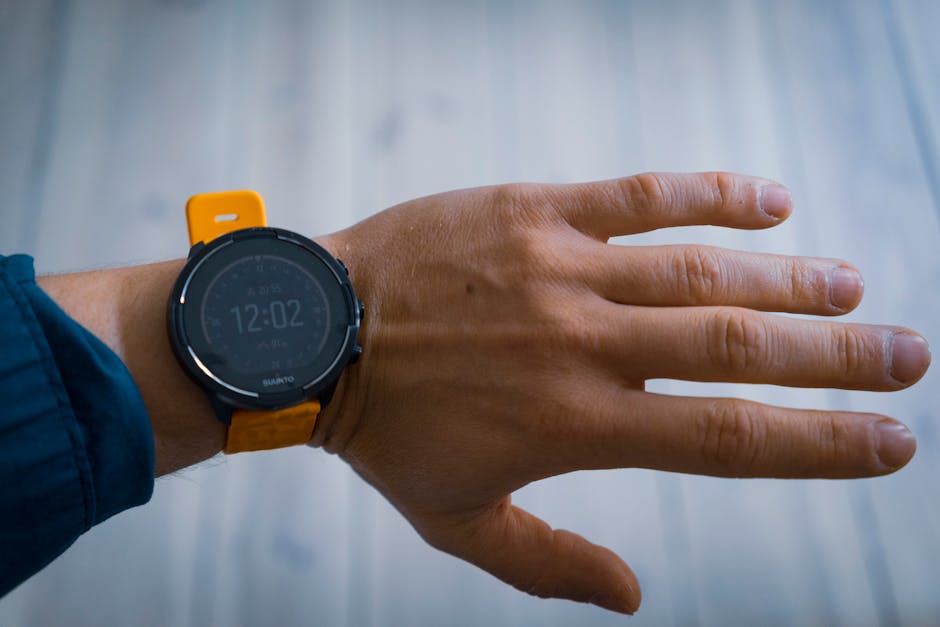
Your hands go numb after only twenty minutes of riding because of sustained compression of the ulnar and median nerves in your wrist and palm, combined with the effects of high-frequency vibration transmitted through the handlebars. This compression is usually caused by a tight grip, excessive weight bearing down on the hands, and poor handlebar setup. The primary culprits are your riding posture, the type of grips or gloves you use, and how you distribute your weight. Addressing these factors immediately relieves pressure and restores blood flow and nerve function.
The Full Explanation
To solve the mystery of rapid-onset numbness, we have to understand what happens inside your hand when you grip the handlebars. The answer is rooted in the delicate architecture of the wrist.
The Anatomy of Pressure Points
Your hand contains two primary nerve highways. The ulnar nerve runs along the outside of your palm, through a narrow tunnel called Guyon’s canal, located at the base of your pinky finger. The median nerve runs down the center of your wrist through the carpal tunnel. When you place your hands on the handlebars, especially if the bars are too low or too far forward, you can lock your wrists into a hyperextended position. This angled posture puts direct pressure on both nerve tunnels. In under twenty minutes, this sustained pressure—even if it does not feel heavy—can be enough to interrupt nerve signaling, causing the classic pins-and-needles sensation. The ulnar nerve is most often the first to complain, explaining why your pinky and ring fingers usually go numb first.
The Vibration Factor
Modern roads are rarely glass-smooth. Even paved city streets transmit constant, micro-scale vibrations through your bicycle frame, up through the fork and stem, and directly into your hands. These vibrations are a form of repeated impact. Research from cycling ergonomics shows that high-frequency vibration, especially in the 20-40 Hz range, drastically reduces blood flow to the fingers and temporarily disrupts the myelin sheath around nerve cells. On a typical asphalt road, your hands are experiencing hundreds of micro-impacts per second. Over twenty minutes, this vibration accumulates, effectively "shaking" your nerves into submission. This is the same mechanism that causes "white finger" syndrome in workers who use vibrating tools. With a firm grip, you are not protecting yourself—you are actually amplifying the vibration transfer to your bones and nerves.
The Grip Tightness Cycle
Anxiety, rough terrain, or simply being new to riding often leads to a white-knuckle grip. You may not even notice you are doing it. When you squeeze the handlebars with excessive force, you compress your own soft tissues against the hard surface. The muscles in your palm, the tendons in your wrist, and the arterial network all become constricted. This creates a vicious cycle: numbness makes you feel less control, so you grip tighter to compensate, which worsens the numbness. Within twenty minutes, this cycle can produce significant symptoms. Studies have shown that cyclists typically grip the bars with two to three times the force required for stable steering. Reducing grip pressure by even a small percentage can dramatically delay or prevent numbness.
Posture and Weight Distribution
Your hands exist at the end of a kinetic chain. If your core is weak or your saddle is too high, your upper body will collapse forward, dumping your entire torso weight onto your hands and wrists. Instead of your legs and glutes bearing the load, your hands become weight-bearing organs—a role they are not designed for. In a relaxed, balanced position, your hands should feel light on the bars. If you feel pressure in your palms after just five minutes, your setup is forcing you into a position that compresses the nerves. The angle of your back, the height of your handlebars relative to your saddle, and the reach distance all determine how quickly the numbness sets in.
Key Factors That Affect Hand Numbness
Handlebar Type and Width
Not all handlebars are equal. Drop bars place your wrists in a neutral or slightly bent position, which can relieve pressure on the ulnar nerve. However, if the drop bar is too narrow for your shoulder width, it forces your hands to rotate inward, compressing the median nerve and carpal tunnel. Flat bars and riser bars put your hands in a more upright, "palm-down" position, which is excellent for mechanical leverage but can increase vibration directly into the heel of your palm. The width of your bars should match your shoulder width. A bar that is too wide forces you to lean forward to reach the controls, while a bar that is too narrow crowds your hands and reduces stability.
Gloves and Padding
Many cyclists believe thick gel gloves are the solution, but this is nuanced. Gel padding can actually create a "pressure ridge" across the palm if it shifts or bunches up, concentrating force exactly where the nerves run. High-quality cycling gloves use strategically placed, thin foam padding designed to wick away vibration and reduce pressure on specific points, not to create a thick cushion. Gloves without proper ventilation also cause sweating, which softens the skin and increases friction, leading to more gripping effort. Look for gloves with silicone or gel pads over the ulnar nerve zone (the outside of the palm) and avoid excessive padding under the middle of the palm.
Bike Fit and Reach
This is the single most important factor. If your bike is not properly fitted to your body, you will fight it every ride. A saddle that is tilted too far forward forces you to brace with your arms. A saddle that is too low puts excessive weight on your hands as you pedal. A stem that is too long extends your reach, forcing your shoulders to hunch and your wrists to bend sharply. Even a difference of one centimeter in stem length can be the difference between a comfort ride and numbness after twenty minutes. Professional bike fitting measures your torso length, arm length, and flexibility to set your bars at the correct height and distance so that your hands support only a fraction of your weight.
Common Myths and Misconceptions
Myth 1: "Numbness means I need stronger arms to hold myself up."
This is backward. Numbness is a sign you are already holding yourself up too much. The solution is not to strengthen your arms to hold more weight, but to adjust your posture and bike fit so your core and legs do the work. Stronger arms will only allow you to grip harder for longer, worsening the compression. The goal is to turn your arms into shock absorbers, not weight-bearing pillars.
Myth 2: "Expensive gloves will fix the numbness."
Gloves are a tool, not a cure. Even the best gloves cannot correct a fundamental bike fit problem. If your reach is too long, no amount of padding will prevent the pressure on your ulnar nerve. In fact, excessively thick padding can cause its own set of problems by raising your hands higher off the bars, altering your wrist angle. Always address positioning before purchasing gear.
Myth 3: "Numbness only happens on long rides of an hour or more."
As you know, numbness can strike in twenty minutes. This occurs because nerve compression is not strictly time-dependent; it is pressure-dependent. A heavy, sustained load combined with high vibration can produce symptoms rapidly. The idea that you have to ride for hours to feel numbness is incorrect and dangerous, as it may lead you to ignore early warning signs.
What This Means for You
Your rapid-onset numbness is a clear message from your body. It is telling you that your bike setup is misaligned with your anatomy or your riding style. The practical implication is that you should not attempt to "tough it out." Ignoring the numbness can lead to temporary or even long-term nerve damage, such as ulnar nerve neuropathy or carpal tunnel syndrome. The good news is that this condition is almost always reversible with simple adjustments.
First, assess your bike. Raise your handlebars slightly. Shorten your stem if you feel stretched out. Adjust your saddle fore-aft position so that when your pedal is at three o'clock, your knee is directly over the pedal axle. This properly aligns your hips and reduces weight on your hands. Second, change your grip technique. Gently hold the bars as if you were holding a small bird—firm enough to keep it from flying, but not tight enough to harm it. You should be able to wiggle your fingers while riding at a steady pace. Third, incorporate "micro-breaks." Every three to five minutes, consciously lift one hand off the bar, shake it out, and reposition it. This interrupts the compression cycle. Finally, consider ergonomic bar ends or handlebars with built-in shock absorption. Products with rubber inserts or suspension stems can dramatically reduce vibration transmission.
Expert Tips
Tip 1: Master the "soft grip." Practice holding the bars with only enough pressure to maintain steering. While riding, periodically check your thumb and index finger tension. If the knuckles are white, you are gripping too hard. Use the weight of your palm on the bar for stability, not the strength of your fingers.
Tip 2: Rotate your wrists frequently. On longer straight stretches, shift your hand position on the bars. Move from the hoods to the tops of the bars, or from a flat grip to a more vertical palm position. Changing the angle of your wrist relieves different groups of nerves and reduces cumulative pressure on any one area.
Tip 3: Use a vibration-dampening stem. If you ride a rigid fork bike on rough pavement, consider installing a stem with elastomer damping. These stems are designed to absorb high-frequency road buzz before it reaches your hands. The technology is proven in mountain biking and is now available for road and hybrid bikes.
Tip 4: Strengthen your core (not your arms). A strong core allows you to hold a stable, flat back position without leaning on your hands. Simple planks and dead bugs performed three times a week will significantly reduce the load on your hands during a ride, delaying numbness significantly.
Tip 5: Check your bar tape. For drop bar riders, thick, padded bar tape is the first line of defense against vibration. Replace old, flattened tape every season. Double-wrap your top tubes for added comfort where you ride most.
Conclusion
The mystery of why your hands go numb after just twenty minutes of riding is solved by understanding nerve compression, vibration, and poor ergonomics. The cause is not a flaw in your body, but a mismatch between you and your machine. By adjusting your bike fit to take the weight off your hands, loosening your grip, and using proper vibration-dampening equipment, you can transform your ride from a source of discomfort into a source of pure enjoyment. Do not accept numbness as part of cycling. Your hands are the connection between you and your bike—treat them well, and they will carry you safely on many more miles of journeys. Start with the small changes today, and feel the difference on your very next ride.
Frequently Asked Questions
Is hand numbness after riding a sign of nerve damage?
Not necessarily. Temporary numbness is usually due to nerve compression or reduced blood flow, and it resolves quickly when you release pressure. However, if the numbness lasts for hours after you dismount, or if you feel chronic tingling in your fingers even when not riding, you should see a doctor for a nerve conduction study to rule out conditions like carpal tunnel syndrome.
Can handlebar vibration cause permanent numbness?
Yes, chronic exposure to high levels of vibration can lead to a condition called hand-arm vibration syndrome (HAVS). Symptoms include persistent numbness, blanching of the fingers in the cold, and reduced grip strength. For most recreational cyclists, the risk is low, but if you ride on rough terrain daily for hours, consider vibration-dampening technology and take regular rest breaks.
Does using aero bars prevent hand numbness?
Aero bars place your forearms in a flat, supported position, which can reduce pressure on the palms and wrists. For some riders, this helps with ulnar nerve issues. However, aero bars also lock you into a single, fixed hand position, which can create new pressure points on the forearms and may exacerbate shoulder or neck discomfort. They are not a universal solution for everyone.
Should I buy ergonomic grips with wing shapes?
Ergonomic grips with broad, wing-like platforms are designed to spread the load over a larger surface area of the palm. This can be very effective for flat-bar bikes. They support the natural shape of the hand and reduce peak pressure on the ulnar nerve. Make sure the grip is angled correctly to match your wrist’s natural resting position, or it can introduce new wrist strain.
How long does it take for hand numbness to resolve after fixing the cause?
Once you correct the underlying issue—whether it is a bike fit adjustment, a softer grip, or new handlebars—you should notice an improvement on your very next ride. Complete resolution of chronic numbness may take a week or two as the nerves recover their full function. If numbness persists after two weeks of proper adjustments, consult a healthcare professional for a deeper evaluation.


No comments:
Post a Comment