Why Bangkok Should Top Your 2026 Travel List
Bangkok in 2026 isn't just a stopover city anymore. It has evolved into a destination that demands your full attention, a place where you can sip award-winning cocktails in a rooftop bar 60 floors up one moment, and haggle for vintage vinyl in a dusty shophouse the next. The city has fully bounced back with a creative energy that is palpable in its new art galleries, revitalized riverfronts, and a food scene that continues to dominate global rankings. There are simply too many incredible things to do in Bangkok to squeeze into a short layover.
What makes the Thai capital so compelling for 2026 is its seamless integration of the ultra-modern with the deeply traditional. The public transport network has expanded, making it easier than ever to explore without spending hours in traffic. You can now take the train directly to historic districts that once felt like a logistical challenge. This accessibility opens up a treasure chest of experiences, from Michelin-starred street food stalls to serene temple courtyards that feel worlds away from the neon-lit commercial hubs. Planning your list of things to do in Bangkok now means you get to experience a city operating at its absolute peak.
A City of Contrasts: Ancient Temples Meet Modern Skyscrapers
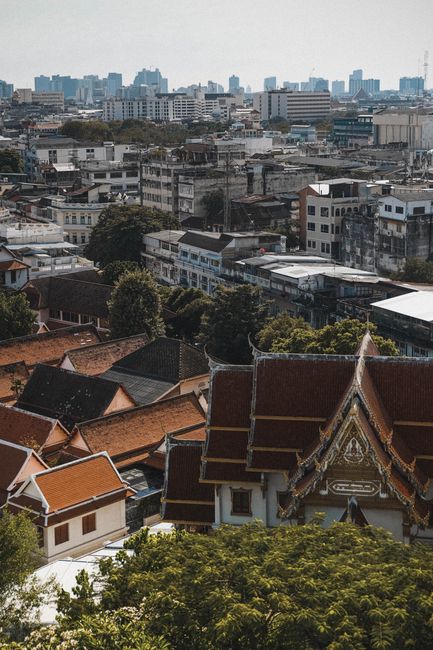
The visual dialogue between Bangkok’s gilded spires and its glass monoliths is the city’s defining characteristic. You can stand on the grounds of a centuries-old temple and look up to see the pixelated facade of the King Power Mahanakhon tower cutting through the sky. This isn't a jarring clash; it’s a harmonious blend that tells the story of a culture deeply rooted in spirituality yet racing toward the future. Finding things to do in Bangkok that capture this duality is easy, as the city lives it every day.
For the best view of this contrast, head to the riverside at dusk. Watch the sun set behind Wat Arun’s intricate floral mosaic, while the modern skyline across the water begins to twinkle. It’s a physical representation of old meeting new, and it sets the emotional tone for your entire visit. This juxtaposition ensures that exploring Bangkok feels like visiting multiple cities in one, where the sacred and the commercial coexist without irony.
The Best Time to Visit Bangkok in 2026
Timing is everything for maximizing your list of things to do in Bangkok. The ideal window for 2026 remains the cool season, roughly from late November to early February. During these months, the humidity drops, and the temperatures hover around a pleasant 30°C (86°F), making temple-hopping and street food safaris far more comfortable. This is peak tourist season, so expect vibrant crowds and higher accommodation prices, but the energy is infectious. If you are in town for New Year’s Eve 2026, book your river-view dinner cruise months in advance.
For those who prefer a quieter rhythm, late June to October brings the monsoon. Don't let the rain scare you; it usually arrives in dramatic, short bursts in the afternoon, leaving the air washed clean and the city less crowded. You’ll find deeply discounted luxury hotels and a lush greenness blanketing the city. Just pack a sturdy umbrella and plan indoor things to do in Bangkok, like exploring the massive ICONSIAM mall or the Bangkok Art and Culture Centre, during the downpours.
How to Get Around the City Like a Local
Mastering movement is essential to unlocking the best things to do in Bangkok without burning out. The BTS Skytrain and MRT subway are your lifelines. These air-conditioned arteries bypass the city’s legendary traffic and connect you cleanly to major shopping districts, weekend markets, and entertainment zones. In 2026, the network is more integrated than ever, with contactless payment systems allowing you to hop between lines with a single card. Avoid taxis during peak hours; a 2-kilometer journey can easily take 45 minutes.
For short distances and the true local experience, download a ride-hailing app for motorbike taxis. They weave through gridlock with surgical precision, though it’s not for the faint of heart. Alternatively, the iconic tuk-tuk is a must-do for short, fun trips, but always negotiate the fare before you get in. For a scenic journey down the Chao Phraya River, ignore the roads entirely and use the orange-flag express boats. They are cheap, frequent, and whisk you between the Old City's historical landmarks with a refreshing breeze.
Must-See Temples and Sacred Sites
Spiritual exploration sits at the very heart of the most authentic things to do in Bangkok. The city houses over 400 temples, but a select few stand as non-negotiable masterpieces of architecture and devotion. These sacred sites are not merely tourist attractions; they are active places of worship where the air is thick with incense and the soft chanting of monks provides a serene soundtrack. As you plan your itinerary for 2026, remember that proper etiquette is crucial—shoulders and knees must be covered, and shoes removed before entering any chapel.
Visiting these temples offers a profound insight into the Thai psyche. The intricate murals, the gleaming gold leaf, and the calm faces of the Buddha statues provide a stark, beautiful contrast to the organized chaos of the streets outside. To truly appreciate them, allocate time for quiet reflection. Rushing through with a camera will only give you a surface-level view; sitting quietly in a corner allows the spiritual weight of the place to settle in, making it one of the most memorable things to do in Bangkok.
Wat Phra Kaew and The Grand Palace Complex
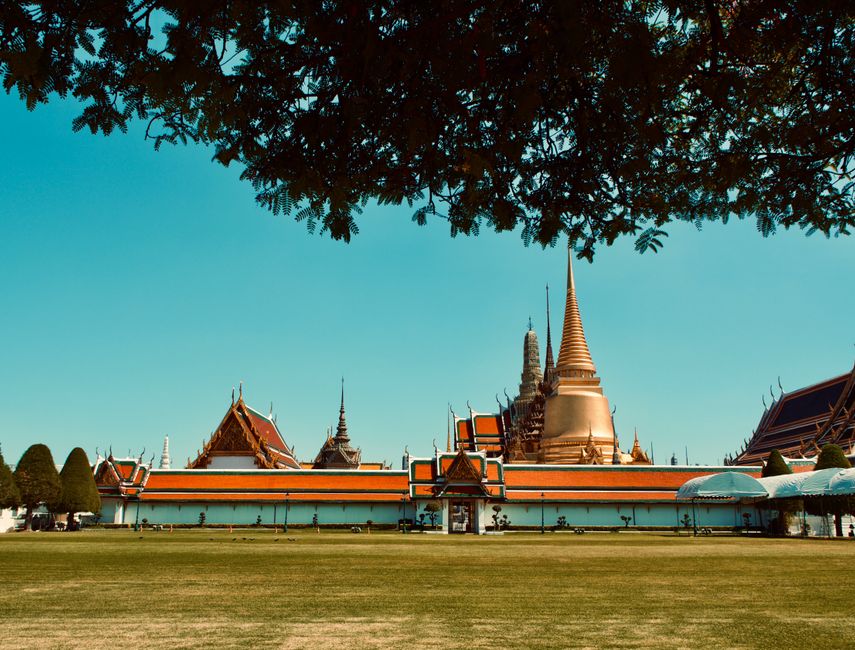
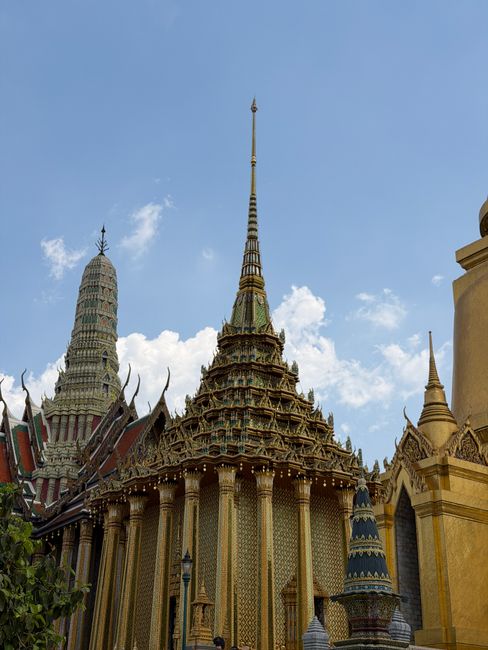
No list of things to do in Bangkok is complete without stepping into the dazzling universe of the Grand Palace complex. Built in 1782, this was the royal residence for 150 years and remains the spiritual core of the nation. Within its fortified walls lies Wat Phra Kaew, the Temple of the Emerald Buddha. This isn’t just a statue; it is the palladium of Thailand, a meticulously carved figure of green jasper clothed in golden robes that the King himself changes with the seasons. The craftsmanship in the surrounding structures is overwhelming, with golden stupas, mythical giants (Yakshas), and shimmering mosaics that reflect the tropical sun.
To navigate this sprawling landmark effectively in 2026, arrive precisely at the 8:30 AM opening time. By 10:00 AM, the courtyards become a sea of tour groups, and the heat can be punishing. Hiring a licensed guide at the entrance or downloading an audio guide is essential; without context, the intricate Ramakien epic murals that wrap around the cloister walls become just pretty pictures. Dress strictly in long pants or long skirts. If you show up in shorts, you will be directed to a rental booth outside, wasting valuable time. A respectful visit here is the crown jewel of cultural things to do in Bangkok.
Wat Arun (Temple of Dawn) at Sunrise
While most travelers view Wat Arun from across the river during sunset, the insider move for 2026 is to climb its steep steps at sunrise. Located on the Thonburi side of the river, this temple’s silhouette is an icon of Bangkok, encrusted with shattered Chinese porcelain that was once used as ballast on trading ships. Arriving at dawn serves two purposes: you avoid the blistering midday heat that makes the steep central prang treacherous, and you witness the morning light catch the floral patterns, making them sparkle in soft pastels. It is one of the most photogenic things to do in Bangkok.
The climb is steep—the steps represent the difficulty of reaching higher states of being—but the 360-degree view of the Chao Phraya River waking up is worth every careful step. In 2026, the surrounding area has been beautifully landscaped, making the pre-dawn wait pleasant. After your descent, walk to the nearby pier and take a cross-river ferry back to the Rattanakosin side for a breakfast of Thai rice porridge. The tranquility of Wat Arun without the crowds transforms a simple temple visit into a meditative experience.
Wat Pho and the Reclining Buddha
Just a short walk south of the Grand Palace lies Wat Pho, a complex that holds the distinction of housing Thailand’s largest reclining Buddha and being the birthplace of traditional Thai massage. As you walk into the chapel, the sheer scale of the 46-meter-long, gold-leaf-covered statue stops you in your tracks. The soles of the feet, inlaid with intricate mother-of-pearl showing the 108 auspicious symbols of a Buddha, are a masterpiece in themselves. Circulating the tight corridor behind the statue, you can purchase small coins to drop into 108 bronze bowls, a ritual believed to bring good fortune and a soothing, rhythmic soundtrack to the visit.
Beyond the main statue, exploring the sprawling grounds of Wat Pho is one of the most serene things to do in Bangkok. The complex is filled with hundreds of other Buddha images, ornate chedis decorated with colorful tiles, and shaded courtyards. Crucially, this is the place to book a traditional Thai massage at the on-site school. It might be slightly pricier than street-side parlors, but the practitioners here are rigorously trained masters of the craft. After hours of walking on marble floors, a 30-minute session here resets your body completely.
Exploring Bangkok's Vibrant Neighborhoods
To truly understand the city, you must zoom in from the skyline and walk its distinct districts. Bangkok is a patchwork of villages, each with its own personality, aroma, and rhythm. While the grand palaces offer history, the neighborhoods offer life as it is lived today. Curating a list of things to do in Bangkok based on geography rather than just attractions allows you to feel the tempo shifts from the sacred silence of the Old City to the frantic commerce of Chinatown and the minimalist chic of the Japanese-inspired eastern suburbs.
Walking is the secret weapon here. Duck into a random alleyway in an old district, and you might find a hidden puppet theater or a family-run curry shop that has been simmering recipes for three generations. The city’s recent push to widen sidewalks and clean up canal paths in 2026 has made neighborhood exploration more pedestrian-friendly than ever. Lace up breathable walking shoes, stay hydrated, and don't be afraid to ditch the map for an hour. The best things to do in Bangkok are often the things you stumble upon between the scheduled monuments.
Old City (Rattanakosin) Walking Tour
Rattanakosin Island is the historic womb of Bangkok, a dense square mile packed with more cultural weight than anywhere else in the country. While the Grand Palace and Wat Pho are the anchors, a self-guided walking tour in 2026 reveals the subtle layers. Start at the Giant Swing, a towering red structure that was once the center of a Brahmin ceremony, and take a photo of the contrast it creates with the modern City Hall. Walk down to the amulet market, a fascinating strip where monks and collectors inspect tiny clay talismans with magnifying glasses, searching for spiritual protection.
Pause at the National Museum if you wish to deep-dive into Thai art history, or simply wander the narrow streets toward the river. The area is dotted with atmospheric shophouses selling royal-approved desserts and handcrafted monk bowls. Don't miss the tiny lanes behind Wat Suthat, where artisans still hand-carve Buddha statues from blocks of wood. This district requires a full morning, and hiring a bicycle or a pedal-powered rickshaw is an excellent way to cover ground without exhausting yourself in the humidity. It remains one of the most authentic things to do in Bangkok.
Chinatown (Yaowarat) Street Food Safari
Yaowarat Road explodes into sensory chaos as the sun goes down, transforming from a quiet trading district of gold shops and herbal medicine stores into arguably the greatest street food thoroughfare on the planet. For your 2026 visit, arrive hungry and with a strategy. The sheer density of Michelin-recommended stalls here is staggering. You must try the crispy pork belly from a vendor whose family has been perfecting the triple-cooked method for decades, and the pepper soup noodles that arrive volcanic hot and intensely aromatic. Eating your way through this maze is a crash course in Chinese-Thai culinary history.
Beyond the main drag, dive into the parallel alleyways like Soi Nana (not to be confused with the nightlife district) where hidden speakeasy bars sit inside old apothecary cabinets. Sample the grilled squid with a fiery chili dip, or the mango sticky rice that tastes like a tropical sunrise. Be prepared for tight squeezes and long queues at the most famous stalls; the wait is part of the ritual. A street food safari here is a non-negotiable entry on any food lover’s list of things to do in Bangkok, offering a high-energy, communal dining experience that no air-conditioned restaurant can replicate.
Thonglor and Ekkamai: Hipster Hangouts
Leave the ancient alleyways behind and take the BTS to Thong Lo and Ekkamai, the epicenter of Bangkok’s sophisticated, creative class. This is where you find the city’s best brunches, curated lifestyle malls like the Commons, and a coffee culture that rivals Melbourne. In 2026, the neighborhood continues to push boundaries with concept stores selling minimalist ceramics and avant-garde fashion by local designers. It’s the perfect place to see how young Thais are reinterpreting their own culture through a modern, globalized lens.
Spend an afternoon gallery-hopping at the numerous indie spaces tucked into sub-sois, then settle into a Japanese-inspired izakaya or a craft cocktail den that requires a password to enter. The vibe here is effortlessly cool, a stark contrast to the chaos of Sukhumvit Road just a few stops away. For travelers looking for things to do in Bangkok that involve design, art, and high-end gastronomy without the stuffiness of a hotel bar, Thonglor is your sanctuary. It proves that the city’s future is just as compelling as its past.
Markets and Shopping Adventures
No trip to Bangkok is complete without diving headfirst into its dizzying retail landscape. Whether you're hunting for vintage denim, haggling for handcrafted souvenirs, or escaping the heat in a multi-story air-conditioned megaplex, the city offers a retail therapy experience unlike any other. The sheer variety of things to do in Bangkok for shoppers spans from gritty, chaotic open-air bazaars to pristine designer boutiques where a personal concierge holds your bags. In 2026, the shopping scene has evolved to blend traditional craftsmanship with modern convenience, making it a paradise for bargain hunters and luxury seekers alike. Remember to bring cash, especially to the local markets, as smaller vendors often prefer it, and always keep a reusable tote bag handy to cut down on plastic waste.
Chatuchak Weekend Market: A Shopper's Paradise
Spanning over 35 acres with more than 15,000 stalls, Chatuchak Weekend Market isn't just a market; it's a right of passage. Arrive early, ideally before 10 AM, to beat the crushing midday heat and the heaviest crowds. The maze-like layout can be overwhelming, but a strategic approach transforms chaos into discovery. Section 5 and 6 are your go-to zones for clothing and accessories, including local designer pieces you won't find in malls. For unique home decor and handcrafted ceramics, head straight to Section 7. Don't shy away from the pet section if you're curious, though we advise looking rather than buying live animals.
Navigating this labyrinth is one of the quintessential things to do in Bangkok, but comfort is key. Wear the lightest, most breathable clothing you own and sturdy walking shoes. Hydration is non-negotiable; coconut water stalls are strategically placed every few meters, offering a delicious and electrolyte-packed respite. When you find something you love, buy it immediately. In a market this size, backtracking to a specific stall is notoriously difficult, and that perfect vintage jacket might be gone when you return. While haggling is expected, keep it friendly and respectful—a smile and a bit of laughter usually secure a better price than a confrontational attitude.
In 2026, the market has integrated more digital payment options, but cash remains king for scoring the best deals. Look for the newly opened art gallery spaces in Section 8, where young Thai artists exhibit contemporary works that blend traditional motifs with modern political and social commentary. These spaces offer a cool, quiet escape from the sensory overload outside. For a truly local snack, find the stall selling "coconut ice cream served in a real coconut shell," topped with sticky rice and slivers of sweetened pumpkin.
Damnoen Saduak and Amphawa Floating Markets
While floating markets have become heavily touristed, they remain a visually spectacular part of the Thai cultural fabric. Damnoen Saduak is the most famous, a bustling waterway packed with wooden boats piled high with colorful fruits and steaming noodle bowls. To see it properly in 2026, you need a private longtail boat and a 7 AM departure from the city. This gets you there before the massive coach tours arrive, allowing you to experience the narrow canals without a traffic jam of boats. The key here is to skip the overpriced souvenir boats and focus on the food boats—look for a woman in a straw hat making mango sticky rice or boat noodles with a rich, pork-blood broth directly on her vessel.
For a more authentic and less chaotic experience, Amphawa is the superior choice, especially if you plan a half-day trip. This market truly comes alive in the late afternoon and evening, making it one of the most atmospheric things to do in Bangkok's outskirts. Rather than just shopping, the focus here is on dining riverside. You sit on plastic stools on the concrete steps of the canal, grilling fresh river prawns and squid on small charcoal burners run by local families. The hype is justified, but only if you stay past sunset. That's when the fireflies begin to flicker in the trees along the banks, and you can hire a boat for a silent, magical cruise through the darkness to see them up close.
A practical tip for 2026: traffic to Damnoen Saduak on weekends is brutal. Book a driver who knows the back roads, or combine your trip with the Maeklong Railway Market, where a train literally plows through the middle of the stalls eight times a day.
IconSiam and the Luxury Mall Experience
IconSiam isn't just a shopping center; it's a $1.6 billion architectural statement on the banks of the Chao Phraya River. In 2026, it sets the global standard for what a luxury mall can be, seamlessly merging high-end retail with cultural immersion. The ground floor, dubbed SookSiam, is a masterstroke of design, replicating a traditional Thai village complete with floating market boats, wooden shophouses, and artisans crafting traditional sweets. You can eat $2 bowls of boat noodles while gazing at a genuine Lexus pop-up store. This is where you buy high-end Thai silk from Jim Thompson, not just because it's a souvenir, but because the curated collection here is museum-quality.
The upper levels house every major European fashion house, but the real draw is the Apple Store with its panoramic river-view terrace and the Takashimaya Japanese department store. Even if luxury shopping isn't on your agenda, the free shuttle boats from Sathorn Pier make visiting an event in itself. The nightly multimedia water fountain show on the riverfront promenade is a spectacular, free way to end your day, with choreographed jets of water dancing to classical Thai music against the backdrop of the glittering city skyline.
Bangkok's Legendary Street Food and Dining Scene
The sizzle of a wok, the perfume of jasmine rice, the sharp tang of lime and fish sauce—eating is the city's favorite pastime. The culinary landscape in 2026 is a dynamic tension between Michelin-starred street stalls and boundary-pushing fine dining. The pandemic-era crackdown on street vendors has eased, and a new generation of hawkers is revitalizing the scene with a focus on premium ingredients and retro recipes. Exploring the food culture is undeniably one of the most satisfying things to do in Bangkok, but it requires a strategy: eat nothing too heavy, too early, so you can sample eight to ten dishes throughout the day without succumbing to the heat. Follow the local office workers at lunchtime to find the best stir-fries, and don't be afraid of a bustling queue—it's the only reliable indicator of legendary status.
Top 10 Street Food Dishes You Must Try
Building your culinary hit list is serious business. Start with Pad Krapow Moo Saap (stir-fried holy basil with minced pork), the de facto national dish of casual dining, topped with a crispy-edged fried egg (kai dao) that bleeds a golden yolk into the rice. Next, seek out Guay Tiew Moo (pork noodle soup), where you can specify your noodle type—sen lek (thin) or sen yai (wide)—and watch the vendor assemble a symphony of pork slices, minced pork, and crunchy crackling.
Third, don't miss Som Tam (green papaya salad), pounded fiercely in a clay mortar with fermented fish sauce, lime, and chilies; order it "pet noi" (a little spicy) unless you're a serious chili veteran. Fourth, Khao Mun Gai (chicken rice) is the ultimate comfort food, with silky poached chicken and rice cooked in the fat, served with a pungent fermented soybean dipping sauce. Fifth, the legendary Jay Fai-style Crab Omelet has inspired a thousand imitators; a true one is a crispy, golden envelope of almost creamy egg stuffed with lump crab meat.
Sixth, Moo Ping (grilled pork skewers) are the perfect on-the-go breakfast, sweet, smoky, and sticky, best eaten with a small bag of sticky rice. Seventh, Khao Niew Mamuang (mango sticky rice) needs no introduction, but the quality of the mango—golden Nam Dok Mai—is everything. Eighth, seek out Guay Jub, a peppery, rolled rice noodle soup with crispy pork belly, especially comforting during a rainy evening. Ninth, Yen Ta Fo is a visually startling pink noodle soup, the color derived from fermented red bean curd, with a sweet and sour flavor profile. Finally, finish with Kanom Krok, little coconut pudding hotcakes, crispy on the bottom and molten in the center, cooked in a cast-iron pan with a half-spherical mold. In 2026, follow the Michelin Bib Gourmand stickers, but don't ignore a stall just because it lacks one—some of the best meals happen on a plastic stool with a sweating steel table.
Rooftop Bars with a View
Bangkok's skyline is a futuristic forest of glass and steel, and the best way to appreciate it is with a chilled cocktail in hand. The rooftop bar scene has matured significantly by 2026, moving beyond the pretentious dress codes of the past to embrace laid-back, design-forward lounges. While Sky Bar at Lebua remains iconic from its "Hangover" fame, locals now prefer Tichuca Rooftop Bar for its giant, illuminated "tree" canopy that changes color with the music, creating a jungle-in-the-sky vibe. The cocktails here are tropical and playful, and the crowd is a lively mix of expats and tourists.
For a more sophisticated, architectural experience, Mahanakhon SkyBar offers a dizzying observation deck and a sleek, minimalist bar where the drinks are as sharp as the 78-story drop. The dress code here is enforced: no flip-flops or sleeveless shirts for men. A crucial travel tip for 2026 is to book a sunset slot at least a week in advance for these popular spots. Walk-ins rarely get a good table. Arrive about 45 minutes before the official sunset time to watch the sky transform from hazy blue to electric orange, and be prepared for the drink prices—you're paying for the real estate, not just the alcohol. A single cocktail will run you around 500-700 baht, but the panoramic view of the Chao Phraya River bending into the distance is a memory worth the splurge.
If you want a view without the hefty price tag, look for the newer "rooftop casual" spots in Thonglor, where craft beer gardens on the tops of parking garages offer a relaxed, local atmosphere with equally impressive, if less towering, vistas.
Hidden Local Eateries in Bang Rak
Bang Rak, the "Village of Love," is the city's beating heart of heritage food. Away from the polished malls, this neighborhood offers a dense concentration of family-run shophouses where recipes haven't changed in three generations. Start your exploration on Soi Charoen Krung 36, where you'll find a 70-year-old shop specializing in roast duck and crispy pork belly. The skin shatters like glass, and the meat is juicy and unctuous, served on a bed of rice with a ladle of sweet soy gravy. This is a standing-room-only kind of place, and by 1 PM, they're usually sold out.
Next, duck into an alleyway off Soi 44 for Muslim-influenced Biryani, a fragrant legacy of the area's diverse cultural history. The goat biryani here is mild but deeply spiced, served with a cucumber relish and a sour, thin curry soup on the side. For a sweet finish, find the unmarked door of a shop selling Khanom Bueang (Thai crispy crepes), where two elderly sisters still press the batter into delicate, lace-like wafers and top them with strands of sweet egg floss (foi thong) and savory shrimp floss. The contrast of textures and flavors—crispy, soft, sweet, salty—is a perfect microcosm of Thai cuisine. These hidden gems are increasingly popular on social media, but in 2026, the old guard still maintains an air of secrecy; look for the faded photos of the King on the wall and the lack of English signage as your markers of authenticity.
Unique Experiences You Won't Find Anywhere Else
Beyond the gilded temples and sprawling markets lies a layer of Bangkok that pulses with a unique, kinetic energy. These are the activities that push you out of the passive observer mode and into the city's living narrative. In 2026, the focus for curious travelers has shifted toward immersive, hands-on, and deeply cultural engagements. These aren't just things to do in Bangkok; they're visceral memories that will define your trip, from the roar of a stadium crowd to the silent glide of a wooden boat down a forgotten canal. Planning these experiences requires a bit of foresight—book tickets online to secure better rates and avoid the touts who congregate near tourist hubs.
Muay Thai Fight Night at Rajadamnern Stadium
Muay Thai is not merely a sport; it's a spiritual ritual accompanied by a thunderous, hypnotic soundscape. Rajadamnern Stadium, originally opened in 1945 and meticulously renovated to a world-class standard, is the spiritual home of the "Art of Eight Limbs." Attending a fight night here is an anthropological deep dive. The evening begins with the Ram Muay, a ceremonial dance where each fighter pays homage to their teachers and the spirits, moving to the rhythmic wail of the Javanese clarinet and drums. The music is live, and the tempo rises and falls with the action in the ring, creating a palpable tension you can feel in your chest.
In 2026, the stadium offers tiered seating. Skip the ringside foreigner tickets (often overpriced) and buy a second-class seat where you're surrounded by passionate local aficionados who will explain the nuances of the clinch and scoring. The gambling that happens in the cheap seats is a frantic, silent ballet of hand signals, a spectacle almost as riveting as the fight itself. A practical tip: bring a jacket. The air-conditioning is famously aggressive, and the temperature contrast from the Bangkok heat outside is shocking. Fights happen on Monday, Wednesday, Thursday, and Sunday evenings, with the main event usually kicking off around 8 PM. Watching the perfectly timed strike of an elbow connecting is brutal, beautiful, and unmistakably Thai.
Canal Boat Ride through Thonburi Klongs
To understand the soul of old Bangkok, you must leave the roads behind and take to the water. The Thonburi klongs (canals) offer a window into a vanishing way of life, where wooden stilt houses lean over the water and residents commute by paddle. Hiring a longtail boat from Tha Chang or Sathorn Pier for a one-hour journey is an essential escape from the city's gridlock. You'll glide past temples hidden from the main roads, like Wat Paknam, with its massive, emerald-hued Buddha statue visible from the river.
The most magical moments happen in the narrow, residential canals. You'll see families eating breakfast on their verandas, children waving from the banks, and monitor lizards sunbathing on the concrete embankments. The air here smells different—cleaner, filled with the scent of river water and frangipani flowers. Crucially, avoid the "floating market" combo tours hawked by street agents. Instead, negotiate directly with a boat driver at the pier for a simple, non-stop "klong tour." A fair price in 2026 is around 1,000-1,200 baht per boat for an hour. Go in the late afternoon when the light turns golden, and the temples glow amber against the water. This slow, serene journey reveals why the city was once called the "Venice of the East."
Thai Cooking Class with a Market Tour
Eating street food is one thing, but learning to confidently construct those explosive flavors in your own kitchen is the ultimate souvenir. The best cooking classes in 2026 start not in the kitchen, but in a local wet market. A chef-guide will walk you through the sensory chaos, identifying fresh galangal, fingerroot, and the different varieties of Thai basil. You'll learn why a specific brand of fish sauce is superior and how to pick a coconut for the richest cream. This market tour demystifies the ingredients, turning an intimidating Asian grocery store back home into a playground of possibilities.
Back in the school kitchen, which is often a beautiful open-air setup, you'll pound your own curry paste from scratch using a granite mortar and pestle. The physicality of it—the burn in your forearm, the volatile aromas released from the crushed chilies and shrimp paste—is a profound connection to the food. You'll typically cook four to five dishes, like a steaming bowl of Tom Yum Goong, a perfectly balanced Pad Thai, and a fragrant Green Curry. The best part is sitting down to eat your creations, comparing notes with fellow travelers, and realizing you've unlocked a new skill. Book a class with a small group size (under 10 people) for a more intimate experience. Silom Thai Cooking School and Maliwan are consistently top-rated for their hands-on approach and excellent market tours, and in 2026, many now offer plant-based menus for vegetarian travelers.
Day Trips and Nearby Escapes from Bangkok
While the capital's energy is magnetic, sometimes the soul craves a different rhythm. Fortunately, some of the most incredible things to do in Bangkok involve leaving it for a day. The strategic location of the city makes it a perfect launchpad for exploring UNESCO World Heritage sites, floating markets, and tropical beaches. In 2026, improved highway networks and high-speed rail developments are making these escapes smoother and faster than ever before. Whether you are a history buff, a nature lover, or simply need a break from the urban intensity, these handpicked trips offer a complete change of scenery. You can comfortably explore ancient ruins, pay respects at sobering war memorials, or sink your toes into the sand, all within a few hours of the capital.
Booking a private car with a driver is surprisingly affordable and offers the most flexibility, allowing you to control the air-conditioning and your itinerary. Alternatively, for the truly adventurous, third-class train journeys from Hua Lamphong Station offer an authentic, gritty glimpse into local life. Just remember to start early—leaving at 6:30 AM often means the difference between having an ancient temple entirely to yourself and sharing it with massive tour bus crowds. Here are three distinct escapes that offer a perfect counterpoint to the city’s chaos.
Ayutthaya Historical Park: Ancient Ruins
Just an 80-minute drive north of the capital lies Ayutthaya, the former seat of the Siamese kingdom. Founded in 1350, this ancient city was once a magnificent global trade hub, but it was razed by the Burmese army in 1767. Today, the sprawling UNESCO World Heritage site stands as a hauntingly beautiful collection of headless Buddha statues and crumbling prangs (reliquary towers). It’s easily one of the most awe-inspiring things to do in Bangkok’s orbit. Renting a bicycle inside the park is the best way to navigate the ruins, allowing you to feel the scale of the old capital as you pedal between temples in the tropical heat.
You cannot miss Wat Mahathat, home to the iconic Buddha head entwined within the roots of a Banyan tree—a symbol of nature reclaiming history. For a panoramic view, climb the steep steps of Wat Phra Si Sanphet, the royal monastery that once housed a 16-meter-tall gold-covered Buddha. While the gold is long gone, the restored chedis glisten in the afternoon sun. A unique way to experience the city in 2026 is via a sunset longtail boat ride around the island, where you can observe the illuminated ruins from the water without the crowds. Before heading back, stop at a roadside roti sai mai stall to try the local candy floss wrapped in a thin pancake, a sweet treat unique to the province.
Kanchanaburi and the Bridge on the River Kwai
West of Bangkok, the terrain shifts from flat plains to rolling hills and dense jungle, marking your arrival in Kanchanaburi. This province is defined by the tragic history of the Death Railway, built by Allied prisoners of war during World War II. Visiting the iconic black iron Bridge on the River Kwai is one of the most sobering yet essential things to do in Bangkok’s wider region. You can actually walk across the bridge’s narrow tracks, but be mindful that trains still run here, and the gaps between the sleepers reveal the fast-moving river below. The nearby Thailand-Burma Railway Centre and the immaculately kept Kanchanaburi War Cemetery provide crucial historical context and a space for quiet reflection.
Beyond the history, Kanchanaburi is a paradise for nature lovers. The crown jewel is Erawan National Park, famous for its seven-tiered waterfall with emerald green ponds. You can hike up to the top level, but be prepared for the resident fish that offer a free foot spa by nibbling at your dead skin. In 2026, many tour operators are offering combined itineraries that pair a morning history tour with an afternoon cooling off at the lower tiers of the falls. For a truly unique overnight option instead of a day trip, consider a floating raft house on the River Kwai, where you can fall asleep to the sound of gently lapping water and wake up to misty mountain views.
Pattaya: Beaches and Beyond
If the urban heat simply demands a dip in the ocean, Pattaya offers the closest major beach escape at just two hours away. While the city itself has a reputation for nightlife, the surrounding area has matured significantly, offering family-friendly and active things to do in Bangkok’s nearest coastal zone. Skip the crowded Pattaya Beach and head directly to Jomtien Beach for a more relaxed, cleaner stretch of sand ideal for a quick swim. The real magic, however, is found just offshore on Koh Larn (Coral Island), a 45-minute ferry ride away, where the water turns a true turquoise and is clear enough for snorkeling.
Back on the mainland, the Sanctuary of Truth is an absolute must-see. This gigantic wooden structure, still under construction after decades, is carved entirely by hand and philosophically explores the impermanence of material life. It’s a breathtaking fusion of art, religion, and philosophy sitting right on the coastline. For a modern twist, visit the Pattaya Floating Market, which, despite being a constructed tourist attraction, offers neat rows of vendors selling grilled seafood and local crafts from traditional boats. It’s a sanitized but convenient way to experience the floating market vibe without the 4 AM wake-up call required for the authentic ones further west.
Practical Tips for a Smooth Bangkok Visit
Navigating the Thai capital is an art form. A smooth trip doesn't happen by accident; it requires a mix of modern tech and an understanding of unspoken local rules. While the city is incredibly safe and accommodating, a little preparation transforms a potentially overwhelming experience into a seamless one. From knowing which shoulder to cover at a temple to mastering the art of refusing a tuk-tuk scam with a smile, these practical insights are perhaps the most valuable things to do in Bangkok before you even leave your hotel room. The city has modernized rapidly for 2026, with cashless payments widely accepted via QR codes in malls and restaurants, but the old-school rules of respect and awareness still reign supreme.
Cultural Etiquette and Temple Dos and Don'ts
The golden rule in Thailand is to keep your cool—losing your temper or raising your voice (jai rawn) is seen as a major loss of face and will never help your situation. Respect for the monarchy is deeply ingrained and strictly enforced; never step on a coin or banknote, as they bear the King's image. Regarding the human body, the head is considered the most sacred part, so avoid touching anyone on the head, even ruffling a child’s hair. Conversely, feet are the lowest and dirtiest part; never point your soles at a person or a Buddha image, and step over the threshold, not on it, when entering a temple.
When visiting any of the magnificent temples on your list of things to do in Bangkok, strict dress codes apply regardless of the heat. Shoulders and knees must be covered for both men and women. A lightweight scarf is a travel essential—you can drape it over your shoulders or tie it as a long skirt in seconds. You must remove your shoes before entering any temple building (ubosot). When sitting for meditation or to avoid blocking someone's view, men should sit cross-legged, while women should tuck their legs to the side. If you accidentally brush a monk with your clothing, step back immediately; women should never hand an object directly to a monk, placing it on a cloth or table instead.
Staying Safe and Avoiding Scams
Bangkok is statistically very safe for tourists, but petty scams are the main irritant. The "Grand Palace is closed" scam is the most famous; a friendly stranger will tell you the temple is shut for a Buddhist holiday and offer a cheap tuk-tuk tour instead. It is never closed for lunch or random holidays. They will take you to overpriced gem shops and tailors. Simply reply, "We'll check for ourselves," and walk to the actual entrance. Similarly, ignore anyone offering you birdseed to feed pigeons at public squares—they will aggressively demand an exorbitant payment after you scatter a handful.
Tuk-tuks are iconic but require negotiation. Agree on the price for the destination, not per person, before you get in. A short ride should cost around 100-150 baht in 2026. If the driver insists on a stop at a tailor shop for "gas coupons," just walk away and hail another. For taxis, always ask for the meter ("meter, dai mai?"). If the driver refuses, move on to the next one. Use ride-hailing apps like Grab or Bolt for transparent pricing and air-conditioned comfort, especially during the rainy season. When exchanging money, use official booths like SuperRich and always count your cash carefully before leaving the counter, as slight-of-hand distractions happen.
Packing Essentials for Bangkok's Tropical Climate
Packing for a city where the heat index frequently surpasses 40°C (104°F) requires strategy. The most critical item is a reusable water bottle with a filter; tap water isn't potable, but the filtered refill stations popping up in 2026’s eco-friendly malls can save you from buying dozens of plastic bottles. A compact, high-power USB fan is a game-changer while waiting for river boats or standing in street food queues. Fabric matters immensely—leave the denim at home and opt for loose-fitting linen, cotton, or moisture-wicking activewear that breathes easily.
Footwear is equally vital. You'll be removing your shoes constantly at temples and some shops, so slip-on sandals with good grip are infinitely better than tight sneakers. Always carry a small umbrella or a packable raincoat, even if the morning looks clear; tropical downpours arrive without warning and can flood streets temporarily. A sarong or large scarf is the ultimate multi-purpose item—it serves as a temple cover-up, a beach towel, a sun shield, and an emergency blanket in aggressive air-conditioning. Lastly, a dry bag is essential to protect your electronics during sudden monsoon bursts, especially if you plan on taking the river ferries to explore the Chao Phraya.
Final Thoughts: Making the Most of Your Bangkok Adventure
Bangkok operates in paradoxes that feel perfectly logical once you surrender to its flow. Ancient spirit houses sit in the shadow of gleaming 5G-connected malls. Street-side chefs wield knives with surgical precision next to Michelin-starred kitchens. The city doesn't ask you to choose between luxury and authenticity; it demands you embrace both. As you plan your itinerary for 2026, remember that the most magical things to do in Bangkok are often the ones you didn't schedule. The unplanned hour spent watching canal life from a rickety bridge, the impromptu conversation with a monk on a public bus, or the accidental discovery of a back-alley noodle shop that hasn't changed its recipe in three generations—these are the moments that define a trip.
Give yourself permission to skip a landmark. If the heat drains you, lean into the air-conditioned bliss of a world-class cinema or a sky-high afternoon tea, because rest is not wasted time here; it's a survival strategy that allows you to tackle the night markets with fresh energy. The city rewards the curious and the resilient. It will test your patience with its snarling traffic and then instantly reward you with a sunset so vivid from a rooftop bar that you forget the hour-long jam it took to get there. Trust the rhythm, eat everything offered to you with a smile, and let the City of Angels unfold at its own pace. You won't just visit Bangkok; you'll find yourself already planning your return before the plane even leaves the tarmac.


No comments:
Post a Comment