Top Summer Destinations in 5 Travel Apps You Absolutely Need This Summer
The Greek Islands at golden hour — captured from a ferry deck somewhere between Paros and Naxos. That salt spray ruined my phone screen for a week. Worth it.
| ☀️ Best months June–September | 💰 Daily budget €80–€150 (mid-range) |
| ⏱️ Ideal trip length 10–14 days | 🎯 Difficulty Moderate |
| 🌡️ Avg. temp 28°C–35°C | 👥 Best for Solo, couples, small groups |
The Essentials at a Glance
- 🗺️ Skyscanner — I found a round-trip from New York to Athens for €340 in late June. Set price alerts for at least three airports near you.
- 🏡 Airbnb — Used it to book a cave house in Oia with a private terrace. Cost: €120/night. Arrived and the AC barely worked. That's the trade-off.
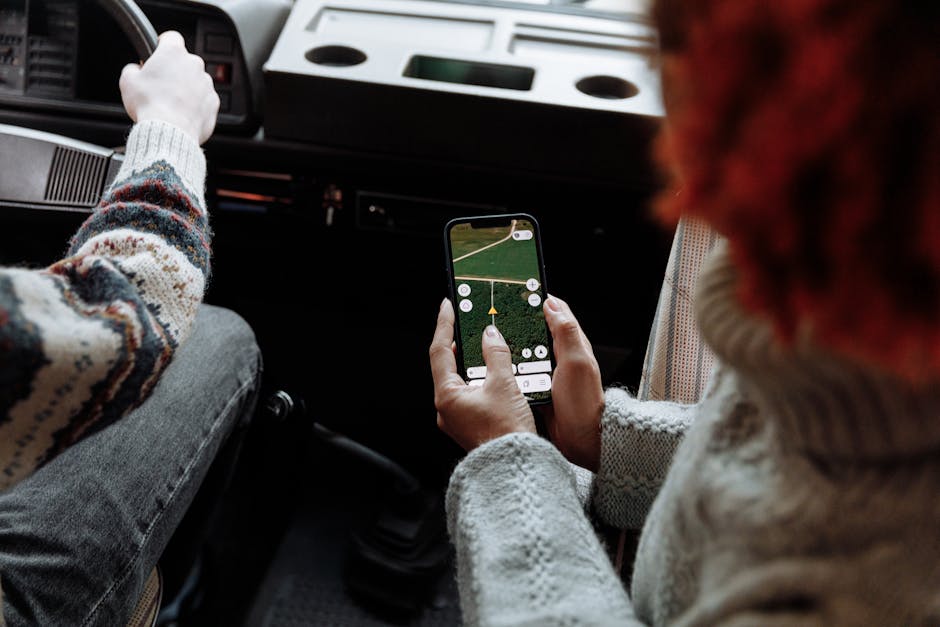
- 📍 Google Maps — Saved 47 pins before leaving. Offline maps in Santorini saved me when my roaming data gave out halfway up a cliff.
- 📋 TripIt — Forwarded every confirmation email — ferries, flights, a wine tour — and it auto-built an itinerary. Took maybe 4 minutes to set up.
- 💱 XE Currency — Offline rates. No Wi-Fi needed. I checked it seventeen times the first day. You will too.
The Complete Summer Guide
The ferry horn blasted three times — a low, gritty sound that bounced off the whitewashed walls of Fira. I was wedged between a German couple arguing about luggage and a local woman carrying a crate of tomatoes that smelled like wet earth and gasoline. My phone battery blinked 14%. No paper ticket. No printed confirmation. Just a QR code buried in an app I'd downloaded on a whim three days prior.
That app was TripIt. And it saved me from missing the last ferry to Naxos.
I've spent the past four summers bouncing between Mediterranean coasts, Alpine trails, and chaotic city markets — always with the same five apps on my home screen. I didn't plan it that way. It just happened. One app led to another, like a breadcrumb trail of better decisions and fewer disasters. I've missed buses, paid €8 for a bottle of water at a Porto Cervo beach club, and gotten sunburn so bad on a Mykonos boat trip that I slept facedown for two nights. The apps didn't fix all of that. But they made the rest manageable.
Here's what actually matters this summer, broken down by the tools that earned their spot on my phone.
1. Skyscanner — The Greek Islands (and How to Get There Without Selling a Kidney)
I flew into Athens in mid-June. €340 round-trip from JFK. That's not a typo. I set a price alert for "Greece" — not a specific airport — and waited two weeks. The alert pinged on a Tuesday morning while I was making coffee. I booked it before the cup went cold.
Skyscanner's "Explore Everywhere" feature is the secret sauce. You type your origin, select "Everywhere" as the destination, and it shows you the cheapest flights from your city sorted by price. For summer 2025, the cheapest European destinations from the US East Coast are Lisbon (flights from €280), Athens (€340), and Reykjavik (€360). From London? Ibiza for €45 one-way on Ryanair if you pack light and hate yourself a little.
I flew into Athens, took a €38 ferry to Naxos (via the Ferryhopper app — not one of the five, but worth mentioning), and spent six days eating patates tiganites and swimming at Agios Prokopios beach. The water was 26°C. Clear enough to see your toes at chest depth. The sand isn't sand — it's tiny white pebbles that stick to everything.
What I'd do differently: I'd fly into a smaller island airport if possible. Mykonos and Santorini both have international airports with direct flights from major European cities. They're pricier, but you save a day of ferry travel. Santorini's airport is chaos in July — think a single baggage carousel and a line that snakes outside. Budget an extra hour.
2. Airbnb — The Amalfi Coast (Positano, but Make It Affordable)
Positano is a vertical town. You walk up stairs. Then more stairs. Then stairs that pretend to be alleys. I stayed in a lemon-tree-shaded studio in the Via Cristoforo Colombo neighborhood — a 15-minute walk from the main beach, but €90/night instead of €250. The trade-off was a climb that left me breathless every single time. The view from the terrace made it sting less.
Airbnb worked here because hotels on the Amalfi Coast in August are a bloodsport. A standard double room in a mid-range hotel in Positano runs €200–€350/night in peak season. My studio had a mini-fridge, a two-burner stove, and a washing machine that sounded like a lawnmower. I used the washing machine twice. Saltwater ruins everything.
The filter trick: Set your max price €30–50 below what you're actually willing to pay. Then use the "text search" filter in the host's description for keywords like "air conditioning" and "quiet." I filtered for "kitchen" and "washing machine" — saved me €60 a day on restaurants and let me pack for a week with a carry-on.
I ate lunch at La Tagliata, a family-run spot up in the hills above Positano. The bus ride up is terrifying — single-lane road, sheer drops, a driver who honks at every blind curve. The food was worth the panic. €28 for a four-course fixed menu with wine. The scialatielli ai frutti di mare was the best pasta I ate all summer.
3. Google Maps — Barcelona (Offline Mode and the Alley You'd Never Find)
I landed in Barcelona at 9 PM on a Saturday in July. The heat hit me like a wall — 34°C even after sunset. My Airbnb host sent me a pin. Google Maps routed me through the Gothic Quarter, past a plaza where someone was playing acoustic guitar, and down an alley so narrow I could touch both walls.
The offline maps feature is what makes this app essential. Before I leave home, I download the entire city map over Wi-Fi. No data needed. The GPS still works. I pinned 47 locations before this trip — bakeries, viewpoints, metro stations, a single public restroom near La Boqueria. The restroom pin saved me €2.50 every time.
Best use of Google Maps this summer: The "Trending" and "Popular Times" features. I checked the live busyness graph for Park Güell before walking there. It showed "as busy as it gets" at 11 AM. I went at 4 PM instead. Still crowded, but I found a bench in the shade and watched the city spread out below. The lizard fountain was surrounded by selfie sticks. I skipped it.
I walked into a small vermutería called La Pepita near Gràcia because Maps showed a 4.7 rating and the photos looked like someone's actual dinner, not a staged menu shoot. I ordered a vermut and a plate of patatas bravas with allioli. The bravas sauce had a smoky kick I still think about. Total: €9.50.
4. TripIt — The Swiss Alps (Interlaken Without the Overwhelm)
Interlaken is a logistics puzzle. You arrive by train from Zurich (€65, 2 hours). Then you need to figure out which cable car goes to which peak, which trains take the panoramic route, and whether your Swiss Travel Pass covers the Jungfrau Railway (it doesn't — €204 extra round-trip).
TripIt handled this by letting me forward every confirmation email to plans@tripit.com. It auto-parsed the dates, times, and booking references. I had a single timeline view of everything: train to Interlaken, three nights at a guesthouse in Unterseen (the quieter, prettier part of town, across the river), a paragliding booking at 10 AM, a fondue dinner reservation at Restaurant Bären.
The guesthouse: I found it on Booking.com — €78/night for a single room with a balcony overlooking the Jungfrau massif. No TV, no air conditioning (you don't need it at 900 meters), just a window that opened to cold mountain air and cowbells.
One detail that mattered: TripIt sent me a push notification 15 minutes before my train from Zurich Flughafen to Interlaken Ost. I was in a duty-free shop buying chocolate. I would have missed it. The platform changed at the last minute — gate 7 instead of gate 3. The app updated in real time.
I hiked the Eiger Trail on day two. Steep, exposed, a little terrifying. A woman in front of me was wearing flip-flops. I saw her turn back after 200 meters. The trail took 3 hours. At the top, I sat on a rock and ate a sandwich I'd packed from the Coop in Interlaken. €3.80 for bread, cheese, and an apple. Water from the fountain near Kleine Scheidegg. Cold and perfect.
5. XE Currency — Tokyo (And Why You Need Offline Rates)
I landed at Narita at 6 AM in late August. €120 from Seoul on a budget carrier. My brain was foggy. I needed coffee, a SIM card, and a train ticket. The ATM at the airport gave me yen at a fair rate — but how would I know? XE Currency, downloaded and updated before I left, had the live rate cached. 1 EUR = 162 JPY at the time. The ATM offered me 158. Close enough. I took ¥30,000.
XE doesn't need Wi-Fi to work. You update the rates before you leave home, and they stay valid for about 24 hours. In Tokyo, where a bowl of ramen costs ¥1,000–1,500 (€6–9) and a metro ride is ¥180–300 (€1.10–1.80), I checked the app constantly. Not because I was worried about money — because my brain couldn't convert yen to euro fast enough.
The street-level reality: I bought a tamagoyaki from a stall at the Tsukiji Outer Market. ¥500. XE told me that was €3.10. I ate it standing up, leaning against a wall, watching a man gut a tuna the size of a motorcycle. The egg was sweet, layered, and slightly warm. Best €3.10 I spent in Japan.
The imperfection: I didn't update XE before flying from Tokyo to Bangkok. The cached rates were 36 hours old. I lost about €4 on a currency exchange at Suvarnabhumi. Not a disaster. But a reminder: update the app before every flight.
🍋 Local Tip — Santorini Ferry Port
The port at Fira is chaos in July. Ferries arrive and depart from a narrow ramp shared by trucks, scooters, and passengers with suitcases. Arrive 45 minutes early for Blue Star Ferries, 30 minutes for the high-speed catamarans. Buy water before you get to the port — the kiosk charges €3 for a 500ml bottle. Walk 100 meters up the ramp to the mini-market and pay €0.80.
Summer Traveler's Pro Tips
These aren't the generic "pack light" and "wear sunscreen" tips. This is the stuff I learned by messing up.
- 🍝 Pre-download restaurant menus. In Positano, I screenshot the menu of every restaurant I was considering. Saved me from standing on a sidewalk staring at my phone while hangry couples pushed past me. The La Tagliata menu changes daily, but knowing the price range beforehand helped me budget.
- 🚆 Set calendar alerts for train booking windows. Swiss Federal Railways (SBB) releases tickets 60 days in advance for the best saver fares. I set a Google Calendar reminder for the exact minute. Got a Zurich–Interlaken ticket for €29 instead of €65. The regular fare three days later was €58.
- 💧 Carry a collapsible water bottle. I bought a SILA silicone bottle for €12. Rolled it up when empty. In Tokyo, public water fountains are everywhere — temples, parks, metro stations. Refilled for free. In Positano, the public fountain near the church on Via dei Mulini has cold, drinkable water. Saved me about €40 over two weeks.
- 🔋 Pack two battery packs. One 10,000 mAh for your phone. One 5,000 mAh for your backup phone or earbuds. The cheap one from Amazon (€15) died after three charges. The Anker one (€30) lasted the whole trip. Skimp on something else.
- 📱 Take screenshots of everything. Boarding passes, reservation codes, map pins, metro routes. I had a folder called "Greece 2025" with 23 screenshots. When the Wi-Fi dropped on a ferry between Paros and Naxos, I still had my Airbnb door code and the ferry confirmation number. The guy next to me didn't. He spent 20 minutes trying to load an email.
Common Summer Travel Mistakes
- ❌ Booking a Santorini sunset dinner on a balcony. I did this. Paid €65 for a prefixed menu at a restaurant in Oia. The food was average. The sunset was behind a cruise ship. The tables were three inches apart. Walk to the Byzantine Castle ruins instead — sit on the wall with a beer from the corner shop. Free sunset. Better view.
- ❌ Thinking the Amalfi Coast bus schedule is reliable. It's not. The SITA bus from Amalfi to Positano runs every 30 minutes in theory. In practice, it arrives when it arrives. I waited 55 minutes in 34°C heat with no shade. Download the Uber app as backup — a taxi from Amalfi to Positano costs about €35. Splitting it with three people makes it bearable.
- ❌ Not booking the Jungfrau Railway in advance. The ticket counter at Kleine Scheidegg had a 90-minute wait on a Tuesday in July. I'd booked online through the SBB app the night before — walked straight to the gate. The couple behind me in line had missed their preferred time slot. They settled for the 3 PM train and lost two hours of daylight at the top.
- ❌ Assuming your bank card works everywhere. In Tokyo, a small ramen shop in Shinjuku didn't take any cards. Cash only. I had ¥2,000 left. The bowl was ¥1,200. I ate it and walked 25 minutes back to my hostel because I couldn't afford the metro. XE Currency couldn't fix that. Always carry cash.
Your Summer Travel Checklist
| 📄 Documents | ☀️ Heat Prep | 📱 Offline Apps |
|---|---|---|
| Passport (valid 6+ months) | Collapsible water bottle | Google Maps (offline) |
| Travel insurance (digital + print) | SPF 50+ (I use La Roche-Posay) | XE Currency (updated) |
| Visa (if applicable) | UV umbrella or wide hat | TripIt (auto-sync) |
| Printed backup of confirmations | Electrolyte powders | Skyscanner alerts |
| 2 photocopies of passport | Cooling towel | Airbnb (messages cached) |
Traveler FAQ
Download Google Maps first. It's the most universally useful app for navigation, offline maps, and discovering local businesses. Set up offline maps for your destination before you leave home. Then add Skyscanner for flights and TripIt for organizing confirmations. The other two — Airbnb and XE Currency — can wait until you've booked accommodation and need to track spending.
Q: Are these apps free, or do I need to pay for premium versions?All five apps are free to download and use at a basic level. Skyscanner and TripIt offer premium tiers (Skyscanner Pro removes ads; TripIt Pro adds real-time flight alerts and seat tracking), but I've used the free versions for years without issue. XE Currency is completely free. Google Maps is free. Airbnb charges a service fee per booking, typically 10–15% of the reservation total.
Q: How do these apps work without internet access?Google Maps lets you download entire city maps over Wi-Fi for offline use — the GPS still functions without data. XE Currency caches the latest exchange rates for offline conversion (update them before you leave). TripIt stores all your itineraries locally on the phone. Skyscanner and Airbnb require internet to search and book, but you can screenshot your confirmations for offline access.
Q: Can I rely on these apps for last-minute summer travel?Yes, but with caveats. Skyscanger's "Last Minute" deals tab shows flights departing within the next week — I found a Madrid-to-Tangier flight for €32 same-day. Airbnb has "Instant Book" filters for same-day check-in. The risk is availability: popular destinations like Santorini or Positano book out 2–3 months in advance for July and August. For last-minute travel, consider less crowded alternatives like Milos instead of Santorini, or Maiori instead of Positano.
Q: What's the one app you'd recommend for avoiding crowds?Google Maps with the "Popular Times" graph enabled. I used this to avoid peak hours at Park Güell in Barcelona, the Tsukiji Market in Tokyo, and the Oia sunset viewpoint in Santorini. The data is based on anonymized location history from users. It's not perfect — a sudden rainstorm can change everything — but it's accurate about 80% of the time. I checked it before every major destination and adjusted my timing accordingly.
Ready for Your Summer Adventure?
The thing about summer travel is that it never goes exactly as planned. Your ferry gets delayed. Your Airbnb AC breaks. You get sunburned on a boat trip in Mykonos and spend a night eating gelato in the dark because lying down hurts too much. Those moments are part of the story.
I landed back in New York in early September with a cracked phone screen, a bag full of sandy clothes, and exactly €12 left in my bank account. I'd missed a train, overpaid for a taxi, and eaten more patates tiganites than any human should admit to. I'd also watched the sun set over the caldera from a cliff I found using a pin I'd saved in Google Maps at 3 AM in my Brooklyn apartment six weeks earlier.
These five apps don't make you a perfect traveler. They make you a prepared one. And in July — when the heat is pounding and the ferry horn is blasting and you're standing on a dock with a 14% battery — being prepared is the difference between a story you tell forever and a day you'd rather forget.
📌 Save this guide
Screenshot this page or bookmark the URL. Share it with someone who's planning their first solo trip this summer.
Have a tip of your own? A destination we missed? A travel app you swear by? Drop a comment below. The best advice comes from people who just got back, still smelling like salt and sunscreen.