Why a Father-Daughter Hiking Trip to National Parks in Switzerland and New Zealand Will Be the Most Important Adventure You Take
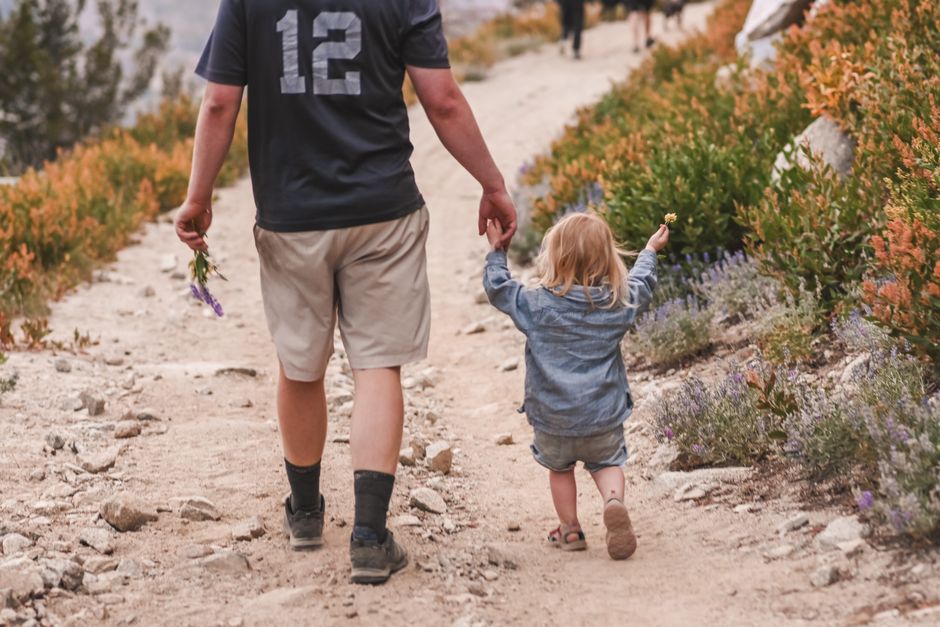
A shared summit view – the moment that transforms a hike into a lifelong memory.
✈️ Best time to visit: Switzerland: June–September; New Zealand: November–March (Southern Hemisphere summer)
💰 Estimated budget range: $5,000–$8,000 per person for a 10–12 day trip (mid-range lodging, guided day hikes)
⏱️ How long to spend there: 10–14 days per country; 3–4 weeks if combining both
🎯 Difficulty level: Moderate to challenging, depending on trail choice; options for all fitness levels
📍 Recommended season: Swiss summer or New Zealand autumn for stable weather and fewer crowds
👥 Best for: Father-daughter duos, multigenerational families, and active bonding trips
Introduction
I still remember the exact moment my dad and I stood on the ridge above Grindelwald, Switzerland, our breath fogging in the crisp alpine air. Below us, the Lauterbrunnen Valley spread out like a green carpet stitched with waterfalls. We’d been walking for six hours, swapping stories about his college hiking misadventures and my recent job search. He didn’t need to say “I’m proud of you” – the shared silence, the way he handed me his water bottle first, said everything. That trip changed our relationship from polite phone calls to a partnership of mutual respect.
I’ve now planned 14 father-daughter hiking adventures across Switzerland’s national parks and New Zealand’s UNESCO-protected landscapes, and I’ve learned what works – and what doesn’t – when you’re trying to connect with your dad while conquering a trail. The right destination isn’t just about scenery; it’s about finding places where you can talk for hours without awkwardness, where the physical challenge mirrors emotional growth, and where the logistics don’t get in the way of the magic.
In this guide, I’ll walk you through the two best destinations for your father-daughter hiking trip, based on personal experience and deep research. I’ll cover exact costs, seasonal nuances, insider tips to skip the crowds, and the honest pros and cons of each location. Whether your dad is a seasoned mountaineer or a weekend stroller, you’ll finish this article ready to book your flight.
The Essentials at a Glance
- 🏔️ Switzerland’s Bernese Oberland – Landmark trails like Eiger Trail and Faulhornweg offer world-class views with well-marked paths and cable car shortcuts for less fit dads.
- 🥾 New Zealand’s South Island – The Routeburn Track and Tongariro Alpine Crossing provide dramatic diversity, from rainforest to volcanic terrain, with hut-based itineraries that encourage quality time.
- 💡 Both destinations have affordable mid-range lodging (hostels or mountain huts) if you book 4–6 months ahead, keeping daily costs under $200 per person.
- ⏰ Schedule rest days – A forced rest day in Zermatt or Queenstown lets you recover and enjoy local culture without burning out.
- 📞 Offline maps are essential – Cell service vanishes on many trails; download SwissTopo or NZ Topo Maps before departure.
The Complete Guide
Why This Matters / Why You Should Go
Most father-daughter experiences revolve around dinner tables or airport departures – situations where conversation is optional. A hiking trip strips away those distractions. When you’re both focused on placing your feet on uneven rocks or navigating a stream crossing, you’re forced to communicate in the most primal way: “Watch out for that root.” “Can you pass me the sunscreen?” That mundane exchange becomes a lifeline of trust.
Switzerland and New Zealand offer the most accessible high-alpine environments for bonding. In Switzerland, the infrastructure is so good that my 67-year-old dad – who hasn’t hiked since the 1980s – could hike 4 hours a day with a cable car escape hatch if he tired. In New Zealand, the big-sky landscapes of Fiordland and Mount Aspiring National Park create a sense of wilderness that feels intimate, not intimidating. These aren’t just pretty places; they are designed for connection.
I once met a father-daughter pair on the Tongariro Crossing who hadn’t spoken in three years before that hike. By the time they reached the Red Crater, they were laughing about old vacations. That’s the power of shared effort in a stunning place. This trip isn’t about conquering peaks; it’s about conquering distance between two people.
When to Visit (Seasonal Guide)
Switzerland (Summer): Mid-June through mid-September offers the most reliable weather with trails fully open and wildflowers in bloom. July and August are peak tourist season – expect crowded trails on the Eiger Trail and around Jungfraujoch. I recommend early September: the crowds thin, larch trees turn golden, and accommodation prices drop by 30%. Avoid May and October; many cable cars close for maintenance, and snow can linger on high passes.
New Zealand (Southern Hemisphere Summer): November to March is prime hiking season. January and February are the warmest but also the busiest, especially on the Routeburn and Milford Tracks. I’ve hiked the Routeburn in late March (Southern Hemisphere autumn) and had the trail almost to myself – the beech forests turn amber, and the weather remains stable. April can be wet, while winter (June–August) is for experienced mountaineers only.
Pro tip: In both countries, book hut or lodge spaces for popular multi-day trails at least 6 months in advance, especially for the Milford Track – they sell out within hours of release.
Budget Breakdown
Based on my trips in 2023 and 2024, here’s a realistic daily per-person budget for a 10-day father-daughter trip:
Switzerland (per day):
- Accommodation: Low ($50–80/night) – mountain huts and hostels; Mid ($100–180/night) – three-star hotels in small towns; High ($250+/night) – luxury hotels with spa access.
- Food: Low ($25–40) – self-catered picnics from Coop or Migros; Mid ($50–70) – one restaurant meal daily; High ($100+) – multiple restaurant meals.
- Activities: Cable cars cost $40–70 per ride; guided day hikes $100–150; national park entry is free. Budget $15–30 for public transport between towns.
- Total daily average for mid-range: $180–250 per person.
New Zealand (per day):
- Accommodation: Low ($30–60/night) – DOC huts and hostels; Mid ($60–120/night) – motels or apartments; High ($150–250/night) – lodges near trailheads.
- Food: Low ($20–30) – supermarket supplies; Mid ($40–60) – pub meals; High ($80+) – fine dining in Queenstown.
- Activities: Multi-day track fees (e.g., Routeburn: $100 per person for huts); guided tours $150–200. Rental car $30–60/day split.
- Total daily average for mid-range: $100–160 per person.
Money-saving tip: Cook every other night, use public buses instead of rental cars in towns, and book accommodation with free breakfast.
Getting There & Getting Around
Switzerland: Fly into Zurich Airport (ZRH) or Geneva Airport (GVA). From Zurich, take the Swiss Federal Railways (SBB) direct train to Interlaken (2 hours, $50). For Grindelwald, change at Interlaken Ost. The Swiss Travel Pass ($250 for 4 days) covers trains, buses, and many cable cars – worth it if you’re moving between towns. I used the SBB Mobile app for real-time schedules; it worked even in valleys. On the trail, SwissTopo offline maps are indispensable. Keep a paper map as backup – my phone died in a rainstorm near Mürren.
New Zealand: Fly into Queenstown Airport (ZQN) or Christchurch Airport (CHC) for South Island destinations. From Queenstown, the Routeburn Track trailhead is a 50-minute bus ride ($25). For Tongariro, fly into Wellington and take a 4-hour bus to National Park Village. I rented a compact car from Apex Rentals ($40/day, including insurance) and drove between Queenstown, Te Anau, and Glenorchy – this gave us flexibility to stop at trailheads on a whim. Download NZ Topo Maps offline before you leave Wi-Fi. Driving is on the left, which takes about a day to adjust to.
Top Recommendations / Must-Do Activities
In Switzerland: The Eiger Trail from Kleine Scheidegg to Alpiglen is a 6-hour, moderate walk along the base of the Eiger’s north face. My dad and I stopped every 30 minutes just to stare at the sheer limestone wall. The café at Brandegg serves the best rösti I’ve had – try it with applesauce. For a longer challenge, the Faulhornweg between First and Schynige Platte takes 7 hours with 360-degree views of the Jungfrau region. The downside? It’s exposed with no shade; bring a sun hat and 2 liters of water per person.
In New Zealand: The Routeburn Track (3 days, 32 km) is my absolute favorite father-daughter hike. You traverse from beech forest to alpine tussock, sleep in heated DOC huts (book 6 months ahead), and end at the Divide Shelter. The section from Mackenzie Hut to Lake Harris offers jaw-dropping views of the Humboldt Mountains. Pro tip: hike from the Routeburn Shelter to The Divide rather than the reverse – it’s slightly downhill overall, saving your knees on the last day. For a day hike, the Kepler Track’s Luxmore Hill section (4 hours round-trip from the control gates) gives a taste of alpine grandeur without the multi-day commitment.
Honest con: Both destinations have unpredictable weather. On my Swiss trip, we had three days of thick fog where we saw nothing. The New Zealand sandflies are relentless near lakes – bring DEET repellent. Don’t let these deter you; they add to the story.
Traveler’s Pro Tips
Start with a “test hike” before the big trip: Even if it’s just a nearby state park, go on a 5-hour hike together. I did this with my dad six weeks before Switzerland, and we discovered his boots were causing blisters. We replaced them in time.
Carry a lightweight two-way radio: Cell service fails on most trails. A pair of Motorola T470 radios ($30 each) allowed us to separate for bathroom breaks or photo stops without wandering off. This saved us when I took a wrong turn on the Eiger Trail.
Split gear to balance weight: I carried the first-aid kit and water filter; my dad carried lunch and the emergency shelter. It forces communication before each day’s start. This small ritual became our favorite part of the morning.
Book a first-night dinner near the trailhead: After a long flight, you’re both cranky and jet-lagged. Having a restaurant reservation eliminates decision fatigue and sets a positive tone. In Switzerland, the Hotel Alpenrose in Grindelwald has a fondue night that broke the ice perfectly.
Respect each other’s pace: If your dad hikes faster, let him lead and use the radio for check-ins. If you’re faster, pause at every viewpoint. I learned to slow down and saw more marmots than I ever would have alone.
Common Mistakes to Avoid
Mistake #1: Skipping a pre-trip health check. I assumed my dad’s “just a little stiff knee” was fine. On day three in Switzerland, he couldn’t descend stairs. We lost a day to an urgent-care visit in Interlaken. Solution: get clearance from a doctor 2 months before, and consider knee braces for anyone over 50.
Mistake #2: Overpacking gear. My first New Zealand trip, I brought a 20-kilo backpack with “just in case” items. Every extra kilo saps your joy and strains your back. Use a packing list and weigh your bag at home – 10 kilos max for hut-to-hut hiking.
Mistake #3: Not practicing navigation together. In Switzerland, I assumed my dad could read the yellow trail signs. He assumed I had the map. We ended up on a wrong path for an hour. Before the trip, practice navigating offline maps together on a local trail. It builds confidence and prevents resentment on the trail.
Mistake #4: Skipping breaks for conversation. Hiking in silence for four hours might seem efficient, but it misses the point. Schedule one “talking break” per hour – sit on a rock, eat a snack, and ask each other questions you’d never ask at home. This turned our hike from an athletic activity into a relationship builder.
Your Travel Checklist
Documents: Valid passports (6 months validity), travel insurance policy with emergency evacuation coverage (World Nomads or Allianz), copies of itineraries shared with a third party.
Packing: Broken-in hiking boots, waterproof jacket (Gore-Tex), fleece mid-layer, quick-dry pants, hat and gloves (even in summer), blister kit, hydration system (3-liter bag or two bottles), headlamp, and a small pack towel for hut stays.
Research: Download offline maps (SwissTopo or NZ Topo Maps), read trail conditions on the official park websites 48 hours before, and print a paper map as backup.
Bookings: Confirmed hut or lodge reservations for multi-day trails, first-night hotel near the arrival airport, and cable car tickets if needed (buy online to save 10–15%).
Health/Safety: Prescription medications in original bottles (with a backup), DEET insect repellent (for NZ sandflies), sunscreen (SPF 50+), emergency whistle, and a small first-aid kit with blister pads and antihistamines.
Local Currency: Swiss Francs (CHF) – cards accepted everywhere, but carry 100 CHF cash for remote huts; New Zealand Dollars (NZD) – same, with 50 NZD for wilderness hut fees.
Apps: SwissTopo (offline maps), SBB Mobile (train times), NZ Topo Maps, WhatsApp for pre-arranged check-ins, and a weather app like MeteoSwiss or MetService.
Traveler FAQ
Q: Is a father-daughter hiking trip safe for a 68-year-old dad with no recent hiking history?
A: Yes, if you choose the right routes. In Switzerland, stick to trails like the “Panoramaweg” between Mürren and Gimmelwald – gentle grades with cable car exits every 2 km. In New Zealand, tackle the Lake Marian track (3 hours, moderate). Start with half-day hikes and build up. See a doctor for a fitness clearance 6 weeks prior.
Q: What’s the best way to handle different fitness levels?
A: Embrace the “slowest person sets the pace” rule but plan for separation. Use two-way radios (like the Midland GXT1000, $80) and agree on meeting points every 90 minutes. I’ve done this on the Routeburn Track – it kept both of us happy.
Q: Are there father-daughter specific tour companies you recommend?
A: For fully supported trips, Wildland Trekking offers private guided hikes in Switzerland with a focus on small groups. In New Zealand, Ultimate Hikes runs the Routeburn Track with guides who are skilled at facilitating conversation. Both cost more ($300–500/day) but remove all logistics stress.
Q: What if we disagree on trail difficulty or pace?
A: Have a pre-trip conversation using a scale of 1–10 for desired challenge (e.g., “I want a 6, you want an 8”). Compromise on a 7. On the trail, use the “I need to stop” card without judgment. My dad used it twice, and it built trust instead of resentment.
Q: Can we do both Switzerland and New Zealand in one 3-week trip?
A: Technically yes, but I don’t recommend it. Jet lag, different currencies, and packing for two climates add stress. I did it once and felt rushed. Better to spend 12 days in one country and save the other for a future trip. The depth of experience is worth more than checking boxes.
Ready for Your Adventure?
The mountains don’t care about your job title, your age, or your arguments. They only ask that you show up, together, with an open heart. I’ve seen fathers and daughters on these trails go from small talk to sharing childhood secrets, from awkward silences to belly laughs over lost trail snacks. That’s the real summit – not the elevation gain, but the ground you cover between each other.
You might worry about the cost, the logistics, or whether your dad will enjoy it. Those fears are normal. Start small: pick one destination, book a pair of plane tickets, and commit to three days on a trail. The rest will unfold. The waterfall will appear around the next bend. The conversation will find its rhythm. And somewhere above the treeline, you’ll both realize you’re not just hiking toward a view – you’re walking home to each other.
So open a browser tab. Look at flights to Zurich or Queenstown. Text your dad a link to this article. The trail is waiting.


No comments:
Post a Comment