Why a Solo Road Trip Down Australia's East Coast Will Rewrite Your Definition of Freedom
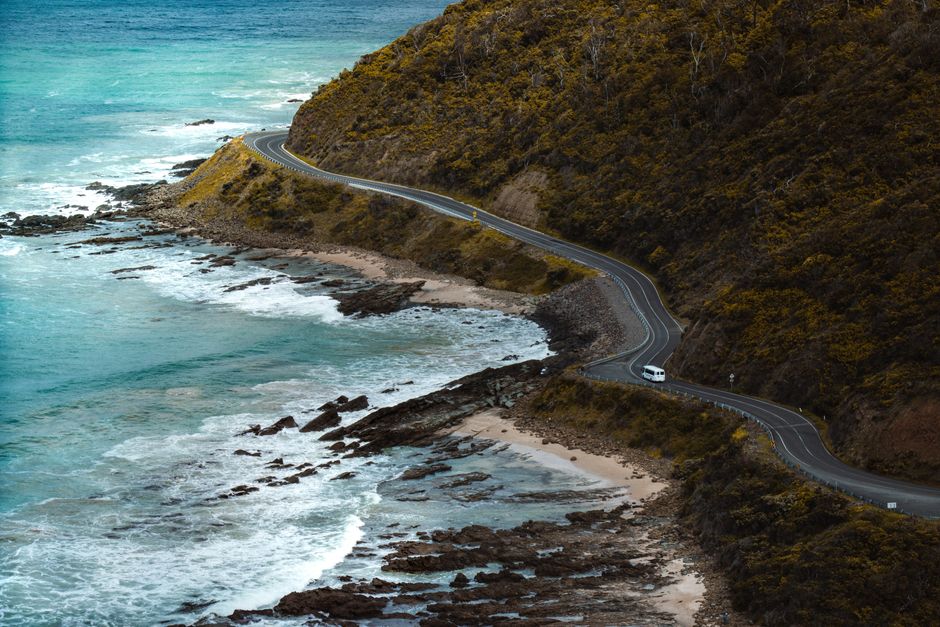
The open road, your own schedule, and the endless horizon – that’s the promise of an Australia solo road trip.
✈️ Best time to visit: March–May & September–November (avoid peak summer heat & crowds)
💰 Estimated budget range: A$100–200/day (budget van) or A$250–400/day (comfortable hotels & dining)
⏱️ How long to spend there: 2–4 weeks for a relaxed journey from Sydney to Cairns
🎯 Difficulty level: Moderate – simple planning, long distances, reliable infrastructure
📍 Recommended season: Autumn or spring for mild temps and fewer travelers
👥 Best for: Solo travelers, vanlifers, road trip enthusiasts, nature lovers
Introduction
I remember the exact moment I decided I needed to do this alone. It was 3 AM in a cramped hostel dorm in Byron Bay, listening to someone snore like a freight train, and I thought: I want to wake up when I want, eat where I want, and stop at every ridiculous giant banana I see. So I bought a 1998 Toyota Hiace van with 300,000 kilometers on the odometer, named her Matilda, and spent the next five weeks driving from Sydney to Cairns solo.
I’m not a professional adventurer or a Instagram influencer with a sponsorship deal. I’m a regular person who wanted to see if I could handle the Australian outback on my own terms. And I can tell you, with absolute certainty, that a solo road trip down the East Coast is one of the most empowering, terrifying, and life-affirming things you’ll ever do. This article is built on those real, dusty, kangaroo-dodging miles. I’ll cover safety (yes, you can do it alone as a woman or a guy), the best route for vanlife beginners, how to save money, and the spots that actually live up to the hype.
The Essentials at a Glance
- 🌊 Route saved my sanity: The Pacific Highway (A1) is well-maintained, but for scenery, take the slower coastal roads like the Grand Pacific Drive and the scenic route through the Dorrigo National Park.
- ⛽ Fuel strategy is everything: Fill up when you hit half a tank – the gap between towns can be over 200 km, and not all stations accept card.
- 🦘 Wildlife is not a myth: Driving at dawn or dusk is asking for a kangaroo collision. I nearly hit a massive red kangaroo near Coffs Harbour. Drive slow, use high beams in safe areas.
- 📡 Telstra is king: Optus and Vodafone drop out frequently in national parks. Get a Telstra prepaid SIM for navigation and emergencies.
- 🛌 Free camping is a goldmine: Use apps like WikiCamps and CamperMate to find free or cheap spots (many are safe, with toilets).
The Complete Guide
Why This Matters / Why You Should Go
Australia is tailor-made for a solo road trip. The East Coast, in particular, is a corridor of contrasts: you’ll find world-class surf breaks, ancient rainforests, quirky coastal towns, and the Great Barrier Reef. But what makes it special for a solo traveler is the culture of vanlife. Australians embrace the “grey nomad” spirit, and you’ll rarely feel out of place eating dinner alone at a beachside picnic table. I met a 72-year-old woman traveling solo in her campervan near the Glass House Mountains – she’d been on the road for six months. That sense of community, the “mate” mentality, and the sheer scale of the landscape make this trip uniquely safe and welcoming for someone flying solo.
When to Visit (Seasonal Guide)
Autumn (March–May) and Spring (September–November) are the sweet spots. I went in April, and the weather was perfect: 22–28°C days, cool nights, and the humidity was nonexistent. Summer (December–February) is hot and crowded – holiday traffic can turn a 6-hour drive into 10, and campsites book out weeks ahead. Winter (June–August) is mild in the north but can be chilly and wet in Sydney and Byron Bay. The whale migration (June–November) is a bonus if you're near the coast during winter. Avoid school holidays if you can – prices spike and free camps fill up.
Budget Breakdown
Accommodation: Renting a campervan (from $60–120/day with insurance) is the cheapest if you cook your own meals. Hostels in towns cost $30–50/night. Hotels jump to $120–250/night. I camped for free 60% of the time using WikiCamps and paid for powered sites ($15–30/night) every third night for a hot shower.
Food: Cooking in your van costs $15–25/day. One meal out (a pub counter meal or fish and chips) is $20–30. Breakfast at a cafe costs about $15–20.
Fuel: At $1.80–2.10 per liter (2024/25 prices), driving 100 km costs around $18–22. A Sydney to Cairns trip (2,500 km) will cost $450–550 in fuel.
Activities: Snorkeling the Great Barrier Reef from Cairns or Port Douglas costs $120–200 for a day trip. National park entry fees are $10–15 per vehicle. Many beaches and lookouts are free.
Total daily (budget): $100–120/day (van rental + fuel + food + occasional paid campsite). Total daily (comfort): $250–350/day (hostels + eating out + paid activities).
Money-saving tip: Buy a secondhand camping stove and a cooler bag from a Kmart or Anaconda. Avoid buying bottled water – fill your tank at free campsites or visitor centers.
Getting There & Getting Around
Fly into Sydney (SYD) or Brisbane (BNE) – both are major hubs for campervan rentals. Companies like Apollo, Britz, and Jucy have depots at both airports. For a solo traveler, a small campervan (like a Toyota HiAce or VW California) is perfect – easy to park, fuel-efficient, and you can sleep in it legally at designated rest areas. Navigation is easy with Google Maps offline (download the whole coast route before leaving) or a Garmin GPS. Roads are excellent, but be prepared for two-lane highways in rural areas. Fuel stations are reliable along the A1 highway, but some inland routes (like through the New England region) have sparse services. Always carry a jerry can with 10L extra if you plan detours.
Top Recommendations / Must-Do Activities
1. Byron Bay Lighthouse Walk – Yes, it’s touristy, but go at 6:00 AM before the crowds. I walked it at sunrise and only saw three other people. The view of the bay and the chance to see humpback whales (in season) is completely worth the early alarm.
2. Dorrigo National Park Skywalk – A free, easy walk through ancient Gondwana rainforest. The canopy walkway puts you eye-level with brush turkeys and strangler figs. The waterfall nearby (Dangar Falls) is a perfect lunch spot.
3. The Great Ocean Road (optional extension) – If you have extra time, drive from Melbourne to Adelaide via the B100. The Twelve Apostles are crowded by 10 AM, so go at sunset for solitude and better light.
4. Snorkeling on the Great Barrier Reef – Book a day trip from Port Douglas (less crowded than Cairns). I booked with a smaller operator (Reef Magic) and visited a reef with only 12 passengers. The coral gardens and sea turtles felt like a nature documentary.
5. The Big Pineapple (Woombye) – odd but iconic – Don’t expect theme-park thrills, but the giant pineapple near Nambour is a perfect photo stop and has a decent ice cream shop. It’s the kind of silly, local thing that makes road trips memorable.
One downside: The Fraser Island (K'gari) ferry is expensive ($200+ one way) and the sand tracks require 4WD. Unless you have a proper off-road camper, skip it – the mainland has equally beautiful beaches without the hassle.
Traveler’s Pro Tips
Tip 1: Download offline maps and podcasts before you lose signal. The Bruce Highway has long dead zones. I pre-loaded 10 hours of audiobooks (try “The Secret River” by Kate Grenville) and a full backup of maps via Maps.me. Saved me from boredom and panic.
Tip 2: Use “dumping stations” religiously. If you’re in a campervan with a toilet, you must empty it at designated dump points. The app “Sanidump” shows locations. I learned the hard way – a full cassette is a smelly disaster.
Tip 3: Always carry a paper map as a backup. My phone overheated and shut down near Rockhampton in 35°C heat. A $5 road map from a newsagent saved me from taking a wrong turn into a cattle station.
Tip 4: Pack a quality insulated water bottle (1.5L+) and a headlamp. Free campsites rarely have lighting. I used my headlamp for cooking, reading, and walking to the toilet at night. It’s a $20 item I used every single night.
Tip 5: Talk to other solo travelers at communal campfires. I met a German couple who told me about a secluded swimming hole near the Nymboida River – not on any map. It became my favorite spot of the trip. Be open, and the road shares its secrets.
Common Mistakes to Avoid
Mistake 1: Ignoring the “no camping” signs in small towns. I once parked at a beachside carpark near Ballina (I’d seen it on a blog) and got a $150 fine at 6 AM. Why? Local council bans overnight parking to deter vanlifers. Always check signs, and use WikiCamps’ “prohibited” layer to avoid fines.
Mistake 2: Overpacking clothes. I brought four pairs of jeans. I wore one. In tropical Queensland, you need shorts, swimwear, a light jumper, and one long-sleeved shirt for sun protection. Leave the bulky items at home – you’ll buy souvenirs anyway.
Mistake 3: Underestimating sun exposure. I got a nasty sunburn on my left forearm from driving for two hours with the window down. Even with sunscreen, the Australian sun is brutal. Wear a long-sleeved sun shirt while driving, and use SPF50+ every two hours.
Mistake 4: Skipping car insurance for the “outback” coverage. I thought my basic insurance covered everything. Then I drove on a gravel road near Lamington National Park, a stone cracked my windscreen, and I had to pay $450 out-of-pocket. Pay extra for “windscreen and tyre cover” – it’s usually $10–20 more per day.
Your Travel Checklist
Documents: Valid passport (if international), driver’s licence (an International Driving Permit is recommended for non-English licences), campervan rental voucher, travel insurance documents.
Packing: Headlamp, reusable water bottle, insulated cooler bag, sun hat, SPF50+ sunscreen, insect repellent (for Queensland’s mossies), a warm fleece or puffer jacket (nights get cold even in summer), first-aid kit with blister plasters.
Research: Download WikiCamps app, pre-load offline maps (Google or Maps.me), read latest road reports (NSW Live Traffic, QLD Traffic), book popular campsites (e.g., those near the Whitsundays) at least two weeks ahead in peak season.
Health & Safety: Travel insurance that covers 4WD and towing, a personal locator beacon (optional but wise for remote areas), basic car maintenance knowledge (how to check oil and change a tyre – YouTube can teach you in 10 minutes).
Local Currency & Apps: Australian dollars (cash for remote fuel stations and markets), banking app (Osko transfers are instant), AU Post app for mail holds, and the “Emergency+” app (programmed with triple zero – 000 – automatically).
Traveler FAQ
Q: Is a solo road trip in Australia safe for a woman traveling alone?
A: Yes, but with precautions. I’m a woman, and I felt safe 99% of the time. Stick to well-lit, populated campsites (like BIG4 holiday parks) on your first few nights. Trust your instincts – if a remote spot feels wrong, drive to the next town. Carry a personal safety alarm and share your location with a friend daily.
Q: Do I need to book campsites in advance?
A: Not always, but for popular spots (Byron Bay, Noosa, Whitsundays) book 2–4 weeks ahead in peak season. In autumn, I rarely booked and always found a spot. Use the “free camping” option on WikiCamps – I found gems like a waterfront spot near Yamba with a toilet and picnic table for $0.
Q: What’s the best way to handle internet and navigation without roaming fees?
A: Buy a Telstra prepaid SIM at any airport or convenience store (around $30 for 30GB). It works in 80% more places than Optus. Also, download all maps and podcasts while you have Wi-Fi. The “Oz Road Trip” app comes bundled with offline maps of all fuel stations.
Q: Can I see the Great Barrier Reef without a tour?
A: You can snorkel from the shore at low tide near Port Douglas (try Four Mile Beach) but the best coral requires a boat. A day trip is worth the money – I saw clownfish, turtle, and a reef shark within 20 minutes. Self-drive options (like renting a tinnie) exist but are risky without local knowledge of tides and currents.
Q: What’s the most underrated stop on the East Coast?
A: The small town of Yamba, north of Coffs Harbour. It has five beautiful patrolled beaches, a friendly surf culture, and excellent fish and chips at “The Pacific Hotel” with a view. The drive through the Yuraygir National Park coastal walk is stunning and almost empty.
Ready for Your Adventure?
There’s a moment after the third week, when the driving becomes second nature, when the sunrise over a quiet beach feels like a private gift, and when you realize you haven’t thought about your inbox in days. That’s when a solo road trip stops being a vacation and starts being a transformation. I won’t lie – there were lonely moments (especially in a caravan park where everyone else was a couple), and there were logistical headaches (finding a mechanic on a Sunday in a small town is near impossible). But every single one of those challenges made me trust myself more. Australia’s East Coast is waiting with open arms, wide open roads, and a horizon that never ends. So go. Rent the van, fill the tank, and let the road write your story.


No comments:
Post a Comment