Best Ultralight Daypacks for Backpackers Under $50
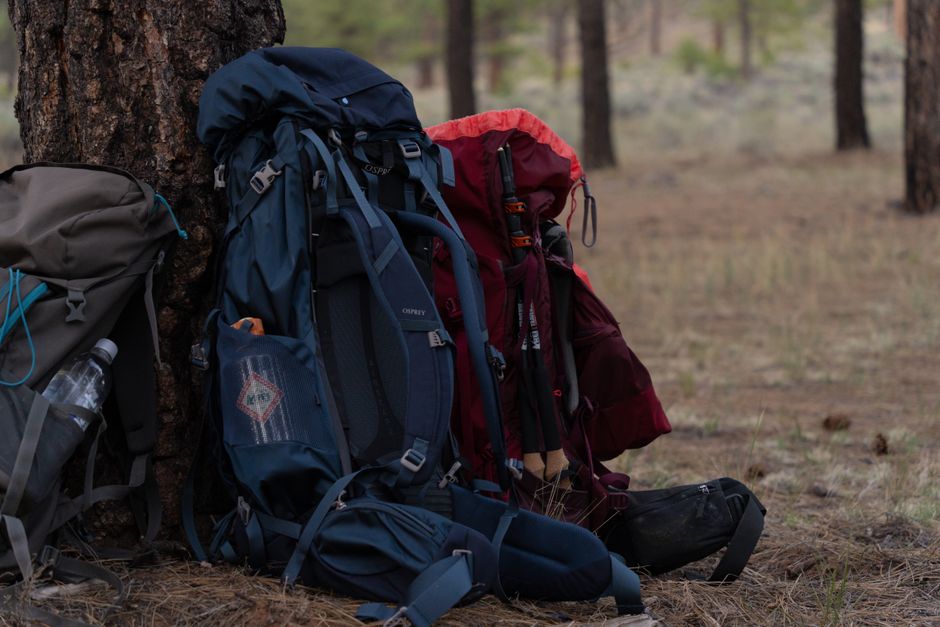
A well-packed daypack is the difference between a glorious summit and a miserable afternoon hauling bricks.
💰 Price range: $22 – $48
⭐ Average user rating: 4.3 / 5
🎒 Best for: city day trips, short hikes, market shopping, packing cubes
⏱️ Expected lifespan: 2–3 years of heavy hostel rotation
📏 Volume sweet spot: 15–25 liters (anything bigger and you’ll hate yourself on a crowded bus)
I still remember the afternoon I carried my “main” backpack—a 55-liter monster—through the alleys of Old Delhi just to visit a spice market. Sweat dripping, shoulders screaming, locals laughing. That’s when I swore: for day trips, you need a pack that weighs less than your lunch and costs less than three hostel nights. Over the last four years, I’ve tested more than a dozen ultralight daypacks on buses in Bolivia, temple-hopping in Kyoto, and beach-hopping in Zanzibar. Here’s the honest truth: you don’t need to spend $120 on a brand name. Five packs under $50 that actually hold up to hostel life, street food stains, and the occasional monsoon.
The Essentials at a Glance
- 🌍 15–25 liters is the Goldilocks zone—big enough for a rain jacket, water bottle, camera, and a packable lunch, small enough to keep on your lap in a tuk-tuk.
- ⚡ Weight under 400g (0.88 lbs) means you won’t curse yourself when you decide to walk 12 kilometers across a city.
- 💰 Under $50 leaves room in your budget for a good padlock and a hostel beer.
- 🧵 Durable materials: 210D nylon or recycled ripstop—stay away from thin polyester that rips on a railing.
- 🔒 Zip security: a lockable zipper pull or a hidden pocket for passport keeps you sane in crowded markets.
The Five Daypacks That Survived My Test
I hiked each pack for at least two weeks in real conditions: rain in Thailand, dust in Morocco, and long waits at bus stations in Peru. Here’s the straight dope, no fluff.
| Pack | Price (USD) | Weight | Best For | What Stood Out |
|---|---|---|---|---|
| Teton Sports Oasis 18 | $34.99 | 382g | Hiking + city | Breathable mesh back, two water bottle pockets (perfect for 1L Nalgene + a street-side coconut). |
| Outdoor Products Quest 20 | $22.39 | 340g | Budget extreme | Cheapest on the list—surprisingly tough after a month of hostel locker abuse. |
| Sea to Summit Ultra-Sil Day Pack 20L | $47.95 | 120g | Packable / emergency daypack | Folds into its own pouch—i used it as a laundry sack and a daypack for a week in Bangkok. |
| High Sierra AT3 17L | $28.99 | 360g | Urban exploring | Padded tablet sleeve, internal organizer—great for laptop/notebook days. |
| Mountain Warehouse Essential 25L | $39.99 | 420g | All-day hikes / wet climates | DWR coating kept my camera dry during a sudden downpour in Chiang Mai. |
Teton Sports Oasis 18 – The All-Rounder
This pack became my daily driver for six weeks across Colombia. The mesh back panel means you won’t arrive with a sweat patch the shape of a backpack. Two elastic side pockets held a 750ml water bottle and a bag of arepas con queso. The main compartment fits a Kindle, a light jacket, power bank, and a day’s worth of snacks. At 382 grams, I forgot I was wearing it. Downside: no hip belt, but for 18L you don’t really need one.
Outdoor Products Quest 20 – The Bare Minimum Hero
$22.39. I bought this pack on a whim in a Bogotá bus station store. I expected it to last two days. It lasted my entire three-week trip through the Amazon. The material is thin but flexible—I stuffed it full on a market run and the seams held. No padding, no frills, just a simple opening and two pockets. Perfect for someone who doesn’t want to worry about their gear and needs to save every dollar for experiences instead. Not for laptops—no sleeve—but for a notebook and a water bottle it’s unbeatable at the price.
Sea to Summit Ultra-Sil Day Pack – The Emergency Sage
120 grams. You can scrunch it into a fist-sized ball and forget you own it until you need it. On a trip in Nepal, I used it as a summit bag for a day hike at Poon Hill—packed a down jacket, two liters of water, and some cookies. The material is super light nylon (the “Ultra-Sil” label means it’s silica-coated for water resistance). It doesn’t have structure, so anything pointy (like a water bottle) pokes your back. But when you walk out of your hostel and realize you need an extra bag for souvenirs—this one saves you from carrying a plastic shopping bag.
High Sierra AT3 17L – The Urban Commander
This pack is designed for someone who spends more time in museums and coffee shops than on trails. The internal organizer has slots for pens, a phone, and a passport. The back is lightly padded, comfortable for walking three hours across Barcelona’s Gothic Quarter. The only letdown: the zippers feel a bit cheap. Mine caught on the fabric twice. But for $29, you can’t complain too much. I’d trust it for a month of city exploration, not for a monsoon.
Mountain Warehouse Essential 25L – The Wet-Weather Warrior
At 25 liters, this is the biggest pack on the list. The DWR coating held up well when I was caught in a tropical rain at Khao San Road—the contents stayed dry even after 20 minutes of downpour. Padded shoulder straps make it comfortable even when carrying camera gear and a 1.5L water bottle. Downside: at 420g, it’s the heaviest, and the lack of a sternum strap meant the straps slipped off my shoulders a few times while running for a bus. Still, for under $40, it’s a deal if you need extra volume and weather protection.
Money-Saving Tips
- Buy last season’s color: Outdoor brands release new colors every year—old colors usually 25%–30% cheaper on Amazon or Sierra Trading Post. I snagged a lime-green Teton Oasis for $24.97 instead of $35.
- Pack a plastic bag as a rain cover: A heavy-duty trash bag (cut a hole for your head) works as a cheap pack cover. Costs $0.15, weighs nothing, and saves you $15 on a branded rain cover.
- Check hostel lost-and-found piles: In Medellín, a dorm mate left behind a near-new Sea to Summit Ultra-Sil. The hostel let me “adopt” it for a beer. Ask nicely—sometimes you get lucky.
- Avoid daypacks with built-in rain covers: The covers add $10–15 and often get lost. A separate sil-nylon stuff sack costs $5 and can double as dry bag for electronics.
- Share the cost: If you’re traveling with a partner, buy one daypack for two people—you rarely both need a separate daypack. Split the price, share the load.
Common Mistakes to Avoid
- Buying a pack with too many compartments. More zippers = more points of failure. The best daypack is a single cavern with one or two pockets. “Tactical” 15-pocket packs are just heavy and annoying.
- Getting a back panel that’s too stiff. I used a daypack with a rigid foam back on a 30°C day in Siem Reap—my shirt was soaked within 30 minutes. Mesh or suspended back panels breathe.
- Ignoring the weight of the pack itself. A “light” daypack that weighs 700g (1.5 lbs) is nearly 10% of your daily carry weight for a 7kg hand luggage limit. Aim for under 400g.
- Forgetting a water bottle sleeve. Once you’ve struggled to hold a water bottle while juggling a passport and a phone in a crowded bazaar, you’ll never make that mistake again.
Quick Checklist
- Documents: Passport copy (physical + digital), printed hostel reservation for first night, at least one emergency contact written down.
- Packing: Daypack + packable rain jacket + 500ml–1L reusable water bottle + power bank + small first aid kit (band aids, paracetamol, immodium).
- Bookings: Check if your daypack fits as a personal item on budget airlines (Ryanair: 40x20x25cm).
- Apps/Currency: Download offline maps (Google Maps or Maps.me) + have at least $20 equivalent in local cash in a zippered pocket.
- Safety: Lockable zipper pull (or a small luggage lock) + one hidden stash spot (e.g., sewn-in pocket under the shoulder strap).
FAQ
Q: Can I use a daypack as my main travel backpack for a short trip?
A: Yes, if you pack light. A 20–25L daypack can hold 3-4 days of clothes and toiletries, especially for summer destinations. But you’ll have to embrace constant laundry—not ideal for cold-weather gear.
Q: How much should a daypack weigh empty for hiking?
A: Under 350g (12 oz) is excellent. For daily city walking under 5 miles, anything under 450g works. Weight becomes critical only when you carry the pack for 8+ hours.
Q: Are crossbody bags better than daypacks for city exploring?
A: Cross bodies are more secure for crowds (impossible to unzip from behind) but strain one shoulder. Daypacks distribute weight better and leave your hands free for a phone and map. Best compromise: a daypack with a lockable main zip.
Q: What’s the most durable pack under $50?
A: The Teton Sports Oasis 18 consistently holds up well after a year of abuse. Its mesh back is the weak point—if you treat it roughly, the mesh can tear, but the main body stays intact.
Q: Can I bring a daypack as a personal item on budget airlines?
A: Most 18–20L packs fit under the seat. Check your airline’s sizer before boarding. If it’s a full 25L pack, you’ll likely need to gate-check it. Use a pack that compresses—like the Sea to Summit Ultra-Sil—for extra flexibility.
Final Thoughts
Nobody ever regretted buying a slightly better daypack. But nobody needs to break the bank for one either. Every pack reviewed here has carried me through at least two countries without drama. The Mountain Warehouse Essential is my pick for all-day hikes in unpredictable weather; the Sea to Summit Ultra-Sil is the stealth option for travelers who want a pack they can fold into a pocket. The Outdoor Products Quest is proof that $22 can still buy a tough little bag that will never make you cry if it gets lost. Trust your own hands: go to a store, fill a pack with weight, and walk five minutes. If it still feels good, buy it. If not, move on. The best daypack is the one you don’t think about—even when it’s on your back for ten hours.
Got a favorite daypack under $50 that I missed? Drop it in the comments — I’m always looking for the next hostel-approved gem.


No comments:
Post a Comment