Top Summer Destinations in Budget Travel Tips for Backpacking Australia
The coast near Byron Bay at 5pm – when the heat finally breaks and the backpackers crawl out of their dorms.
☀️ Best months: December–February 💰 Daily budget: $70–100 AUD ⏱️ Ideal trip length: 2–4 weeks
🎯 Difficulty: Moderate (heat & distance) 🌡️ Avg. temp: 28–38°C (coastal) 👥 Best for: Solo backpackers, mates on a gap year
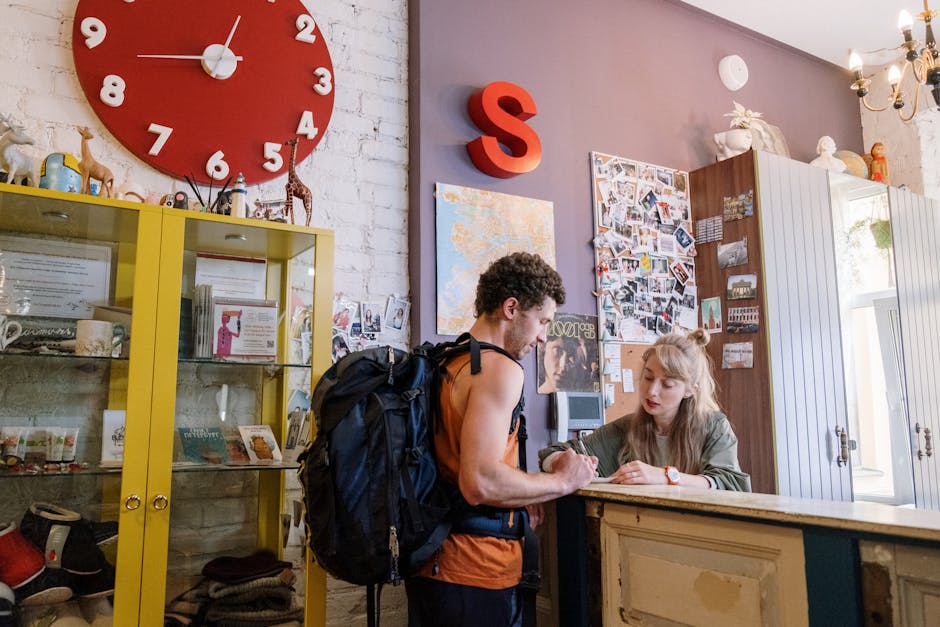
The smell of eucalyptus and sunscreen, thick as syrup. I was standing at the front desk of a Byron Bay hostel, a fly buzzing past my ear, and the guy told me the shared dorm was full. “Mate, you can sleep in the hammock for twenty bucks.” That’s when I knew I wasn’t inside a glossy travel brochure. This is summer in Australia for the budget backpacker – a sweaty, unpredictable, brilliant mess.
I’ve done three summers here, from the humid coasts of Cairns to the dry heat of Perth, always trying to stretch every dollar. The first time I arrived, I spent almost a whole day’s budget on a single ferry ticket because I hadn’t bothered checking the local bus routes. Stupid. But you learn. Summer in Australia isn’t just about the beach; it’s about the constant negotiation with the sun, the wind, and your own wallet.
In this guide, I’ll walk through the places that actually work for a shoestring traveler – not the glossy brochure spots, but the real back-alley food markets, the free coastal walks, the hostels where you can trade a night of sweeping the floor for a bed. I’ll also tell you about the tourist traps I hated, the outrageous price of a bottle of water at Uluru, and the sunburn that peeled for two weeks despite reapplying SPF 50.
The Essentials at a Glance
- 🎒 Transport: Hop-on-hop-off bus (Greyhound or Premier) – prebook for discounts; Oz Experience offers route flexibility.
- 🍔 Eat local: Coles and Woolworths meal deals (pasta + jar sauce = $3); avoid tourist strip restaurants.
- 🏕️ Sleep cheap: Hostel dorms from $25–35 AUD; free camping in state forests (check WikiCamps).
- 🥤 Hydrate smart: Refill tap water – it’s safe. Buy a 1L bottle and reuse; electrolyte powders help in the heat.
- 🌞 Time shifting: Do the big stuff (walks, sightseeing) before 10am or after 4pm to dodge the worst heat.
The Complete Summer Guide
The East Coast Trail: Hostels, Hikes, and Heat
Most backpackers start here. Cairns is the launch point, and in summer it’s a humid oven – 35°C with 80% humidity at 9am. I arrived in December and my shirt was soaked before I’d even collected my bag. The upside? Fewer tourists and cheap hostels (I paid $22 a night at a place on Grafton Street). The downside: the heat makes the Daintree Rainforest walks a real test. Bring a battery-operated fan if you’re sensitive to the humidity.
Further south, the Gold Coast is a trap. Surfers Paradise is expensive and crowded with stag parties. Skip it. Instead, head to the quieter spots – Coolangatta or Burleigh Heads – where the surf is still great and the prices drop by half. I cooked pasta on a portable stove in a hostel kitchen that had no air conditioning. The sweat dripped into the sauce. It tasted like victory.
High-Altitude Escape: Blue Mountains and Beyond
When the coastal heat becomes unbearable, head inland and uphill. The Blue Mountains sit at about 1000 meters, and the temperature can be 10°C cooler than Sydney. I took a train from Central Station to Katoomba – one of the cheapest day trips I did. The Three Sisters viewpoint is free, but the tourist crowds are thick by 11am. Go at sunrise; you’ll have the place nearly to yourself, and the cold dry air shocks your lungs after the sticky coast.
Budget tip: camp in the Blue Mountains National Park. There’s a free camping area near the town of Blackheath (no facilities, so bring water). I pitched my tent under a scribbly gum, and the stars were so bright I didn’t need a headlamp to walk to the toilet block.
🐨 Local Tip – Free Walking Tours
In Sydney, the I’m Free Walking Tour departs daily from Town Hall. It’s donation-based – pay what you can. The guides are sharp, they’ll show you the best cheap bakeries and public barbecue spots. I gave $10 and got three hours of insider knowledge that saved me way more than that in overpriced sandwiches.
Market Food and Beachfront Gear – Eating on Pennies
Australian grocery stores in summer are packed with seasonal fruit. Mangoes, peaches, and melons from roadside stalls can cost 50 cents each. I ate mangoes for breakfast, lunch, and dinner for a week near Bowen. The locals thought I was mad; I thought I was rich.
In coastal towns, the farmers’ markets are goldmines. Byron Bay’s weekly market (Thursday at Butler Street) offers a $5 plate of pad thai that beats any restaurant. In Melbourne, go to Queen Victoria Market just before closing – vendors slash prices. I scored a bag of avocados for $2. But be careful: the market barbecues smell incredible but can blow your daily food budget in one sitting. I regretted that $12 sausage roll from a “famous” stand. It was just a sausage roll.
Northern Territory: The Wet Season Reality Check
Everyone says to avoid the Top End in summer because of monsoonal rain. I went anyway, because flights were $40 from Darwin to Alice Springs. The rain is real: it pours every afternoon, the humidity is punishing, and I had to dry my clothes with a hair dryer in the hostel. But it’s also cheap. I had entire camping grounds to myself at Litchfield National Park. The waterfalls were gushing, the swimming holes were cool, and I saw only three other people in two days. The trade-off is comfort, but for a true budget experience, it works. Just bring a rain jacket and a sense of humor. I lost a pair of flip-flops to a mud puddle and walked barefoot back to the bus. Fine times.
Summer Traveler’s Pro Tips
- Use the free city Wi-Fi – Cairns library has air conditioning and unlimited internet. Download bus schedules while you’re there. Saved me $30 on a SIM top-up.
- Buy sunscreen at Woolworths, not the hostel shop. A 70ml tube at the hostel costs $15; Woolworths sells a 250ml bottle of the same brand for $9. I learned this after paying $12 for a small tube at a convenience store in Noosa.
- Camp in state forests for free – Download the WikiCamps app. I found a spot near the Margaret River that cost exactly zero, with a fire pit and a river to swim in. The app also lists free showers.
- Book the first two nights of accommodation, then wing it. Hostelworld has last-minute deals in summer because demand drops (except around Christmas). I saved almost 40% by booking the day before.
- Take the slow bus, not the ferry – In Sydney, the Manly ferry costs $9 each way. The bus (route 190X) from Circular Quay to Manly is $3.70 and takes 30 minutes longer. That small difference adds up over a week.
Common Summer Travel Mistakes
- Underestimating the sun – I reapplied SPF 50 every two hours on my shoulders and still got a second-degree burn on my ankles. Use a physical barrier – a long-sleeve rashie for swimming. I wish I’d bought one before paying $40 at a surf shop.
- Not booking ahead for school holidays – The last week of December and first week of January are pure chaos. Hostels in Sydney and Byron Bay triple prices. I paid $60 for a bed that normally cost $25. Check the Australian school holiday calendar before you book flights.
- Skipping mosquito repellent in Queensland – The Ross River virus is real. I ignored the warnings in Cairns and spent three days with swollen joints. Spend $5 on a repellent with Picaridin – it works better than deet in the humidity.
- Falling for the $30 kangaroo selfie – At a wildlife park near Port Douglas, they charged $30 for a “kangaroo experience” – you stand in a pen with a sleepy roo. I could have seen wild kangaroos for free at the nearby Cape Hillsborough beach at sunrise. Don’t pay.
Your Summer Travel Checklist
Documents & Money
- ✔️ Valid passport (at least 6 months)
- ✔️ Working Holiday Visa (subclass 417) or eVisitor – approved online
- ✔️ Travel insurance – World Nomads or Cover-More (about $100 for a month)
- ✔️ Debit card with no foreign transaction fees (e.g., Wise, Revolut)
Heat Preparation
- ✔️ SPF 50+ broad-spectrum sunscreen (250ml bottle from Coles)
- ✔️ Wide-brim hat – a cheap straw one costs $10 at Kmart
- ✔️ Reusable 1L water bottle (tap water is safe everywhere)
- ✔️ Electrolyte tablets – Hydralite, found at any pharmacy
Offline Apps & Gear
- ✔️ Maps.me (download Australia map)
- ✔️ WikiCamps Australia (premium version $6 – worth it for free camps)
- ✔️ XE Currency (offline rates)
- ✔️ Portable charger (power banks are expensive in Oz – buy before you go)
Traveler FAQ
Q: What is the cheapest way to travel between Australian cities in summer?
A: The cheapest way is by bus – Greyhound or Premier. A hop-on-hop-off pass costs about $400 for 30 days, and you can break any trip. Flights can be cheaper if you book months ahead (e.g., Jetstar $50 Sydney–Melbourne), but summer storms often cause delays.
Q: Can I camp for free in Australia? Is it legal?
A: Yes, camping is legal for free in most state forests and national parks outside of designated paid campgrounds. Download WikiCamps to find them. Always check local fire bans – I once slept in a spot that had a total fire ban sign, which meant no camp stove. Brought a cold dinner.
Q: Is it safe to hitchhike in Australia during summer?
A: Hitchhiking is legal but less common than in other countries. I hitched once from Coffs Harbour to Byron Bay – a couple in a campervan picked me up. It’s not dangerous per se, but in summer the extreme heat and long distances make it risky. I’d only recommend it as a backup, and always let someone know your route.
Q: What foods are cheap and available in Australian supermarkets?
A: The cheapest foods are pasta, jarred sauce, canned beans, bread, and seasonal fruit. Coles and Woolworths often have “odd bunch” produce for half price. I lived on peanut butter and banana sandwiches for days. Avoid pre-made sandwiches and sushi – they cost triple.
Q: How do I avoid the worst crowds during Australian summer?
A: Avoid the coastal towns between December 26 and January 10. Instead, head inland – the Snowy Mountains, Blue Mountains, or the Grampians – where crowds are thinner and accommodation is cheaper. Also, plan your beach visits for early morning or late afternoon; that’s when the local families are at home.
Ready for Your Summer Adventure?
Summer in Australia is not a perfect postcard. It’s the sting of sand fleas at sunset, the relief of a cold shower after a sweaty bus ride, the taste of a mango so ripe the juice runs down your chin. It’s having no plan and ending up at a free campsite with strangers who become mates. I’ve spent more than I should have, gotten lost, and missed plenty of “must‑see” spots. But I’d do it all again – just with a lighter backpack and a better hat.
Take these tips, pack your sunscreen, and go. It’s loud and sticky and completely worth every dollar you spent to get there.
📌 Save this guide – Pin it to your phone’s notes or bookmark this page. I’ll update it every summer with new prices and routes.
Did this article help? Drop a comment below your real‑world experience – even if it’s a complaint. Real stories help everyone.


No comments:
Post a Comment