Top Summer Destinations in Eco Tourism And Sustainable Travel Guide
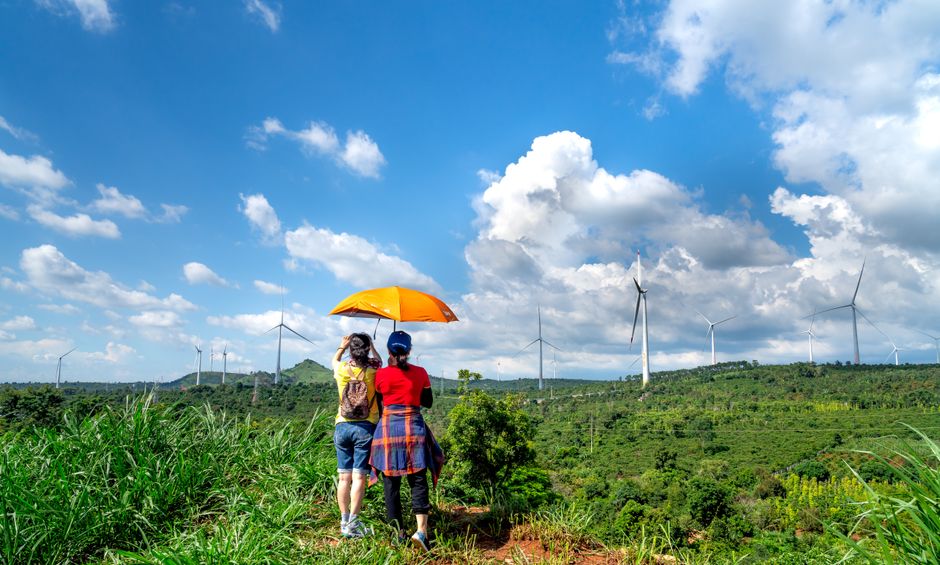
Ubud’s summer sun filters through coconut palms onto emerald rice paddies – the heartbeat of eco-conscious travel.
☀️ Best summer months: June – September (dry season)
💰 Summer budget range: $50–$120/day (mid-range)
⏱️ How long to spend: 5–7 days
🎯 Difficulty level: Easy (well-trodden eco-trails, good infrastructure)
🌡️ Average summer temperature: 27°C (80°F) with afternoon showers
👥 Best for: Solo travelers, couples, families, and eco-conscious groups
Introduction
You step off the plane at Ngurah Rai, and the humid air wraps around you like a warm, scented towel – frangipani mixed with distant clove cigarettes. The drive to Ubud is a gradual unspooling of chaos into calm: honking scooters give way to winding roads flanked by rice terraces and carved stone temples. It’s my fourth summer in Bali, and every time I return, I feel the same electric anticipation. I’ve written for National Geographic Traveler and led sustainable tourism workshops across Southeast Asia, so I know a place that walks the talk when it comes to eco tourism. Ubud isn’t just a backdrop – it’s a living classroom in green travel. In this guide, I’ll take you past the Instagram clichés and show you how to experience Bali’s spiritual heart in a way that respects its soul, its people, and its fragile ecosystem. You’ll learn which homestays actually give back, where to eat farm-to-table without the markup, and how to navigate the summer crowds without leaving a heavy footprint.
The Essentials at a Glance
- 🌿 Eco-certified accommodation: From bamboo treehouses to organic farm stays – Ubud leads Asia in sustainable lodging.
- 🚲 Car‑free explorations: Rent a bicycle and join community‑led rice terrace walks – zero emissions, maximum wonder.
- 🥘 Farm‑to‑fork dining: Restaurants like Locavore To Go source 90% of ingredients within 50 km.
- 🙏 Cultural immersion with respect: Dress modestly at temples, support local artisans, and attend a purification ceremony – not a tourist show.
- ♻️ Waste‑free mindset: Refill water stations, bamboo straws, and bring your own bag – it’s the norm here.
The Complete Summer Guide
Why Summer is the Best Season to Visit Ubud
Summer in Ubud – the dry months from June to September – is a sensory crescendo. The rice paddies are at their most photogenic: emerald green and just before harvest, with farmers in conical hats moving like slow dancers. The morning air is crisp, perfect for yoga at 6 a.m. overlooking the Ayung River. But the real magic happens after a brief afternoon shower: the jungle exhales a cool, earthy perfume, and the frogs begin their evening chorus. Unlike the coastal areas, Ubud’s elevation (about 200 metres above sea level) keeps humidity tolerable. This is the season when the island’s famous Subak irrigation system – a UNESCO World Heritage – is fully alive. I’ve walked the Tegallalang terraces in July and felt the pulse of a system that’s sustained Bali for a thousand years. Summer also brings the Ubud Writers & Readers Festival (October, but the buzz starts in August) and temple celebrations like Galungan, where the whole town feels like a procession of gratitude. Honestly, if you can only come once, make it July.
Summer Activities & Must-Do Experiences
Start your day with a guided sunrise trek through the Campuhan Ridge – it’s free, lightly trafficked before 7 a.m., and ends at the stunning Pura Gunung Lebah temple. For a deeper eco experience, join a Subak Tour with the Ubud Rice Terrace Cooperative ($15 per person). A local farmer will teach you to plant seedlings and explain how the traditional water-sharing system sustains 1,200 hectares. Afternoon? Avoid the heat and head to the Bali Bird Park (a conservation centre, not a zoo) – they breed endangered Bali starlings and reforest their grounds with native trees. For adrenaline, try white‑water rafting on the Ayung River with a company that uses electric safety boats and supports river clean‑ups (e.g., Bali Eco Rafting, $40). Evenings are for community events: every Friday, the Ubud Organic Market transforms into a twilight market with live gamelan music and zero‑waste dinner stalls. Avoid the overhyped “monkey forest” – it’s crowded and the monkeys are stressed. Instead, volunteer for an hour at the Bali Animal Welfare Association (book ahead) – you’ll walk rescued dogs along the ridge, and your donation directly funds spay‑and‑neuter programs.
Best Neighborhoods for Summer Exploring
Ubud is more than a single centre; it’s a cluster of villages with distinct personalities. Padangtegal (the main Ubud) is walkable, full of warungs and boutiques, but can feel touristy in August. I recommend staying in Penestanan, a quiet hamlet 10 minutes north. My go‑to eco‑stay is Bambu Indah (John Hardy’s bamboo hotel) – every villa is built from reclaimed teak and bamboo, with rainwater harvesting and an organic garden that supplies the restaurant. Rates start at $150/night, but they fund community clean‑water projects. If you’re on a budget, Lodtunduh village offers homestays for $20–$30/night (try Puri Lumbung Cottage – they compost and use solar water heaters). The best walking neighbourhood is Sayang, where narrow paths weave through rice fields and you can hire a local guide for $10 to show you hidden springs and family temples.
Summer Food & Drink Scene
Ubud’s food scene is a lesson in sustainable sourcing. For breakfast, head to Kafe – they’ve been using compostable packaging since 2012 and serve a killer vegan nasi goreng made with leftover rice. Lunch at Moksa (meaning “liberation”) is a plant‑based feast from their permaculture farm; the raw lasagne is a revelation, and all waste is composted on site. To beat the heat, order a young coconut smoothie from a street vendor – they peel the husk for you and sell the nut for 15,000 IDR – it’s the original sports drink. For al fresco dinner, book a table at Padi Fine Dining (part of the Ubud Hati organic farm). Their set menu changes daily based on harvest, and they pair each course with a local wine from Saba Bay. Don’t miss a sunset cocktail at Alchemy rooftop bar – they use only local spirits and infuse their own vermouth with lemongrass and turmeric. The best spot for solo travelers? Bayu’s Kitchen – a family‑run warung that teaches cooking classes using vegetables from their backyard. I learned to make lawar (minced salad with coconut and lime) and they gave me a bamboo container for leftovers.
Day Trips & Summer Getaways
Escape the midday heat with a day trip to Mount Batur – but skip the sunrise circus. Instead, hire an electric bike from Batur Ecobike Tours ($30) and cycle through the caldera rim; you’ll see hot springs and local coffee plantations without the busloads. Another excellent summer escape is Sambangan – a hidden waterfall complex north of Ubud. The entrance fee ($5) supports the village’s reforestation program. Hire a local guide (ask at the ticket booth) to show you the natural slides and secret pools. For a longer getaway, take a private car (use an electric vehicle from Green Bali Trans) to the West Bali National Park. Stay one night at Menjangan Eco Resort – they run night patrols against poaching and have a coral‑planting program. Snorkelling in the park is world‑class; I saw a pygmy seahorse and three sea turtles in one hour.
Summer Traveler's Pro Tips
Packing light (and right): Bring a reusable water bottle with a filter (like the LifeStraw Go) – refill stations are everywhere, and you’ll save hundreds of plastic bottles. Also pack a light scarf (sarong) for temple visits; buy one from a roadside weaver – it supports artisan livelihoods.
Timing your temple visits: Most tourists visit Tirta Empul between 9 a.m. and noon. Go at 6 a.m. instead – the purification ceremony starts before sunrise, and you’ll have the spring almost to yourself. The water is cold but spiritually electrifying.
Navigating the ‘Eco’ Scams: Some places slap “eco” on their menu without actually doing anything. Look for certifications: the Green Globe or Bali Wise logos. Ask where the waste goes. If they can’t tell you, move on.
Money-saving hack: Bring Indonesian rupiah in small denominations – many warungs and market stalls don’t accept cards. ATMs charge $3–$5 per withdrawal. I bring a mix of 50,000 IDR notes for daily expenses.
Health prep for summer heat: The humidity can be intense. I carry a small pack of oral rehydration salts (from any pharmacy, 5,000 IDR) and drink one after a day of walking. Also, don’t trust the tap water even for brushing teeth – use filtered water from your hostel.
Common Summer Travel Mistakes
Mistake #1: Booking the most famous ‘eco’ resort without research. Some large “eco‑resorts” in Ubud are little more than green‑washed hotels. They claim to be sustainable but import bottled water from Jakarta. Read recent reviews on eco‑specific platforms like EcoHotels.com and check if they have a visible recycling program.
Mistake #2: Renting a scooter without a license or helmet. Summer roads are wet and crowded with tourist scooters. I’ve seen too many crashes. Instead, hire a local driver from Bali Eco Drivers – they use hybrid cars and charge about $40 for a full day. It’s safer and supports local employment.
Mistake #3: Ignoring the ‘morning window’ for popular attractions. The Tegalalang rice terraces are a nightmare by 10 a.m. – selfie sticks and screaming kids. Go at 6:30 a.m., and you’ll have the views to yourself, plus you’ll catch the farmers starting their day. Bring mosquito repellent.
Mistake #4: Over‑packing synthetic clothing. The humidity will make you regret polyester. Bring light cotton, linen, and quick‑dry bamboo fibre shirts. And a rain jacket – afternoon showers are quick but torrential.
Your Summer Travel Checklist
- 📄 Documents: Passport (valid 6+ months), printed booking confirmations, travel insurance (with medical evacuation), and a copy of your visa.
- 🎒 Packing (summer gear): Light cotton clothes, sarong for temples, sandals with grip, a reusable water bottle with filter, sun hat, and reef‑safe sunscreen (buy in Bali – they have banana boat, but avoid oxybenzone).
- 📚 Research: Download the Gojek app (for eco‑friendly transport), check the Ubud Rice Terrace Cooperative schedule, and read reviews on EcoHotels.com.
- 📆 Bookings: Reserve your homestay at least 2 weeks in advance for July–August. Book cooking classes and temple purification ceremonies directly with the village (avoid middleman websites that take a 30% cut).
- 🩺 Health/Safety: Bring paracetamol, antihistamines, and a small first‑aid kit with blister plasters. Buy mosquito repellent locally (it works better). Keep hydrated with coconut water and avoid ice from unknown sources.
- 💰 Local currency: Indonesian rupiah (IDR). Exchange at a money changer in Ubud (e.g., Central Kuta for best rates). Don’t exchange at the airport – rates are terrible.
- 📱 Apps: Google Maps (offline maps), Gojek (for electric car/bookings), and WhatsApp (for communicating with hosts).
Traveler FAQ
Q: Is Ubud safe for solo female travelers in summer?
A: Absolutely. I’ve traveled alone here three summers in a row. The locals are respectful, the streets are well‑lit in central areas, and most homestays have female staff. Just be firm with persistent vendors (a polite “no, thank you” works) and use Gojek for rides at night.
Q: What’s the best way to get from the airport to Ubud?
A: Use a pre‑booked electric car service like Green Bali Trans (about $30). Avoid taxis from the airport – they overcharge. The drive takes 1.5–2 hours depending on traffic (summer is peak season).
Q: Can I drink the tap water after using a filter?
A: Even with a high‑quality filter like LifeStraw, I don’t risk it – the mineral content can upset your stomach. Stick to refill stations (they’re everywhere) and buy large 5‑gallon jugs for your accommodation.
Q: Are there any eco‑friendly alternatives to the monkey forest?
A: Yes. Visit the Bali Reptile Park – they rescue and rehabilitate native species, and entry fees fund anti‑poaching patrols. Or walk the Campuhan Ridge at dawn – no animals, but pristine nature and zero crowd.
Q: What should I do if I witness a local business being unsustainable (e.g., releasing plastic waste)?
A: First, check that you’re not misinterpreting (some warungs compost properly). If you see something egregious, gently mention it to the owner – many are open to feedback. You can also report it to the local community group Ubud Green via their WhatsApp line.
Ready for Your Summer Adventure?
Ubud in summer isn’t just a vacation – it’s an invitation to participate in a better way of traveling. I’ve watched travellers arrive overwhelmed by choices and leave with a quiet confidence, knowing their trip has left the island a little better than they found it. Whether you’re cycling through rice paddies at dawn, sipping a farm‑to‑table cocktail, or simply sitting on a temple step listening to the gamelan, every moment here reminds you that luxury isn’t about consumption – it’s about connection. The sunsets are gold, the people are generous, and the earth itself feels alive. Pack your sense of wonder and a reusable bottle. Ubud is waiting – and she’ll change you, if you let her.


No comments:
Post a Comment