
Understanding Tokyo: A First-Timer’s City Overview
Landing in Tokyo for the first time feels like stepping into a living, breathing organism composed of thousands of interlocking neighborhoods. It isn’t a single city center with suburbs radiating outward in neat rings. Instead, Tokyo is a constellation of hubs, each with its own personality, connected by one of the most efficient rail networks on the planet. For anyone ticking off a bucket list item of a first time visiting Tokyo: what to know before landing is that you cannot “see it all” in one trip. The sheer scale is humbling. The Greater Tokyo Area houses nearly 37 million people, making it the most populous metropolitan area in the world. But don’t let that intimidate you. The city’s magic lies not in conquering a checklist, but in surrendering to the flow of a specific ward, getting lost in a back alley filled with tiny yakitori grills, and finding a serene shrine sandwiched between two modern apartment blocks.
What strikes many visitors immediately is the paradoxical calm. For a megacity of this magnitude, Tokyo operates with a quiet orderliness that feels almost surreal. Streets are spotless despite a notable absence of public trash cans. Trains run with Swiss precision. The cacophony you expect is replaced by a low, steady hum of efficiency. Understanding this inherent respect for public harmony is crucial for a first-timer. It’s the reason why people stand on the left on escalators (or the right in Osaka, but consistently left in Tokyo), why phone calls are rarely taken on trains, and why cash is still handled with a little tray instead of a hand-to-hand exchange. Your first time visiting Tokyo: what to know centers on this rhythm. Once you tune into it, navigating the urban jungle becomes a dance, not a battle. The city protects its residents and visitors by being predictable, and as a traveler, you become part of that silent contract.
Tokyo’s Vast Size and Major Districts Explained
To grasp the geography, stop thinking of Tokyo as a single city and start viewing it as a prefecture composed of 23 special wards, each functioning almost as an independent city. The transit map looks like a bowl of neon spaghetti, but for a first time visiting Tokyo: what to know is that the Yamanote Line, a green loop train, is your geographic lifeline. It connects the major commercial and entertainment hubs in a continuous circle, making orientation surprisingly simple once you memorize a few key stations.
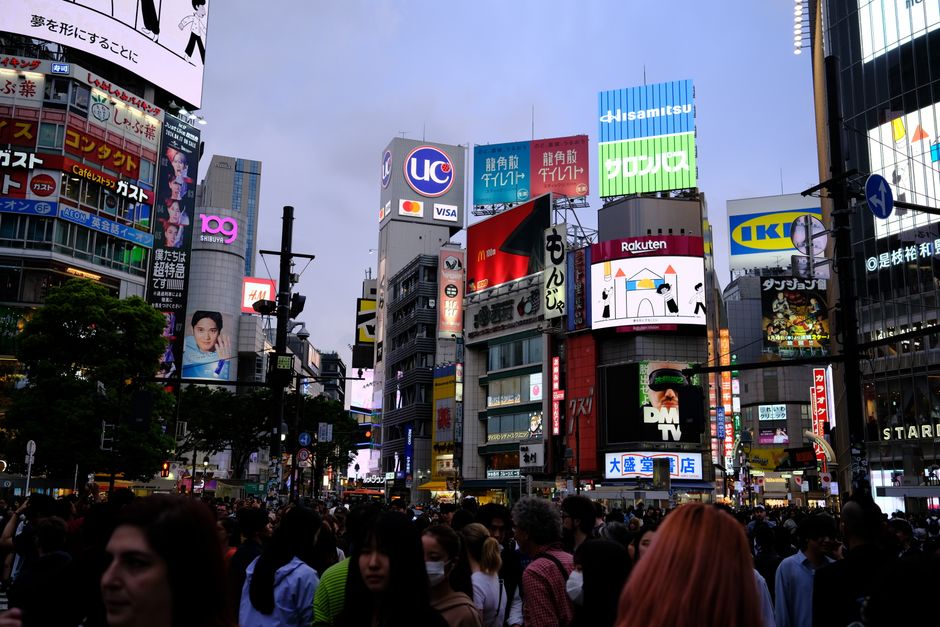
Shinjuku is the overwhelming, electric heart. It’s home to the world’s busiest train station, a dizzying daily passenger throughput that exceeds 3.5 million people. Here you find skyscraper districts, the neon-drenched warren of Kabukicho, and sprawling department stores. It’s sensory overload in the best way. Just one stop away lies Shibuya, defined by the iconic scramble crossing and the spirit of youth culture. This is the epicenter of fashion trends, live music venues, and a more recent development boom that has seen glossy new skyscrapers like Shibuya Sky rise above the Hachiko statue. Nearby, Harajuku and Omotesando offer a split personality: Takeshita Street screams with colorful kawaii chaos aimed at teens, while Omotesando’s tree-lined boulevard whispers high-end architectural elegance.
For a different flavor, head east to Asakusa, where Senso-ji Temple’s massive red lantern and the scent of incense ground you in old Edo. This is the shitamachi, or downtown, retaining a historic warmth that glass-and-steel towers cannot replicate. Across the Sumida River, Tokyo Skytree looms as a futuristic contrast. To the southeast, Ginza presents luxury on a platter, with flagship boutiques and Michelin-starred sushi counters hidden in basements. If your first time visiting Tokyo: what to know list includes anime and electronics, Akihabara is your neon mecca, while Ueno offers a cultural parkland with world-class museums and a boisterous market street. Roppongi caters to nightlife and international fine dining, and the reclaimed island of Odaiba feels like a sci-fi leisure park with views of the Rainbow Bridge. Each district is a distinct world, and traveling between them is a rapid transit hop away.
Best Times of Year to Visit Tokyo in 2026
Timing a trip to Tokyo in 2026 requires a strategic look at climate, crowd dynamics, and newly introduced flight routes making travel more accessible than ever. Japan’s seasonal shifts are dramatic and deeply celebrated, so your experience will vary wildly depending on the month. Spring remains the poster child for good reason. Late March into early April is projected to bring the delicate pink and white haze of cherry blossoms. However, “sakura season” in 2026 demands advance planning. Domestic and international tourists swarm parks like Ueno and Shinjuku Gyoen, and hotel prices peak sharply. If you are visiting Tokyo for the first time: what to know is that the blossoms are fleeting, often lasting only a week at full bloom, and the forecasts are tracked with meteorological precision. Book accommodations at least six months ahead if this is your target.
Autumn offers a compelling alternative that many seasoned travelers prefer. From mid-October through early December, the city cools down from the humid summer, and the ginkgo trees lining avenues like Icho Namiki turn a blazing gold. The weather is crisp, stable, and perfect for walking the sprawling neighborhoods without breaking a sweat. November specifically provides a sweet spot of comfortable temperatures and relatively moderate tourist traffic compared to spring. Summer in 2026, particularly July and August, will be hot and oppressively humid, though it’s also the season for explosive fireworks festivals and neighborhood Obon dances. If you don’t mind the heat, you can catch the Sumida River Fireworks, but be prepared to seek refuge in air-conditioned department stores. Winter, conversely, is dry, crisp, and offers clear views of Mount Fuji from observation decks. Late December into January sees a quiet calm as the city observes the New Year holiday, though many small family-run shops close. For a first time visiting Tokyo: what to know is that 2026’s newly introduced late-autumn flight schedules from several hubs make November the year’s best value window.
Tokyo’s Unique Blend of Tradition and Futurism
No other city juxtaposes centuries-old serenity with sci-fi innovation quite like Tokyo. A morning can begin in the hushed, incense-scented grounds of Meiji Jingu, a Shinto shrine enveloped in a 170-acre evergreen forest that feels centuries removed from the city. Yet a ten-minute walk places you on Takeshita Street, a technicolor explosion of pop culture, crepe stands, and visual kei fashion. This is not a theme park contrast; it’s the authentic rhythm of daily life. A salaryman might stop at a 7th-century temple to pray before jumping on a train equipped with facial recognition ticketing.
For a first time visiting Tokyo: what to know is that these worlds are not separate tourist tracks but layers of the same reality. In Akihabara, you can visit a retro gaming arcade housed in a building that still retains a Showa-era facade, while across the street a maid cafe blasts J-pop and robots serve coffee. This blend extends to the culinary scene, where a dinner might start with a monk’s vegan shojin ryori meal served in a temple and end with high-tech immersive digital art dining in a basement in Ginza. The futurism isn’t just in gadgets; it’s in the infrastructure, the toilets, the vending machines that serve hot meals. The tradition isn’t just in buildings; it’s in the meticulous etiquette, the seasonal festivals, and the quiet pride in craftsmanship. The city doesn’t erase its past to build its future; it layers them, creating an urban fabric where a robot hotel and a wooden bathhouse share the same postal code.
Essential Pre-Trip Planning for Tokyo First-Timers
Spontaneity has its place in travel, but a smooth first time visiting Tokyo relies heavily on smart preparation before you even board the plane. The city is incredibly foreigner-friendly in its safety and infrastructure, but its administrative culture loves a good piece of paperwork and a clear plan. Diving into the logistics early saves you not just money, but the specific kind of anxiety that comes from trying to navigate a Japanese address system when you are severely jet-lagged. The address system itself, based on blocks and buildings rather than sequential street numbers, is one reason your smartphone with a reliable data connection is your most valuable tool. Booking key experiences ahead of time is becoming non-negotiable, especially for 2026 as tourism numbers continue to surge and popular attractions like the Ghibli Museum, teamLab Borderless, and the new Azabudai Hills observation deck require timed-entry reservations that sell out weeks in advance.
Money matters require a slight mental reset. While credit card acceptance has exploded compared to even five years ago, cash is still king in the cozy corners of the city. Tiny ramen shops that operate via a ticket vending machine, local vegetable stands, and small shrines selling omamori (charms) still operate on coins and crisp bills. The good news is that Japan remains bafflingly safe; carrying the equivalent of ¥50,000 in your pocket is standard and not a safety risk. Additionally, pre-planning your pocket Wi-Fi or eSIM is non-negotiable. Free public Wi-Fi in Tokyo is notoriously spotty and often requires tedious registration portals. Having a steady, unlimited data stream for Google Maps and the indispensable translation apps turns a potentially stressful labyrinth into a playground. For a first time visiting Tokyo: what to know is that the city’s physical infrastructure moves at light speed, but its digital interfaces often feel stuck in a different era, so bridging that gap with your own pre-arranged connectivity is your secret weapon.
Visa, Passport, and Entry Requirements for Japan
Navigating the border formalities is the first step in your first time visiting Tokyo: what to know checklist, and 2026 brings a few streamlined digital updates to the process. For many nationalities, including the United States, Canada, the UK, Australia, and most of the EU, Japan offers a generous 90-day visa-free short-term stay for tourism purposes. Your passport must be valid for the entire duration of your stay; unlike some countries, Japan does not strictly require six months of remaining validity beyond your departure date, but having it is a safe buffer against airline policies which can be stricter than immigration.
The physical entry process has been heavily digitized. Instead of fumbling with paper forms on a cramped plane, you should utilize the Visit Japan Web service. This official portal allows you to pre-register your immigration and customs information digitally, generating QR codes that you present upon landing. You’ll fill out details about your flight, your intended accommodation address (have your first hotel’s exact address and phone number ready), and your health status. As of 2026, the health declaration is standard but streamlined, focusing on symptom declarations. Upon arrival, you proceed through immigration, where a photo and fingerprint scan are taken, and then customs, where you scan your QR code at an electronic kiosk. The process is silent, efficient, and fast if you have prepared those codes. A critical tip for a first time visiting Tokyo: what to know is that you should take a screenshot of your generated QR codes, as airport corners can have dead zones for mobile data if your eSIM hasn’t activated yet.
Packing Essentials: What to Bring to Tokyo
Packing for Tokyo is a game of precision, not volume. The city’s hotel rooms, even in mid-range chains, are notoriously compact, and dragging a massive suitcase through the crowded subway stairs (elevators are often hidden and inconveniently located) is a quick way to exhaust yourself on day one. A carry-on spinner and a lightweight backpack is the ideal setup. For a first time visiting Tokyo: what to know, you should prioritize footwear above all else. You will walk. A lot. The average daily step count for a tourist easily hits 20,000. Bring one pair of broken-in, supportive walking shoes that you can slip on and off easily, because you will be removing your shoes at temples, traditional ryokan inns, and some izakayas with tatami mat seating.
Clothing should lean toward neat minimalism. Tokyoites dress with a sharp, understated style. Think neutral colors, clean lines, and no loud logos. You’ll feel more comfortable blending into the Ginza crowds in smart casual attire than in bright athleisure gear. Season-specific items are easy to buy at Uniqlo if you misjudge the humidity, but one non-negotiable is a pair of quality socks without holes. This sounds absurd until you are asked to remove your shoes at a Michelin-starred restaurant’s genkan (entryway) and you are standing there in threadbare cotton. Other essentials include a small hand towel, as many public restrooms lack paper towels or air dryers. A portable battery pack is vital since your phone acts as your map, translator, and transit pass. Pack minimal toiletries; Japanese hotels provide exceptional shampoo, conditioner, and body wash. A final tip for a first time visiting Tokyo: what to know is to leave heavy deodorant sticks and large toothpaste tubes at home; the local drugstores sell travel-sized versions that are often superior and more compact.
Booking Flights and Accommodation: Tips for 2026
The 2026 landscape for Tokyo travel is competitive, with several expanded direct routes making the city more accessible. When hunting for flights, consider flying into Haneda Airport (HND) if you have the option. It is significantly closer to central Tokyo than Narita (NRT), and a late-night arrival into Haneda means you can be sipping a highball in Shinjuku within 30 minutes of clearing customs, whereas Narita requires a longer, pricier journey. Flight prices for the cherry blossom window in late March and early April 2026 are already projected to be premium. If your travel dates are flexible, look at the “shoulder season” windows: late May after Golden Week, or the entirety of November. Airlines often release their best award availability roughly 330 days in advance, so for spring 2026, the booking window opens in early 2025.
Accommodation strategy depends entirely on your vibe. For a first time visiting Tokyo: what to know is that location is more important than luxury. Prioritize staying within a 5-minute walk of a Yamanote Line station. Shinjuku offers incredible convenience but can be overwhelming and noisy; Shibuya is vibrant but expensive. For a more relaxed but connected home base, look at neighborhoods like Ebisu, with its laid-back food scene, or Shinagawa, which offers bullet train access for day trips. Business hotels like Tokyu Stay or Dormy Inn provide small but functional rooms with washing machines, which is a game-changer for packing light. If you want a traditional experience, book a ryokan, but note that many in central Tokyo are high-end, while a true onsen town experience requires a short trip out. For 2026, the new developments around the Azabudai Hills complex offer luxury residential-style hotels that are worth booking early if your budget allows. Always check if your hotel offers luggage forwarding services (takkyubin), which allows you to ship your suitcase to the airport or your next hotel for a small fee, freeing you from the train stairs.
Navigating Tokyo: Transportation Made Simple
The Tokyo transport map, with its multicolored spiderweb of intersecting lines, is the stuff of travel nightmares until you realize it’s a masterpiece of logic. It looks chaotic because it’s not a single, unified system but an overlapping mesh of JR East lines, two distinct subway companies (Tokyo Metro and Toei), and private railways that extend to the suburbs. Yet, for a first time visiting Tokyo: what to know before stepping onto a platform is that this complexity creates redundancy and frequency that makes getting anywhere incredibly fast. Trains are rarely more than three minutes apart during peak hours. The physical infrastructure is supported by a digital layer that, while not always aesthetically modern, is deeply functional. Google Maps has become exceptionally reliable for Tokyo transit, providing not just the route and the total fare, but the exact platform number and the specific exit to take to reach your destination without surfacing on the wrong side of an eight-lane expressway.
The psychological hurdle for many visitors is the fear of getting lost. It’s a valid fear, but Tokyo is one of the best places in the world to be lost because the stations themselves are micro-cities. Shinjuku Station has over 200 exits, but it’s also packed with directional signage in English, clean restrooms, and underground shopping arcades where you can grab a coffee and recalibrate. The key is to embrace the transfer as part of the experience, not an obstacle. Pay attention to the chimes: each station has a unique departure melody, a subtle piece of audio design that helps regular commuters know their stop without looking up. For you, it’s a charming reminder that function and beauty coexist here. A crucial tip for a first time visiting Tokyo: what to know is that trains stop running around midnight. The city does not have a 24-hour subway. If you miss the last train, your options are an expensive taxi or waiting it out in a karaoke bar or manga cafe until the 5 AM restart. Plan your late nights around this hard curfew.
Understanding the Subway and JR Lines
Disentangling the rail operators is the first step to mastery. The JR East network, particularly the Yamanote Line, is the circulatory system. This green loop connects Shinjuku, Shibuya, Harajuku, Ikebukuro, Ueno, and Tokyo Station. It’s above ground for much of the route, offering a scenic orientation tour of the city’s sprawl. It is operated by Japan Railways, and a basic JR pass or ticket covers these rides. The subway, on the other hand, is split into Tokyo Metro (the majority of lines, like the Ginza Line and Marunouchi Line) and the Toei Subway (four lines, including the Asakusa Line and Oedo Line). This split is a historic quirk, but it matters because transferring between a Tokyo Metro line and a Toei line often requires exiting one set of gates and entering another, sometimes costing slightly more than a transfer within the same company.
For a first time visiting Tokyo: what to know is how to read the station codes. Each station has a letter indicating the line and a number indicating the station’s sequence. For example, Shibuya on the Ginza Line is G-01. This system makes it incredibly easy to navigate even if you don’t speak Japanese. You just follow the colored circle with the right letter toward the correct number sequence. The trains are impeccably punctual, and the platform markings tell you exactly where the doors will open, with two orderly lines forming on the left and right. Do not be surprised by the white-gloved station attendants who physically push people into trains during rush hour; it’s a unique Tokyo spectacle. The priority seats near the doors are strictly reserved for the elderly, pregnant women, and those with disabilities, and you must turn off your mobile phone near them. Outside of those seats, the rule is silence: no phone calls, just quiet texting or browsing. Understanding this etiquette is a core part of a first time visiting Tokyo: what to know about blending in.
IC Cards, Passes, and Ticket Options for Tourists
The key to the kingdom is a rechargeable IC card. The two most common are Suica (issued by JR East) and Pasmo (issued by the subway companies), but they are functionally identical and interchangeable across every train, bus, and even vending machine in the city. For a first time visiting Tokyo: what to know is that you can now add a digital Suica directly to your Apple Wallet or Google Pay on your smartphone. This is a game-changer. You can top up with a linked credit card instantly, and you simply tap your phone at the ticket gate even if the screen is off. It lets you bypass the physical ticket machines entirely. The physical card, a cute green penguin design, is still available at airport kiosks if you prefer a souvenir, but the digital version saves you the hassle of managing cash refills.
Japan Rail Passes have changed significantly. The nationwide JR Pass is no longer the instant bargain it once was due to a steep price increase, but for a trip strictly focused on Tokyo, it was never the right tool. Instead, look at the Tokyo Metro 24-hour, 48-hour, or 72-hour tickets.

Where to Stay in Tokyo for the First Time
Choosing where to sleep is arguably the most critical decision for your first time visiting Tokyo: what to know before you book is that the city isn't a single downtown core but a collection of distinct villages connected by superb rail lines. The "best" area depends entirely on your personality, your energy levels at night, and how much you value peace versus immediate access to nightlife. For a first timer, the three heavy hitters are Shinjuku, Shibuya, and Asakusa, but we'll also dig into specific budget picks and uniquely Japanese accommodations that turn a simple sleep into a cultural memory. Don't stress about being "in the center" of everything; Tokyo's center constantly shifts. Instead, prioritize being less than a five-minute walk from a major station on the Yamanote line or a key subway artery.
Shinjuku vs. Shibuya vs. Asakusa: Choosing Your Base
This is the classic Tokyo accommodation standoff. Shinjuku is the neon-drenched, sensory-overload beast you see in movies. It's the city's largest transit hub, meaning you can catch a train to literally anywhere, including direct Narita Express access. The east side roars with nightlife, tiny yakitori bars, and the famous Godzilla head, while the west side feels corporate and clean with skyscraper hotels. However, the station itself is a notorious labyrinth. For your first time visiting Tokyo, what to know is that Shinjuku is electric but exhausting; it's a fantastic base if you plan to stay out late and want a one-seat ride home, but the sheer volume of humanity can be overwhelming after a long flight.
Shibuya presents a cooler, slightly more curated version of chaos. It’s the epicenter of youth culture, fashion, and the iconic scramble crossing. The vibe is less salaryman and more streetwear enthusiast. Accommodation here ranges from sleek designer hotels to compact apartments, and the dining scene is arguably more accessible and innovative than Shinjuku's. The area has undergone massive redevelopment, bringing in sleek skyscraper hotels that offer amazing views. The downside is that Shibuya Station, while renovated, is spread out and can feel just as confusing. Choose Shibuya if you want to be where the pulse of modern Tokyo beats loudest and don't mind navigating hills and crowds.
Asakusa offers a complete gear shift. Staying here places you in the traditional heart of the city, the land of Senso-ji Temple, rickshaws, and old-fashioned shopping streets. The pace slows down dramatically after 8 PM. For a first time visiting Tokyo, what to know is that Asakusa gives you breathing room; the streets are wider, the buildings are lower, and you get a rare glimpse of a human-scale city. The trade-off is connectivity. While it has direct subway access, it’s not the hub Shinjuku or Shibuya is, often requiring a transfer to reach the western side of the city. It’s perfect for travelers who want a quiet, atmospheric morning walk to the temple before the crowds arrive, and who prioritize cultural immersion over clubbing.
Budget-Friendly Accommodation Options
Tokyo is not as expensive as its reputation suggests, especially for accommodation. The secret weapon for budget travelers is the business hotel. Chains like Tokyu Stay, APA, and Sotetsu Fresa offer rooms that are microscopic by Western standards but are surgically clean, equipped with fast Wi-Fi, and often located within a two-minute walk of a station. You can frequently find single rooms for under $60 a night. Don't expect a view or a lounge; expect a perfectly engineered sleeping pod with a deep bathtub.
Another excellent budget strategy is leveraging the rise of neighborhood-focused guesthouses in areas like Ueno or Koenji. These often provide a private room but shared facilities, cutting costs significantly while placing you in a residential area with cheap local eateries. Hostels in Tokyo are nothing like the gritty dorms you might imagine. Places like Nui in Kuramae or UNPLAN in Kagurazaka feature beautiful design, comfortable social lounges, and private curtained bunks that feel surprisingly private. For your first time visiting Tokyo, what to know is that booking directly with these smaller guesthouses often yields a better rate than large aggregator sites.
Unique Stays: Capsule Hotels, Ryokan, and More
If you’re going to travel halfway around the world, your bed might as well be a story. The modern capsule hotel has evolved into a sleek, design-forward experience far removed from the old salaryman stereotype. Resorts like Nine Hours offer a sci-fi aesthetic with perfectly engineered sleeping pods that feel like a spaceship berth, complete with high-end amenities. It’s a rite of passage that costs less than a standard hotel and offers a uniquely futuristic Tokyo experience.
For a dose of tradition, a ryokan stay, even for one night, is transformative. While the best ones are in Hakone or Nikko, you can find urban ryokan in areas like Yanaka. These inns feature tatami mat floors, sliding paper doors, and the ritual of sleeping on a futon laid out by staff. It’s a masterclass in material culture. You also have the option of temple lodgings, or shukubo, where you stay in a Buddhist temple, join morning prayers, and eat vegetarian monk’s cuisine. This is the antithesis of the neon city and provides the deep peace that balances a hectic Tokyo itinerary perfectly.
Cultural Etiquette and Social Norms to Know Before You Go
Tokyo operates on a deeply ingrained social contract that prioritizes the group’s comfort over the individual’s convenience. This isn't about strict, scary rules designed to trip you up; it’s about a shared understanding of harmony. As a visitor, making a visible effort goes a long way, and you’ll find locals incredibly forgiving of minor slip-ups if you approach interactions with a respectful, observant attitude. The city’s flawless functionality depends on millions of people following unwritten scripts daily. For a first time visiting Tokyo, what to know is that your behavior in public spaces will directly shape your experience. Mastering a few core concepts—particularly around greetings, eating, and moving through the city—will instantly transform you from a potential disruption into a welcomed guest. The key is observation: if nobody else is doing it, you probably shouldn't either.
Greetings, Bowing, and Politeness
The handshake is increasingly common in business settings, but the bow remains the default physical greeting, expressing gratitude, apology, or respect. You are not expected to execute a perfect 45-degree formal bow. A slight nod of the head or a shallow bend at the waist is perfectly acceptable for tourists. If someone bows to you, a small bow in return is polite. Avoid hugging or back-slapping, which can feel invasive in a culture that values personal space.
Language is your best tool. Learn the phrase "Sumimasen," which miraculously means excuse me, sorry, and thank you for the trouble, all in one. Use it when entering a shop, getting a waiter’s attention, or accidentally brushing against someone. A cheerful "Arigatou gozaimasu" for a proper thank you is essential. You will also encounter a strict shoe-removal policy at ryokan, traditional restaurants with tatami mat seating, and some izakaya. A simple rule: if you see a step-up entrance with slippers waiting, take your shoes off. Never wear shoes on tatami mats; step out of your shoes and directly onto the mat in socks or bare feet.
Dining Etiquette: Chopsticks, Slurping, and Tipping
Chopstick use is where most accidental cultural taboos live. Never stick your chopsticks vertically into a bowl of rice; this is a funeral ritual. Never pass food directly from your chopsticks to another person's chopsticks, as this mimics a cremation ceremony. When taking food from a shared plate, use the opposite end of your chopsticks—the thick ends that haven't touched your mouth. Placing your chopsticks across your bowl is fine; a chopstick rest is even better.
Slurping your noodles is not just okay; it’s encouraged. It aerates the broth, enhancing the flavor, and signals to the chef that you are enjoying the meal. Tipping, however, does not exist in Japan. Leaving coins or bills on the table will cause confusion and often results in a waiter chasing you down the street to return your "forgotten" change. Service is included, and excellent service is considered a standard duty, not an extra. At the end of a meal, it is customary to say "Gochisousama deshita," a hearty thanks for the feast, to the staff as you leave.
Public Behavior: Quietness, Queuing, and Cleanliness
Tokyo’s density necessitates a quiet bubble in public. Trains are silent zones for mobile phones; set your device to silent mode and never take a voice call on a carriage. If you need to talk, keep your voice to a low murmur. The streets are similarly quiet, with a shocking lack of car horns. For a first time visiting Tokyo, what to know is that this quietness creates a surprisingly calm urban environment, but it means loud laughter or speakerphone calls immediately mark you as a tourist.
Queuing is a sacred art. You will see perfectly straight lines formed for train doors and escalators. On the escalator, stand on the left in Tokyo (the right is for walking, though this is officially discouraged now), mimicking the locals. Trash cans are famously rare, yet there is zero litter. This is because of a "take your trash home" culture. Always carry a small plastic bag in your daypack to store wrappers and bottles until you return to your hotel or find a convenience store bin. Finally, do not eat while walking. It’s viewed as messy and disrespectful to the food. Stand by the food stall or sit on a bench to enjoy your snack.
Tokyo’s Must-See Attractions for First-Time Visitors
Crafting an itinerary for your first time visiting Tokyo: what to know is that the city isn't a checklist of museums but a collection of distinct worlds. You can time-travel from a 7th-century temple to a futuristic robot show in the space of an afternoon. The key is not to over-schedule. You will walk far more than you anticipate, and the city’s true magic often lies in the unplanned alley you duck into between two major sights. We’ve broken this down into the absolute heavy-hitters you cannot miss, the cultural deep-dives that will ground you, and the perfect escapes that prove Tokyo is just the beginning of a larger Kanto adventure. Prioritize geographic clustering; never book back-to-back activities on opposite sides of the city, or you’ll spend your entire trip staring at a subway map.
Iconic Landmarks: Shibuya Crossing, Senso-ji, Tokyo Skytree
The holy trinity of Tokyo sightseeing covers modern chaos, ancient peace, and vertical scale. Start with the Shibuya Scramble, the world’s busiest pedestrian intersection. The key is not just walking across it; it’s viewing it from above. The Starbucks in the Tsutaya building offers a classic, crowded view, but the new Shibuya Sky observation deck provides a much more breathtaking, open-air perspective of the organized chaos. Time your visit for dusk to see the neon ignite as a thousand people surge across the black and white stripes.
Next, shift gears entirely at Senso-ji in Asakusa. This is Tokyo’s oldest temple, approached via Nakamise-dori, a street of traditional snacks and souvenirs. For a first time visiting Tokyo, what to know is that the approach is as important as the temple itself. Buy a freshly made ningyo-yaki (a small cake shaped like a doll) and let the incense smoke from the giant cauldron wash over you for good health before entering the main hall. To cap it off, head to Tokyo Skytree. While the Tokyo Tower has retro charm, the Skytree’s 450-meter Tembo Galleria offers a vertigo-inducing, glass-floor experience that makes the city look like a living circuit board stretching to infinity.
Cultural Experiences: Meiji Shrine, Tea Ceremonies, Sumo
To understand Tokyo’s soul, you must step into its quiet spaces. Meiji Shrine, dedicated to the deified Emperor Meiji and Empress Shoken, is a serene forest oasis right next to the Harajuku madness. Walking the wide gravel path under towering, ancient trees, you’ll feel the temperature drop and the city noise vanish. It’s a powerful, spiritual antidote to the neon. Write a wish on an ema (wooden plaque) and watch Shinto weddings process through the courtyard.
For a structured cultural moment, book a tea ceremony. Places like Happo-en in Shirokanedai offer an accessible introduction in English, where you’ll learn the choreography of whisking matcha and the philosophy of "ichi-go ichi-e" (one time, one meeting). If you’re lucky enough to visit during a sumo tournament (held in January, May, and September at the Ryogoku Kokugikan), go. It’s an electric mix of sport and ritual, with the scent of pomade and the roar of the crowd. If the tournament isn’t on, you can still visit a stable for morning practice to see the wrestlers’ grueling, sacred daily routine in silence.
Day Trips from Tokyo: Kamakura, Nikko, and Hakone
Sometimes the best part of Tokyo is leaving it. Kamakura is a coastal town just an hour south, known as the Kyoto of Eastern Japan. You can hike a gentle trail past giant Buddha statues, visit Zen temples where matcha green tea is still served, and feel the Pacific breeze. It’s a compact, walkable break from urban geometry.
For ornate grandeur, Nikko trumps all. Located north of the city, the Toshogu Shrine is a riot of gold leaf, intricate wood carvings of the famous "see no evil" monkeys, and towering cryptomeria trees. It’s visually loud in a way Tokyo is not, a maximalist masterpiece in a mountain setting. Finally, Hakone offers the iconic Mount Fuji view. Take the loop course: a pirate ship across Lake Ashi, a ropeway over volcanic sulfur vents where you eat black eggs boiled in the hot springs, and an open-air sculpture museum. It’s the classic, postcard-perfect escape that resets your senses before diving back into the capital.
Food Guide: What and Where to Eat in Tokyo
For anyone visiting Tokyo for the first time, the food scene can feel like stepping into another universe. It is a city where a three-Michelin-starred tasting menu and a steaming bowl of noodles from a vending machine can both represent the pinnacle of culinary craft. When planning your first time visiting Tokyo: what to know about eating is that you should abandon the three-meals-a-day structure. Instead, embrace the philosophy of grazing. Food is everywhere in Tokyo, from basement department store food halls to tiny alleyway counters with only six seats. The standard of quality is incredibly high, and the variety is staggering. You could spend a month here and barely scratch the surface of a single neighborhood’s offerings.
One of the first things to understand is the concept of specialization. Many of the best restaurants don't do a bit of everything; they do one thing and have been perfecting it for generations. A shop might sell only tonkatsu, or only unagi, or only a specific type of soba. This is not a limitation but a feature. Trust the specialists. Another key point for your first time visiting Tokyo: what to know is that tipping does not exist. It can even be seen as rude. The service is already included in the price, and the pride in the work is reflected in the meticulous presentation and hospitality. Finally, do not be afraid of the plastic food samples displayed in restaurant windows. They are incredibly accurate representations of what you will be served, making ordering a breeze when an English menu is not available.
Must-Try Dishes: Sushi, Ramen, Okonomiyaki, and More
The holy trinity for many first-timers is sushi, ramen, and okonomiyaki, but limiting yourself to just these would be a mistake. For sushi, you have two paths: the high-end Edomae-style omakase, where the chef serves piece after piece of perfectly aged and vinegared fish, or the boisterous, affordable world of conveyor belt chains like Kura Sushi and Hamazushi. For a first time visiting Tokyo: what to know is that the quality at even a budget conveyor belt spot in Tokyo can surpass high-end sushi restaurants in many other parts of the world. Ramen is a world unto itself, a soulful, intensely personal dish with countless regional variations. The most common styles you will encounter are shoyu (soy sauce base), shio (salt base), miso, and the rich, opaque tonkotsu (pork bone broth). Don't slurp politely; a robust slurp is considered the correct way to eat noodles, cooling them down and aerating the broth.
Beyond the raw fish and noodle soup, a must-try interactive dish is okonomiyaki, a savory pancake often described as "Japanese pizza," though that does it a disservice. Head to a DIY okonomiyaki restaurant where you cook the cabbage, batter, and meat or seafood mix on a hot griddle built into your table. Slather it with sweet-savory sauce, Japanese mayo, bonito flakes, and aonori seaweed. Also essential is tonkatsu, a thick, juicy pork cutlet breaded with panko and deep-fried to a shattering crisp, served with shredded cabbage and a tangy, thick sauce. And do not overlook the simple perfection of yakitori, skewered and grilled chicken parts, from the lean breast to the crispy skin and rich liver, all seasoned simply with salt or a tare sauce glaze. For a true deep dive into Tokyo's culinary soul, seek out monjayaki in the Tsukishima district, a runnier, more playful version of okonomiyaki eaten directly off the griddle with a tiny spatula.
Eating on a Budget: Convenience Stores, Conveyor Belt Sushi
Eating exceptionally well in Tokyo does not require a huge budget. In fact, some of the most memorable meals for a first time visiting Tokyo: what to know insider secret come from the city’s convenience stores, or "konbini." 7-Eleven, FamilyMart, and Lawson are not just for emergency snacks; they are a cornerstone of daily dining. The quality of their ready-to-eat meals is a revelation. You can get a perfectly triangular onigiri with a crisp nori wrapper for around 120 yen, a fluffy egg salad sandwich on crustless milk bread, or a steaming, savory nikuman (pork bun). Their hot food counters offer golden fried chicken and seasonal croquettes that put many fast-food restaurants to shame. A full, satisfying lunch of an onigiri, a hot snack, and a dessert can easily cost under 700 yen.
Conveyor belt sushi, or kaitenzushi, is another budget-friendly hero. Chains like Sushiro, Kura Sushi, and Hama-sushi offer plates starting from around 100 to 150 yen. The ordering is done via a touchscreen in multiple languages, and your plates are delivered directly to your seat via a high-speed lane. It’s a fun, low-pressure way to sample a wide variety of fish. For a cheap, hot, and filling meal, look for standing soba and udon shops in train stations. You order your simple bowl of noodles and tempura at a ticket machine, hand the ticket to the counter, and eat quickly while standing at a bar. The entire process takes five minutes and costs under 500 yen. Lastly, department store basements, or "depachika," become a budget goldmine in the final hour before closing, when fresh bento boxes, sushi, and salads are marked down by 20-50%. It’s a fantastic way to assemble a high-quality feast to take back to your hotel room.
Navigating Restaurants: Tickets, Menus, and Street Food
For a first time visiting Tokyo: what to know about the mechanics of dining out can save you from confusion. Many casual restaurants, especially ramen shops, use a ticket vending machine, or "shokkenki." You insert money, press the button for your desired dish, and hand the printed ticket to the staff. These machines often have pictures, but if not, a translation app with a camera function is your best friend. Don't worry about holding up the line; simply have your phone ready when you approach the machine. Once seated, you will be given a hot, wet towel (oshibori) to clean your hands. Use it for your hands only, not your face.
Menus can range from simple picture books to complex calligraphy. The phrase "Osusume wa nan desu ka?" (What do you recommend?) is a powerful tool, as is simply pointing at the plastic food display outside. Street food is a more recent phenomenon but thrives in specific areas. The Nakamise-dori street leading to Senso-ji Temple in Asakusa is the spiritual home of Tokyo street food, where you can sample freshly made senbei rice crackers, agemanju (deep-fried mochi), and soft serve matcha ice cream. Remember a key cultural rule: it is considered rude to walk and eat. When you buy street food, move to the side of the stall or road, finish your snack, and then continue walking. Dispose of your trash at the stall where you bought the food, as public bins are a rare sight.
Money, Budgeting, and Practical Tips for Tokyo
Managing your money wisely is a critical part of any travel strategy, and your first time visiting Tokyo: what to know about finances will directly impact how smoothly your days unfold. Japan has long had a reputation as a cash-based society, but the pandemic dramatically accelerated the adoption of digital and card payments. However, a hybrid approach is essential. You will still find yourself in a tiny, family-run ramen shop, a local temple market, or a rural bus that requires exact change. The key is to carry a comfortable amount of cash without relying on it exclusively. A Suica or Pasmo IC card, which can be loaded with money at any train station, is your secret weapon. These cards, which you can add to your smartphone’s digital wallet, are not just for transport; they are accepted at millions of convenience stores, vending machines, chain restaurants, and coin lockers across the city.
Planning a daily budget for Tokyo can range wildly depending on your travel style. This is a city where you can sleep in a pristine capsule hotel and eat a world-class meal from a konbini, or book a suite at a five-star hotel and dine at a restaurant with more Michelin stars than you can count. The beauty of a first time visiting Tokyo: what to know is that you have full control. The city does not penalize budget travelers with a low-quality experience; it simply offers a different, equally authentic one. Understanding where your money will go, and how to keep it safe and accessible, is the foundation of a stress-free adventure. From the moment you land at Haneda or Narita, having a plan for your connectivity and cash will set you up to navigate the city’s dazzling complexity with confidence.
Currency, Cash vs. Card, and ATMs in Japan
The currency is the Japanese Yen (¥), and as of 2026, coins come in denominations of 1, 5, 10, 50, 100, and 500 yen, while notes are 1,000, 5,000, and 10,000 yen. For a first time visiting Tokyo: what to know about the cash-versus-card debate is that you should operate on a 50/50 principle. International credit cards are now widely accepted at hotels, department stores, large restaurant chains, and most shops in entertainment districts like Shibuya and Shinjuku. Visa and Mastercard are the most reliable, with American Express and Discover having less universal acceptance. However, you must carry cash for small eateries, local shrines and temples, small souvenir shops, and market stalls.
Do not bring a large amount of foreign currency to exchange upon arrival. The most efficient and cost-effective method is to withdraw Japanese Yen directly from an ATM using a debit card. The best ATMs for international cards are found at 7-Eleven stores (Seven Bank ATMs) and Japan Post Bank ATMs. They are ubiquitous, have reliable English interfaces, and offer fair exchange rates. Avoid Euronet ATMs with high fees. You will see ATMs in FamilyMart and Lawson, but 7-Eleven has the highest success rate with foreign cards. Always choose to be charged in the local currency (Yen) rather than your home currency when prompted, as the latter applies a poor dynamic currency conversion rate.
Average Daily Costs and Money-Saving Hacks
For a mid-range traveler, a realistic daily budget in 2026 is around 15,000 to 25,000 yen per person, excluding international flights. This breaks down to about 8,000-12,000 yen for a comfortable business hotel or a nice Airbnb, 3,000-5,000 yen on food, 1,500 yen on local transport, and 2,000-5,000 yen on attractions and shopping. A budget traveler can easily thrive on 8,000-10,000 yen a day by staying in a hostel or capsule hotel, eating strategically at konbini and standing noodle bars, and using a 24-, 48-, or 72-hour Tokyo Metro pass for unlimited rides. Luxury travelers will find no ceiling, with world-class hospitality starting at 50,000 yen per night and going up from there.
One of the best money-saving hacks is to have a large, late lunch instead of a formal dinner. High-end sushi and French restaurants often offer lunch sets that are identical to their dinner menu but cost 30-50% less. Also, take advantage of the free observation decks at the Tokyo Metropolitan Government Building in Shinjuku, which offer a panoramic view of the city and Mount Fuji on a clear day, rivaling the paid Tokyo Skytree experience. For a first time visiting Tokyo: what to know, the Japan Rail Pass is no longer an automatic saving; the price increased significantly. Only buy it if you are taking multiple long-distance Shinkansen trips. For Tokyo-only travel, your Suica card is all you need. Finally, shop tax-free at large electronics and department stores by showing your passport for purchases over 5,500 yen.
Staying Connected: SIM Cards, Pocket WiFi, and Apps
Staying connected is non-negotiable for a first time visiting Tokyo: what to know about navigation. Google Maps is your lifeline for mastering the city’s complex train and subway system, giving precise platform numbers and exit recommendations. You essentially have two connectivity options: an eSIM or a pocket WiFi. An eSIM (embedded SIM) is the most convenient choice if your smartphone supports it. You can purchase a data-only plan online before you leave, activate it on arrival, and instantly have internet without swapping any physical cards. Companies like Ubigi and Airalo offer competitive plans for short trips.
The alternative is a pocket WiFi router, a small device you carry that creates a personal WiFi hotspot for up to 10 devices. This is ideal if you are traveling in a group or have a locked phone that won't accept a new SIM. You can reserve one for pickup at the airport or have it delivered to your hotel. The battery life typically lasts a full day. Download the Japan Official Travel App for disaster alerts and transport info, and a translation app like Google Translate or DeepL, which now features a conversation mode that is invaluable for complex interactions.
Final Tips for an Unforgettable First Tokyo Trip
As you prepare for a journey that will inevitably rewire your senses, remember that your first time visiting Tokyo: what to know ultimately comes down to a mindset, not just a checklist. Tokyo is not a city you conquer; it is a city you surrender to. The perfectly orchestrated chaos of the Shibuya scramble, the serene silence of a back-alley shrine in Yanaka, the neon-drenched energy of a Shinjuku pachinko parlor—these contradictions are not bugs in the city’s programming, they are the entire experience. The most profound moments will likely be the ones you did not plan for: getting lost in a quiet residential neighborhood and finding a 100-year-old mochi shop, or being invited to a standing bar by a friendly local who wants to practice their English. Leave room in your itinerary for these serendipitous detours.
Pack light, not just for the sake of navigating crowded stations, but because you will inevitably fill any empty space in your luggage with beautifully packaged souvenirs, stationery from Loft or Tokyu Hands, and unique KitKat flavors. Embrace the rules, like standing on the left side of the escalator, and you will find the city’s rhythm feels less rigid and more like a collective, unspoken dance of mutual respect. The deep, profound politeness you will encounter is not a facade; it is the operating system of a society built on harmony. Your first time visiting Tokyo: what to know is that it will change you. It will reset your benchmarks for public transport, for food quality, and for everyday thoughtfulness. You will leave a piece of your heart in a city that, despite its size, makes you feel like your own small, quiet experience within it truly matters. Go with an open mind, an empty stomach, and a willingness to bow a little. You will return home already planning your second visit.


No comments:
Post a Comment