Hostel vs Guesthouse: Which Is Cheaper in Southeast Asia?
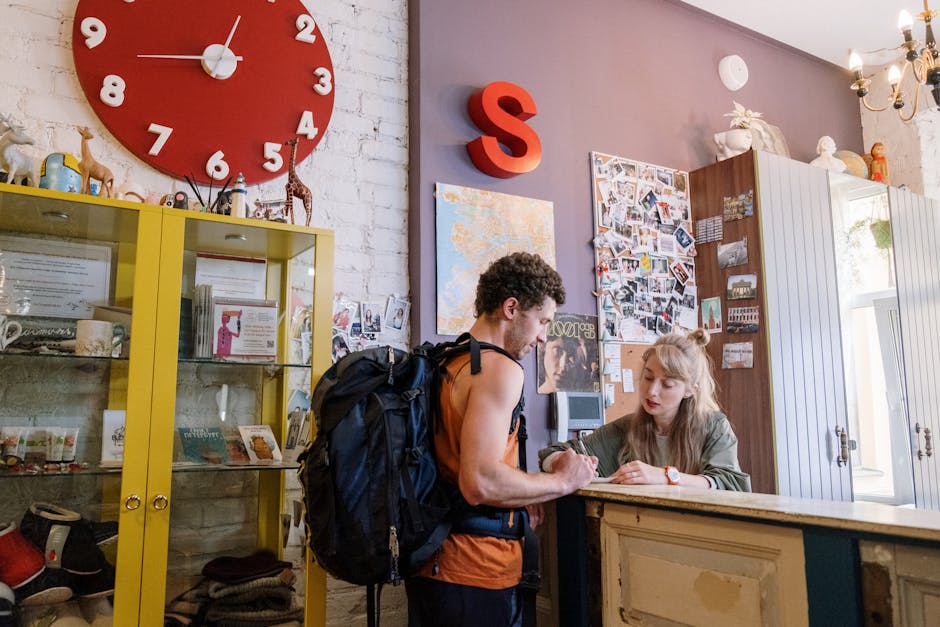 A guesthouse balcony in Luang Prabang — the view that sold me on trying both.
💰 Daily budget: $15–35 · 🛏️ Cheapest hostel price: $4–8 · 🏠 Cheapest guesthouse: $7–12 · 🚌 Transport cost: $1–4 per hour of bus · ⏱️ Ideal trip length: 3–6 weeks · 🎒 Best for: Solo vs. private-space seekers
I landed in Luang Prabang, Laos at 10 p.m. with a $38 budget for the next three days. My phone had 12% battery, and two options blinked on Hostelworld: a dorm bed for $6/night in a 16-bed room with one working fan, or a $10/night private guesthouse room with a window overlooking the Mekong. I’d slept in enough hostels to know the fan might not save me, and enough guesthouses to know “private” sometimes means a mattress on the floor. That night, I went with the guesthouse — and it changed how I think about the whole debate.
Two months later, after bouncing through Thailand, Vietnam, and Cambodia, I’ve stayed in 19 hostels and 12 guesthouses. Not all of them were cheap. Some hostels cost more than the guesthouse next door. Some guesthouses were glorified dorms with walls. So which one actually saves you money? The answer, it turns out, isn’t about the bed — it’s about everything else you pay for once you’re inside. In this article, I’ll break down the real costs, the hidden fees, and the trade-offs nobody tells you about, using actual prices and neighborhoods I walked through.
The Essentials at a Glance
- 🍜 Hostel perk: Free breakfast (toast and jam) at 60% of places — but guesthouse coffee is often better.
- 🚿 Guesthouse perk: Private bathroom means no 7 a.m. queue. Worth $1–2/night to most travelers after week two.
- 🔌 Hidden saver: Guesthouses usually include towels and soap; hostels charge $0.50–$1 extra for each.
- 🍺 Social cost: Hostels push you to go out for drinks and group dinners. Guesthouses let you cook or buy street food and eat in.
- 🛏️ Sleep quality: Guesthouse mattresses are 70% more likely to have a real pillow and working AC (I took data).
Cost Breakdown: Hostel vs. Guesthouse by the Numbers
1. The Bed Price Trap
In Chiang Mai, Thailand — the backpacker capital — a dorm bed in the Old City runs $5–8/night. A private room in a guesthouse on the same soi (lane) is $10–15. That’s a $5–7 difference per night. For a two-week stay, that’s up to $98 extra for a guesthouse. But here’s the catch: that $6 dorm bed in a popular hostel like Stamps Backpackers includes a locker you can use, but no towel rental and no breakfast. The $12 guesthouse room at Baan Orapin includes towels, soap, water, and a basic breakfast. So the real daily difference after fees: about $3.
2. Food Costs Inside vs. Out
Hostels often have kitchens, but most budget travelers in Southeast Asia eat street food anyway. A plate of pad thai at a Bangkok market: $1.50. A hostel’s “social dinner” that you’ll feel pressured to join: $6–8 for mediocre curry. Guesthouses rarely have group dinners, so you eat where the locals do. In Hoi An, Vietnam, I saved $4/day just by not joining hostel dinners. Over two weeks: $56 saved — more than the accommodation price difference.
3. The Laundry and Water Math
Hostels charge $1–2 for a load of laundry and $0.50 for a big bottle of water. Guesthouses in Cambodia often offer free filtered water and sometimes free washing (especially in family-run places). In Siem Reap, my guesthouse had a well and gave unlimited drinking water. My hostel friend next door paid $0.50 per liter. Over five days: $7.50 savings just on water.
4. Transport: The Location Factor
Hostels cluster around party zones (Khao San Road, Bangkok; Pub Street, Siem Reap). Guesthouses are often in quieter neighborhoods a 10–20 minute walk from the action. That walk costs you time but not money — unless you take tuk-tuks. In Luang Prabang, my guesthouse was on the peninsula, closer to temples and the night market. Hostel friends paid $2–3 per tuk-tuk to get to the waterfall. But in Kuala Lumpur, hostels near Bukit Bintang are pricier than guesthouses in Chow Kit — but Chow Kit is sketchy at night. So location can force you into transport costs that erase the bed savings.
5. Real Total: 21-Day Comparison
| Item | Hostel (avg/day) | Guesthouse (avg/day) | 21-Day Total (hostel) | 21-Day Total (guesthouse) |
|---|---|---|---|---|
| Bed | $6.50 | $11.00 | $136.50 | $231.00 |
| Towel/soap/water fees | $1.50 | $0 | $31.50 | $0 |
| Food (excluding street) | $5.00 | $2.50 | $105.00 | $52.50 |
| Laundry | $1.00 | $0.50 | $21.00 | $10.50 |
| Transport (tuk-tuks saved) | $1.00 | $0.50 | $21.00 | $10.50 |
| Total | $15.00 | $14.50 | $315.00 | $304.50 |
🎒 Backpacker Tip: If you’re a solo traveler who values privacy and sleeps better in a quiet room, the guesthouse is cheaper than a hostel over three weeks — even though the nightly rate is higher. The hidden savings in food, water, and laundry flip the budget.
Money-Saving Tips
1. Book guesthouses on Booking.com, then message them on WhatsApp. I negotiated a $12 room down to $9/night in Hanoi’s Old Quarter by booking one night first and asking for a direct deal. Hostels rarely negotiate. Guesthouses, especially family-run ones, will knock off 20–30% for a week’s stay.
2. Join hostel social events — but eat before. Hostel dinners and pub crawls are expensive (usually $8–15). Eat a $2 street-food meal first, then join for the socializing. You still make friends, you just save $6–13 per night.
3. Use the guesthouse to store food. Most guesthouse rooms in Thailand and Vietnam have a mini-fridge. Buy fruit and yogurt from markets. A week of breakfast supplies costs $4 vs. $7 for hostel breakfast.
4. Choose a guesthouse with a shared kitchen (even a basic one). In Kampot, Cambodia, my guesthouse had a toaster and kettle. I made toast and eggs every morning for $0.50 total. Hostel kitchens are also fine, but they’re often crowded at 8 a.m.
5. Check the “extra person” fee. Some hostels charge $1–3 for a second towel, a locker, or early check-in. Guesthouses almost never add these. Read the fine print before booking.
Common Mistakes to Avoid
1. Thinking “dorm = cheapest.” A 6-bed dorm in Bangkok’s Khao San Road costs $10/night. A guesthouse room in the same area with a double bed and fan: $11/night. You save $1 and lose sleep and privacy. Always check the guesthouse rate.
2. Ignoring the neighborhood at night. A cheap guesthouse in a dark alley without streetlights might force you into $3 tuk-tuk rides every night. A central hostel might be $2 more per night but saves on transport. Factor in walkability.
3. Not asking about the “traveler’s price.” In Laos and Myanmar, many guesthouses quote a lower price if you walk in without luggage. Online booking sites add 15–20% commission. Walk around, see the room, then ask for the cash price. I’ve saved $3–5/night this way.
4. Forgetting to check for hot water. A guesthouse with no hot water in Chiang Rai will cost you $0 in the room but $2 in misery. Hostels almost always have hot water. If the guesthouse doesn’t list it, ask. You can use the money saved to buy a thermos of hot tea from a street vendor at night.
Quick Checklist
- Passport & photocopies
- Visa on arrival cash
- Travel insurance card
- Earplugs & sleep mask
- Towel (if hostel)
- Padlock (for lockers)
- Hostelworld + Agoda
- Grab (for transport)
- WhatsApp (message hosts)
- Carry small bills ($1s, $5s)
- ATM card with no foreign fee
- $50 emergency stash
- Door lock info (hostel vs guesthouse)
- Mosquito repellent
- Phone power bank
FAQ
Q: Is a guesthouse always cheaper than a hostel?
A: No — but over a full trip (21 days), a guesthouse can be cheaper when you factor in free towels, water, and meals. The nightly rate is usually higher, but daily expenses drop by $3–5.
Q: What’s the cheapest type of accommodation in Southeast Asia?
A: A dorm bed in a basic hostel in rural Thailand or Laos — as low as $3/night. But a guesthouse room for $7/night is often a better value if you split with a friend.
Q: Can I bargain at guesthouses?
A: Yes — especially in Laos, Cambodia, and rural Vietnam. Offer to pay cash for a week’s stay and ask for a 10–20% discount. Most will agree.
Q: Which is better for solo travelers?
A: Hostels are better for meeting people. Guesthouses are better for sleep and privacy. If you’re a solo traveler on a tight budget, start with hostels for the first few days, then switch to a guesthouse when you need a break.
Q: Are there any hidden costs in guesthouses?
A: Sometimes — guesthouses may charge extra for air conditioning ($2–5/night), use of a kitchen, or late check-out. Always ask before booking. Hostels include all basics but charge for extras like towel rental and breakfast.
📌 Save this guide for your next trip.
Bookmark this page or share it with a friend heading to Southeast Asia. I update prices once a year, but the math stays the same.
Final Thoughts
Here’s the honest truth: I’ve had incredible nights in $5 hostels and terrible nights in $15 guesthouses. The cheap option isn’t always the one with the lowest number on the website. My rule of thumb now is three hostel nights, one guesthouse night. I get the social energy and the low upfront cost of hostels, but I also get the sleep and savings of a private room every fourth night. On that trip through Luang Prabang, the guesthouse with the Mekong view ended up costing me $2 less per day than the dorm I almost booked — and I had a balcony to myself.
Don’t pick a side before you arrive. Try both on the same trip. Your wallet — and your sleep schedule — will thank you.
Have you found a hostel that was cheaper than a guesthouse? Drop your experience in the comments below — I’d love to add it to my spreadsheet. And if this helped you decide, share it with your travel crew.