Hostel vs Guesthouse: Which Is Cheaper in Southeast Asia?
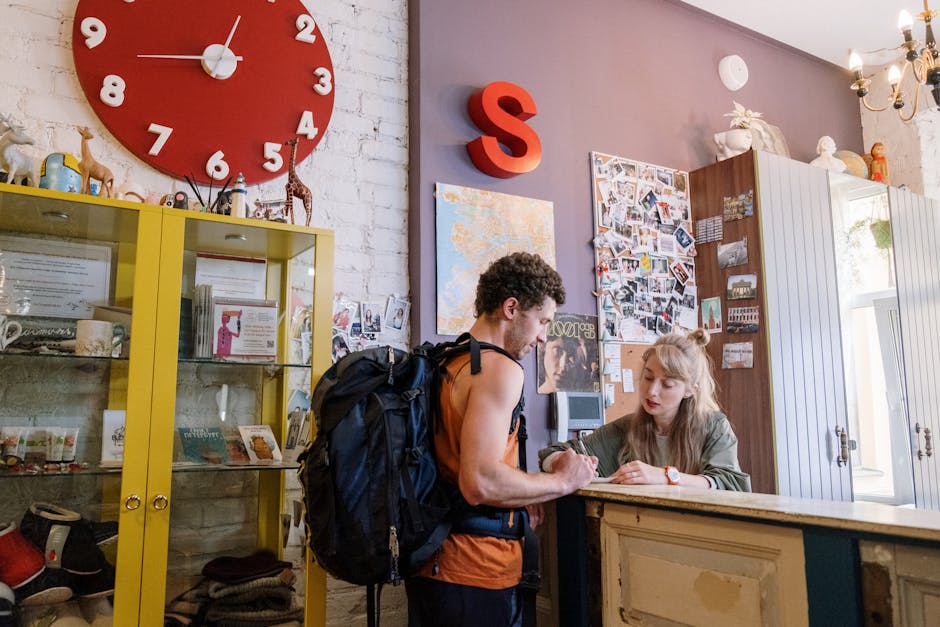
A quiet guesthouse alley in Luang Prabang — peaceful, but is it cheaper than the dorm next door?
Quick Stats
💰 Daily budget (backpacker): $25–$40
🛏️ Cheapest hostel dorm: $5–$8 (Chiang Mai, Kuta, Hoi An)
🚌 Cheapest guesthouse private room: $8–$12 (same cities)
⏱️ Ideal trip length: 3 weeks to 3 months
🎒 Best for solo socializers: Hostel | Best for couples and quiet: Guesthouse
I landed in Bangkok’s Khao San Road at 11 p.m. with a 35-liter pack, jet-lagged, and exactly $247 left until my next freelance payment cleared. My hostel booking had fallen through — classic. I stood on Thanon Khao San, sweating through my shirt, and faced a very real backpacker fork in the road: do I crash in a 12-bed dorm for $6 or take a basic guesthouse room for $12?
That night taught me something that a dozen guidebooks never had. The answer isn’t always the lower number on the price tag. Over the next 14 months across Thailand, Vietnam, Cambodia, Laos, and Indonesia, I tested both options in 30+ towns and cities. This isn’t a generic pros-and-con list. It’s a boots-on-the-ground breakdown of where your dollar — or baht, or dong — actually goes further, and where the “cheaper” choice costs you more in hidden expenses and lost sleep.
The Essentials at a Glance
- 💰 Upfront cost: Hostel dorms win on the sticker price. Guesthouse privates beat hostels if you’re two people sharing.
- 🍜 Kitchen access: Guesthouses in Vietnam and Laos often let you use a small stove. Hostels rarely do. Cooking rice noodles three times a week saves me about $10.
- 🔒 Security of stuff: Hostels have lockers (bring your own padlock — nobody tells you this). Many $10 guesthouse rooms have a flimsy lock on the door and nowhere to stash a laptop.
- 🌙 Sleep quality: A $6 fan dorm in Cambodia will not be quiet. A $10 guesthouse with a concrete wall and thick curtains? You might actually get eight hours for once.
- 🧼 Freebies that add up: Most guesthouses include a simple breakfast — toast, eggs, fruit. Hostels usually charge extra. Over a week, that’s $14–$21 back in your pocket.
The Real Cost Breakdown: Hostel vs Guesthouse Across 5 Cities
I tracked every accommodation dollar for a full month across five cities. Here’s the raw data, no rounding up to make things look prettier than they are. Prices are in USD as of late 2023/early 2024.
| City | Best Hostel (dorm) | Best Guesthouse (private) | Hidden Cost Winner |
|---|---|---|---|
| Bangkok (Khao San area) | $7 (Lub d, fan dorm) | $14 (Baan Thai Guesthouse, AC room) | Hostel — but street noise is brutal |
| Chiang Mai (Old City) | $5 (Hug Hostel, 8-bed fan) | $9 (Green Sleep Guesthouse, fan room) | Guesthouse — free toast & jam breakfasts |
| Hanoi (Old Quarter) | $6 (Mad Monkey, 10-bed AC dorm) | $11 (Little Hanoi Guesthouse, AC + balcony) | Guesthouse — included pho breakfast saves $3/day |
| Siem Reap (Pub Street area) | $4 (Funky Guesthouse dorm) | $10 (Tanei Guesthouse, double room) | Hostel — but pool access at guesthouse is free |
| Kuta, Bali | $8 (Kuta Hostel, 8-bed dorm) | $16 (Gili Guesthouse, basic double) | Tie — hostel is cheaper, guesthouse includes water refills |
The “Two Travelers” Math Trick
If you’re traveling with a partner or a friend, the math flips hard. A private room in a guesthouse for two people costs the same or less per person than a hostel dorm. In Chiang Mai, two of us paid $9 total for a guesthouse room — that’s $4.50 each, cheaper than the $5 dorm bed. And you don’t have to listen to someone snoring three feet away.
Where Hostel Amenities Actually Pay Off
Hostels in Southeast Asia have gotten serious about beating guesthouses on more than just the nightly rate. Free walking tours are standard in better hostels — a $10–$15 value in cities like Luang Prabang or Hoi An. Common kitchens let you cook group dinners (split costs with new friends, which drops your food bill to around $2 per person). And organized pub crawls mean you’re not hitting overpriced tourist bars alone — the hostel discount often waives cover charges.
Guesthouse Secret Weapon: The Laundry Loophole
This one saved me real money. Guesthouses almost always have a sink in the room or a common wash area. Hostels strictly forbid hand-washing in the dorm sinks (or the shower). Over three months, I hand-washed T-shirts and sarongs in guesthouse sinks, air-dried them on a balcony, and spent exactly $0 on laundry services. In hostels, I was paying $2–$3 per wash load every five days — that adds up to about $18 a month down the drain.
🎒 Backpacker Tip
Ask before you book: “Is there a sink in the room where I can hand-wash clothes?” This one question separates $10 guesthouses from $16 hostels in terms of real cost. Also ask about free water refills — a hostel that charges $0.50 per bottle forces you to drink tap or buy, which costs about $1.50 per day extra.
Money-Saving Tips
These are not vague “book in advance” platitudes. Every tip here has a specific place and price attached.
- Book two nights minimum at guesthouses. Walk up and ask for the “long stay” rate. In Hoi An, I negotiated a $12 room down to $10 per night by committing to five nights. Hostels rarely budge on dorms — they have no incentive.
- Use hostel common rooms to plan transport. This is a guesthouse weakness — many don’t have whiteboards with minivan schedules. In a hostel, you can split a minivan to the Ha Giang Loop with four other people, paying $10 each instead of $40 alone.
- Eat near guesthouses, not hostels. Guesthouses are often in residential areas with local markets and $0.80 bowls of noodle soup. Hostels cluster on nightlife strips where a simple pad thai costs $3–$4. I saved $6–$8 per day staying in a guesthouse two blocks off Pub Street in Siem Reap compared to the hostel on Pub Street itself.
- Check if the guesthouse has a motorbike rental desk. Guesthouses in Ninh Binh and Pai rent motorbikes for $5–$6 per day without requiring a deposit. Hostels in the same towns charge $8–$10 and ask you to leave your passport. That’s $3–$5 saved every day you ride.
- Don’t pay for breakfast twice. If you book a hostel, walk to the nearest guesthouse and ask if they serve breakfast to non-guests. In Luang Prabang, a guesthouse charged $1.50 for baguette, eggs, and Lao coffee — the hostel wanted $4. I ate guesthouse breakfasts for a week while sleeping in the hostel dorm. Best of both worlds.
Common Mistakes to Avoid
- ❌ Assuming “guesthouse” always means cheaper. In Bali, “guesthouse” is a marketing term for what is essentially a $40 private villa with a pool. You’ll save nothing. Always check the category on Agoda — look for “homestay” or “basic guesthouse.” The price filter is your friend.
- ❌ Not checking for a deposit policy. A $10 guesthouse room in Vang Vieng demanded a $20 key deposit. I didn’t have that cash. I walked to a hostel that charged $12 per night but no deposit. The cheaper option was actually more expensive in the moment.
- ❌ Assuming hostels are social and guesthouses are not. The quietest, most isolating five days I had were in a party hostel in Kuta where every conversation started with “Do you want to do a Bintang race?” Meanwhile, a guesthouse in Hoi An had three solo travelers sharing a bottle of rice wine on the roof, talking about local pottery classes. It’s not the type of bed — it’s the vibe. Read reviews for “common area” and “owner interaction.”
- ❌ Ignoring the cost of earplugs. I spent $8 on earplugs in three weeks in hostels. A guesthouse room with a real door and thick walls costs maybe $4 more per night — and you don’t need to replace earplugs every third night. The math works out.
Quick Checklist
📄 Documents
Passport + 2 copies. Keep copies separate from the original. Guesthouse owners often ask to hold your passport — politely refuse and offer a copy instead.
🎒 Packing
Padlock (master lock with a long shackle), sleep sheet (hostel bedding can be questionable), small sink-plug for hand washing, dry bag for toiletries in shared showers.
📱 Bookings & Apps
Agoda (wider guesthouse selection in SEA), Hostelworld (social hostels), Maps.me for offline guesthouse pins, Grab for local transport prices to compare against accommodation location cost.
💰 Currency & Cash
Carry a mix of small bills for guesthouse payments (they often don’t have change), a debit card with no international fees, and a small hidden stash of $50 emergency cash.
🔒 Safety
Check guesthouse door lock condition on arrival. If the lock looks flimsy, ask for a room change or move. Always use the hostel locker even if you just leave a hoodie in it — develops a good habit.
FAQ
A: No. The per-person cost of a guesthouse private room can be cheaper than a hostel dorm if you are traveling as a pair. Two people sharing a $10 guesthouse room pay $5 each — less than many hostel dorm beds. Solo travelers usually find hostels cheaper upfront, but guesthouses with included breakfast can close the gap.
A: It varies dramatically. Hostels in Vietnam and Thailand generally invest in mesh networks for remote workers. Guesthouses often rely on a single residential router. In Chiang Mai, a guesthouse Wi-Fi dropped every 20 minutes. The hostel next door had fiber. If you need to work, check recent reviews for “Wi-Fi speed” — don’t assume either option is better.
A: Yes, and often more successfully. Guesthouse owners are independent operators who can adjust prices on the spot. Hostel front-desk staff generally can’t negotiate a dorm rate. Walk in, ask for the “walk-in price” or “long-stay discount.” I got $3–$4 off per night in Phong Nha and Ninh Binh this way.
A: Hostels are objectively more secure for valuables because they have lockers and 24-hour reception. Guesthouse rooms often have no lock on the inside and no safe. For personal safety, guesthouses in residential areas are quieter and less exposed to drunk tourists, but the door lock situation is worse. Use a portable doorstop alarm if you choose a budget guesthouse.
A: A guesthouse is typically a converted family home with private rooms (sometimes shared bathrooms) and limited common areas. A homestay means you sleep inside a local family’s actual home — often the best budget deal in rural areas like Sapa or the Mekong Delta. A hostel focuses on dorm beds and social spaces. The cheapest homestay in Sapa was $4 per night including dinner and breakfast — unbeatable value.
📌 Save This Guide
Bookmark this page or take a screenshot of the cost breakdown table. When you’re standing on a street in Khao San or backpacking through the rice paddies, you won’t remember the exact numbers — but this table will tell you which choice saves you real money, not just the cheaper nightly rate.
Final Thoughts
After 14 months, 30+ towns, and more than a few cold showers, I landed on a simple rule: if I want to meet people, learn about a city from other travelers, and don’t mind noise, I pick a hostel for exactly two nights. Then I move to a guesthouse for the next three — to sleep deeply, wash my clothes in the sink, and actually remember the faces I meet.
The cheapest option isn’t a blanket rule. It’s a choice you make street by street, city by city. The real hack is knowing what each option costs beyond the booking screen — in breakfasts, in laundry, in motorbike rentals, in earplugs.
Get out there. Sleep cheap. Sleep smart. And never assume the lower number on the price tag tells the whole story.
Have your own hostel vs guesthouse math to share? Drop it in the comments — I’ll update the table next time I’m off the grid. And yeah, save this guide. You’ll thank yourself at 2 a.m. in Chiang Mai.


No comments:
Post a Comment