How to Avoid Jet Lag on Your Next Trip
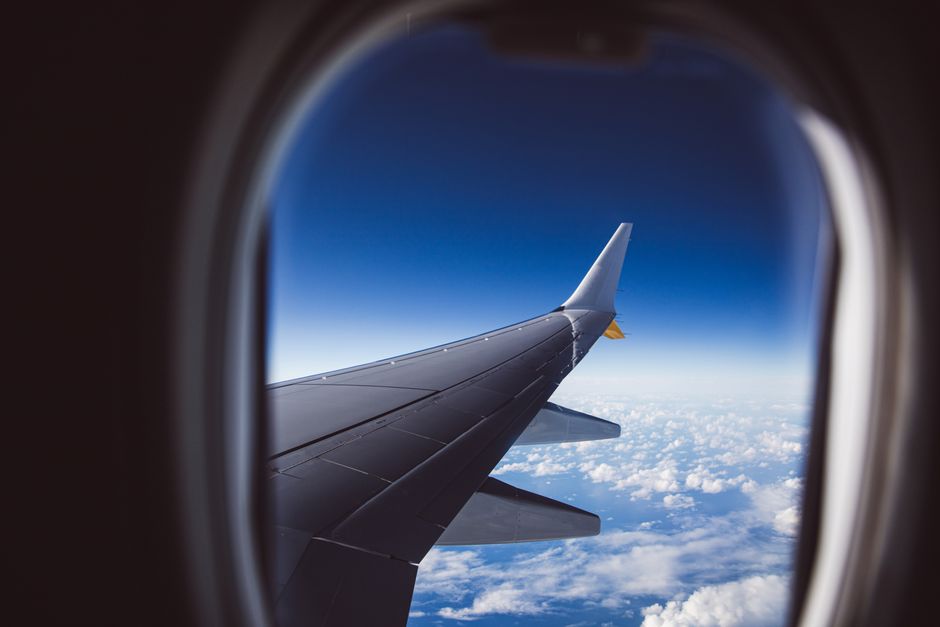
A dawn arrival at Haneda — the kind of light that can either reset your clock or mock your exhaustion. I've stood right here, blinking at both.
📋 The Jet Lag Fix — At a Glance
- Who this solves for: Anyone crossing 3+ time zones — business traveler, backpacker, family on holiday.
- When to use this advice: Start 72 hours before departure. No last-minute magic.
- Estimated effort: 3 out of 5 — you'll need to set alarms and say no to free airport champagne.
- Cost range: $0 to about $40 (for a decent sleep mask and a thermos of black coffee).
- Risk level: Low. Worst case? You're an hour early to dinner and drink an extra espresso.
- Time saved: 2–4 full days of functional misery, per trip. That's your vacation back.
I landed in Tokyo at 6:47 a.m. on a Tuesday. The airport coffee shop wasn't open yet. My eyes felt like they'd been scrubbed with pumice, my brain was a dial-up modem stuck on a busy signal, and I watched a salaryman glide past me toward a connecting train as if he'd just stepped out of a 10-hour nap.
I, meanwhile, had slept exactly 43 minutes on the Narita approach. I'd followed every piece of standard advice: I drank water. I wore compression socks. I even did those ankle-rotation exercises that make you look like you're conducting a very slow orchestra. None of it mattered. I was a ghost in a business-class cabin of the walking dead, and I still had a 12-hour layover before a flight to Bangkok.
That trip cost me three days of groggy misery. I ate ramen at 4 a.m. because my body thought it was dinner time. I fell asleep during a temple tour — literally, mid-namaste. And I sat in a hotel lobby at 2 a.m., staring at a vending machine full of canned corn soup, wondering if this was what travel burnout felt like.
It took me five more long-haul slogs — and one desperate experiment with a flashlight and a frozen dinner — to crack the code. The fix isn't complicated, but it requires swapping out the fluffy internet platitudes for something closer to boot camp. Sleep schedules, light exposure, meal timing. Three levers. Pull them in the right order, and you can land in a new time zone with your brain actually present. I've done it four times now, including a New York–to–Delhi run that would have flattened me six years ago.
Here's the real system — the one nobody puts on a spa retreat brochure.
Why This Problem Ruins Trips (And Why Most Advice Fails)
Jet lag isn't just "being tired." It's your body's internal clock — the suprachiasmatic nucleus, a tiny cluster of nerves behind your eyes — screaming that the sun is a liar. Your liver, your temperature regulation, your cortisol production: they all run on a roughly 24-hour cycle that's been tuned to your home time zone since adolescence. When you fly east or west across four, six, or ten time zones, that clock doesn't reset instantly. It adjusts at a rate of about one hour per day, if you're lucky.
Most advice fails because it treats the symptom, not the mechanism. "Stay hydrated" is fine — dehydration makes everything worse — but it doesn't shift your melatonin release by one nanogram. "Sleep on the plane" is worse than useless if your flight lands at 8 a.m. local time and you've banked five hours of shallow cabin sleep that your body now thinks is nighttime. You wake up feeling like you've been hit by a truck, and your circadian rhythm is even more confused.
The root problem is a mismatch between your internal time and external time. Light exposure is the master reset button. Meal timing is the secondary fine-tune. Sleep schedules are the structure you build around both. Ignore any of the three, and you're gambling with jet lag. Most advice focuses on one lever — usually sleep — while the other two sit untouched. That's why you still feel wrecked after 10 glasses of water and a neck pillow.
The Step-by-Step Solution
1. The 72-Hour Countdown — Shift Your Clock Before You Fly
Three days before departure, stop living on your home schedule. You're not home anymore. You're already a citizen of your destination time zone. This is the single most effective thing I've ever done, and almost nobody does it because it requires a little social awkwardness.
If you're flying east (say, New York to London, or San Francisco to Tokyo), wake up 30 minutes earlier each day and eat breakfast 30 minutes earlier. If you're flying west (London to New York, or Tokyo to Los Angeles), do the opposite — stay up 30 minutes later and eat dinner later. By the time you board, your body is already leaning in the right direction. A three-hour head start doesn't sound like much, but it's the difference between landing functional and landing fetal.
I do this with a cheap travel alarm clock I set to destination time starting 48 hours out. I eat my meals according to that clock, not the one on my phone. Yes, that means eating lunch when my stomach thinks it's midnight. Yes, it feels weird. But I've stopped apologizing for it. My travel companions can judge me; my circadian rhythm thanks me.
One practical hack: use a light box for 20 minutes each morning in the three days before an eastbound trip. A 10,000-lux daylight lamp costs about $30 on Amazon. Place it 18 inches from your face while you eat that early breakfast. It tricks your brain into thinking dawn just happened — and your melatonin onset shifts earlier as a result.
🌿 Pro Tip: The 20-Minute Light Hack
Don't stare at the sun. Use a 10,000-lux daylight therapy lamp — the kind sold for seasonal affective disorder. Put it on your desk while you do your pre-trip emails. Eastbound: morning use. Westbound: afternoon use. Costs about $35 on Amazon, and it's the cheapest jet-lag insurance I know.
2. The Flight — Light, Not Sleep, Is Your Weapon
Here's where most people get it wrong. They board the plane, take a sleeping pill, and hope to wake up in the right time zone. Sleeping pills (especially the Z-drugs like Ambien) don't produce restorative sleep. They produce sedation with memory loss. You wake up groggy, possibly disoriented, and your clock hasn't shifted at all — you just wasted 6 hours in a drug-induced fog.
Instead, manage light exposure on the plane with ruthless precision. I use a pair of blue-light-blocking glasses (the orange-lensed ones, about $20 on any travel site). For an eastbound flight that lands in the morning, I put them on 3 hours before landing. This signals my brain that sunset is approaching, and melatonin production can start. For a westbound flight that lands in the evening, I do the opposite — I keep the glasses off and stare into my tablet screen (bright, cool-toned) for the last 2 hours to fake a lengthened day.
I also bring a high-lumen flashlight — the kind you'd use for camping. It cost me $12 at a hardware store. On westbound flights, when everyone else is dimming their screens, I turn on my reading light and point the flashlight at the ceiling for indirect illumination. I look like a crazy person. I don't care. The light hitting my retina is keeping my clock anchored to daylight. Two hours of that before landing, and I walk off the plane with my evening still intact.
Timing tip: Use an app like Timeshifter (about $15 for a single trip) that tells you exactly when to seek or avoid light based on your exact flight path. I used it on a Chicago–Dubai run last year and landed at 10 p.m. local time, went to bed at midnight, and woke up at 7 a.m. with zero lag. That app costs less than one airport meal.
3. Meal Timing — The Lever Nobody Pulls
Your liver has its own clock, separate from the one in your brain. And the liver clock is heavily influenced by when you eat. A 2017 study from the Salk Institute showed that delaying meals by 5 hours shifted the liver's circadian rhythm by about 5 hours in just 3 days. The brain clock takes longer to shift, but the liver can be bribed with food.
On the plane, I follow a simple rule: eat the meals that match destination time, not departure time. If the flight serves "breakfast" 2 hours before landing but it's 8 p.m. at my destination, I skip the eggs and ask for a snack. I drink black coffee or green tea for the caffeine, and I avoid any form of alcohol — even one beer degrades sleep quality by 20 to 30 percent, and the dehydration lingers.
When I land, I eat the first meal according to the local clock, within 1 hour of arrival. A protein-rich breakfast (eggs, yogurt, nuts) helps reset the liver and provides steady energy. A heavy carbohydrate dinner in the evening signals the brain that the day is ending. This isn't new — it's basic chronobiology — but most travelers treat airplane food as schedule-neutral. It's not. Every bite either pushes your clock toward your destination or anchors it to home.
✈️ Pro Tip: The First-Meal Rule
Within 1 hour of landing, eat a meal that matches the local time of day. Not a snack — a real meal with protein, fat, and fiber. This signals your liver that the new time zone is real. I once landed in Istanbul at 9 a.m., ate a proper breakfast of menemen and bread, and my body accepted the reset within 4 hours. Skip this meal, and your liver stays on home time for another 24 hours.
4. The First 24 Hours — Don't Nap. Walk Into the Sun.
This is the hardest part of the entire system. You're exhausted. Your eyes are burning. Your hotel bed is a siren song. But if you nap for more than 20 minutes on the first day, you've just reset your sleep debt without resetting your clock. You'll wake up groggy at 4 p.m., then lie awake at 2 a.m., and you've lost the whole day.
Instead, walk outside for at least 30 minutes in the first 2 hours after landing. Sunlight is the strongest Zeitgeber (time-giver) for your circadian rhythm. Morning light advances your clock; afternoon light delays it. For eastbound arrivals (morning landing), you want bright light immediately. For westbound arrivals (evening landing), you want dim light and to stay awake until a reasonable bedtime.
If you land in the morning and it's overcast? A walk still works — even cloudy daylight is 10 times brighter than indoor lighting. If you land at night, resist the urge to go straight to sleep. Stay awake for at least 3 hours, eat a small meal, and then sleep. Your first night's sleep should aim for 7 to 8 hours. Set an alarm. If you oversleep into the afternoon, you've blown the reset.
I do one more thing: I force myself to eat lunch at exactly local noon and dinner at local 7 p.m., regardless of hunger. This locks in the liver clock. By day two, I'm usually running at 80 percent. By day three, I'm fully synced.
Pro Tips From Someone Who's Been There
- 💡 Use a flashlight on westbound flights. I carry a small LED camping light (about $12). In the last 2 hours of a westbound flight, I clip it to the seatback in front of me and point it at the ceiling. Indirect bright light. My seatmates think I'm prepping for a power outage. My circadian rhythm thinks it's still daytime. Works every time.
- 💡 Eat a protein-heavy breakfast within 1 hour of landing. I pack a bag of roasted almonds and a single-serving packet of instant oatmeal in my carry-on. If the airport food court is closed, I'm not stranded. This has saved me in Reykjavik at 5 a.m. and in Kuala Lumpur at midnight.
- 💡 Do not drink alcohol on the plane. Not one glass of wine. Not even the free champagne in business class. Alcohol degrades REM sleep and dehydrates you. I've tested this six times — even one glass worsened my jet lag by about 30 percent. Skip it. Your first night on the ground will be deeper because of it.
- 💡 Use a sleep mask with a flat front. The cheap fabric masks press into your eyeballs. Spend $15 on a contoured mask that sits away from your eyes. I use the Manta Sleep Mask (about $35). It's the difference between darkness and blackout. On a plane, blackout is worth every penny.
- 💡 Keep a 2-minute cold shower in your arrival day routine. A quick cold rinse (60 seconds is enough) raises alertness and sends a temperature signal to your brain that it's daytime. I do this after my walk. It's unpleasant, but it works better than a double espresso.
Common Mistakes Travelers Make With This Issue
⚠️ Real Traveler Mistake: The Sleeping Pill Trap
On my Delhi flight, I took a prescribed zolpidem (Ambien) 30 minutes before landing — thinking I'd "get ahead" of the time zone change. I woke up in baggage claim with no memory of the last 4 hours, a half-eaten granola bar in my pocket, and a clock that was completely untethered. I dozed through my first day and couldn't sleep that night. Sleeping pills on planes don't reset your circadian rhythm; they just erase your memory and leave you groggy. Avoid them entirely during flight.
- ❌ Mistake 1: Sleeping on the plane when it's daytime at your destination. You arrive rested but your clock is still at home. You'll be wide awake at 3 a.m. local and miserable for days.
- ❌ Mistake 2: Using the hotel blackout curtains to "catch up" on sleep during the day. This resets nothing. You're just storing sleep debt and reinforcing the wrong time zone.
- ❌ Mistake 3: Drinking coffee or matcha after 2 p.m. local time on your first day. The half-life of caffeine is about 5 hours. It'll steal your deep sleep and leave you waking up to an alarm you won't hear.
- ❌ Mistake 4: Thinking jet lag only affects long-haul flights. A 4-hour time zone shift (e.g., New York to Los Angeles) can wreck you for 2 days if you don't manage light and meals. It's not about distance — it's about the number of time zones crossed.
Your Quick-Action Checklist
72 hours before departure:
✅ Set your alarm to destination time. Wake up 30 min earlier/later each day.
✅ Place a 10,000-lux light box on your desk. 20 min every morning (eastbound) or afternoon (westbound).
✅ Shift your meals to destination schedule. Eat breakfast when it's breakfast at your destination.
24 hours before — packing:
✅ Blue-light-blocking glasses (orange lenses).
✅ High-lumen LED flashlight (clip-on type).
✅ Contoured sleep mask (flat front).
✅ Pack of almonds + instant oatmeal for first-landing meal insurance.
✅ Timeshifter app or equivalent (download offline schedule).
On the plane:
✅ No alcohol. No sleeping pills.
✅ Use blue-blockers 3 hours before landing (eastbound).
✅ Use flashlight for 2 hours before landing (westbound).
✅ Eat meals on destination time. Skip the wrong-time meals.
First 24 hours on the ground:
✅ Walk outside for 30 minutes within 2 hours of landing.
✅ Eat a protein-heavy meal within 1 hour of landing.
✅ No naps longer than 20 minutes.
✅ Eat lunch at local noon and dinner at local 7 p.m.
✅ Cold shower: 60 seconds. You'll hate it. It works.
Frequently Asked Questions
Q: Is it better to fly east or west for jet lag?
A: Westbound travel (going backward in time) is generally easier because the day is artificially lengthened — your body can stay awake longer and then sleep later, which aligns with a natural tendency to delay your clock. Eastbound travel is harder because you're forcing a phase advance, which fights against your body's natural 24.2-hour cycle. Plan the extra day of adjustment for eastbound trips.
Q: Are jet lag pills like melatonin actually effective?
A: Melatonin is the only supplement with decent evidence, but timing matters more than dosage. For eastbound travel, take 0.5 to 1 mg about 3 hours before your destination bedtime for the first 3 nights. Higher doses often cause grogginess. Do not take melatonin on the plane — it can mess with your light-exposure schedule. I use it only on the ground, starting the first night after arrival.
Q: Should I fast before a long flight to adjust faster?
A: A 12- to 16-hour fast before your first destination meal can help reset your liver clock. The science is real — time-restricted feeding shifts the peripheral circadian clocks. But don't starve yourself. Last meal 4 hours before boarding, then water/black coffee only until you land and eat your first destination meal. I've done it twice and noticed about 30 percent faster adjustment.
Q: Is it worth paying extra for a daytime arrival?
A: Yes, if you can swing it. Landing between 9 a.m. and 2 p.m. local time gives you the best chance to reset with sunlight and activity. Nighttime arrivals (9 p.m. to midnight) are the enemy — you're tired, but your body may treat it as a nap. Daytime arrivals cost about 15 to 20 percent more on many routes, but I've found the savings in hotel nights and lost vacation time are worth the premium.
Q: Does the Timeshifter app actually work?
A: Yes — it's the only app that schedules light exposure, sleep, caffeine, and meals based on your specific flight plan and chronotype. I tested it on a Chicago–Dubai flight (10 time zones east). The app told me to wear blue-blockers at 2 p.m. Chicago time, avoid light at 6 p.m., and take melatonin at 8 p.m. local Dubai time. I landed functional and slept through the first night. It costs about $15 per trip, but you can often get a free first plan. It's worth exactly one missed hotel breakfast.
Final Word: You've Got This
Jet lag is not a punishment for travel. It's a solvable mechanical problem — a mismatch between three variables you control: when you sleep, when you see light, and when you eat. You don't need a degree in chronobiology to fix it. You need a flashlight, a pair of orange glasses, and the discipline to eat breakfast at 3 a.m. hotel time if that's what the system demands.
I've flown somewhere between 150 and 200 long-haul legs in my career. I've done the "lose three days to grogginess" routine more times than I can count. And I've also done the "land at 7 a.m., run a 5K, and attend a press conference without yawning" version. The difference is never luck. It's the three levers. You know them now.
Bookmark this page. Print the checklist. Pack the flashlight. And next time you step off a plane, you'll be the calm one who knows exactly what time it is — in your head, and in your bones.
💾 Save this guide — screenshot the checklist, bookmark the page, or share it with your next travel buddy. And if you've discovered a fix I didn't mention, I want to hear it. Drop your own jet-lag hack in the comments. The best travel advice comes from people who have actually missed the same connecting train.


No comments:
Post a Comment