How to Avoid Pickpockets on Public Transport
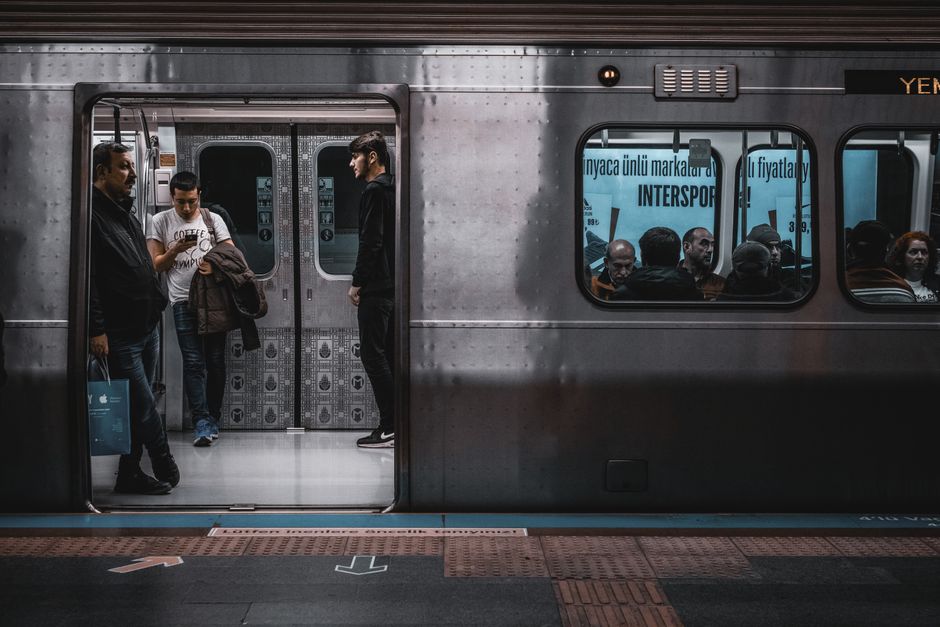
That moment you grip your bag a little tighter — and you should. The Barcelona Metro, 5:47 PM, platform packed with commuters and tourists who haven't yet learned the rules.
Who this solves for: Solo travelers, backpackers, commuters in unfamiliar cities, anyone who's ever felt a weird tug near their zipper.
When to use this: Rush hour on the Paris Metro, night buses in Buenos Aires, trams in Prague — basically any time you're in a crowd with pockets at waist height.
Estimated effort: 2 out of 5 (a few habits, not a lifestyle change)
Cost range: $0 to $25 for a decent anti-theft bag insert
Risk level: High if you ignore this — I lost a wallet and a phone on two separate trips before I wised up
Time saved: Days of replacing documents, canceling cards, and fuming at yourself in a foreign police station
I was standing on the Line 3 train in Barcelona, clutching the overhead rail, half-listening to a podcast about Catalan architecture. My daypack was slung over one shoulder, unzipped about three inches — didn't matter, I thought, because nothing valuable was in it. Then the train lurched at Espanya station. A guy in a puffer jacket stumbled into me, apologized in rapid Spanish, and stepped off at the last second. I felt the weight difference before I looked down. The main compartment of my bag was empty. My wallet — passport, two credit cards, 80 euros — was gone. Gone in five seconds.
That was six years ago. I've been on about 140 trains and buses since, across 30 countries, and I haven't been hit once after I started doing things differently. Not because I'm lucky. Because I finally stopped believing the bad advice.
This is what actually works.
Why This Problem Ruins Trips (And Why Most Advice Fails)
Pickpocketing isn't just about losing stuff. It's about the hours that follow: the 45-minute queue at the police station in a language you barely speak, the frantic call to your bank, the sinking realization that your hostel check-in required that passport — and now you're stuck. I spent four hours in a Rome commissariat watching a ceiling fan spin while a clerk slowly typed my statement. Four hours I could have spent eating cacio e pepe.
Most advice fails because it's either paranoid or useless. "Keep your bag in front of you." Okay, but what about when the train is packed and you physically can't? "Use a money belt." Sure, if you want to look like a 1995 tourist and still get your phone lifted from your jacket pocket. The real problem is that pickpockets are professionals. They practice eight hours a day. They work in teams. They know exactly when you'll shift your weight, when you'll look at the route map, when you'll pull out your phone to check the time.
The advice you find in most travel blogs comes from people who read about it in another blog. My advice comes from having my hand inside my own empty pocket, then figuring out the exact chain of decisions that led there.
The Step-by-Step Solution
1. Bag Placement: The Three-Zone Rule
Your body has three zones: front (chest to thighs), side (hips to knees), and back (everything behind your shoulder blades). Zone three is dead. Never put anything valuable behind your body line in a crowded train or bus — not a backpack, not a jacket pocket, not a bag slung behind your hip.
On a metro in Mexico City, I watched a woman with a brand-new DSLR dangling from one shoulder. The train stopped hard. Someone grabbed the camera body, not the strap, and was out the door before the doors fully opened. The woman screamed. The train moved on. That camera was in zone two — side-accessible, grab-and-go territory for anyone who knows what they're doing.
The fix: wear your bag crossbody, with the bag resting on your front hip, and one arm pressed over it. Not hanging loose. Not swinging behind you when you turn. Physically against your body. If you're standing, keep the bag between you and the person in front. If you're sitting, hold it on your lap with the strap around your leg or under your thigh. I learned this from a retired pickpocket in London who now teaches security workshops. "If I have to touch your body to get your bag," he told me, "I'm already 70% less likely to try."
For backpacks: turn it around when boarding. Keep it on your chest in the queue, on the platform, and for the first two stops. After that, if the carriage isn't packed, you can swing it back — but keep the zippers clipped together. A small carabiner (costs $3 at any hardware store) through the main zipper pulls is the best $3 you'll ever spend.
2. Seating Positions: The Geography of Risk
Not all seats are equal. On a train or bus, the safest spots are: against a wall or window (nobody can approach from behind), facing the aisle but with your bag on the inside (window side), or standing with your back to a pole or partition.
The worst seats? Anything near the doors. Pickpockets love doors because they can grab and exit before you react. On the London Tube, a common trick is for one person to stand near the door, block your view, while an accomplice lifts your phone from your coat pocket as the doors open. They're gone before the chime finishes.
I now sit two seats away from the door minimum, in a single seat if possible, with my bag on the seat beside me (strap looped around my leg) if the carriage is half-empty. When it's full, I stand against the wall between carriages — that narrow space where nobody can stand beside me — and keep both hands free but aware. Never both hands on your phone. One hand should always know where your valuables are.
On a night bus in Hanoi, I watched a guy fall asleep with his phone in his lap. The bus hit a pothole, he jerked awake, phone was gone. Someone had slid it out during the bump. If you need to sleep on public transport, put your bag behind your knees, strap around your ankle, and your phone inside your shoe or braced between your thigh and the seat. Not comfortable. But neither is replacing a stolen phone in a foreign country.
3. Situational Awareness: The Triple Check
Awareness isn't about being paranoid — it's about checking your three vulnerabilities every 10 minutes in a crowded setting. Your phone pocket. Your bag zipper. Your wallet location. Touch each one, casually, without looking down. This takes two seconds.
I developed this habit after a pickpocket in Prague's Old Town Square brushed against me, and I felt nothing — until 20 minutes later when I realized my phone was gone. He'd lifted it from my front jeans pocket while I was staring at the astronomical clock. The clock's a distraction. That's the point.
Pickpockets are masters of the bump-and-grab and the distraction team. One person bumps you, the other grabs. One starts an argument nearby, another dips your bag. On a tram in Lisbon, a woman in a wheelchair asked me for directions. While I leaned in to help, her partner behind me unzipped my daypack. I caught him because I felt the vibration of the zipper on my back. That vibration is now something I notice immediately.
Train your peripheral vision. When you're looking at a map on your phone, keep your awareness on your physical bag. When you step onto a crowded platform, scan for groups of two or three who seem to be hovering near doors. Pickpockets often wear oversized jackets (to hide hands) or carry newspapers or scarves (to cover the grab). If you see someone standing too close in an otherwise uncrowded space, shift positions.
4. What to Carry — and Where
I carry a decoy wallet. An old one with an expired gift card, a fake ID from a previous trip, and about $10 in local currency. If I'm ever confronted directly, I hand it over without resistance. The real wallet lives in a hidden pocket sewn into the waistband of my pants — costs $12 on Amazon, takes ten minutes to learn how to access, and keeps everything out of reach of casual dippers.
My phone goes in my front left pocket (I'm right-handed, so it's the less used side) with a pop socket or lanyard looped around my thumb if I'm in a crowd. I never put it in my back pocket — not even for "just a second" while I put on my jacket. I've seen two people lose phones that way on the Berlin U-Bahn alone.
Passport? In the hotel safe. Not in your bag. Not in your pocket. You don't need it on public transport. Take a photocopy or a phone scan. The real document stays locked up. I learned this the hard way after my passport got damp in a downpour in Bangkok — not stolen, but just as unusable.
Pro Tips From Someone Who's Been There
- Walk against the flow of traffic. Pickpockets target people who are moving in the same direction as the crowd — they can reach into pockets while walking behind you. If you're walking against the flow, you see every face coming toward you. This also works on escalators. Stand on the left in countries where people stand on the right (or vice versa) so you can watch the people below you.
- Zipper clips and binder rings. A 2-inch binder ring through your zipper pulls costs about 50 cents. It takes five seconds to open if you need it, but a pickpocket can't slide a zipper silently with a ring in the way. I put these on every bag I own.
- The "phone in the bra" trick works. If you're a woman and wearing a layered top, tuck your phone between your breast and your bra strap. It's not comfortable, but it's the one place a pickpocket will never reach on a crowded train. My female travel companions swear by this in Rio and Delhi.
- Wear headphones that aren't connected to anything. Fake earbuds make you look distracted. Real ones make you a target — pickpockets know you can't feel a hand near your pocket if you're listening to music. I keep a cheap pair of wired earbuds in my ears with no cable attached. People assume I'm zoning out. I'm watching everything.
- Use a crossbody bag with a slash-proof strap. These bags have Kevlar or steel mesh embedded in the strap — costs around $30-$40. A slasher can't cut it in one quick motion. Pair this with a carabiner on the zippers, and you've made yourself a harder target than 90% of the people on that train.
🍀 Pro Tip: The "Empty Pocket" Strategy
Put a folded piece of paper and a crumpled receipt in your most accessible pocket. If a pickpocket dips in and finds nothing but trash, they'll assume you're not carrying anything valuable and move on. I do this every time I board a metro in a high-risk city. Costs nothing. Takes two seconds. Works every time.
🚨 Real Traveler Mistake: The "I'll Just Put It Under My Seat" Trap
A reader from Australia emailed me about losing her laptop on an overnight bus in Vietnam. She placed her backpack under the seat in front of her — not between her feet, not on her lap, but under the seat. At a rest stop, someone reached under from the row behind and pulled it out while she was half-asleep. She didn't feel a thing. Never store bags under seats or in overhead racks where you can't see them. Between your feet, strap around your ankle. Always.
Common Mistakes Travelers Make With This Issue
Mistake #1: Trusting the "safe" city myth. I've been pickpocketed in Tokyo (yes, Tokyo) and nearly hit in Zurich. Pickpockets operate everywhere tourists are. The cleaner the city, the more confident tourists get — and the easier the target. Stay alert in Reykjavik, in Singapore, in Copenhagen. The nice-looking guy in a suit isn't immune to temptation.
Mistake #2: Zipping your bag and assuming it's enough. A zipper is a suggestion, not a lock. I watched a guy in a Paris metro car unzip a tourist's backpack while she was standing, using just one finger, while his partner held a map between them. The zipper made a slight sound — she didn't hear it because the train was loud. Carabiner every zipper. Every time.
Mistake #3: Over-packing your pockets. The more you have in your pockets, the less you'll feel when something leaves. I keep only my phone (front pocket) and a folded bill (other front pocket) in my pants. Everything else goes in the hidden waistband wallet or the crossbody bag. Less stuff means I notice immediately if anything shifts.
Your Quick-Action Checklist
- ✅ Before you board: Empty your back pockets. Carabiner your zippers. Scan the platform for groups of 2-3 hovering near doors.
- ✅ As you sit or stand: Choose a spot against a wall or pole. Bag on front hip or between feet. One hand free, one hand on valuables.
- ✅ Every 10 minutes: Touch-check your phone pocket, bag zipper, and wallet. Without looking. Two seconds.
- ✅ When leaving: Feel for your phone and wallet before the doors open. Don't wait until you're on the platform.
- ✅ Backup: Email yourself a scan of your passport, front and back. Store a photo of your credit cards (without the CVV). Save your bank's international number in your contacts as "Pizza Place" or something innocuous.
- ✅ Ultimate failsafe: Keep $50 cash and a photocopy of your passport in your shoe. Just in case everything else goes.
Frequently Asked Questions
Q: What's the safest type of bag to use on public transport?
A: A crossbody bag with a slash-proof strap and zipper clips — worn with the bag against your front hip, not dangling behind you — is the hardest target for pickpockets because it's physically attached to your body and can't be cut or silently opened.
Q: Where should I keep my phone on a crowded metro?
A: Your phone belongs in your front pocket with a lanyard or pop socket looped around your thumb, or tucked between your bra strap and chest if you're wearing layered clothing — never in a back pocket, an open jacket pocket, or held loosely in your hand near the door.
Q: How do pickpockets work in teams?
A: Typically one person distracts you (bumping, asking directions, dropping something) while a second person reaches into your bag or pocket from your blind side, and a third exits with the stolen item — which is why you should always keep your bag towards the person in front, not the side, in crowded carriages.
Q: What should I do immediately after being pickpocketed?
A: Lock your cards via your bank's app or call the international number immediately, file a police report (you'll need it for insurance and visa replacements), and check nearby trash bins — pickpockets often dump wallets after taking cash, and you might recover your cards and passport.
Q: Is it safe to fall asleep on overnight trains or buses?
A: Only if you've secured your valuables with at least two layers — bag between your legs with strap around your ankle, phone inside your shoe or braced between your thigh and seat, and a decoy wallet in your outer pocket — and chosen a seat against a wall or in a locked compartment.
Final Word: You've Got This
Here's the thing: pickpockets aren't wizards. They're just people who practice one specific skill more than you do. The moment you change three small habits — where your bag sits, which seat you pick, how you check your pockets — you become a harder target than 95% of tourists. And hard targets don't get hit. They watch the pickpocket walk right past, looking for someone else.
I still remember the sickening feeling of that empty backpack in Barcelona. But I also remember the first time I caught a pickpocket's hand in my pocket on a train in Naples — I'd zipped my carabiner shut, his fingers hit metal, and he pulled away with a fake smile. I smiled back. That's the win. You don't have to be faster than the thief. You just have to be faster than the person next to you.
📌 Save this guide — bookmark it, screenshot it, send it to your travel buddy. The next time you're standing on a crowded platform, you'll know exactly what to do.
Have your own trick that's saved you from a pickpocket? Drop it in the comments. I'm always looking for new ways to stay one step ahead.


No comments:
Post a Comment