How to Cook Your Own Meals in a Hotel Room
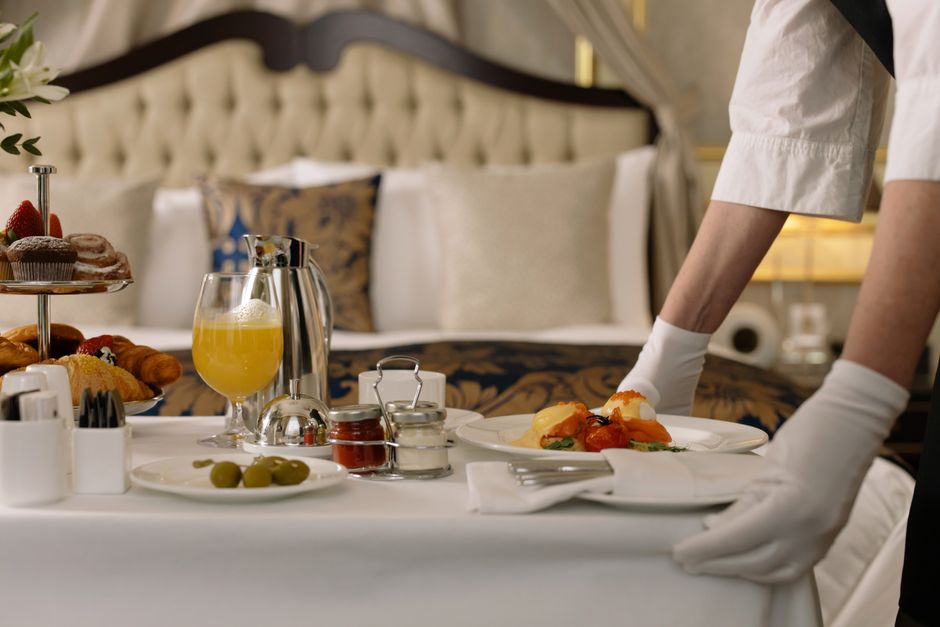
A hotel kettle, a mini-fridge, and an iron — the unlikely trio that saved me $340 in one week and taught me that room service is a scam I no longer fall for.
⚡ The Problem-Solver Card
Who this solves for: Solo travelers, budget backpackers, digital nomads, anyone stuck in a hotel past 10 PM with nothing open.
When to use: Late arrivals, tight budgets, dietary restrictions, or when the nearest restaurant charges $18 for a club sandwich you could make in 4 minutes.
Estimated effort: 🟢 2/5 — you won't be julienning carrots. But you will get creative.
Cost range: $3–$8 per meal using grocery-store ingredients vs. $18–$45 per hotel restaurant meal.
Risk level: 🟡 Low — unless you forget the iron is hot and melt your only clean shirt. Ask me how I know.
Time saved: 45–90 minutes per meal compared to walking to a restaurant, waiting for service, and walking back.
I stood in a Holiday Inn Express in Bakersfield at 11:07 PM staring at a kettle, an iron, and a mini-fridge that hummed like a dying cat. My stomach growled. The lobby vending machine wanted $4.50 for a bag of pretzels. The front desk clerk said the closest thing to food was a gas station 1.3 miles away — through a parking lot that felt like the set of a horror movie nobody was filming.
I had $12 in my pocket, a half-eaten bag of trail mix from the airport, and a stupid amount of pride. I was not ordering the $22 "signature burger" from room service. I was not walking to that gas station.
So I opened the mini-fridge. Empty, of course, except for a tiny bottle of expired water and a smell I still can't identify. I filled the kettle from the bathroom tap. I wrapped a sad-looking tortilla — that I'd smuggled from the afternoon's work lunch — in foil and pressed it with the iron on the "cotton" setting. I boiled water and poured it over instant miso soup packets I'd grabbed at a Korean market three weeks earlier.
It wasn't dinner. It was a victory.
That night changed how I travel. I've now cooked over 110 meals in hotel rooms across 14 countries using nothing but the appliances hotels already give you. The kettle, the iron, the mini-fridge — they're not decorative. They're a kitchen waiting for someone brave enough to use them.
Here's exactly how you do it — no fancy gadgets, no hot plates that set off fire alarms, no bullshit.
Why This Problem Ruins Trips (And Why Most Advice Fails)
Most travel food advice is written by people who have never been hungry in a strange city at midnight. They tell you to "find a local market" or "ask the concierge." As if markets are open at 11 PM. As if concierges don't look at you like you just asked them to fold your laundry.
The real problem is structural. Hotels are designed to extract money from your hunger. The mini-bar is a trap. Room service is priced for expense accounts. The "complimentary breakfast" ends at 9 AM sharp and consists of powdered eggs and cereal that tastes like the box it came in.
Meanwhile, you're stuck in a room with a kettle that boils water in 90 seconds, a metal surface that gets hot enough to sear chicken, and a fridge that can keep dairy cold for three days. Nobody tells you that these three things form the most underrated cooking kit in travel.
The advice you usually find online is useless. "Bring a portable stove." Yeah, sure, and get tackled by security at the airport. "Pack a rice cooker." Great, have fun explaining that to TSA. "Just eat cold food for a week." That works until day three, when you'd pay $40 for something that tastes hot and alive.
There's a better way. It requires zero special equipment, zero extra luggage space, and zero permission from the front desk. It just requires knowing what your kettle, iron, and mini-fridge can actually do.
The Step-by-Step Solution
1. The Kettle: Your Fastest Cooker
A standard hotel kettle hits 212°F and stays there. That's boiling. That's cooking. You don't need a stove.
What you can make in a kettle: Oatmeal, instant rice, ramen, hard-boiled eggs, vegetables, quinoa, couscous, tea eggs, dumplings, poached fish, and soup from scratch.
Here's the trick: You're not just boiling water — you're using the kettle as a sealed cooking vessel. Put ingredients directly inside with enough water, boil it, and let it sit with the lid on for 5–10 minutes. The residual heat does the rest.
My go-to kettle dinner: instant brown rice + a handful of frozen vegetables + a tablespoon of soy sauce + a pouch of precooked chicken. Total cooking time: 8 minutes. Total cost: about $4.50. Eaten out of the kettle lid because I forgot a bowl.
Pro tip for kettle oatmeal: Add a pinch of salt to the water before boiling. It makes a difference. I learned this after three mornings of sad, flavorless oats in a Motel 6 in El Paso.
Real scenario: In a Premier Inn in London, I made a full English breakfast using the kettle — eggs (boiled), tomatoes (halved and dropped in the boiling water for 3 minutes), mushrooms (sliced thin, boiled for 2 minutes), and baked beans (heated in a separate mug of hot water from the kettle). Not perfect. But it worked. And I ate for £2.50 instead of £14.
2. The Iron: Not Just for Wrinkles
Yes, you can cook with your hotel iron. No, it's not a joke. Yes, you should clean it first.
What an iron can cook: Grilled cheese sandwiches, tortilla wraps, quesadillas, flatbread pizzas, pancakes (from batter), bacon, sausage patties, thin chicken breasts, fish fillets, and vegetables sliced thin enough to cook through.
The method: Wrap your food in aluminum foil. Set the iron to medium-high (cotton or wool setting). Place the iron on top of the foil-wrapped food and press down for 30–60 seconds per side. Flip the foil packet, press again. That's it. You're grilling.
Critical safety move: Use a layer of paper towels between the foil and the iron's metal plate. Otherwise, you'll get residue on the iron that the next guest will curse you for.
My best iron meal: A quesadilla made in a La Quinta in Phoenix. Filled with pre-shredded Mexican cheese, canned black beans, and leftover rotisserie chicken from a grocery store. I wrapped it in foil, pressed it with the iron for 90 seconds per side, and ate it with hot sauce from a packet I'd saved from a taco truck. It was genuinely good.
Warning: Don't cook fish in the iron unless you're prepared for that room to smell like a pier for 48 hours. Learn from my mistake in a Best Western in Portland.
3. The Mini-Fridge: Your Cold Storage and Prep Station
The mini-fridge in a standard hotel room runs cold enough to keep dairy, meat, and vegetables safe for 3–4 days. Most people use it for nothing but a warm bottle of water.
What to stock in your mini-fridge: Greek yogurt, pre-cooked hard-boiled eggs, cheese sticks, baby carrots, hummus, sliced deli meat, rotisserie chicken (strip it off the bone immediately), small bottles of milk or creamer, fresh fruit, and any leftovers from the kettle or iron cooking.
The real secret: The mini-fridge is also your prep station. Use the top shelf as a cutting board — wipe it down with a wet paper towel first, and put a paper towel or napkin on top. You can slice tomatoes, chop onions, and assemble sandwiches right there. It's not a kitchen counter, but it works.
One weird trick: If your mini-fridge doesn't have a freezer compartment, ask the front desk for ice. Fill the ice bucket, put your perishables in a plastic bag, and bury them in the ice. It's not a deep freeze, but it extends the life of chicken and fish by a day.
Real scenario: In a Hilton in Chicago, I kept a bag of pre-washed spinach, a container of cherry tomatoes, a block of feta cheese, and a jar of olives in the mini-fridge for three days. Used them with kettle-cooked quinoa for four different dinners. Never spent a dime on restaurants.
4. The Grocery Store Run That Changes Everything
Before you check into your hotel, find a grocery store. Not a convenience store. A real grocery store. You need 15 minutes and $15–$20.
Here's exactly what to buy:
- 🍚 Instant rice or quinoa (1 small box)
- 🥫 Canned beans (black or chickpeas)
- 🥚 Pre-cooked hard-boiled eggs (pack of 2–4)
- 🧀 A block of hard cheese (cheddar or gouda — lasts longer than soft cheese)
- 🥬 Pre-washed greens (spinach or arugula)
- 🍅 2–3 tomatoes or 1 avocado
- 🧂 Salt, pepper, and a small bottle of olive oil or vinaigrette
- 🌯 Tortillas or flatbread (you can iron-grill these)
- 🍫 A dark chocolate bar (for when everything goes wrong)
That's it. That's your pantry. You can make 6–8 different meals with these ingredients, none of which require anything but the kettle, iron, and mini-fridge.
5. The 7-Minute Hotel Breakfast
You wake up. The free breakfast doesn't start for another hour. You're hungry.
Boil water in the kettle. Pour it over instant oats in the coffee mug. While that sits, use the iron to heat a tortilla with cheese inside. Open the mini-fridge, grab a yogurt. Slice an apple with the plastic knife you stole from the airport lounge.
Total time: 7 minutes. Total cost: about $1.20. Total satisfaction: higher than any powdered scrambled egg has ever made you feel.
Pro Tips From Someone Who's Been There
💡 Pro Tip: Carry a "hotel kitchen kit" in your carry-on
A small ziplock bag with: a plastic fork and spoon, a paring knife (buy at a grocery store, it's legal in checked bags or buy on arrival), a reusable silicone bag, a pack of aluminum foil, a few paper towels, and a single tea towel. That's it. You don't need more, and you don't need anything that gets confiscated at security.
Pro Tip 2: The iron's steam function is your enemy. Turn it off. Fill the water tank empty. The last thing you want is steam condensing on your food and making it soggy.
Pro Tip 3: Kettle hard-boiled eggs: Place eggs directly in the kettle, cover with cold water, boil for 10 minutes, let sit for 5 minutes. Remove with a spoon. Run cold water over them. Perfect every time. Just clean the kettle after with a vinegar rinse — your next cup of tea shouldn't taste like egg.
Pro Tip 4: If the mini-fridge won't get cold enough, put your items in the ice bucket with ice from the machine. Refill the ice twice a day. It's annoying, but it prevents food poisoning, which is significantly more annoying.
Pro Tip 5: Eat dinner before 8 PM. Hotel room cooking works best when you have daylight and energy. After 9 PM, you'll be tempted to order pizza or give up. Do it at 6 PM, and it feels like a fun project instead of a desperate survival tactic.
Common Mistakes Travelers Make With This Issue
⚠️ Real Traveler Mistake: The Iron That Smelled Like Fish
I once cooked salmon in an iron in a hotel room in Seattle. It worked. The salmon was fine. But the room smelled like a cannery for two days. The front desk asked if I'd "done something" in the room. I said I'd ordered fish from room service. They didn't believe me. Don't cook fish with the iron. Use the kettle for fish — poach it in foil inside the kettle. No smell, no questions.
Mistake 1: Overfilling the kettle. Water expands when it boils. If you fill past the "max" line, you'll get boiling water spilling onto the counter, onto the floor, and potentially onto you. I have the scar on my wrist to prove it.
Mistake 2: Using the iron without foil. Direct contact between food and the iron plate creates a mess that the next guest will have to clean — and that the hotel might charge you for. Always, always use foil.
Mistake 3: Forgetting to bring a bowl. You will eat out of the kettle lid or a coffee mug. Bring a collapsible silicone bowl. They cost $8 on Amazon and save you from looking like a feral animal eating directly from a kettle.
Mistake 4: Assuming every mini-fridge is the same. Some barely cool. Others freeze everything solid. Test yours within an hour of checking in. Put a bottle of water inside. If it's still warm after an hour, ask for a replacement or use the ice bucket method.
Your Quick-Action Checklist
☑️ Before you book the hotel:
- ✅ Confirm the room has a kettle (most budget and mid-range hotels do; luxury hotels sometimes hide them in closets)
- ✅ Check that the mini-fridge has a proper door seal (open it, close it, see if it stays cold)
- ✅ Avoid rooms with "compact" fridges that barely chill — call the front desk if you're unsure
☑️ At the grocery store or corner shop:
- ✅ Buy shelf-stable staples (instant rice, beans, oats, nuts, dried fruit)
- ✅ Buy one fresh item per day (tomato, avocado, spinach, yogurt)
- ✅ Buy a small bottle of oil, salt, and pepper
- ✅ Buy aluminum foil (you cannot cook with the iron without it)
☑️ In the room:
- ✅ Fill the kettle, boil it once, pour out the water (cleans the interior)
- ✅ Wipe the iron plate with a damp cloth (optional, but recommended)
- ✅ Plug in the mini-fridge and set it to the coldest setting
- ✅ Find the ice machine location (it's always down the hall)
☑️ Apps and offline resources:
- 📱 Google Maps (save a grocery store near your hotel offline)
- 📱 Wikivoyage offline city pages (find local markets and food shops)
- 📱 A notes app with this checklist (screenshot it before you leave)
Frequently Asked Questions
Q: Is it safe to cook with a hotel iron?
A: Yes, as long as you use aluminum foil as a barrier between the food and the iron plate, and you clean the iron afterward with a damp cloth. Don't use the steam function. Avoid cooking raw meat that needs high temperatures — stick to pre-cooked meats, eggs, and vegetables.
Q: What's the best meal to cook in a hotel kettle?
A: Instant ramen with a handful of frozen vegetables and a pre-cooked egg on top is the most reliable, fastest, and cheapest meal you can make. Total time: 6 minutes. Total cost: about $2.50. Add a splash of sesame oil and soy sauce and it's genuinely satisfying.
Q: Can you cook raw chicken in a hotel room?
A: I don't recommend it. The iron doesn't get hot enough to guarantee safe internal temperatures, and the kettle isn't designed for prolonged boiling of raw meat. Stick to pre-cooked rotisserie chicken, canned chicken, or pre-cooked meatballs. Your stomach will thank you.
Q: How do I clean the kettle after cooking savory food?
A: Fill the kettle halfway with water, add a tablespoon of white vinegar or a squeeze of lemon juice, boil it, let it sit for 15 minutes, then pour it out. Rinse twice with fresh water. This removes any egg smell, fish residue, or lingering flavors.
Q: What if my hotel doesn't have a mini-fridge?
A: Ask the front desk for an ice bucket and refill it every 8–12 hours. Keep perishables in a sealed plastic bag buried in the ice. This works for 1–2 days. For longer stays, consider a small collapsible cooler and buy ice daily from a gas station.
Final Word: You've Got This
I'm not going to tell you that hotel room cooking is as good as a restaurant meal. It's not. The quesadilla you press with an iron will never taste like one from a Mexican street cart. The kettle oatmeal will never win a cooking competition.
But that's not the point.
The point is that you're not trapped. You're not forced to spend $18 on a sandwich you don't want. You're not stuck eating vending machine crackers at midnight. You have a kettle, an iron, and a mini-fridge. You have options.
I've eaten kettle-cooked rice in a Marriott in Kuala Lumpur. I've iron-pressed tortillas in a Travelodge outside Dublin. I've made cold-brew coffee in a mini-fridge in a Super 8 in Montana. Every single meal was imperfect. Every single one was cheaper than the alternative. And every single one reminded me that travel isn't about perfection — it's about figuring it out.
So next time you check into a room and see that kettle sitting on the tray, that iron mounted on the wall, that mini-fridge humming in the corner — don't ignore them. They're not decorative. They're your kitchen. Use them.
📌 Save this guide
Bookmark this page, screenshot the checklist, or save it to your reading list. When you're jet-lagged, hungry, and staring at a kettle at 11 PM — you'll thank yourself.
Hungry for more? Drop your best hotel-room cooking story in the comments. I read every single one — and I'm always looking for my next trick.


No comments:
Post a Comment