Top Summer Destinations in How to Create a Realistic Travel Budget That Works
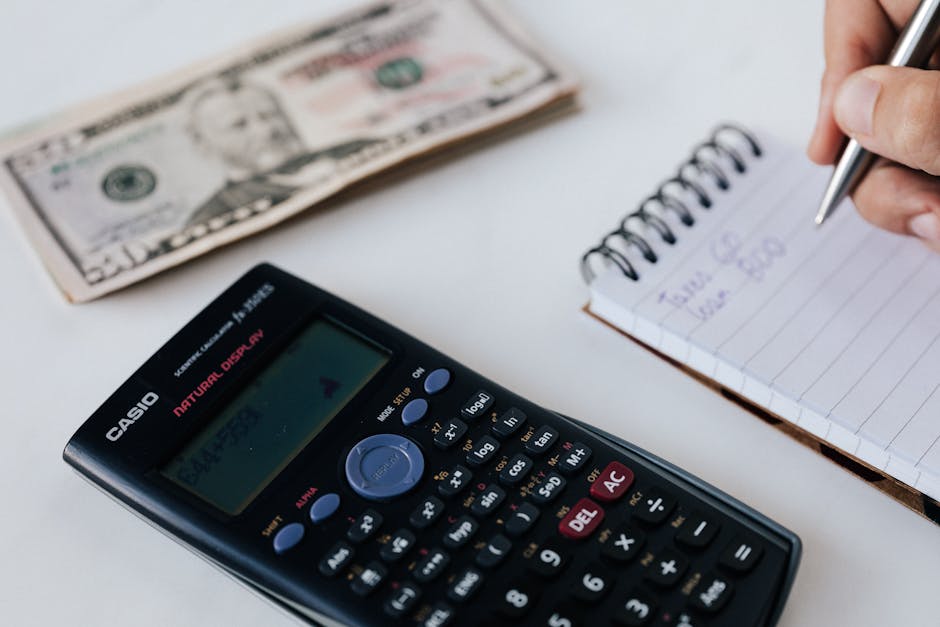
A roadside market in late July — the kind of place where your budget meets real life, not a brochure.
Quick Stats
🌞 Best months: June – September | 💰 Daily budget: $55–85 (mid-range)
⏱️ Ideal trip length: 10–14 days | 🧩 Difficulty: Moderate (lots of choices)
🌡️ Avg. temp: 28°C (82°F) | 🎯 Best for: First-time budget planners, solo travelers, food lovers
The first thing that hits you is the smell of grilled sardines and hot pavement. I’m standing outside a tiny bakery in the old quarter, fanning myself with a map that’s already starting to disintegrate at the folds. A man on a rattling scooter swerves around a puddle of melted ice cream. This is summer, unfiltered. And my wallet? It’s already lighter than I planned — I paid $6 for a bottle of water at a corner shop near the main square. Tourist tax. It stings, but it teaches you fast.
I’ve spent the last three summers here, chasing the heat and the chaos, trying to crack the code of a budget that actually holds up. Not the kind you scribble on a napkin at 2 a.m. before a flight, but a real, breathing plan that accounts for the overpriced ferry, the spontaneous street-food feast, and that one night you just need air conditioning. This place — let’s call it the destination where budget theory meets practice — is a masterclass in spending well without losing your mind. Here’s what I’ve learned, block by block, dollar by dollar.
The Essentials at a Glance
- 🇪🇺 Accommodation: $30–70/night for a decent double room with fan (not AC). Book 3 weeks ahead or pay 40% more.
- 🥘 Food: $15–25/day if you eat where locals queue — think €4 pasta plates and €2 espresso.
- 🚌 Transport: $8–15/day for buses, metro, and one short taxi. Avoid the tuk-tuks near the port; they quote double.
- 🎡 Activities: $10–20/day for museum entries, a boat trip, or a cooking class. Free walking tours save real cash.
- 📱 Hidden cost: Sunscreen and water. Bring a reusable bottle and buy sunscreen at a supermarket, not the beach shack.
The Complete Summer Guide
1. Finding a Bed That Won’t Break You
July here is a furnace, and every room with a window becomes a lottery. My first summer, I booked a “budget guesthouse” two blocks from the main square. It was $38 a night — cheap — but the walls were the color of weak tea, the fan sounded like a lawnmower, and the shared bathroom had a lock that only worked if you jiggled it at a 45-degree angle. I learned my lesson: spend a little more for a mid-range pension with a balcony — $55–65/night — and you get cross-breeze, a kettle, and a place to dry your swim trunks.
Airbnb hosts here often list “entire apartments” that are actually converted storage rooms. Check the number of windows in the photos. If there’s only one tiny skylight, move on. Neighborhoods like Santa Croce and the northern edge of the old town offer better prices than the tourist-packed center, and you’re still a 15-minute walk from everything.
2. Eating Well Without the Receipt-Shock
The restaurant with the laminated menu and the waiter who speaks perfect English? That’s where your budget goes to die. I paid $22 for a lukewarm plate of spaghetti there last June — and I could still taste the freezer. Instead, walk two streets over to Via dei Pescatori, where a family-run trattoria serves a three-course lunch for €12. The pasta is hand-rolled, the wine comes in a carafe, and the owner’s mother yells at you to eat more.
Street food is your real friend: €3 fried fish cones, €2.50 arancini, and €1.50 espresso at the bar (standing costs less than sitting). I pack a small cloth bag and buy fruit from the morning market — peaches, figs, tomatoes — for under €5. That’s breakfast, snacks, and a salad base for dinner. The key is to avoid the tourist corridor between the cathedral and the waterfront; prices there are 30% higher for the same thing.
3. Moving Around Without the Upsell
The airport bus into town is €5. The taxi is €25. Simple, right? Except I watched a family of four pay €40 for a “shared shuttle” that dropped them at the wrong hotel. Buy bus tickets at the tobacco shop (tabacchi) — they’re €0.50 cheaper than on board, and you avoid the driver’s grumpy sigh when you don’t have exact change.
Ferries to the islands are the biggest budget trap. The official line costs €18 round-trip; the private companies at the dock charge €35 and leave 20 minutes later. I always book the public ferry online three days ahead. For day trips, rent a bicycle from the shop behind the post office — €12 for 24 hours, no deposit — and you’ll see the coastline without the €50 tour-bus markup.
4. Activities That Don’t Feel Like a Scam
The “free” walking tour isn’t free — you tip €10–15, and the guide spends half the time pointing at restaurants that gave them a kickback. I’ve started doing my own walks using a downloaded PDF map from the local tourism office. It’s not glamorous, but I’ve found a Roman aqueduct, a hidden courtyard with a jacaranda tree, and a bakery that sells €1.50 cannoli that ruined all others for me.
Paid activities: the cooking class in the old fishing quarter (€35, includes market tour and lunch) is worth every cent. The sunset boat trip with prosecco? €50 and you’re packed in with 30 people. Instead, buy a €4 bottle of the local sparkling wine, walk to the pier at the end of Via Marina, and watch the sun drop with your feet in the water. That’s the real souvenir.
5. The AC Dilemma and Other Small Battles
Summer nights are sticky. Many budget rooms don’t have air conditioning, and a fan only moves the hot air around. I now pay an extra $8–10/night for a room with a split unit. It’s the difference between waking up rested and waking up angry. Also: mosquitoes are aggressive here after 7 p.m. Buy a €3 plug-in repellent at the pharmacy, not the hotel gift shop where it costs €9.
And laundry. You’ll need it. The hotel service charges €12 for a small bag. The laundromat two blocks east charges €4 and you can sit there with a book for 40 minutes. Small choices like this add up to real savings — $40–60 over a week.
🍋 Local Tip
Don’t buy bottled water from the tiny kiosks near the main square — they charge €2.50. Walk 3 minutes to the supermarket on Corso Garibaldi (open until 9 p.m.) and get a 1.5L bottle for €0.60. Also, fill up at the public drinking fountains (fontanelle) — they’re free, cold, and perfectly safe. I saved over €18 in three days just doing this.
Summer Traveler's Pro Tips
These aren’t generic advice. These are things I learned by sweating through my shirt and overpaying for bad coffee.
- 🌴 Book accommodation with a kitchenette. Even a hot plate and a mini-fridge save you €10–15/day. I made pasta with pesto and fresh tomatoes four nights in a row — cost: €3 per meal vs. €15 at a restaurant.
- 🕶️ Eat lunch at 1 p.m., not 2:30. Many trattorias offer a pranzo di lavoro (working lunch) for €10–12 until 2 p.m. After that, the menu switches to dinner prices. I ate grilled fish, salad, and a glass of wine for €11 at Trattoria da Sergio near the market.
- 🚴 Use the public bike-share system. €1.50 for 30 minutes, and there are stations everywhere. The tourist rental shops charge €20/day. I cycled from the train station to the beach in 22 minutes — cost: €1.50.
- 🎒 Carry a small daypack with a towel and water. Public beaches are free, but renting a lounge chair costs €15–25. I spread my towel on the sand near Spiaggia Libera (free beach, just past the lighthouse) and swam for hours. No charge.
- 📅 Avoid the first week of August. That’s when the whole country goes on holiday. Accommodation prices double, restaurants add a “service charge,” and every beach is shoulder-to-shoulder. I made that mistake in 2024 and paid $90 for a room that was $45 in late June.
Common Summer Travel Mistakes
I’ve made every single one of these so you don’t have to.
- ❌ Withdrawing cash at the airport ATM. The exchange rate is terrible, and there’s a €5 fee. Withdraw from a bank ATM in town — I use the one at Banco di Napoli on Piazza Dante — and get the real rate.
- ❌ Buying a “hop-on hop-off” bus pass. €35 and you spend more time waiting in traffic than seeing things. The regular city bus (€1.20 per ride) covers the same route and runs more frequently.
- ❌ Paying for bottled water at restaurants. In some places, they bring it automatically and charge €3. Ask for “acqua del rubinetto” (tap water) — it’s free, and it’s fine. I saved €12 in one dinner.
- ❌ Not checking if the museum is free on Sundays. Many state museums have free entry on the first Sunday of the month. I walked into the archaeological museum for €0 instead of €12. Just show up before 10 a.m. to avoid the line.
Your Summer Travel Checklist
Before you zip that suitcase, run through this list. It’s built from three summers of forgetting things and paying the price.
- 📄 Documents: Passport (check expiry), printed booking confirmations (digital copies fail when battery dies), and a photocopy of your ID kept separate.
- 🧴 Heat prep: Reusable water bottle, SPF 50, a wide-brim hat, and a light cotton scarf for sun or evening breezes.
- 📱 Offline apps: Google Maps (download the city), a translation app, and a notes file with your budget breakdown and emergency numbers.
- 🏨 Bookings: Confirm accommodation 48 hours before arrival. Call, don’t just email — I once arrived at a “confirmed” room that had been given to someone else.
- 💰 Cash: €100 in small bills (€5, €10, €20). Many markets and tiny shops don’t take cards, and ATMs charge fees on weekends.
Traveler FAQ
Q: What is the average daily budget for a summer trip to How to Create a Realistic Travel Budget That Works?
A: A realistic daily budget for a mid-range summer trip is $55–85 per person, covering a double room with a fan, three local meals, public transport, and one paid activity. Budget travelers can manage $40–50 by staying in hostels and cooking some meals.
Q: How can I save money on food while traveling in summer without eating poorly?
A: Eat at trattorias that offer a set lunch menu (€10–12) before 2 p.m., buy fruit and bread from morning markets, and always order tap water instead of bottled. Avoid restaurants with English menus and pictures — they charge 30% more for the same food.
Q: What are the hidden costs that blow up a travel budget in summer?
A> The biggest hidden costs are airport water and snacks (€6 for a small bottle), tourist-trap restaurants near main squares, and unplanned taxi rides. Also, laundry services at hotels often cost triple what a local laundromat charges.
Q: Is it cheaper to book accommodation in advance or last-minute in summer?
A: Booking 3–4 weeks in advance is cheapest for summer; last-minute rates can be 40–60% higher because demand spikes. Use booking sites that allow free cancellation, and check if the property charges extra for air conditioning — many do.
Q: What is the best way to track expenses while traveling to avoid overspending?
A: Use a simple notes app on your phone to log every expense the moment you pay — cash or card. I sort mine into four categories (room, food, transport, fun) and check the total each evening. A €5 coffee here and a €10 souvenir there add up fast.
Ready for Your Summer Adventure?
Look, travel budgets are never perfect. You’ll buy a €8 cocktail because the sunset demands it, and you’ll lose a few euros in a vending machine that eats your coins. That’s fine. The goal isn’t pinching every penny until the trip feels like a spreadsheet — it’s knowing where your money goes so you can spend freely on the things that matter. For me, that was the €35 cooking class, the €4 bottle of wine on the pier, and the €1.50 cannolo that ruined all others.
This place, in summer, is loud and sweaty and sometimes overpriced. But it’s also generous, if you know where to look. Take this guide, adjust the numbers to your own style, and go. The heat will hit you the moment you step off the bus. That’s the signal: your real trip has begun.
📌 Save this guide for later
Bookmark this page or screenshot the budget stats. When you’re at the airport second-guessing your plan, you’ll be glad you did.
Have your own budget-saving secret from a summer trip? Drop it in the comments below — I’m always looking for a smarter way to travel. And if this guide helped you dodge one overpriced bottle of water, share it with a friend who needs it.


No comments:
Post a Comment