How to Handle a Restaurant Bill and Tipping Culture
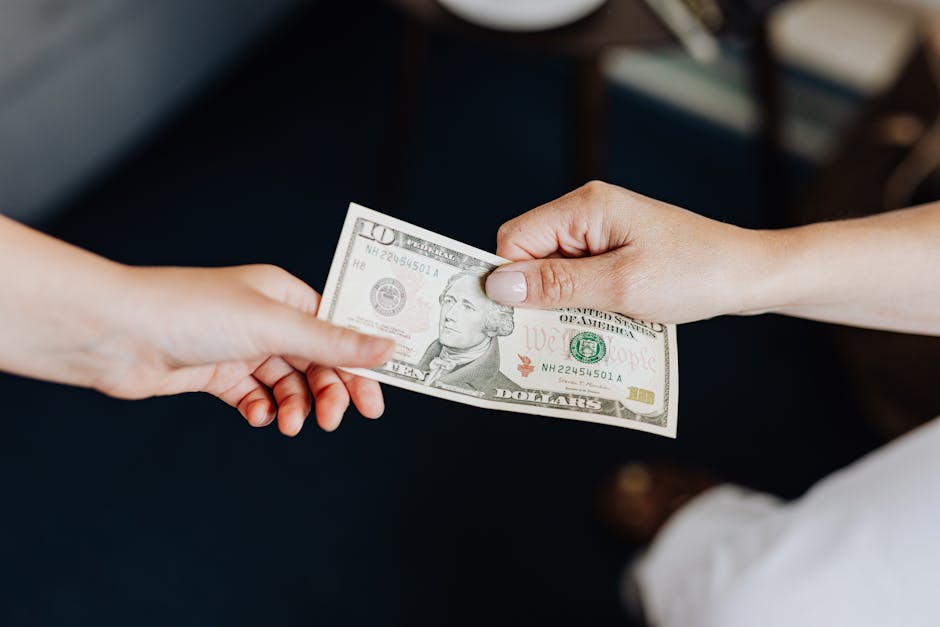
A Roman trattoria账单 — that innocuous leather folder can trigger panic if you don't know what's already baked into the price.
📋 Problem-Solver Card
- 👤 Who this solves for: Solo travelers, couples, first-time visitors to Europe, Asia, or the Americas.
- ⏰ When to use this advice: Any sit-down meal abroad where the bill looks different than expected.
- ⚡ Estimated effort: 2/5 — 15 minutes of reading, then just confidence at the table.
- 💰 Cost range: $0 (you stop over-tipping) to $10 (you stop under-tipping and getting chased out the door).
- ⚠️ Risk level: Low — worst case you look cheap for one meal. Best case you save 20% on every dinner this trip.
- ⏳ Time saved: About 45 minutes of frantic Googling under the table while your date glares at you.
I remember the exact moment I lost my composure in Rome. Trattoria Da Enzo, Trastevere, 9:47 PM. The waiter slid the leather folder onto the table. I opened it. €86. A fair price for the cacio e pepe and the bottle of Cesanese. But beneath the total, printed in clean italic type: Servizio incluso — €12.90.
My brain seized up. Do I tip on top of that? Is the service charge a scam? Will the waiter spit in my carbonara if I walk out without leaving more? I stalled. Fumbled for my wallet. Pretended to study the wine list I'd already finished. My girlfriend at the time — a Berliner who'd grown up eating in Italy — reached across, closed the folder, and said: “It's done. Leave one euro on the saucer if you felt fancy. Otherwise, walk.”
I left three euros. I still don't know if that was right. That feeling — the ambiguity, the fear of offending, the quiet dread of being overcharged — is why I wrote this. I've since mis-tipped in Tokyo, over-tipped in Barcelona, and watched a Parisian waiter stare at my 15% addition with the cold pity of a man who's seen everything. This is what I actually learned.
Why This Problem Ruins Trips (And Why Most Advice Fails)
Here's the dirty secret of tipping guides: they're written by people who haven't stood in your shoes. The generic internet advice — “10% is standard” — works exactly nowhere. In Japan, 10% is an insult. In Italy, 15% is a tourist tax. In Buenos Aires, the propina is expected but the calculation depends on whether you paid with credit or cash, whether it's lunch or dinner, and whether the waiter remembered your name.
The deeper problem is structural. Many countries embed a service charge, then call it something else — coperto in Italy, couvert in France, cubierto in Spain. These aren't tips. They're cover charges for bread, table setting, and the privilege of sitting in a chair. But most tourists read “servizio incluso” and assume the work is done. Spoiler: it's not always done.
The real issue? We confuse etiquette with economics. Tipping is not a moral system. It's a labor subsidy that different countries handle differently. In the US, you're subsidizing a $2.13/hour base wage. In Denmark, waitstaff earn a living wage and tips are a genuine bonus. The advice “just be generous” fails because generosity has different meanings in different contexts. Leave 20% in Copenhagen and the waiter will chase you down to return the “mistake.” Leave nothing in New York and you'll be chased down for different reasons.
Most guides also ignore the awkward social mechanics of the moment. The bill arrives. You're talking. The waiter hovers. You have 30 seconds to decide. Your brain defaults to your home-country rules. That instinct is usually wrong. You need a system that works in that 30-second window, not a dissertation on labor policy.
The Step-by-Step Solution
Phase 1: Before You Sit Down (The 2-Minute Intelligence Grab)
This is your single highest-leverage move. Before you order anything — even a glass of water — do a quick scan. Look at the menu's fine print. In France, the words “service compris” or “prix net” mean the tip is included. In Italy, look for “coperto” — a per-person fee usually €2–€4 that covers bread and table service. It's not optional. It's not a tip. It's just the price of existing in that chair.
When you're in a country for the first time, do this before you go: Open your phone, pull up localwiki or a trusted blog written in the last 12 months. Check three things:
- 🧾 Is service charge legally included? (Common in France, Italy, Spain, Portugal, much of Latin America.)
- 💰 What's the base wage for servers? (If it's a living wage, you tip less. If it's $2/hour, you tip 15–20%.)
- 👀 What do locals actually do? (Watch the table next to you. If they leave coins, you leave coins. If they leave nothing, you leave nothing.)
I keep a note on my phone called “Tip This” with a single line per country. For Japan it says: “Zero. Do not tip. It's rude.” For the US it says: “18% minimum, 20% standard, 25% if they were kind.” For Italy it says: “Coperto is not a tip. Round up by €1–€3 if service was good. Never leave a percentage.” That note has saved me hundreds of euros and exactly zero awkward silences.
Phase 2: Reading the Bill Like a Pro (The 10-Second Scan)
The leather folder arrives. Don't open it immediately. Let it sit for a moment. This is a power move — it signals you're not anxious. Then open it and run this three-point check:
- Look for “servizio,” “service,” or “tip” as a line item. If there's an explicit service charge (often 10–15%), that's the tip. You're done. Leave nothing extra unless the service was genuinely exceptional.
- Look for “coperto,” “couvert,” “cubierto,” or “pan y cubierto.” That's a cover charge. It's not a tip. You still need to tip on top of this — but modestly. In Italy, that means €1–€3 per person. In Spain, round up to the nearest €5 or leave a few coins.
- Look for the total with and without tax. In the US, tax is added after the menu price and is never part of the tip. In Europe, tax is usually included in the menu price. Don't tip on tax — that's just padding your own bill for no reason.
If you see “IVA inclusa” in Spain or “TVA incluse” in France, that's tax, not tip. The two are separate. Many tourists see a line reading “IVA 10%” and double-tip because they assume it's a service charge. It's not. VAT is VAT. Service is service. Don't confuse them.
Phase 3: The Actual Leave-the-Table Move
This is where the rubber meets the road. You've scanned the bill. You know what's what. Now you have to execute.
If you're paying cash: Leave the exact amount for the bill plus your tip in cash. In most of Europe, you hand the cash to the waiter and say “Grazie, va bene così” (“keep the change”) or the local equivalent. That verbal signal is the actual tip. Without it, the waiter assumes the change is yours and will return it. I learned this the hard way in Barcelona when I left €50 on a €42 tab and the waiter ran after me with €8. He thought I'd forgotten it.
If you're paying card: In many countries, the waiter will bring a portable terminal. The machine will ask: “Do you want to add a tip?” This is your moment. If service was included, hit “No” or “0.” If not, add 5–10% in Europe, 15–20% in North America. Critical warning: In some countries (Italy, Spain, Portugal), the machine might show a suggested tip of 15–20%. That's a tourist setting. Locals ignore it. I watched a Roman waiter roll his eyes when a table of Americans clicked 20% on a €90 bill that already had €13 of coperto baked in. Don't be that table.
One trick I use: I carry a small stash of €1 and €2 coins in a separate pocket. When the bill comes, I leave coins on the saucer — never notes. Notes look like you're trying too hard. Coins say “I know the custom, here's a small gesture.” It works in Rome, Paris, Madrid, and even parts of Latin America. For Japan, I simply close the folder, bow slightly, and walk away. No coins. No notes. Nothing. It feels wrong the first time. It's correct.
Phase 4: The Backup Plan — What to Do When You Mess Up
You will mess up. I mess up twice a year minimum. The key is having a recovery script. The most useful phrase I've learned in any language is: “I'm sorry — I'm still learning the customs here. Is this correct?” Point at the bill. Look confused, not defensive. Waiters in tourist-heavy cities have seen it all. They'll tell you, often with a smile. I once accidentally under-tipped by €10 in a Lisbon tasca. The waiter came back, handed me the extra note, and said “You forgot this.” I thanked him, left the correct amount, and we both laughed. No shame. Just learning.
If you realize after you've left that you over-tipped or under-tipped — don't go back inside. The emotional cost of re-entering that restaurant is higher than the monetary mistake. Write it off as tuition. Next time you'll know.
Pro Tips From Someone Who's Been There
These aren't in the guidebooks. They come from 14 years of eating badly and occasionally well in 30+ countries.
- Tip in the local currency, always. Leaving dollars or euros in a country that doesn't use them forces the waiter to exchange them at a terrible rate. In Cambodia, leave riel or small denomination dollars. In Mexico, leave pesos. The exception: countries that openly prefer USD, like parts of the Philippines or some Caribbean islands. But when in doubt, local cash is king.
- The “no change” trick is real. In Italy and Spain, waiters expect you to say “keep the change” for small amounts. For larger bills, they expect exact change plus a coin tip. If you hand over a €50 for a €48 bill and stay silent, they assume you want €2 back. Say the words.
- Watch the business lunch crowd. Locals tipping in a restaurant at 1:30 PM on a Tuesday have the best signal-to-noise ratio. Watch what they do when the bill comes. Do they leave coins? Do they leave nothing? Do they sign the receipt and walk? Copy them. They've been doing this their whole lives.
- Never tip on the “service charge” line if it's a cover charge. I met a retired waiter in Naples who told me: “The coperto pays for the bread you didn't eat and the table you sat at. The tip pays for me. They are not the same thing.” He was right. Ignore the coperto when calculating your tip. Think of it as a table rental fee.
- Use the phrase “for me” when leaving cash. In many European countries, you can place the tip money on the table and say “per me” or “para mí” — “for me.” This signals that the money is a personal gesture to the waiter, not part of the bill. It's small, human, and understood everywhere.
⭐ Pro Tip
Download the app “Globe Tips” or save a bookmark to tippingguide.com on your phone's home screen. Both let you pick a country and see the exact rule in one tap. No ads, no fluff. I use it every single time I cross a border. It's saved me from more awkward conversations than I can count.
Common Mistakes Travelers Make With This Issue
Mistake #1: Assuming “service charge” means the tip is fully covered. In the UK, many restaurants add a 12.5% “optional service charge.” It's optional. You can ask to remove it if the service was poor. But in France, service compris means exactly that — the tip is included. No extra needed. The problem? Tourists treat both situations the same. They don't ask. They just pay. I've paid £8 in optional service charges that I could have removed simply by saying “Can you take this off, please?”
Mistake #2: Leaving a percentage in countries that round. In Japan, you don't tip by percentage. You leave nothing. In Sweden, you round up to the nearest 10 or 50 kronor. In Mexico, 10–15% is common but rounding to the nearest convenient amount is normal. Leaving an exact percentage calculated to two decimal places screams “I just Googled this.” It's fine — but it's not local.
Mistake #3: Tipping the same way at breakfast, lunch, and dinner. In many European countries, tipping at breakfast is rare. At lunch, a small gesture. At dinner, the full custom. The same waiter might expect nothing at 8 AM and €2 at 9 PM. This isn't hypocrisy — it's context. Breakfast is transactional. Dinner is relational. Adjust accordingly.
Mistake #4: Forgetting about takeaway and room service. Tipping culture only applies to sit-down meals in most of the world. Takeaway gets zero tip in Europe, maybe 5–10% in the US. Room service often includes a service charge already — check the bill before adding anything. I once tipped $5 on a $22 room service tray in Zurich that already had a 15% service fee. The delivery guy looked confused. So was my wallet.
🚫 Real Traveler Mistake
In Buenos Aires, I once tipped 15% on a credit card payment for a steak dinner. The waiter smiled, thanked me, and then whispered “Señor, next time pay cash and tip with the paper money you get back. The card tip takes a month to reach me — and the house takes half.” Cash tips reach the person who served you. Card tips often don't. In Argentina, Mexico, Brazil, and much of Southeast Asia, always tip in cash even if you pay the bill by card.
Your Quick-Action Checklist
Before you travel:
- 📱 Save a tipping app or bookmark a reliable guide for each destination.
- 💶 Carry small bills and coins in the local currency (€1, €2, $1, $5, 50–100 peso notes).
- 📝 Write a one-line cheat sheet on your phone: “Japan = zero tip. Italy = coperto + €1–€3. US = 18–20%.”
- 🗣️ Learn two phrases: “Keep the change” and “Is service included?” in the local language.
At the restaurant:
- 🔍 Scan the menu for “servizio,” “coperto,” or “service compris” before ordering.
- 🧾 When the bill arrives, check for a pre-added service charge. If it's there, you're done.
- 👀 Watch one table of locals. Do what they do.
- 🪙 Tip in cash if possible. Coins for small gestures, small notes for larger tips.
- 🗣️ Say the words. “Keep the change” signals intent. Silence signals uncertainty.
📎 Save this checklist as a photo on your phone or print it before your next trip. It fits in a passport pocket.
Frequently Asked Questions
Q: Do I have to tip if the service charge is already included in the bill?
A: No — a pre-added service charge is the tip. In France, Italy, Spain, Portugal, and many Nordic countries, leaving extra is optional and usually unnecessary. Only add more if the service was genuinely exceptional (e.g., the waiter helped with dietary restrictions, stayed late, or fixed a mistake). When in doubt, leave small coins — €1–€3 — as a personal gesture, not a percentage.
Q: What's the difference between a cover charge (coperto) and a service charge?
A: A cover charge is a fee for bread, table setting, and seating — it's not a tip. A service charge is the actual gratuity pooled among staff. In Italy, coperto (€2–€4 per person) appears on every bill. You still tip on top of it modestly. In France, service compris means the tip is already in the price. Don't double-tip. The simplest test: if the charge is a fixed per-person amount, it's a cover. If it's a percentage of the total, it's a service charge.
Q: Is it rude to tip in Japan?
A: Yes — tipping in Japan is considered awkward and sometimes insulting. Service is included in the price, and the staff is paid a living wage. Leaving money on the table can imply you think they need charity. If you feel compelled to show gratitude, a sincere “arigato gozaimasu” and a slight bow is the correct form. In high-end ryokans, a small envelope with cash given discreetly at check-in is a different custom — but that's for hospitality, not restaurants.
Q: Should I tip in cash or can I add it to the card payment?
A: Cash is better in most countries outside North America. Card tips often take weeks to reach the server, and in some places (Argentina, Mexico, parts of Southeast Asia), the restaurant takes a cut. Cash goes directly to the person who served you. If you must tip by card, confirm with the waiter that they actually receive it. In the US, card tips are standard and legally protected — but bring cash for small cafes and bars.
Q: What do I do if the waiter makes a scene about the tip?
A: Stay calm. If you followed the local custom and the waiter is angry, you're not in the wrong — but you're in a public moment. Say “I'm sorry, I followed what I understood to be the custom here. Is there something I missed?” If they're genuinely scamming you (rare but happens in tourist zones), pay the correct amount and leave. Write a review later. Do not escalate. Your safety and dignity matter more than €5. I've walked out of two restaurants in 14 years. Both times I was right. Both times I still felt awful for 10 minutes. Then I moved on with my trip.
Final Word: You've Got This
Here's the truth: you will never tip perfectly in every country. I still don't. I still leave a coin too many in Portugal, or exactly no coins in Japan, and wonder if I got it right. That uncertainty is part of travel. It's the price of being a guest in someone else's culture.
But the fear — the sweaty-palmed panic when the leather folder hits the table — that goes away. Once you know the three steps (check the bill, know the local custom, tip in cash with a clear phrase), you stop guessing and start acting. And acting correctly, even with small mistakes, is always better than acting out of fear.
So go eat that cacio e pepe. Drink that wine. Leave a euro or two, or nothing at all, and walk out into the Roman night with your head up. You're not cheap. You're learning. And the waiters know the difference.
📌 Save This Guide
Bookmark this page, screenshot the checklist, or share it with a friend who's planning a trip. The best tip is the one you don't have to learn the hard way.
Got a tipping story — a win, a fail, a waiter who saved your evening? Drop it in the comments below. Every story makes the next traveler a little less confused.


No comments:
Post a Comment