How to Handle a Traffic Accident While Traveling
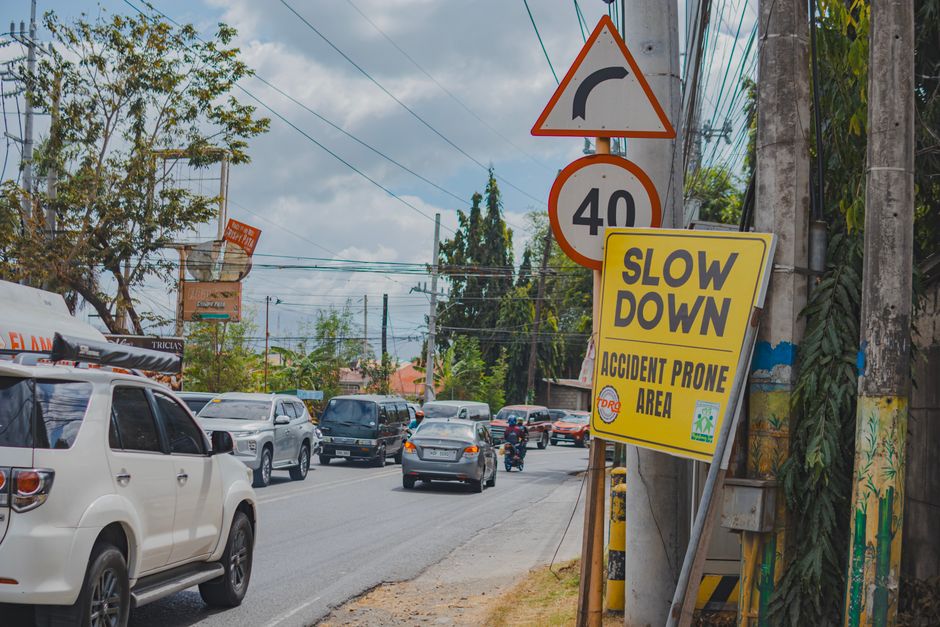
The aftermath of a rental-car fender bender in Palermo. The paperwork took longer than the repair.
Problem-Solver Card
Who this solves for: Solo travelers, family road-trippers, rental car rookies.
When to use: The moment after impact, before adrenaline fades.
Estimated effort: 3/5 (mental strain > physical labor).
Cost range: $0 (if done right) to thousands (if you panic).
Risk level: High — mistakes cost deposits, or worse, a legal charge.
Time saved: 10+ hours of phone tag and pointless arguing.
The crunch of fiberglass against a low stone wall isn't loud. Not really. It's a dull, expensive thud followed by the hiss of a split tire.
I was outside Castelbuono, Sicily, on a stupidly narrow road that looked fine on Google Maps. July 14th, 2022 — I check my notebook later. What I remember is the smell of hot asphalt and the sudden, paralyzing silence after the engine stalls. You're in a foreign country. The guy getting out of the other car is gesticulating wildly in a language you took Duolingo for but never mastered. Your hands are shaking. Your phone has 12% battery.
And every generic travel blog you skimmed before this trip just said "call your insurer." Great. Thanks. Like I had the local dispatch number memorized.
This article isn't that. I'm not going to tell you to "stay calm" — that's useless advice from someone who's never been sideswiped on a mountain pass. This is what you do when the airbags didn't go off but your brain certainly did. Real steps. Real documents. Real prices. Because I made every mistake in that Sicilian ditch so you don't have to.
Why This Problem Ruins Trips (And Why Most Advice Fails)
Abstract advice ignores sensory overload. It assumes you'll remember your policy number when your blood is up. It assumes the other driver is rational. It assumes you speak the language of the police report.
The root cause is usually a gap between local law and your coverage. Standard US auto insurance? Stops at the border. Credit card CDW (Collision Damage Waiver)? It's a business contract with loopholes the size of a Fiat 500. You think you're covered. You're not. Not fully.
The bad advice tells you to "exchange details and move on." In Japan, you must call the police even for a bumped mailbox. In France, apologizing is legally an admission of fault. In rural Thailand, settling cash without a paper trail can get you extorted by the same "helpful" witness who watched it happen.
Most articles fail because they're written by SEO bots who've never filled out a Constatazione Amichevole while a Sicilian farmer yelled at them about his broken headlight. You need street-level credibility. You need a protocol built for panic.
The Step-by-Step Solution
The First Five Minutes (Sicily, 14 July, 13:22)
Hazard lights. Engine off. Check yourself for blood — adrenaline masks pain. I wiggled my toes. Fine. Then check the other person.
Do NOT get out of the car if you're on a blind curve. Do NOT apologize. "I'm sorry" in Italy (mi dispiace) is almost a confession of guilt. Say "Are you hurt? Let's exchange details."
Call emergency services if injured. 112 works across all EU countries. 911 in the US. 119 in Japan. Before you dial, take photos. Wide shots of the intersection, the road signs, the weather. Close-ups of the damage, the license plates, the other driver's face — do it discreetly, or just frame it as documenting the scene.
I stood there for eleven minutes before a local farmer stopped and lent me his phone charger. My battery was at 6% when the Carabinieri arrived. Classic rookie move — I hadn't packed a car charger.
⚡ Pro Tip:
Carry a fucking pen. A real one. Police in rural areas don't hand them out. Neither do rental agents. I filled out my report with a broken crayon I found in the glovebox. Don't be that guy.
The Paperwork (Rental Counter Nightmare)
Every rental company gives you a paper packet. No one reads it. Find the "Accident Kit" or the emergency number immediately. I watched the guy from Europcar hand me a folder, and I tossed it in the back seat. Dumb.
In Sicily, the Carabinieri took 40 minutes to arrive. While waiting, I pulled out a Constatazione Amichevole — a standardized EU accident form I'd printed before the trip. You can download these from any European auto club website. They work in Italy, France, Spain, Germany. They bypass language barriers because you just tick boxes and draw diagrams.
Print five copies. Keep them in the glovebox. They're worth more than gold.
The Carabinieri officer was polite, but he didn't speak English. I drew a diagram. He nodded. He stamped the form. Later, my insurance company said that stamped form was the only reason my claim processed in six weeks instead of six months.
Filing the Claim (The 72-Hour Grind)
Don't call your regular agent. Call the dedicated claims line for the country you're in — the number should be on the rental packet. If you can't find it, call the rental company's international emergency line.
Email yourself the photos immediately. Drop them in Google Drive. Send them to your partner or mom. Triple redundancy. I lost my phone two days later in a Naples taxi — if I hadn't emailed the photos, I'd have had zero evidence.
Document the weather, the exact time, the GPS coordinates. Open Google Maps and drop a pin. If the rental company tries to charge your card immediately for the full excess — say €1,200 for a standard Fiat — contest it. They are allowed to block funds, but they must provide an itemized invoice before taking non-refundable payment.
My card was charged €850 three hours after the accident. I called my bank and flagged it as a disputed amount. The bank reversed it pending investigation. Rental agencies rely on you being too tired to fight.
🚨 Real Traveler Mistake:
A reader once told me he signed a liability form in Spanish because the officer was impatient and he "didn't want to cause trouble." He ended up paying $4,000 for a scratched bumper he didn't even hit. Never sign anything you can't read. Ask for a translator, or call your embassy.
Legal Nuances (When "Sorry" Makes You Liable)
Every country has a weird traffic rule that kills visitors.
In Japan, you must absolutely not leave the scene until a police officer arrives, even if both drivers agree it's minor. The penalty for "hit-and-run" is severe — fines up to ¥1,000,000 and potential jail time. And if you've been drinking, even a single beer six hours before, you're in serious trouble.
In Mexico, if someone is injured, you will be detained until liability is determined by the Ministerio Público. Your insurance card must be physically accepted by them. If it isn't, you wait in holding. I know a photographer who spent 14 hours in a cell in Cancún because his rental company gave him the wrong policy number.
In Germany, your first aid obligation is legally enforceable. If you fail to help an injured person, you can be prosecuted. But also, you must clear the Autobahn after a crash — move to the hard shoulder immediately, even if the car is leaking.
Learn the local phrase for "I need to call my embassy before I sign anything." It will get you out of a rushed confession.
Pro Tips From Someone Who's Been There
These aren't from a checklist. These are from the ditch.
- 1. Buy separate annual excess insurance. Policies from places like Insurance4CarHire or World Nomads cost $50–100 per year. They cover the deductible the rental company chases you for. I've claimed three times. They paid out every time within two weeks.
- 2. Take a video walkaround of the rental car before you drive off. That pre-existing scratch on the bumper? They will pin it on you. I spent twenty minutes filming the entire car, including the roof and undercarriage. The agent rolled her eyes. When I returned the car with a cracked mirror, they tried to charge me for "pre-existing damage." I showed them the video timestamp. They backed off.
- 3. If the accident is minor and the other driver wants to "settle cash" without police, be extremely wary. In Thailand or India, this can void your rental contract and leave you paying for both cars later. If you do settle, take photos anyway, and get a written receipt signed by both of you. I always write "paid in full for all damages" in the local language using Google Translate. It's not perfect, but it's better than nothing.
- 4. Download offline maps and your insurance documents to your phone. You won't have signal in a mountain pass. I learned this the hard way in the Italian Alps. Screenshots of your policy number, the rental contract, and the emergency contacts can save your ass.
- 5. Never trust the rental agent's "friendly" tow truck recommendation. They often get kickbacks. I got charged €350 for a 10km tow in Sicily. Later, I found out the official rate was €150. Ask to see the rate card, or call your insurance for a preferred provider.
Common Mistakes Travelers Make With This Issue
- ❌ Admitting Fault. "I'm sorry, I didn't see you." In many legal systems, this is a binding admission. Say "Are you okay? Let's exchange details." Nothing more.
- ❌ Failing to Locate Witnesses. A bystander who saw everything is worth more than a dozen photos. Get their number immediately. In my case, the farmer who lent me his charger stayed and told the police he saw the other driver cross the line. That statement cleared me entirely.
- ❌ Not Checking the Rental Car's Condition Before Driving Off. That pre-existing scratch? They will pin it on you. Do a video walkaround before you start the engine. Every time.
- ❌ Ignoring the Excess. "Excess" is the amount you pay before insurance kicks in. If it's €2,000, you're liable for the first €2,000 of damage. That's why separate excess insurance is non-negotiable.
Your Quick-Action Checklist
Print this. Keep it in your wallet or phone case. Ignore everything else until you've done these:
- ☑️ Hazards on. Engine off. Safety check (injuries, location).
- ☑️ Do NOT admit fault — not verbally, not in writing.
- ☑️ Call emergency services if injured (112 EU / 911 US / 119 JP).
- ☑️ Take photos & video: damage, plates, location, road signs, weather.
- ☑️ Locate witnesses and get their phone numbers.
- ☑️ Fill out accident report form (Constatazione Amichevole or similar).
- ☑️ Call rental company emergency line.
- ☑️ Call your travel insurance claims line.
- ☑️ Email yourself all evidence (photos, forms, police report number).
- ☑️ Note the names & badge numbers of responding officers.
Frequently Asked Questions
A: Contest it immediately via email and refuse to authorize additional payments until they provide photographic evidence taken at the time of drop-off. Your credit card company can also help — file a chargeback if they bill you without proof.
Q: Do I need a police report for a minor fender bender abroad?A: Yes. Always. Without an official police report, your travel insurance or credit card coverage will almost certainly deny your claim. Even if the damage looks small, get the report.
Q: Will my US auto insurance cover me in a rental car in Europe?A: Generally, no. Most US policies stop at the border. You rely on the rental CDW and your travel insurance's vehicle excess cover. Check before you leave. If you don't have excess cover, buy it online for $50 before your trip.
Q: What happens if I don't have an International Driving Permit (IDP)?A: You are driving illegally in many countries (Japan, Italy, Spain, etc.). If you get into an accident, your insurance is void. You will be personally liable for all damages and potentially fined or detained. Only ~150 countries issue IDPs, but they're cheap and easy — get one at your local AAA or AA office.
Q: How long does an international insurance claim take to settle?A: Expect 6 to 12 weeks if all paperwork is correct. Delays happen when photos are missing, forms are incomplete, or the local police report hasn't been translated. Follow up every two weeks, and keep copies of every single email.
Final Word: You've Got This
You survived. The car is metal. The trip isn't ruined — it's just got a new chapter.
I look back at that day in Sicily and laugh now. The broken headlight cost me a few hundred euros and a morning of my life. But I also learned more about travel insurance, local law, and human kindness (that farmer) than a hundred guidebooks could teach me.
Accidents happen. They're part of the road — literally. What matters is the protocol you build before the crunch. Print the checklist. Memorize the 112 number. Carry a pen.
And if you've got your own war story — a scam you narrowly avoided, a tip that saved you thousands — drop it in the comments below. The best travel wisdom comes from broken taillights and bruised egos.
📌 Save This Guide
Bookmark this page, screenshot the checklist, or email it to yourself. You never need it. Until you really need it.


No comments:
Post a Comment