How to Pack a Carry-On Only Backpack for 6 Months of Travel
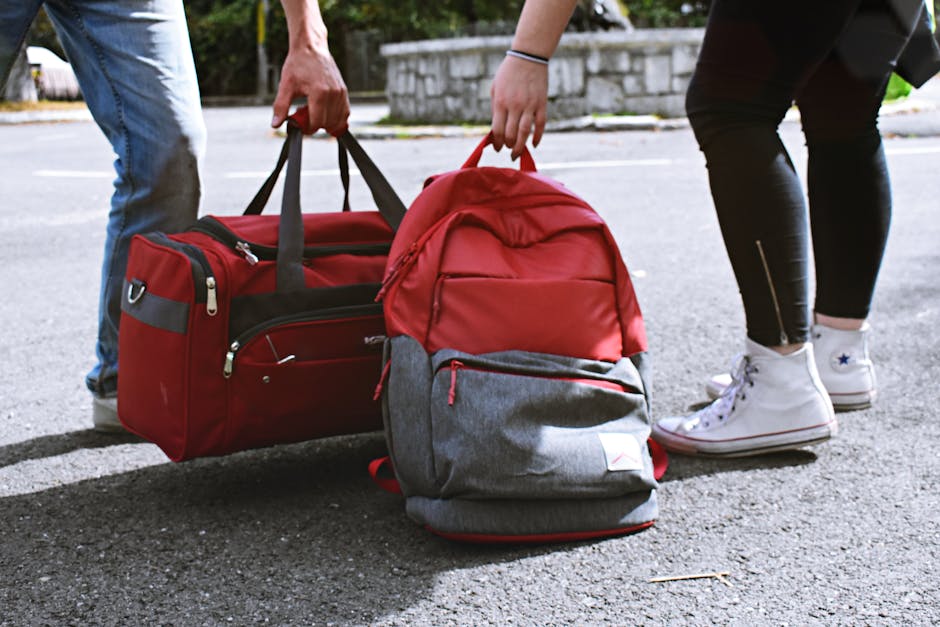
A well-worn pack at sunrise outside a hostel in Luang Prabang. That bag has seen twelve borders, one monsoon, and a bus roof in Myanmar.
💰 Daily target: $28–32/day (Southeast Asia, 2025)
🛏️ Average dorm price: $6–11/night
🚌 Local transit rate: $0.25–0.75/ride
⏱️ Suggested duration: 6 months
🎒 Target travel style: Ultra-light, hostel-hopping, street-food backpacker
The overnight train from Chiang Mai pulled into Bangkok's Hualumphong Station at 4:17 AM. I'd slept sitting up, neck jammed against the window, because the third-class carriage was sold out and I'd refused to pay ฿800 for a sleeper. My backpack weighed maybe 14 kilos. It was too much. I knew it the moment I swung it onto my shoulders and heard the seams groan. But I was young, stupid, and convinced I needed four pairs of shoes.
That was 2019. I learned the hard way. Five years and roughly thirty borders later, I pack into a single 28-liter backpack. No checked bag. No "just in case" extras. Six months on the road — from the wet markets of Ho Chi Minh to the overnight buses of Colombia — with everything I own strapped to my back. This is the list. These are the rules. If you ignore them, you'll end up like I did: paying ฿300 for a shitty duffel at a Chatuchak market stall just to haul the regret home.
Here's the thing about packing for half a year: you're not packing for six months. You're packing for a week. Repeating. The laundry cycle is your new religion. The gear you choose either survives or it doesn't. And the weight you carry — that weight is with you every single step, every sweaty walk from the bus terminal to the guesthouse, every time you hoist your bag onto a top bunk at 11 PM after a twelve-hour ride. Your back remembers. Your knees remember. Your patience remembers.
I've watched travelers dump half their bags in hostel donation bins within the first three weeks. I've seen a guy cry over a broken zipper on a 65-liter monster he'd barely lifted onto the train. Don't be that guy. Trust me — I've been that guy.
The Essentials at a Glance
Before I dig into the granular bullshit of exact packing dimensions and laundry strategy, here's the short version. Print it. Tape it to your wall. Ignore it at your own expense.
- 🎒 Bag size: 28–35 liters max. No exceptions. If it doesn't fit under an airplane seat, you've failed.
- 👕 Clothing count: 5 tops, 2 bottoms, 1 jacket, 3 pairs of socks, 3 pairs of underwear. That's it. Laundry every 5–7 days.
- 🧴 Toiletries: Solid bar everything — soap, shampoo, conditioner. No liquids over 100ml. Buy sunscreen on the ground.
- 🔋 Electronics: Phone, power bank, universal adapter, one cable. Laptop only if you work. Kindle only if you actually read.
- 🧠 Mindset: You will wear the same shirt for three days straight. You will wash it in a sink. You will not die.
"The first time I did a sink wash in a guesthouse bathroom in Hoi An, I used a bar of soap I'd stolen from a hostel in Kuala Lumpur. The shirt dried overnight. I wore it the next day. That shirt lasted three more months. You don't need nine outfits. You need a sink and a bar of soap."
— Six months in, one bag, zero regrets
The Gear That Actually Survives
I've broken three zippers, ripped two straps, and buried one backpack in a landfill outside Medellín. Here's what held together.
The Shell and the Sole
Your backpack is your house. Choose it like you'd choose a lease. I use a 28-liter Osprey Daylite — weighs 1.1 pounds empty, no frame, no hip belt bullshit. It's not sexy. It's not tactical. It fits under the seat on a Ryanair flight and doesn't scream "tourist with valuables." I paid $65 for it used on Facebook Marketplace. It's crossed four continents.
Shoes matter more than anything else you own. I pack exactly two pairs: one pair of Xero Z-Trail sandals (6.5 oz, dry in two hours, fine for temples and showers) and one pair of Merrell Trail Gloves (barefoot-style, low profile, can be worn at a bar or on a muddy trail). No boots. No sneakers. No "city shoes." Two pairs. That's it. If you need dress shoes for a wedding, buy them at a thrift store and leave them behind.
I once walked 12 miles through Buenos Aires in those Merrells. My feet didn't hurt. The guy next to me in boots was limping by mile four. I didn't say a word. I just kept walking.
Clothes: The 5-Piece Wardrobe
Here's my exact clothing list, right now, as I type this from a hostel in Medellín where the Wi-Fi cuts out every 20 minutes and the guy in the bunk below me is eating a mango with his hands:
- 👕 Two merino wool t-shirts (Icebreaker, $30 each on sale). One to wear, one to wash. Merino doesn't stink for three days. Cotton will ruin your life.
- 👕 One long-sleeve sun hoodie (Patagonia Capilene Cool Daily, $45). Covers you in sun, covers you in air conditioning, covers you at a mosque.
- 👕 One synthetic button-down (Old Navy, $12). Looks decent enough for a nice dinner. Dries in two hours.
- 👖 One pair of Prana Stretch Zion pants ($40 used). I've climbed a volcano in these, slept in them on a night bus, and worn them to a funeral. They look like normal pants. They're not.
- 🩳 One pair of Patagonia Baggies shorts ($35). Swimsuit, shorts, laundry-day backup. Multi-purpose. Non-negotiable.
- 🧦 Three pairs of Darn Tough socks ($20 each, lifetime warranty). I've owned the same three pairs for four years. When they wear out, Darn Tough sends me new ones for free. No receipt needed.
- 🩲 Three pairs of ExOfficio boxers ($20 each). Quick-dry, antimicrobial, comfortable on day four of a bus ride.
- 🧥 One Uniqlo down jacket ($25 used). Compresses to the size of a water bottle. Good to 40°F. For anything colder, I buy a fleece at a thrift store and leave it behind.
- 🧣 One buff ($8). Headband, neck gaiter, face covering, napkin, impromptu towel. I've used mine as a dishrag. I've used mine as a blindfold on an overnight bus. I've used mine to clean a wound. Six dollars. Twelve uses.
The Tech I Actually Trust
I travel with a phone, a power bank, and one cable. No tablet. No laptop. No camera. I shoot everything on a Google Pixel 7a ($300 refurbished). The photos aren't professional. They're real. I have a photo of a street food vendor in Penang that I love more than any DSLR shot I've ever seen. It's blurry. It's perfect.
Power bank: Anker 10,000mAh ($20). Charges my phone twice. Small enough to fit in a pocket. I've drained it in hostels with bad outlets and recharged it on buses with Chinese converters. It's never let me down. One cable: Anker Powerline III, 3 feet long, USB-C to USB-C. That's it. If you carry a second cable, you carry too much.
No Kindle. No iPad. I read on my phone using the Libby app for library books and the Kindle app for free classics. I've read 30 books in the last six months. Nobody needs a dedicated device.
Laundry: The Routine That Keeps You Honest
You cannot pack for six months without a laundry strategy. Period. Here's mine, refined through years of hostel sinks and questionable laundromats.
Every 5–7 days, I do a sink wash. Hot water if available, cold if not. I use a Sea to Summit laundry bar ($5, lasts three months) or a small bag of Tide powder repackaged into a ziplock. No liquid detergent — it leaks. I scrub each item by hand, rinse twice, and roll in a towel to squeeze out excess water. Hang everything on the back of a chair or the edge of a bunk. I wear my shower sandals while I do this. The floor is always dirty.
In cities with cheap laundromats — Vietnam, Thailand, Colombia — I pay $1–2 per kilo. I hand over a bag of clothes and come back two hours later. It's the single best $2 you'll spend. I budget for one machine wash per month. The rest is sink work.
Pro tip: hostels with laundry service almost always charge double. Walk two blocks to the local place. You'll pay half and maybe get a conversation out of it.
The Toiletries Gamble
I use Lush solid shampoo bar ($10, lasts three months), Ethique solid conditioner bar ($12, lasts four months), and Dr. Bronner's solid soap ($6, lasts two months). No liquids. No aerosols. No glass bottles. I pack everything in a Matador FlatPak soap case ($10) that clips to the outside of my bag and lets the bars dry without soaking everything.
Toothbrush: bamboo, $2. Toothpaste tablets: Denttabs in a small tin, $8 for three months' supply. Nail clippers: one set, $1. Tweezers: one set, $1. Razor: safety razor with replaceable blades, $12 for the handle and a year of blades. No electric shaver. No beard trimmer. No "grooming kit."
I buy sunscreen and bug spray on the ground. They're bulky, they're heavy, and they're available everywhere. I bought a bottle of repellent in a 7-Eleven in Bangkok for ฿75. Two dollars. Don't pack it.
Money-Saving Hacks
These aren't generic "travel cheaper" tips. These are specific, tested, probably-illegal-in-three-countries hacks I've used to keep my daily spend under $30.
- 1. Hostel breakfast buffets are your lunch. Eat double at breakfast. Wrap a banana and a bread roll in a napkin. That's your lunch. I've done this in 40 countries. Nobody stops you. You save $3–5 a day. Over six months, that's $540–900.
- 2. Buy a cheap local SIM at the airport, not an eSIM. An Airalo eSIM costs $12 for 5GB in Thailand. A local card costs ฿299 for 30GB. I buy a SIM in every country. I keep the old ones in a ziplock. I've spent a total of maybe $80 on connectivity over six months.
- 3. Use the "hostel kitchen" even if you don't cook. I buy a jar of peanut butter, a loaf of bread, and a bag of apples on day one in a new city. That's breakfast and lunch for three days for about $5 total. I don't cook elaborate meals. I eat peanut butter sandwiches and apples. It's boring. It's cheap. It works.
- 4. Never pay for water. I carry a Grayl Geopress ($85, heavy but worth it) that filters viruses and bacteria. I drink from taps, streams, and hostel kitchen sinks. In six months, I've spent exactly $0.50 on bottled water, and that was because I forgot my filter in a bus station bathroom in Mexico.
- 5. Walk with your bag to the hostel. A taxi from the bus station in Hanoi wanted ฿150,000 ($6). I walked 1.2 miles with my 28-liter bag. It took 22 minutes. I saved $6. I do this in every city unless it's after midnight or the neighborhood is genuinely dangerous. I've saved hundreds of dollars. My legs are stronger.
Common Budget Mistakes to Avoid
I've made every mistake on this list. Don't repeat them. They cost me money, time, and sleep.
- 1. Packing "just one extra outfit." That extra outfit becomes two extra outfits. Then a pair of jeans you never wear. Then a jacket that takes up a quarter of your bag. I watched a woman in a hostel in Cusco unpack a 40-liter bag that contained 14 shirts. She wore four of them. She paid $25 to ship the rest home. Don't be her.
- 2. Buying gear at full price. I own maybe $1,200 worth of gear. I've spent maybe $400 total. Used gear is the same as new gear. Facebook Marketplace, REI garage sales, and military surplus stores are your friends. I bought my Osprey for $65 used. It looked like it had been used once. It was perfect.
- 3. Using ATMs at airports. The exchange rate at the ATM inside the arrivals hall of Bogotá Airport is 4% worse than the ATM one block outside the terminal. I withdrew ฿1,000,000 Colombian pesos ($250). I paid $10 in fees because I was tired and didn't want to walk. I still think about that $10. Walk the block.
- 4. Booking accommodation more than two days in advance. I book my first night in a city, then walk around and find a better deal. Hostels on Booking.com charge 15–20% more than the walk-in rate. I've negotiated dorm beds from $14 down to $8 just by showing up and asking. Hostel owners want the room full. Give them the chance to fill it for less.
Quick Pack & Prep Checklist
Print this. Use it. Check every item before you leave.
📄 Documents & Digital
- ☐ Passport (check expiry!)
- ☐ Physical copies of visa documents
- ☐ Two physical passport photos (for visa-on-arrival)
- ☐ Phone with Maps.me offline maps downloaded
- ☐ Signal app for messaging (works on Wi-Fi)
- ☐ Wise card (for ATM withdrawals with low fees)
- ☐ Revolut or Charles Schwab card (backup)
🧰 Niche Gear I Actually Use
- ☐ Safety pin set (fixes broken zippers, straps, and emergency repairs)
- ☐ 3-meter paracord (clothesline, emergency tie-down, belt replacement)
- ☐ Earplugs (hostel snorers, bus engines, street noise at 3 AM)
- ☐ Mini carabiner (clip wet clothes to the outside of your bag)
- ☐ Duct tape wrapped around a pencil (5 feet of tape, zero bulk)
- ☐ Ziplock bags in three sizes (waterproof everything, always)
📌 Save this guide
Take a screenshot. Bookmark this page. Print it and fold it into your passport case. When you're sitting on your bedroom floor at 2 AM with a pile of clothes and a 28-liter bag, you'll need this.
Backpacker FAQ
Real questions I've been asked in hostel common rooms, bus stations, and once at a border crossing in Laos.
Q: How do you handle periods on the road with a carry-on-only?
A: Menstrual cup or period underwear is the only way. I use a Saalt cup ($30, lasts five years) and one pair of Thinx period underwear as backup. No tampons to buy, no waste, no worrying about availability in countries where brands are different. Rinse the cup in a sink. Boil it in a hostel kettle once a month.
Q: What do you do when something breaks or wears out?
A: I repair, replace, or go without. I've had a zipper pull break on my bag: fixed it with a safety pin in two minutes. My sandal strap snapped in Cambodia: a local cobbler fixed it for $1.50. My merino shirt got a hole: I darned it with a needle from a sewing kit I bought for $0.50. If I can't fix it, I replace it at a thrift store. If I can't replace it, I learn to live without it. I've been without a jacket for three days in a cold city. I survived.
Q: How do you keep your bag light enough for carry-on?
A: The magic number is 7 kg (15.4 lbs). That's the carry-on limit for budget airlines in Asia and Europe. My entire bag, packed, weighs 6.2 kg. The key is weighing everything before you pack it. I own a digital luggage scale ($10). I weigh my bag before every flight. If it's over 7 kg, I move something into my pockets or wear my heaviest jacket on the plane.
Q: What about countries with different climates?
A: I layer. My down jacket packs smaller than a sweater. I add a silk base layer ($15) that weighs 4 oz and takes up no space. If I hit a cold region, I buy a fleece at a thrift store and donate it when I leave. I've done this four times. Never spent more than $10.
Q: Do you use packing cubes?
A: No. I roll my clothes. Packing cubes add weight, add bulk, and solve a problem I don't have. I use one small stuff sack for underwear and socks. Everything else is rolled and stacked. I can find anything in my bag in 15 seconds. I've watched people unzip three packing cubes looking for one sock. I've never been that person.
Final Thoughts
I'm sitting in a hostel in Medellín right now. It's 11:17 PM. The Wi-Fi keeps cutting out. The guy in the bunk below me is eating chips and watching TikTok at full volume. My bag is under the bed. It weighs 6.2 kg. I've been on the road for six months. I'm wearing a merino shirt I bought for $15 on eBay three years ago. It has a small hole near the collar. I'll fix it tomorrow with a needle from the hostel's lost-and-found.
I don't need anything else. I don't want anything else. The freedom of a 28-liter bag isn't just about saving money on airline fees or walking faster from the bus station to the hostel. It's about knowing that everything you own fits on your back, and everything else is just noise. The extra shirt you didn't pack? You'll buy one for $3 at a market in Thailand. The thing you forgot? You'll figure it out. That's the whole point.
Pack light. Wash your clothes. Walk everywhere. Trust me on this.
— Got a packing tip that saved your ass on the road? Drop it in the comments. I'm always looking to cut another kilo.
📖 Save this guide. Take a screenshot. Bookmark this page. Print it and fold it into your passport case. When you're on the floor at 2 AM with a pile of clothes and a 28-liter bag, this will save you.
Photo credit: Pexels (Creative Commons). All prices listed are from personal experience, accurate as of early 2025, and subject to change. Laundry cycle not included.


No comments:
Post a Comment