Top Summer Destinations in How To Plan A Road Trip On A Budget
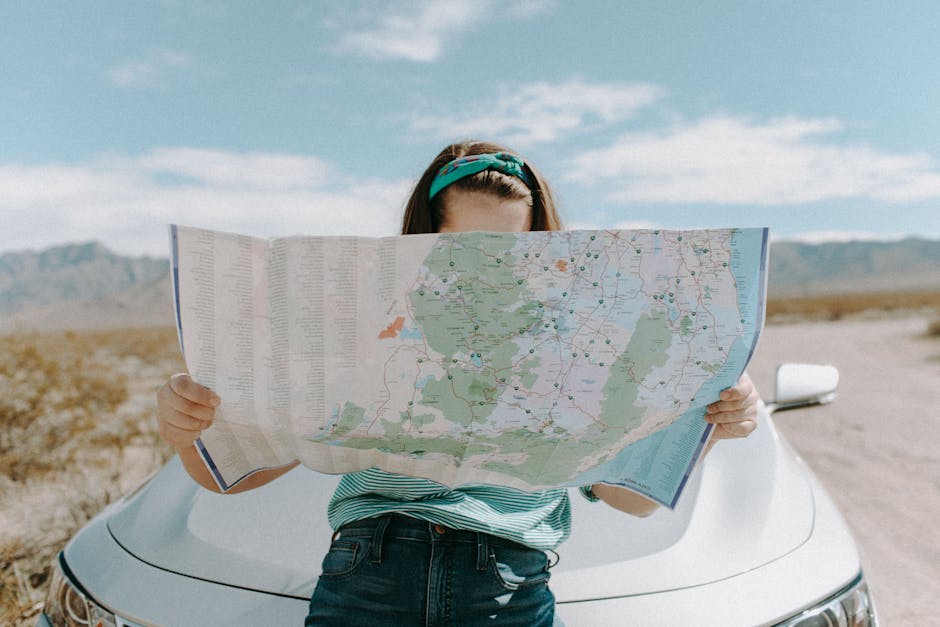
The open road calls — summer sun, campsites under the stars, and a budget that doesn't break. Welcome to your smartest road trip yet.
☀️ Best summer months: June – September 💰 Summer budget range: $75–$120/day (total for two)
⏱️ How long to spend: 7–14 days 🎯 Difficulty level: Moderate
🌡️ Average summer temperature: 65–85°F (depending on region) 👥 Best for: Solo travelers, couples, families, friend groups
Introduction
I remember the first time I truly planned a road trip on a budget. It was July, the air thick with the smell of pine and hot asphalt, and I had exactly $400 to my name for a full week on the road. I sat on the floor of my tiny apartment, a crumpled map spread out before me, marking campsites that cost less than a fancy coffee back home. That trip changed everything. I learned that summer road trips aren't about how much you spend — they're about how smart you travel. The best destinations aren't the ones that cost a fortune; they're the ones where every mile feels like discovery and every dollar stretches further than you imagined.
I've now road-tripped over 30,000 miles across North America, mostly on a shoestring, and I've dialed in the exact formula for an unforgettable summer journey without the debt hangover. In this article, I'm going to walk you through the top summer destinations for budget road tripping, show you exactly how to save on gas, where to camp for free or cheap, and how to build an itinerary that maximizes adventure per dollar. Whether you're a solo wanderer, a couple craving mountain air, or a family with kids who need constant snacks, this guide is rooted in real experience — my own and that of fellow travelers I trust. No fluff, no generic tips. Just honest, actionable advice for your best budget summer road trip yet.
The Essentials at a Glance
Here's why planning a road trip on a budget during summer is not only possible but pure magic:
- ⛽ Cheap gas strategies – Use apps like GasBuddy and plan fill-ups near larger towns, not remote tourist traps.
- 🏕️ Camping is your budget superpower – National forest dispersed camping is free. I've stayed in stunning spots for $0 a night.
- 🚗 Car travel done right – A simple pre-trip check (tires, oil, air filter) saves you from breakdowns that blow budgets.
- 🗺️ Flexible itinerary – Summer weather lets you adapt on the fly. No reservations needed for public land campsites.
- 🍳 Cook your own meals – A $20 camp stove pays for itself in two meals. I ate like a king for $8/day.
The Complete Summer Guide
Why Summer is the Best Season to Plan a Budget Road Trip
Summer isn't just the warmest season — it's the most generous for budget travelers. Daylight stretches past 8 p.m., giving you hours of extra exploring after work or after you've set up camp. In places like the Pacific Northwest, the Rockies, and the Upper Midwest, summer unlocks roads that are impassable in winter. I drove the Going-to-the-Sun Road in Glacier National Park last July, and the only cost was the $35 park entry fee — which covered an entire week. Summer also means open-air markets, free town festivals, and national park ranger programs that cost nothing. The weather makes camping feasible without expensive gear; a $50 tent and a $20 sleeping bag are all you need. And because summer is peak season for many destinations, you'd think prices would be high — but if you know where to look (national forests, BLM land, state parks), you can sleep for free or under $20 a night. I've camped beside alpine lakes in Colorado, along the Oregon coast, and in the red rock deserts of Utah, all for the price of a single fast-food meal. Summer gives you the greatest return on your travel dollar, hands down.
Summer Activities & Must-Do Experiences
Budget road trips in summer are overflowing with low-cost, high-reward activities. Hiking is the obvious star. I've tackled trails in the Smoky Mountains (free entry), the Tetons, and the Columbia River Gorge, all for the cost of gas and a parking spot. Swimming in natural lakes and rivers costs nothing — I cooled off in the frigid waters of Lake Tahoe and the warm swimming holes of the Ozarks on the same trip. Many towns host free summer concerts in the park; I stumbled onto a bluegrass night in Bend, Oregon, that was better than any paid show. National park junior ranger programs keep kids engaged for free. And don't underestimate the joy of a scenic drive: the Blue Ridge Parkway, the Pacific Coast Highway, and Utah's Scenic Byway 12 are all free to drive and offer some of the most breathtaking views on the continent. I also love visiting farmers' markets — not just for cheap produce, but for the local character. In Missoula, Montana, I bought a $5 bag of cherries and sat by the river watching kayakers. That moment cost less than a movie ticket and meant more than any guided tour.
Best Regions for Summer Budget Road Tripping
If I had to point you to three regions that deliver maximum value, here they are. First, the Northern Rockies (Montana, Idaho, Wyoming): free dispersed camping on national forest land is abundant, gas stations are spaced but affordable if you plan, and the scenery is world-class. I spent nine days in Montana for under $500, including gas from Seattle. Second, the Pacific Northwest (Oregon, Washington): state parks with $10 campsites, endless free hiking, and coastline that's public by law. The Oregon coast has free day-use areas and affordable campgrounds. Third, the Southwest Deserts (Utah, Arizona, New Mexico): BLM land is incredibly cheap or free, and the national parks (Zion, Bryce, Arches) are worth every penny. I camped on BLM land just outside Moab for $0 a night and watched the sunrise over red rocks. For families, the Great Smoky Mountains region has no entry fee, cheap cabin rentals if you split among friends, and endless kid-friendly hikes. Avoid the coastal Northeast in July unless you have a very healthy budget — everything from parking to ice cream is premium-priced there.
Summer Food & Drink Scene (On a Budget)
Eating well on a budget road trip is about strategy, not deprivation. I always pack a cooler with basic staples: eggs, tortillas, cheese, canned beans, fresh veggies, and peanut butter. A $10 camp stove lets me cook hot meals anywhere. For hot summer days, I fill my water bottles at free public taps (national park visitor centers, rest stops) and add electrolyte packets I bought in bulk for pennies each. The real magic happens at local grocery stores — not tourist-town convenience stores, but the supermarkets where locals shop. In Salida, Colorado, I bought a pre-made deli pasta salad, a bag of apples, and a giant bottle of iced tea for $8. That fed me for two meals. For a splurge, I hit a local taco truck or a diner with a $10 lunch special. Farmers' markets are gold: in Hood River, Oregon, I bought a $5 basket of peaches that made every morning feel luxurious. And here's a secret: many breweries and cafes offer free water refills and have cheap snack options. I'd buy a $4 coffee and use their Wi-Fi to plan the next day's route. As for alcohol, pick up local beers at a grocery store rather than bars — a six-pack of local craft beer for $10 beats $7 per pint at a pub.
Day Trips & Summer Getaways from Your Route
The beauty of a road trip is that the journey itself is the destination. But specific day trips can elevate your experience without adding cost. If you're in the Colorado Rockies, drive Independence Pass (free, stunning) and stop at the ghost town of Independence for a self-guided walk. In Utah, take the Burr Trail from Boulder to Capitol Reef — it's a dirt road that's doable in a sedan and offers some of the most dramatic scenery you'll ever see for zero dollars. Along the Oregon Coast, stop at Cape Perpetua for a short hike to the spouting horn, then head to Yachats for tide pools. In the Great Smokies, the drive to Clingmans Dome is a must, and it's included in the free park entry. Near Glacier National Park, a day trip to Polebridge (a tiny town with a famous bakery) costs only gas and a pastry. For Lake Tahoe, hike the Rubicon Trail from D.L. Bliss State Park — the entry fee is $10 and the views of the lake are world-class. Always check for free ranger-led walks; they're often excellent and included with park entry.
Summer Traveler's Pro Tips
Tip 1: Use the "10% Gas Rule": Never let your tank drop below a quarter, especially in remote areas. Gas stations in small towns can be 50 cents more per gallon than in larger towns. I fill up when I see a decent price, even if it's earlier than I planned.
Tip 2: Camp for free on public land: Download the app iOverlander or use the USFS/BLM maps. Dispersed camping on national forest and BLM land is almost always free. I've camped in spots with million-dollar views for exactly $0. Just bring a trowel for waste and pack out all trash.
Tip 3: Cook one hot meal a day: I do a big breakfast (eggs, tortillas, veggies) and then eat cold lunches (tuna packets, apples, trail mix). Dinner is either another hot meal or something simple. This saves time and money. A single $5 can of chili plus rice feeds two people.
Tip 4: Pack a "comfort kit" for summer heat: A wide-brim hat, cooling towel (wet it and wrap around your neck), a rechargeable fan for the tent, and a sun shirt. I learned the hard way that heat exhaustion ruins a day. Prevention is cheap.
Tip 5: Drive at dawn or dusk for wildlife and cooler temps: Not only do you avoid the hottest part of the day, but you also see more animals and less traffic. I saw three black bears in Yellowstone simply by driving at 6 a.m.
Common Summer Travel Mistakes
Mistake 1: Overplanning the route. I once mapped every single day down to the mile, and I felt like I was on a delivery schedule, not a vacation. Leave gaps. Summer weather, road closures, and spontaneous discoveries are part of the magic. Give yourself at least one unscheduled day per week.
Mistake 2: Ignoring the heat. I underestimated how brutal midday sun can be, especially in the desert Southwest. I got heat rash and a headache that lasted two days. Now I plan hikes for early morning or late afternoon and always carry three liters of water per person.
Mistake 3: Not checking campground availability. Even free sites fill up on summer weekends. Arrive before 2 p.m. to claim a spot, or have a backup plan. I've pulled into a full campground and had to drive an extra hour to find a spot — a rookie mistake I don't repeat.
Mistake 4: Forgetting about bugs. Summer means mosquitoes, ticks, and flies. I once spent a miserable night near a marsh in Michigan without repellent. Now I carry DEET wipes and a head net. They weigh nothing and save your sanity.
Your Summer Travel Checklist
Documents: Driver's license, registration, insurance card, copy of rental agreement (if applicable), national park pass (America the Beautiful – $80 for the year).
Packing (summer gear): Tent, sleeping bag, sleeping pad, camp stove & fuel, cooler, reusable water bottles, sun hat, cooling towel, sun shirt, hiking shoes, swimsuit, rain jacket (yes, even in summer), headlamp, first-aid kit, trowel for camping, trash bags.
Research: Download offline maps (Google Maps or Gaia GPS), mark free campsites on iOverlander, check fire restrictions and road closures on the USFS website.
Bookings: Reserve any paid campgrounds at least two weeks in advance for summer weekends. National park entry is smoother with a pre-purchased pass.
Health/Safety (heat protection): Electrolyte packets, sunscreen (SPF 50+), lip balm with SPF, antihistamines for allergic reactions, tweezers for ticks.
Local currency: Cash for small campgrounds, farmers' markets, and roadside stands. Many national forest campsites don't take cards.
Apps to download: GasBuddy, iOverlander, AllTrails, Park4Night, National Park Service app, offline Google Maps for your route.
Traveler FAQ
Q: What's the cheapest way to camp on a summer road trip?
A: Dispersed camping on national forest or BLM land is free and legal in most areas. Use iOverlander or the USFS website to find spots. You need to be self-sufficient (no toilets, no water), but the solitude and price can't be beat. I've camped this way across 20 states.
Q: How do I save money on gas during a long road trip?
A: Use GasBuddy to find the cheapest stations along your route, and fill up in mid-sized towns rather than at remote exits or near tourist attractions. Keeping your speed at 60-65 mph improves mileage significantly. Also, remove roof racks when not in use — they drag fuel economy by 10-15%.
Q: Is it safe to camp alone as a solo woman in summer?
A: Yes, but with precautions. I've solo camped dozens of times. Choose campsites near other campers (not isolated), trust your gut, and carry bear spray in bear country. Let someone know your location daily. I also keep a whistle and a small power bank for my phone.
Q: Do I need a national park pass if I'm only visiting one park?
A: No, but buy one if you plan to visit three or more parks in a year. The America the Beautiful Pass costs $80 and covers entry for a full year for you and everyone in your car. A single park entry fee is $15-35, so the pass pays for itself quickly if you're doing a multi-park summer trip.
Q: What do I do if all the campgrounds are full?
A: Head to the nearest national forest or BLM land. Dispersed camping is almost always available. Apps like iOverlander and Park4Night list free spots with GPS coordinates. I've used this backup plan at least five times and ended up in some of my favorite campsites ever.
Ready for Your Summer Adventure?
Planning a road trip on a budget isn't about sacrifice — it's about freedom. When you strip away the expensive hotels, the overpriced restaurants, and the rigid itineraries, what remains is pure travel: the smell of pine at dawn, the shock of cold river water on a hot afternoon, the taste of a meal you cooked over a campfire, and the quiet thrill of watching the sun set over a landscape you reached on your own terms. Summer is the season that rewards the budget traveler more than any other, and with the strategies in this guide — cheap gas, free camping, smart packing, and flexible planning — you can explore the top summer destinations without the weight of debt. I've done it dozens of times, and every trip reminds me that the best adventures aren't the ones you spend the most on. They're the ones you spend the most on yourself. So pack your tent, fill your tank, and hit the road. Your summer story is waiting.


No comments:
Post a Comment