How to Plan a Trip to See the Cherry Blossoms in Washington DC: A Local’s Guide to Peak Bloom Without the Panic
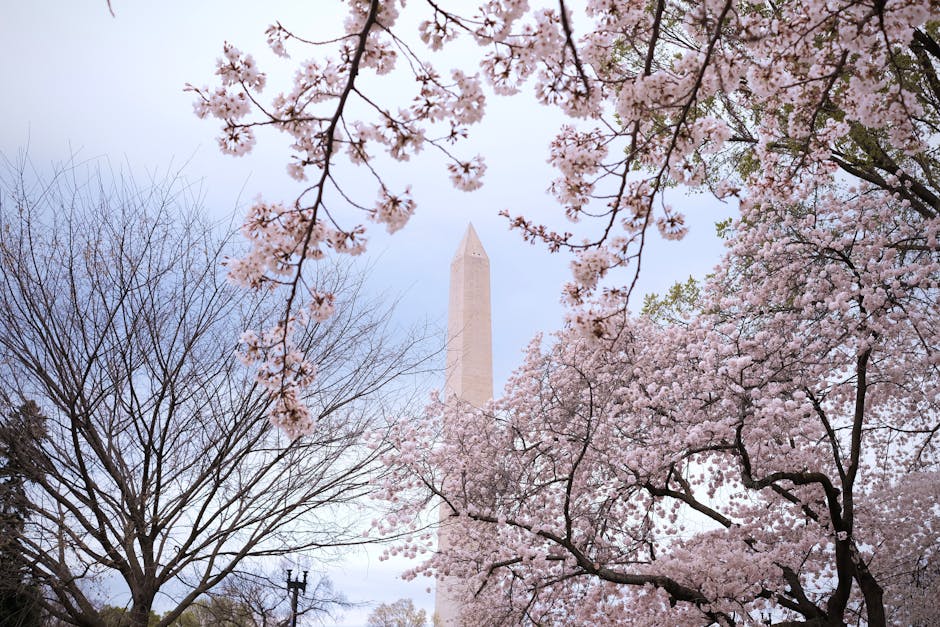
The Tidal Basin during peak bloom — a scene worth planning months in advance.
✈️ Best time to visit: Late March to mid-April (peak bloom varies)
💰 Estimated budget: $150–$350/day per person (mid-range)
⏱️ How long to spend: 3–4 days for a thorough experience
🎯 Difficulty level: Moderate — crowds and logistics require planning
📍 Recommended season: Spring (March–April)
👥 Best for: Couples, families with older kids, solo travelers who don’t mind crowds
Introduction
I remember my first time seeing the DC cherry blossoms — I arrived on a Tuesday morning in late March, naively thinking I’d have the Tidal Basin to myself. Instead, I was swallowed by a river of people, selfie sticks, and strollers. The blossoms, however, were worth every jostled elbow. The petals shimmered in the pale sunlight, creating a canopy of pale pink and white that framed the Jefferson Memorial like a watercolor painting.
I’ve since returned five times, each visit teaching me something new about timing, patience, and the art of dodging crowds. I’ve lived in the Mid-Atlantic for over a decade and have spent countless hours researching bloom predictions, testing early-morning routes, and talking to National Park Service rangers. This article is the result of that obsession — a practical, honest guide to planning your trip so you can actually enjoy the blossoms instead of just surviving the chaos.
You’ll learn the exact dates to target, where to stay without breaking the bank, how to move around the city efficiently, and the hidden spots that offer solitude even at peak bloom. No fluff, no hype — just real strategies from someone who has been crushed by the crowds and still fell in love with the experience.
The Essentials at a Glance
- 🌸 Peak bloom lasts 3–5 days — monitor the National Park Service bloom watch starting February 1.
- 🚇 Use Metro, not a car — parking near the Tidal Basin is a nightmare; Smithsonian station is your best friend.
- ⏰ Go at sunrise (6:00–7:30 AM) — the light is golden, and you’ll have the paths to yourself.
- 🍣 Book lodging by December — hotels near the National Mall sell out six months ahead.
- 📱 Download the NPS app — it has real-time bloom updates and interactive maps.
The Complete Guide
Why This Matters / Why You Should Go
Every spring, more than 1.5 million people flock to Washington DC to witness the cherry blossoms — and for good reason. The 3,000-plus trees gifted by Japan in 1912 have become a symbol of friendship, renewal, and sheer natural beauty. But unlike a typical flower show, this event is fleeting. You have a narrow window of three to five days when the trees reach peak bloom — that magical moment when 70% of the Yoshino cherry blossoms are open.
What makes this special compared to, say, the blossoms in Kyoto or Vancouver is the urban backdrop. You’re walking through a national park (the Tidal Basin is part of West Potomac Park) with monumental views of the Washington Monument, Jefferson Memorial, and Martin Luther King Jr. Memorial. It’s a blend of history and horticulture that you can’t find anywhere else. This trip is perfect for couples looking for romance, families wanting an educational spring break, or solo travelers who love photography and city exploration. Just be prepared — the crowds are real, but with the right plan, you won’t mind them as much.
When to Visit (Seasonal Guide)
The National Park Service (NPS) updates its bloom predictions starting mid-February. Historically, peak bloom occurs between March 25 and April 5, but it varies by up to two weeks depending on winter temperatures. For example, in 2023, peak bloom hit on March 22; in 2021, it came on April 2. Book your flights to be flexible — choose refundable options if possible.
Late March (March 20–31): This is the sweet spot for most years. Crowds peak on weekends, especially the first Saturday after bloom is declared. Expect temperatures in the 50s–70s°F (10–21°C). Bring layers — mornings can be chilly, afternoons warm.
Early April (April 1–10): A backup window if the bloom is delayed. The Cherry Blossom Festival (March 18–April 14 in 2024) includes parades, kite festivals, and cultural events. The downside? Hotels are priciest this period.
Avoid mid-to-late April: The petals fall quickly, and you’ll see mostly green leaves. It’s still pretty near the tidal basin, but the iconic pink clouds will be gone.
Pros and cons by season: Spring is the only season for blossoms. Summer is humid and hot, with no blooms. Fall offers stunning foliage but no cherry blossoms. Winter is cold and empty — skip unless you’re here for museums.
Budget Breakdown
Accommodation (per night): Low-end ($100–$150) — hostels like HI Washington DC or budget hotels near Capitol Hill. Mid-range ($200–$350) — hotels in Foggy Bottom or Dupont Circle, like the Dupont Circle Hotel. High-end ($400–$800) — The Willard InterContinental or The Jefferson, both near the National Mall.
Food (per day): $40–$80. Breakfast at a cafe ($10–$15), lunch from a food truck near the Tidal Basin ($12–$18), dinner at a restaurant in Penn Quarter ($20–$50). Save money by hitting Eastern Market for picnic supplies — grab a bagel, cheese, and fruit for under $15.
Activities: The blossoms themselves are free. The Tidal Basin is public land. Budget $25–$50 for optional activities like the Cherry Blossom Festival events (e.g., the kite festival is free; parade seats cost $25).
Transport: $10–$15/day. Metro daily pass ($13.50) covers unlimited rides. A one-way Metro trip from the airport is $6–$8. Avoid Uber during peak hours — surge pricing doubles fares.
Total daily per person (mid-range): $200–$350. For a 3-day trip: $600–$1,050 plus flights. Money-saving tip: Stay near a Metro stop outside the core, like Arlington or Silver Spring, where hotels are 30% cheaper.
Getting There & Getting Around
Fly into Ronald Reagan Washington National Airport (DCA) — it’s closest to the Mall (15 minutes by Metro). Alternatively, Washington Dulles (IAD) is 40 minutes away; BWI is an hour. From DCA, take the Blue/Yellow/Silver lines to Smithsonian station (12-minute ride). From Dulles, take the Silver Line Express bus to Wiehle-Reston East Metro, then the Silver Line to Smithsonian.
Once in DC, the Metro is your best bet. The Smithsonian station (Orange/Blue/Silver lines) drops you a 5-minute walk from the Tidal Basin. Avoid driving — parking garages near the Mall charge $25–$40/day, and streets are blocked during the festival. I once spent 45 minutes circling for a spot; never again.
For exploring beyond the Tidal Basin, use Capital Bikeshare (rentals from $8/day) or walk. The National Mall is flat and easy to navigate. Pro tip: The DC Circulator bus (route “National Mall”) runs every 10 minutes and costs only $1 — it connects the Lincoln Memorial to Union Station.
Top Recommendations / Must-Do Activities
1. The Tidal Basin Loop (the classic walk). Start at the Jefferson Memorial and walk clockwise. This 2.1-mile loop offers the best views of cherry trees framing the monuments. I did this at 6:30 AM on a Tuesday and had the path almost entirely to myself — the light hitting the blossoms was breathtaking. Insiders tip: Cross the bridge near the Franklin Delano Roosevelt Memorial for a less-crowded side.
2. The National Cherry Blossom Festival Parade (weekend event). Held on the first Saturday after peak bloom. It runs along Constitution Avenue from 7th to 17th Streets. Tickets for bleacher seats ($25–$40) sell out by February. I watched from the sidewalk for free — arrive by 8 AM to grab a spot near the National Archives. The downside: It’s loud and crowded. Skip if you prefer quiet.
3. The blossoms at the Washington Monument grounds. Fewer people know that the trees along the monument’s base are equally stunning. Walk from the Tidal Basin across the bridge to the monument. You’ll find a quieter tangle of trees perfect for a picnic. I ate a tuna sandwich here last year and watched the crowds flow past — a lovely escape.
4. The U.S. National Arboretum (free shuttle). If the Tidal Basin overwhelms you, head here. It’s a 20-minute drive from downtown, and their cherry trees (especially the Kwanzan variety) bloom a week later. On my fourth visit, I discovered this spot and spent two hours with just 20 other people. It’s a hidden gem.
5. The Kenwood neighborhood, Maryland. About 5 miles north of DC, Kenwood (off River Road) has over 1,200 cherry trees lining its streets. The neighborhood is private, but you can walk through — it’s surreal, like a suburb wrapped in pink clouds. Park near the Kenwood Country Club and walk in. I stumbled upon this during a rainy afternoon — the petals fell like snow.
Traveler’s Pro Tips
Arrive at 6:00 AM sharp: Most tourists roll in around 9 AM. By arriving at sunrise, you’ll face 90% fewer people. Bring a headlamp — the path isn’t well-lit before dawn. I did this once and had the entire Jefferson Memorial backdrop to myself for a full 45 minutes.
Use the “Bloom Cam” on the NPS website: Starting March 1, the NPS updates a daily webcam at the Tidal Basin. Check it before you leave your hotel — if the trees are still at 50% bloom, wait a day or two. I’ve saved friends from a wasted trip this way.
Carry a reusable water bottle and snacks: The only food vendors near the Tidal Basin are overpriced food trucks. I carry a thermos of cold brew and a bag of trail mix. There are water fountains near the FDR Memorial.
Wear comfortable, waterproof shoes: The Tidal Basin path can be muddy after rain (which happens often in April). I wore sneakers with good tread — my friend wore loafers and spent the day slipping on wet pavement.
Download offline maps of the Tidal Basin: Cell service gets overloaded on peak bloom days. I’ve seen people walking around holding up phones with no signal. Google Maps offline mode saved me twice.
Common Mistakes to Avoid
Mistake 1: Relying on the “peak bloom” date alone. The NPS declares peak bloom based on the Yoshino trees, but other varieties (like Kwanzan) bloom later. I once visited on the declared peak day and found half the trees still in bud. The consequence? Disappointment. How to avoid: Monitor the NPS bloom watch daily starting March 15, and plan to stay at least 3 days so you can shift your itinerary.
Mistake 2: Driving to the Tidal Basin. The area has almost no parking. I made this error my first year and ended up parking 1.5 miles away in a garage that cost $40. The consequence: wasted time and money. How to avoid: Use Metro to Smithsonian station or take a ride-share to the MLK Memorial entrance (drop-off zone).
Mistake 3: Wearing new shoes. You’ll walk 4–6 miles per day. I wore brand-new boots once — blisters within an hour. The consequence: I cut my visit short. How to avoid: Break in footwear two weeks before; bring blister plasters.
Mistake 4: Skipping the sunscreen. Spring sun in DC is surprisingly strong, especially with reflection off the water. I forgot sunscreen one year and got a red nose by noon. The consequence: pain during the parade later. How to avoid: Apply SPF 30 before heading out, even on cloudy days.
Your Travel Checklist
Documents: ID, flight confirmations (printed or digital), hotel booking, Metro card (buy at station).
Packing: Layers (t-shirt, light sweater, rain jacket), comfortable walking shoes, portable charger (for all those photos), compact umbrella, reusable water bottle, snacks, sunscreen, a small backpack (leave large bags at hotel — Tidal Basin has no storage).
Research: Check NPS bloom prediction (nps.gov/cherry), download the NPS app, read the Cherry Blossom Festival calendar schedule.
Bookings: Hotel (by December), parade tickets (by February if interested), refundable flights (if possible).
Health/Safety: Bring hand sanitizer (crowds = germs), allergy meds if you react to pollen (pollen levels are high), a mask if you’re vulnerable.
Local Currency: Credit cards are accepted everywhere, but keep $20 cash for food trucks and metro vending machines.
Apps: NPS app (bloom updates), DC Metro app (trip planner), Uber/Lyft (backup transport), Weather Channel (hourly forecast).
Traveler FAQ
Q: What happens if I miss peak bloom?
A: Don’t panic. You can still see the blossoms at 60–80% bloom for 2–3 days after the peak. Plus, the National Arboretum’s trees bloom a week later. I missed peak by two days once and still had a stunning experience — just fewer petals on the ground.
Q: Can I bring a stroller or wheelchair?
A: Yes, the Tidal Basin path is paved and relatively flat. However, during peak hours (10 AM–3 PM), it’s too packed for smooth navigation. Go early or late. The Martin Luther King Jr. Memorial has accessible ramps.
Q: Are there bathrooms near the blossoms?
A: Yes, there are public restrooms at the Tidal Basin (near the paddleboat rental area) and inside the Jefferson Memorial. They get dirty by midday — I’d recommend using the ones at the Smithsonian museums before heading over.
Q: How much time should I allocate for the blossoms?
A: For a thorough experience (walking the loop, taking photos, sitting on a bench), budget 2–3 hours. Add 1–2 hours if you visit the FDR Memorial or MLK Memorial nearby. I typically arrive at 6:30 AM, walk slowly, and leave by 9 AM.
Q: Is it worth visiting on a rainy day?
A: Absolutely. The petals look magical when wet, and crowds are 60% smaller. However, strong wind can blow petals off quickly. Check the forecast: light rain is fine; thunderstorms are not. I went in a drizzle last year — the pink petals scattered on wet pavement made for incredible photos.
Ready for Your Adventure?
Planning a trip to see the DC cherry blossoms isn’t stressful — it’s like solving a puzzle. You now know the exact window to target, the best way to avoid the crowds, and the hidden spots that make the experience truly special. This trip is about more than just flowers; it’s about joining a century-old tradition that connects human celebration with nature’s fleeting moments. Yes, it requires advance planning and early mornings. But I promise you — walking under that canopy of pink, with the Washington Monument rising in the background, is one of those rare travel moments that feels just as perfect as the photos. So, book that refundable flight, set your alarm for 5:30 AM, and get ready to see what 3,000 cherry trees in full bloom look like with your own eyes.


No comments:
Post a Comment