Top Summer Destinations in How to Plan a Trip When You Have a Full-Time Job
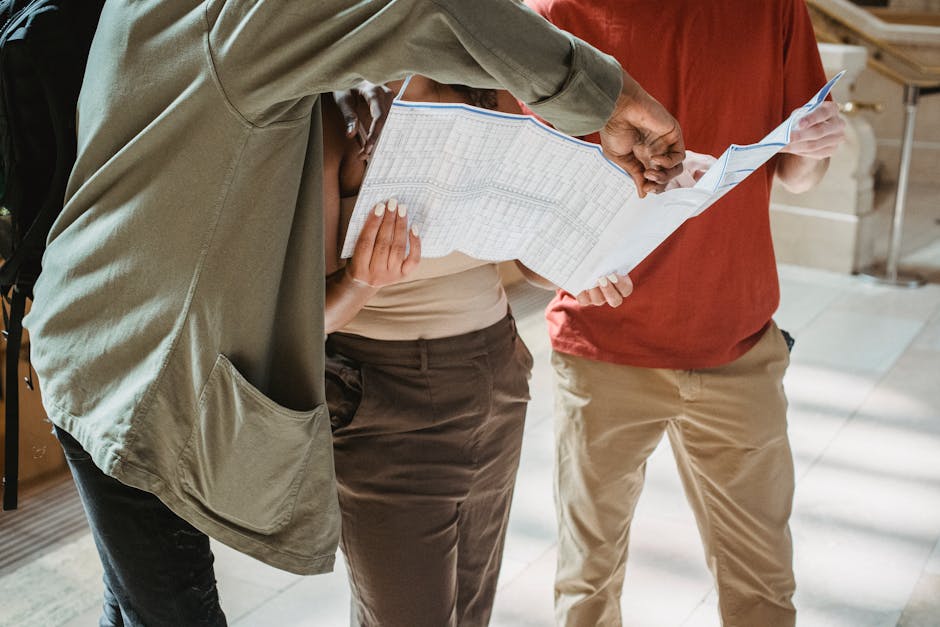
A late afternoon in the city, where the light softens and the pavement still radiates heat — the moment every planner dreams of reaching.
📊 Quick Stats
Best months: June–September
Daily budget (mid-range): $100–160
Ideal trip length: 5–7 days
Difficulty: Moderate (requires booking 4–6 weeks out)
Avg. temp: 26–32°C (79–90°F)
Best for: Cultural immersion + slow travel without burnout
The first thing that hits you is the smell of dry earth and frying oil from a stall selling berenjenas con miel near the old market. I was three hours into my first afternoon here, already sunburned on the back of my neck because I’d forgotten to reapply sunscreen after a quick dip. A guy in a damp linen shirt waved me over to a plastic chair under an awning. “Sit, you look like a lost tourist,” he said in English, grinning. I sat. He poured me a glass of tinto de verano—cheap red wine mixed with lemon soda—and shrugged when I offered to pay. “You’re on vacation. Relax.”
That moment, right there, is why I keep coming back to this city every summer, despite the crowds, the overpriced bottled water near the cathedral, and the fact that I have a full-time job that doesn't pause for my wanderlust. It’s not about the perfect itinerary. It’s about learning to steal time like a pickpocket—grabbing a long weekend, maximizing every evening, and remembering that planning a trip while working 9-to-5 is less about finding the perfect destination and more about mastering the logistics of escape.
I’ve spent three summers doing exactly that: researching on lunch breaks, booking flights at 2 a.m. on a Tuesday, and packing on the morning of departure. And I’ve learned that the best summer destinations aren’t the ones that top every list—they’re the ones that fit into the cracks of a busy life. Here’s how to plan a trip when you have a full-time job, without letting your inbox burn down.
The Essentials at a Glance
- 📅 Time-management tip: Use a 15-minute daily slot (e.g., your morning coffee) to research one thing: flights, a single neighborhood, or opening hours. Never try to plan a whole trip in one sitting.
- 💻 Booking window: 4–6 weeks ahead for summer. Earlier if you’re targeting a popular festival. Later if you’re flexible on accommodation.
- 📱 Offline apps: Google Maps (download entire city), TripIt (auto-imports emails), and a local taxi app. No roaming hassles.
- 🧳 Packing rule: One carry-on roller + a daypack. If it doesn’t fit, you don’t need it. Summer means sandals, a light jacket, and a reusable water bottle.
- ⏰ Work prep: Set an out-of-office that starts Thursday noon if you fly Thursday evening. Block your calendar for “deep work” on travel days—your boss won’t know the difference.
The Complete Summer Guide
1. Pick a Base That Works Like a Shortcut
For a five-day trip, you don’t want to change hotels twice. I learned this the hard way, dragging a suitcase up a cobblestone street in Seville at 10 p.m., sweating through my shirt. The trick is to choose a single city or a very small region and treat it like a hub. Granada, for example, is perfect: you get the Alhambra, the Albaicín quarter’s labyrinthine streets, and the Sierra Nevada foothills all within a 20-minute bus ride. You can spend three mornings exploring the city and two afternoons hiking or visiting a pueblo blanco like Pampaneira. No frantic packing. No wasted transit hours.
Research tip: On your lunch break, open Google Maps in satellite view and scan for green patches (parks, hills) near your potential base. That’s where you’ll escape the heat and the crowds. Book a room with a kitchenette—saving money on breakfast and one dinner a day gives you more budget for a good meal out.
2. The “Goldilocks” Booking Window
Summer prices spike from mid-June to mid-September. But here’s the secret: the second week of September is still summer—warm, sunny, and half the price. If you can push your vacation to after Labor Day, you’ll find empty terraces and locals who actually have time to chat. I once got a hotel room in the center of Ronda for €55 a night in early September. The same room cost €140 in August.
Booking while working means using price alerts. Set them on Skyscanner and Google Flights for your home airport. When the price drops below your threshold (say, $400 round trip), buy it immediately. Don’t wait for a better deal. I’ve missed three trips by hesitating. The second you get that notification, open the app and click. You can figure out the rest later.
3. The After-Work Research Routine
I don’t plan on weekends. Weekends are for decompressing. Instead, I spend 20 minutes each Monday, Wednesday, and Thursday evening after work—while eating a quick dinner—on one specific task. Monday: book flights and accommodation. Wednesday: find two restaurants and one “must-see” (a museum, a viewpoint, a hike). Thursday: download offline maps, check local events, and buy a museum ticket online to skip the line. By Friday, I have a loose skeleton. That’s all I need.
This method works because it breaks a massive task into tiny, manageable pieces. No decision fatigue. No all-nighters. And the best part? By Friday evening, I’m excited, not stressed.
4. The Heat Management Strategy
Summer in southern Europe means the sun is punishing from 1 p.m. to 5 p.m. Don’t fight it. Plan your day around it: sightsee from 8 a.m. to noon, then retreat for lunch, a siesta, or a swim. Re-emerge at 5 p.m. for the golden hour and dinner at 9 p.m. This isn’t lazy—it’s survival. The locals do it for a reason.
I made the mistake once of trying to see the Alhambra at midday in July. By the time I reached the Nasrid Palaces, I was dizzy and snapping photos with squinted eyes. The afternoon light is harsh, washing out colors and baking the stone. Go early. Bring a hat. Drink water from the public fountains—they’re free and safe.
5. The Food Scene Hack
Skip the main square. Walk two streets over. That’s where you’ll find the €3.50 menu del día with three courses and a drink. I ate lunch every day at a tiny bar called La Tana in Granada’s Realejo neighborhood—no English menu, old men playing dominoes, and a plate of fried anchovies that changed my life. Cost: €12. The paella near the cathedral was €18 and tasted like it came from a frozen bag.
Food research takes five minutes on Google Maps: search for “menú del día” in the neighborhood you’ll be in, sort by rating, and read the reviews for the word “local.” If you see “touristy,” move on. For dinner, book one nice meal in advance (do it on Wednesday night), and leave the rest to chance. The best meals are the ones you stumble upon.
🧠 Local Tip from a full-time traveler: In Granada, the tapas culture means you get a free small plate with every drink. Order a caña (small beer) for €2.50 and you’ll get a portion of meatballs or tortilla. Three cañas = a light dinner. Works best in the Albaicín or near the university. Not the main tourist strip.
Summer Traveler’s Pro Tips
- Fly out on a Tuesday, return on a Saturday. Midweek flights are cheaper and less crowded. Use a personal day Friday if needed. I saved $180 on a round trip to Granada by flying Tuesday–Saturday instead of Friday–Monday.
- Pack a sarong or large scarf. It’s a beach towel, a picnic blanket, a sunshade, and a cover-up for churches. One item, infinite uses. I’ve used mine to sit on hot stone steps in the Alhambra and to dry off after a dip in the Mediterranean.
- Use a travel checklist app. I use PackPoint. It reminds me to bring sunscreen, earplugs, and a reusable bag. I’ve forgotten all three on separate trips. The app remembers when my brain is fried from work.
- Pre-book your airport transfer. Nothing kills a relaxed start like waiting 40 minutes for a taxi in the heat. I use Welcome Pickups or the local equivalent. It costs €5–10 extra and saves you 30 minutes of stress.
- Set a “travel alarm” for 6 p.m. the night before you leave. That’s your deadline to pack, check in online, and download your boarding pass. I’ve missed a flight because I forgot to check in. Never again.
Common Summer Travel Mistakes
- ❌ Overplanning: I once had a spreadsheet with hourly slots. I missed a sunset because I was rushing to a “must-see” viewpoint. Leave 3–4 hours of unstructured time each day. That’s where the magic happens.
- ❌ Underestimating the heat: A sunburn on day one will ruin your trip. Bring a wide-brimmed hat, SPF 50, and a light long-sleeved shirt. I learned this after a sleepless night in a hostel dorm, my shoulders raw and throbbing.
- ❌ Eating at the main square: The paella looks good. It’s always overpriced and reheated. Walk 10 minutes to a side street. Your wallet and your taste buds will thank you.
- ❌ Not booking the Alhambra in advance: This is non-negotiable. Tickets sell out weeks ahead. I met a couple who flew from New York and couldn’t get in. They stood outside the gate, staring at the walls. Don’t be them.
Your Summer Travel Checklist
- ✅ Documents: Passport (check expiry date!), printed flight confirmations, travel insurance card (digital + physical copy).
- ✅ Heat prep: SPF 50, lip balm with SPF, wide-brimmed hat, reusable water bottle with a filter, electrolyte powder packets.
- ✅ Bookings to confirm 1 week before: Flights, accommodation, Alhambra tickets, one nice dinner reservation, airport transfer.
- ✅ Offline essentials: Google Maps download of the city, local taxi app (e.g., Cabify or Free Now), offline phrasebook (Spanish for “la cuenta, por favor”).
- ✅ Work wrap-up: Out-of-office set, Slack/Teams notifications paused, urgent tasks delegated, and a “I’ll be back on [date]” email signature.
Traveler FAQ
Q: What is the best way to plan a trip when you have a full-time job and limited time off?
A: The best way to plan a trip while working full-time is to break the planning into 15-minute daily blocks over two weeks, focusing on one task per session—flights one day, accommodation the next, and activities later.
Q: How far in advance should I book summer travel to get the best prices?
A: For summer travel, book flights 4–6 weeks out for the best balance of price and availability, but consider early September for 30–50% lower prices and fewer crowds.
Q: What are the best summer destinations in Europe for a short trip (5–7 days)?
A: Granada, Seville, Ronda, and the Alpujarras region of southern Spain offer a compact mix of history, hiking, and culture that works perfectly for a 5–7 day trip without excessive travel time.
Q: How do I avoid burnout when traveling during summer in a hot climate?
A: Avoid burnout by sightseeing from 8 a.m. to noon, resting during the heat of the day (1–5 p.m.), and resuming activities in the cooler evening hours, following the local rhythm.
Q: What should I pack for a summer trip to avoid luggage fees and heat discomfort?
A: Pack a carry-on roller with lightweight linen pants, two cotton shirts, sandals, a sarong, a wide-brimmed hat, and SPF 50—everything you need fits in one bag and keeps you cool.
Ready for Your Summer Adventure?
I’m writing this from a small terrace in the Albaicín, a plate of jamón and a glass of vino tinto on the table in front of me. The call to prayer from the old mosque echoes through the whitewashed alleys. Tourists stumble past, maps in hand, looking lost. I don’t have a map. I have a few hours before dinner, a good book, and the knowledge that I’ll be back at my desk on Monday. That’s enough.
You don’t need two weeks off to have a real summer trip. You need a strategy. You need to be ruthless with your time, generous with your curiosity, and willing to accept that planning a trip while working 9-to-5 is a skill you can learn. And once you learn it, every summer becomes an invitation.
📌 Save this guide
Bookmark this page for your next planning session. The 15-minute block method works whether you’re dreaming of Spain, Italy, or anywhere else.
Have your own tips for planning a trip with a full-time job? Drop them in the comments below — I read every one.


No comments:
Post a Comment