How to Rent a Car Abroad Without Getting Scammed
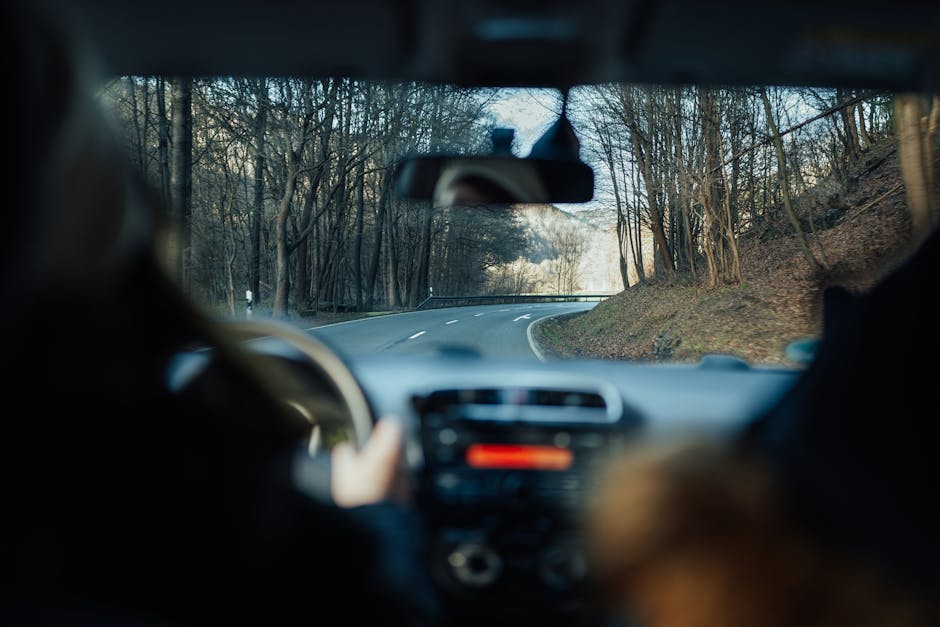
That gleaming compact looks innocent enough. Behind the counter, the real trap is already set. I learned this the hard way in Sicily.
📋 The Problem-Solver Card
Who this solves for: Anyone renting a car outside their home country — from first-timers to seasoned road-trippers.
When to use this advice: Before you book, while you're at the counter, and the moment you take those keys.
Estimated effort: 3/5 — you'll need to read, document, and ask uncomfortable questions.
Cost range: $0 to $200 extra in your pocket — or $2,000+ you won't lose to a scam.
Risk level: Medium if you follow every step. High if you skip even one.
Time saved: 4–8 hours of arguing, plus weeks of stress from disputed charges.
I Almost Lost $1,200 in Palermo. Here's What I Learned.
The guy behind the counter at Palermo Airport had a practiced smile. It was 3:55 PM on a sticky July afternoon — I remember checking my watch because my wife kept tapping hers. We'd just flown in from Naples, the kids were cranky, and all I wanted was the Fiat Panda I'd booked online for €180 for the week.
"Signore," he said, sliding a tablet across the counter. "You need our full insurance. The one you bought online — it doesn't cover the windshield, the tires, the undercarriage, or the roof." He paused. "And if you return it with a single scratch, you pay the first €2,500."
My stomach dropped. I'd been traveling for fifteen years. I knew better. And still, for a full thirty seconds, I considered paying his €35-per-day "peace of mind" package. That would've been €245 extra. For nothing I actually needed.
I didn't fall for it. But I watched the Italian couple behind me sign the waiver and hand over their credit card. The woman looked pale. The man wasn't looking at the screen.
This is how it works. Not with a guy in a dark alley. With a clean uniform, a glossy counter, and a script designed to make you feel one thing: scared.
Let me show you exactly how to walk through that transaction without losing a cent — and what to do if you're already locked into a bad deal.
Why This Problem Ruins Trips (And Why Most Advice Fails)
Here's what nobody tells you: the rental car industry in most countries runs on a perverse incentive. The base price is often a loss leader. The real profit comes from what happens after you hand over your credit card.
I've rented cars in 34 countries. I've been charged for a "cleaning fee" in Portugal for sand on the floor mats. I've been billed €400 in Spain for a windshield chip that was already there. In Mexico, a clerk tried to charge me for a "lost key" that was sitting on his own counter.
The standard advice — "take photos before you drive off" — is true but laughably insufficient. Photos don't stop them from claiming damage to the undercarriage. Photos don't prevent the "fuel service charge" that appears on your statement three weeks later.
Most travel blogs tell you to "read the fine print." That's like telling someone to "just breathe" during a panic attack. Technically correct. Completely useless in the moment.
The real problem is structural: the agent at the counter is often paid commission on what they upsell. The company's terms of service are designed in a way that makes it nearly impossible to prove you didn't cause damage. And the clock is ticking — you're tired, you're in a foreign country, and everyone behind you in line is staring at you.
So let's skip the platitudes. Here's exactly how to beat the system.
The Step-by-Step Solution
Step 1: Book the Right Way (Before You Leave Home)
This is where 80% of scams are either enabled or prevented. Do not use a third-party aggregator without understanding what you're buying. I use them — but I know which ones add value and which ones are just lead generators for the counter upsell.
Book direct with a major international brand if you can. Hertz, Avis, Europcar, Sixt — they have reputations to protect. The local franchise in Granada? Much more likely to try something creative. I once rented from a company called "OK Rent a Car" in Faro because it was €12 cheaper than the next option. The car was fine. The return process? They claimed I'd damaged the suspension. No way to prove otherwise. I paid €300.
When you book, select the option that includes full comprehensive insurance with zero excess. Or buy a standalone annual policy from a specialist like Insurance4CarHire or Worldwide Insure. I pay £79 per year for mine. It covers me in any rental car, anywhere, with zero deductible. That single purchase has saved me approximately $4,000 over five years.
Key detail: If you buy insurance through the rental company at the counter, you're paying their markup — usually 300-500%. If you buy it through a third-party policy before you travel, you're paying wholesale. Same coverage. Different price.
Print the certificate. Screenshot it. Email it to yourself. Save it offline on your phone. Because at the counter, they will tell you it doesn't exist.
Step 2: The Counter Dance — How to Say No Without Getting Nervous
You've arrived. You're jet-lagged. The air-conditioning in the rental hall is barely working. The agent smiles and asks for your credit card.
This is the moment. Not later. Now.
When they offer you the "enhanced protection package," here's exactly what you say: "I have a full zero-excess policy from an external provider. Please process the standard security deposit only."
They'll push back. "This policy doesn't cover tires." "This policy doesn't cover the windshield." "If there's an accident, you'll have to pay upfront and claim later."
All of these statements can be true. And they're all designed to scare you.
Here's the reality: your credit card likely already covers collision damage waiver (CDW) if you use it to book the rental. Call your card issuer before you travel. Ask them: "Do I have rental car insurance? What's the excess? Does it cover windshield, tires, and undercarriage?" Write down the answer. Get a reference number.
If your card covers it, you don't need theirs. If your standalone policy covers it, you don't need theirs. If neither covers those specific items — and only then — consider paying for the rental company's waiver on those specific items. Not the whole package. Just the add-on for tires and glass. It's usually €5-10 per day, not €35.
I stood at that Palermo counter for 11 minutes. The agent tried three different arguments. Each time, I politely repeated: "I have external coverage. Please proceed with the standard deposit." Eventually, he shrugged and processed the booking. He didn't earn his commission that day.
Step 3: The Inspection — Treat It Like a Crime Scene
You've got the keys. Now you walk to the parking lot. This is where most people fail.
I use a system I call the Three-Pass Check.
Pass 1 — The Overview: Walk around the car slowly. Don't touch anything yet. Just look. Note every existing dent, scratch, crack, and scuff. Do this before you touch the door handle. If you open the door first, the agent can argue you caused the dent on the door edge.
Pass 2 — The Close-Up: Now pull out your phone. Open the camera app and switch to video. Narrate as you go. "Front bumper: 4-inch scratch on the lower left, just above the fog light. Driver's side door: 2-inch ding near the handle. Rear bumper: paint peeling on the right corner." Point at each defect with your finger so the video shows the scale. Record the odometer. Record the fuel level. Record the tire condition — especially the sidewalls.
Pass 3 — The Underneath and Inside: Crouch down and record the undercarriage — or at least what you can see. This is where they get you. "Undercarriage damage" is impossible to disprove from photos. But if you have a video showing no fresh scrapes, you have a fighting chance. Inside: check the floor mats, the seat upholstery, the ceiling liner, the dashboard for cracks, the glove box latch, and the condition of the spare tire if there is one.
One more thing: take a photo of the agent holding the inspection sheet. I learned this from a Hertz agent in Iceland who told me, off the record, that "return agents are less likely to invent damage if they know you have their colleague's face on record." Grim but effective.
Step 4: The Return — How to Leave Without a Surprise Bill
Return the car during business hours. Never use the after-hours drop box unless you've already done a joint inspection with a staff member. I know a couple from Vancouver who dropped a car at 11 PM in Lisbon. They took photos. They videoed the walk-around. The next morning, the company claimed there was a "large scratch on the hood." The couple's photos showed no such scratch. The company photos showed the scratch clearly. The couple lost the dispute because the company argued the photos were taken "in different lighting conditions."
Here's the fix: when you return the car, insist on a joint inspection. Walk around the car with the agent. Both of you sign the return sheet. Take a photo of the signed sheet immediately. And take a video of the car one more time, in the return lot, with the agent visible in the background.
Fuel tip: fill up exactly as required — usually the same level as when you picked it up. Keep the receipt. Rental companies charge €8-12 per liter for fuel if you let them refill it. That's about €80-120 for a full tank on a compact car.
Pro Tips From Someone Who's Been There
These aren't generic tips. These are the things I've learned from getting burned, watching others get burned, and once — memorably — watching a German man at a rental desk in Milan argue so effectively that the agent apologized. I took notes.
1. Bring a small LED flashlight. The parking lot is always dim. You need to see the edge of a windshield crack, the depth of a rim scuff, the condition of the tire tread. Your phone flashlight works, but a real flashlight shows scratches your phone's flash will wash out. Costs €8. Saves you €400.
2. Use the "three-card method" for deposits. If the rental company blocks a deposit on your credit card, that money is gone until they release it — sometimes 14-21 days. Instead of tying up your main card, use a dedicated travel credit card with a low limit, or a prepaid card. I keep a Revolut card specifically for rental deposits. I load just enough for the deposit. If they block €1,000, that's the limit of what's tied up. My main card remains free.
3. Never take the "full-to-empty" fuel option. They'll sell you a full tank of fuel at market rate and tell you to return the car empty. But they charge you a service fee on top, and the fuel they sell you is usually 20-30% above pump price. Just fill it yourself. It's not hard. There's always a gas station near the airport.
4. Photograph the mileage AND the fuel gauge together. In one frame. This prevents the "you returned it with less fuel than you picked it up" argument. I do this at pickup and at return.
5. If they try to charge you for something you didn't do, dispute it on the spot. Don't wait. Don't "deal with it later." Later means emailing a support address that doesn't respond for six weeks. Stand at the counter. Ask for the manager. Show your video. If they still insist, refuse to sign anything and demand a written receipt showing the charges are "disputed." Take a photo of that document.
🔥 Pro Tip: The "No-Scroll" Rule
Never sign a rental agreement without reading every single line. I know you're tired. I know the line is long. But the scam is always in a clause you didn't scroll to. One time in Croatia, the contract had a handwritten note in the margin saying "€50 admin fee for all returns." It was buried at the bottom of page 3. I crossed it out, initialed the change, and the agent didn't argue. She knew it was a scam.
🚫 Real Traveler Mistake: The "I'll Handle It Later" Trap
A reader named Sarah from Melbourne wrote to me last year. She rented a car in Marrakech, took photos, did everything right. But she didn't inspect the roof. The agent at return pointed to a dent above the driver's door — a dent Sarah swore wasn't there. No photo of the roof. The company charged her €850 for "bodywork." She fought it for four months. Lost. The roof is the most commonly faked damage because nobody photographs it. Always. Photograph. The. Roof.
Common Mistakes Travelers Make With This Issue
1. Assuming "Zero Excess" means zero cost. I've seen policies that say "zero excess" but then list exclusions for "single-vehicle accidents" or "damage on unpaved roads." Read the exclusions. All of them. If the policy excludes gravel roads and you're driving in Iceland, you're not covered.
2. Using debit cards for the deposit. Many rental companies won't accept debit cards at all. Those that do will often block a much larger amount — sometimes double the rental cost — and the release can take weeks. Always use a credit card. If you don't have one, get a travel card with a credit function.
3. Skipping the walk-around because "it's a big brand." I made this mistake with Sixt in Munich. Sixt is a premium brand. Surely they wouldn't fabricate damage. They didn't — but I still missed a 3-inch scratch on the rear bumper that was already there. I had no proof it wasn't me. Paid €180. Big brands have big dispute teams. They also have big profit targets.
Your Quick-Action Checklist
Print this. Take a photo of it. Don't leave home without checking every item:
- ✅ 📄 Book direct or with a known aggregator — full comprehensive, zero excess, or bring your own policy
- ✅ 📞 Call your credit card issuer — confirm CDW coverage, write down the reference number
- ✅ 📱 Download offline maps — Google Maps offline, Maps.me, or both. Don't rely on roaming data
- ✅ 🔦 Pack a small LED flashlight — for the inspection, not for self-defense
- ✅ 📹 Take a 3-minute walk-around video — inside, outside, underneath, roof, fuel gauge, mileage
- ✅ 🖊️ Read the entire contract — every word, including handwritten notes and fine print
- ✅ 🤝 Insist on a joint inspection at return — get signatures, take photos, get a receipt
- ✅ 🧾 Keep the fuel receipt — dated, timed, and showing the station name
- ✅ 📧 Email yourself all documents — photos, video, contract, insurance certificate, fuel receipt
Frequently Asked Questions
Q: Is it better to buy insurance from the rental company or from a third party?
A: Third-party insurance is almost always cheaper — usually 70-80% less — but you must check the excess and exclusions. A good third-party policy covers you for zero excess and includes windshield, tires, and undercarriage. The rental company's insurance is convenient but overpriced. Buy your own policy before you travel.
Q: What should I do if the rental company charges me for damage I didn't cause?
A: Dispute it immediately at the counter. Refuse to sign the damage report. Demand a written receipt marked "disputed." Then contact your insurance provider and your credit card company within 48 hours. Most credit cards offer purchase protection and travel insurance that can step in. Do not wait.
Q: Do I really need to photograph the undercarriage and roof?
A: Yes. Those are the two most commonly faked damage locations because travelers rarely check them. A 30-second video of the roof and a crouch-down shot of the undercarriage can save you hundreds of euros. It takes two minutes. Do it.
Q: Can I rent a car abroad with a debit card?
A: Yes, but it's risky. Many companies block a larger deposit on debit cards (sometimes 2x the rental cost), and the release can take 14-30 days. Some companies won't accept debit cards at all. Use a credit card if you have one. If you must use debit, call the rental company in advance and confirm their policy in writing.
Q: What's the single biggest hidden fee I should watch for?
A: The "fuel service charge" — when you return the car not exactly full, they charge you €8-12 per liter plus a "refueling service fee" of €20-50. Fill the tank yourself before returning, keep the receipt, and take a photo of the fuel gauge at return. This one fee alone can add €100-150 to your bill.
Final Word: You've Got This
Look, renting a car abroad is one of the best ways to actually see a place. I've driven through the lavender fields of Provence, along the cliff roads of Amalfi, across the high deserts of Namibia. Every single one of those trips started with a rental counter. And every single one had a moment where someone tried to sell me something I didn't need.
The system is designed to make you feel vulnerable. But you're not. You're armed with a video walk-around, a standalone insurance policy, a credit card that has your back, and the knowledge that no is a complete sentence.
The agent in Palermo finally handed me the keys. The Fiat Panda was scratched, dented, and smelled faintly of cigarettes. It drove perfectly for seven days. Return took four minutes. No extra charges. No drama.
That's the goal. Not a perfect car. Not a zero-hassle guarantee. Just a fair transaction where you paid for what you used and nothing more.
Save this guide. Forward it to your travel buddy. And next time you're standing at a rental counter in a foreign country, remember: you're the one in control. Not the guy with the tablet.
Got a rental car horror story — or a trick that saved you? Drop it in the comments below. I read every single one, and the best ones get featured in future updates.


No comments:
Post a Comment