How to Use Ride-Sharing Apps Like Uber and Lyft Abroad
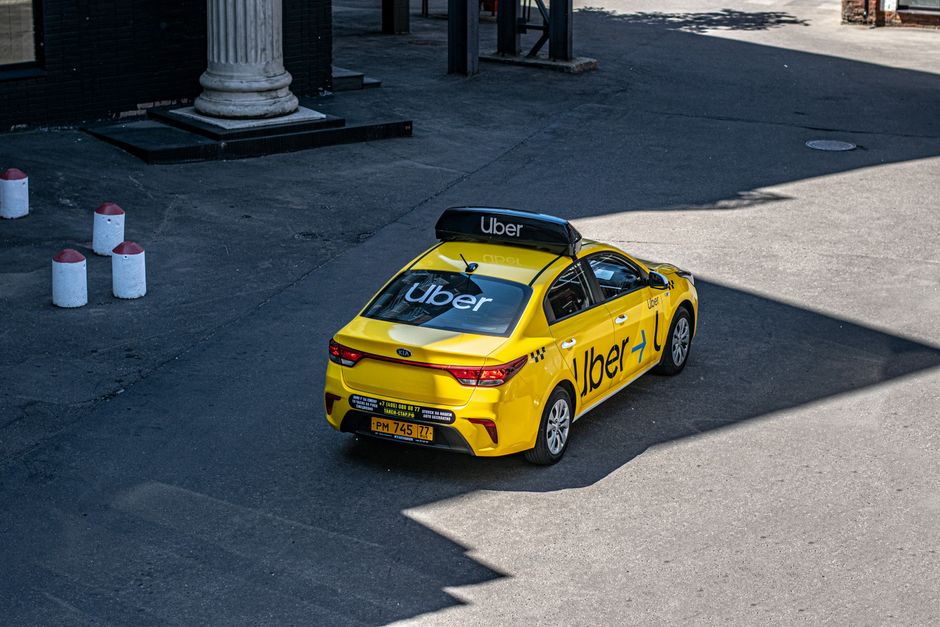
A car idles at a busy pickup point in a foreign city — the exact moment when your app either saves you or fails you.
⚡ Quick Stats: The Ride-Sharing Survival Guide
- 👤 Who This Solves For: Solo travelers, women on night trips, digital nomads, airport arrivals
- ⏰ When to Use This Advice: From the moment you land to that 2 AM bar close
- 📊 Estimated Effort: 3/5 (requires pre-trip setup & quick learning curve)
- 💰 Cost Range: $5 – $80 per ride (varies wildly by city & surge)
- ⚠️ Risk Level: Medium – scams are common, but easily blocked
- ⚡ Time Saved: 45+ minutes per ride if you avoid the "No cars" loop
The heat hit me first. A wall of Roman August, thick with diesel fumes and the sweet rot of fruit rinds melting in the sun. I stepped out of Termini Station, my shirt already stuck to my back. My phone battery was flickering at 12%. I tapped "Request" on Uber. The app pulsed. Nothing. One minute. Two minutes. The digital tumbleweed of "No cars available" rolled across my screen.
I was stranded. The trams were on strike. The taxis idling at the curb gave me that classic Roman shrug — "I don't go there." One guy quoted me €50 for a €15 ride. I almost paid it. I was that desperate.
Then a woman in a linen dress walked past me, tapped her phone twice, and a white Fiat pulled up in ninety seconds. "Free Now," she smiled. "Forget Uber. This is Italy."
That moment changed how I travel. Over the last decade, I've been stranded in Bangkok at 2 AM, overcharged in Mexico City, and had a driver in Naples try to charge me for a "special air conditioning fee." I've made every mistake you can make with ride-sharing abroad. This guide is the one I wish I'd had in my pocket that sweaty Roman afternoon.
Why This Problem Ruins Trips (And Why Most Advice Fails)
The standard advice from travel bloggers is a lie: "Just use Uber, it works everywhere." No. It doesn't.
Your US or UK account might technically open in London, but your card will fail in Tokyo. The "Safety Toolkit" tab you rely on at home? Completely missing in Cairo. And that "luxury" option? In Bogotá, ordering an UberX might get you a motorbike. I'm not joking.
The root causes are boring but brutal: regulatory bans (Uber was kicked out of Budapest and parts of Germany), hyper-local competitors (Grab owns Southeast Asia, Yandex owns Russia, Didi owns China, Ola owns India), and payment infrastructure that rejects foreign cards like a bouncer at an exclusive club.
But the real sting isn't technological. It's the feeling of being prey. The meter that runs three times faster. The driver who "can't find" your hotel and circles until the fare doubles. The 2 AM panic in a neighborhood you don't recognize. That's what ruins trips. That's what this solves.
The Step-by-Step Solution
Phase 1: The Pre-Trip Recon (Before You Leave Home)
You wouldn't land in a foreign city without knowing where you're sleeping. Don't land without knowing how you're moving.
Open Google. Search "ride-share app [city name] 2025" or "what is the Uber of [city name]." Look for Reddit threads or blog posts from the last six months. Things change fast. A year ago, Uber was useless in Colombia. Now it's the standard.
Download the app. Create an account. Add a payment method before you leave. If your standard Visa fails, get a virtual travel card from Wise or Revolut. It works 99% of the time. I've used my Wise card in 40 countries without a single rejection.
Real scenario: Mexico City Airport. Uber was blocked at the terminal. The app showed zero cars. But Didi and local taxis worked perfectly. I knew this because I checked the Mexico City subreddit on the plane. I had Didi ready before I even hit the baggage claim.
Phase 2: The Arrival (Solving the "No Cars" Lie)
When the app shows "No cars available," it's lying. What it means is: no cars at the standard price.
Fix 1: Swipe to a higher tier. Uber Comfort or Uber Select will often have cars immediately. The price is higher, but not as high as a scam taxi.
Fix 2: Open the local competitor. In Bangkok, Grab showed a 45-minute wait at 2 AM. I opened Bolt. A car was 3 minutes away. Thirty percent cheaper. This is a pattern across Asia, Africa, and Eastern Europe. You need at least two apps installed.
Fix 3: Walk. Just 100 meters away from the busy pickup point. The algorithm hates crowds. Move to the side street, refresh, and watch the cars reappear.
🚨 Real Traveler Mistake: The "Airport Surcharge" Scam
I landed in Naples, exhausted. The Uber driver said my fare was €35, not the €18 shown in the app. "Airport fee," he said. I was too tired to argue. I paid. Later, I learned the airport fee is €3. He pocketed €14. Never pay more than the app shows. If they insist, cancel. Report. Take a screenshot of the final price before you get in.
Phase 3: The Ride (Scam-Proofing & Safety)
Before you open the door, check the license plate. Check the driver's face. In Johannesburg, you do this from inside the building. In Japan, the door opens automatically — don't touch the handle.
Safety features are not global. Uber's "Share My Trip" works in most countries. If it's missing from the app (I've seen this in Egypt and Pakistan), take a screenshot of the driver's photo, the car model, and the plate. Send it to a friend on WhatsApp. Your safety net is human, not digital.
The PIN trick: In India and some African markets, the driver will ask for a PIN. This is a real safety feature — it confirms you're in the car. But don't give it until you're inside with the door locked. Some drivers collect the PIN and cancel the ride, leaving you stranded.
Real scenario: São Paulo, 11 PM. My driver took a "shortcut" through a favela. I pulled up Google Maps on my second phone and said "I think we need to go left here." He looked shocked that I knew the route. He turned left. The fare stopped climbing.
Phase 4: Payment & The Exit
"My card machine is broken." It's the oldest scam in the book. The driver takes you to an ATM, you withdraw cash, and somehow the "fee" has doubled.
Solution: Use the app's "Cash" option. In developing markets, this attracts drivers (they get paid immediately). You see the price on the app. You hand over the exact cash. No arguments.
Best payment methods by region:
- 🌍 Europe: Apple Pay / Google Pay (contactless is king)
- 🌏 Southeast Asia: GrabPay / GoPay (local e-wallets, often cheaper)
- 🌎 Africa: Cash (mobile money like M-Pesa if the app supports it)
- 🌎 Latin America: Cash or a travel card (Revolut/Wise)
- 🗾 Japan: SUICA card (works with JapanTaxi, the real Uber of Japan)
Always have small bills. Nothing undercuts a scam like saying "I only have €20" when the scammer asks for €50.
Pro Tips From Someone Who's Been There
💡 Pro Tip: The "Lady Driver" Toggle
In Dubai, Cairo, and parts of India, you can request a female driver. This is a game-changer for women traveling alone. Safety goes up, comfort goes up, and the chatty "where are you staying" questions drop to zero. It's often in the Safety Settings or the Vehicle Type menu.
- The "Cash" Toggle is a driver magnet. In Kenya, Indonesia, and Peru, drivers see "Cash" and accept faster. They get paid on the spot. You avoid card scams. Everyone wins.
- The "Airport Walk" saves 20%. Don't get picked up at the terminal curb. Walk to the parking garage or the designated ride-share lot. The algorithm drops the "airport convenience" surcharge almost instantly.
- Pin drop by landmark, not address. Street numbers mean nothing in Mumbai or Medellín. Drop the pin on a 7-Eleven, a mosque, or a famous sign. Drivers navigate by landmarks.
- Get a local number


No comments:
Post a Comment