
Why Kyoto Should Top Your 2026 Travel List
Kyoto isn't just another city to tick off a list. It’s the place where Japan’s soul resides. For 2026, it stands as the ultimate destination for travelers craving depth, beauty, and a genuine connection to tradition. While Tokyo dazzles with neon and speed, Kyoto whispers with ancient wooden teahouses, moss-covered stone gardens, and the soft shuffle of a geiko’s silk passing through Gion at dusk. This Kyoto travel guide 2026 is designed to help you unlock a city that feels both frozen in time and vibrantly alive.
What separates Kyoto from other historic capitals is its density of wonder. In a single day, you can stand inside a vermillion torii gate tunnel stretching up a mountainside, meditate under a ceiling of painted lotus flowers, and taste an eight-course kaiseki meal that looks too beautiful to eat. The city holds seventeen UNESCO World Heritage Sites, but its magic lies equally in the unscripted moments: discovering a family-run tofu shop down a narrow lane or catching the first blush of cherry blossoms over a forgotten canal.
Travel in 2026 brings a fresh appreciation for places that offer respite. Kyoto responds with quiet neighborhoods like Ohara and Takao, where the pace slows and the mountains press close. The city is also embracing a thoughtful tourism model, limiting overtourism in sensitive areas while welcoming visitors who respect its fragile cultural ecosystem. If you want a trip that enriches rather than exhausts, Kyoto in 2026 should be your first choice.
What Makes Kyoto Timeless Yet Ever-Changing
Kyoto holds over 2,000 temples and shrines, but it is not a museum frozen in amber. The city survived precisely because it learned to adapt. In 2026, you will see how centuries-old crafts find new life in contemporary design. A seventh-generation indigo dyer might collaborate with a modern fashion house. A machiya townhouse from the Edo period now serves single-origin pour-over coffee beneath its original wooden beams.
The timelessness comes from ritual. Tea ceremony masters still perform the same precise movements as their ancestors did four centuries ago. The morning chanting at Zen temples still begins before sunrise. Yet the change is there in the details: digital art projections inside historic gardens during seasonal night openings, or a young sushi chef respectfully tweaking his grandfather’s recipes with new techniques. This balance of preservation and quiet innovation makes Kyoto endlessly fascinating for repeat visitors and first-timers alike.
2026 Travel Trends: Sustainability and Slow Travel in Kyoto
The 2026 traveler wants fewer checklists and deeper experiences, and Kyoto delivers perfectly. Slow travel here means renting a bicycle for a week to explore the backstreets, or booking a single temple lodging (shukubo) for several nights to absorb the rhythm of monastic life. The city actively encourages this approach, promoting early-morning and evening visits to popular spots to spread out foot traffic.
Sustainability is woven into Kyoto’s fabric. The local government has expanded its "Kyoto Eco Trip" certification for hotels and restaurants committed to reducing waste and using local ingredients. You can dine at farm-to-table obanzai restaurants serving heirloom Kyoto vegetables picked that morning in Ohara. Many temples now use solar panels discreetly hidden behind traditional roofs. Choosing a reusable bento box for your day’s picnic or refilling a water bottle at public fountains aligns your trip with a city that has practiced mindful resourcefulness for over a millennium.
First Impressions: Arriving in Japan’s Cultural Heart
Stepping off the Haruka Express at Kyoto Station, your first impression might be surprise. The soaring glass-and-steel atrium designed by Hiroshi Hara is futuristic and vast, a stark contrast to the postcard image of pagodas. But this is Kyoto’s genius: the modern and ancient coexist immediately. Within minutes, you can board a city bus that trundles past the geometric lines of the station into narrow streets where everything changes.
The air feels different here. It carries the scent of roasted hojicha tea, damp moss from temple gardens, and the faint incense drifting from neighborhood altars. You will notice the mountains framing the city on three sides, a constant reminder that nature is never far away. Even the soundscape shifts. The polite chime of a pedestrian crossing gives way to the hollow knock of a deer-scarer in a garden, a rhythmic bamboo clack that has marked time for generations. That first ride into the Higashiyama district, with its wooden shopfronts and stone-paved slopes, instantly tells you: you have arrived somewhere truly special.
Best Time to Visit Kyoto in 2026: Season by Season
Kyoto doesn't have a single best season; it has four distinct personalities, each offering a radically different but equally enchanting experience. Your ideal 2026 visit depends entirely on what you want to see and feel. The city’s beauty is seasonal to its core, with traditions, festivals, and even the local cuisine shifting with the turning of the leaves and the blooming of specific flowers. This Kyoto travel guide 2026 breaks down exactly what each season offers so you can match your travel dates to your dream experience.
The classic peaks remain spring and autumn, but 2026 is an excellent year to consider the quieter summer and winter months. With the city introducing new crowd-management measures at iconic sites like the bamboo grove and Kiyomizu-dera, even busy periods feel more manageable than in years past. Meanwhile, off-peak travel reveals a more intimate side of Kyoto, where you can have golden pavilions and crimson maple gardens almost to yourself. Let’s walk through the year, season by season, with specific dates and locations to help you plan.
Cherry Blossom Season 2026: Forecast and Viewing Spots
Cherry blossom season in Kyoto is the global gold standard for spring beauty. For 2026, the Japan Meteorological Corporation will release its official forecast in January, but historical patterns suggest peak bloom will occur between March 28 and April 5. The blossoms typically start opening around March 22, reach full glory a week later, and scatter by April 10. Book your accommodations at least six months ahead if you plan to visit during this window, as the city reaches full capacity.
The classic spots remain unbeatable. Maruyama Park features a magnificent weeping cherry tree that is dramatically illuminated at night, creating an almost surreal pink canopy. The Philosopher's Path offers a two-kilometer canal-side walk under a continuous tunnel of blossoms, best experienced at 7 AM before the crowds arrive. For a more contemplative experience, seek out Daigo-ji Temple, where Toyotomi Hideyoshi once held legendary blossom-viewing parties, or the lesser-known Kamogawa riverbank from Demachiyanagi northward, where locals picnic on blue tarps under trees that rarely see a tour group.
Summer Festivals and Avoiding the Crowds
Kyoto summers are hot and humid, but they pulse with an energy unmatched by any other season. The entire month of July belongs to the Gion Matsuri, one of Japan’s greatest festivals. Its grand procession of towering wooden floats on July 17 fills the downtown streets with music, lanterns, and a carnival atmosphere. In the evenings leading up to the parade, the Yoiyama street parties let you wander among the illuminated floats while snacking on yakitori and shaved ice.
To escape the midday heat, shift your sightseeing to early mornings and evenings. Temples like Kiyomizu-dera stay open late for summer night visits, when the cooling breeze and cicada chorus transform the experience. Head north to Kurama and Kibune, where restaurants build platforms directly over the rushing river. Dining on flowing somen noodles with your feet dangling inches above the cold water is the ultimate Kyoto summer refreshment. Pack a small hand towel and drink plenty of cold mugicha barley tea from vending machines to stay comfortable.
Autumn Leaves in Kyoto: When and Where in 2026
Autumn rivals spring for sheer spectacle, and in 2026 the koyo season is expected to peak between November 20 and December 3 in central Kyoto. The Japanese maple trees transform temple gardens into fiery tapestries of crimson, orange, and gold. The color progression starts in the northern mountains around mid-November and sweeps southward through the city, giving you a generous window to catch the display if you plan strategically.
Tofuku-ji Temple offers the iconic view from the Tsutenkyo Bridge spanning a valley of blazing maples, and arriving at opening time is essential for a clear photograph. Eikando Temple is renowned for its evening illuminations, where the reflected leaves on the pond double the visual impact. For a quieter experience, visit Jojakko-ji in Arashiyama, a hillside temple where moss and autumn leaves create a textured carpet of green and red. The Kitano Tenmangu shrine, famous for plum blossoms in spring, hides a spectacular maple grove along its rear path that remains surprisingly uncrowded even at peak color.
Winter Magic: Illuminations and Quiet Temples
Winter is Kyoto’s best-kept secret. From December through February, snow dusts the temple roofs, the air turns crisp and clear, and the crowds thin dramatically. The Arashiyama Hanatouro illumination in mid-December lines the bamboo grove and hillside paths with lanterns, creating a dreamlike nighttime walk. Golden Pavilion under a light snowfall is a sight you will never forget. Warm up with a bowl of steaming yudofu hot tofu in the atmospheric lanes of Nanzen-ji’s approach.
Getting to Kyoto and Navigating the City in 2026
Reaching Kyoto is remarkably straightforward, but navigating its internal geography requires a bit of know-how. Unlike Tokyo, which sprawls outward from a central loop, Kyoto is laid out on a logical grid system inherited from ancient Chinese city planning. Once you understand the main transport arteries and pick up an IC card, you will find yourself zipping between golden temples and riverside teahouses with ease. This section of our Kyoto travel guide 2026 covers every practical detail for a smooth arrival and effortless daily exploration.
The city has made significant strides in preparing for the 2026 travel surge, including improved multilingual signage across all transit systems and a unified mobile app that combines bus tracking, train schedules, and real-time crowding information. Whether you choose the speed of the subway, the scenic crawl of a city bus, or the freedom of two wheels, Kyoto rewards those who plan their routes around the city’s unique rhythm. Let’s break down your options from the moment you land.
From Kansai Airport to Kyoto: Fastest and Cheapest Ways
Kansai International Airport (KIX) sits on a man-made island about 100 kilometers from Kyoto. The fastest connection is the JR Haruka Express, which whisks you directly to Kyoto Station in 75 minutes. Reserved seats cost around 3,400 yen, and the train offers spacious luggage racks and comfortable seating. It is fully covered by the Japan Rail Pass, making it the obvious choice for pass holders.
The cheapest option is the airport limousine bus, which takes about 90 to 110 minutes depending on traffic and costs roughly 2,600 yen one-way. Buses depart frequently and deliver you directly to Kyoto Station’s south entrance, saving you any navigation stress. For late-night arrivals after 10 PM, a shared taxi van service called MK Skygate Shuttle offers door-to-door drop-off at your hotel for a fixed rate around 4,200 yen, but you must book at least two days in advance online.
Kyoto’s Public Transport: Buses, Subways, and IC Cards
Kyoto’s city bus network is the most comprehensive way to reach the major temples and shrines, which are often tucked into neighborhoods without subway access. The flat fare within the central zone is 230 yen per ride. For 2026, the city has introduced a contactless payment upgrade across all buses, letting you tap any major IC card like Suica, Pasmo, or ICOCA directly on the reader near the rear door when boarding.
The two subway lines form a simple cross shape under the city. The Karasuma Line runs north-south, connecting Kyoto Station to the Imperial Palace area, while the Tozai Line cuts east-west, linking the Higashiyama cultural district to the city center. A one-day subway pass costs 600 yen. For maximum flexibility, load a digital IC card onto your smartphone before arriving. This same card works on buses, subways, and even for small purchases at convenience stores and temple admission gates that now accept cashless payment in 2026.
Renting a Bicycle: The Best Way to Explore Hidden Kyoto
Kyoto is a cyclist’s dream city. It is mostly flat, the grid layout makes navigation intuitive, and the backstreets reveal a Kyoto that bus windows never show. Numerous rental shops around Kyoto Station and in the downtown area offer standard city bikes for around 1,000 yen per day, with electric-assist models available for 1,800 yen if you plan to tackle the eastern hills.
Dedicated cycling paths follow the Kamo River, letting you glide from the northern botanical gardens to Fushimi Inari shrine in the south with almost zero interaction with cars. Always park in designated bicycle lots; illegal parking fines are strictly enforced in 2026, especially around Gion and the Nishiki Market area. A bike unlocks spontaneous detours to hidden temples, artisan workshops, and quiet residential streets that make your trip feel uniquely personal.
Taxis and Ride-Sharing: What Works in 2026
Taxis remain plentiful and impeccably clean, with automatic rear doors that open for you. Starting fares hover around 600 yen for the first kilometer. The JapanTaxi app and Uber (which connects to local taxi fleets) are fully functional in Kyoto in 2026, letting you input your destination in English and pay through the app. Ride-sharing with private vehicles remains heavily restricted, so traditional taxis via app dispatch are your primary point-to-point option for late nights or when hauling luggage to a ryokan.

Where to Stay in Kyoto: Neighborhood Guide for Every Budget
Choosing the right base is the single most important decision you'll make while planning your trip using this Kyoto travel guide 2026. The city sprawls across a valley, and while public transport is excellent, staying in a neighborhood that matches your travel style saves precious hours. Whether you crave neon-lit nightlife, the whisper of bamboo outside a centuries-old inn, or immediate access to the bullet train for day trips, Kyoto has a perfect pocket for you. The landscape of accommodation has evolved significantly, with many properties undergoing renovations to welcome the expected surge of visitors in 2026. Booking well in advance is no longer a suggestion but a necessity, especially if you have your heart set on a specific machiya or a high-end ryokan during the cherry blossom and autumn foliage seasons.
Your budget will dictate the type of structure you sleep in, but your interests should dictate the location. A family looking for easy logistics will have a vastly different experience in the Kyoto Station area compared to a couple seeking romantic seclusion in Arashiyama. The city's grid layout in the center makes navigation intuitive, but the true magic often lies in the narrow, sloping lanes of the eastern foothills. Consider how you want to feel when you step out your door at 6:00 AM. Do you want to be the first person at a temple, snapping photos without crowds? Then proximity matters. Do you prefer rolling out of bed straight into a bustling covered market for breakfast? The downtown core calls your name. This section of our Kyoto travel guide 2026 breaks down the distinct personalities of the city's top districts, balancing atmosphere with accessibility.
Downtown and Kawaramachi: Action and Convenience
If you want to be in the beating heart of modern Kyoto, look no further than the downtown area centered on Kawaramachi-dori and Shijo-dori. This is the city's mercantile and entertainment core, a kinetic strip where department stores, basement food halls, boutique fashion, and the covered arcades of Teramachi and Shinkyogoku stretch for blocks. Staying here means you sacrifice immediate temple tranquility for unmatched convenience. When revising your Kyoto travel guide 2026 plans, note that the area is undergoing a hospitality boom, with new lifestyle hotels opening in converted office buildings to cater to travelers who want design-forward rooms and rooftop bars overlooking the Kamo River.
The culinary scene outside your doorstep is the main draw. You are a five-minute walk from Pontocho Alley, where lantern-lit restaurants overhang the river, serving everything from high-end kaiseki to yakitori. Nishiki Market is your pantry. Late at night, when the temples close, this neighborhood wakes up with hidden speakeasies, jazz clubs, and ramen shops that steam until dawn. For accommodation, you'll find a dense concentration of mid-range business hotels along the side streets, offering compact but efficient rooms. The area is also a hub for apartment-style hotels with kitchenettes, perfect for longer stays or those who want to attempt cooking with ingredients from the market. While traditional ryokan are scarcer here, a few high-end establishments hide in plain sight, offering an oasis of tatami and bamboo in the midst of the urban din. The Sanjo and Shijo stations connect you to the main subway lines, but you'll often find walking through the shopping arcades is faster than waiting for a bus.
Higashiyama: Traditional Machiya and Temple Stays
For the quintessential Kyoto postcard experience, the Higashiyama district, stretching along the base of the eastern mountains, is unmatched. This is the city of sloping lanes, ancient stone pavements, and wooden townhouses squeezed between temple precincts. The Southern Higashiyama and Northern Higashiyama zones are primarily residential and historically preserved, meaning your accommodation here is likely a beautifully restored machiya. These traditional wooden townhouses have been meticulously converted into private rental homes, allowing you to live like a local merchant from the Edo period, albeit with modern plumbing, hidden induction cooktops, and impeccable minimalist design. As you plan with this Kyoto travel guide 2026, understand that a machiya stay is about embracing texture—the smell of cypress wood, the sound of gravel underfoot in your private tsuboniwa garden, and the ritual of sliding open a fusuma screen.
True luxury in Higashiyama comes in the form of the ultra-exclusive ryokan clustered near Maruyama Park and the base of Kiyomizu-dera. These are not just hotels; they are cultural custodians. A stay includes multi-course kaiseki dinners served in your room, personal attendants, and often private onsen baths carved from aromatic wood. The proximity allows for the sacred early-morning hours at Kiyomizu-dera or Kennin-ji, where you can experience the temples in near solitude before retreating for breakfast. The trade-off is accessibility. The winding hills and strict preservation laws mean you will often walk uphill and rely on taxis or a limited bus network, as subways don't penetrate the foothills. Luggage delivery services are your best friend here; dragging a wheeled suitcase up the cobbled slope of Sannenzaka is strictly forbidden by local etiquette and physical practicality. The silence at night, broken only by the distant temple bell, makes the logistical quirks entirely worthwhile.
Arashiyama: Riverside Serenity on the Outskirts
Arashiyama feels less like a district of Kyoto and more like a serene resort town that happens to sit a 15-minute train ride from the city center. Basing yourself here is a strategic choice for nature lovers who prioritize the bamboo grove, the Oi River, and the monkey park over the eastern temples. As a recommendation in any Kyoto travel guide 2026, this area is ideal for a two-night split stay rather than a full seven-day base, simply because the commute to Higashiyama or Fushimi can be time-consuming. The accommodation landscape is dominated by high-end riverside ryokan and modern hotels that frame the forested hills of Arashiyama through floor-to-ceiling windows. Waking up to a misty view of the Togetsukyo Bridge without a single tourist in sight is the ultimate privilege here.
The star properties, such as Hoshinoya, occupy their own secluded river groves accessible only by private boat, offering a level of isolation that feels a world away from the crowded main street. For a less extravagant budget, guesthouses in the residential backstreets near Saga-Arashiyama Station provide a local, slow-paced experience. At night, after the day-trippers vanish, the area transforms. The lanterns along the river glow, and the only sounds are the rush of water and the wind in the pines. Dining options thin out significantly compared to downtown, so half-board ryokan stays with included dinner are a practical and romantic choice. If you dream of cycling along the river at dawn or being first in line for the bamboo path, a stay here is non-negotiable.
Kyoto Station Area: Best for Day Trips
Pragmatism wins in the Kyoto Station area, and for many savvy travelers using this Kyoto travel guide 2026, that is a beautiful thing. This is the transport nerve center, connecting the Shinkansen, the Kintetsu line for Nara, and the JR lines for Arashiyama and Fushimi. You sacrifice aesthetic neighborhood charm for sheer logistical horsepower. The area directly north and south of the station is a dense forest of glass-and-steel hotels, ranging from budget-friendly chains to the luxurious Granvia Hotel, which sits physically inside the station complex. The view from the upper floors over the Kyoto Tower and the grid of the city is spectacular at night.
This is the most logical base if you plan to maximize the Japan Rail Pass and take multiple day trips to Osaka, Himeji, or Hiroshima, or if you have an early morning Shinkansen departure. The station itself is a destination, housing an entire underground mall, a vast ramen street on the 10th floor, and an observation deck. Buses depart from the terminal in front, connecting you to all major sights, though traffic can add time. The surroundings lack the intimacy of narrow lanes, but the wide boulevards and sheer convenience of rolling your luggage a few meters from the platform to your check-in desk can be deeply satisfying after a long flight.
Unique Accommodations: Capsule Hotels, Ryokan, and Temple Lodging
Your choice of roof defines your trip's narrative, and Kyoto's unique accommodations push far beyond the standard hotel room. The modern capsule hotel has evolved into a design-forward, art-infused experience, particularly in the downtown core. These are no longer just salaryman crash pads; 2026's best capsules offer high-thread-count linens, spa facilities, and social lounges that rival boutique hostels, providing a private, pod-like retreat for solo travelers at a fraction of the cost of a business hotel. For couples or groups, they offer a quirky, futuristic night without a heavy price tag.
The ryokan remains the soul of Japanese hospitality. A true ryokan is a holistic immersion: you remove your shoes at the entrance, walk on polished wood and tatami, wear a yukata, and eat a meticulously prepared kaiseki dinner where each dish reflects the micro-season. The staff's omotenashi—the selfless, anticipatory service—is the real luxury. Finally, for a profoundly spiritual experience, consider a shukubo, or temple lodging. Concentrated in the northern hills, these working monasteries offer austere tatami rooms, vegetarian shojin ryori meals, and the rare privilege of joining the monks for morning prayers and meditation. It is an early-to-bed, early-to-rise ritual that strips travel back to contemplation, a perfect counterweight to the sensory overload of the city's tourist hubs.
7-Day Kyoto Itinerary: The Perfect 2026 Travel Plan
Designing a week in Kyoto is an exercise in rhythm, balancing the intense visual splendor of star attractions with the quiet emptiness of hidden corners. This Kyoto travel guide 2026 itinerary is structured to work with the city's geography, not against it, grouping sights into logical clusters to avoid crisscrossing the valley. We have front-loaded imperial grandeur and eased into the deep, contemplative north before sending you outward on a day trip. The pace is brisk but not frantic, acknowledging that the sheer density of UNESCO sites can lead to temple fatigue if you try to see everything. We have intentionally left gaps for spontaneous wandering, the unplanned turn down a flagstone path that reveals a tiny, unadorned shrine, or a long lunch in a family-run tofu restaurant that no guidebook has ever covered. Remember that for 2026, the city has expanded its advance reservation systems for several major attractions to combat overcrowding, so securing timed-entry tickets online before your flight is no longer merely a tip but a critical step for a smooth journey.
Your daily start time dictates the quality of your experience. A 6:00 AM departure puts you in serene, misty gardens alone; a 9:00 AM departure puts you in a queue snaking around the block. This plan assumes you are willing to embrace the early morning. Evenings are designed to shift from cultural consumption to atmospheric immersion, dining in lantern-lit alleys or listening to the river from a bar stool. Transport is a mix of the efficient subway, the comprehensive but slower city bus network, and strategic taxi rides for the last mile to hilltop temples. Luggage transit services between hotels are flawless here, so don't hesitate to split your stay between a downtown base and a Higashiyama ryokan to maximize immersion. This itinerary is your scaffold; hang your own discoveries upon it.
Day 1: Imperial Palace, Nijo Castle, and Nishiki Market
Begin your 2026 journey at the vast Kyoto Imperial Palace, cycling through the gravel paths of the park before joining a free guided tour of the meticulously reconstructed Shishinden Hall. Walk east to the imposing Nijo Castle, where the "nightingale floors" chirp underfoot to warn of intruders, and the gold-leafed Kano school paintings in the Ninomaru Palace dazzle even in dim light. Conclude the afternoon by diving into the sensory overload of Nishiki Market, snacking on skewers of tako tamago, sesame mochi, and matcha salt as you weave through the narrow covered arcade. End the evening with a casual dinner in Pontocho Alley, where the Kamo River breezes cool the air.
Day 2: Fushimi Inari and Uji’s Green Tea Paradise
Arrive at Fushimi Inari Taisha by 6:30 AM to walk through the seemingly endless red torii gates before the crowds swell, climbing high enough into the sacred mountain until the path becomes your own. Descend and take a short train south to Uji, the spiritual home of Japanese green tea, where you can grind your own matcha powder in a traditional stone mill before participating in a formal tea ceremony overlooking the river. Visit the magnificent Phoenix Hall at Byodo-in Temple, a structure so iconic it appears on the 10-yen coin, then stroll across the Uji Bridge to purchase high-grade gyokuro leaves from heritage tea shops that have been in business for centuries.
Day 3: Arashiyama Bamboo Grove, Tenryu-ji, and Kimono Forest
Position yourself at the Arashiyama Bamboo Grove by sunrise to capture the ethereal light filtering through the impossibly tall stalks without a sea of selfie sticks. Exit directly into the magnificent garden of Tenryu-ji Temple, where the 14th-century landscape design uses the distant mountains as "borrowed scenery." After a lunch of handmade soba, explore the riverside before heading to the Randen tram station to see the Kimono Forest, a collection of illuminated textile pillars wrapped in vibrant Kyo-yuzen patterns that glow like liquid silk at dusk.
Day 4: Kinkaku-ji, Ryoan-ji, and Northern Zen Temples
Head northwest early to see the gold-leaf-covered Kinkaku-ji shimmering in the morning sun over its mirror pond, a sight that is pure architectural theater. A short bus ride away sits Ryoan-ji, home to Japan's most famous rock garden, where fifteen stones sit on a sea of raked white gravel, and no matter where you sit, one is always hidden from view. Spend the afternoon exploring the sprawling grounds of Daitoku-ji, a walled complex of sub-temples with hidden gardens and quiet tatami verandas where you can sit undisturbed, listening to the water drip into a stone basin.
Day 5: Higashiyama Walking Tour: Kiyomizu-dera, Sannenzaka, and Gion at Night
Start at the wooden stage of Kiyomizu-dera at opening time, standing high above the cherry and maple trees without a single nail used in the construction. Descend the perfectly preserved pedestrian lanes of Sannenzaka and Ninenzaka, stopping for a pottery purchase in a sloped shop and a cup of brewed coffee in a restored machiya. As dusk settles, walk through Maruyama Park to the atmospheric streets of Gion, where you might spot a geiko hurrying to her first engagement, before settling into a tiny bar along Shirakawa Canal, its willow branches dipping into the water like a painting.
Day 6: Day Trip to Nara: Deer Park and Todai-ji
Take the rapid train to Nara, where sacred, bowing deer roam freely through Nara Park, politely requesting the special shika senbei crackers you can purchase from vendors. Walk through the Nandaimon Gate to stand before the Great Buddha inside Todai-ji, the world's largest wooden building, a bronze behemoth so vast that the sheer scale rewires your sense of human ambition. Wander back through the Isuien Garden before returning to Kyoto for a final night of craft cocktails in a hidden speakeasy.
Day 7: Kurama to Kibune Hike and Natural Hot Springs
Escape to the mountain village of Kurama for a moderate hike over the ridge to Kibune, passing ancient cedar roots and the temple where the mythical Sojobo, king of the tengu, is said to reside. Descend into Kibune, where restaurants build platforms over the rushing river for kawadoko dining, cooling you naturally as you eat sashimi and cold somen. Soak tired muscles in the outdoor bath of a Kurama onsen, the mineral-rich water melting away a week of walking before you catch the train back to the city for the last time.
Must-See Temples, Shrines, and Hidden Gems Beyond the Guidebooks
Kyoto holds over 1,600 Buddhist temples and 400 Shinto shrines, a staggering density that can overwhelm even the most dedicated cultural pilgrim. The icons are iconic for a reason—their scale, artistry, and historical weight are genuinely moving—but the way you experience them in 2026 requires a strategy that goes beyond simply showing up. The crowds at the Golden Pavilion or Fushimi Inari have been a topic of travel chatter for years, and the city has responded with sophisticated crowd-management systems, dynamic pricing, and extended hours at key sites. This Kyoto travel guide 2026 will not simply list the top ten sights; it will give you the exact blueprint to see them in peace before peeling back the curtain on the sanctuaries that rarely make the glossy brochures. The true Kyoto is not found in a checklist of UNESCO plaques but in the moments between the headliners: the unmarked stone path leading to a single mossy statue, the subtemple garden where a monk has been silently pruning pines for forty years, and the neighborhood shrine where a local bows twice, claps twice, and bows again in a ritual unchanged for a millennium.
The city's spiritual architecture splits into two broad families. Shinto shrines, recognizable by their vermilion torii gates, are dwellings of the kami, spirits residing in natural features like mountains, trees, and rivers. Buddhist temples, with their curved roofs and incense coils, are centers of meditation and philosophy, housing images of enlightened beings. Your experience will be richer if you understand the simple etiquette: a cleansing bow at the water basin, the offering of a five-yen coin for good fortune, and the respectful distance maintained from inner altars. While major temples are now accustomed to international visitors, the smaller, family-run subtemples operate on a code of hushed reverence. If you speak in a whisper and move slowly, doors often open. If you rush through with a selfie stick, they close. This section of our Kyoto travel guide 2026 is built to reward the whisperers, offering a mix of the essential and the esoteric, from the golden giants to the silent gardens where you can hear a pine needle land on moss.
The Iconic Sites and How to Beat the Crowds
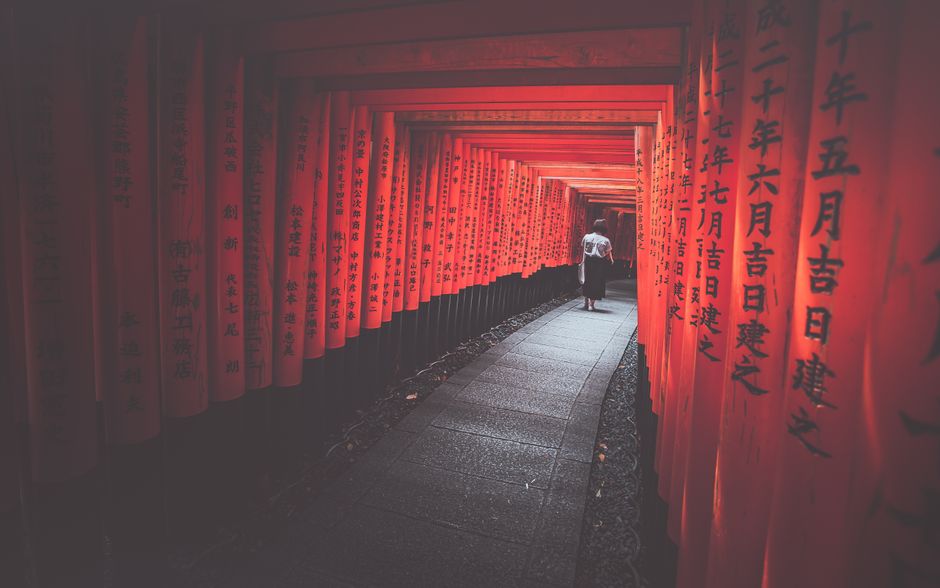
The Golden Pavilion, Kinkaku-ji, is a piece of pure, reflective theater. To see it without a wall of bodies, you must arrive 20 minutes before the gates open, queue with the domestic tour groups, and walk directly to the pond for an unobstructed view before the sun hits the gold leaf too harshly. The reflection of the phoenix-crowned pavilion in the water is the shot, and you will have about a four-minute window of visual serenity before the human tide surges in. Fushimi Inari Taisha is an endurance test that rewards the persistent. The crowd evaporates after the first few hundred meters of the Senbon Torii gate tunnel. Push past the initial congestion, where everyone takes the same picture, and continue climbing the steep path toward the Yotsutsuji intersection. The higher you go, the more the sacred mountain reveals its silence, with moss-covered sub-shrines and stone fox statues peering from the forest mist, and by the time you reach the summit, you will share the view with perhaps five other people.
Kiyomizu-dera's wooden stage, jutting out over a sea of maples, is currently undergoing scheduled maintenance cycles, but its panoramic view of the city remains unmatched. The 2026 strategy involves the early morning slot, but if you cannot stomach a 6:00 AM wake-up call, the alternative is the evening illumination during the spring and autumn seasons, where the crowd is more dispersed and the temple glows ethereally against the night sky. For the bamboo grove in Arashiyama, the conventional advice to arrive at dawn is exactly correct. However, a secondary, less-known tactic is to visit in the late afternoon when the tour buses have departed but the park has not yet closed; the light slices horizontally through the stalks, creating a golden corridor that is arguably more beautiful
Kyoto Food Guide: What to Eat and Where in 2026
Kyoto's culinary scene is a profound expression of its seasons, history, and spiritual connection to nature. Eating here in 2026 isn't just about sustenance; it's a cultural immersion that can be the highlight of your entire trip. From meticulously plated multi-course feasts to humble street snacks perfected over centuries, this Kyoto travel guide 2026 will navigate you through the city's unmissable flavors. The key is to embrace local specialties like yudofu (hot tofu), delicate Kyoto-style sushi, and the endless variations of matcha. With a focus on fresh, local ingredients, even a simple meal can be transcendent. Let’s dive into the essential food experiences that await you.
Kaiseki Dining: A Multi-Course Experience
Kaiseki is the pinnacle of Japanese haute cuisine, a multi-course meal where every detail is a reflection of the season. Originating from the simple meals served during tea ceremonies, it has evolved into an art form. In a 2026 Kyoto travel guide, this is the one splurge-worthy experience we emphatically recommend. A full kaiseki dinner is a choreographed journey through flavors, textures, and visual beauty, using peak seasonal ingredients served on exquisite ceramic and lacquer ware.
The meal typically begins with a light appetizer (sakizuke), followed by a clear soup (suimono), a sashimi course (otsukuri), a grilled dish (yakimono), and a simmered dish (takimono), before concluding with rice, pickles, and a seasonal dessert. Flavors are subtle and intended to highlight the ingredient’s natural essence rather than heavy sauces. While it can be intimidating, the staff are masters of hospitality and will guide you. For a first-timer, a lunch kaiseki is a more accessible and affordable entry point than a full evening meal. Top-tier experiences like Kikunoi Roan or Hyotei require reservations weeks in advance, but smaller, family-run establishments in the Higashiyama district also offer breathtaking meals. Budget around ¥8,000-¥15,000 for lunch and ¥20,000 and upwards for a full dinner, a price that reflects the hours of meticulous preparation and artistic presentation.
Street Food and Nishiki Market Must-Tries
For a complete contrast to kaiseki’s formality, dive into the vibrant chaos of Nishiki Market. Known as "Kyoto's Kitchen," this narrow, five-block-long shopping street is a sensory overload in the best way possible. A top tip for any first-timer’s Kyoto travel guide 2026 is to visit with an empty stomach and a curious palate. The market is a fantastic place to sample a wide range of Kyoto’s specialties without committing to a formal sit-down meal, making it perfect for a casual lunch.
Start with classic skewers of yakitori or grilled unagi (freshwater eel), glazed in a sweet-savory tare sauce. Don't miss the famous dashimaki tamago (rolled omelette) from a specialized vendor, which is served hot, juicy, and deeply savory from dashi stock. For the adventurous, try whole baby octopus stuffed with a quail egg. Tako tamago is a sweet-savory market icon. Other must-tries include fresh yuba (tofu skin), creamy sesame pudding, and seasonal mochi on a stick. The market is now more tourist-conscious in 2026, with many vendors offering clear English signage, but it remains a working food market. Be mindful of the local custom of eating at the stall you buy from and using the provided bins; walking and eating is generally frowned upon here. Arrive around 10:00 AM to beat the biggest lunch crowds and see the stalls at their freshest.
Matcha Sweets and the Best Tea Houses
Kyoto’s identity is inseparable from matcha, and the city is a global epicenter for green tea-infused confections. The Uji region, just south of the city, produces some of Japan's highest-grade tea, which finds its way into every imaginable sweet. A traditional tea house experience is a must in any refined Kyoto travel guide 2026. The most iconic experience is enjoying a bowl of thick, bitter matcha accompanied by a perfectly balanced sweet (wagashi), often shaped like a seasonal flower or leaf.
For a traditional setting, seek out a tea house in the historic Higashiyama district or near the serene gardens of a Zen temple. Kagizen Yoshifusa in Gion, known for its kuzukiri (arrowroot noodles) and matcha, is a classic choice. For a more modern take, the streets are lined with matcha specialty shops. Tsujiri, a historic Uji tea house with branches in Kyoto, is legendary for its matcha parfaits—layered creations of jelly, sponge cake, whipped cream, mochi, and intense matcha soft serve. A simple matcha latte from an artisan roaster or a scoop of matcha gelato from a shop like Nanaya, which offers seven intensity levels, is a perfect afternoon pick-me-up. The key is the interplay of bitterness and sweetness, a flavor dynamic that epitomizes Kyoto's aesthetic.
Vegan and Vegetarian Survival Guide in Kyoto
Kyoto is, without question, the best city in Japan for vegan and vegetarian travelers. This is thanks to the profound influence of shojin ryori, the Buddhist temple cuisine that has been practiced for centuries. Finding plant-based food is a highlight, not a chore, and this Kyoto travel guide 2026 will show you how. Shojin ryori is a completely vegan culinary art form, focused on fresh mountain vegetables (sansai), tofu, yuba, and sesame, prepared in ways that elevate their natural flavors. A meal at a temple like Tenryu-ji in Arashiyama is an unforgettable experience, offering a serene garden view alongside your multi-course tray of seasonal delicacies.
Outside the temples, the modern vegan scene is booming. Restaurants like Ain Soph. Journey and Veg Out Vegan Cafe offer creative, globally-inspired plant-based dishes. The real secret weapon is yuba, the delicate skin that forms on heated soy milk; you'll find it in everything from sashimi-style to simmered in a hot pot. A bowl of vegan ramen at Engine Ramen, with its rich, complex broth, will shatter any preconceptions about ramen needing meat. When navigating standard menus, look for the character for "goma" (sesame), as a sesame-based dressing on soba or tofu is often a safe bet. However, be extremely cautious of dashi, the foundational Japanese soup stock, which is almost always made with bonito (fish) flakes. The key phrase to learn or show is "katsuo dashi nashi de" (without bonito stock). With a little planning, you can eat incredibly well and authentically in Kyoto.
Practical Tips, Budget Breakdown, and Cultural Etiquette for 2026
Mastering the logistics of your trip is just as crucial as knowing which temples to visit. Kyoto operates on a delicate balance of ancient custom and modern efficiency, and a little preparation goes a long way. This section of our Kyoto travel guide 2026 will demystify the costs, help you save money, and ensure you navigate the city with the grace of a seasoned traveler, not a bewildered tourist. Understanding the unwritten rules of etiquette will not only enrich your experience but will also be deeply appreciated by the locals who call this magical city home.
How Much Does a Kyoto Trip Cost? Daily Budget Examples
Kyoto can be surprisingly affordable or a luxury playground, depending on your style. In 2026, with the yen still favorable for many international currencies, your money can stretch further than you think. Here’s a realistic breakdown for a daily budget per person, not including flights or long-haul train tickets.
For a budget-conscious traveler staying in a hostel or capsule hotel, you can thrive on ¥10,000-¥15,000 per day. This includes dorm accommodation (¥3,500-¥5,000), a simple breakfast from a konbini, a casual lunch like a steaming bowl of ramen (¥1,000-¥1,500), and a modest dinner (¥1,500-¥2,500). Add a one-day bus pass (¥700) and temple entry fees for two sites (¥1,000), and you’re set. A mid-range traveler in a comfortable 3-star business hotel can expect to spend ¥25,000-¥40,000 per day. This covers a hotel room (¥15,000-¥25,000), a café breakfast, a beautiful lunch kaiseki set (¥5,000), a quality à la carte dinner with drinks (¥5,000-¥7,000), a taxi ride or two, and several paid attractions. For the luxury seeker staying at a five-star hotel or a high-end ryokan with a full kaiseki dinner, the daily budget skyrockets to ¥80,000 and beyond. A ryokan stay alone, the crown jewel of a Kyoto visit, often starts at ¥50,000 per person including two meals. The biggest variable is always accommodation, so book well in advance for the best value, especially during the cherry blossom and autumn leaf seasons.
Money-Saving Hacks: Passes, Free Attractions, and Konbini Meals
A smart Kyoto travel guide 2026 must include the secrets to saving yen without skimping on experience. The first and best hack is utilizing the city’s excellent bus network. At ¥230 per ride, costs add up fast, but the one-day bus pass at ¥700 for unlimited rides within the flat-fare zone pays for itself in just three trips. Buy it from the bus driver on your first ride. You can also walk between many attractions; the walk from Kiyomizu-dera through Ninenzaka and Sannenzaka to Yasaka Shrine is a free, world-class experience in itself.
Don't underestimate the humble konbini (convenience store). 7-Eleven, FamilyMart, and Lawson are not just for emergency snacks; they are a cornerstone of a budget trip. A ¥600 onigiri (rice ball) set with a carton of soup makes a satisfying, quick breakfast. Their egg salad sandwiches are legendary, and the hot food counter offers fried chicken and croquettes that rival many restaurants. For attractions, balance ticketed temples with the many that are free. The sprawling grounds of Nanzen-ji, the iconic vermillion torii gates of Fushimi Inari, and the atmospheric streets of Gion are all free to wander. You can witness a Geisha or Maiko hurrying to an appointment in Gion without spending a single yen. Finally, look for combination tickets at temple complexes that let you see a garden and a hall for a reduced price.
Do’s and Don’ts: Temple Manners, Tipping, and Language Basics
Kyoto’s beauty is interwoven with deep-rooted etiquette. A respectful traveler is a welcome traveler. The cardinal rule in any temple or shrine is to treat it as a sacred space, not a photo studio. At the purification fountain (temizuya) near the entrance, use the ladle to rinse first your left hand, then your right, then pour water into your left hand to rinse your mouth—never drink directly from the ladle. When praying at a shrine, the custom is to bow twice, clap twice, pray, and bow once more. Temple interiors often require removing your shoes; a clean pair of socks is a subtle sign of respect.
A crucial point in any Japan-focused Kyoto travel guide 2026 is this: you do not tip. Ever. Tipping in Japan can be seen as rude and confusing, implying the recipient needs a handout for doing their job. Exceptional service is the standard, and a sincere "arigato gozaimasu" (thank you very much) is the best reward. Speaking of language, learning a few phrases transforms interactions. "Sumimasen" (sorry/excuse me) is your all-purpose key for getting attention. "Kore o kudasai" (this one, please) paired with pointing at a menu item is invaluable. For photography, resist the urge to use a selfie stick in crowded areas like Nishiki Market or during a tea ceremony. When on public transport, keep your phone on silent and avoid talking loudly. By observing these simple do’s and don’ts, you move from being a passive observer to an active participant in the city’s culture of mutual respect and harmony.
Your Kyoto Adventure Awaits: Final Planning Reminders
As you stand on the cusp of your journey, with your bags nearly packed and your heart set on ancient temples and whispering bamboo groves, remember that the true magic of Kyoto unfolds not in a checklist of sights, but in the quiet moments between them. This Kyoto travel guide 2026 has laid out the temples, the tastes, and the traditions, but your own sense of wonder will be the ultimate compass. The city respects the curious and the calm, rewarding those who slow down enough to notice the moss-covered stone lantern, the perfect foam on a bowl of matcha, or the fleeting glimpse of a maiko’s silk fan disappearing around a corner.
Be prepared for the seasons to dictate your experience. If you're chasing cherry blossoms in early April, book everything months in advance and expect poetic, petal-filled crowds. If you arrive in the lush, humid summer, the vibrant green of the gardens and the Gion Matsuri festival will be your reward. Autumn’s fiery maple leaves in November are as breathtaking as the blossoms, and the crisp air is perfect for long walks between temples. The best single piece of advice is to start your days early. A temple like Kiyomizu-dera or the torii gates of Fushimi Inari at 7:00 AM feels like a different world than at 10:00 AM—a world of peace that is deeply, authentically yours.
The logistics—the IC cards, the bus passes, the reservation systems—are just the framework. The soul of your trip lies in embracing the concept of *ichi-go ichi-e*, a Japanese phrase meaning "one time, one meeting." Each moment in Kyoto is a treasure precisely because it will never happen in exactly the same way again. So put down the map occasionally, follow a side street simply because it looks beautiful, and say a grateful "gochisosama deshita" after your meal. Kyoto is ready to meet you. All you have to do is arrive with an open heart.


No comments:
Post a Comment