Top Summer Destinations in Packing Tips for a Summer National Parks Trip
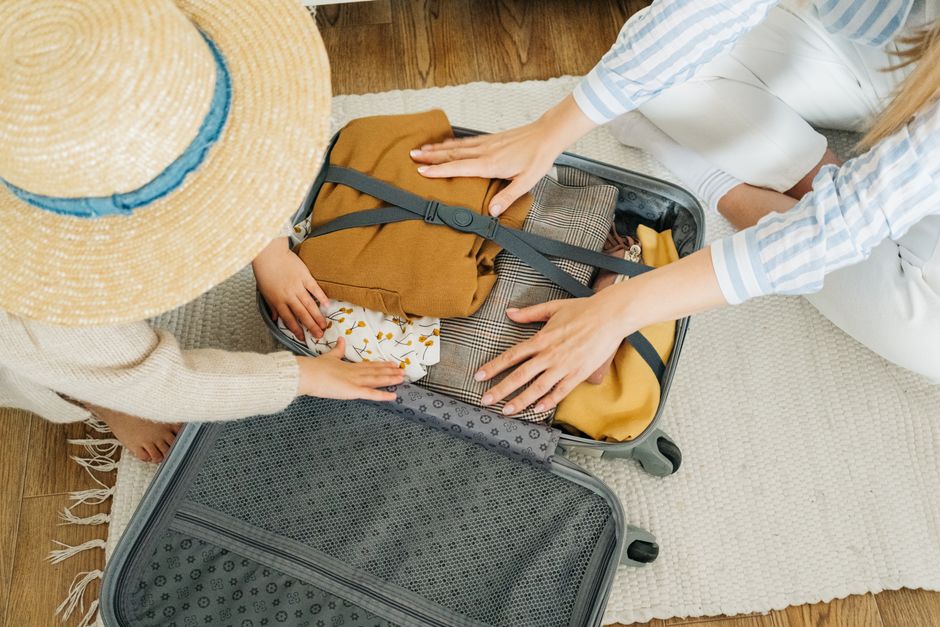
The sun strikes the red rock at twilight—packing light means you can move faster when the light shifts.
☀️ Best months: June–August · 💰 Daily budget: ~$120–$180 (entry, food, gas) · ⏱️ Ideal trip length: 10–14 days to hit 3–4 parks · 🎯 Difficulty: moderate (some hikes, altitude) · 🌡️ Avg. temp: 75°F days, 45°F nights · 👥 Best for: solo travelers, families, low-budget campers.
The first thing that hits you when you step out of the rental at the Canyon Village parking lot in Yellowstone is the smell—pine and dust and wet sulfur, all mixed with the hot asphalt. I was wearing those cheap trekking pants I bought from a mall, and within an hour the seam started tearing at the knee. Not the kind of thing you read about in glossy magazines. But that afternoon I learned the most important rule: pack a needle and thread, not just a thousand dollars’ worth of Gore-Tex.
I’ve spent five summers bouncing between the big parks—Yellowstone, Yosemite, the Tetons, Zion, Great Smoky Mountains. Each one taught me what works and what weighs you down. This isn’t some “ultimate guide.” This is a collection of real mistakes, honest compromises, and a few tricks that saved my back and my sanity.
The Essentials at a Glance
- 🎒 Layers, not suits — A thin merino base, a fleece, and a windbreaker cover 90% of summer conditions.
- 🧴 SPF 50+ that doesn’t make you look like a ghost — Stick with zinc-based; put it on before the trailhead, not after.
- 💧 3‑liter hydration bladder > multiple plastic bottles — You’ll save money and avoid the grab‑and‑throw routine at those $6 convenience stores.
- 🧦 Two pairs of socks, not three — Wash one pair in a ziploc with soap; they dry overnight in the car windshield sun.
- 🚐 A physical map of the park — My phone died on the South Rim of Grand Canyon at 9 p.m. A ranger pointed me with a paper map. Download an offline map too, but have the paper.
The Complete Summer Guide
When I talk about “packing tips,” I really mean how to minimize regret. Each park has its own micro-climate, and the more visited places—Old Faithful, the Yosemite Valley floor, Zion Canyon—feel like a carnival in July. You need to plan where to park, when to hike, and what to wear so you don’t end up sweating in a cotton hoodie.
Yellowstone & Grand Teton: Altitude and Bison Jams
I arrived at Mammoth Hot Springs in late June. The boardwalks were steaming, people were jostling for selfies. My mistake? I packed a cotton T‑shirt, a down jacket, and jeans. By noon I was roasting; by nightfall at a campsite in Grant Village, the temperature dropped to 39°F. I slept in my jacket and cursed myself. The trick here is a modular kit: a lightweight fleece, a sun hoodie, pants that zip off, and a thin puffy for the evening.
Also: those bison jams? Real. I sat in a line for 45 minutes because a herd decided to nap across the road between Lamar Valley and Mammoth. Keep your cooler snacks in the front seat, not buried under the tent. I learned that the hard way when my lunch got crushed by a bag of charcoal.
Yosemite: Crowds, Granite, and a Freezing River
Yosemite Valley in July is a beautiful chaos. I paid $35 to park and still had to walk 20 minutes to the Mist Trailhead. The river water felt like ice, but the granite holds heat—you’ll be cold and hot at the same time. My recommendation: bring a lightweight sit‑upon pad (the kind campers use) to sit on the granite at Vernal Fall without burning your thighs.
I also made the rookie choice of wearing my hiking boots straight out of the box. Blisters on both heels within three miles. Now I swear by trail runners with low drop and plenty of moleskin. And for the love of all that is dry, bring a buff to dip in the river for the hike back—the descent into the valley can feel like walking into an oven.
Zion: Tight Spaces and Thirst
The Narrows in August is spectacular and packed. The shuttles are free but you’ll wait 30 minutes in the hot sun at the visitor center. I carried a 3‑liter hydration bladder and still ran low because I kept sharing with my parched friend. Carry a small filter bottle like the Katadyn BeFree—you can refill from the Virgin River after the first mile. It’s safe, cold, and free.
Another thing: the sun in Zion is aggressive. I got a burn on the back of my neck even with SPF 50. A sun hat with a neck flap saved me for the rest of the trip. Worth the extra pack space.
Great Smoky Mountains: Humidity, Black Bears, and Moonshine
Unlike the dry western parks, the Smokies are a swamp in July. The humidity makes every cotton shirt feel like a wet towel. I learned to pack synthetic fabrics that dry fast, plus a small portable fan for the night at the campsite. And yes, bear canisters are mandatory in the backcountry—I used a borrowed one from a ranger station after leaving mine at home.
One evening I hiked to Clingmans Dome for sunset. The trail is paved but steep. I was drenched in sweat, and the only food I had was a half‑melted chocolate bar I bought at a gas station in Gatlinburg. That was a low point. Now I always carry two liters of water and a salty snack for altitude hikes, even short ones.
Summer Traveler's Pro Tips
- 🔥 Bring a cheap headlamp, even for car camping. I saved a stranger on the Lakeside Trail in Grand Teton when her phone died at dusk. $12 headlamp from Walmart. She offered me $20, I refused. She gave me a bag of chips.
- 📦 Use a dry bag for your sleeping bag, even if you think it’s not raining. I found a soggy down bag after a sudden thunderstorm in Yosemite’s Tuolumne Meadows. Never again. A $15 roll‑top dry bag is a lifesaver.
- 🍜 Don’t trust the “last gas station” signs. On the drive between Yellowstone and Grand Teton, the only gas station at Flagg Ranch was $6.79 a gallon. Fill up in Jackson or West Yellowstone, not the stretch in between.
- 📵 Offline maps on two different apps. Gaia GPS saved me when AllTrails crashed midway through the Grand Canyon of the Yellowstone. Download Google Maps offline for the surrounding towns too—cell service is a myth.
- 💰 National Park annual pass is $80, and it pays for itself after three entries. But the pass doesn’t cover the shuttle in Zion or the ferry to the Statue of Liberty—separate fees apply.
Common Summer Travel Mistakes
1. Showing up without a reservation. I drove to Arches last August, thinking I could just get a day‑use permit. The line of cars stretched for three miles. I turned around and went to Canyonlands instead, which had space. Always check recreation.gov for timed entries or backcountry permits.
2. Relying on the shuttle system blindly. Zion’s shuttles are efficient but the wait at the Visitor Center at 9 a.m. is 45 minutes. I wasted two hours one morning because I didn’t start my hike early. Arrive at the parking lot before 7 a.m. or after 3 p.m.
3. Overpacking for “just in case.” I brought a camp chair, a table, and a cooler that barely fit in the trunk. Ended up sitting on a log and eating cold pasta. Leave the bulky gear—you’ll be out hiking, not lounging.
4. Not testing your cooking gear before you leave. My new stove had a faulty valve that wouldn’t light. I ended up buying a $10 camp stove at a KOA, and the mac and cheese took 40 minutes to cook. Test everything at home, including the fuel canister fit.
Your Summer Travel Checklist
| Category | Essential Items |
|---|---|
| 📄 Documents | ID, annual pass, printed itinerary, emergency contact, health insurance card |
| 🧴 Sun & Heat | SPF 50+ (zinc), wide‑brim hat, UV‑protect sunglasses, lip balm with SPF, portable fan, cooling towel |
| 🏕️ Camp & Sleep | Sleeping bag (rated to 30°F), sleeping pad, earplugs, headlamp, dry bag for clothes |
| 📱 Offline Apps | Google Maps offline, AllTrails (download maps), Gaia GPS, park‑specific app (NPS), offline Spotify playlist |
Traveler FAQ
A: Grand Teton offers easy hikes, stunning views, and less altitude than Yellowstone—it’s a perfect starter. Lodges in Jackson are decent and affordable if you book six months ahead.
Q: How do I avoid the crowds in June and July?A: Enter the park by 6 a.m. or after 3 p.m. Skip the main visitor center—head straight to a lesser‑used trailhead. At Yellowstone, go to the Beartooth Highway side (Northeast entrance) instead of West Yellowstone.
Q: What type of backpack should I bring for day hikes?A: A 20‑25 liter pack with a hip belt and a padded sleeve for a water bladder. No need for a 50‑liter monster unless you’re staying overnight. Osprey Daylite is my go‑to.
Q: Do I need bear spray everywhere?A: In the Rockies and Cascades, yes. In the Smokies, black bears are common but less aggressive—still carry it if you go deep. Keep it accessible on your hip, not buried in your pack.
Q: How much water should I bring for a 5‑mile hike?A: At least two liters (half a gallon). More if it’s hot, more if it’s high altitude. In desert parks like Zion, three to four liters. You can always stash a bottle at the trailhead for the return.
Ready for Your Summer Adventure?
By the end of my third summer of park hopping, I had pared down my pack to under 20 pounds, including food and water. The biggest lesson wasn’t about gear—it was about letting go of the idea of “perfect packing.” You will forget something. You will buy an overpriced ice cream at the lodge. You will get a sunburn on the one spot you missed with the SPF.
That’s all part of the story. The best memories come from the moments you didn’t plan for: the ranger who points you to a quiet alcove, the stranger who shares a bag of chips, the sudden elk crossing that makes you stop and just breathe.
Bookmark it, screenshot it, or share it with your travel buddies.
And if you’ve got a packing fail story? Drop it in the comments below. I’d love to hear what you swore you’d never bring again.