Top Summer Destinations in Peru Budget Travel: Visiting Machu Picchu for Less
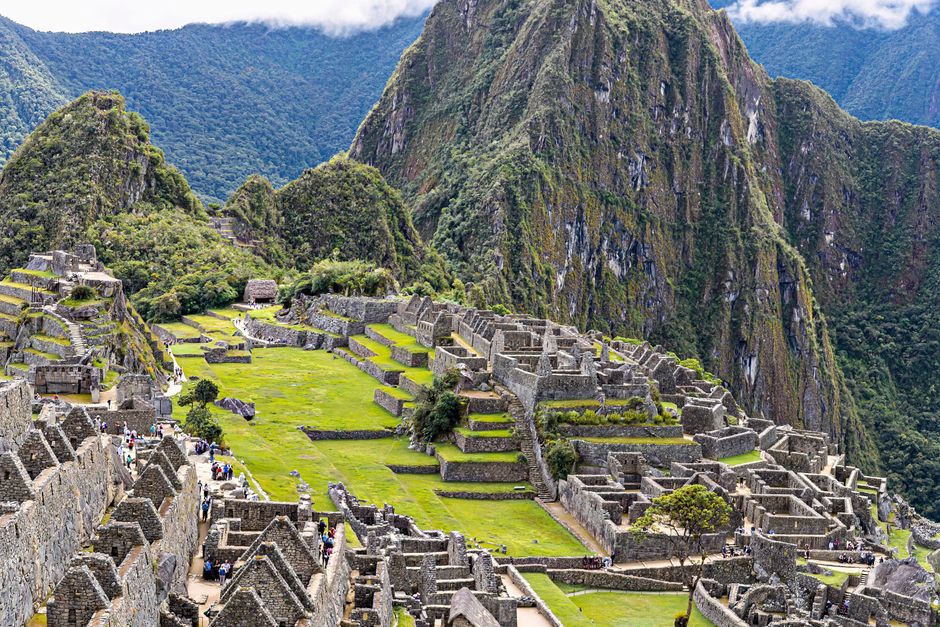
The sun catches the western face of Huayna Picchu just after 9 a.m. — the moment every budget traveler waits for, camera phone already overheating.
Quick Stats
☀️ Best months: May–September · 💰 Daily budget: $35–55 USD · ⏱️ Ideal trip length: 7–10 days · 🎯 Difficulty: Moderate (altitude is real) · 🌡️ Avg. temp: 19°C days, 6°C nights · 👥 Best for: Solo travelers, small groups, backpackers who don't mind early alarms
The first thing I smelled in Aguas Calientes was diesel fumes mixed with eucalyptus steam rising from a street vendor's pot. It was 6:47 a.m., my neck was sunburned from the previous day's hike to the Sun Gate — I'd reapplied SPF 50 twice, but at 2,430 meters the UV hits different. My sunglasses fogged up. A dog trotted past carrying half a plastic bottle in its mouth. I needed coffee. Bad.
That's the thing about summer in Peru. It chews you up, spits you out, and then hands you a view so absurdly beautiful you forget your shoulders are peeling. I've spent five summers bouncing between Lima's cevicherias, Cusco's alleyways, and the Sacred Valley's market stalls. I've overpaid for water, slept on a hostel roof in Ollantaytambo, and watched a Swiss tourist argue with a ticket vendor for twenty minutes about a two-sol discrepancy. I am not a luxury traveler. I am a budget traveler who has learned exactly which corners to cut and which ones will cost you dearly.
This article is for those who want to see Machu Picchu without emptying their savings. Not the "travel hack" version found on Pinterest boards. The real version — the one where you ride a colectivo that smells of guinea pig, share a room with three strangers, and still wake up grateful because the Inca citadel is right there, waiting.
The Essentials at a Glance
- 🎟️ Machu Picchu entry: 152 soles (≈ $41 USD) — book at least 3 weeks ahead in summer
- 🚂 Train to Aguas Calientes: $29–75 USD one way (Inca Rail's "The Local" is cheapest, sells out fast)
- 🏨 Budget hostel dorm bed: $12–18 USD per night in Cusco; $18–25 in Aguas Calientes
- 🍜 Menu del día lunch: 12–18 soles ($3–5 USD) — soup, main, drink, sometimes dessert
- 🚌 Bus up to Machu Picchu: $12 USD each way — or walk (1.5 hours, free, your quads will hate you)
The Complete Summer Guide
Why Summer in Peru Is a Double-Edged Sword
June through August is the dry season. That means blue skies above Machu Picchu. It also means crowds so thick you'll elbow a German tourist at the Sun Gate if you're not careful. I stood in line for 45 minutes to enter the citadel last July. Forty-five minutes, and I arrived at 5:50 a.m. The advantage? Zero rain delays. The disadvantage? You're sharing the view with about 2,500 other humans.
But here's the budget truth: summer is also when hostels fill up but prices don't always spike. Cusco's San Blas neighborhood has dorm beds for 45 soles a night if you book through a local hostel aggregator called Mochilero's Tool — not Hostelworld, not Booking.com. I paid 52 soles for a bed at Loki Cusco in August. Loki is a party hostel. I did not party. I put earplugs in and passed out by 9 p.m. because the altitude had given me a headache the size of a dinner plate.
The Cusco Strategy That Saved Me 200 Soles
Everyone tells you to "acclimate in Cusco for three days." They're right, but they don't tell you that you can also buy your Machu Picchu tickets at the Ministerio de Cultura office on Avenida de la Cultura — not online, not through a third party. I walked in at 9:30 a.m. on a Tuesday, paid 152 soles with a card, and walked out with a paper ticket for Saturday. Online, the same ticket was being resold for 210 soles by agencies. That's 58 soles saved right there — about two days of food money.
I also learned that the Circuito 2 route (the classic photo route that includes the classic postcard shot of Huayna Picchu in the background) costs the same as Circuito 1 or 3. Most tourists book Circuito 1 because it's the shortest. Circuito 2 takes longer but gives you more angles. I spent three hours circling the upper terraces, alone for maybe fifteen minutes around 11 a.m. when the tour groups all stopped for lunch near the guardhouse.
Eating Cheap in the Sacred Valley
Pisac Market on a Sunday is a sensory assault. Empanada smoke, alpaca wool, fresh cheese wrapped in banana leaves. I bought a tamal de maíz con queso for 3 soles from a woman who used the same knife to cut mangoes and slice limes. I ate it standing up, juice dripping down my wrist. Later, I found a tiny restaurant called Manka near the Pisac ruins entrance — two doors down from the big tourist cafe — where a full menu del día cost 10 soles. Soup, lomo saltado, chicha morada. I ate there three times.
In Ollantaytambo, avoid the restaurants on the main plaza. Walk two blocks east to La Esquina del Pan, a bakery that sells ham-and-cheese sandwiches for 8 soles and fresh bread for 1 sol a piece. I packed two sandwiches for the train ride to Aguas Calientes. Saved about 25 soles compared to buying food in the station.
Aguas Calientes: The Necessary Evil
Aguas Calientes is a tourist trap. I'll say it plainly. The town exists to extract money from people who want to see Machu Picchu. A bottle of water costs 5 soles in Cusco and 10 soles in Aguas Calientes. A basic dinner of rice with chicken runs 25 soles. The hot springs — which gave the town its name — cost 15 soles and smell of sulfur so strong you'll taste it for hours.
But Aguas Calientes is also unavoidable unless you're camping on the Inca Trail. So here's what I did: I stayed at Hostal DM's, a concrete building three blocks from the train station. Dorm bed: 22 soles per night. Cold showers, thin mattress, but clean sheets and a locked door. I ate dinner at Los Manguitos, a two-table joint run by a woman named Juana who serves a mean chicken soup for 15 soles. I bought water from a bodega near the market, not from the mini-marts near the plaza — saved 2 soles per bottle.
The Inca Trail Alternative (That Nobody Talks About)
The Inca Trail is expensive. Permits cost about $150–200 USD, plus guide fees, plus food, plus tents. I've done it once. It was beautiful. It also cost me about $280 all-in. For a budget traveler, that's a lot.
Here's the alternative: the Santa Teresa–Hidroeléctrica route. Take a colectivo from Cusco to Santa Teresa (20 soles, 5 hours). Then a taxi or shared van to the Hidroeléctrica train station (5 soles). From there, walk along the train tracks for about 2.5 hours to Aguas Calientes. The walk is flat, easy, and follows the Urubamba River. I saw a condor circling above. It cost me exactly 25 soles in transport. The train from Hidroeléctrica to Aguas Calientes costs $35 USD — but I walked it and saved that money entirely.
Downside: you won't have a guide explaining Inca history. Upside: you'll have 280 soles left in your pocket and a story about walking train tracks through the jungle.
🧠 Local Tip
If you take the Hidroeléctrica route, bring snacks and a full water bottle. There's one shop halfway — a tin-roof shack selling warm Coke for 8 soles and stale crackers. I paid 8 soles for a warm Coke because I was desperate. Pack your own and save the cash. Also, start walking by 7 a.m. The afternoon sun on the tracks is brutal — no shade, just rocks and rail lines.
What the Guidebooks Don't Tell You About Altitude Sickness
I got sick on my first summer trip. Third day in Cusco, I woke up with a headache so bad I thought I had a fever. My stomach rejected the breakfast tamal. I spent two hours lying on a bench in the Plaza de Armas, watching tourists take selfies, wondering if I'd waste my money on Machu Picchu tickets I couldn't use.
Cheapest cure: coca tea. Literally 1 sol at any market stall. I drank three cups. The headache faded. The nausea didn't fully go away until day four. I now tell everyone to spend exactly three nights in Cusco before attempting anything strenuous. Not two. Three. Day one: arrive, walk slowly, drink coca tea, eat light. Day two: explore San Blas and the market. Day three: short hike to Sacsayhuamán (free if you have the Cusco Tourist Ticket, which costs 130 soles and includes 16 sites). Day four: Machu Picchu. That schedule works.
Also: skip the altitude sickness pills from the pharmacy. They cost 45 soles and made me drowsy. Coca tea cost 1 sol and didn't knock me out. Your call.
Summer Traveler's Pro Tips
1. Book your Machu Picchu entry time slot for 7:00 a.m., not 9:00 a.m.
I made this mistake on my third trip. 9 a.m. entry means you're behind the first wave of tour groups. The 7 a.m. slot lets you see the fog lift over the citadel. I aimed for 7 a.m. on my fourth trip and had the upper terraces almost empty for about 30 minutes. The 9 a.m. crowd was still buying tickets at the gate. Also: the 7 a.m. slot is 152 soles. The 9 a.m. slot? Also 152 soles. Same price, better experience.
2. Use the colectivo network, not buses
From Cusco to Pisac: colectivo costs 4 soles, bus costs 15 soles. From Cusco to Ollantaytambo: colectivo costs 12 soles, bus costs 25 soles. Colectivos leave from the estación de colectivos at Avenida Grau — look for the white vans with cardboard signs in the windshield. They leave when full, which means you might wait 15–20 minutes. I waited 22 minutes once. Still saved 13 soles.
3. Bring a reusable water bottle with a filter
Tap water in Peru is not drinkable. I bought a Grayl GeoPress for $45 before my second trip. It filtered 300 liters of water over five trips. Every liter of bottled water in Peru costs 2–5 soles. I saved roughly 400 soles over the years. The filter is worth the upfront cost if you're traveling for more than a week.
4. Eat at mercados, not restaurants
The Mercado de San Pedro in Cusco has a food court on the second floor. Jugos naturales (fresh juice) for 3 soles. Caldo de gallina (chicken soup) for 8 soles. A full plate of lomo saltado for 10 soles. I ate there every day for a week and spent less than 100 soles total on food. Compare that to a sit-down restaurant on the Plaza de Armas where a single main dish costs 28–35 soles.
5. Don't pay for the Cusco Tourist Ticket unless you want to visit 16 sites
The Boleto Turístico costs 130 soles and covers Sacsayhuamán, Pisac ruins, Ollantaytambo ruins, and others. If you're only doing Machu Picchu and maybe one or two Sacred Valley sites, it's cheaper to pay individual entry fees. Sacsayhuamán costs 30 soles. Pisac costs 25 soles. Ollantaytambo costs 25 soles. That's 80 soles total — saving 50 soles. I bought the full ticket once and only visited four sites. Felt like a waste.
Common Summer Travel Mistakes
Mistake #1: Arriving in Cusco and immediately hiking to Machu Picchu
I watched a British couple do this. They took a night bus from Lima to Cusco (10 hours), arrived at 6 a.m., and tried to hike the Inca Trail the same day. By noon, both were vomiting at the base camp. They had to turn back. Their Inca Trail permit was non-refundable. They lost $300 each. Give your body at least two full days to adjust to the altitude before any serious physical activity.
Mistake #2: Buying water in Aguas Calientes without checking the price
The bodega next to the train station charges 10 soles for a 1.5-liter bottle. The bodega two streets back, near the market, charges 6 soles. I paid 10 soles once. Felt like an idiot. Also: never buy the "artisanal" water bottles sold by street vendors near the Machu Picchu entrance — they're refilled tap water. I saw a vendor fill a bottle from a garden hose behind a food stall. Just don't.
Mistake #3: Assuming summer weather means warm nights
Cusco drops to 5°C at night even in July. I traveled with a thin sleeping bag liner and a fleece jacket. My first summer, I only brought a light sweater. I slept in my jeans and two t-shirts in a hostel with no heating. I did not sleep well. Pack a proper warm layer. Trust me on this.
Mistake #4: Paying for Huayna Picchu or Montaña Machu Picchu upgrades
Huayna Picchu costs an extra 150 soles. Montaña Machu Picchu costs an extra 100 soles. The views are good, but the standard Machu Picchu entry gives you access to the main citadel, the classic photo spots, and hours of exploring. I climbed Huayna Picchu once. The stairs are terrifyingly steep, the permit stress isn't worth it, and you can get 90% of the same photo from the Sun Gate viewpoint — which is free with your standard ticket. Save the money.
Your Summer Travel Checklist
📄 Documents
- ✅ Passport (valid at least 6 months)
- ✅ Machu Picchu ticket (printed, not just on phone — signal is unreliable)
- ✅ Visa-free entry for most nationalities (check your country)
- ✅ Travel insurance that covers altitude-related illness
🌞 Heat & Sun Preparation
- ✅ SPF 50+ sunscreen (reapply every 2 hours at altitude)
- ✅ Wide-brim hat (the sun at 3,400m is no joke)
- ✅ Sunglasses with UV protection
- ✅ Electrolyte packets (I used 5 in 4 days)
📱 Offline Apps & Bookings
- ✅ Maps.me (offline maps for Cusco, Ollantaytambo, Aguas Calientes)
- ✅ Google Translate (download Spanish offline pack)
- ✅ Booking.com or Mochilero's Tool for hostel reservations
- ✅ Train ticket from Ollantaytambo to Aguas Calientes (book 2 weeks ahead in summer)
Traveler FAQ
A: Yes, but you'll need to sleep in a dorm, eat at markets, and use colectivos instead of taxis. My lowest daily spend in Cusco was 32 soles — 12 for dorm bed, 10 for market food, 5 for local transport, 5 for water and snacks. Very doable.
Q: When is the absolute cheapest time to visit Machu Picchu in summer?A: The first two weeks of June, before North American and European summer breaks fully kick in. I went June 5–12 last year and found empty hostels and shorter lines. Prices don't drop, but availability is better. After June 20, everything gets packed and some hostels raise dorm rates by 5–10 soles per night.
Q: Is it better to book Machu Picchu tickets online or in person?A: In person at the Ministerio de Cultura office in Cusco — 152 soles versus 180+ online. I did both. Online is convenient but costs more. In person requires a morning wait (30–45 minutes) but saves money. Cash only at some counters, so bring soles.
Q: Do I need a guide for Machu Picchu?A: Not required, but the site has few informational signs. I went without a guide my first time and spent four hours walking around reading a PDF on my phone. My second time, I joined a group guide for 30 soles — paid at the gate. Worth it for context, but don't pay more than 40 soles. Official guides charge 100 soles for private tours. Skip that.
Q: How much cash should I carry for a Machu Picchu trip?A: About 300 soles in small bills (10s and 20s). Many shops in Aguas Calientes and Cusco don't accept cards, and ATMs in Aguas Calientes charge 12 soles per withdrawal. I ran out of cash once and paid 12 soles to get my own money. Avoid that fee by pulling out enough in Cusco before you leave.
Ready for Your Summer Adventure?
I've been back to Peru five times. Each time, I find something I missed — a new market stall, a quieter route, a hostel with a rooftop view of the Andes that costs the same as a night in a chain hotel. The country doesn't give up its secrets easily. You have to ride the colectivos, eat the street food, and wake up at 5 a.m. to see the light hit the stone.
Machu Picchu is worth it. Not because of the photos you'll post, but because of the moment when you're standing on a terrace, alone for a few minutes, and the wind smells like eucalyptus and wet earth, and you realize you got there — on your budget, on your terms. That feeling doesn't have a price tag.
📌 Save this guide — screenshot it, bookmark it, share it with a friend who needs to see Machu Picchu without breaking the bank.
Have your own tips or mistakes to share? Drop a comment below — real stories from real travelers make this guide better for everyone.