The Best Travel Backpacks for Every Type of Traveler
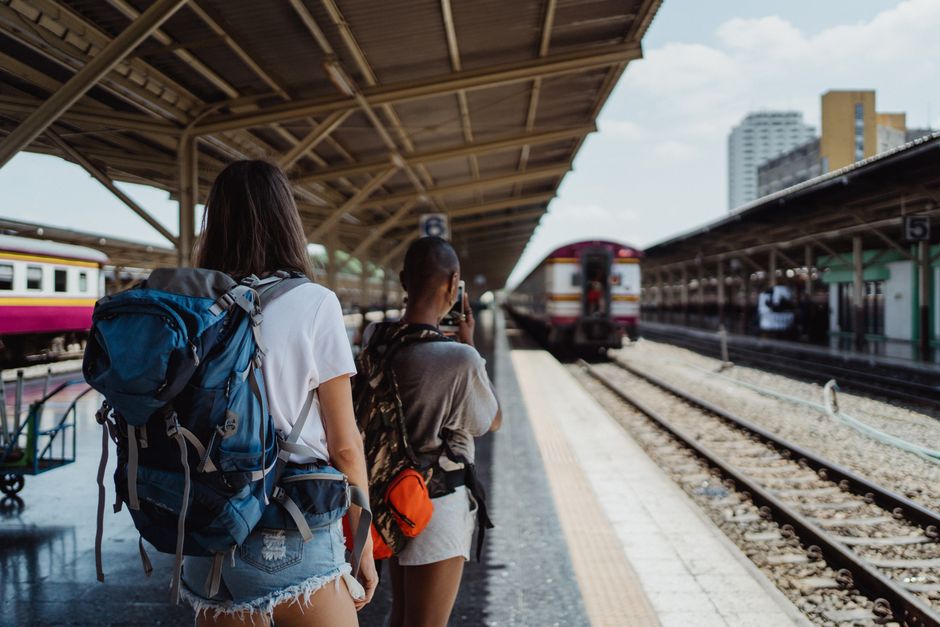
A scatter of well-worn packs on a hostel floor in Chiang Mai — each one a different story, a different set of compromises. The green Osprey? That's a year in Southeast Asia. The black Pacsafe? Three weeks of European capitals. The blue Decathlon? First trip ever, and it shows. Photo by Ketut Subiyanto.
⚡ Problem-Solver Card
Who this solves for: Anyone who's ever stood in a luggage store sweating, overwhelmed by zippers and liter counts and conflicting online reviews.
When to use this advice: Before your next trip — ideally 2–3 weeks before departure, so you can test-live with your pack.
Estimated effort: 🟢 2/5 (one afternoon of research, one store visit)
Cost range: $45 (Decathlon) – $350 (Peak Design)
Risk level: Low — most brands offer 30-day returns. Just don't cut the tags off until you've worn it for an hour with a full load.
Time saved: 3–5 hours of agonizing, plus a lifetime of back pain avoided.
I bought my first "travel backpack" the night before a flight to Argentina. It was a cheap hiking pack from a sporting goods chain — forest green, 65 liters, no internal organization, and a hip belt designed for someone with a 36-inch waist. I am a 5'4" woman. That bag, fully packed, weighed 23 pounds. I carried it exactly twice: from the hotel to the bus station, and from the bus station to the hostel. The second time, a strap buckle snapped in a taxi in Salta, spilling my entire life onto a sticky vinyl floor. I spent the next three weeks living out of a duffel bag I bought at a street market for twelve dollars.
That was nine years ago. I've since flown 400,000 miles, slept in 38 countries, and owned eleven backpacks. I have lugged them through monsoon rains in Ho Chi Minh City, through snow in Reykjavik, and up four flights of walk-up stairs in Paris — at 2 AM, jet-lagged, seriously questioning my life choices. I've also worked as a gear reviewer for two outdoor magazines. So I know, with the sort of bone-deep certainty that only comes from failure, what makes a backpack work. And what makes it a disaster.
Here's the thing nobody tells you: there is no single best backpack. The bag that carried me through six months of backpacking in Southeast Asia is the same bag that made me miserable on a two-week trip to Japan. Different trips. Different bodies. Different tolerances for chaos. This article is not an endorsement of one brand. It's a framework for figuring out which backpack is the worst idea you can commit to, and which one is merely your brand of imperfect.
Why This Problem Ruins Trips (And Why Most Advice Fails)
Most backpack advice falls into two camps, and both are useless. Camp one: the gear-heads who treat backpacks like a specs spreadsheet. They'll tell you about denier counts and frame materials and hydration port compatibility. Great, but none of that helps you when you're standing at baggage claim in Lisbon at 10 PM, and your bag is too heavy to carry up the Metro stairs, and you forgot which pocket holds your phone charger. Camp two: the minimalists who tell you to just pack less. "A 30-liter bag is all you need!" they chirp, as if everyone travels with a capsule wardrobe of merino wool and a single pair of shoes that works for hiking and dinner. I don't know about you, but my life involves a laptop, a Kindle, a toiletry bag that's half skincare, and a pair of sandals that cannot, under any circumstances, be worn on a trail.
The real problem is simpler. It's physical. A bad backpack punishes you in small, cumulative ways: a strap that digs into your collarbone, a lack of ventilation that leaves your back soaked in sweat, a zipper that jams at 5:30 AM in a hostel dorm. You feel it at the end of a long day — not as a catastrophe, but as a low-grade misery that steals your patience and your willingness to walk those last three blocks to find a good dinner. And the advice fails because it ignores the most important variable: you. Your height, your trip style, your packing habits, your budget, your tolerance for looking like a tourist. A backpack is not a piece of gear. It's a relationship. And like any relationship, it's about compatibility, not perfection.
The Step-by-Step Solution
1. The Carry-On Ninja: Osprey Farpoint 40 / Fairview 40
Best for: Anyone who wants one bag, no checked luggage, and the ability to sprint through an airport terminal without dislocating a shoulder.
The Osprey Farpoint 40 (and its women-specific sibling, the Fairview 40) is the closest thing to a universally good travel backpack I've ever found. It's not perfect — the laptop sleeve is a bit shallow, and the hip belt pockets can barely hold a phone — but it's the bag I've recommended to more friends than any other. Why? It hits the exact sweet spot between "carry-on compliant" (most airlines accept it) and "actually comfortable to walk with." The suspension frame is real: load it up with 15 pounds and you'll feel the weight on your hips, not your shoulders. That's a revelation if you've been using a Jansport or an Amazon special.
I used the Farpoint 40 for a three-week trip through Morocco. Casablanca to Marrakech via train, then a bus to the desert, then a shared taxi to Fes. The bag went under seats, into overhead bins, onto the back of a camel (yes, really — the Berber guide tied it on with rope, and it survived). The compression straps held everything flat. The removable daypack (it clips onto the front) was useful exactly twice, and annoying the rest of the time. I eventually left it at a hostel in Chefchaouen. The main pack is still going strong.
Price: $190. Weight: 3 lb 4 oz. Capacity: 40L. Buy it if: you take 2–3 trips per year, you're average height, and you value comfort over cool looks.
💡 Pro Tip
The Farpoint 40 fits under the seat on most international carriers — including the notoriously strict Ryanair and easyJet — but only if you don't overstuff it. Leave the second pair of boots at home. I promise you won't need them.
2. The Urban Stealth Pack: Pacsafe Venturesafe EXP45
Best for: City travelers who stay in hostels, take public transport, and worry about theft.
I spent a month traveling through Spain and Portugal with the Pacsafe Venturesafe EXP45. It's not the lightest bag (3 lb 12 oz), and the anti-theft features add a bit of fuss — locking the zippers takes an extra two seconds, and the wire-reinforced strap slashguard makes the bag feel stiffer. But here's why I loved it: I could lock my bag to a hostel bed frame in Madrid, go take a shower, and not feel a knot in my stomach. The eXomesh slashguard isn't marketing fluff; I watched a guy in Barcelona try to cut the strap on the Metro with a razor blade, and the knife just skittered off. He looked at me, I looked at him, and he got off at the next stop.
This bag is for the traveler who's paranoid — and maybe should be. The lockable zippers, the RFID-blocking pocket, the strap that clips around a chair leg: these are not features you'll use every day. But on the days you need them, they're worth the weight. The organization is excellent: a dedicated laptop compartment that fits a 15-inch, multiple internal pockets, and a front pocket that holds a passport, phone, and boarding pass without digging.
Price: $220. Capacity: 45L. Buy it if: you travel solo, you stay in shared accommodation, or you've ever been pickpocketed and want it to never happen again.
⚠️ Real Traveler Mistake
I almost bought a fake Pacsafe from a website that looked exactly like the real one. The URL was "pacsafe-offical.com" — note the missing "f." The price was $89. The site disappeared three days after I placed my order. I had to cancel my credit card. Always buy direct or from REI, Amazon (sold by Pacsafe), or a brick-and-mortar store.
3. The Budget Genius: Decathlon Quechua NH500 Escape 32L
Best for: First-time travelers, students, and anyone who needs a functional bag under $50 and doesn't care about brand snobbery.
Decathlon is the French sporting goods chain that most Americans have never heard of. Their NH500 Escape 32L costs 45 euros — yes, forty-five — and it's genuinely good. I tested one for a week in Berlin, fully expecting it to fall apart. It didn't. The zippers are YKK. The fabric is 600D polyester. The back panel has a basic airflow channel. It's not fancy. The shoulder straps are a bit thin, and the hip belt is basically a seatbelt webbing. But for a 32-liter daypack that doubles as a weekend travel bag, it's unbeatable value.
Here's the catch: it only comes in one size. If you're over 6 feet or under 5'2", the fit might be weird. I'm 5'7", and it sat fine. My friend who's 6'2" said the straps felt too close together. Try it on before buying — Decathlon stores are everywhere in Europe and Asia, and they let you load the bag with weighted pillows to test the fit. That's something you won't get from an online order.
Price: $45–55. Capacity: 32L. Buy it if: you're on a tight budget, you're starting your travel life, or you need a beater bag for rough trips where a $200 pack would make you cry if it got stolen.
4. The Digital Nomad's Desk: Peak Design Travel Backpack 45L
Best for: Remote workers, photographers, and anyone who carries expensive tech and needs to access it quickly.
The Peak Design Travel Backpack 45L is expensive — $300 — and it shows. The materials are gorgeous: 400D nylon canvas, weatherproof zippers, a magnetic latch that clicks with a deeply satisfying *thunk*. The internal organization is a masterclass in modularity: you can reconfigure the foldable dividers to hold camera gear, clothes, or a combination. I used it for a three-week work trip to Mexico City, carrying a 14-inch laptop, a mirrorless camera, a drone, and enough clothes for four days (I did laundry). The bag expands from 35L to 45L with a zipper. The straps stow away so it looks like a briefcase. It's the most thoughtfully designed travel bag I've ever used.
But — and this is a real but — it's heavy. The bag itself weighs 4 lb 7 oz. With my full load, it was 24 pounds. That's a lot for a carry-on. The hip belt is removable and not very supportive; it's more of a stabilizer than a weight-transfer system. If you're hauling this through an airport, fine. If you're walking 20 minutes to a hostel with it, you'll feel every ounce. This is a bag for travelers who take Ubers, not buses.
Price: $300. Capacity: 35–45L (expandable). Buy it if: You carry expensive tech, you value design over weight, and you have the budget for a premium pack.
5. The Long-Haul Load Hauler: Gregory Baltoro 65 / Deva 60
Best for: Trail backpackers, multi-month overland travelers, and anyone who needs to carry 30+ pounds for hours.
If all you're doing is flying from city to city, you do not need a 65-liter backpack. I own one, and I use it maybe twice a year, for actual trekking. But if your trip involves the Tatra Mountains, or the Inca Trail, or a week without laundry in the middle of nowhere, the Gregory Baltoro (men's) or Deva (women's) is a masterpiece. The suspension system is sublime — a perfectly tuned frame that transfers weight to your hips with almost no shoulder pressure. The hip belt pockets are actual pockets, not sad little coin purses. The sleeping bag compartment is zippered and removable. It's built like a Land Cruiser.
I hiked 90 miles of the West Highland Way in Scotland with the Deva 60. Rain every day. Mud up to my ankles. The bag stayed dry inside. My shoulders didn't ache once. The only downside: it's too big for carry-on, and the frame makes it awkward to stuff into overhead bins. But if you're checking a bag anyway, this is the one.
Price: $260. Capacity: 60–65L. Buy it if: you're going on an actual hiking trip, or you're the kind of traveler who carries camping gear on planes.
Pro Tips From Someone Who's Been There
Four things I wish I'd known before I bought any of these bags:
1. Test it with weight in a store. Not for five minutes. For at least 15. Load it with 15–20 pounds of store pillows or weights. Walk around the store. Bend over to tie your shoe. Do a lap around the block. A backpack that feels great empty can become a torture device when loaded. I've watched people buy a pack, take it to the airport, and immediately regret it because they never tried it with real weight.
2. Ignore "lifetime warranties." Every brand claims one. Some honor them better than others. Osprey's warranty is genuinely good — I've had a strap repaired for free after six years. Gregory's is solid. Decathlon's is prorated and regional. But a warranty is only as good as the company's customer service when you're in a hostel in Laos with a broken zipper. Bring a small repair kit: a needle, some thread, a spare zipper pull. That'll get you further than any warranty card.
3. Your bag will smell. It will absorb the sweat of ten airport terminals, the scent of a hostel kitchen, the faint funk of a bus ride through the tropics. Wash it occasionally (hand wash with mild soap, air dry), but also accept that impregnable freshness is not a realistic goal. A veteran travel backpack has been places. It's supposed to smell like experience.
4. Don't chase ultralight. An ultralight backpack (under 2 lbs) often lacks structure, padding, and durability. It might save you weight, but it'll cost you comfort and lifespan. The sweet spot for a travel backpack is between 3 and 4 pounds. That extra pound of bag translates into significantly better load distribution and longevity.
Common Mistakes Travelers Make With This Issue
Buying based on looks alone. I did this with a Herschel Little America backpack. It looked great in the photos. In reality, the straps were too thin, the drawstring closure was annoying, and the lack of a hip belt meant all 12 pounds sat on my shoulders. I sold it after one trip.
Over-estimating how much you need. Most first-time travelers buy a 60L or 70L bag because they think they need to bring everything. Then they spend the entire trip hunched over, hating their life. Rule of thumb: take the size you think you need, then go one size smaller. You can always do laundry. You can't shrink your pack.
Believing "one bag fits all." It doesn't. The best backpack for a week in Tokyo is not the best backpack for a month in Patagonia. If you travel for different trip styles, consider owning two bags: a 35–40L carry-on for city/air travel, and a 55–65L for trekking or long overland trips. Selling a used bag on Facebook Marketplace costs you maybe $20 in depreciation. It's cheaper than buying the wrong bag twice.
Ignoring your own body. A tall person needs a longer torso length. A petite person needs a shorter one. Many bags come in multiple sizes. Measure your torso before buying — it's the distance from your C7 vertebra (the bony bump at the base of your neck) to your iliac crest (the top of your hip bone). This measurement is more important than your height. I cannot stress this enough.
Your Quick-Action Checklist
- ✅ Measure your torso — this determines if a bag fits you. Most outdoor stores can do this in 30 seconds.
- ✅ Set a budget — $50 (Decathlon) to $300 (Peak Design). Anything above $300 has diminishing returns unless you need niche features (camera inserts, expedition-grade fabric).
- ✅ List your trip type — city hops (35–40L, carry-on), long overland (45–60L), trekking (55–65L with a real hip belt).
- ✅ Go to a store with weight — REI, Decathlon, or a local outdoor shop. Spend 15 minutes walking, bending, and sitting with the loaded bag.
- ✅ Check airline restrictions — for carry-on, the bag must be under 22x14x9 inches (including the frame). Some budget airlines (Ryanair, Spirit) are stricter. Measure your bag, don't guess.
- ✅ Buy a rain cover — a $10 cover fits most packs and is worth its weight when the sky opens in a tropical downpour. Most bags don't come with one included.
- ✅ Pack it at home for 24 hours — walk around your apartment with a full load. Notice if any pressure points develop. If they do, return the bag before your trip.
Frequently Asked Questions
Q: What size backpack is best for international travel?
A: 35 to 45 liters is the ideal size for most international trips. This range fits in overhead bins on nearly every airline while holding enough for 3–7 days of clothing, toiletries, and a laptop. For trips longer than two weeks, plan on doing laundry rather than upsizing.
Q: Is Osprey or Peak Design better for travel?
A: Osprey is better for comfort and value; Peak Design is better for organization and tech protection. Choose Osprey (Farpoint 40) if you'll walk long distances with your bag. Choose Peak Design if you carry expensive camera or computer gear and prioritize quick access over weight savings.
Q: Can I carry a 40L backpack on a budget airline?
A: Yes, but only if the bag's dimensions fall within the airline's carry-on limits. The Osprey Farpoint 40 fits Ryanair and easyJet when not overstuffed. Always measure the packed bag before departure, and be prepared to gate-check if the airline staff is strict. Some budget carriers (like Spirit) use a sizer bin, so test your bag in one at the airport before the gate.
Q: What is the best lightweight travel backpack?
A: The Decathlon Quechua NH500 Escape 32L (1 lb 13 oz) is the best ultralight option under $50. For a premium lightweight pack, the REI Co-op Trail 40 (2 lb 10 oz, $100) offers better padding and a functional hip belt. Lightweight bags under 2 lbs typically sacrifice frame structure and padding, so expect reduced comfort under heavy loads.
Q: Do I need a backpack with a hip belt for travel?
A: Yes, if your bag will weigh more than 12 pounds, a hip belt is essential. A padded hip belt transfers weight from your shoulders to your pelvis, preventing back and shoulder pain during long walks, airport sprints, and city explorations. For packs under 10 pounds and short distances, a simple webbing strap is fine.
Final Word: You've Got This
Every backpack I've owned taught me something. The cheap one taught me that price matters, but less than fit. The beautiful one taught me that looks don't carry weight — literally. The broken one taught me to always carry a spare zipper pull and a length of paracord. The perfect one? I'm still looking for it. I don't think it exists. But I've learned to stop looking for perfection and start looking for good enough for this trip, for this body, for this budget.
You don't need the most expensive bag. You don't need the lightest bag. You need the bag that makes you want to walk an extra block, explore one more neighborhood, stay out a little later because your shoulders don't ache and your gear is where you left it. That's the bag I've described here. Now go find yours.
📌 Save this guide — bookmark it, screenshot it, or share it with a friend who's about to buy their first travel backpack. If you've got a brand of pack I didn't cover, or a hack that saved your trip, drop it in the comments below. We're all learning this together.


No comments:
Post a Comment