How to See Petra for Under $50 a Day: The Ultimate Budget Guide to Jordan’s Lost City
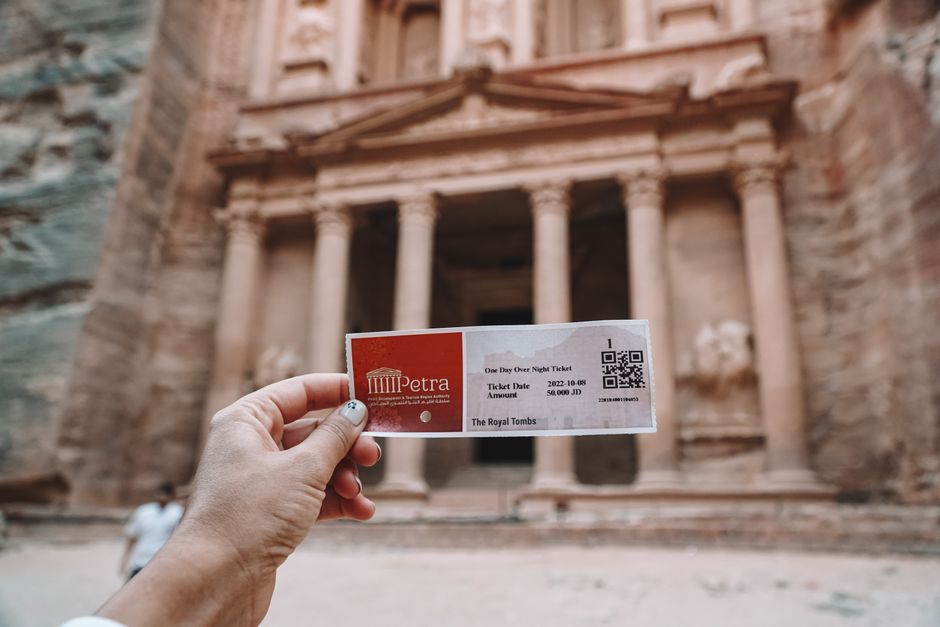
The Treasury at sunrise—worth every cent of your carefully budgeted trip.
✈️ Best time to visit: November–February (peak season, but still affordable if you book ahead) | 💰 Estimated budget range: $40–$60/day (all inclusive) | ⏱️ How long to spend: 3–4 days (includes two full days in the site + one day to hike the back door) | 🎯 Difficulty level: Moderate (lots of walking on uneven stone, some steep climbs) | 📍 Recommended season: Late autumn or early spring | 👥 Best for: Solo travelers, budget backpackers, history lovers, adventurous couples
Introduction
I remember the exact moment Petra stopped being a distant dream and became a reality. I was standing at the end of the Siq, a narrow gorge that winds for over a kilometer through towering cliffs the color of ripe apricots. The sunlight was a pale amber, and the first glimpse of the Treasury—Al-Khazneh—rose before me like a forgotten symphony carved into stone. But here’s the part I didn’t tell anyone back home: I arrived in Jordan with just $350 in my pocket and an open-ended return ticket. Over the next five days, I learned that Petra is not just a wonder of the world—it’s a place where a smart budget and a willing spirit can unlock experiences that money alone can’t buy. I’ve since returned twice, guided friends on shoestring itineraries, and even slept in a Bedouin cave under the stars. This guide is everything I wish I’d known before my first trip: how to save on every step without sacrificing the magic. Get ready to walk the ancient Nabataean roads on a backpacker’s wallet.
The Essentials at a Glance
- 🏛️ Buy the Jordan Pass before you leave home — it covers your visa fee AND the entry to Petra for 1–3 days, saving you up to $90.
- 🥾 Hike in from the back entrance (Little Petra) — no extra cost, fewer crowds, and you emerge into the Monastery from the top—a legendary experience.
- ⛺ Camp at Seven Wonders Bedouin Camp or in a local guesthouse — expect $15–25/night for a comfortable dorm or shared tent, including dinner and breakfast.
- 🍽️ Eat where the locals eat in Wadi Musa — a full meal of maqluba or mansaf at Al Rashid or Petra Kitchen costs less than $5.
- 🎟️ Use the multi-day pass to your advantage — a two-day pass costs only $5 more than a single day, giving you twice the time to explore without rush.
The Complete Guide
Why This Matters / Why You Should Go
Petra is not just a bucket-list monument—it’s a living, breathing archaeological site that spans over 260 square kilometers. Unlike the Pyramids of Giza, which you can see in an afternoon, Petra demands your time and your feet. You can spend three full days and still miss hidden tombs, high mountain altars, and remote caves where Nabataean traders once slept. What makes Petra truly special is the way it blends natural geology with human ingenuity. The Treasury is just the appetizer; the real main course is the Monastery (Ad-Deir), the Royal Tombs carved into a hillside like a multi-story mansion for the afterlife, and the High Place of Sacrifice with its 360-degree desert views. For budget travelers, Petra offers one more gift: the experience is intensely physical, so you don’t need expensive extras to feel you’ve earned the view. It’s a place where a $1 falafel sandwich tastes five-star when eaten on a rock overlooking the chasm.
When to Visit (Seasonal Guide)
November to February is the sweet spot for budget travelers. The weather is cool (8–15°C / 46–59°F), crowds are thinner than March–May, and accommodation prices drop by 20–30%. You’ll need a light jacket and waterproof shoes—rain is possible, but the desert dries fast. March to May brings wildflowers and balmy temperatures (20–28°C / 68–82°F), but also packs the site with cruise ship tourists and school groups. Prices for beds near the gate double. I once visited in late April and couldn’t get a quiet photo of the Treasury until 6 a.m. June to August is brutally hot (35–42°C / 95–108°F) and best avoided unless you’re a heat masochist—though you can get rock-bottom rates on camping. September to October is pleasant but still busy. My advice: aim for late November. The light is golden, the crowds thin after Thanksgiving, and you can hike the back door in a long-sleeved shirt without breaking a sweat. Always check the official Petra tourism calendar for holiday closures.
Budget Breakdown
Accommodation: Dorm beds in Wadi Musa start at $10–15/night. The Peace Way Hotel (Book on Booking.com) offers private double rooms for $25–30 with a generous breakfast buffet. For camping, Seven Wonders Bedouin Camp outside the Little Petra gate charges $18/person for a tent with mattress, dinner, and breakfast—one of the best values I’ve found anywhere in the Middle East. Food: Street falafel and hummus plates run $1–2. A sit-down meal at Hashem (the famous Amman chain has a Petra branch) costs $4. Splurge on a Bedouin tea ceremony for $3 and you’ll still be under $10/day for meals if you avoid tourist restaurants. Entry fees: The Jordan Pass (JOD 70, about $99) covers up to three days in Petra. Buying a single 1-day pass at the gate costs JOD 50 ($70)—so the multi-day pass is a no-brainer. Transport: From Amman, a JETT bus costs $15 round trip. Shared taxis (service taxis) from Amman’s Abdali station cost about $12 each way. Inside Petra, the only expense is your legs—avoid the horse/carriage rides ($20–40) and walk. I logged 18 kilometers on day one and felt like a champion. Total daily budget: $40–$60, including accommodation, food, transport amortized, and entry. A three‑day trip runs $130–$180 total. That’s less than a flight to Greece.
Getting There & Getting Around
Most travelers fly into Queen Alia International Airport (AMM) near Amman. The fastest budget route: take a shuttle bus to Amman’s Abdali bus station ($2.50), then grab a service taxi to Petra ($12–15, 3 hours). JETT Bus runs a daily 6:30 a.m. bus from Abdali to Petra for JOD 10 ($14), same price for the return at 4 p.m. I recommend the JETT—it’s clean, air-conditioned, and drops you at the Petra Visitors’ Center. Once in Wadi Musa (the town at Petra’s gate), everything is walkable. The Visitors’ Center to the Treasury is a 25-minute walk through the Siq. If you’re camping at Little Petra, arrange a pickup with your camp host—they often offer free shuttle from the main gate. Inside the site, there are no internal buses or cars—just your feet, horses, or donkeys. I hiked every trail (the Monastery climb, the High Place, the back door) and loved the unfiltered effort. One tip: buy a paper map at the Visitors’ Center for JOD 1 (about $1.50)—the official Petra map includes trail distances and difficulty ratings that GPS on your phone may not accurately show inside the canyon.
Top Recommendations / Must-Do Activities
1. Walk the Siq at First Light. Arrive at the gate by 7 a.m. (sunrise is around 6:30 a.m. in winter). The Siq is utterly silent except for your footsteps and the occasional sparrow’s call. The angle of the sun illuminates the carved niches in the walls, and you’ll have the Treasury almost to yourself for the first 20 minutes. I sat there alone for 15 minutes—no photos, just breathing. It was worth the entire trip. 2. The Monastery at Sunset. The 800-step climb feels endless, but the payoff is a 50-meter-high facade that dwarfs the Treasury. Go in the late afternoon (around 3 p.m.) so the sun hits the carved urn directly. I brought a small pack of dates and water and sat on the ledge watching the shadows lengthen. A Bedouin tea seller named Ayman showed me a hidden cave behind the Monastery where Nabataean herders once slept—no extra charge. 3. The Back Door Hike from Little Petra. This 5-hour roundtrip trail starts at the Little Petra Visitors’ Center (free to enter). The path climbs through sandstone ridges and ends at the Monastery from above—you emerge looking down onto its roof. It’s steep in sections (steep enough that I used both hands and feet on a few climbing spots), but the route is marked with red and white paint. No guide needed, but download the Maps.me offline trail. 4. The High Place of Sacrifice. An hour-long scramble from the main path leads to a flat altar with an incomprehensible view of the entire Petra valley. I went at 8 a.m. and was the only person there. The downside: the path is loose stone and can be slippery. 5. Visit the Tomb of the Soldier (Bishleh). Tucked behind the main colonnaded street, this lesser‑know tomb has a gorgeous painted ceiling and almost no visitors. I spent 20 minutes there alone, marveling at the faded ochre frescoes. A local guide offered to show me three more hidden tombs for JOD 5 ($7)—well worth it for his stories. Honest warning: The horses and donkeys at the entrance are often poorly treated. I saw one limping on a sore hoof. Please walk—your legs will thank you and the animals will too.
Traveler’s Pro Tips
Tip 1: Carry your Jordan Pass confirmation on your phone AND a printed copy. The Wi-Fi at the Petra gate is notoriously spotty. I watched a British couple get turned away because their phone died and the QR code wouldn’t load. Print the PDF at your hostel in Amman—it costs $0.20 and saves an hour of frustration. Tip 2: Bring a headlamp for the Siq at dusk. The Siq has no artificial lighting, and the gate locks at 6 p.m. (5 p.m. in winter). On my second afternoon, I lingered too long at the Palace Tomb and had to walk out in near-darkness using my phone flashlight—navigating the uneven stones was a nightmare. A $8 headlamp from Decathlon would have been a lifesaver. Tip 3: Negotiate your camping with a local. Walk into the Bedouin camps near Little Petra (around 4 p.m.) and ask for “family style” dinner instead of the tourist buffet. I paid JOD 8 ($11) for a traditional meal of roasted lamb, rice, and yogurt sauce with eight other travelers—far cheaper and more authentic than the JOD 25 tourist packages. Tip 4: Use the free Wi-Fi at the Petra Kitchen restaurant in Wadi Musa. It’s fast and reliable. Download offline maps, check your email, and call home—saves you from buying a local SIM card if you don’t need one. Tip 5: Buy your souvenirs from the women’s cooperative shop in the town centre, not from the stalls inside Petra. The cooperative near the roundabout sells handmade pottery and Bedouin jewelry at fixed prices (JOD 3–5 per item) with no haggling—and the money goes directly to local women’s education programs. Inside the site, the same items are marked up 300%.
Common Mistakes to Avoid
Mistake 1: Buying a single-day ticket because you think you’ll see everything in one day. I made this error on my first trip. I raced through the Siq, saw the Treasury, climbed the Monastery, and collapsed by 2 p.m. I missed the Royal Tombs, the Byzantine church, and the High Place. The two-day pass costs only $5 more than a single day—don’t be the person who regrets. Mistake 2: Visiting during the high season (March–May) without booking accommodation in advance. In April 2023, I encountered a group of American travelers sleeping on a communal sofa at a hostel because every bed in Wadi Musa was taken. Always book at least two weeks ahead for spring visits—use Booking.com or Hostelworld with free cancellation. Mistake 3: Drinking from the taps without filtering. The water in Jordan is generally safe to drink, but the limestone-heavy pipes in Petra gave me a stomach ache for two days. Carry a reusable bottle with a built-in filter (like a LifeStraw Go) or buy large 1.5-liter bottles at any market for $0.30 each. Mistake 4: Assuming the heat is fine without proper sun protection. In November, the sun feels mild, but I still got a mild sunburn on the back of my neck because I didn’t wear a hat. The reflected light from the sandstone is intense. Wear something with a brim and reapply SPF 50 every two hours—your skin will thank you.
Your Travel Checklist
- 📄 Documents: Passport (valid 6+ months), printed Jordan Pass confirmation, travel insurance card, and a photocopy of your passport kept separately.
- 🎒 Packing: Headlamp, hiking shoes (ankle‑supporting), lightweight long pants, sun hat, reusable water bottle with filter, and a small umbrella for the rare rain.
- 🏨 Research & Bookings: Reserve your Wadi Musa accommodation 2 weeks ahead for peak season, camp through Email (Bedouin hosts often offer lower rates than OTAs), and download offline maps (Maps.me or Google offline).
- 🏥 Health & Safety: Pack paracetamol, rehydration salts, and a basic first‑aid kit with blister plasters. The nearest clinic is in Wadi Musa (10 min walk from the gate), but it’s basic.
- 💱 Local Currency: Jordanian Dinar (JOD). Bring US dollars or Euros as a backup—exchange at the airport or at any bank in town (avoid exchange counters at the gate). Keep small notes (JOD 1, 5, 10) for tips and small purchases.
- 📱 Apps: Google Translate (with Arabic downloaded offline), Maps.me or OsmAnd, TripAdvisor for restaurant reviews, and the official Jordan Tourism app for events.
Traveler FAQ
Q: Can I visit Petra on a $30 daily budget?
A: Yes, but you have to stick to extremely tight choices. My friend did it by sleeping in a tent at a free camp near Little Petra, eating only falafels from street vendors, and walking everywhere. The base entry fee (if you have the Jordan Pass) is $0. But add in transport and meals, and $30 is realistic for a Spartan day—I’d recommend $40 for comfort and a good meal or two.
Q: Is the hike from Little Petra really free?
A: Literally yes. The Little Petra site is free to enter (no ticket needed). The trail from the back of Little Petra up to the Monastery is unguarded and completely public. I did it without a guide and without any fee. Just be sure to bring plenty of water—at least 3 liters for the roundtrip in cool weather, more in spring.
Q: How safe is Petra for solo female travelers?
A: I’ve done it twice solo, and I’d say it’s one of the safest destinations in the Middle East for women. Wadi Musa is conservative—I always wore long pants and a scarf (which I used to cover my hair when passing mosques). The Bedouin tea sellers respect a polite “la shukran” (no, thank you) and I never felt harassed. At night, stick to well‑lit streets and take a taxi if walking past 10 p.m., which costs just $2.
Q: What’s the best multi-day pass option?
A: The Jordan Pass is your best bet—it includes the visa fee (usually JOD 40) and entry to Petra for 1, 2, or 3 days. I used the 2‑day pass and it was perfect for a relaxed pace. You can buy it on the official Jordan Pass website before you travel. Present the QR code at the Petra gate and you’re in.
Q: Can I camp for free inside Petra?
A: No—camping inside the archaeological site is prohibited and strictly enforced by the park rangers. You can get a fine of up to JOD 50. But budget camping options abound just outside the boundaries (Little Petra area, or in the hills a 20‑minute walk from the gate). The Bedouin camps are safe and cheap.
Ready for Your Adventure?
Standing on the edge of the Petra valley as the sun turned the sandstone to fire, I realized that the best travel experiences aren’t about how much you spend—they’re about how much you let the place change you. Petra doesn’t care about your budget. It rewards the curious, the prepared, and the willing. You don’t need a guidebook full of luxury options; you need a pair of good shoes, a printed Jordan Pass, and the willingness to wake up early enough to see the Treasury without another soul in sight. If you’ve been hesitating because of the costs, let this be the push you need. Jordan welcomes you with open arms, and Petra—that ancient, silent city—is waiting to share its secrets with you. Pack light, save hard, and go see the eighth wonder of the world on your own terms. Your adventure starts the moment you stop making excuses. See you in the Siq.


No comments:
Post a Comment