Why the Valley of the Kings Will Rewrite Your Understanding of Ancient Egypt
The arid cliffs of the Valley of the Kings, hiding the tombs of pharaohs beneath a silent desert sky.
✈️ Best time to visit: October–March (cooler months)
💰 Estimated daily budget: $80–$150 per person (including entry, guide, transport, meals)
⏱️ How long to spend: 3–4 hours minimum for a meaningful visit
🎯 Difficulty level: Moderate – lots of walking on uneven ground; stairs inside tombs
📍 Recommended season: Late autumn (November) or early spring (March)
👥 Best for: History buffs, solo explorers, couples, and families with older children
Introduction
I remember the moment my sandals hit the sun‑baked gravel of the Valley of the Kings. The heat shimmered off the limestone cliffs, and for a few seconds, the only sound was the crunch of my own footsteps. I had spent years reading about the boy king Tutankhamun and the great Ramses, but nothing prepared me for the raw, almost sacred silence of this place. As a travel writer who has visited over forty countries and explored dozens of archaeological sites, I came here with a notebook and a healthy dose of skepticism. What I found was a place that demands humility – a cemetery of giants carved into the earth. I’m sharing this guide because I wish someone had told me the practical stuff before I arrived: how to avoid the midday crowds, which tombs are worth the extra ticket, and why you should never skip the water. By the time you finish reading, you’ll know exactly how to plan your visit, what to expect, and how to make your time in the Valley of the Kings feel like a genuine discovery – not just a tick on a bucket list.
The Essentials at a Glance
- 🗺️ Purchase your entry ticket early – the line at the main gate can take 30+ minutes by 9 AM. Book online or arrive at 6:30 AM.
- 🏛️ Your standard ticket covers three tombs, but the tombs of Tutankhamun, Seti I, and Ramses VI cost extra. Budget at least 400 EGP extra for these.
- 📸 Photography is banned inside all tombs – no exceptions. You’ll be asked to leave your camera or phone at the entrance. Enjoy the art with your eyes.
- 🧴 Bring a flashlight – the lighting in many tombs is dim, and a small LED torch reveals details the overhead bulbs miss.
- 🚌 The Valley is a 40‑minute drive from Luxor – hire a private driver (around 500 EGP) or join a guided tour. Local taxis are cheaper but negotiate beforehand.
The Complete Guide
Why This Matters / Why You Should Go
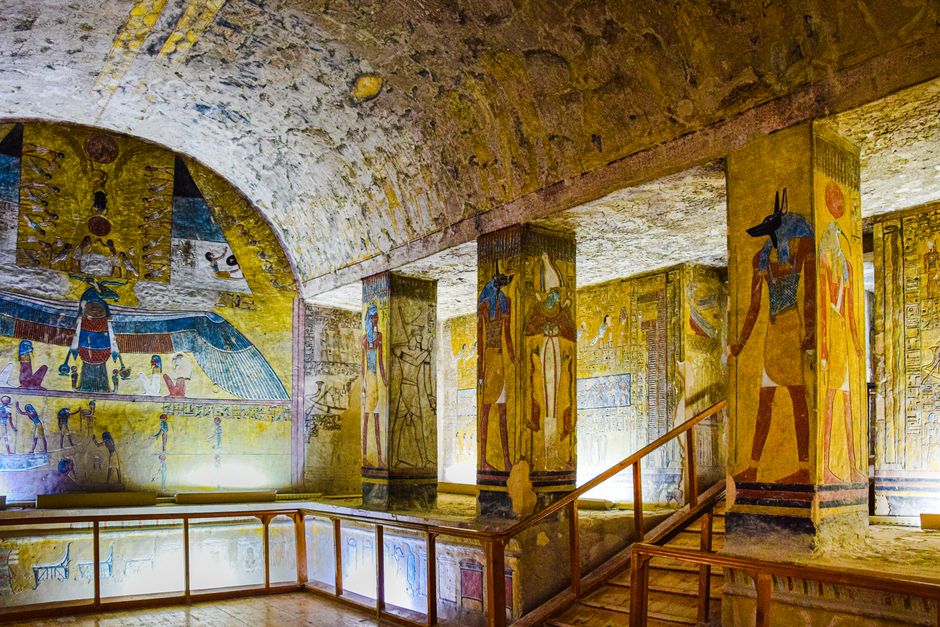
The Valley of the Kings is not just another tourist site; it is a direct portal to the mindset of a civilization that thought in millennia. Unlike the pyramids at Giza, which are monuments to power and the afterlife, the tombs here are intensely personal – each one reflects the individual beliefs, fears, and preparations of a specific pharaoh. I spent three hours inside the tomb of Ramses IV, and the ceiling painted with the Book of the Night made me feel like I was standing inside someone’s dream of the afterlife. This place is for travelers who want to move beyond “we saw the temple.” It is for those who want to understand how ancient Egyptians approached death – not as an end, but as a journey. If you love history, art, or even just the thrill of standing somewhere few people have stood (most tombs were sealed for 3,000 years), you need to come here. It is not a theme park. It is a burial ground. And that honesty is what makes it unforgettable.
When to Visit (Seasonal Guide)
The best months are October through March, when daytime temperatures hover between 20°C and 28°C (68°F–82°F). I went in mid‑November and the mornings were crisp – I actually needed a light jacket until 9 AM. Summer (June–August) is brutal: temperatures can reach 45°C (113°F), and the valley offers almost no shade. Crowds are heaviest in December and January, especially around Christmas and New Year. The tombs themselves get packed by 10 AM, so if you go in peak season, arrive at opening time (6 AM in summer, 7 AM in winter). Shoulder months like March and November offer a sweet spot: warm but bearable, and far fewer tour buses. I also recommend visiting during weekdays (Sunday–Wednesday) to avoid local Egyptian tour groups. Avoid Fridays – religious holidays bring families and larger crowds.
Budget Breakdown
Let’s be realistic. A day trip from Luxor to the Valley of the Kings can be done on a moderate budget, but costs add up quickly. Accommodation in Luxor: budget hostels ($10–$20/night), mid‑range hotels ($40–$70), luxury Nile resorts ($150+). I stayed at a mid‑range hotel near the Luxor Temple for $55/night. Food: street food like koshari or falafel sandwiches ($2–$5 per meal), sit‑down restaurants ($10–$20). Bring snacks into the valley – the only café at the entrance charges $5 for a stale sandwich. Entry ticket: standard admission is 240 EGP (about $8), but you’ll want at least one extra tomb. Tutankhamun’s tomb costs an additional 300 EGP ($10), Seti I is 1,000 EGP ($33), and Ramses VI is 100 EGP ($3). Transport: shared minibus (100 EGP round trip), private taxi (500–700 EGP), tour package ($40–$60 including guide). I hired a private driver from Luxor for 600 EGP and it was worth every piastre – he waited at the parking lot for four hours. Total daily cost for one person: around $80–$120 if you eat well and visit two extra tombs. Money‑saving tip: buy the Luxor Pass ($100) – it includes entry to the Valley of the Kings, Karnak Temple, Luxor Temple, and more. That pass paid for itself in two days.
Getting There & Getting Around
Most visitors base themselves in Luxor, which is a 40‑minute drive from the Valley of the Kings. From Luxor Airport, a taxi to your hotel costs about 150 EGP. From the city center, you have three options: a private taxi (most flexible, 500–700 EGP round trip, negotiate before getting in), a shared minibus (100 EGP per person, leaves from the Luxor Temple parking area and waits at the valley for 90 minutes), or a guided tour (includes hotel pickup, guide, and entry – typically $40–$60). I recommend the private taxi because the shared minibus rushed me. The road is well‑paved and takes you through the Theban foothills – the drive alone reveals how isolated this valley is. Once you arrive, the only way to get around is on foot. The site is a long‑ish cul‑de‑sac with 64 known tombs, but only about 15 are open to the public at any time (they rotate). A small tram takes you from the visitor center to the entrance of the valley – a distance of about 1 km – but after that, you walk between tomb entrances. Wear shoes with grip; the gravel slopes are slippery, and some tombs require descending steep wooden stairs. The total walking is about 2–3 km over uneven ground – doable for most, but challenging in summer heat.
Top Recommendations / Must‑Do Activities
1. Tomb of Ramses VI (KV9): This is the most brilliantly decorated tomb open to the public. The ceiling is a deep blue sky of stars, and the walls are covered in passages from the Book of Gates. It’s one of the few tombs with a long corridor and a burial chamber that feels like a cathedral. I spent 20 minutes here just staring at the ceiling. The downside? It’s popular – expect a queue by 9:30 AM. 2. Tomb of Tutankhamun (KV62): Yes, the ticket is expensive (300 EGP), and the tomb is small. Very small. But the mummy of the boy king is still there, lying in a climate‑controlled glass case. I felt a strange intimacy standing in the room where Howard Carter uncovered the golden death mask. Go early or late to have the space to yourself. 3. Tomb of Merenptah (KV8): This is an insider’s choice. It’s deep – over 160 meters long – and beautifully decorated with scenes from the Book of the Dead. I had the entire tomb to myself for 15 minutes because most tourists skip it. 4. Walk to the Deir el‑Bahri viewpoint: From the valley’s end, a steep path leads up the cliffs to a point overlooking the Mortuary Temple of Hatshepsut. The view is stunning, and the hike takes 20 minutes. Check with staff if the path is open – it was closed for renovation when I visited in 2023. 5. Join a guided tour for 2–3 tombs: A licensed Egyptologist adds context that changes how you see the paintings. My guide pointed out a damaged cartouche where subsequent pharaohs had erased their predecessor’s name – a dynastic “delete button.” That detail costs nothing but enriches everything.
Traveler’s Pro Tips
Photography ban – respect it: No cameras or phones inside any tomb. Security guards are strict. You’ll be asked to leave your bag in a storage area. Instead, buy the official guidebook from the visitor center – it has professional photos and detailed descriptions that capture what you’ll miss.
Hydration strategy: Bring two liters of water per person. The valley has one water refill station near the café, but it’s often empty. I finished my first bottle by 10 AM and regretted not bringing a third.
Dress in layers, not just sunscreen: Mornings are cool (12°C in winter), but by noon the sun bakes the valley. A wide‑brimmed hat is not optional – it’s survival gear. Wear light colors and long sleeves to protect your skin.
Time your visit to avoid tour buses: The big groups arrive between 9:30 and 11:30 AM. I entered at 7 AM and had three tombs completely to myself. After 11 AM, I waited in line for 15 minutes just to enter Ramses VI.
Pack a small flashlight: The provided lighting in tombs is often yellow and dim. With a small LED torch, I saw details in the tomb of Tausert that the overhead bulbs completely washed out. Guards generally allow flashlights – just don’t shine them directly on the paintings for too long.
Common Mistakes to Avoid
Mistake 1: Buying only a standard ticket. Many travelers arrive thinking the 240 EGP entry covers everything. It doesn’t. You’ll be stuck visiting only the three tombs available on the general ticket (which are often the least impressive). The extra tombs (Tutankhamun, Seti I, Ramses VI) are the real highlights. I almost missed Seti I because I didn’t know it was extra – and it’s arguably the most beautiful tomb in the entire valley.
Mistake 2: Visiting in the middle of the day during summer. A friend from my hotel went in June and spent 45 minutes in the valley before a heat‑induced headache sent her back to the bus. The tomb interiors are not air‑conditioned – they’re cool but stuffy. Combine that with a 40°C walk between tombs, and you’re risking dehydration and exhaustion.
Mistake 3: Trying to “do” the valley in one hour. This is a common tour group mistake. You need at least three hours to see four tombs properly, plus time to walk and absorb. Rushing means missing the details in the paintings – the tiny hieroglyphs that tell entire stories. I saw a man run through Ramses VI in four minutes and immediately regret it.
Mistake 4: Not negotiating your taxi fare in advance. I made this error on my first day – the driver quoted 400 EGP but demanded 800 at the end. Always agree on the price (written down, if possible) before getting in. Expect to pay 500–700 EGP for a private half‑day round trip from Luxor.
Your Travel Checklist
- Documents: Passport (needed for ticket purchase), printed copy of your Luxor Pass if you bought one, and a photocopy of your passport kept separate.
- Packing: Wide‑brimmed hat, sunscreen (SPF 50), two liters of water per person, small flashlight, comfortable closed‑toe shoes with grip, light scarf (for heat or dust), and a notebook for observations.
- Research: Read a brief overview of the Eighteenth and Twentieth Dynasties – knowing which pharaohs you’re visiting adds meaning. Download the “Valley of the Kings” app or a PDF guide before you go (internet signal is weak in the valley).
- Bookings: Book your Luxor accommodation at least two weeks ahead in peak season. Consider reserving a guide through your hotel or a reputable platform (around $30 for a half‑day).
- Health/Safety: Bring basic first‑aid (blister plasters, rehydration salts). Avoid eating at the valley café – I saw a traveler get mild food poisoning from a chicken wrap.
- Local currency: Withdraw 1,000–2,000 EGP from an ATM in Luxor. Many ticket counters accept credit cards, but the taxi drivers and souvenir stalls prefer cash.
- Apps: Google Maps offline (download the Luxor map), a currency converter app, and an offline translation app (Arabic phrases help with taxi negotiations).
Traveler FAQ
Q: Can I take photos inside the tombs?
A: No – photography is strictly forbidden in all tombs. You’ll be asked to leave your phone and camera at the entrance. I saw a tourist try to take a selfie and a guard immediately confiscated her phone for the rest of the visit. Enjoy the art with your eyes; the memories are more meaningful.
Q: How many tombs can I see with a standard ticket?
A: Three tombs from a rotating selection of about 15 open tombs. The extra tombs (Tutankhamun, Seti I, Ramses VI) cost additional fees. I recommend paying for at least one extra tomb – Ramses VI or Seti I are worth it.
Q: Is the Valley of the Kings safe for solo female travelers?
A: Yes. I traveled as a solo woman and felt safe throughout. The site is well‑staffed with security guards and CCTV. The bigger concern is the heat and the persistent souvenir sellers near the tram stop – a firm “la shukran” (no, thank you) works fine.
Q: What is the best time of day to avoid crowds?
A: Arrive at opening time – 6 AM between April and September, 7 AM from October to March. The first hour is quiet. By 9:30 AM, the main tombs have lines of 20–30 people. I arrived at 7 AM in November and saw three tombs alone before 8:30 AM.
Q: Can I visit the Valley of the Kings independently without a tour?
A: Absolutely. Many people do. You take a taxi from Luxor, buy your ticket at the gate, and walk freely. However, I strongly recommend hiring a guide for at least two tombs – the stories written on the walls are not intuitive, and a good Egyptologist will reveal those ancient voices. If you go solo, bring a guidebook with tomb descriptions.
Ready for Your Adventure?
The Valley of the Kings is not a place you simply “see.” It is a place you feel – in the dryness of the air, in the chill of the stone chambers, in the weight of 3,000 years of human hope and fear. I left the valley at midday with dust on my clothes and a quiet awe that took days to process. Yes, the tickets cost more than you expect, and yes, the heat can be brutal, but those are small prices for standing where the pharaohs prepared for eternity. You do not need to be an archaeologist or a history scholar to be moved by this place – you only need to be curious and willing to walk a little further than the tour groups. So book your flight to Luxor, pack your hat and flashlight, and give yourself a full morning in the Valley of the Kings. The journey into the afterlife starts with a single step into the desert.


No comments:
Post a Comment