
Understanding Bangkok’s Climate: A Seasonal Overview
Planning a trip to the City of Angels requires cracking the code of its tropical monsoon climate. Unlike destinations with four distinct seasons, Bangkok oscillates between hot, wet, and a brief, blissful period of relative coolness. Understanding this rhythm is the secret to unlocking the best time to visit Bangkok for your specific travel style. The city sits in a low-lying delta, which means humidity is a constant companion year-round, often hovering between 70% and 85%. However, the intensity of the heat and the frequency of rain shift dramatically throughout the year. Rather than thinking of any season as "bad," savvy travelers know that each window offers a different version of Bangkok—from steamy, festival-filled streets to rain-washed, lush green canals. Your tolerance for heat, your budget, and your desire to dodge crowds will dictate which seasonal flavor suits you best. Let’s break down the three main climatic chapters that define the best time to visit Bangkok in 2026.
The Hot Season (March to June)
If you can handle the heat, the hot season offers a raw, unfiltered Bangkok experience. From March onward, temperatures begin a steady climb, often soaring past 38°C (100°F) in April and May. The urban heat island effect makes the concrete jungle feel like a sauna, but this is also the time when locals embrace the chaos with water fights and icy treats. Air conditioning becomes your best friend, and smart planning around midday is essential.
This period peaks with Songkran in April, the Thai New Year water festival, which is a bucket-list event despite the scorching sun. By June, the heat hasn't broken, but the first rains bring a slight, temporary relief. For travelers seeking lower hotel rates and don't mind sweating, this window delivers. You’ll find shorter queues at major temples like Wat Pho, but you must stay hydrated and plan indoor activities between 11 a.m. and 3 p.m. The best time to visit Bangkok during this season is early March, just before the mercury hits its zenith.
The Rainy Season (July to October)
The rainy season transforms Bangkok into a glistening, dramatic cityscape. Contrary to popular belief, it rarely rains all day. Instead, you’ll typically encounter short, intense downpours in the late afternoon or evening, often lasting an hour or two. The skies clear rapidly, leaving behind cooler air and spectacular sunsets. The landscape becomes incredibly lush, and the khlongs (canals) swell with life. For photographers and romantics, this is a magical time.
July and August see a mix of sunshine and sudden showers, making them surprisingly viable for travel if you carry a compact umbrella. September is statistically the wettest month, where flooding can occasionally disrupt traffic in certain low-lying areas, so waterproof footwear is a must. By October, the rains begin to taper off, though heavy tropical storms can still roll in. The massive advantage of traveling during these months is value. Hotel prices drop significantly, and the tourist crowds thin out dramatically. You can often snag five-star luxury at three-star prices. If you don't mind carrying a poncho and embracing a slower pace, the green season reveals a refreshingly local side of the city. The best time to visit Bangkok in this window is late July or October to minimize flood risk while maximizing savings.
The Cool Season (November to February)
This is the golden window that everyone talks about, widely considered the absolute best time to visit Bangkok for weather purists. From November through February, the stifling humidity recedes, and a gentle breeze sweeps through the city. Daytime temperatures hover around a pleasant 30°C (86°F), while evenings can dip to a refreshing 22°C (72°F), which feels positively chilly by local standards. The skies are often a brilliant blue, making it perfect for rooftop bars and river cruises.
The cool season coincides with peak tourism, so expect larger crowds at the Grand Palace and bustling night markets. Festivals like Loy Krathong in November and the dazzling New Year celebrations add to the electric atmosphere. While prices for flights and accommodation are at their highest, the trade-off is near-perfect weather for exploring on foot. You can wander through Chatuchak Market without melting or enjoy a tuk-tuk ride without feeling like you’re in a blast furnace. To secure the best deals during this premium period, book your flights and hotels for 2026 at least three months in advance.
Bangkok Month-by-Month Breakdown: Weather, Crowds, and Costs
Zooming in closer, a month-by-month analysis reveals the subtle shifts that can make or break your itinerary. The best time to visit Bangkok isn't just about temperature—it's a complex equation involving festival calendars, school holidays, and monsoon patterns. To help you plan precisely, here is a detailed breakdown of what to expect in 2026, from the peak of perfection to the depths of the wet season.
January: Peak Season Perfection
January is a trophy month. The weather is cool, dry, and absolutely glorious. Expect average highs of 32°C (90°F) and lows of 21°C (70°F). This is peak tourism, so the city is buzzing with energy. Hotel rates are at their absolute highest, and popular spots require patience. Book everything well in advance to secure your spot in this paradise window.
February: Sunny Skies and Rising Temperatures
February continues the dry spell, but you’ll notice the heat starting to creep up, especially by late month. It’s still a fantastic time for sightseeing, with clear skies dominating. The Chinese New Year often falls here, bringing vibrant dragon dances to Yaowarat (Chinatown). Crowds remain heavy, but the atmosphere is infectious. Cost-wise, expect premium pricing to persist.
March: The Heat Builds
March is the bridge month. The cool breezes vanish, and the mercury begins pushing toward 35°C (95°F). Tourist numbers start to thin slightly as the weather intensifies, potentially offering marginally better deals. It’s still dry, making it viable for travel if you prioritize pool time and indoor malls like ICONSIAM during peak UV hours.
April: Songkran and Scorching Heat
April is the hottest month of the year, often hitting 40°C (104°F). It’s also the most fun, thanks to Songkran (April 13-15). The entire city becomes a massive water fight. This is a cultural must-do, but it’s physically intense. Accommodation can be pricey during the festival, but dirt cheap immediately after.
May: Transition to Rain
May marks the official start of the rainy season, though it’s erratic. You’ll get a few heavy showers, usually in the afternoon, breaking the extreme heat. The landscape turns green almost overnight. Tourism drops off a cliff, meaning you’ll find excellent value and empty beaches. It’s a gambler’s month for weather but a winner for budget.
June: Early Monsoon Showers
June delivers a mix of sunshine and short, dramatic downpours. Humidity is sky-high, but the rains rarely disrupt an entire day. This is a quiet month for tourism, offering a more local experience. You can enjoy the best time to visit Bangkok for spa deals and gourmet dining without the waitlists.
July: Mid-Rainy Season Realities
July sees consistent rain patterns, often in the late afternoons. It’s a great month for museum hopping and coffee shop culture. The Buddhist Lent (Khao Phansa) falls here, marked by candle festivals.
August: Wettest Month? Not Necessarily
August is often wet but offers long dry spells. It’s a surprisingly popular month for European tourists. You can explore the greenest version of Lumphini Park with fewer crowds.
September: Peak Rainfall
September is the soggiest month. Heavy, sustained downpours can cause street flooding. It’s the cheapest month to fly and stay, but you need waterproof gear and a flexible indoor itinerary.
October: End of the Rains
October sees the rains recede, though a tail-end storm is possible. The weather cools slightly, and the end of Vegetarian Festival offers amazing street food.
November: The Cool Season Begins
November is a winner. The cool, dry air returns, and Loy Krathong lights up the waterways. This is the start of the high season, so prices jump quickly.
December: Festive and Pleasant
December is glorious. The weather is perfect for rooftop bars, and the city sparkles with festive lights. It’s peak tourist season, so expect top-dollar prices and big crowds.
Best Time for Sightseeing and Outdoor Activities
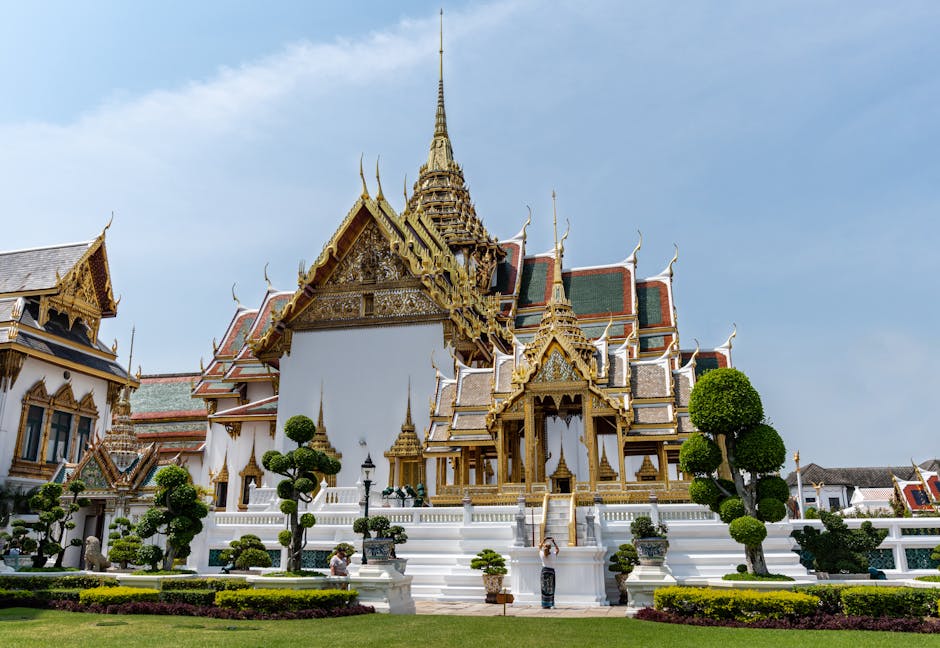
If your itinerary is packed with the Grand Palace, Wat Arun, and long days wandering the historic Rattanakosin Island, thermoregulation becomes your primary concern. The best time to visit Bangkok for outdoor exploration is undeniably the cool season, specifically November through February. During these months, the relative lack of humidity is a game-changer. You can comfortably climb the steep steps of Wat Saket (the Golden Mount) at noon without risking heatstroke, and a stroll through the sprawling Chatuchak Weekend Market feels like a treasure hunt rather than a survival challenge. The low dew points make the air feel crisp, allowing you to cover significantly more ground on foot. This is the season where you can truly appreciate the city’s architectural details without the haze of heat blurring your vision—or your camera lens.
However, "outdoor" in Bangkok doesn't just mean temples. It means dining on plastic stools at streetside noodle stalls, exploring the flower market at midnight, and taking longtail boat rides through the Thonburi canals. For boat trips, the rainy season (July to October) offers a unique advantage: the higher water levels allow boats to navigate deeper into the smaller canals, revealing hidden communities and lush vegetation you can’t access during drier months. The rain-washed air also offers spectacularly clear visibility for skyline photography after a storm passes. Early mornings are your best friend regardless of the season. Even during the scorching hot season (March to June), a 7 a.m. visit to the Grand Palace allows you to enjoy the complex in relative solitude and cooler temperatures before the tour buses arrive and the sun reaches its zenith.
For cycling tours in the "Green Lung" of Bang Krachao, the best time to visit Bangkok is on a weekday morning during the early cool season. The paths are dry, the breeze is pleasant, and the park is virtually empty. If you find yourself visiting during the wetter months, don’t cancel your outdoor plans entirely. Just pivot the timing. Schedule outdoor monuments for the morning and reserve indoor attractions like the ICONSIAM mall, the Bangkok Art and Culture Centre, or a Thai cooking class for the mid-afternoon window when rain is most likely to strike. With a smart adaptation strategy, every season can offer spectacular outdoor moments; it’s simply about syncing your body clock with the sun’s intensity and the rain radar. The city moves slower in the heat, and leaning into that rhythm is part of the authentic experience.
Best Time for Budget Travelers: Saving on Flights and Hotels
If your primary goal is stretching every baht without sacrificing experience, timing your visit around Bangkok's low and shoulder seasons is the smartest move you can make. The city is a global hub, so it's never truly empty, but there are distinct windows in 2026 where the price of a long-haul flight and a five-star hotel room drops dramatically. The trade-off is usually heat and humidity, but for many savvy travelers, that's a fair exchange for half-empty infinity pools and rock-bottom airfares.
The most aggressive deals appear during the green season, roughly from May through October. This is when the southwest monsoon settles over the region, bringing short, intense downpours most afternoons. Airlines struggle to fill seats during these months, so you'll find international round-trip fares slashed by 30 to 50 percent compared to December peaks. Hotels follow suit, with luxury properties along the Chao Phraya River often discounting their entry-level suites to the price of a mid-range room in Singapore or Tokyo. Don't be afraid to book directly and inquire about "green season" or "rainy season" promotions, which frequently include free airport transfers, spa credits, or complimentary half-board upgrades.
Inside this long low-season window, June and September stand out as the deepest value pockets in 2026. European and North American summer holidays haven't fully kicked in during early June, and by September, families are back home preparing for the school year. You can reliably find four-star accommodations in Silom or Sukhumvit for under $50 USD per night, and street food prices remain blissfully fixed for locals. Even better, the rain typically arrives in late afternoon or evening bursts, leaving your mornings free for temple hopping and market exploration under overcast but dramatically beautiful skies.
March and April present a different kind of budget opportunity, though they require a bit more strategy. These are the hottest months of the year, with temperatures regularly soaring past 38°C (100°F). Many long-stay expats and snowbirds flee the city, creating a brief shoulder season dip in hotel occupancy. The catch is that mid-April hosts Songkran, the Thai New Year water festival, which triggers a massive spike in domestic tourism. To exploit this window, aim for the first week of March or the very last days of April. Flights booked for early March 2026 will feel like a steal compared to the Christmas rush, and you'll still enjoy excellent conditions for rooftop bars and late-night street food crawls before the true furnace of mid-April arrives.
To lock in the lowest possible fares, set flight alerts now for travel dates between May 15 and October 15, 2026. Be flexible with your departure airport if you have access to multiple hubs. For hotels, look beyond the direct booking platforms and check Asia-centric aggregators that often negotiate exclusive flash sales for Thai properties. Don't shy away from newly opened hotels either; Bangkok's hospitality scene is fiercely competitive, and a hotel that debuted in late 2025 will still be running aggressive introductory rates throughout 2026 to build its reputation and review count.
Best Time to Avoid Crowds: Peaceful Exploration
Bangkok is a city that vibrates with energy, but that electric pulse can sometimes feel overwhelming when you're sharing the Grand Palace with ten thousand of your closest friends. Finding solitude here isn't about discovering empty streets—it's about strategic timing that lets you experience the city's sacred spaces and hidden canals with breathing room. The secret lies in understanding not just the tourist seasons, but the rhythms of local life, school calendars, and even the daily weather patterns that herd crowds in predictable waves.
The absolute sweet spot for crowd-free exploration in 2026 falls during the deep green season months of June and September. These months sit squarely in the monsoon period but lack the holiday spikes that punctuate other parts of the year. The steady exodus of European and North American tourists during these wetter months means Wat Pho's Reclining Buddha feels contemplative rather than congested. You can linger in front of the Emerald Buddha at Wat Phra Kaew without a selfie stick jabbing your peripheral vision. The rain acts as a natural filter, sending unprepared tourists scurrying into malls and leaving the city's outdoor treasures to those willing to pack a lightweight poncho and embrace the drama of a tropical sky.
Weekdays are your ally regardless of which month you choose. The difference between a Tuesday morning at Chatuchak Weekend Market—which, as the name insists, is closed on weekdays—and a Saturday afternoon is the difference between a leisurely browse and an elbow-to-elbow shuffle. Apply this logic everywhere. Major temples are quietest at opening time, around 8:00 AM, when tour buses are still navigating morning traffic. The Jim Thompson House, a lush oasis of traditional teak architecture, feels almost private if you arrive for the first guided tour of the day on a Monday or Tuesday. Even the normally chaotic Chinatown reveals a gentler side on a Wednesday morning, when the gold shops are open but the weekend day-trippers from surrounding provinces are absent.
July and August deserve a special mention, though they require nuance. These are school holiday months for many countries, so you'll see an uptick in family travel. However, Bangkok functions more as a transit hub than a primary destination for these summer vacationers, many of whom immediately disperse to southern islands. The city absorbs this influx surprisingly well, and you can still find tranquility by pivoting away from the headline attractions. Instead of the Grand Palace, explore the lesser-visited Wat Ratchanatdaram with its unique metal castle. Trade the packed Khao San Road for an evening stroll along the quieter Phra Athit Road nearby, where old shophouses house indie bookstores and riverside restaurants frequented by local university students.
Another powerful but often overlooked strategy is timing your visit around major Thai holidays, but in reverse. When locals leave Bangkok for their hometowns, the city breathes. The period between Christmas and New Year's sees a mass exodus of residents returning to rural provinces, leaving the capital's normally snarled streets eerily drivable. Similarly, the days immediately surrounding Songkran in April—specifically April 16-18 in 2026—offer a brief, blissful window when the water fights have ended and many locals extend their holiday away from the city. Hotels remain affordable, traffic evaporates, and you'll feel as though someone turned down Bangkok's volume knob by half.
Best Time for Festivals and Cultural Events
Bangkok's cultural calendar doesn't simply add color to a trip; it can completely transform your understanding of the city. The Thai capital is a place where ancient Brahmanic rituals unfold alongside modern skyscrapers, and where a quiet canal can become a floating lantern-lit dreamscape overnight. Planning your 2026 visit around these events means accepting that crowds are part of the package, but the payoff is witnessing Bangkok at its most joyful, reverent, and unguarded. From water-soaked street parties to candlelit processions, these festivals offer windows into the soul of the city that no temple or museum can replicate on an ordinary Tuesday.
Songkran (Thai New Year) in April
Songkran is the undisputed heavyweight champion of Thai festivals, and experiencing it in Bangkok in April 2026 will be equal parts exhilarating and exhausting. Officially celebrated from April 13 to 15, the traditional Thai New Year has evolved into the world's largest water fight, but its spiritual roots remain visible if you know where to look. The water splashing began as a gentle ritual of cleansing Buddha statues and pouring scented water over the hands of elders. That reverence still exists in the morning hours, when locals visit temples to make merit and build sand chedis decorated with flowers.
By midday, the streets transform into a joyful aquatic battlefield. Silom Road closes to traffic and becomes a kilometers-long party zone where families with supersoakers stand alongside tourists wielding buckets. Khao San Road turns into a dense, pulsating mass of wet bodies and thumping bass. For a more culturally immersive experience in 2026, head to the area around Wat Pho, where the water fights are spirited but less chaotic, and you can still witness the beautiful tradition of bathing the Buddha image. Pack a waterproof phone pouch, wear quick-dry clothing, and embrace the chaos with a smile—resistance is futile and, frankly, misses the point entirely.
Loy Krathong in November
If Songkran is Bangkok's raucous party, Loy Krathong is its serene, candlelit counterpoint. Scheduled for the full moon of the twelfth lunar month, which in 2026 falls on November 16, this festival of lights is one of Southeast Asia's most photogenic and emotionally resonant evenings. The ritual is simple but profound: you craft or purchase a krathong—a small, buoyant offering traditionally made from a banana trunk slice, decorated with intricately folded banana leaves, flowers, incense, and a candle—and set it adrift on a body of water. The act symbolizes releasing grudges, misfortunes, and negative energy, making space for a fresh start.
Bangkok's waterways become the stage for this collective act of release. The most iconic gathering points are along the Chao Phraya River, particularly near the bridges and major temples. Asiatique The Riverfront hosts a large, organized celebration with performances and food stalls, but for a more local feel, seek out the smaller piers and canals. The khlongs of Thonburi offer a quieter, more traditional atmosphere where the flickering candlelight on the dark water feels genuinely magical. Book a river-view dinner well in advance for 2026, as terraces sell out weeks before the full moon. The sight of thousands of tiny floating lights bobbing gently downstream, their flames mirrored in the black water, is a memory that will linger long after you've returned home.
Chinese New Year (January/February)
Bangkok's vibrant Yaowarat Road, the heart of Chinatown, explodes into a sensory overload of crimson, gold, and crackling firecrackers for Chinese New Year. In 2026, the Year of the Horse begins on February 17, and the celebrations will be particularly fervent given the district's deep Teochew Chinese roots. Dragon dance troupes weave through the narrow alleys, their drums pounding a rhythm that vibrates in your chest. The air thickens with incense smoke from packed shrines and the irresistible aroma of wok-fried noodles. Come hungry and early to secure a curbside spot for the main parade, where elaborately costumed performers and acrobats snake through the neighborhood. The energy is dense and the crowds are formidable, but the cultural immersion is absolute.
Royal Ploughing Ceremony in May
Held at Sanam Luang, the large open field beside the Grand Palace, the Royal Ploughing Ceremony marks the traditional start of the rice-planting season. In 2026, this ancient Brahmanic ritual typically unfolds in early May, with the exact date set by royal astrologers. Sacred oxen are yoked to a golden plough and presented with offerings of grain, and their choice is interpreted as a prediction for the coming harvest. The ceremony is formal and stately, presided over by royalty, and offers a rare glimpse into agrarian rites that predate Bangkok itself. Dress respectfully and arrive early for a shaded viewing spot.
Vegetarian Festival in October
Bangkok's Vegetarian Festival, or Tesakan Gin Je, transforms the city's culinary landscape for nine days in October 2026, aligned with the ninth lunar month. You'll spot the bright yellow flags with red Thai script fluttering outside street stalls and restaurants, signaling the availability of je food—strictly vegan and free from pungent alliums like garlic and onion. Chinatown becomes the undisputed epicenter, where makeshift kitchens churn out remarkably creative dishes that mimic meat textures using soy, mushrooms, and tofu. The festival is rooted in Taoist purification beliefs, and while Bangkok's observance is less visually extreme than Phuket's, the gastronomic adventure is world-class. It's a perfect time for food-focused travelers to taste pad see ew and massaman curry reimagined with plant-based ingenuity.

Best Time for Shopping: Bangkok’s Sale Seasons
If you’re asking a savvy traveler about the best time to visit Bangkok, they might not mention the weather first—they’ll talk about the sales. Bangkok is a world-class shopping destination, and timing your trip around its legendary sale seasons can save you a fortune. The city’s retail calendar is dominated by two massive, government-backed campaigns: the Amazing Thailand Grand Sale and the year-end festivities. Beyond these, individual malls throw their own birthday bashes and mid-year blowouts, creating a year-round rhythm of discounts that smart shoppers track religiously.
The undisputed king of shopping events is the Amazing Thailand Grand Sale, typically running from mid-June to mid-August. During this period, nearly every major department store, boutique, and even street-market vendor gets in on the action. Discounts start at 10% and can skyrocket to 80% on past-season fashion, electronics, and local crafts. The Central Group, Siam Piwat, and The Mall Group—the titans behind Siam Paragon, CentralWorld, and Emporium—compete fiercely for your wallet, layering on extra perks like gift-with-purchase deals, lucky draws for cars and gold, and exclusive tourist discount cards you can claim just by showing your passport at the customer service desk. The atmosphere is electric, with malls transforming into entertainment hubs featuring fashion shows, live music, and pop-up brand activations.
But the Grand Sale isn’t the only game in town. Mid-year, usually in June, the mega-malls like CentralWorld and Siam Paragon celebrate their anniversaries with weekend-long extravaganzas. These events often feature flash sales that rival Black Friday in intensity, with queues forming before doors open for limited-stock electronics and designer collaborations. The year-end season, from late November through the first week of January, is a close second to the Grand Sale in terms of sheer value. The city dresses itself in spectacular lights, particularly around CentralWorld and the riverside malls, and retailers roll out aggressive pre-Christmas and New Year promotions. This is also when you’ll find the best clearance deals on the current year’s collections, making room for next year’s stock.
For a more curated, boutique experience, the best time to visit Bangkok for fashion lovers is during Bangkok International Fashion Week, typically held in March and October. While not a public sale per se, the event sparks a citywide buzz, and many local designer pop-ups and concept stores like Siam Discovery’s ODS (Object of Desire Store) offer exclusive, limited-time pieces and collaborations you won’t find anywhere else. It’s a chance to snag a piece of Thai contemporary design before it hits the global market. To navigate these sales like a pro, always carry your passport. The 7% VAT refund on purchases over 2,000 baht from participating stores is a significant saving, and many malls offer an additional tourist discount on top of sale prices, sometimes stacking to a 10% instant discount.
Timing your visit for these sales also means braving the crowds. Weekends during the Grand Sale can feel like the entire city has converged on the Siam shopping district. A pro-tip is to shop on weekday mornings, right when the malls open at 10 AM. The stores are freshly stocked, the staff are energetic, and you’ll have a calmer, more productive browsing experience before the afternoon rush. Also, don’t ignore the digital side. Many Bangkok retailers now offer pre-sale access via their mobile apps, like the ones from Central and The Mall. Download these before you land and you might lock in a flash deal before the physical sale even begins. Ultimately, if your suitcase has room to spare and you’re hunting for bargains, aligning your trip with these sale seasons transforms shopping from a casual activity into a strategic, thrilling sport.
Best Time for Food Lovers: Seasonal Delicacies
For the gastronomically inclined, the best time to visit Bangkok isn’t dictated by a thermometer or a sale sign, but by what’s ripening in the orchards and spawning in the seas. Bangkok’s culinary calendar is a vibrant, delicious loop of fleeting delicacies that appear for just a few weeks each year. To eat your way through the city with true insight is to chase these seasonal treasures, from the king of fruits to the monsoon’s wild river catch. The weather, often seen as an obstacle, is actually the secret ingredient that triggers these harvests, making the hot, rainy, and cool seasons each a distinct chapter in a year-long feast.
The most famous—and infamous—seasonal star is the durian. From May to July, the fruit stalls of Chinatown’s Yaowarat Road and the Or Tor Kor Market become aromatic battlefields. This is when the prized Monthong and Chanee varieties from the eastern provinces of Chanthaburi and Rayong reach their creamy, bittersweet peak. A vendor will skillfully crack open a spine-covered husk to reveal pale yellow pillows of flesh that taste like almond custard with a whisper of onion. Prices are at their most reasonable during this glut, and it’s the only time you’ll find the ultra-premium, non-smelly Ganyao variety. Alongside durian comes its queen, the mangosteen. The two are a perfect yin and yang: the mangosteen’s cool, snow-white segments and lychee-like acidity cleanse the palate after durian’s heavy richness. You’ll see them sold piled together, a natural pairing guided by centuries of tradition.
While durian dominates the early rainy season, the true monsoon months of August to October bring a different kind of delicacy. As the Chao Phraya River swells and floodwaters spread, wild freshwater fish, prawns, and frogs become abundant. This is the season for “Pla Chon” (snakehead fish) and the mighty giant river prawn, its head bursting with creamy, orange tomalley. Street-side charcoal grills appear, roasting these prawns whole until the shells turn a blushing crimson. The rainy season is also when a humble fungus becomes a menu star: the “Het Khon” or cep mushroom. Foraged from the northeastern forests after heavy downpours, these meaty, aromatic mushrooms appear briefly in Bangkok’s high-end Thai restaurants, sautéed simply in butter and garlic or stirred into a clear, herbal soup that tastes profoundly of the forest floor.
As the rains retreat and the weather cools from November to January, Bangkok’s food scene shifts to comfort and celebration. This is the prime season for “Khao Chae,” a royal Mon-influenced dish of jasmine-scented rice soaked in ice-cold, flower-perfumed water, served with an array of intricate, sweet-and-savory side dishes like stuffed shallots and shredded sweet pork. It’s a cooling, elegant meal for the hot afternoons that still peek through the cool season. The Chinese New Year period, usually in late January or February, floods Yaowarat with festive foods you won’t find en masse at any other time. Stalls overflow with golden, steamed “Khanom Kheng” (Chinese rice cakes), sweet, sticky “Nian Gao,” and elaborate platters of braised duck, goose, and abalone meant to symbolize prosperity and togetherness.
April, despite its punishing heat, is a culinary high point thanks to Songkran, the Thai New Year. This is the best time to visit Bangkok for a deep dive into traditional sweets. Families prepare “Khao Chae” at home, but street markets also fill with “Khanom Tom” (coconut-coated glutinous rice balls with a molten palm sugar center) and “Thong Yip,” a delicate, egg-yolk-based sweet pinched into a flower shape, symbolizing gold and good fortune. The heat also triggers a citywide craving for “Khao Man Som Tum,” a glorious plate of coconut rice, green papaya salad, sweet pork, and sour mango, found at legendary spots like Som Tam Jay So. The raw, sour mango on this dish is at its absolute peak of crisp tartness, a perfect antidote to the sweltering sun. To truly eat seasonally is to understand that Bangkok’s menu is not static. It breathes, evolves, and rewards those who show up when nature says the time is right. Ask a vendor what’s best right now, and you’ll unlock a secret calendar of flavor that no guidebook can fully capture.
Final Tips for Choosing Your Perfect Bangkok Season
After dissecting the city’s weather, festivals, shopping sales, and culinary seasons, the final question remains deeply personal: what do you want from your journey? There is no single best time to visit Bangkok that works universally, because the city wears its seasons like entirely different outfits. A November morning with its clear, golden light and a cool breeze is a different world from a July afternoon, when the sky cracks open with a warm, purifying rain that sends you ducking into a canal-side café for a bowl of boat noodles. The key is to stop treating one season as the winner and start seeing them as three distinct gateways to unique memories.
If your dream trip involves poolside lounging, temple-hopping on foot without melting, and river cruises under clear blue skies, then the cool months of November to February are undeniably your window. The trade-off is simple: you’ll share this perfection with peak crowds and pay a premium for flights and hotels. This is the time for first-timers who want a comfortable, classic introduction to the city. However, if your travel style leans toward spontaneous, budget-friendly exploration and you don’t mind carrying an umbrella, the green season from June to October offers a more intimate Bangkok. The rain falls hard but fast, often in the late afternoon, leaving behind a glistening, freshly-washed city and dramatically beautiful skies. You’ll find deeper hotel discounts, shorter queues at the Grand Palace, and a lushness to the city’s parks and canals that the dry heat steals away.
For the culturally curious, let the festival calendar be your compass. The visceral, water-soaked joy of Songkran in April or the serene, candlelit magic of Loy Krathong in November are worth planning an entire trip around. Be warned: these periods see a surge in domestic travel, so book everything well in advance, from your hotel to intercity trains. The heat-season fruit festival, with its durian and mangosteen bounty, is a niche but compelling reason to brave the April and May temperatures. Equally, shopaholics should mark the Amazing Thailand Grand Sale in their calendars and arrive with an empty suitcase, accepting that they’ll be navigating between air-conditioned malls and sweltering street markets.
No matter which season you choose, Bangkok will meet you with an intensity that is impossible to forget. Pack light, breathable fabrics not just for the heat, but for the seamless transition between the outdoor humidity and the fierce indoor air-conditioning. A light scarf or sarong is a versatile tool for temple visits and chilly BTS carriages alike. Ultimately, the perfect season is the one that aligns with your personal travel rhythm. Let your own curiosity—whether it’s a craving for a seasonal mango, a desire to be drenched in celebration, or simply the need to see the sun set behind Wat Arun in a hazy, amber sky—be the final guide. Bangkok never truly turns off its welcome; it simply changes the music, inviting you to dance to a different tempo.


No comments:
Post a Comment