
Why Slow Travel in Tuscany is the Ultimate 2026 Escape
The year 2026 isn't just another date on the calendar for Italy. With the global shift toward intentional living reaching a fever pitch, the idea of rushing through a checklist of famous cathedrals feels almost archaic. Slow travel in Tuscany 2026 represents a deliberate pivot away from the frantic pace of modern life. You aren't just booking a vacation; you are carving out a space in time to reconnect with the rhythm of the seasons, the patience of traditional craftsmanship, and the profound simplicity of a long lunch under a cypress tree. The Jubilee year events in broader Italy will draw crowds to Rome, but Tuscany’s rolling interior offers the perfect antidote—a sanctuary where the only queue you’ll face is the one for freshly pressed olive oil at the local frantoio.
Choosing this region for your slow travel Tuscany 2026 journey means choosing depth over breadth. Instead of five cities in seven days, you sink into one valley. You learn the name of the baker, you recognize the vineyard workers by their wave, and you stop seeing olive groves as a blur of green from a train window. In 2026, remote work flexibility and extended-stay visa options make it easier than ever to linger. This guide is built for those who want to trade passport stamps for genuine connection. You will discover that the true luxury of Tuscany isn't a five-star hotel in Florence; it's the silence of a stone courtyard at dawn, the scent of wild fennel on a hiking trail, and the taste of a wine that never leaves its home region.
What Slow Travel Really Means in the Tuscan Context
Slow travel is often mistaken for simply moving at a snail’s pace, but in Tuscany, it’s a philosophical shift. It means abandoning the FOMO-driven itinerary and embracing the art of "dolce far niente"—the sweetness of doing nothing. In the Tuscan context, slow travel Tuscany 2026 isn’t about seeing the Leaning Tower; it’s about spending an afternoon watching the light change on a wheat field. It’s the difference between buying a mass-produced leather bag on the Ponte Vecchio and spending a morning in a small workshop learning how the leather is tanned and stitched by hand. This approach respects the agricultural calendar. You don't demand truffles in summer; you arrive in autumn and join a local hunter and his dog to forage for them yourself.
In 2026, this philosophy also means a conscious departure from overtourism hotspots. A slow traveler in Tuscany prioritizes the Val d’Orcia over Chianti’s crowded main roads, or the wild Lunigiana region over the saturated Pienza. It means using sustainable transport—e-bikes between hilltop towns or walking the ancient pilgrimage route of the Via Francigena. You shop at village markets not just for Instagram-worthy produce, but because the transaction involves a conversation about how to cook the artichokes you just bought. Slow travel here is a reciprocal relationship; you give time and respect to the land, and it rewards you with a sense of belonging that a rushed tourist will never feel.
The Rise of Mindful Tourism in Italy for 2026
Italy’s tourism sector is actively reshaping itself for 2026, with a strong government and local push toward "mindful tourism" to protect fragile cultural sites. The aftermath of global travel chaos has birthed a traveler who craves meaning over mileage. Mindful tourism aligns perfectly with slow travel Tuscany 2026 because it emphasizes quality interactions over quantifiable checklists. We are seeing a surge in "digital detox" retreats in converted monasteries and agriturismi that refuse to install Wi-Fi in guest rooms. The focus is on being present. It’s about listening to the distinct crunch of gravel under your feet on a white road, not live-streaming the view from your window.
For 2026, many Tuscan municipalities are introducing visitor caps and promoting lesser-known villages to distribute the economic benefits of tourism more evenly. Booking a stay in a village like Santa Fiora or Radicofani is now an act of sustainable support. This rise in mindful tourism also sees travelers prioritizing emotional wellness. Cooking classes are no longer just about learning a recipe; they are therapy sessions where kneading pasta dough becomes a meditation. Wine tasting shifts from a race to drink to a deep dive into biodynamic farming and lunar cycles. The 2026 mindful traveler in Tuscany seeks to leave the place better than they found it, often integrating volunteer days into their stay, like helping with the grape harvest or olive picking.
How Tuscany Perfectly Embodies the Slow Travel Philosophy
Tuscany didn't invent slow travel; it was simply living it long before the term existed. The region’s topography naturally resists speed. The winding, cypress-lined dirt roads force you to drive slower, and the medieval hilltop villages are accessible only on foot. The landscape is a patchwork of small-scale farms, not industrial monoliths, which inherently invites a closer look. When you engage in slow travel Tuscany 2026, you align with a geography that demands patience. You wait for the morning mist to burn off the Crete Senesi; you wait for the bistecca alla Fiorentina to char perfectly over embers that took hours to reach the right temperature.
Furthermore, the Tuscan culture is built on a fierce pride in locality—campanilismo. Every village believes its bread, its oil, and its saints are superior to the next town over, just ten kilometers away. This micro-diversity means you can’t generalize "Tuscan food"; you must visit Volterra for alabaster, Montalcino for the Brunello, and the specific hillside of San Miniato for the prized white truffle. This fragmentation forces you to stop and explore deeply. Tuscany embodies the slow travel philosophy because it cannot be consumed in a rush; its essence evaporates as soon as you hit the accelerator. The region rewards the lingering gaze, the spontaneous detour, and the courage to let a strict schedule dissolve into the golden afternoon light.
Planning Your Slow Travel Itinerary: How to Ditch the Rush
The greatest enemy of a successful slow travel Tuscany 2026 trip is the overstuffed spreadsheet. To truly ditch the rush, you must plan for emptiness. This sounds counterintuitive, but a rigid hour-by-hour plan is a cage, not a tool. The ideal Tuscan itinerary has anchor points—a morning market visit, a late afternoon wine tasting—surrounded by vast swathes of unscheduled time. This free time is where the magic happens: the impromptu invitation from a farmer to see his new foal, the discovery of a hidden fresco in a church that isn't in any guidebook, or simply an extra hour in a thermal spring because the sky is so blue. In 2026, with remote work seamlessly blending into travel, many visitors are choosing to "live" in Tuscany for a month rather than tour it for a week.
Ditching the rush also means rethinking your transportation strategy. A car is essential for reaching the most authentic hidden villages, but you should rent the smallest model possible to navigate the narrow medieval gates—and you must resist the urge to cover too much ground. A good rule for slow travel Tuscany 2026 is the "one valley per week" principle. Base yourself in the Val d’Orcia and truly know it, rather than racing to Chianti in the morning and the Maremma in the evening. Leave the high-speed trains to the business commuters. Your mode of transport should be your own two feet or a vintage bicycle whenever possible. The goal is to blur the line between traveler and local, and locals don't spend their days on the autostrada.
Choosing a Base: Agriturismi vs. Village Apartments vs. Farmstays
Your choice of accommodation dictates the rhythm of your entire slow travel Tuscany 2026 experience. An agriturismo is a working farm that offers hospitality, and it's the gold standard for immersion. You wake up to the sounds of tractors, you eat jam made from the fig tree outside your window, and your hosts often invite you to watch the milking or the harvest. These are usually isolated, offering total peace and stunning panoramic views, but they require a car for even the simplest errand. A village apartment, on the other hand, places you in the heartbeat of daily Tuscan life. You’ll buy bread in your slippers, hear the church bells marking every hour, and watch the elderly men play cards in the piazza. The trade-off is less privacy and potential noise, but the cultural integration is unmatched.
Then there is the farmstay, which bridges the gap between a rustic agriturismo and a more polished boutique hotel. A farmstay often focuses heavily on a specific product, like saffron or pecorino cheese, and offers structured, immersive workshops. For a slow travel Tuscany 2026 itinerary, a combination is often ideal. Spend four nights in a remote agriturismo near Pienza to decompress and connect with nature, then move to a village apartment in a town like San Quirico d’Orcia for the remaining days to enjoy walkable access to restaurants and social life. Consider the "campanilismo" factor: do you want to be a temporary citizen of a specific village, swearing allegiance to its bakery, or a solitary observer in the countryside? Both are valid forms of slow travel, but they yield vastly different memories.
Crafting a Flexible 10-Day Slow Travel Route Through Rural Tuscany
This route rejects the greatest hits tour and focuses on the sensory texture of the Val d’Orcia and its fringes, perfect for slow travel Tuscany 2026.
- Days 1-3: Settle near San Quirico d’Orcia. Do nothing on day one but walk the cypress-lined paths and soak in the thermal waters of Bagno Vignoni.
- Day 4: Market immersion. Drive to Buonconvento for the morning market, buying pecorino, honey, and bread for a picnic in the surrounding clay hills.
- Day 5: The Eroica route. Rent a vintage bike to cycle a gentle section of the gravel roads, stopping at a farm for a spontaneous wine and olive oil tasting.
- Day 6: Pienza at dawn. Arrive before the tour buses to smell the baking bread, then walk the ring road for views of the entire valley.
- Day 7: Move to a southern base near Monte Amiata. Switch from the golden hills to chestnut forests and cooler air in a mountain village.
- Day 8: Deep cooking dive. Join a half-day class in a private home focusing exclusively on handmade pici pasta with a wild boar ragu.
- Day 9: Spiritual slowness. Walk a silent segment of the Via Francigena to the Abbey of Sant’Antimo to hear the monks’ Gregorian chants at midday.
- Day 10: The farewell feast. Visit the producer your hosts recommended on day one for a final, lingering multi-course dinner under the stars.
Essential Packing Tips for a Leisurely Tuscan Journey
Packing for slow travel Tuscany 2026 is about shedding unnecessary gear to make room for spontaneity. You aren't rushing through lobbies, so ditch the bulky roller suitcases that rattle on cobblestones in favor of a soft duffel bag or a backpack. Bring layers, even in summer, because the hilltop breezes can be cool, and stone houses retain the night chill. Most importantly, pack a refillable water bottle; Tuscany is dotted with public fountains offering crisp, cold mountain water. Leave the high heels and stiff dress shoes at home—you’ll live in comfortable walking shoes for the unpaved white roads and a nicer, but still flat, leather sandal for the evenings.
Leave space in your luggage for the treasures you’ll accumulate, or better yet, pack a foldable duffel bag inside. The true souvenirs of a slow journey aren’t mass-produced magnets but heavy glass bottles of estate olive oil, jars of truffle honey, and hand-loomed linen towels from a market stall. A small notebook is more essential than a laptop for many; use it to jot down the name of the grape varietal you loved or the philosophy of the farmer you met. Finally, pack a universal sink stopper if you’re staying in apartments, as they often go missing, and a lightweight scarf to cover your shoulders for unexpected visits to sacred art-filled churches that demand modest dress.
Hidden Villages of Tuscany You’ll Fall in Love With
While Florence and Siena dazzle, the true heart of slow travel Tuscany 2026 beats in its tiny hilltop villages. These are places where the church bell still dictates the rhythm of the day, where laundry flutters between stone alleyways, and where a simple bench offers views that rival any museum masterpiece. Visiting these hidden gems requires a shift in mindset—forget packed itineraries and embrace the art of lingering.
In 2026, overtourism in major cities makes these quiet escapes even more precious. You won’t find tour buses or selfie sticks here. Instead, you’ll discover elderly locals playing cards in shaded piazzas, the scent of woodsmoke drifting from trattoria chimneys, and a profound silence broken only by birdsong. Each village tells a distinct story, layered with Etruscan, medieval, and Renaissance threads.
Getting to these hamlets is part of the adventure. Winding cypress-lined roads lead you through landscapes that look painted. Public transport is sparse, so renting a small car is essential. Better yet, plan to stay overnight. Villages that heave with daytrippers by noon become magically empty after sunset, offering a solitude that feels almost sacred. Here are three villages that embody the soul of slow travel Tuscany 2026.
Montefioralle: A Medieval Gem in Chianti
High on a ridge above Greve in Chianti, Montefioralle is a tiny walled village so perfectly preserved it feels like a film set. A single circular street wraps around the hilltop, lined with stone houses adorned with terracotta pots spilling geraniums. This was once the stronghold of the Vespucci family—yes, the same Amerigo Vespucci who gave his name to a continent. Walking through its arched gateway feels like stepping into the 13th century.
Park your car at the base of the village and enter on foot. The cobbled lane leads you past an ancient well, a diminutive church with a serene Madonna, and vaulted passageways that frame glimpses of the vine-covered valley below. There are no major museums or shops here, just a handful of residents and an extraordinary sense of peace. For slow travel Tuscany 2026 enthusiasts, this is the antidote to the crowded Chianti wine routes.
Practical tip: arrive in the late afternoon. The golden light bathing the stone facades is sublime for photography. Afterwards, walk ten minutes downhill to the family-run trattoria in the valley for a dinner of wild boar ragu and ribollita that tastes precisely as it did a century ago. Montefioralle asks nothing of you except that you slow down, breathe, and simply be present.
Sovana: Etruscan History and Timeless Streets
Tucked into the wild, less-visited Maremma region of southern Tuscany, Sovana is a revelation. This impossibly pretty village consists of one long, perfectly paved medieval street flanked by golden sandstone buildings. It feels incredibly remote, yet its roots run deeper than almost anywhere else in Tuscany. Long before the Romans arrived, the Etruscans carved a necropolis into the tufa cliffs just outside town.
Today, Sovana rewards the slow traveler with a rare combination of archaeological wonder and village tranquility. The main street, Via di Mezzo, is lined with Romanesque churches, a tiny piazza with a weathered fountain, and ivy-covered palazzos. At the end, the Cathedral of San Pietro houses an astonishing pre-Romanesque ciborium, an intricate stone canopy that has survived over a thousand years. You can wander the entire village in twenty minutes, but its atmosphere encourages hours of unhurried exploration.
Don't miss the Vie Cave, ancient Etruscan roads carved deep into the rock like mysterious canyons. Walking these shadowy corridors, where the walls tower meters above your head, is an unforgettable experience. For a practical stop, the local enoteca serves a sublime Morellino di Scansano wine alongside platters of local pecorino and cured meats. In 2026, Sovana remains a sanctuary for those who take slow travel Tuscany seriously.
San Quirico d’Orcia: Gardens, Pilgrims, and Panoramic Views
Perched on the edge of the Val d’Orcia, a UNESCO World Heritage landscape of rolling hills, cypress avenues, and isolated farmhouses, San Quirico d’Orcia is a masterpiece of a village. Its perfectly preserved medieval walls enclose a network of honey-colored streets, but the real magic lies in its 16th-century Horti Leonini, one of Italy's earliest formal gardens. These geometric boxwood hedges, arranged in an elegant Italianate design, invite slow, meditative wandering.
San Quirico thrived as a crucial stop on the Via Francigena, the ancient pilgrim route to Rome. You can still feel that spiritual energy today. The Collegiata church boasts a stunning Romanesque portal guarded by carved griffins, while the Ospedale della Scala testifies to the village's centuries-old tradition of welcoming weary travelers. For those practicing slow travel Tuscany 2026, this is a place to sit on a stone bench under a holm oak and watch the light shift across the valley for an entire afternoon.
Practical tip: visit the garden early in the morning when the mist still clings to the valley and you have the hedged rooms entirely to yourself. Afterwards, find the unmarked door on the main street where a local baker sells panforte and ricciarelli so fresh they are still warm. The panoramic terrace behind the church offers the iconic view of the cypress-dotted hills—arrive at sunset for a moment that burns into memory.
Savoring Tuscany: A Slow Food Journey Through Local Flavors
Tuscan cuisine is the original slow food. Long before the movement had a name, grandmothers here were simmering bean soups for hours, kneading pasta by hand, and curing meats according to the season. In 2026, slow travel Tuscany means eating not just to fuel your body, but to connect with the land, the people, and traditions that have remained stubbornly, beautifully unchanged. Every meal becomes a story.
The philosophy is simple: cook with what the earth provides right now. This means porcini mushrooms in autumn, wild asparagus in spring, and tomatoes so ripe in summer they split under their own weight. Forget imported ingredients or elaborate fusion dishes. The most memorable meal of your trip might be a thick slice of grilled bread rubbed with garlic and drenched in November’s new olive oil, eaten while standing in a frantoio as the press hums nearby.
Supermarkets and rushed restaurant meals have no place here. Instead, you’ll shop at village markets where farmers know every customer by name, eat at trattorias where the menu changes daily based on the morning’s harvest, and perhaps even forage for your own dinner. This section explores how to dive deep into Tuscany’s edible landscape, from dirt-covered vegetables to the most prestigious wines poured with zero ceremony.
Farm-to-Table Dining: Where to Eat with the Seasons
The best restaurants for slow travel Tuscany 2026 are often found down unpaved roads, in converted barns with panoramic terraces overlooking vineyards. These agriturismo kitchens operate on a radical principle: if it doesn't grow within walking distance, it doesn’t appear on the plate. Menus are dictated by the morning harvest, meaning you might arrive expecting pici pasta and find instead a delicate zucchini flower risotto because the blossoms opened that very day.
In the hills of the Val d’Orcia, seek out small family-run osterias serving pappardelle al cinghiale made from wild boar hunted in the neighboring forests. In the Chianti region, look for places specializing in bistecca alla fiorentina sourced from local Chianina cattle, grilled over chestnut embers and served bloody and perfect. The key is to ask your host or villa owner where they eat. The answer is never the tourist-friendly spot with laminated menus, but the unassuming place with a handwritten daily menu and a view of the kitchen garden.
Practical tip: book ahead, but not too far. Call the morning of your visit to ask what’s fresh and reserve a table. Arrive at 12:30 sharp, when the dining room is quiet and the chef has time to explain the provenance of each ingredient. Eat slowly, order the house wine in a carafe, and never skip the contorni—those vegetable sides like sautéed chicory or cannellini beans drenched in local oil are often the most authentic expressions of the season. In 2026, these seasonal rhythms define the genuine slow travel Tuscany experience.
Hands-On Experiences: Olive Oil Tastings, Cooking Classes, and Truffle Hunts
Reading about food is one thing; plunging your hands into flour and water is another entirely. Hands-on culinary experiences transform you from a passive consumer into an active participant in Tuscan culture. For slow travel Tuscany 2026, these activities aren't just diversions—they are the main event. They require time, attention, and a willingness to get messy, all rewards in themselves.
Olive oil tastings at a frantoio are a revelation for most visitors. You learn to identify the peppery bite of polyphenols at the back of your throat, the grassy notes of early harvest oil, and the difference between mass-produced supermarket bottles and the vibrant green elixir pressed that morning. The best tastings take place in November during the harvest, when you can watch the olives being crushed and taste the oil while it’s still warm and cloudy. Even in summer, many mills offer guided tastings paired with simple bread and local wines.
Cooking classes held in farmhouse kitchens teach the fundamentals: how to roll pici by hand, the exact moment to add the egg to the flour for perfect pasta dough, and the secret to a proper ragù that simmers for four hours. Truffle hunts offer yet another dimension. You’ll follow a trained dog and its handler through oak forests, watching the animal’s nose twitch before it paws at the earth. The reward is a lunch where the fragrant tuber is shaved generously over fresh tagliolini. Practical tip: for truffle hunts in 2026, book autumn experiences in the Crete Senesi or San Miniato regions, and wear sturdy, waterproof boots—the forest floor is often damp.
Wine Without the Rush: Visiting Small, Family-Run Vineyards
The Chianti Classico and Brunello wine routes can feel like highways in peak season, with buses disgorging crowds into cavernous tasting rooms. Slow travel Tuscany 2026 demands a different approach. Seek out the tiny, family-run vineyards where the winemaker themselves greets you at the gate, often wiping their hands on their jeans before leading you into a cellar that smells of damp stone and aging oak. These are places where production is measured in hundreds of bottles, not millions.
In the Montecucco or Carmignano regions, you’ll find exceptional wines without the crowds. The tasting feels less like a transaction and more like a visit to a friend’s home. You’ll sit at a wooden table under a pergola, the winemaker’s children might run past, and the conversation will range from the year’s rainfall to the fossils found in the vineyard soil. The wines themselves—often organic, sometimes natural, always expressive—tell the story of that specific hillside. Practical tip: call or email at least a week in advance; these tiny operations rarely accept drop-ins, and the personal attention you receive is precisely why.
Immersive Experiences That Connect You to Tuscan Life
Beyond the villages and the food lies a deeper layer of slow travel Tuscany 2026: experiences that dissolve the barrier between tourist and local. These are not attractions to check off a list but invitations to step into a different rhythm. You might find yourself walking an ancient pilgrim path with only larks for company, sitting beside an artisan as their hands work leather softened by generations of technique, or dancing under string lights at a village festival where you’re the only foreigner. These moments can’t be rushed or pre-packaged. They require openness, curiosity, and the willingness to let the day unfold without a strict plan. What follows are three ways to weave yourself into the fabric of Tuscan life, not as an observer but as a participant.
Walking the Via Francigena: A Pilgrim’s Pace
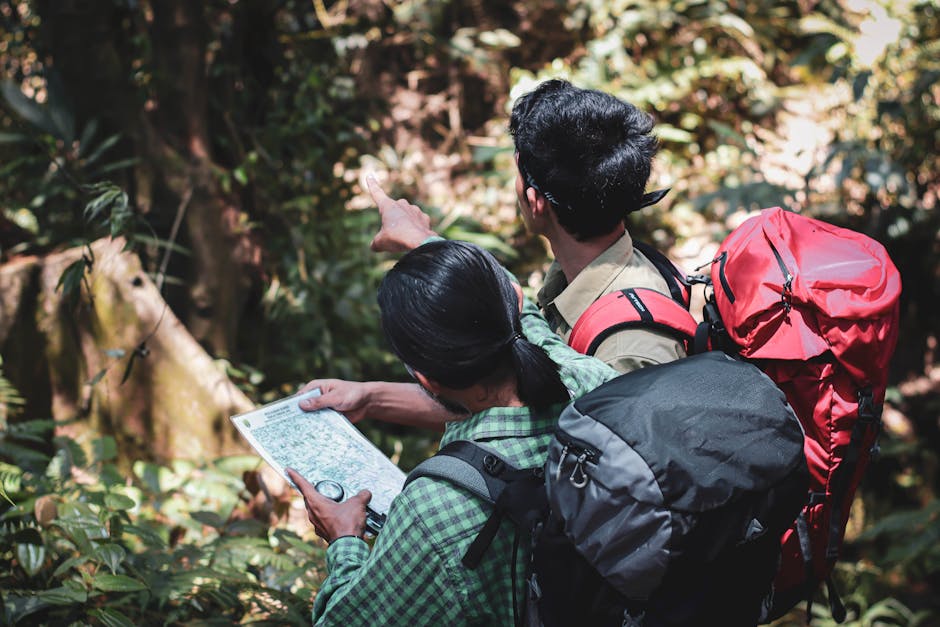
The Via Francigena, the ancient route from Canterbury to Rome, cuts through the spine of Tuscany, and walking even a short segment of it is a transformative act of slow travel Tuscany 2026. You move at the speed of human footsteps, roughly three kilometers per hour, which allows the landscape to reveal itself gradually. The section between San Gimignano and Monteriggioni is particularly beautiful, winding through vineyards, olive groves, and dense oak forests before the medieval towers of Monteriggioni appear on the horizon like a vision from Dante.
You don’t need to be a seasoned hiker or carry a heavy pack. Many local operators will transport your luggage between accommodations each night, allowing you to walk with just a daypack containing water, bread, cheese, and a sun hat. The path is well-marked with the official pilgrim symbol, a stylized figure, and the signage improves every year. Practical tip: in 2026, avoid walking in July and August when the heat is punishing. May and September offer wildflowers and golden light respectively. Stop in small hamlets for a caffè, greet other pilgrims with a respectful “buon cammino,” and let the rhythm of the path slow your thoughts to its ancient pace.
Artisan Workshops: Pottery, Weaving, and Leathercraft
Tuscany’s artisanal traditions are not museum pieces; they are living skills passed through family generations. In 2026, seeking out these workshops offers a profound connection to Tuscan material culture. In the ceramic town of Montelupo Fiorentino, you can sit beside a master potter who paints intricate geometric patterns with a steady hand that has repeated the motion for fifty years. The clay is local, the pigments are mineral-based, and the designs echo Renaissance motifs.
In the Casentino Valley, ancient looms still produce the distinctive panno casentino, the wool fabric recognizable by its curly, textured surface once worn by shepherds and now crafted into elegant coats. Watch the shuttle fly across the warp and hear the rhythmic clack of the heddles—a sound that hasn’t changed in centuries. In Florence’s Oltrarno neighborhood, beyond the crowded leather markets, tiny workshops produce hand-stitched bags and belts using tools worn smooth by decades of use. Practical tip: many artisans offer half-day workshops in 2026 where you can paint your own ceramic plate or stitch a leather journal. Book directly through the artisan’s website, not a tour aggregator, to ensure your fee goes entirely to the craftsperson.
Seasonal Festivals and Village Sagre in 2026
Nothing pulls you into the heart of slow travel Tuscany 2026 quite like a village sagra. These are not tourist performances but genuine community celebrations, usually organized by a local parish or contrada to honor a patron saint, a seasonal harvest, or a beloved local ingredient. There’s a sagra for everything: the chestnut in Marradi in October, the porcino mushroom in Bagni di Lucca in September, the wild boar in Chianni in November, the cherry in Lari in late spring.
The format is wonderfully consistent. Long communal tables are set up under fairy lights in a piazza or sports field. You queue at a cashier to buy tickets for your meal, then take your ticket to the serving station where volunteers—nonna with a ladle, a teenager with a tray—dish out hearty plates of the featured food. Wine flows from plastic jugs, a local band plays, and children chase each other between the tables. Practical tip: in 2026, check the local comune website or ask at your accommodation for festival dates. Arrive early, bring cash, and don’t expect an English menu. The point is not the food alone but the shared, joyful ordinariness of it all—the feeling that for one warm evening, you belong to the village too.

Practical Tips for a Seamless Slow Travel Experience in Tuscany
Embracing slow travel Tuscany 2026 means rethinking how you move, spend, and connect. The goal isn't to tick off a checklist but to sink into the rhythms of village life. With a little planning, you can trade stress for spontaneity and truly savor every cobblestone street and vineyard sunset. These practical tips will help you navigate logistics smoothly so you can focus on the magic of the moment.
First, rethink your itinerary. Instead of trying to see Florence, Siena, and Pisa in five days, choose one or two bases and explore outward like ripples in a pond. Book accommodations for at least a week in each spot. This gives you time to become a familiar face at the local café and discover the hidden corners that day-trippers miss entirely. Pack light, with a sturdy daypack for market finds, and always carry a reusable water bottle to fill at village fountains.
Connectivity is easier than ever in rural Tuscany, but don't rely on it completely. Download offline maps before you go, and keep a physical map for the joy of getting intentionally lost. Most importantly, let go of rigid plans. The best slow travel moments in Tuscany often arrive uninvited: a village festival, a sudden invitation to taste homemade vin santo, or a golden hour that begs you to simply sit and watch the light change over the hills.
Getting Around Without a Car: Trains, Buses, and E-Bikes
Many travelers assume a car is mandatory for exploring Tuscany, but for slow travel Tuscany 2026, going car-free is not only possible but often more rewarding. It forces a deceleration that aligns perfectly with the philosophy of savoring each moment. The regional train network connects major towns like Florence, Siena, Lucca, and Arezzo efficiently, while smaller lines reach surprising gems like the walled town of Monteriggioni or the thermal springs near Rapolano Terme.
The key is combining trains with local buses. Tiemme and Autolinee Toscane operate extensive rural routes, though schedules are designed around school and work commutes rather than tourist whims. Study timetables carefully, especially for return trips, as afternoon buses to remote villages may be sparse. Always validate your ticket in the machine on board to avoid fines.
For the ultimate slow travel freedom, e-bikes have revolutionized Tuscan exploration in 2026. Rental shops now dot the Val d'Orcia and Chianti regions, offering powerful bikes that flatten the infamous Tuscan hills. You can glide along white gravel roads through vineyards, stop spontaneously at a farm for pecorino cheese, and cover distances that would be exhausting on foot. Many agriturismos now provide charging stations and curated GPS routes connecting villages, making e-bike touring the soulful middle ground between hiking and driving.
Budgeting for Slow Travel: Daily Costs and Money-Saving Hacks
Slow travel Tuscany 2026 can be surprisingly affordable compared to whirlwind tourism because staying longer unlocks better value. For a comfortable slow travel experience, budget around €120-180 per day for two people, excluding accommodation. This covers meals at local trattorias, groceries for picnics, bus and train tickets, and occasional entry fees. Solo travelers can manage on €70-100 daily by embracing apartment rentals with kitchen access.
Accommodation is your biggest lever for savings. Book agriturismo apartments directly through farm websites rather than large booking platforms, often saving 15-20%. Many farms offer significant weekly discounts that make a seven-night stay barely more expensive than five. For longer stays of a month or more, negotiate directly with owners for sabbatical rates that can drop below €50 per night in quieter seasons like May or October.
The best money-saving hack is eating like a local. Your morning cappuccino costs €1.50 standing at the bar versus €4 seated in a piazza. The aperitivo culture in 2026 has expanded, with many bars offering generous buffets with your drink purchase between 6-8 PM, essentially providing a light dinner for €8-12. Shop at weekly markets for produce, cheese, and cured meats, then assemble unforgettable picnics overlooking vineyards that no Michelin-starred restaurant can match for atmosphere.
Language and Etiquette: Connecting with Locals
Italians are famously warm, and even minimal effort with the language opens doors that remain firmly closed to English-only visitors. For your slow travel Tuscany 2026 journey, learn the essentials beyond "ciao" and "grazie." Phrases like "Posso assaggiare?" (May I taste?) at a cheese shop or "Che bello!" (How beautiful!) when admiring a view create instant connection. Locals appreciate the attempt, no matter how imperfect, and conversations often bloom from these small gestures.
Tuscan etiquette has subtle rhythms worth respecting. Greet shopkeepers when entering and leaving, even if you buy nothing. A simple "Buongiorno" upon entering and "Arrivederci" when departing is expected. When visiting churches, carry a light scarf to cover shoulders, a rule enforced at major cathedrals but appreciated everywhere. Meals are sacred time; never rush through a restaurant dinner, as tables are yours for the entire evening. The slower you dine, the more the staff respects you as someone who understands Italian food culture.
In villages, you'll quickly become recognized if you're staying a while. Embrace this visibility. Accept invitations to local sagre, the seasonal food festivals celebrating everything from truffles to chestnuts. Share a glass of wine if offered. These authentic exchanges form the heart of slow travel, transforming you from a passing tourist into a welcomed temporary neighbor.
Sustainable Travel in Tuscany: Leaving a Positive Footprint
Slow travel Tuscany 2026 and sustainability are natural partners. The very act of staying longer, moving less, and consuming locally reduces your environmental impact while amplifying your positive economic contribution. Tuscany has embraced this synergy, with regions like the Casentino Valley and Maremma leading innovative conservation and community-based tourism initiatives that welcome mindful travelers.
Water conservation has become a visible priority across Tuscany following recent dry summers. Many villages now have clearly marked public water fountains, and locals appreciate visitors who refill bottles rather than buying plastic. You'll notice agriturismos proudly displaying their rainwater collection systems and drought-resistant landscaping. As a traveler, your simplest sustainable acts are choosing tap water, turning off air conditioning when out exploring, and respecting any local water advisories.
Waste management in rural Tuscany has evolved significantly, with meticulous recycling systems in place. Your accommodation host will explain the separation rules, which may feel complex but reflect genuine community commitment. Many villages now host repair cafés and swap events that visitors are welcome to attend, offering a fascinating window into Tuscan circular economy practices. Participating, even briefly, enriches your slow travel experience with meaningful cultural exchange.
Eco-Friendly Accommodations and Green Certifications
Tuscany offers a growing number of accommodations designed for travelers who prioritize sustainability without sacrificing comfort. For slow travel Tuscany 2026, look for properties carrying the EU Ecolabel or Legambiente Turismo certifications, which verify genuine environmental practices beyond green marketing claims. These certifications assess energy use, water management, waste reduction, and local sourcing.
The most authentic eco-stays are often family-run agriturismos practicing organic farming. Places like Podere La Fornace in the Chianti hills or bio-agriturismos in the Val di Chiana combine solar-powered facilities with farm-to-table meals from their own fields. Many have eliminated single-use plastics entirely and offer filtered water stations. In 2026, several Tuscan eco-retreats have introduced electric vehicle charging powered entirely by on-site solar arrays, making them ideal bases even if you arrive by car. When booking, ask directly about their sustainability practices; genuinely committed hosts are proud to share details about their greywater systems or beekeeping programs.
Supporting Local Communities and Artisans
The soul of slow travel Tuscany 2026 lies in directly supporting the people who preserve Tuscan culture. Every euro you spend at a family trattoria, a village bakery, or with a ceramics artisan in Montelupo strengthens the fabric of rural life. Seek out shops displaying the "Bottega Artigiana" sign, indicating a working craft workshop where you can often watch creation in progress and buy directly from the maker.
In 2026, several Tuscan villages have launched "community-supported tourism" programs where visitors can pre-purchase credits for local businesses at a discount. These programs, found in areas like the Lunigiana and Garfagnana, ensure your spending reaches small producers directly. Consider booking a pasta-making lesson with a nonna through platforms that vet teachers and ensure fair compensation, or join a truffle hunt led by a licensed forager who shares both tradition and conservation wisdom. When buying leather goods, ceramics, or textiles, ask about the maker. A genuine artisan piece carries a story you'll treasure far longer than any mass-produced souvenir, and your purchase helps keep centuries-old skills alive for another generation.
Responsible Hiking and Nature Preservation in 2026
Tuscany's network of ancient footpaths, from the Via Francigena pilgrimage route to the chestnut forest trails of the Apennines, invites immersive exploration. Responsible hiking in 2026 means staying on marked paths to prevent erosion, especially in the fragile biancane clay formations of the Crete Senesi. These otherworldly landscapes are easily damaged by footprints venturing off trail, and local park authorities have increased ranger presence to educate visitors.
Carry out all waste, including biodegradable items like fruit peels which disrupt local wildlife diets. Wild boar and porcupine populations have become bolder near popular trails, so never feed animals. Early morning hikers in the Maremma Regional Park should respect wildlife corridors and maintain quiet observation distances. Many protected areas now use a digital reservation system in 2026 to limit daily visitors during sensitive seasons; check park websites before heading out to ensure access and contribute to preservation efforts through modest entry fees.
Embracing the Tuscan Pace: Final Reflections on Your Journey
As your slow travel Tuscany 2026 journey unfolds, you'll notice a shift within yourself. The frantic impulse to optimize every moment gradually dissolves, replaced by a deeper contentment with simply being present. You'll measure days not by attractions checked off but by the quality of light on a stone farmhouse wall, the laughter shared over a lingering lunch, and the unexpected kindness of strangers who become friends. This is the true gift of traveling slowly through Tuscany.
The hills themselves teach patience. Vines take years to produce meaningful fruit, olive trees even longer, and the medieval villages perched on hilltops were built over generations, not seasons. Aligning yourself with these rhythms feels countercultural in a world obsessed with speed, yet it returns you to something fundamentally human. You learn that a single piazza observed at different hours reveals more than ten piazzas seen in a single afternoon.
When you eventually return home, carry this pace with you. Let the memory of morning espressos savored standing at a marble bar remind you that life's richest pleasures are often the simplest. The connections you forged, the meals you lingered over, and the quiet moments of wonder in a landscape unchanged for centuries will continue to nourish you long after your bags are unpacked. Tuscany, in her timeless patience, will wait for your return, ready to reveal new secrets to the traveler who knows how to listen.


No comments:
Post a Comment