
What Is Slow Travel and Why Tuscany Is the Perfect Destination for It in 2026
The travel landscape has shifted dramatically in recent years, and 2026 marks a definitive turning point where more wanderers are rejecting bucket-list exhaustion in favor of meaningful immersion. Slow travel Tuscany 2026 isn't just a trending phrase—it represents a fundamental rethinking of why we leave home in the first place. Instead of racing through five cities in seven days, travelers are choosing to sink roots into one region, learning its rhythms, its flavors, and its quiet secrets. Tuscany, with its rolling hills, cypress-lined drives, and villages that have barely changed in centuries, offers the ideal canvas for this philosophy. The region rewards patience. A single extra day in a hilltown reveals the difference between morning light and dusk, between the tourist-facing piazza and the back alley where nonnas gather to talk. In 2026, as overtourism pressures ease thanks to new visitor management policies across Italy, slow travelers will find even more space to breathe and connect.
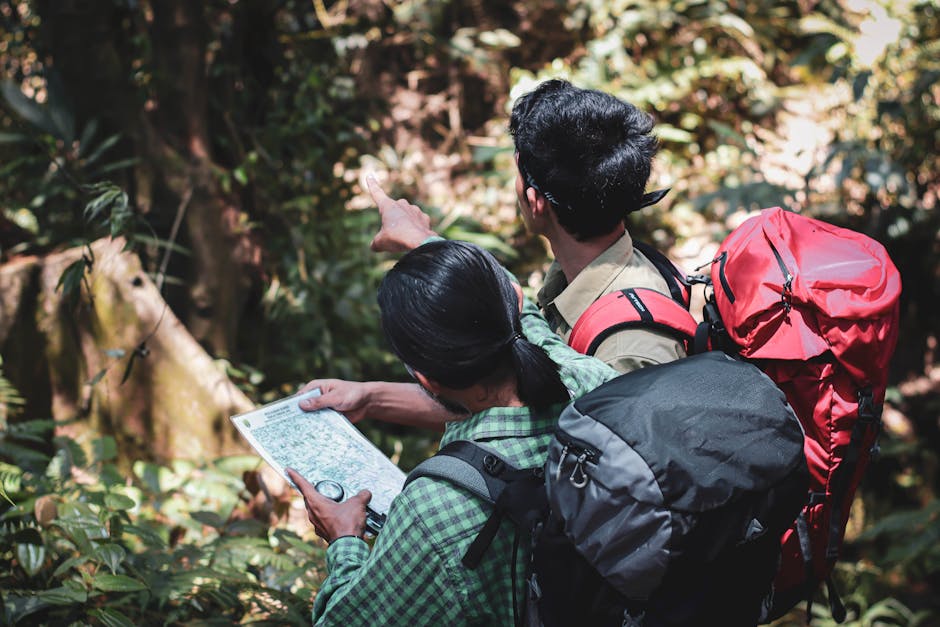
The concept extends beyond simply moving at a relaxed pace. Slow travel in Tuscany this year means choosing accommodations that support local families, eating meals prepared with ingredients grown within walking distance, and allowing unplanned encounters to shape your days. It means learning to pronounce "buongiorno" well enough that a shopkeeper smiles, and sitting long enough at a café that the waiter brings your usual without asking. Tuscany's infrastructure increasingly supports this approach, with expanded bike paths, restored footpaths between villages, and agriturismi that now offer multi-day cooking and foraging workshops rather than single afternoon sessions. The region's tourism board has also introduced digital detox packages in 2026, encouraging visitors to lock phones away and navigate using paper maps and local advice. This intentional disconnection deepens the slow travel experience, transforming a simple vacation into something closer to a temporary local life.
Defining the Slow Travel Movement in 2026
The slow travel movement has matured significantly by 2026, evolving far beyond its origins as a simple rejection of fast-paced tourism. Today it encompasses a complete philosophy centered on depth, sustainability, and human connection. At its core, slow travel means staying longer in fewer places, prioritizing authentic experiences over checked boxes, and engaging with local communities on their own terms. It draws inspiration from the slow food movement that began in Italy decades ago, applying those principles—mindfulness, locality, quality over quantity—to how we move through the world.
In practical terms, slow travel Tuscany 2026 looks like renting a converted farmhouse for two weeks instead of hotel-hopping for four nights. It means choosing one valley to explore thoroughly rather than attempting to cover the entire region. Travelers embracing this style often structure days around a single activity—a morning hike, an afternoon cooking class, an evening passeggiata—leaving generous empty space for spontaneity. Technology plays an interesting role in 2026's version of slow travel. While digital detox is encouraged, curated apps now help travelers find family-run workshops, seasonal harvest events, and walking routes that bypass crowded hotspots entirely. The movement has also become more inclusive, with accessible slow travel options expanding across Tuscany for travelers with mobility needs.
Tuscany’s Unique Appeal for Mindful Travelers
Tuscany possesses an almost unfair advantage when it comes to slow travel. The landscape itself enforces a kind of deceleration—those winding white roads demand second-gear driving, and the steep medieval streets of hilltowns are impossible to rush through. Beyond the physical terrain, Tuscany offers a density of cultural and sensory richness that rewards prolonged attention. A single vineyard view contains layers of history: Etruscan terraces beneath medieval castles beneath Renaissance villas. The cuisine operates on a similar principle of depth, with recipes that have been refined over generations and ingredients that taste vividly of their specific patch of earth.
What truly sets Tuscany apart for mindful travelers in 2026 is the accessibility of authentic experiences without the need for elaborate planning. Unlike destinations where "local life" is hidden behind tourist facades, Tuscan village life plays out openly in piazzas, markets, and communal festivals. The tradition of sagre—food festivals celebrating single ingredients like porcini mushrooms, chestnuts, or wild boar—continues strong into 2026, offering travelers natural entry points into community gatherings. Additionally, Tuscany's network of agriturismi has matured into a sophisticated hospitality model that feels genuinely rooted rather than performatively rustic. These working farms provide not just accommodation but education, inviting guests to participate in olive harvests, cheese production, and grape picking alongside families who have worked the land for centuries. The 2026 season also sees expanded programming around wellness, with thermal springs towns like Saturnia and Bagno Vignoni offering integrated slow retreat packages combining soaking rituals, meditation, and farm-to-table dining.
The Benefits of Slowing Down in Italy’s Heartland
Choosing a slow travel approach in Tuscany yields rewards that extend far beyond the duration of the trip. The most immediate benefit is sensory—when you aren't rushing to the next landmark, you start noticing the details that make Tuscany magical. The way morning mist burns off a valley, revealing olive groves row by row. The sound of church bells echoing differently across hills at noon. The taste difference between pecorino aged three months and pecorino aged a year. These micro-experiences accumulate into a relationship with place that simply cannot form during a whirlwind itinerary.
There are profound economic and social benefits as well. Slow travel Tuscany 2026 channels tourist spending directly into small communities rather than international hotel chains. When you buy cheese from the shepherd who made it, or book a painting workshop with a local artist, your euros circulate within the village economy, helping preserve the very traditions you came to experience. Socially, staying longer allows for genuine human connections. The café owner learns your name. The neighboring table at trattoria shares their olive oil recommendations. You might get invited to a private harvest celebration or a village football match. These interactions dissolve the barrier between observer and participant. On a personal level, the mental reset provided by slow travel is increasingly valuable in 2026's hyperconnected world. Tuscany's combination of beautiful landscapes, physical activity through walking and cycling, and the ritualistic pleasure of long meals creates conditions for genuine restoration. Travelers return home not exhausted and needing another vacation, but genuinely renewed, carrying new skills, recipes, and a quieter internal rhythm.
Planning Your 2026 Slow Travel Tuscany Itinerary
Building a slow travel itinerary requires a fundamentally different approach than traditional trip planning. The instinct to fill every day with activities must be actively resisted. Instead, the goal is to create a flexible framework that allows for deep exploration of a limited geographical area while leaving generous room for serendipity. The most successful slow travel Tuscany 2026 experiences typically involve selecting one or two bases maximum for a two-week stay, with day trips radiating outward no more than an hour's drive or train ride. This section outlines how to choose the right home base, structure an unhurried two-week route, and navigate the region without relying on a rental car.
Before diving into logistics, it's worth addressing the mindset shift required. Slow travel planning means accepting that you won't see everything. You might miss the Leaning Tower of Pisa or skip Florence entirely, and that's perfectly fine. What you gain instead is intimate knowledge of a specific area—the best time of day to visit the local market, which vineyard produces the most interesting Sangiovese, the footpath that connects your village to the next one through a chestnut forest. This trade-off defines the entire slow travel philosophy. The planning process itself should feel unhurried. Rather than booking every activity months in advance, leave significant gaps in your calendar. The best experiences in Tuscany often materialize through local recommendations once you're on the ground—a winemaker suggesting you return for harvest, a neighbor mentioning an upcoming village festa, or simply discovering a trailhead while out walking.
Choosing a Base: Agriturismi vs. Village Rentals
The decision between staying at an agriturismo or renting an apartment within a village walls shapes the entire character of your slow travel experience. Both options align beautifully with the slow travel Tuscany 2026 ethos, but they offer distinctly different rhythms of daily life. Agriturismi are working farms that offer guest accommodations, ranging from rustic rooms in converted barns to elegantly restored farmhouses with pools overlooking vineyards. Staying at one immerses you directly in agricultural life. You wake to the sounds of tractors and roosters, eat breakfast featuring the farm's own honey and preserves, and can often participate in seasonal activities like grape harvesting or olive pressing.
The advantages of agriturismi for slow travelers are substantial. Most are family-run, meaning your hosts are genuine locals with deep knowledge of the area. They can recommend obscure hiking trails, arrange visits to small producers who don't normally welcome tourists, and share meals that taste profoundly of their specific terroir. The downside is isolation—without a car, you may feel stranded, and evening strolls to a village for gelato aren't possible when you're surrounded by wheat fields. Village rentals, on the other hand, place you directly within the social fabric of a small community. Renting an apartment in a hilltown like Montepulciano, Pienza, or San Quirico d'Orcia means you can participate in the daily passeggiata, shop at the same alimentari each morning, and become a temporary regular at the local bar. This option works better for car-free travelers, as village bus connections, while limited, do exist. The trade-off is less direct contact with nature and agriculture, though many hilltowns are small enough that countryside walks begin at the city gates. In 2026, several villages have also introduced cooperative programs where rental guests receive passes to nearby agriturismi pools and cooking classes, effectively blending the two experiences.
Crafting a Two-Week Unhurried Route
A well-designed two-week slow itinerary covers surprisingly little ground geographically while offering enormous depth of experience. The key is choosing a cohesive sub-region and exploring it thoroughly rather than attempting to stitch together disparate parts of Tuscany. The Val d'Orcia, with its UNESCO-protected landscapes and cluster of gorgeous hilltowns within a compact area, serves as the ideal territory for a first slow travel Tuscany 2026 experience. A sample framework might look like this: Days 1-3 focus on settling in and exploring your immediate base village, learning its streets, finding your favorite café, and adjusting to Italian rhythms. Days 4-6 introduce nearby towns via gentle day trips—perhaps Pienza for pecorino cheese tasting, Bagno Vignoni for thermal soaking, and Monticchiello for its tiny theater tradition.
Days 7-9 shift toward physical engagement with the landscape, walking segments of the Via Francigena pilgrimage route, cycling the quiet roads between Montepulciano and Montalcino, or joining a truffle hunt in the woods near San Giovanni d'Asso. Days 10-12 deepen the culinary connection with a hands-on cooking class focusing on pici pasta or wild boar ragù, a visit to a Brunello winery for an extended tasting and cellar tour, and perhaps a morning foraging walk with a local expert. Days 13-14 are deliberately left open for returning to favorite spots, following unexpected recommendations, or simply sitting in a piazza reading and watching village life unfold. This framework prioritizes presence over coverage. Each activity is given breathing room—a single winery visit might occupy an entire afternoon rather than being sandwiched between three other stops. The route assumes staying in one base for the full two weeks, though splitting the stay between two locations in the same valley (perhaps a village apartment for one week and an agriturismo for the second) can add variety without sacrificing depth.
Transportation Tips for a Car-Free Journey
Exploring Tuscany without a car requires more planning but aligns perfectly with slow travel values, forcing a more deliberate pace and fostering closer contact with local life. In 2026, several improvements make car-free slow travel Tuscany 2026 more feasible than in previous years. The regional train network connecting Florence to Siena, Arezzo, and smaller stations remains the backbone of public transit, though it doesn't reach the smallest hilltowns. For those, a combination of local buses, pre-booked shuttles, and strategic use of e-bikes fills the gaps. The key strategy is choosing a base with a train station—towns like Buonconvento, Asciano, or Chiusi-Chianciano Terme offer rail access plus bus connections to surrounding villages.
E-bikes have revolutionized car-free exploration of the Tuscan countryside in 2026. Several shops in larger towns now offer multi-day rentals with delivery to your accommodation, and the electric assist makes climbing hilltown approaches manageable for reasonably fit riders. The Val d'Orcia in particular has expanded its network of quiet cycling routes marked with clear signage. For reaching more remote agriturismi, many hosts now offer pickup services from the nearest train station, and some have partnered with local taxi cooperatives to provide flat-rate transfers. Walking remains the most rewarding slow transport option. Sections of the Via Francigena and numerous CAI-marked trails connect villages through stunning landscapes, and walking between towns for lunch before catching a bus back creates a deeply satisfying day. The essential tools for car-free travel in 2026 include the MooneyGo app for regional bus tickets, a detailed hiking map, and the willingness to embrace Italian transport's flexible relationship with schedules.
The Best Time to Visit Tuscany for Slow Travel in 2026
Timing shapes every aspect of the slow travel experience in Tuscany, from the quality of light falling on wheat fields to the ingredients appearing on restaurant plates. Choosing when to visit in 2026 involves balancing weather preferences, crowd tolerance, and a desire to witness specific seasonal moments. The good news is that slow travel Tuscany 2026 works beautifully across all seasons—each offers distinct rewards for unhurried travelers willing to adapt their rhythms to nature's calendar. The traditional high season of July and August brings intense heat, peak prices, and crowds that conflict directly with slow travel values, making those months the least recommended for this style of exploration. The shoulder and off-peak seasons, by contrast, reveal a more intimate, livable Tuscany where connections with locals come more easily and the landscape offers changing spectacles throughout the year.
Rather than thinking in terms of "best" or "worst" months, slow travelers should consider what kind of Tuscany they want to meet. Spring offers explosive greenness and wildflowers carpeting the Crete Senesi. Autumn brings harvest energy, golden light, and the heady smell of fermenting grapes. Winter strips away all tourism pretense, leaving woodsmoke, empty piazzas, and the deepest glimpse of authentic village life. Even summer, despite its drawbacks, delivers long golden evenings and the cultural richness of outdoor festivals. The 2026 calendar also includes some unique astronomical and agricultural events worth planning around. Whatever season you choose, the slow travel approach transforms it from a backdrop into an active participant in your journey. You'll feel the season in your bones—literally, when you're walking through February mist or September sunshine—and that embodied connection to place is precisely what slow travel seeks to cultivate.
Seasonal Highlights and Avoiding Crowds
Spring in Tuscany arrives with almost shocking beauty. From late March through May, the Val d'Orcia erupts in green so vivid it seems digitally enhanced. Wildflowers—red poppies, yellow broom, purple clover—create natural color fields that photographers chase. Temperatures hover pleasantly between 15-22°C, ideal for long walks without working up a heavy sweat. This is prime slow travel Tuscany 2026 territory, with tourist numbers still modest outside Easter week. The key spring events include the flowering of the Pian Grande in late May and the numerous sagre celebrating artichokes, asparagus, and fresh pecorino. To avoid the Easter crush, schedule your visit for the weeks immediately following the holiday, when accommodations are plentiful and the landscape is at its peak greenness.
Autumn rivals spring for the title of ideal slow travel season. September and October bring the vendemmia, or grape harvest, and many agriturismi welcome guests to participate. The light turns golden and slanted, making even ordinary village streets look like Renaissance paintings. Temperatures remain warm enough for outdoor dining through mid-October, and the summer crowds have dispersed. This season is particularly appealing for culinary slow travelers, as markets overflow with porcini mushrooms, truffles begin appearing, and the olive harvest starts in late October. The key to avoiding crowds during this beloved season is to visit in September rather than October, as the latter sees a surge of fall foliage tourism. November represents a quieter window—olive mills are pressing fresh oil, the landscape takes on moody beauty, and you'll have hilltowns nearly to yourself, though some agriturismi begin closing for winter.
2026 Festivals and Local Events Calendar
Building a slow travel itinerary around local festivals transforms a visit into a participatory cultural experience rather than passive observation. The 2026 Tuscan festival calendar offers anchor points around which to structure an unhurried journey, though the slow travel philosophy suggests choosing just one or two events rather than chasing a crowded schedule. Spring highlights include the Maggio Musicale Fiorentino, Florence's prestigious music festival running April through June, and the Infiorata floral carpet festival in various towns. In the countryside, May brings the Festa del Barbarossa in San Quirico d'Orcia, celebrating medieval history with processions and archery competitions. Late May sees Cantine Aperte, when wineries across Tuscany open their doors for tastings and cellar tours—an ideal event for slow travelers wanting to connect with small producers.
Summer's festival energy peaks in 2026 with the Palio di Siena on July 2 and August 16, a thunderous, controversial, and utterly captivating horse race that defines Sienese identity. While the Palio draws enormous crowds that conflict with slow travel ideals, witnessing it once is unforgettable. Smaller summer alternatives include the Mercantia street theater festival in Certaldo and the Bravio delle Botti barrel race in Montepulciano. Autumn's calendar centers on harvest celebrations. The Expo del Chianti Classico in Greve (September) showcases the region's flagship wine, while truffle fairs in San Giovanni d'Asso and San Miniato perfume entire towns with their earthy aroma. The olive oil season launches with frantoio aperti (open olive mills) throughout November, offering the chance to taste oil so fresh it stings the throat. Winter brings quieter pleasures: nativity scenes displayed in cave dwellings, chestnut festivals, and Carnevale celebrations in February 2026 that predate their more famous Venetian counterpart. Throughout the year, consult local tourism office websites rather than international listings, as the most rewarding events—small village sagre, patron saint celebrations, impromptu jazz evenings—often appear only on Italian-language posters tacked to bar windows.
Exploring Tuscan Hilltop Villages Off the Tourist Trail
For anyone embracing slow travel Tuscany 2026, the true rhythm of the region isn't found in crowded piazzas but in the silent, stone-carved alleys of its lesser-known hilltop villages. These aren't just photo opportunities; they are living museums where the Etruscan, Roman, and medieval layers of history remain exposed, untouched by the frantic pace of modern tourism. To travel slowly here means arriving without a strict checklist. It means sitting on a bench with the locals, watching the light shift across a travertine facade, and understanding that the village itself dictates the pace of your day. Moving away from the well-trodden paths of the Val d’Orcia allows you to connect with a Tuscany that fiercely guards its dialects, recipes, and traditions. In 2026, with travelers seeking deeper meaning in their journeys, these villages offer a sanctuary of authenticity, where your presence is a quiet exchange rather than a transaction.
Southern Tuscany Gems: Pitigliano, Sovana, and Sorano
The deep south of Tuscany, known as the Tuscan Maremma, is a rugged frontier where the earth itself seems to erupt into civilization. Pitigliano, famously called the "Little Jerusalem," is a breathtaking spectacle of pale tuff stone rising vertically from a volcanic ridge. Slow travel Tuscany 2026 enthusiasts will find its history unique; the Jewish community thrived here for centuries, and exploring the labyrinthine ghetto, the unleavened bread bakery, and the synagogue carved into the rock provides a cultural depth absent elsewhere. A walk down the Vie Cave, ancient Etruscan sunken roads that slice mysteriously through the bedrock, connects you to a pre-Roman world. Just a few kilometers away, Sovana is a perfectly preserved medieval time capsule, its single main street ending at a Romanesque cathedral. The silence here is profound, broken only by the cooing of doves. Nearby, the ruins of the Aldobrandeschi fortress in Sorano offer a crumbling, ivy-clad mystery without the ticket queues. Stay overnight in a cave dwelling converted into a modern inn, and you will witness the stars from a balcony carved out of volcanic stone, a perspective that has remained unchanged for millennia.
Northern Tuscany Hidden Spots: Barga and Coreglia Antelminelli
Northern Tuscany, draped over the Apuan Alps and the Serchio Valley, offers a mountainous counterpoint to the southern hills. Barga, listed as one of Italy’s most beautiful villages, is a cultural island with distinct Scottish connections due to historical emigration. The Romanesque Duomo of San Cristoforo dominates the skyline, but the true slow travel Tuscany 2026 experience lies in the backstreets where cobblestones narrow to single-file paths and garden walls burst with hydrangeas. This is a town of music, jazz festivals, and poetic views overlooking dense chestnut forests. Deeper into the valley, Coreglia Antelminelli distinguishes itself as the historic capital of plaster figurine makers. Wander into the Museum of Plaster Figurines and Emigration to understand a poignant, artistic history of families who traveled the world selling their delicate statuettes. There are no massive tour buses here, just steep climbs, artisan workshops, and the distinct Ligurian-influenced cuisine that marks this green corner of Tuscany. The air smells of woodsmoke and roasting chestnuts, inviting you to linger at a café where Italian is spoken with a unique melodic lilt.
Cultural Etiquette in Small Communities
Mastering local etiquette is essential for slow travel Tuscany 2026, as small villages operate on a social contract of mutual respect that differs vastly from urban anonymity. First and foremost, greet shopkeepers with a clear "Buongiorno" upon entering and a "Grazie, arrivederci" upon leaving; failing to acknowledge someone is considered distinctly rude. Dress modestly when entering churches, covering shoulders and knees, but also be mindful that villagers tend to dress neatly, viewing clothing as a sign of respect for the community. If you are invited into a local home or a private garden, never arrive empty-handed; a small gift of pastries from the local pasticceria is a perfect gesture. When dining, a cappuccino is strictly a morning beverage—ordering one after midday will immediately label you an outsider. Also, be aware of the quiet hours, usually from 1 PM to 4 PM and late at night. The streets empty out, and noise levels must drop to zero; this is sacred rest time. Finally, do not rush. If a shopkeeper wants to chat about your origins while you pay, the transaction is secondary to the human connection. Embrace the pause, and you will be welcomed not as a tourist, but as a temporary custodian of their ancient way of life.
Immersive Food and Wine Experiences for Slow Travelers
In Tuscany, food is not fuel; it is the narrative of the land, a direct translation of sunlight, soil, and human patience. Slow travel Tuscany 2026 is defined by the skill of reading a landscape and tasting it on a plate. This is a region where the distance between producer and plate is often measured in meters, not miles. To engage in immersive culinary experiences is to bypass the restaurant menu and step directly into the wheat fields, the damp cellars, and the olive groves. Whether you are kneading dough with a nonna who doesn’t speak a word of English or swirling a Brunello in a cellar that dates back to the Renaissance, you are participating in a ritual that has resisted the speed of the modern world. The 2026 season places a premium on these sensory connections, with agriturismos expanding their offerings to include deeply personal food narratives. These experiences are designed not to fill you up quickly, but to slow you down intentionally, anchoring your travels in the earthy, bitter, sweet, and tannic notes of the Italian table.
Farm-to-Table Cooking Classes and Agriturismo Dinners
The heart of slow travel Tuscany 2026 beats strongest in the agriturismo kitchen, where the concept of "zero kilometer" eating is a birthright, not a trend. A cooking class here begins not at the stove, but in the garden. You step out with a basket to harvest zucchini flowers still damp with morning dew, or pluck sun-warmed tomatoes from tangled vines. Under the guidance of a farm matriarch, you learn that Tuscan cooking is a philosophy of subtraction—using five impeccable ingredients rather than twenty mediocre ones. You master the art of hand-rolling pici pasta, a thick, chewy spaghetti from the Siena region, simply using flour, water, and a specific flick of the palm. Agriturismo dinners that follow are communal rituals set under pergolas as the sky turns violet. The menu is fixed and non-negotiable, dictated entirely by the harvest. You might eat a ribollita soup that has been simmering since dawn, or a wild boar ragu that honors a hunt. In 2026, many agriturismos are offering small-group classes focusing on forgotten grains and ancient legumes, reviving biodiversity through taste.
Wine Tasting Beyond Chianti: Montalcino and Montepulciano
While Chianti is globally famous, the dedicated slow travel Tuscany 2026 itinerary veers south to the aristocratic hills of Montalcino and Montepulciano, where wine tasting is a meditative process. In Montalcino, the Brunello di Montalcino is a titan of Italian wine, requiring years of aging before release. Visiting a small, family-run estate here is a lesson in patience. You descend into cellars that smell of damp oak and history, where the winemaker explains how they wait out the seasons, refusing to release a bottle until it has achieved a precise harmony. The landscape itself, with its isolated maritime pines and rocky soil, tells you why the Sangiovese grape achieves such power here. Eastward, Montepulciano offers the Vino Nobile, a slightly more approachable but equally noble red. The tasting rooms are often carved into the underground city, a maze of Etruscan-era caves beneath the Renaissance palaces. A proper tasting pairs the wine with local pecorino cheese aged under ash, noting how the salt crystals cut through the tannins. This isn't a sip-and-spit rush; it’s a two-hour conversation about clay, altitude, and the wind that dries the grapes after a summer storm.
Foraging, Truffle Hunting, and Olive Harvesting in 2026
The 2026 calendar invites the slow traveler to sync their heartbeat with the agricultural seasons. Autumn is the undisputed kingdom of the truffle, and joining a truffle hunter and his Lagotto Romagnolo dog in the woods of San Miniato or the Crete Senesi is a masterclass in silent observation. The morning mist clings to the oaks as the dog zigzags with frantic precision, eventually pawing at the earth where a precious white or black truffle is hidden. The hunter will explain the symbiotic relationship between the tree roots and the fungus, a secret ecology that science still struggles to fully domesticate. Spring and autumn are also prime for foraging wild greens and asparagus, a tradition known as "andare per erbe." Locals will teach you to identify the bitter cicoria or the delicate wild asparagus hiding in the brambles, which you later sauté with garlic and olive oil from the farm's own trees. Speaking of olives, the November "olive harvest" is arguably the most visceral slow travel Tuscany 2026 activity. You spread nets beneath ancient, gnarled trees and rake the purple-black fruits down by hand. The reward is immediate: you follow the olives to a stone-pressed frantoio (mill) and watch the emerald-green, peppery oil gush out, tasting it on a slice of toasted bread that has been singed over an open fire. It is a taste so alive it burns the back of your throat, a reminder that the best rewards require physical toil.
Nature and Outdoor Activities for a Deeper Connection
Tuscany’s soul is not contained within its museum walls; it spills out across a landscape that has been gently sculpted by human hand for three thousand years. To truly grasp slow travel Tuscany 2026, you must traverse this terrain at a biological speed—on foot or by bicycle—allowing the scent of wild fennel, rosemary, and warm earth to become a part of your memory. The region offers a network of paths that connect spiritual history with geological wonder, and thermal waters that have healed weary travelers since Roman times. The goal is not to conquer the landscape, but to become absorbed by it. Whether you are crunching across the white gravel roads of the lunar Crete Senesi or floating in a steaming natural pool as the sun sets behind cypress trees, these outdoor pursuits root you in the raw, unfiltered beauty that has inspired artists for centuries. In 2026, wellness and active travel are seamlessly merging, making Tuscany a premier destination for those who want their physical journey to mirror an inner reset.
Walking the Via Francigena: Pilgrim Paths and Day Hikes
The Via Francigena, the ancient pilgrim route from Canterbury to Rome, cuts directly through the spine of Tuscany, and tackling a segment is a quintessential slow travel Tuscany 2026 experience. You don't need to be a devout pilgrim or an ultra-marathoner; the Tuscan stretch is best enjoyed as a series of day hikes between walled towns. The leg from San Gimignano to Monteriggioni is a classic, stretching roughly 30 kilometers but easily broken up with a stay in a countryside inn. You walk through a tunnel of holm oaks, past hidden shrines to the Madonna, and over gentle hills where the only sound is the crunch of your boots on the white gravel. The approach to Monteriggioni is the reward: the tiny, perfectly circular fortress town appears floating above the vines, its famous walls exactly as Dante described them in the Divine Comedy. Pack light, carry a water bottle, and stamp your pilgrim passport in the local parish churches. The path is impeccably marked with red and white blazes, and in 2026, new digital detox packages from local guides encourage walking without GPS, relying instead on the ancient stone markers. It’s a walk that connects you to a thousand years of footsteps, proving that the slowest route always offers the richest arrival.
Cycling Through the Crete Senesi Landscape
For a landscape that looks like a Renaissance painting come to life, the Crete Senesi south of Siena is unmatched. This semi-desert of undulating clay hills, punctuated by lone cypress trees and farmhouses, is a dream for cyclists. Slow travel Tuscany 2026 on two wheels is about exploration, not racing. Rent an e-bike in Asciano or Buonconvento to tame the steep, eroded biancane (white clay domes) without exhausting yourself, allowing you to focus on the surreal lunar beauty. The route to the Abbey of Monte Oliveto Maggiore is a spiritual and visual masterpiece. You cycle through a monochromatic palette of grays and pale yellows, the earth cracking in geometric patterns during the heat, until you reach the red-brick abbey nestled in a forest of dark cypress. Park your bike and enter the cloister to see the Sodoma frescoes, then refuel with a glass of Vernaccia in the shade. The backroads are virtually traffic-free, allowing you to hear the larks overhead and the crunch of your tires on the chalky soil. It’s a sensory immersion that a car windshield simply cannot provide.
Thermal Springs and Natural Wellness in Tuscany
The volcanic activity that shaped the Tuscan hills left a legacy of healing hot springs, and in 2026, these waters are being rediscovered by slow travelers seeking natural wellness. While the resort town of Saturnia is well-known, the true slow travel Tuscany 2026 experience lies in the wild, free thermal baths. The Cascate del Mulino, just outside Saturnia, are cascading travertine pools of milky-blue, sulfur-rich water that maintain a constant 37.5°C (99.5°F) temperature year-round. Arrive at dawn to soak in the warm mist as the sun rises over the countryside, avoiding the crowds that arrive later. Even more secretive are the Petriolo hot springs, located between Siena and Grosseto. Here, the hot water gushes from a medieval stone structure directly into a river, and you can sit in a natural pool mixing the hot thermal flow with the cool freshwater, a free spa treatment under the open sky. The minerals are scientifically proven to soothe skin and muscles, but the mental decompression is the real cure. New for 2026, several local naturalists are offering "forest bathing" sessions combined with thermal dips, guiding you through mindfulness exercises as you float. Remember to bring water shoes for the slippery rocks and a towel, and to avoid silver jewelry, which the sulfur will darken. This is wellness stripped of pretension—just you, the earth’s warmth, and the vast Tuscan silence.
Embracing Local Life: Artisans, Markets, and Traditions
To truly understand the rhythm of slow travel Tuscany 2026, you must step away from the sightseeing checklist and into the workshops, piazzas, and village kitchens where daily life unfolds. Tuscany is not a museum; it is a living landscape of makers, farmers, and storytellers who carry forward skills that span centuries. When you sit beside an artisan at their workbench or haggle playfully over a wheel of pecorino at a weekly market, you stop being a visitor. You become part of a continuous thread of human connection that defines this region far more than any famous painting or cathedral ever could.
The beauty of these encounters lies in their spontaneity. There is no velvet rope separating you from the wood shavings on a carver’s floor or the flour dusting a pasta maker’s apron. In 2026, as travelers increasingly seek meaning over mileage, these hands-on experiences offer the deepest form of cultural immersion. The following sections guide you toward the people and gatherings that keep Tuscan traditions breathing, one handcrafted object and one shared meal at a time.
Meeting Artisans: Pottery, Leather, and Weaving Workshops
Tuscany’s artisan workshops are the beating heart of its cultural identity, and in 2026 many masters are opening their doors wider than ever to curious travelers. Rather than simply buying a souvenir from a shop window, you can spend a morning learning how that object came to be. These are not staged tourist demonstrations; they are real working studios where the scent of leather, wet clay, or natural dye fills the air, and where your questions lead to stories that no guidebook contains.
In the hilltop town of Montelupo Fiorentino, ceramic traditions date back to the Renaissance, and several family-run botteghe offer hands-on pottery sessions. You can sit at a wheel with a master potter who learned from their grandfather, shaping the same terracotta clay that gave the town its fame. The finished piece, glazed in vivid maiolica patterns of cobalt blue and sunflower yellow, gets fired and shipped to your home—a functional memory that outlasts any photograph. A half-day workshop typically costs between sixty and ninety euros, and you should book at least two weeks ahead during the busy spring and autumn seasons.
The leather district around Santa Croce sull’Arno, between Florence and Pisa, is another treasure trove for slow travelers. Here, the scent of vegetable-tanned cowhide drifts from open doorways, and artisans still cut, stitch, and burnish by hand. Several workshops now welcome small groups to craft a simple belt, wallet, or journal cover under expert guidance. You learn to bevel edges, set rivets, and appreciate why a hand-stitched seam outlasts any machine alternative. The process is meditative, and you leave with both a personalized object and a profound respect for the craft. Expect to spend around three hours and eighty to one hundred twenty euros for a meaningful workshop experience.
In the Casentino Valley, a lesser-known pocket of Tuscany east of Florence, traditional wool weaving survives in studios that work with local sheep breeds. The characteristic “panno del Casentino” fabric, with its curly, water-resistant nap, once clothed Franciscan friars and Medici hunters. Today you can visit weavers who operate antique wooden looms, and some offer short sessions where you try your hand at passing the shuttle. The rhythmic clack of the loom and the earthy smell of raw wool ground you in a textile heritage that predates the Renaissance. These encounters work best when arranged directly through the artisan or via a local cultural association, rather than large tour platforms.
Weekly Markets and Slow Shopping in Tuscany
The weekly market is a sacred institution in Tuscan life, and orienting your itinerary around market days transforms a simple shopping trip into a cultural event. This is where nonne squeeze tomatoes for ripeness, where cheesemongers slice paper-thin samples of aged pecorino, and where the banter between vendor and customer follows rhythms refined over generations. For the slow traveler, these markets offer a direct line to the seasons, the soil, and the people who work it.
Each town has its designated market day, and planning your slow travel Tuscany 2026 route around these dates rewards you with the freshest picnic ingredients and the most authentic interactions. In Lucca, the Wednesday morning market sprawls through the streets near the cathedral, with stalls selling everything from porcini mushrooms to hand-stitched linen tablecloths. Siena’s enormous Friday market at La Lizza draws producers from across the province, and the honey vendor will let you taste a dozen varieties before you choose. In smaller villages like San Gimignano on Thursday mornings or Greve in Chianti on Saturdays, the scale is more intimate, and the pace is slower still.
Approach these markets with the right mindset. Bring a canvas tote or foldable bag; single-use plastic bags are increasingly discouraged under 2026 local ordinances. Carry small bills and coins, as many vendors still prefer cash. Arrive before nine in the morning to watch the stalls being set up and to claim the best produce before the midday rush. Most importantly, linger. Ask the olive oil producer which harvest you are tasting. Let the truffle hunter explain the difference between a summer black truffle and the prized white variety. These conversations are the true purchase.
Beyond the weekly markets, slow shopping in Tuscany means seeking out the small, often unmarked, farm stores and cantinas along country roads. Look for hand-painted signs reading “vendita diretta”—direct sale. Here you buy wine from the family that grew the grapes, honey from the beekeeper whose hives buzz in the nearby field, and saffron from the farmer who harvests each crimson thread by hand. The prices are fair, the quality is exceptional, and the exchange feels like a gift rather than a transaction. This is the antithesis of rushed consumerism, and it fills your suitcase with tastes and textures that carry genuine stories.
Participating in Village Festivities and Sagre
If there is one experience that epitomizes slow travel Tuscany 2026, it is finding yourself at a sagra—a local food festival—surrounded by families, wood smoke, and the sound of a volunteer band playing under string lights. These gatherings, typically organized by village communities to celebrate a single seasonal ingredient or dish, strip away pretense and invite you directly into the joyful, communal heart of Tuscan culture. There is no velvet rope, no dress code, just long communal tables and a shared love of honest food.
The sagra calendar runs year-round, but the densest concentration falls between late spring and early autumn. In May, the Sagra del Cinghiale in Chianni honors wild boar with stews, ragù, and grilled chops served alongside local red wine. September brings the Sagra dell’Uva to numerous villages, celebrating the grape harvest with freshly pressed juice, schiacciata all’uva (grape-studded flatbread), and dancing in the piazza. The Sagra del Tartufo in San Miniato, typically held in November, transforms the hill town into a fragrant celebration of white truffles, where you can taste shavings over simple pasta or buy directly from truffle hunters. Each sagra is unique, but all share a spirit of abundance and welcome.
To participate fully, arrive hungry and patient. You typically purchase tickets at a central booth, then exchange them for plates of food at different stations. The system can seem chaotic to newcomers, but locals will happily guide you. Find a spot at the long tables, where you will likely share a bench with strangers who become friends over a carafe of house wine. Do not expect restaurant service; the cooks are volunteers—retired schoolteachers, firefighters, farmers—working for the pride of their community. The food, however, is often extraordinary precisely because it is made with recipes passed down through generations, using ingredients grown within a few kilometers.
Festivals beyond food also shape the Tuscan calendar. The Giostra del Saracino in Arezzo, a medieval jousting tournament held in June and September, fills the Piazza Grande with costumed parades and thundering horses. The Palio di Siena, on July 2 and August 16, remains one of Italy’s most intense spectacles, though securing a spot in the packed piazza requires local connections or very early arrival. For a gentler experience, seek out village patron saint days, where processions, bell-ringing, and communal meals mark the calendar. A local tourism office or your agriturismo host can tell you what is happening during your stay—often the best events are never advertised online.
Sustainable Slow Travel: Tuscany’s Eco-Conscious Side in 2026
The principles of slow travel and sustainability are natural companions. Moving at a gentler pace, staying longer in one place, and choosing locally owned accommodations all inherently reduce your environmental footprint while deepening your connection to the region. In 2026, Tuscany has embraced this alignment with growing enthusiasm, making it easier than ever to travel responsibly without sacrificing an ounce of comfort or beauty. From solar-powered farm stays to zero-kilometer restaurant menus, the region offers a blueprint for tourism that nourishes rather than extracts.
This shift is not merely about environmental metrics; it reflects a broader cultural value that Tuscans have long held: the idea that land, food, and community are intertwined treasures to be stewarded, not exploited. When you choose an eco-certified agriturismo, you support a family that maintains olive groves and forests as working ecosystems. When you refill your water bottle at a village fountain, you participate in a daily ritual that predates plastic by centuries. The following sections explore how to make your slow travel Tuscany 2026 journey as green as the cypress-lined hills themselves.
Eco-Friendly Agriturismi and Green Certifications
The agriturismo movement, originally born from a desire to keep farming families on their land, has evolved into one of Tuscany’s most compelling sustainable accommodation options. In 2026, a growing number of these farm stays go beyond the basics, integrating renewable energy, organic agriculture, and biodiversity protection into their daily operations. Choosing such a place means your travel euros directly fund landscape preservation and rural livelihoods.
Look for properties certified by Legambiente Turismo, Italy’s leading environmental association, which awards its “Ospitalità Italiana” eco-label to accommodations meeting strict criteria for energy efficiency, waste reduction, water conservation, and local sourcing. The “Bio Agriturismo” designation indicates that the farm’s agricultural production, including any food served to guests, follows organic standards. Several Tuscan agriturismi now operate entirely on solar power, heat water with biomass boilers fueled by pruned olive branches, and filter their greywater through constructed wetlands that double as wildlife habitat. The Val d’Orcia and Maremma regions contain particularly high concentrations of eco-certified properties, often set in restored stone farmhouses surrounded by organic vineyards or ancient chestnut forests.
Beyond certifications, ask specific questions when booking. Does the property grow its own produce? Are breakfast ingredients sourced from neighboring farms? Is there electric vehicle charging available? Many hosts welcome such inquiries with pride, eager to share their sustainability journey. Some offer hands-on experiences like harvesting vegetables for dinner or learning about composting and rainwater catchment. An eco-agriturismo stay typically costs between one hundred twenty and two hundred euros per night for a double room in 2026, often including a breakfast that tastes vividly of the surrounding land. The investment feels lighter when you know your presence supports a landscape you have come to love.
Reducing Your Footprint While Enjoying La Dolce Vita
Sustainability in Tuscany extends far beyond where you sleep. The daily choices you make—how you move, what you consume, what you carry—ripple outward into the environment and the communities you visit. The good news is that low-impact travel in Tuscany often aligns perfectly with the most pleasurable ways to experience the region. A leisurely bicycle ride through the Chianti hills, a train journey along the Arno valley, a meal built entirely from ingredients grown within walking distance: these are not sacrifices. They are the very essence of slow travel Tuscany 2026.
Transportation offers the most significant opportunity to reduce your carbon footprint. Tuscany’s regional rail network connects Florence, Pisa, Lucca, Siena, Arezzo, and dozens of smaller towns with reliable, affordable service. A second-class ticket from Florence to Siena costs under ten euros and delivers you directly into the city without parking hassles. For deeper countryside exploration, consider renting an electric vehicle; charging infrastructure expanded considerably across Tuscany during 2025 and early 2026, with stations now common at highway rest areas, supermarkets, and many agriturismi. Even better, embrace the e-bike revolution. Rental shops in towns like Pienza, Montepulciano, and Greve in Chianti offer quality e-bikes with route maps, allowing you to climb hill towns without breaking a sweat while hearing the bees in the roadside wildflowers. A full-day e-bike rental typically costs between forty and sixty euros.
Your daily habits matter just as much. Carry a reusable water bottle; Tuscany is dotted with public fountains, known as fontanelle, dispensing clean, cold mountain water. In hill towns like Montepulciano and Cortona, these fountains often feature sculpted spouts and offer water that tastes better than any bottled alternative. Bring a lightweight tote for market shopping to avoid single-use bags. When dining, seek out restaurants displaying the “filiera corta” or short supply chain symbol, indicating they source directly from local producers. Order house wine in a carafe rather than imported bottled water; the carafe traveled meters, not kilometers. Even your coffee ritual can shift: drink your espresso standing at the bar like a local, using a ceramic cup that gets washed and reused hundreds of times, rather than a paper cup that becomes instant waste.
Finally, consider the length of your stay. The single most impactful choice a slow traveler can make is to linger. Staying four or five nights at one agriturismo, rather than hopping between accommodations, dramatically reduces transport emissions and cleaning resource use while allowing you to form genuine relationships with your hosts and their land. You shift from consumer to participant. You learn which bakery sells the best schiacciata, which trail offers the quietest sunset view, and which neighbor sells honey from a table at the end of their driveway. These deep layers of place can only be earned through time, and they cost the planet almost nothing.
Final Reflections on Your Slow Journey Through Tuscany
As you pack your bag for the journey home, the objects inside tell a story that a suitcase full of generic souvenirs never could. There is the small ceramic bowl you shaped with your own hands in a Montelupo workshop, its glaze slightly uneven and utterly yours. There is a wedge of pecorino wrapped in paper from the Pienza market, still carrying the grassy scent of the sheep that grazed the Val d’Orcia clay. There might be a linen scarf woven on a Casentino loom, or simply a few scribbled recipes dictated by an agriturismo host as you helped her roll pici dough on a flour-dusted table. These are not just possessions; they are connections made tangible, proof that you traded speed for depth and came away richer for it.
Slow travel Tuscany 2026 is not about checking off a list of towns or snapping the perfect Instagram shot from a crowded viewpoint. It is about the morning you spent watching mist burn off the hills with no agenda beyond being present. It is the evening you joined a sagra table full of strangers and left with a grape harvest song stuck in your head. It is the realization that the best meal of your trip came not from a Michelin-starred kitchen but from a farm wife cooking over a wood fire with vegetables picked an hour before. These moments cannot be rushed, and they cannot be packaged. They can only be lived.
The true gift of traveling slowly through Tuscany is the recalibration it offers your internal clock. You arrive with a pulse set to the frantic rhythm of modern life—notifications, deadlines, the pressure to optimize every hour. Gradually, the landscape works its quiet medicine. You learn to measure distance in footsteps and conversations rather than kilometers. You discover that sitting on a stone wall watching a farmer prune olive trees is not wasted time; it is the whole point. When you finally board your train or plane home, you carry within you a new tempo, a Tuscan rhythm that whispers: there is always enough time for what truly matters.


No comments:
Post a Comment