
Why Japan Is the Perfect Destination for Solo Female Travelers in 2026
Japan has long held a magnetic pull for travelers seeking a blend of ancient tradition and futuristic innovation. In 2026, that pull is stronger than ever for women embarking on solo adventures. The country offers a rare combination of factors that transform a trip from potentially stressful into genuinely liberating. For anyone researching solo female travel Japan 2026, the conversation almost always starts with a sense of wonder and ends with a plane ticket.
Post-pandemic infrastructure upgrades have made the country even more accessible. Digital payment systems are now nearly universal, reducing the need to fumble with unfamiliar coins. Multilingual signage has expanded significantly ahead of recent global events, making spontaneous detours feel less daunting. The cultural emphasis on order, cleanliness, and respect creates an environment where a woman exploring alone can feel remarkably at ease.
Beyond the practical perks, there is a deep emotional reward. Sitting alone at a counter seat in a ramen shop, watching the steam rise as the chef nods at your order, you feel not loneliness but a profound sense of belonging. Walking through a bamboo grove at dawn with only the rustle of leaves for company becomes a meditation. Japan doesn't just tolerate solo travelers. It honors them.
Safety and Low Crime Rates for Women
Let's address the number one concern head-on. Japan consistently ranks among the safest countries in the world, and for women walking alone at night, the statistics are reassuring. Violent crime is exceptionally rare. Petty theft, like pickpocketing, is almost nonexistent compared to European capitals. For anyone planning solo female travel Japan 2026, this baseline security is the foundation upon which a relaxing trip is built.
The safety net goes beyond statistics and into daily infrastructure. Women-only train cars operate during rush hour in major cities, marked clearly with pink signage on platforms. These aren't hidden knowledge or special requests. They're a normalized, widely used public service. Taxi companies have expanded women-driven services bookable through apps, offering an extra layer of comfort for late-night returns from a jazz bar or observatory deck.
Convenience stores, or konbini, act as 24-hour safe havens on nearly every corner. They are brightly lit, staffed with helpful clerks, and equipped with ATMs, clean restrooms, and even charging stations. If you ever feel lost or need a moment to recalibrate, stepping into a FamilyMart or 7-Eleven provides an instant sense of security. This pervasive network means you're never truly stranded.
Ease of Transportation and Navigation
Japan's public transportation isn't just efficient. It's a triumph of design that makes solo exploration a breeze. The rail network, famous for its down-to-the-second punctuality, connects even remote hot spring towns to gleaming urban centers. For solo female travel Japan 2026, the enhanced Japan Rail Pass digital integration means you can manage reservations entirely from your smartphone, skipping ticket office lines entirely.
Navigation apps have reached new levels of precision. They now offer detailed platform numbers, the optimal train car for the fastest exit at your destination, and even real-time crowding data. If a train looks too packed, you can wait three minutes for the next one. Station signage includes English, Korean, and Chinese consistently, with color-coded lines that make complex hubs like Shinjuku Station surprisingly navigable once you learn to follow the hues rather than the names.
Luggage forwarding services, or takuhaibin, are the solo traveler's secret weapon. You can send your suitcase from the airport to your hotel in Kyoto while you explore Osaka with just a daypack. Your bag arrives reliably the next day. This eliminates the single biggest physical hassle of moving between cities alone, leaving you free to glide through turnstiles with nothing but a handbag and a sense of anticipation.
Cultural Respect and Welcoming Atmosphere
Japanese culture places immense value on not disturbing others, which paradoxically makes it incredibly welcoming for solo women. Dining alone is not a sad affair in Japan. It's a celebrated norm. Restaurants feature counter seating facing the kitchen, where you can watch chefs prepare your meal. No one will pity you for eating solo. They'll simply take your order with a smile and leave you to savor every bite in peace.
The concept of omotenashi, or selfless hospitality, permeates every interaction. Staff at ryokan inns anticipate needs without being intrusive. Cafe baristas present your latte with a silent bow. This respectful distance feels tailor-made for the solo female travel Japan 2026 experience. You are given space to observe, reflect, and exist without the pressure of constant social performance. The culture wraps around you like a warm, quiet blanket, allowing you to set your own pace entirely.
Top 8 Safest Cities and Neighborhoods for Solo Women in Japan
While all of Japan offers a baseline of security, certain cities and neighborhoods elevate comfort for solo women to an art form. These areas combine excellent lighting, late-night activity that isn't solely alcohol-driven, and abundant accommodation options that cater specifically to female guests. Choosing the right neighborhood as your base can dramatically shape your experience of solo female travel Japan 2026.
The following locations have been selected not just for their Instagram-worthy backdrops but for their practical livability. They offer easy access to major sights while providing quiet residential corners where you can retreat and recharge. Whether you crave the neon pulse of a metropolis or the lantern-lit serenity of a historic district, these are the places where you can walk with confidence at any hour.
Tokyo: Shinjuku, Shibuya, and Asakusa
Tokyo is a universe of neighborhoods, and three stand out for the solo female traveler. Shinjuku offers a thrilling duality. West of the station, skyscrapers house luxury hotels with breathtaking skyline views and quiet lobbies perfect for a morning coffee. East of the station, the narrow alleys of Memory Lane and Golden Gai pulse with tiny, welcoming bars, many now run by women who actively welcome solo female guests.
Shibuya has undergone a massive redevelopment, emerging as a sleek, pedestrian-friendly zone. The new rooftop parks atop department stores offer free, safe spaces to watch the famous scramble crossing from above. The backstreets between Shibuya and Daikanyamacho reveal boutique shops and quiet bistros where a solo diner can linger undisturbed. Accommodations here, from capsule hotels with women-only floors to design hotels, prioritize security with keycard access to every lift.
Asakusa provides a gentler pace while remaining firmly on the transit grid. The approach to Senso-ji Temple buzzes with daytime energy, but by 6 p.m., the crowds thin and the illuminated temple grounds become a serene, safe place for an evening stroll. The side streets hold family-run tempura shops in business for generations. Staying here grounds you in old Tokyo, with the reassurance of well-lit main streets and a neighborhood watch vibe that makes solo female travel Japan 2026 feel like joining a community rather than passing through it.
Kyoto: Higashiyama and Arashiyama
Kyoto's magic intensifies when explored at your own rhythm, and the eastern Higashiyama district is made for solitary wanderers. The preserved streets of Ninenzaka and Sannenzaka slope gently upward, lined with wooden merchant houses turned into ceramic shops and tea rooms. Early mornings here, before the tour buses arrive, offer a near-private viewing of the Yasaka Pagoda silhouetted against the dawn. The area is compact, walkable, and dotted with police boxes that also serve as friendly information points.
Accommodations in Higashiyama range from Buddhist temple lodgings, called shukubo, to modern boutique hotels with onsen baths. Temple stays provide a uniquely secure environment, with evening curfews and vegetarian meals served in private rooms. The streets feel frozen in time, but the infrastructure is modern, with well-marked paths and regular bus service that loops past the Silver Pavilion and Philosopher's Path.
Across the city, Arashiyama offers a different flavor of safety. The famous bamboo grove is best experienced at sunrise, and staying nearby means you can walk there in minutes without navigating transit in the dark. The riverside path along the Katsura River is flat, scenic, and popular with local joggers and dog walkers well into the evening. The main street closes relatively early, leaving the neighborhood peaceful. The Hankyu Line station provides a direct, straightforward link back to central Kyoto, with clear signage making navigation foolproof during solo female travel Japan 2026.
Osaka, Fukuoka, and Sapporo Highlights
Osaka's reputation for extroverted friendliness translates into a city where help is always nearby. The Minami district, encompassing Namba and Dotonbori, stays brilliantly lit until late, with covered shopping arcades that stretch for kilometers. These shotengai offer weatherproof walking routes lined with family-run stalls selling takoyaki. The density of people creates a natural safety-in-numbers effect without feeling oppressive.
Fukuoka, on the southern island of Kyushu, combines compact geography with a laid-back coastal vibe. The Hakata station area is a self-contained hub where you can find excellent hotels, steaming bowls of tonkotsu ramen, and a direct subway to the airport in minutes. The open-air yatai food stalls along the river are a quintessential experience. Owners are famously welcoming to solo women, often striking up conversations that lead to recommendations you'd never find in a guidebook.
Far to the north, Sapporo's grid layout makes it impossible to get lost. The city was designed with wide boulevards and underground pedestrian walkways that shield you from winter snow. The Susukino entertainment district, while lively, maintains a reputation for being significantly less seedy than similar zones in other global cities. Solo female travel Japan 2026 in Sapporo peaks during February's Snow Festival, when the entire city becomes a wonderland of illuminated ice sculptures and the warmth of miso ramen shops feels like a constant embrace.
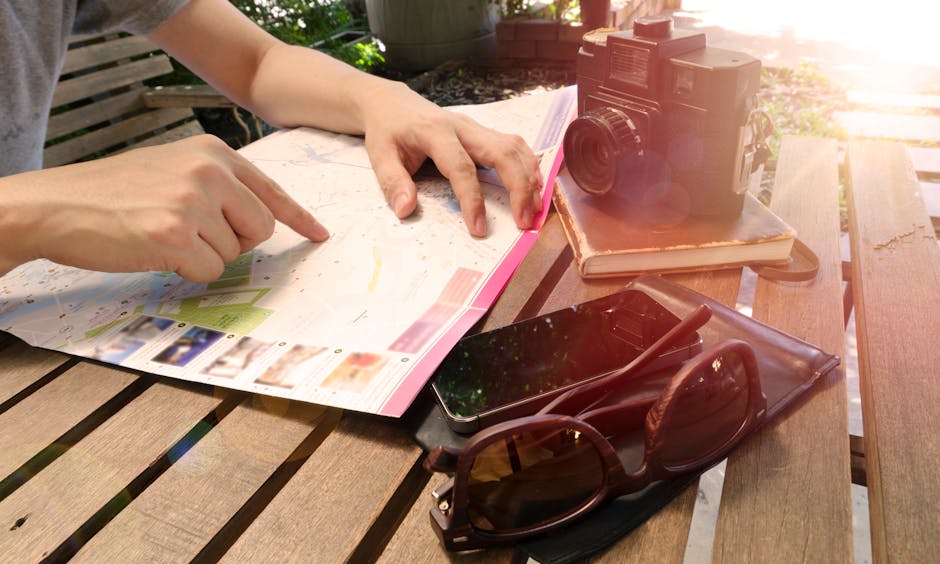
How to Plan Your 7-Day Solo Japan Itinerary (Tokyo to Kyoto Route)
Planning your first solo female travel Japan 2026 adventure can feel overwhelming, but the classic Golden Route remains the perfect introduction. This 7-day Tokyo to Kyoto itinerary balances electric city energy with serene cultural immersion, all while keeping safety and logistics simple for a woman traveling alone. The key is pacing yourself—Japan rewards those who linger, not those who rush.
You'll start in Tokyo's neon embrace, catch a glimpse of Mount Fuji, and end in Kyoto's timeless alleyways. The shinkansen bullet train connects everything seamlessly, and luggage forwarding services let you travel hands-free between cities. Below is the day-by-day breakdown designed specifically for the solo female traveler who wants to experience Japan's contrasts without stress.
Days 1-3: Tokyo Must-Sees and Solo Dining
Tokyo is a sprawling metropolis that feels surprisingly intimate once you break it into neighborhoods. For your first three days of solo female travel Japan 2026, focus on districts that are safe, walkable, and endlessly fascinating. Start in Asakusa to visit Senso-ji Temple early in the morning, when the incense smoke and quiet streets feel almost meditative. Then walk to the Sumida River Terrace for a view of the Tokyo Skytree without the crowds.
Afternoon calls for Harajuku and Shibuya. Takeshita Street is sensory overload in the best way, filled with quirky crepe stands and vintage shops. As evening falls, Shibuya Crossing becomes a rite of passage—grab a seat at the second-floor Starbucks or the free Mag's Park rooftop for a bird's-eye view. For dinner, solo dining in Tokyo is a delight, not a dare. Conveyor belt sushi chains like Kura Sushi have touchscreen ordering in English and solo booths. Ramen shops like Ichiran feature private cubicles where you never have to make eye contact, just slurp in peace behind a bamboo curtain.
Dedicate your second day to Shinjuku and Akihabara. Morning light filters beautifully through Shinjuku Gyoen National Garden, a tranquil escape from the skyscrapers. By afternoon, Akihabara's Electric Town invites you into multi-story arcades and anime shops. Even if you're not a gamer, the retro Sega buildings and maid cafe advertisements are cultural spectacles. Wrap up with a drink at a standing bar in Yurakucho's yakitori alley under the train tracks—tiny, lively, and entirely safe for women dining alone.
Day three dives into art and seaside vibes. TeamLab Planets in Toyosu is an immersive digital art experience where you wade through water and light, and it's wonderfully solo-friendly since everyone is absorbed in the spectacle. Afterwards, take the Yurikamome elevated train to Odaiba for a sunset view of the Rainbow Bridge and a soak in the Oedo Onsen Monogatari hot spring theme park.
Days 4-5: Hakone and Mount Fuji Day Trip
Leaving Tokyo behind, days four and five invite you into the misty mountains of Hakone. Purchase the Hakone Free Pass for unlimited transport on trains, cable cars, and pirate ships across Lake Ashi. The loop route is intuitive even for solo travelers, starting with a switchback train ride to Gora, then a funicular and ropeway ascent to the sulfurous vents of Owakudani.
On a clear day, Mount Fuji dominates the horizon from the ropeway windows and the lake's pirate ship deck. Stay overnight in a ryokan with a private onsen if your budget allows—many now offer rooms with personal hot spring baths, perfect for women who prefer not to use communal bathing areas. The Hakone Open-Air Museum, a sprawling sculpture park set against mountain backdrops, is a highlight you should not rush. Its Picasso Pavilion and foot-soaking onsen stream make it a uniquely relaxing solo afternoon.
For your Mount Fuji day trip, base yourself in Hakone or Kawaguchiko. The Chureito Pagoda offers that iconic postcard view after a short but steep climb. If weather obscures the peak, the Fuji Five Lakes area still delivers with lavender fields in early summer and crimson maple tunnels in autumn. Buses connect the region reliably, and the risk of getting lost is minimal thanks to clear English signage at every stop.
Days 6-7: Kyoto’s Temples, Tea Ceremonies, and Night Walks
The final two days of your solo female travel Japan 2026 journey unfold in Kyoto, a city that feels designed for solitary wonder. Rise before dawn on day six to walk through the vermilion torii gates of Fushimi Inari Shrine. The full hike takes about two hours, but even the first thirty minutes of ascent leaves most tourists behind, granting you bamboo groves and fox statues in total quiet. By mid-morning, head to the Higashiyama district, where preserved streets like Ninenzaka and Sannenzaka slope toward Kiyomizu-dera Temple.
Book a tea ceremony experience in a traditional machiya townhouse. Camellia Tea Ceremony near Kiyomizu-dera offers intimate sessions in English, guiding you through the whisking of matcha and the philosophy of ichi-go ichi-e—one moment, one meeting. It's a grounding ritual that resonates deeply when traveling alone. Afterwards, stroll the Philosopher's Path, a cherry-tree-lined canal walk that connects temples and tiny craft galleries.
Day seven belongs to Arashiyama. Arrive at the bamboo grove by 7 AM to witness the stalks creaking in the morning breeze before crowds swell. The nearby Otagi Nenbutsu-ji Temple, often skipped by tour buses, hides 1,200 moss-covered stone disciples with whimsical expressions, each one unique. For your final evening, walk the lantern-lit streets of Gion at dusk. You might glimpse a geiko hurrying to an appointment, her wooden okobo sandals clicking on stone. Pontocho Alley, a narrow lane of riverside restaurants, feels like stepping into a woodblock print. Dine at a counter seat overlooking the Kamogawa River, toasting to a week of fearless, solo exploration.
Essential Safety Tips and Apps for Solo Female Travelers in Japan
Japan consistently ranks as one of the safest countries for solo female travel Japan 2026, but smart preparation transforms confidence into genuine peace of mind. The safety here is cultural, built on a collective respect for order and personal space. Still, a few strategic downloads and an understanding of local norms will make your trip seamless. This section covers the digital tools and situational awareness every woman should have before landing.
Must-Have Apps for Navigation, Translation, and Emergency
Your smartphone is the most powerful safety tool in your pocket. For solo female travel Japan 2026, download these essential apps before departure and set them up with offline capabilities where possible. Japan's public transit is famously punctual but complex, and the right app eliminates the anxiety of getting lost in stations with multiple exits.
- Japan Official Travel App: This government-backed app includes real-time train schedules, route search, and a safety notification feature that alerts you to earthquakes or severe weather in English.
- Google Maps: Unmatched for walking directions and train platform numbers in cities. Download offline maps for Kyoto and Hakone where signal can dip in mountainous areas.
- VoiceTra: A speech-to-text translation app developed by Japan's National Institute of Information and Communications Technology. It translates conversations in real time and works offline for basic phrases.
- Safety Tips: An app by the Japan Tourism Agency that sends push notifications for natural disasters, with evacuation flowcharts and communication cards for emergencies.
- JapanTaxi or GO: Ride-hailing apps that connect you to licensed taxis. Useful late at night when trains stop running, and the GPS tracking adds a layer of security.
- Payke: Scan any product barcode to get English ingredient lists and allergy warnings instantly—crucial for dietary restrictions or reading beauty product labels.
- NHK World-Japan: Stream live news in English for typhoon updates or urgent bulletins affecting travel.
Beyond downloads, carry a pocket Wi-Fi device or activate an eSIM with unlimited data. Free Wi-Fi in Japan remains inconsistent, and you never want to rely on finding a signal when you need directions. Keep a portable battery pack charged daily; your phone dying in an unfamiliar ward at night is an easily avoidable stressor.
Dealing with Unwanted Attention and Cultural Norms
While violent crime against women is rare, unwanted attention on crowded trains does occur. Japan has women-only train cars on many urban lines during rush hour, marked by pink signs on the platform. These operate typically between 7 AM and 9:30 AM on weekdays and are a quiet, comfortable option for solo female travel Japan 2026. The cars are clearly indicated, and using them is a common practice, not a statement.
If you experience chikan, the term for groping, say "yamete kudasai" loudly and firmly, which means "please stop." Station attendants and police take this seriously, and many stations now have security cameras on platforms. You can also use the Japan Official Travel App's emergency button to display a message in Japanese explaining you need help. Trust your instincts—if a carriage feels uncomfortable, switch cars at the next stop without hesitation.
Culturally, direct confrontation is uncommon in Japan, which can feel confusing when you need clear boundaries. A firm, sustained "no" with a raised palm works universally. Avoid smiling nervously when uncomfortable, as this can be misinterpreted as encouragement. In bars and izakayas, accepting a drink from a stranger can imply romantic interest in some contexts, so politely decline if you prefer not to engage. Tatemae, the public face versus private feelings, means people often communicate indirectly. Reading the air, or kuuki wo yomu, is valued, but as a foreign traveler, you are granted leniency in social missteps. Dress codes are modest; shoulders and cleavage are less common in casual settings than in Western countries, which also reduces unwanted staring.
Budgeting Your Solo Trip: Costs, Accommodation, and Money-Saving Hacks
Solo female travel Japan 2026 does not have to drain your savings. While Japan has a reputation for being expensive, a well-planned budget reveals a country full of affordable gems. The solo premium—paying extra because you are traveling alone—is minimal here compared to other destinations, thanks to a robust culture of single-occupancy dining and accommodation. This breakdown covers realistic daily spending and the best places to sleep soundly without blowing your yen.
Daily Budget Breakdown: From Shoestring to Mid-Range
Understanding where your money goes helps you splurge intentionally and save ruthlessly. The figures below reflect a comfortable solo female travel Japan 2026 experience, with costs in Japanese yen and approximate USD equivalents for spring 2026 exchange rates. Adjust upward slightly for cherry blossom season and autumn foliage peaks, when demand spikes.
Shoestring Budget: ¥8,000–¥10,000 per day ($55–$70)
Accommodation in a well-reviewed hostel dorm or basic capsule hotel runs ¥3,000–¥4,500. Meals from convenience stores like 7-Eleven and FamilyMart are surprisingly delicious—onigiri for ¥150, bento boxes for ¥500, and hot fried chicken for ¥200. Sightseeing on this budget means prioritizing free attractions: temple grounds without paid inner gardens, public parks, and neighborhood wandering. Transport relies on local trains, avoiding the shinkansen. A one-day bus pass in Kyoto costs ¥700 and covers most major sites.
Mid-Range Budget: ¥18,000–¥25,000 per day ($125–$175)
This is the sweet spot for most solo travelers. A private room in a female-only guesthouse or a business hotel like APA or Sotetsu Fresa costs ¥7,000–¥12,000. Lunch at a casual ramen or udon shop runs ¥800–¥1,200, while dinner with a drink at an izakaya lands around ¥2,500–¥3,500. You can afford a 7-day Japan Rail Pass if the math works for your itinerary, though point-to-point shinkansen tickets may be cheaper depending on your route. Paid temple gardens, tea ceremonies, and onsen entry fees fit easily into this range.
Money-saving hacks add up quickly. Visit museums on their free admission days, typically one weekday per month. Use coin lockers at stations for luggage instead of paying for early check-in. Drink tap water everywhere—it is perfectly safe and eliminates bottled water costs. Supermarkets mark down bento boxes and sushi by 30–50% after 7 PM, offering a gourmet dinner for a few hundred yen. Finally, pay with a Suica or Pasmo IC card rather than cash, since it tracks spending and often gives small transit discounts.
Best Female-Friendly Accommodation: Capsule Hotels, Hostels, and Ryokans
Japan's accommodation scene has evolved to welcome and protect solo female travelers. For solo female travel Japan 2026, female-only floors and facilities are widespread, not niche. Capsule hotels have transformed from salaryman crash pads into stylish, spa-like retreats. NADESHIKO HOTEL SHIBUYA, for instance, is a women-only capsule hotel with a tatami common area, complimentary skincare products, and yukata robes. Each capsule has privacy blinds, a personal TV, and a secure locker.
Hostels in Japan defy grimy backpacker stereotypes. K's House and Guesthouse Soi in Kyoto offer female-only dorms with curtained bunks, individual reading lights, and immaculate shared baths with shampoo, conditioner, and facial cleansers provided. Common areas host tea tastings and calligraphy workshops, making them social hubs for solo travelers seeking connection. Business hotels like Tokyu Stay offer single rooms with in-unit washing machines, a game-changer for packing light.
For a splurge night, a ryokan stay is unforgettable. Choose one with a private onsen attached to your room if you prefer to avoid communal bathing. Yama no Chaya in Hakone serves multi-course kaiseki dinners in your room, course by course, while you soak in cedar-scented waters. The cost is higher—¥25,000–¥40,000 per night—but includes dinner and breakfast, making it a fair value for a once-in-a-lifetime experience. Book ryokans directly through their websites for the best solo rates, as some third-party platforms charge a single supplement.

Cultural Etiquette and Dress Code Tips for Women Traveling Alone
Japan is a country where unspoken rules carry immense weight, and for women navigating it alone, understanding these nuances isn't just about politeness—it's a safety tool and a social lubricant. Blending in reduces unwanted attention, and demonstrating cultural awareness often leads to warmer, more genuine interactions with locals who might otherwise be too shy to engage. The good news is that Japanese etiquette is logical and consistent. Once you learn the foundational principles of respect, cleanliness, and modesty, you'll move through the country with a quiet confidence that defines the best solo female travel Japan 2026 has to offer.
One of the first adjustments for many Western women is the concept of public quietness. Japanese public spaces, especially on trains and buses, are notably hushed. Phone conversations are frowned upon, and even conversations between friends are kept at a murmur. As a solo traveler, this can feel isolating at first, but it also creates a bubble of personal security. You are unlikely to be loudly catcalled or heckled. The silence is a form of respect, not coldness. Similarly, direct eye contact with strangers is less common than in the West; a slight bow or a nod is a softer, more appropriate acknowledgment. When it comes to money, never hand cash directly to a cashier's hand. Instead, place it on the small tray provided at the register. This minor detail instantly marks you as a thoughtful visitor. Also, avoid eating while walking. While grabbing an ice cream from a konbini and strolling is becoming slightly more accepted among younger generations in ultra-touristy spots, it's still generally considered sloppy. Find a bench, stand by the vending machine, or duck into a doorway to finish your snack. This practice keeps the famously pristine streets clean and shows you respect the environment.
Temple and Shrine Etiquette
Visiting temples and shrines is a cornerstone of any Japanese itinerary, but these are active religious sites, not just photo opportunities. The distinction between a Buddhist temple (otera) and a Shinto shrine (jinja) is important, but the purification rituals share similarities. At the entrance, you'll find a temizuya, a water pavilion with ladles. The sequence is non-negotiable: pick up a ladle with your right hand, fill it, and pour water over your left hand. Switch hands and clean your right hand. Then, pour water into your cupped left hand and rinse your mouth—spit the water onto the ground, never back into the basin. Finally, hold the ladle vertically to let the remaining water run down the handle to purify it for the next person. This isn't a quick hand wash; it's a symbolic cleansing of the body and spirit.
At a Shinto shrine, the prayer method follows the "two bows, two claps, one bow" pattern. Toss a coin into the offering box, bow deeply twice, clap your hands twice at chest level, say your prayer or wish silently, and finish with one final deep bow. At a Buddhist temple, you simply bow, offer incense or a coin, and pray silently without clapping. Photography is usually allowed on the grounds but rarely inside the main halls. Look for signs with a crossed-out camera. If you're unsure, a quiet "shashin wa daijobu desu ka?" (Is taking photos okay?) goes a long way. For solo female travel Japan 2026, these moments of structured ritual can feel incredibly grounding. There's a profound comfort in following a prescribed set of actions, a rare moment of meditative calm in a busy travel day.
What to Wear to Blend In and Feel Comfortable
Japanese women's fashion is a study in sophisticated modesty. The goal isn't to look frumpy but to look elegant and intentional. The golden rule is to avoid showing too much cleavage or too much leg simultaneously; if your top is sleeveless, wear a longer skirt or pants. If you're wearing shorts, keep your top covered. Tight, bodycon clothing is less common than flowing, structured silhouettes. For solo female travel Japan 2026, this aesthetic is a protective shield. You'll notice that even in the sweltering summer heat, many women wear lightweight cardigans or UV-protective arm sleeves. This isn't just about modesty; it's about sun protection and air-conditioning defense, as trains and stores are often aggressively chilled.
Footwear is the single most critical wardrobe choice. You will be walking an average of 15,000 to 25,000 steps a day. Spotless white sneakers are a ubiquitous urban uniform and perfectly acceptable with dresses and skirts. Avoid wearing shoes with complicated laces or buckles, as you will be taking them off constantly to enter temples, traditional restaurants with tatami floors, and fitting rooms. Slip-on sneakers or loafers are your best friend. Carry a small pair of "emergency" socks in your day bag. There is nothing more mortifying than slipping off your shoes at a high-end izakaya to reveal a hole in your sock. Wrinkle-resistant fabrics like jersey, crepe, or technical travel blends are essential. A linen shirt might look chic in the morning, but by noon, it will look like a crumpled napkin in Japan's humidity. Stick to dark colors or patterns that hide sweat marks, and always carry a small, stylish hand towel. Public restrooms rarely have paper towels or hand dryers, so locals carry a small cloth to dry their hands.
Onsen and Public Bathing for Solo Women
The thought of getting naked in a room full of strangers is often the single biggest anxiety trigger for first-time female visitors. Let’s address the elephant in the room: tattoos. While attitudes are slowly shifting for the 2026 inbound tourism wave, many traditional onsen still prohibit tattoos outright due to their historical association with organized crime. The rule isn't personal. If you have a small tattoo, you can purchase skin-colored cover patches from Don Quijote or a pharmacy. If you have large, visible work, your best bet is to book a "kashikiri buro" (private bath) at a ryokan or use a dedicated tattoo-friendly onsen finder app. Never try to sneak in; being discovered can lead to an extremely awkward and embarrassing ejection.
Once you’ve cleared the tattoo hurdle, the process is mechanical and designed to make you feel clean rather than exposed. You'll enter the women's side, marked by a red curtain (noren) with the character for "woman" (女). In the changing room, you strip down completely. Nothing goes into the bath area except a small modesty towel. You'll sit on a small stool at a washing station and scrub every inch of your body with soap and a shower head. This is a deep clean, not a quick rinse. The small towel is used to wash, and then you can wring it out and place it on your head while soaking. Never let the towel touch the bath water. The water is for soaking, not washing. As a solo woman, onsen time is a revelation. The other women in the bath are not looking at you; they are lost in their own world of relaxation. It’s a space devoid of the male gaze, a sanctuary of steam and silence where you can finally let your guard down completely.
Off-the-Beaten-Path Experiences for Solo Women in Japan
While the neon arteries of Shibuya and the historic temples of Kyoto are non-negotiable checkmarks, the true soul of Japan often reveals itself in the quiet, interstitial spaces where tourist crowds don’t venture. For the solo female traveler, these off-the-radar experiences offer more than just novelty; they provide a slower pace that allows for genuine connection and introspection. The hyper-efficient public transport system makes it dangerously easy to get off the Golden Route. A 20-minute local train ride from a major city center can drop you into a neighborhood where you are the only foreign face, and the shopkeepers treat you with a mix of surprise and delighted hospitality. This is where the magic of solo female travel Japan 2026 truly ignites—in the moments where you aren't just observing the culture but participating in it.
Venturing into residential satellite cities like Kichijoji or Shimokitazawa in Tokyo, or exploring the textile district of Nishijin in Kyoto instead of Gion, shifts the energy entirely. These areas are built for daily life, not viral moments. You’ll find yourself in vintage kimono shops where obi belts are sold for a few hundred yen, or in standing-only soba shops where you slurp noodles next to salarymen on their lunch break. The lack of English menus here isn't a barrier; it’s an invitation to charades, Google Translate’s camera function, and a shared laugh. Safety remains a constant, even in these less-trodden corners. The same societal rules apply—low crime, helpful police boxes (koban) on corners, and a general cultural respect for women’s personal space. Don’t be afraid to hop on a random bus to the last stop, or to wander into a covered shopping arcade (shotengai) that hasn't changed since the Showa era.
Hidden Cafes, Bookstores, and Art Districts
Japan’s kissaten culture—old-school, independently-run coffee shops—is a haven for the solo woman. Unlike the bustling, sterile chains, these dimly lit, wood-paneled sanctuaries are designed for slow sipping and solitude. In Tokyo, skip the Omotesando hipster spots and head to Yanaka or Koenji. Yanaka, having survived the wartime bombings, retains a retro "shitamachi" (downtown) atmosphere. Here, you’ll find cafes that have been roasting their own beans for decades, serving "morning service" sets of thick toast, hard-boiled egg, and perfectly bitter coffee. The owners are often elderly and treat you like a guest in their living room. Koenji, on the other hand, is a hub for punk rock and vintage vinyl, with back-alley cafes blasting jazz where you can journal unnoticed for hours.
For bibliophiles, Japan’s bookstores are architectural art. The Tsutaya in Daikanyama is famous, but for a quieter browse, seek out Jimbocho, Tokyo’s second-hand book district. Even if you don’t read Japanese, the visual design of old woodblock print covers and the smell of aging paper is intoxicating. In Kyoto, the Keibunsha Bookstore in Ichijoji is a cultural landmark where you can browse art books before sitting down for a matcha latte. Art lovers should bypass the crowded teamLab planets for a moment and instead explore the Kiyosumi-Shirakawa neighborhood in Tokyo. It’s home to the Museum of Contemporary Art Tokyo and a cluster of independent galleries housed in former warehouses. The Tomio Koyama Gallery and the ShugoArts are intimate spaces where you can stand inches from a Yoshitomo Nara painting without a crowd jostling you. For solo female travel Japan 2026, these spaces double as mental rest stops. They are warm, dry, safe, and demand nothing from you but your attention. You can linger in a corner armchair, listening to the sound of a drip coffee maker or the crinkle of turning pages, and feel completely at peace with your own company.
Local Workshops: Calligraphy, Cooking, and Pottery Classes
Consuming culture passively is one thing; sweating over a calligraphy brush trying to nail the perfect "hane" (hook) stroke is another entirely. Participatory workshops are the ultimate solo traveler hack because they provide structured social interaction in a setting where language barriers are dissolved by a shared activity. For 2026, hyper-local workshops have become more accessible via platforms like Airbnb Experiences, but you can often find more authentic, cheaper options by visiting local community centers (kominkan) or asking at tourist information desks in smaller towns. These classes are rarely about mastery and almost entirely about the meditative process and the soft-spoken pride of the artisan teaching you.
Calligraphy (shodo) is a particularly profound solo experience. You aren't just writing letters; you're learning a breathing technique. A good instructor will guide your hand physically, a rare and non-threatening touch that bridges the loneliness that can occasionally creep into solo travel. You’ll grind your own ink stick on a suzuri stone, an act that forces you to slow your heart rate and focus. The smell of the sumi ink is distinct and earthy, and you’ll likely leave with a piece of paper bearing a character you’ve chosen—often "dream" (yume), "journey" (tabi), or "love" (ai). Cooking classes offer a more visceral, aromatic window into daily life. Instead of a massive group class, look for a private home kitchen experience. In Osaka, often called "Japan’s kitchen," you can learn to make takoyaki or okonomiyaki from a local obachan (auntie) who communicates via gestures, nods, and the universal language of "oishii!" (delicious). You’ll learn the precise moment to flip the savoury pancake and the correct way to squeeze Japanese mayo—a skill set you can’t get from a food tour.
Pottery, particularly in legacy regions like Saga or Shigaraki, but also in city-center studios, connects you to the earth. The tactile sensation of cool, wet clay spinning on a wheel is incredibly grounding after weeks of living out of a suitcase. Many female travelers find these classes cathartic; they are spaces where perfectionism is discouraged and wabi-sabi—the beauty of imperfection—is celebrated. Your slightly lopsided chawan (tea bowl) becomes the most personal souvenir of your trip. You won't just be buying a piece of Japan; you'll be creating one with your own hands, embedding a piece of your 2026 journey into the very material of the country.
Packing List Essentials for a Stress-Free Solo Trip to Japan
Packing for Japan is a high-stakes game of Tetris where minimalism meets meticulous preparedness. The country’s topography runs from Hokkaido’s snowy mountains to Okinawa’s subtropical beaches, and your suitcase needs to be a Swiss Army knife of adaptability. The cardinal rule for solo female travel Japan 2026 is to pack lighter than you think you need. You will be hauling your own luggage up narrow subway stairs, lifting it onto Shinkansen overhead racks, and potentially dragging it through gravel paths if you’re staying in a traditional ryokan. A clunky, overstuffed rolling bag transforms from a convenience into a liability the moment you face a flight of stairs in a rural station without an elevator. Opt for a high-quality backpack or a four-wheel spinner that can fit in a station coin locker. These lockers are your portable closet; they allow you to explore a neighborhood unburdened for a few hundred yen.
Beyond clothing, the concept of "micro-conveniences" defines a successful Japan pack. You need a small, easily accessible coin purse. Japan is still a heavily cash-based society for smaller transactions, and you will accumulate an alarming weight of 1-yen and 5-yen coins. Fumbling for change at a register while a polite queue forms behind you is a specific kind of travel stress. Dedicate a specific pouch for your Suica or Pasmo IC card, which you’ll whip out constantly for trains and konbini purchases. A portable hand sanitizer and a small garbage bag are also non-negotiable. You’ll notice a distinct lack of public trash cans; Japan’s cleanliness ethic relies on people carrying their rubbish home. The small bag clips onto your daypack and saves you from carrying greasy wrappers in your pocket. Finally, a small, quick-dry microfiber travel towel is your ticket to peace of mind, not just for onsen visits, but for the public restrooms that lack drying facilities.
Tech and Gadgets for Connectivity and Safety
Your smartphone is your compass, translator, wallet, and safety line rolled into one, so protecting its battery life is the single most critical tech strategy. A high-capacity power bank is not optional; it’s your lifeline. You’ll be using GPS mapping constantly, and the visual translation apps like Google Lens eat power. Look for a compact 10,000mAh model with fast charging that won’t weigh down your day bag. Pocket Wi-Fi units remain the gold standard for connectivity over eSIMs for many solo travelers simply because they offer unlimited data without throttling. You can reserve one for airport pickup and drop it in a mailbox at the departure gate. With a pocket Wi-Fi, you can run a live location share with a trusted friend or family member back home, a simple feature that dramatically enhances the psychological safety of solo female travel Japan 2026.
Noise-canceling earbuds are a mental health investment. Japan’s cities are a dense symphony of jingles, announcements, and pachinko parlour noise. The ability to retreat into a podcast or silence while on a crowded train restores a sense of personal space. For safety-specific gadgets, Japan’s low crime rate means you likely won’t need a personal alarm, but a small, clip-on LED light is useful if you plan to walk through unlit temple paths at dusk in smaller towns. A smartphone lanyard or wrist strap prevents snatch-and-grab theft, which, while rare, can happen in very crowded nightlife districts. Finally, download specific apps before you land. The Japan Official Travel App for route planning, "Ecbo Cloak" for finding luggage storage spots, and "Safety Tips" for real-time earthquake or tsunami alerts in English are essential. The Safety Tips app is government-backed and will push critical warnings to your phone, giving you clear evacuation instructions in a region where natural disasters are a reality.
Clothing, Footwear, and Seasonal Must-Haves
The foundation of your Japan wardrobe is a modular, capsule collection based on thin, layerable merino wool or technical fabrics. For spring (March-May), the cherry blossom beauty masks a sharp chill. A lightweight packable down jacket or a trench coat is essential, as evenings can drop below 10°C (50°F). This is the season for layering a Uniqlo Heattech turtleneck under a casual dress. Summer (June-September) is a brutal humidity challenge. Abandon cotton entirely; it soaks through and stays wet. Opt for airism or moisture-wicking polyester blends. A wide-brimmed hat, UV arm sleeves, and a stylish but breathable face mask are the summer uniform. But the single most important item is your deodorant. Bring a clinical-strength stick from home. Japanese deodorant is formulated differently and often feels like scented water to Western users accustomed to heavy-duty antiperspirants.
Autumn (October-November) is the sweet spot, with crisp air and vibrant leaves. This is the season for stylish leather sneakers, a mid-weight cashmere sweater, and a scarf. Winter (December-February) requires a proper windproof coat, but you don’t need Arctic gear for the Pacific side cities like Tokyo. However, if your 2026 plans include the Japanese Alps or Hokkaido, pack serious waterproof snow boots with traction. Ice is a constant hazard on side streets. Regarding footwear year-round, prioritize removable shoes. Slip-on Vessi-style waterproof sneakers or flats with a cushioned sole are ideal. The ritual of removing shoes at the entrance of a home, temple, or traditional restaurant means you'll be unlacing at least five times a day. A pair of sleek, black, slip-on walking shoes can transition from a Michelin-starred sushi counter to a 10-kilometer city walk without missing a beat. Pack two pairs of comfortable, stylish walking shoes so you can alternate them, giving the foam time to decompress and preventing blisters.
Final Thoughts: Embracing the Joy of Solo Travel in Japan
To travel Japan alone as a woman in 2026 is to enter a dialogue between your inner world and a society that values harmony above all else. You will find that the country holds up a mirror to you—its quiet efficiency teaches patience, its deep-rooted rituals teach mindfulness, and its pockets of chaos in neon-soaked alleyways teach joyful surrender. The initial anxiety of navigating the world’s largest metro system alone will fade by day two, replaced by a quiet, unshakeable competence. You’ll realize that the silence on a crowded train isn’t loneliness; it’s a collective, respectful solitude that allows you to simply be, without the pressure to perform or engage.
The beauty of this specific journey lies in its contrasts. You can spend the morning meditating in a centuries-old Zen rock garden


No comments:
Post a Comment