
Why Bangkok Is a Top Destination for Digital Nomads in 2026
Bangkok has long held a magnetic pull for travelers, but in 2026 it has firmly cemented its status as a premier global hub for remote workers. The city seamlessly blends ultra-modern infrastructure with deeply rooted cultural traditions, creating an environment where productivity and inspiration coexist. You can finalize a client presentation from a rooftop co-working space overlooking the skyline in the morning and find yourself wandering through a 200-year-old temple by afternoon. This duality is what makes the digital nomad guide to Bangkok so essential right now—the city offers a depth of experience that few other destinations can match. The Thai government’s continued investment in smart city initiatives and long-term visa programs has removed many bureaucratic hurdles that once frustrated remote workers, making the transition smoother than ever.
Connectivity is the lifeblood of the nomadic lifestyle, and Bangkok delivers on every front. The 5G network coverage is expansive and reliable, reaching far beyond the city center into residential neighborhoods and public parks. Internet speeds in condos and co-working spaces routinely exceed 300 Mbps, often included in rental prices without extra fees. The public transportation system has expanded further with new BTS Skytrain and MRT subway extensions opening up previously hard-to-reach areas, cutting commute times significantly. For digital nomads who measure their quality of life in seamless Zoom calls and lightning-fast uploads, Bangkok’s digital infrastructure is a game-changer. The sheer variety of workspaces—from silent library-style rooms to buzzing social cafes—means you can tailor your environment to your mood and workload daily.
Beyond the practicalities, Bangkok’s strategic location in Southeast Asia makes it an ideal base camp. Suvarnabhumi and Don Mueang airports offer affordable, direct flights to beach destinations, mountain retreats, and neighboring countries for visa runs or weekend escapes. The city itself is a culinary paradise where street food stalls hold Michelin stars and world-class dining costs a fraction of what you would pay in Western capitals. Healthcare facilities rank among the best in the world, with internationally accredited hospitals offering services at remarkably affordable rates. For the digital nomad seeking a balanced, stimulating, and sustainable base in 2026, Bangkok isn’t just an option—it’s the blueprint.
The Growing Nomad Community and Networking Opportunities
Arriving in a megacity can feel isolating, but Bangkok’s digital nomad ecosystem in 2026 is designed to connect you quickly. The community has matured into a diverse, supportive network spanning entrepreneurs, freelancers, creatives, and tech founders. Instead of scattered, informal meetups, you’ll now find structured weekly events, skill-sharing workshops, and mastermind groups hosted in dedicated venues across the city. This digital nomad guide to Bangkok emphasizes that your social and professional circle can expand within days of landing if you know where to look. The sheer density of like-minded professionals turns a potentially lonely journey into a collaborative adventure, fostering partnerships and friendships that often outlast the visa stamp.
Coworking spaces have evolved far beyond desks and Wi-Fi. Places like The Great Room, JustCo, and Naplab function as community hubs, hosting everything from pitch nights and coding bootcamps to wellness sessions and casual rooftop mixers. You’ll find niche groups for female founders, blockchain developers, and content creators meeting regularly. Even casual coffee shops in Thong Lor and Ekkamai have become unofficial networking zones where conversations flow easily between strangers. The Thai hospitality culture amplifies this openness, making it natural to strike up a chat with the person at the next table—who might just become your next collaborator or client. The city’s international makeup also means you’re building a truly global network, not just a local one.
Online platforms have also become hyper-localized and indispensable. Active Line groups, Discord servers, and Telegram channels dedicated to Bangkok nomads buzz daily with impromptu coworking invitations, apartment leads, and social plans. Regular events like the Bangkok Nomad Summit and industry-specific conferences are now fixtures on the annual calendar, drawing speakers and attendees from across the globe. The key is showing up. Whether you’re an introverted coder or an outgoing marketer, the infrastructure is in place to find your tribe. The community understands the transient nature of the lifestyle, meaning interactions are often genuine, immediate, and free of pretense—you connect deeply and fast.
Affordable Cost of Living Without Sacrificing Lifestyle
One of the most compelling reasons Bangkok dominates the digital nomad guide to Bangkok conversation in 2026 is the extraordinary value it offers. The cost of living allows you to design a lifestyle that would be financially out of reach in most Western cities, without constantly pinching pennies. You can rent a modern, fully-furnished condo with a swimming pool and gym in a prime neighborhood for a monthly sum that barely covers a cramped room in London or San Francisco. Eating out is not just a luxury but the norm, as delicious, hygienic street food meals remain available for a couple of dollars. This affordability is not about scraping by; it’s about thriving and redirecting your income toward investments, experiences, and personal growth.
The real luxury is in the daily details. Air-conditioned workspaces with specialty coffee, high-speed internet, and ergonomic chairs are accessible for reasonable day passes or monthly memberships. You can afford weekly massages to combat the physical toll of laptop life, join premium gyms with saunas and steam rooms, and take weekend trips to tropical islands without financial stress. Healthcare, including dental work and routine check-ups at five-star hospitals, costs a fraction of international prices. This means your emergency fund stretches further, and your overall anxiety about unexpected expenses drops. Bangkok allows you to live a premium, wellness-focused lifestyle on a moderate remote salary, freeing mental bandwidth for creative and professional pursuits.
Navigating the cost landscape smartly lets you unlock even greater value. Shopping at local fresh markets for fruit and groceries reduces costs while immersing you in the city’s vibrant daily rhythm. Using ride-hailing apps like Grab and Bolt for transport remains affordable, though mastering the BTS and MRT will slash your travel budget significantly. Even in upscale areas, happy hour deals and lunch specials at high-end restaurants make fine dining surprisingly accessible. The balance is perfect: you can splurge on a rooftop cocktail with a view one evening and eat the best pad thai of your life from a street cart the next. In 2026, Bangkok proves that a strategic, comfortable, and rich life is attainable on a nomad budget.
Best Neighborhoods for Digital Nomads in Bangkok
Choosing where to plant yourself in Bangkok is the single most important decision you’ll make for your stay. The city stretches across a vast area, and each neighborhood offers a drastically different rhythm, aesthetic, and set of conveniences. Your choice should align with your work style, social preferences, and tolerance for commutes. A digital nomad guide to Bangkok in 2026 must account for the fact that the “perfect” area for a social media manager might be a nightmare for a writer seeking quiet focus. The good news is that Bangkok’s improved transit network has made even traditionally quiet zones accessible, expanding the map of viable nomad bases considerably. From the electric, cosmopolitan energy of Sukhumvit to the serene, leafy lanes of the Old Town, there is a pocket of the city tailored precisely to your needs.
The infrastructure supporting remote work is no longer confined to a single business district. You’ll find boutique coffee shops with lightning-fast Wi-Fi tucked into residential sois, and sleek co-working hubs sprouting up near river piers and local markets. This decentralization means you aren’t forced to live in a concrete jungle of high-rises unless you want to. The character of a neighborhood can transform within a five-minute walk, shifting from a major thoroughfare packed with malls to a quiet sub-soi where neighbors know each other by name. Understanding these micro-vibes is key to settling in quickly. This section breaks down the top neighborhoods in 2026, highlighting what makes each one uniquely suited for the remote work lifestyle, whether you prioritize networking, local culture, or pure relaxation.
Sukhumvit: The Heart of Expat Life and Convenience
Sukhumvit Road remains the pulsing artery of expat and nomad life in Bangkok, stretching from the polished shopping plazas of Siam to the residential calm of On Nut. This is where convenience hits its peak. You’re never more than a few minutes from a BTS Skytrain station, an international grocery store, or a buzzing co-working space. The lower Sukhumvit area around Nana and Asoke delivers a high-energy, urban experience with rooftop bars and 24-hour food options, while the middle and upper reaches around Phrom Phong and Thong Lor offer a more sophisticated, upscale vibe. For any digital nomad guide to Bangkok, Sukhumvit is the default starting point because it minimizes the friction of daily life, putting everything you need within walking distance.
Silom and Sathorn: Business District with Hidden Gems
By day, Silom and Sathorn form Bangkok’s financial backbone, with gleaming office towers and a fast-paced corporate energy. For digital nomads, the appeal lies in the area's lesser-known, leafy side streets that house some of the city’s most comfortable and design-forward co-working spaces. Sathorn Soi 10 and Soi 12 are particularly beloved, offering a village-like concentration of cafes, wine bars, and boutique hotels where you can work undisturbed. The area also provides quick access to the serene Lumpini Park, a green oasis perfect for a midday run or a quiet brainstorming session on a bench. It’s a neighborhood where you can project a professional image for client meetings while enjoying a surprisingly laid-back residential feel after hours.
Ari and Phra Khanong: Trendy Areas with Local Vibes
For those seeking an escape from the tourist-heavy center without sacrificing hip amenities, Ari and Phra Khanong stand out in 2026. Ari has evolved into a design-conscious enclave packed with artisanal coffee roasters, plant-filled eateries, and independent co-working nooks that feel more like a friend’s living room. The area retains a strong Thai identity, with bustling local markets sitting comfortably next to minimalist cocktail bars. Phra Khanong, one stop from Ekkamai on the BTS, offers a similar blend of local charm and modern comfort at a slightly lower price point. Here, you’ll find vintage shops, street food alleys beloved by locals, and a growing number of apartment buildings catering specifically to remote workers who want a neighborhood that feels authentic rather than manufactured.
Riverside and Old Town: Culture and Charm for Long-Term Stays
Crossing to the Chao Phraya River’s banks or venturing into Rattanakosin Old Town transports you to a Bangkok that feels worlds away from the skyscraper jungle. This area is suited for the focused creative or the long-term nomad who finds inspiration in history, architecture, and a slower pace. The Riverside is now dotted with converted shophouses serving as serene cafes where you can work with an unobstructed river view and a cool breeze. The Old Town, centered around the Grand Palace and countless temples, offers a deeply immersive cultural experience. While the BTS doesn’t directly penetrate this zone, the MRT Blue Line extension and the frequent river ferries make commuting straightforward, rewarding you with a home base that is soulful, quiet, and postcard-perfect.
Finding Accommodation: Short-Term and Monthly Rentals
Securing the right base is the cornerstone of a successful stay, and Bangkok’s accommodation market in 2026 is uniquely tailored to the nomadic lifestyle. The days of being locked into rigid annual leases are fading, replaced by a flexible landscape of options designed for stays ranging from two weeks to six months. A good digital nomad guide to Bangkok must demystify the rental process, which, while competitive, is infinitely more accessible than in many global cities. The city offers a spectrum of choices, from ultra-modern condominiums in mixed-use towers to charming, locally-owned apartments in low-rise buildings. The key is understanding what each type of rental offers in terms of amenities, contract flexibility, and value, and then knowing exactly where and how to search to avoid paying inflated short-term tourist premiums.
The legal and financial framework for renting has also become more nomad-friendly. Many landlords and agencies now accept digital copies of passports and proof of onward travel, recognizing the shift in global work patterns. Monthly utility packages that bundle electricity, water, and high-speed fiber internet are increasingly common, removing the headache of multiple bill payments. However, the market moves fast, especially for well-priced units in popular buildings. The best apartments are often secured through a blend of online research, local agent connections, and word-of-mouth referrals from the community. Walking into a neighborhood you like and simply looking for rental signs in Thai or English can still yield hidden gems that never make it onto the major platforms, proving that a hybrid approach to the hunt works best.
Types of Rentals: Condos, Apartments, and Serviced Residences
Understanding the distinction between property types is crucial for setting expectations. Condominiums, or condos, are the most popular choice for digital nomads in 2026. These are typically in modern high-rises managed by a juristic person and come with facilities like infinity pools, co-working lounges, gyms, and 24-hour security. Renting a condo usually means dealing directly with an individual owner or their agent, and contracts can be negotiated for as little as one month, though three to six months will yield better rates. The quality is generally high, with fully furnished units featuring kitchenettes, washing machines, and smart TVs. The community aspect of condo living, with shared spaces where you can meet other expats and locals, is a significant bonus for those new to the city.
Apartments, in the Thai context, often refer to buildings owned by a single entity where units are rented out directly by the management office. These are frequently found in older, low-rise buildings without the extensive facilities of a condo. They can be an excellent budget-friendly option, often offering more square footage for your money and a quieter, more local atmosphere. You’ll find many of these in neighborhoods like Ari or Phra Khanong. The trade-off is typically fewer amenities—you might not get a pool or a state-of-the-art gym—and the booking process is sometimes less streamlined, occasionally requiring a quick in-person visit to the rental office. For the digital nomad seeking a simple, spacious, and private dwelling to truly embed in a local soi, a private apartment is an unbeatable choice.
Serviced residences and aparthotels represent the premium, hassle-free end of the spectrum. These are operated like hotels but designed for extended stays, combining hotel-like services such as weekly housekeeping, reception desks, and sometimes even breakfast with the autonomy of a condo. They are ideal for a digital nomad’s first two weeks in Bangkok, offering a soft landing while you scout for a longer-term rental. The utility bills and high-speed Wi-Fi are always included, and the contracts are extremely flexible, even accommodating daily extensions. The price point is higher than a standard condo, but for professionals who value time and convenience above all else, or for those on a short, focused work sprint, a serviced residence eliminates every logistical concern from the moment you arrive.
Top Platforms and Tips for Securing the Best Deals
The digital hunt for a Bangkok rental in 2026 starts with a few key platforms, each with its own strengths. Facebook Groups remain an incredibly powerful tool for finding direct-from-owner deals and lease takeovers from departing nomads. Groups like “Take Over My Lease Bangkok” and “Bangkok Expats” are goldmines for furnished units at fair, non-inflated prices. For a more structured search, local platforms like Hipflat and DDproperty allow you to filter by proximity to BTS stations, rental price, and specific amenities, giving you a clear picture of market rates. These sites are best used to identify buildings you like; you can then contact the building’s management directly or find an agent specializing in that particular condo.
When using an agent, remember their commission is typically paid by the landlord, making their service free for you. A good agent can negotiate lease terms, translate contracts, and show you multiple units in one afternoon, saving you immense time. However, never feel pressured to sign immediately. The market is deep, and comparing a few units is standard practice. Always test the water pressure, air conditioning, and—most critically—the internet speed on your own device before committing. A pocket Wi-Fi router or a travel SIM from AIS or TrueMove is essential during your search to ensure you’re never disconnected. The best deals are often secured by being ready to move in and pay the deposit on the spot when you find a unit that ticks all your boxes, as genuine bargains disappear within hours.
The Best Coworking Spaces in Bangkok for 2026
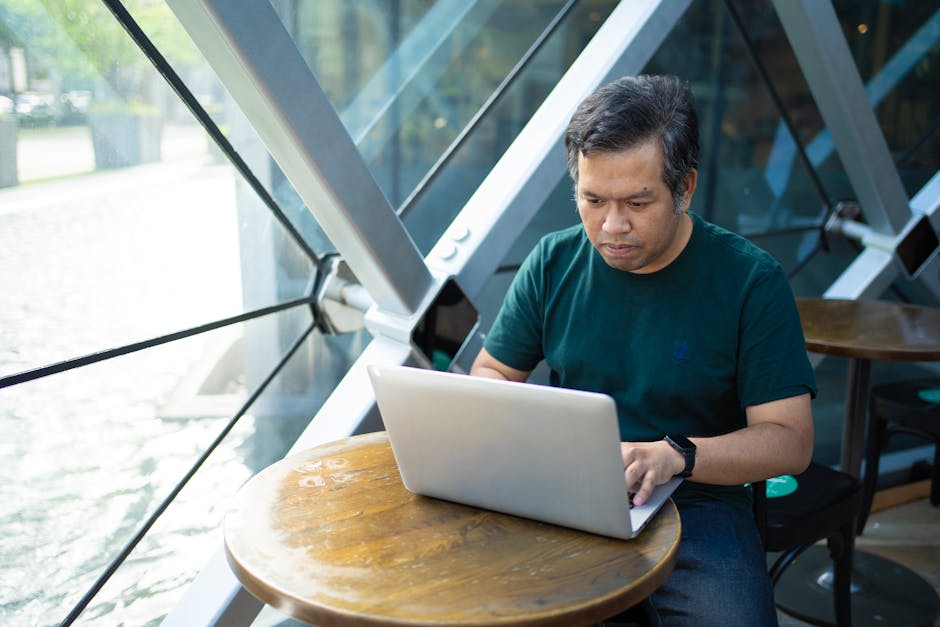
Bangkok’s coworking scene has matured beautifully for 2026. You’re no longer limited to a single district; instead, you’ll find high-spec workspaces woven into the fabric of the city, from the banks of the Chao Phraya to the top floors of Sukhumvit’s sleekest towers. This digital nomad guide to Bangkok focuses on connectivity and comfort, and the city’s workspaces deliver on both with reliable fiber internet, ergonomic chairs, and a community vibe that makes solo travel feel less lonely. Whether you need a private office for a Zoom-heavy week or a hot desk for a single afternoon, the variety here rivals any global hub. Prices remain competitive compared to Singapore or Tokyo, and the added perks—think free-flow specialty coffee, rooftop yoga, and weekly pitch nights—make membership feel less like an expense and more like an investment in your productivity. The following breakdown sorts the best options by style and budget, so you can find a setup that matches your work rhythm without wasting a single baht on a space that doesn’t suit your flow.
Premium Spaces with Networking Events and Amenities
For nomads who treat their business as a lifestyle and not just a side hustle, Bangkok’s premium coworking spaces in 2026 operate more like private members’ clubs with a startup twist. The standard here is a dedicated desk with a 27-inch 4K monitor, a locker that charges your devices, and access to podcast recording studios that require zero setup time. Beyond the hardware, these spaces curate genuine professional communities. You’re not just sharing a printer; you’re sharing a pipeline. Weekly masterminds, fireside chats with local venture capitalists, and sector-specific happy hours are standard programming. The aim is to ensure that your “digital nomad guide to Bangkok” experience includes a tangible career boost, not just a scenic Zoom background. The amenities often blur into hospitality, with on-site baristas who remember your order, shower suites with luxury toiletries, and even nap pods for resetting during a long coding sprint.
- The Great Room, Gaysorn Tower: This space feels like a five-star hotel lobby designed for dealmaking. The skyline views from the wrap-around terrace are spectacular, and the “Connect” program hosts investor office hours every Wednesday.
- JustCo at AIA Sathorn Tower: A heavyweight choice with a massive footprint. Their 2026 offering includes a dedicated wellness room with guided meditation at noon and a strong focus on fintech networking, thanks to the neighboring corporate tenants.
- Spaces Chamchuri Square: Located near the Samyan innovation district, this branch blends academic energy with corporate polish. The business club events here often feature Chulalongkorn University’s brightest spin-off teams.
- Launchpad at True Digital Park: The anchor of Bangkok’s tech ecosystem. Membership gives you priority access to Thailand’s largest startup conference floor and a direct line to the True Incube accelerator team.
Budget-Friendly and Quiet Spots for Deep Work
Not every productive day requires a rooftop pool and a matcha latte delivered to your desk. Sometimes you need a silent corner, a stable desk, and a price point that doesn’t make your accountant wince. This digital nomad guide to Bangkok acknowledges that deep work requires a different kind of environment—one that minimizes distraction and maximizes focus. The city has a deep bench of low-cost, high-focus coworking spaces that strip away the frills without sacrificing ergonomics or internet speed. These spots are often tucked away on side streets, run by quiet, respectful local operators, and filled with a mix of PhD students, novelists, and remote developers who guard silence like a sacred pact. You won’t find loud networking mixers here, but you will find perfectly chilled air-conditioning, fiber-optic lines, and day passes that rarely exceed 250 baht. It’s the perfect antidote to the high-energy hustle of the premium floors.
- HiveSters in Phra Khanong: A cozy, community-run space where the vibe is strictly library-level quiet. The day pass is a steal, and the surrounding neighborhood offers authentic, cheap street food for a quick lunch break.
- Too Fast To Sleep: A 24-hour haven that has been saving night owls for years. It’s a hybrid café-coworking spot with strong Wi-Fi and a strict no-noise policy on the upper mezzanine, making it perfect for deadline crunches at 3 AM.
- Good Space Coworking near Victory Monument: A minimalist, no-fuss setup with excellent natural light. It’s popular with local freelancers who need a professional desk away from home, with very affordable weekly packages available.
- Growth Café & Co: A small, plant-filled workspace in Sathorn where the price of a drink contributes to your workspace usage. It’s incredibly quiet during weekday mornings, ideal for concentrated solo sprints.
Cafes That Double as Workspaces: A Curated List
The line between Bangkok’s specialty coffee scene and its coworking culture has completely dissolved in 2026. A new wave of cafes now designs its seating, power outlet placement, and even its acoustics specifically for laptop users. While we don’t recommend camping for eight hours on a single espresso, these spots actively welcome remote workers with dedicated zones, super-fast Wi-Fi, and menus built for sustained energy. For many following this digital nomad guide to Bangkok, these cafes offer the perfect middle ground: better coffee than a coworking space and a more professional atmosphere than a hostel common room. The key is knowing which places tolerate a laptop and which places actively celebrate your presence. The venues below have shifted their entire business model to cater to the afternoon work crowd, offering lunch sets, bottomless cold brew, and ample power strips. Just remember to be a good guest—buy something every couple of hours and keep video calls to a minimum unless you see a designated call booth.
- Kaizen Coffee Ekamai: Famous for its minimalist concrete aesthetic and specialty pour-overs, this spot has a dedicated upstairs silent zone with fast Wi-Fi and individual reading lamps at every table.
- Pacamara Coffee Roasters (Thonglor): A spacious, two-story flagship with a massive communal table rigged with power outlets. The brunch menu is substantial enough to fuel a full afternoon of work.
- Library at Candide: A hidden gem near the river with a serene garden and floor-to-ceiling bookshelves. It feels like working in a quiet, private study, and the cold brew is excellent.
- Rocket Coffeebar S49: A bright, Scandinavian-inspired space that actively encourages remote work on weekdays. Their upstairs loft is quieter and features a long bench perfect for spreading out.
- Bottomless: As the name suggests, this spot specializes in bottomless filter coffee. It’s a small, focused space in Ekkamai designed strictly for work, with zero tolerance for loud chatting.
Staying Connected: Internet, SIM Cards, and Mobile Data
Connectivity is the lifeblood of any digital nomad guide to Bangkok, and in 2026, the city continues to double down on its reputation as one of the most connected capitals on the planet. You’re not just looking for a signal; you’re looking for the redundancy and speed that lets you upload 4K video, run cloud-based virtual machines, or jump on a high-stakes client call without a single stutter. The infrastructure here now heavily leans into 5G standalone networks, meaning low latency and real-world download speeds that often eclipse what you’d get from a standard home fiber connection in Europe or North America. The government’s digital push has also expanded free public Wi-Fi to over 20,000 hotspots, though smart nomads know that a dedicated personal hotspot is the only way to guarantee security and speed. The cost of data remains shockingly low relative to the quality, with unlimited packages costing less than a single takeaway lunch. The strategy here is simple: combine a robust mobile data plan with a backup provider for failover, and you’ll never need to worry about the office Wi-Fi cutting out again.
Best Thai Mobile Providers for Nomads: Speeds and Packages
The big three—AIS, TrueMove H, and dtac—have all refined their 2026 offerings to cater directly to the long-stay visitor rather than just the tourist. AIS maintains a slight edge in rural coverage if you plan on island hopping while working, but TrueMove H often snags the crown for raw 5G speed in downtown Bangkok, particularly along Sukhumvit and Silom. You can walk into any major mall, present your passport, and walk out with a fully activated eSIM in about fifteen minutes. The competition is fierce, so promotions constantly rotate, but the value remains staggering. For a focused digital nomad guide to Bangkok, the recommendation is to skip the tourist counters at the airport and head to a dedicated service center in the city for a better long-term package. You’re looking for a plan that prioritizes data volume over voice minutes, with a generous uncapped speed tier before throttling.
- AIS “Unlimited 5G Max” Package: Offers true unlimited data at maximum network speed with no throttling cap. It includes a free streaming bundle for HBO Go and Disney+, and the eSIM activation is instant via their app.
- TrueMove H “Smart Nomad” SIM: Specifically designed for remote workers, this package prioritizes hotspot data so you can tether your laptop without a separate tethering cap. It comes with a free trial of their superfast Wi-Fi roaming in partner cafes.
- dtac “Turbo Infinite” Plan: A budget-friendly beast that offers unlimited data with a generous high-speed cap of 100GB before dropping to a still-usable 10Mbps. It’s a solid backup SIM to keep in a dual-SIM phone for failover.
- Pro Tip: Always ask for a “postpaid” package even if you’re a tourist. As of 2026, providers like AIS offer flexible postpaid contracts for foreigners without a long-term visa, unlocking better 5G priority on the network.
Reliable Internet Options in Apartments and Public Areas
Relying solely on mobile data is risky if you need to push large files or maintain a persistent VPN tunnel. For apartment-based work, fiber optic connections are the standard, not the exception. Most modern condominiums in areas like On Nut, Phra Khanong, and Ratchada come pre-wired with fiber sockets, allowing you to activate a package from AIS Fibre or 3BB within 24 hours of moving in. The installation fee is often waived for annual contracts, and a 1Gbps symmetrical line costs a fraction of what it would in the West. However, for short-term stays of a month or two, signing a year-long contract isn't practical. This is where unlimited 5G home broadband routers have become the game-changer in 2026. These plug-and-play devices pull a 5G signal and pump out a private Wi-Fi 6 network, rivaling fiber in speed but with zero installation wait time. When working in public areas, approach free Wi-Fi with a healthy dose of skepticism. A portable travel router that creates a secure tunnel on top of a public network is a wise investment. Many premium malls like ICONSIAM and EmSphere now offer a secure, one-time password-protected “Business Zone” Wi-Fi specifically for professionals, which is a welcome upgrade from the old open networks.
Navigating Bangkok: Transportation Tips for Nomads
Getting around Bangkok can feel like a strategic puzzle, but once you crack the code, the city transforms from a sprawling megacity into a collection of connected villages. This digital nomad guide to Bangkok emphasizes mobility because your choice of transport directly dictates your quality of life and productive working hours. The days of being stuck in a stationary taxi on Sukhumvit Road for forty-five minutes can be mostly avoided with the right mix of rail, river, and ride-hailing. The city has aggressively expanded its electric rail network for 2026, closing the gaps that once made certain creative districts a pain to reach. The air-conditioned BTS Skytrain and MRT subway are the undisputed champions of efficiency, slicing through the congestion beneath you. But the real art of nomad navigation lies in mastering the last mile: knowing when to jump on the back of a motorbike taxi, when to use a ride-hailing app, and when to simply walk through the web of pedestrian skywalks that now connect major commercial nodes. The goal is to minimize the time you spend sweating in transit so you arrive at your meeting or coworking desk cool, collected, and ready to log on.
BTS, MRT, and Public Transit: How to Get Around Efficiently
The BTS (Skytrain) and MRT (subway) are your twin lifelines. The BTS runs along the Sukhumvit and Silom corridors, while the MRT loops around the city center and extends up to the old town and Chinatown. In 2026, the ticketing systems are finally fully integrated under the single EMV contactless payment standard, meaning you no longer need to juggle two separate cards—you can simply tap your Visa or Mastercard, or use Apple Pay, at the gates. This single change has cut queue times at ticket machines down to almost zero during peak hours. The trains themselves are blissfully cold, impeccably clean, and arrive every three to five minutes. For reaching the historic Rattanakosin Island or the artist hubs along the Chao Phraya, the river ferry system remains a scenic and practical alternative. The new electric smart ferries are quiet, emission-free, and connect directly to the MRT Blue Line at multiple piers. To make the most of this system, base your apartment within a ten-minute walk of a BTS or MRT station, even if it means a slightly smaller room. The time saved commuting daily will add hours back to your work week and your leisure time.
Ride-Hailing, Taxis, and Motorbike Taxis: What You Need to Know
When the rails don’t reach your exact destination, the ride-hailing duopoly of Grab and Bolt fills the gap, though the landscape has shifted slightly in 2026. Grab remains the super-app heavyweight, offering not just taxis but food delivery and parcel services, but its prices have risen. Bolt is often cheaper for car rides and has been aggressively onboarding more drivers, making it a solid competitor. For short trips, the bright orange vest motorbike taxi riders stationed at the end of every soi are unbeatable. You can now book these via the Grab app or simply approach a stand, negotiate a flat fare, and hop on the back. They weave through traffic jams in a way cars simply cannot, making them the fastest option for zipping from the BTS station to your apartment. A crucial tip for 2026 is to use the “Grab Bike” or “Bolt Bike” options for fixed, upfront pricing to avoid the tourist premium. Regular metered taxis are still abundant, and they are legally required to use the meter if you insist. If a driver refuses, just wave them on and grab the next one—there are always plenty. For a truly futuristic experience, look for the electric blue MuvMi electric tuk-tuks, which operate like a shared shuttle service through narrow sois and can be summoned via their own app, offering a quiet, exhaust-free ride at a very low fixed cost.

Food and Dining: Eating Well on Any Budget
Bangkok is a city that lives and breathes food. For the digital nomad, this means an endless playground of flavors that fits seamlessly into a laptop-funded lifestyle. Whether you’re scraping by on a bootstrap budget or celebrating a major client win, the city’s culinary landscape delivers world-class experiences at every price point. The key is knowing where to look and how to navigate the dizzying array of choices.
From sizzling woks on a Soi corner to air-conditioned cafes with fiber-optic speeds, eating here is more than sustenance—it’s a cultural deep dive. This digital nomad guide to Bangkok wouldn't be complete without a roadmap to the city's stomach. We’ll explore the chaotic charm of street food stalls, the comfort of international meal delivery, and the growing trend of health-conscious dining that keeps you productive.
The beauty of Bangkok’s food scene is its democracy. A Michelin-starred meal can cost less than a sad airport sandwich back home, while a rooftop dinner can rival any global capital. For remote workers, the abundance of food courts in malls like Terminal 21 or EmQuartier also offers air-conditioned refuge with reliable Wi-Fi and endless variety, making lunch breaks efficient and delicious.
Water safety is a common concern, but Bangkok has adapted. While tap water still isn't potable, free filtered water refills are standard in most coworking spaces and modern condos. Street vendors use ice from purified water factories, typically identifiable by a hollow cylindrical shape. Sticking to busy stalls with high turnover ensures your food is fresh and safe, letting you focus on the explosion of flavors without worry.
Street Food Must-Tries and Where to Find Them
Bangkok’s street food is legendary, a symphony of sizzling oil, aromatic herbs, and smoky charcoal that fills every soi. It’s the city’s lifeblood, and no digital nomad guide to Bangkok is complete without diving fork-first into the pavement dining scene. The best approach is to eat where the locals queue; a long line is the most reliable indicator of quality, freshness, and fair prices. Don't be intimidated by the lack of English menus—pointing and smiling works wonders.
Start your journey in Chinatown, or Yaowarat, which transforms into a massive open-air kitchen after sunset. Here, you must try roasted duck with fluffy rice and a side of bitter melon soup, or the crispy oyster omelet, where gooey egg meets crunchy batter and briny seafood. A few steps away, the grilled squid stalls, basted with chili and lime, offer a smoky, spicy punch that’s pure Bangkok. For dessert, seek out the mango sticky rice, a perfect alchemy of sweet coconut cream and ripe Nam Dok Mai mango.
For daytime grazing, head to the Old Town area around Phraeng Phuthon. This historic square is home to generations-old shophouses serving dishes like khao kha moo, or braised pork leg, which melts over rice with a tangy mustard green and chili garlic sauce. Nearby, you’ll find boat noodles, a tiny but mighty bowl of dark, cinnamon-spiked broth with pork or beef, bean sprouts, and crispy cracklings. The small portion size is a feature, not a bug—stack the empty bowls and order another round.
A trip wouldn't be complete without sampling som tum, the spicy green papaya salad. The best versions are pounded to order in a clay mortar, balancing sour lime, fish sauce, fiery bird’s eye chili, and palm sugar. Find it at Or Tor Kor Market, a spotless high-end fresh market near Chatuchak, where you can also sample grilled river prawns the size of your forearm and durian of unmatched quality. Finally, embrace the unassuming pad krapow, a holy basil stir-fry with minced pork and a crispy-edged fried egg, available on almost every corner and the ultimate go-to meal for a busy nomad.
Healthy Eats, International Cuisine, and Meal Delivery Services
While pad thai and green curry are soul food, daily consumption can weigh you down. Fortunately, Bangkok’s wellness scene has exploded, making it a premier destination for those seeking a balanced lifestyle. This digital nomad guide to Bangkok recognizes that productivity thrives on clean fuel, and the city now overflows with cafes dedicated to plant-based, organic, and functional foods. Areas like Thonglor, Ekkamai, and Ari are epicenters of this green revolution.
For a vibrant acai bowl or a kale-packed smoothie, head to the numerous health-focused cafes like Brekkie or Oh! Juice, which source local organic produce and cold-press their juices daily. Plant-based dining has moved far beyond bland salads; restaurants like Broccoli Revolution offer creative global dishes, from Burmese tea leaf salad to charcoal burgers, in a lush, industrial-chic setting. Many of these spots double as remote work havens, with strong Wi-Fi, ample power outlets, and a community of like-minded laptop warriors.
When homesickness hits, Bangkok’s international cuisine delivers authentic comfort. Sukhumvit’s Japanese town, clustered around Phrom Phong, rivals Tokyo in its sushi quality and ramen depth. For a more budget-friendly fix, the Korean barbecue joints in Asoke and the Vietnamese eateries in Sathorn offer a welcome break from rice and noodles. High-end food courts in luxury malls have also upped their game, bringing in international chefs and concepts that let you travel the world on a lunch break.
On deadline days when you can’t leave your apartment, Bangkok’s meal delivery infrastructure is a lifesaver. GrabFood and Foodpanda dominate the market, offering everything from street food to Michelin-starred meals at your door. For a more curated healthy approach, services like Paleo Robbie and Oh! Juice deliver weekly meal plans of clean, macro-counted, ready-to-eat dishes directly to your condo lobby. This ecosystem ensures you can maintain your health goals and work flow without ever stepping into a supermarket, a true game-changer for the busy digital nomad.
Visa and Legal Considerations for Digital Nomads in Thailand
Navigating the visa landscape is the most critical logistical puzzle for any remote worker, and Thailand has finally stepped into the ring with formal solutions. For years, the digital nomad community operated in a legal gray area, but 2026 marks a new era of clarity. This digital nomad guide to Bangkok cuts through the noise to give you a clear picture of your options, from short-term stays to planting deeper roots. Understanding these frameworks is essential before you book your flight.
The Thai government now actively courts remote talent, recognizing the economic boost without the labor market displacement. The star of the show is the new Destination Thailand Visa, but traditional paths remain viable for many. Your choice depends on your income source, age, and how long you genuinely want to stay. Crucially, working remotely for a foreign employer while on Thai soil is now explicitly permitted under the right visa, removing the old anxieties of a dawn raid on your coworking space.
It’s vital to keep a clean paper trail. Always have your passport bio page, current visa stamp, and a recent entry card photo on your phone. When renting long-term, filing a TM30 form—a house registration—is your landlord’s responsibility, but it directly impacts your visa extensions. A reputable condo or serviced apartment will handle this seamlessly, while a private landlord might forget, so always ask explicitly. Overstaying your visa is a serious, non-negotiable mistake, incurring daily fines and potential bans, so set multiple calendar reminders for your departure or extension date.
Tourist Visas, Visa Exemptions, and the New Destination Thailand Visa
For the casual extended traveler, the foundational entry points remain the visa exemption and the standard Tourist Visa. As of 2026, many nationalities enjoy a 60-day visa exemption upon arrival by air, which can be extended once for an additional 30 days at a local immigration office for a fee of 1,900 THB. This gives you a solid 90 days, perfect for a seasonal escape. A Single-Entry Tourist Visa, obtained at an embassy before flying, grants 60 days and can also be extended by 30, totaling 90 days, but the process starts from home soil.
The real game-changer is the Destination Thailand Visa, or DTV, a long-awaited gift to the remote work community. Launched in late 2024 and fully matured in 2026, it’s a 5-year multiple-entry visa, though each entry permits a stay of up to 180 days, extendable once per entry for another 180 days by paying a fee. The core requirement is proving you’re a legitimate remote worker. You’ll need to show a service agreement or employment contract with a company based outside Thailand, and proof of financial stability, typically at least 500,000 THB in a bank account or equivalent income.
The DTV is not a work permit for the Thai market; you absolutely cannot work for a Thai company or serve Thai clients. It’s purely for offshore employment. The application process is straightforward but strict: you apply through the official Thai e-visa portal, uploading your passport, photo, and supporting documents. The fee is substantial but cost-effective for long stays. This visa has transformed Bangkok into a legitimate hub, letting you settle into a condo, join a gym, and truly build a life without the constant anxiety of border runs.
Long-Term Options: Education, Elite, and Smart Visas
If you’re looking beyond the DTV and dreaming of a multi-year stay, Thailand offers several structured long-term paths that this digital nomad guide to Bangkok should illuminate. The most accessible for many is the Education Visa, or Non-Immigrant ED. This involves enrolling in a legitimate, government-registered school. Language schools teaching Thai are the most popular choice, but muay thai gyms and culinary institutes also qualify. You must attend classes for a set number of hours weekly, and it can provide a renewable 1-year stay.
For those with significant capital, the Thailand Elite Visa remains the ultimate hassle-free luxury option. It’s a 5, 10, or 20-year renewable multiple-entry visa with no age or income requirements beyond the membership fee. The program includes airport concierge services, expedited immigration, limousine transfers, and a dedicated personal assistant to handle 90-day reporting and banking. It’s a premium lifestyle purchase that buys you time and the complete elimination of bureaucratic headaches, a tempting offer for established entrepreneurs.
For the highly skilled professional, the Smart Visa is a targeted program designed to attract experts in technology, robotics, and medical fields. It offers a 4-year stay and a streamlined work permit process if you later engage with a Thai entity. The bar is high, requiring a minimum income or a startup investment, but it’s a direct pathway for those whose digital nomadism has evolved into a high-level consultancy or tech venture. Each of these long-tail options transforms Bangkok from a fleeting stop into a genuine home base, letting you weave yourself into the city’s fabric for years to come.
Balancing Work and Play: Exploring Bangkok's Culture and Nightlife
A sustainable digital nomad life is not about the grind; it’s about a seamless blend of productivity and exploration. Bangkok excels at this balance, offering a cultural treasure chest and a legendary after-dark scene to reward a focused work week. This digital nomad guide to Bangkok urges you to step away from the screen and into the city’s soul. The transition from a spreadsheet to a sunset temple visit takes mere minutes via the BTS, a luxury that redefines work-life integration.
The city’s rhythm is forgiving. You can knock out a deep work session in a Thonglor cafe by 3 PM, then find yourself wandering ancient ruins or cruising a canal by 4 PM. This immediate access to world-class leisure is what makes the Bangkok nomad experience so addictive. It’s not just about the cost of living; it’s about the density of life lived. The following guide splits your off-hours into two essential categories: the daytime wonders and weekend escapes, and the electric networking and nightlife scenes that make the city pulse.
Temples, Markets, and Day Trips for Weekend Adventures
Bangkok’s cultural core is a stunning contrast of glittering spires and serene Buddha images, providing a deep well of inspiration away from the keyboard. The Grand Palace and Wat Phra Kaew, home to the Emerald Buddha, are the essential starting point. Go early at opening time to beat the heat and the tour bus crowds, and dress respectfully with covered shoulders and knees. Just a short walk away, Wat Pho houses the colossal 46-meter-long reclining Buddha and is the birthplace of traditional Thai massage, a perfect remedy for a stiff laptop shoulder.
For a different energy, dive into the sprawling Chatuchak Weekend Market, a retail labyrinth of over 15,000 stalls. It’s a sensory overload of vintage fashion, local art, antiques, and live animals, where you can find everything from a handcrafted leather laptop sleeve to rare tropical plants. Fuel your hunt with coconut ice cream and grilled meats. For a cooler, curated alternative, the ChangChui Creative Park offers avant-garde art installations, boutique shopping, and a vintage airplane fuselage turned dining space, all with a strong Wi-Fi signal for a spontaneous photo dump.
When the concrete jungle becomes too much, Bangkok serves as a launchpad for remarkable day trips. The ancient capital of Ayutthaya, a UNESCO World Heritage site, is just an hour away by a cheap local train. Rent a bicycle and cycle through the ruins of crumbling stone temples and headless Buddha statues wrapped in saffron cloth, a hauntingly beautiful journey through history. Alternatively, the floating markets of Amphawa or the railway market of Mae Klong, where vendors whisk back their awnings for a passing train, offer a visceral slice of Thai life far from the city’s glass towers.
Nightlife Hotspots and Social Events for Networking
Bangkok after dark is a chameleon, shifting effortlessly from sophisticated sky bars to gritty indie music dens, and it’s a prime landscape for the social nomad. Networking here rarely feels like work; it’s a natural byproduct of the city’s open, convivial spirit. Start your evening at a rooftop bar like Tichuca or the classic Sky Bar at Lebua, where a sunset cocktail above the glittering Chao Phraya River provides a stunning backdrop for conversations with fellow entrepreneurs and expats. The dress code is smart casual, and the views are an instant icebreaker.
For a more grounded and creative vibe, the neighborhoods of Ari and Ekkamai are the soul of the city’s indie nightlife. Here you’ll find craft beer pubs, live jazz bars, and vinyl-only listening rooms packed with a mix of Thai creatives and international nomads. Venues like Speakerbox or Studio Lam host regular DJ sets and live bands that draw a crowd interested in music, not just mayhem. These smaller venues are far easier for striking up genuine connections than the mega-clubs on Sukhumvit, making them perfect for a low-key Tuesday night outing.
The digital nomad community itself is highly organized, making it easy to tap into the scene immediately. Weekly meetups, skill-sharing workshops, and pitch nights are common at coworking hubs like The Hive and JustCo. Check Eventbrite or local Facebook groups for “Bangkok Digital Nomads” gatherings, which often range from casual coffee meetups to professional masterminds. These structured events are the fastest way to turn a solo journey into a shared adventure, transforming a city of millions into a village of like-minded peers.
Final Thoughts: Making the Most of Your Digital Nomad Journey in Bangkok
Bangkok doesn’t just host digital nomads; it actively reshapes their relationship with work and life. The city’s magic lies in its frictionless blend of the ancient and the hyper-modern, a place where a morning negotiation with a client in New York can be followed by an afternoon meditation with monks. This digital nomad guide to Bangkok has laid out the practical scaffolding—from the best Wi-Fi neighborhoods to the maze of visa options—but the true essence of the city is something you discover in the quiet, unplanned moments between the landmarks.
Your success here hinges on embracing the flow. The city rewards those who let go of rigid schedules and learn to navigate its chaos with a smile. The traffic will frustrate you, the rainy season will drench you, and the cultural nuances will occasionally baffle you, but these are the textures of a life lived outside a comfort zone. Lean into the local pace, say yes to the spontaneous street food invitation, and take the longtail boat instead of the taxi. The connections you make, both with a deeply welcoming local community and a global tribe of fellow nomads, will anchor your experience far more than any condo lease.
As you settle into your rhythm, remember that Bangkok is a city of constant evolution. The cafe that was perfect this month might be a construction site next year, but the energy that created it will simply pop up elsewhere. Keep exploring, keep tasting, and keep your laptop charged. This city offers a rare gift: the space to build a career of global ambition while living a life of profound, daily richness. Savor it, respect it, and let the City of Angels make you a part of its endless, beautiful story.


No comments:
Post a Comment