Top Summer Destinations in The Ultimate Galapagos Islands Travel Guide
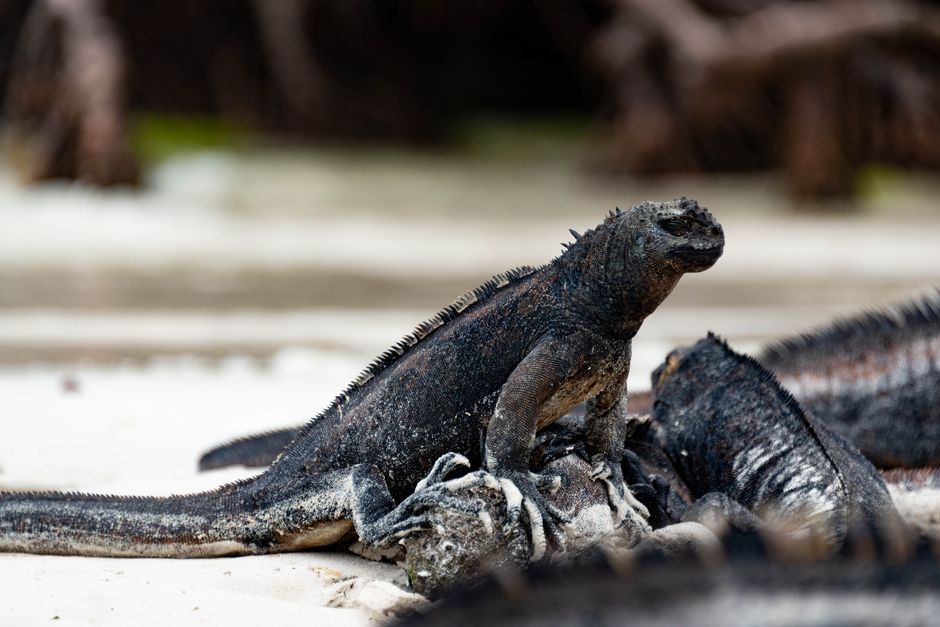
A marine iguana on the shore of Santa Cruz, mid-July, ignoring every tourist like it owns the place.
☀️ Best months: June–September (dry, cooler)
💰 Daily budget: ~$200–$350 per person (mid-range)
⏱️ Ideal trip length: 7–10 days
🎯 Difficulty: Moderate – lots of hiking, snorkeling, and island hops
🌡️ Avg. temp: 22°C / 72°F (water can drop to 20°C)
👥 Best for: Wildlife lovers, snorkelers, solo travelers who don't mind crowds at the top sights
The smell of salt and sunblock hit me before my feet touched the dock at Puerto Ayora. A sea lion pup was sprawled across a wooden bench, snoring. Nobody moved it. A local woman sold fresh coconut water from a cooler – $3, which felt like a lot until I saw the same bottle inside a tourist shop for $5. I was five minutes off the ferry from San Cristóbal, my shirt already sticking to my back. The midday heat bounced off the old limestone pavement, radiating upward until my shoes felt like they were melting. I needed a cold drink. Fast.
This is Galapagos in summer. Not the postcard-perfect fantasy of empty beaches and calm seas. It’s the real thing: chaotic ferry schedules, overpriced water, sunburn despite reapplying SPF 50 every hour, and the kind of wildlife that makes you laugh out loud. Blue-footed boobies dance on the path like they’re late for a meeting. Tortoises move with the patience of a god. And the sea lions? They’ll steal your backpack if you look away for two seconds.
I spent three summers bouncing between the main islands – Santa Cruz, Isabela, San Cristóbal, and a brief, sweaty visit to Floreana. This guide is the one I wish I’d had the first time. It’s not a list of clichés. It’s the honest, sun-scorched, sea-sickening truth about what actually works in Galapagos during the dry season.
The Essentials at a Glance
- 🐢 Entry fee: $100 per person cash (park entrance) – don’t get caught without it.
- 🚤 Island hopping: Ferries cost ~$30–$50 one-way; book 24h ahead in Puerto Ayora.
- 💧 Water: Bring a reusable bottle – filtered water stations exist in most hostels but nowhere else.
- 🌊 Snorkel gear: Rent for $10/day on Santa Cruz; buying on Isabela costs triple.
- 📱 Offline maps: Download Maps.me – phone signal is a myth outside towns.
The Complete Summer Guide
Santa Cruz – The Nerve Center
Puerto Ayora is the hub, and it feels like it. Wiras, souvenir shops, and tour agencies line Avenida Charles Darwin. The fish market at the end of the street is pure theater: pelicans and sea lions wait for scraps while fishermen toss guts into the water. Go at 7 AM before the day-trippers arrive. The smell is strong – fish, salt, bird guano – but the spectacle is worth it.
Tortuga Bay is a 45-minute walk from town (or a $10 water taxi). The beach is white, the water turquoise, and the currents strong – don’t swim too far out. I got tumbled by a wave and came up with a mouthful of sand. The mangroves at the far end are full of marine iguanas, and if you’re quiet, you’ll see baby sharks in the shallows. Bring water. There’s no shade, and the sun hits like a hammer.
🐠 Local Tip: Skip the expensive “Las Grietas” tour from Puerto Ayora. Instead, walk to Playa de los Alemanes (German Beach) – it’s free, less crowded, and the snorkeling is just as good. Bring your own mask. The rock entry is slippery – watched a guy drop his GoPro on day one.
Isabela – Raw and Rugged
The ferry from Santa Cruz takes about two hours. The sea can be rough – I spent the whole crossing gripping the seat, my stomach doing backflips. Island time means the boat leaves when it’s full, not at the printed hour. Bring Dramamine.
Isabela is the largest island, but the town of Puerto Villamil is a sleepy strip of hostels and seafood joints. The beach stretches for miles – black volcanic sand mixed with white coral, waves crashing against lava tubes. The Sierra Negra volcano hike is the main event. It’s a 16 km round trip, mostly uphill on loose volcanic rock. Do it early (start by 6 AM) to beat the heat and the clouds. I made the mistake of wearing trainers instead of boots – my ankles hated me for three days after. The crater is the second largest in the world, 10 km across, and the view from the rim is pure desolation in the best way.
Snorkeling at Los Túneles is a must. Lava tunnels create calm pools where sea turtles and white-tip sharks drift. The current can pick up – stay close to the group. I saw a ray the size of a coffee table glide beneath me. Totally silent.
San Cristóbal – The Surfer’s Island
Puerto Baquerizo Moreno is smaller and quieter than Puerto Ayora. The vibe is more laid-back. Kicker Rock (León Dormido) is the holy grail: a volcanic tuff cone jutting out of the ocean, split in two. The boat ride takes an hour. Snorkeling through the channel feels like swimming inside a cathedral. Hammerheads circle below – you won’t see them if the water is too murky, but on a clear day, they’re there. I got vertigo looking down into the deep blue.
For a less crowded spot, hike to Cerro Tijeretas. It’s a 30-minute walk from town, past the interpretation center. The trail ends at a cliff overlooking a bay – frigatebirds glide overhead, and the snorkeling is decent. I sat on the rocks for an hour, watching a sea lion play with a piece of kelp. Not a single other tourist in sight.
Floreana – The Wild Card
Floreana is the least-visited of the four inhabited islands. It takes a two-hour ferry from Santa Cruz. The landing beach is Post Office Bay, named for the famous wooden barrel where sailors used to leave mail. Tourists still drop postcards inside – unaddressed, unstamped – hoping someone will hand-deliver them. I left one for my sister in New York. She never got it. That’s the point.
The only settlement is a tiny hamlet of about 150 people. There’s one general store, one restaurant, and a lot of horses. You can rent a horse for $40 and ride to the highlands, where giant tortoises wander freely. The ride is bumpy, the saddle was stiff, and I had blisters by the end. But walking next to a 200-year-old tortoise, in silence, under the Galapagos sky – that stays with you.
Summer Traveler's Pro Tips
- Book tours in person, not online. Walking into a shop on Avenida Charles Darwin in Puerto Ayora saves you 20–30% off the web price. Haggle if you’re booking a multi-day package. I got a day trip to Pinzón for $120 instead of $170.
- Bring a windbreaker. Even in summer, the Humboldt Current makes the ocean breeze cold enough that you’ll shiver on the boat deck. My cheap hoodie saved me on the crossing to Floreana.
- Eat at the market. In Puerto Ayora, the stalls near the fish market sell grilled lobster for $12 – half the price of any sit-down restaurant. The ceviche is made fresh, and the plastic stools are part of the experience.
- Snorkel early, rest at midday. Marine life is most active between 6 and 9 AM. By 11, the sun is brutal and visibility drops. Retreat to a hammock with a book. Your skin will thank you.
- Cash is king. Most places accept cards, but the ATMs are unreliable. I spent 45 minutes walking to three different machines in Puerto Villamil before finding one with cash. Withdraw $400 at the airport on mainland Ecuador.
Common Summer Travel Mistakes
- ❌ Assuming the weather will be perfect. Summer is the dry season, but “dry” means overcast mornings and sudden drizzle. I got hit by a downpour on the way to Tortuga Bay. Pack a lightweight rain jacket.
- ❌ Underestimating the ferry schedule. A “9:00 AM” departure can mean 10:45. Miss one and you might be stuck on an island for an extra day. Always have a backup plan (and extra snacks).
- ❌ Not bringing reef-safe sunscreen. The park requires it – you’ll be fined if caught with standard sunscreen at certain sites. Buy it in Quito before you fly; it’s triple the price on the islands.
- ❌ Overpacking. You’ll wear the same two swimsuits and a pair of sandals for the whole trip. Leave the fancy outfits at home. The sea lions don’t care.
Your Summer Travel Checklist
| Category | Items |
|---|---|
| 📄 Documents | Passport (valid 6 months), Galapagos entry card ($20 cash), park fee receipt, travel insurance copy |
| ☀️ Heat & Sun | Reef-safe SPF 50+ (two bottles), wide-brim hat, polarized sunglasses, rash guard |
| 📱 Bookings & Apps | Hotel reservations (at least first 2 nights), Maps.me offline Galapagos, WhatsApp (all locals use it), snorkel rental confirmation |
| 🎒 Essentials | Dry bag (for ferry), reusable water bottle, 2L water bladder, light rain jacket, underwater camera, cash ($600 total) |
Traveler FAQ
A: No visa is required for most nationalities for stays up to 90 days, but you must have a valid passport and pay the $20 Transit Control Card at the airport in Ecuador.
Q: Is summer a good time for diving and snorkeling?A: Yes, summer (June-September) offers the best visibility for diving, especially at Kicker Rock and Gordon Rocks, though water temperatures drop to 20°C – wear a 5mm wetsuit.
Q: How do I get between islands?A: Public ferries run daily between Santa Cruz, Isabela, San Cristóbal, and Floreana. One-way tickets cost $30–$50. Book at least one day in advance from any travel agency in Puerto Ayora.
Q: Are there mosquitoes in Galapagos during summer?A: Mosquitoes are present year-round, but they are less aggressive in the dry season. Still bring DEET repellent – I got bitten badly at dawn on Isabela.
Q: Can I see whale sharks in summer?A: Whale sharks are most frequently spotted around Darwin and Wolf Islands from June to October, but those are liveaboard-only sites. On the main islands, you’ll see sea turtles, rays, and the occasional hammerhead.
Ready for Your Summer Adventure?
I write this from a sticky plastic chair at a café in Puerto Ayora, watching a marine iguana sneeze salt onto the pavement. The coffee is terrible. The sun is finally setting, painting the bay shades of orange and purple. A sea lion has stolen someone’s flip-flop. Nobody chases it. That’s Galapagos in summer – not perfect, not easy, but unforgettable in a way that sticks to your skin like salt.
If you go, go with a sense of humor. Expect delays. Bring cash. Let the sea lions have their naps. And when you come back with sand in your bags and a sunburn on your shoulders, drop a note in the comments below – I want to know which island stole your heart.
📌 Save this guide
Bookmark this page or screenshot the checklist – you’ll thank yourself when you’re hunting for an ATM in Puerto Villamil.
Enjoyed this? Share your real-world Galapagos story in the comments. Honest truth only.