How to Conquer Machu Picchu Without a Tour: A Solo Traveler’s No-Nonsense Guide
Introduction
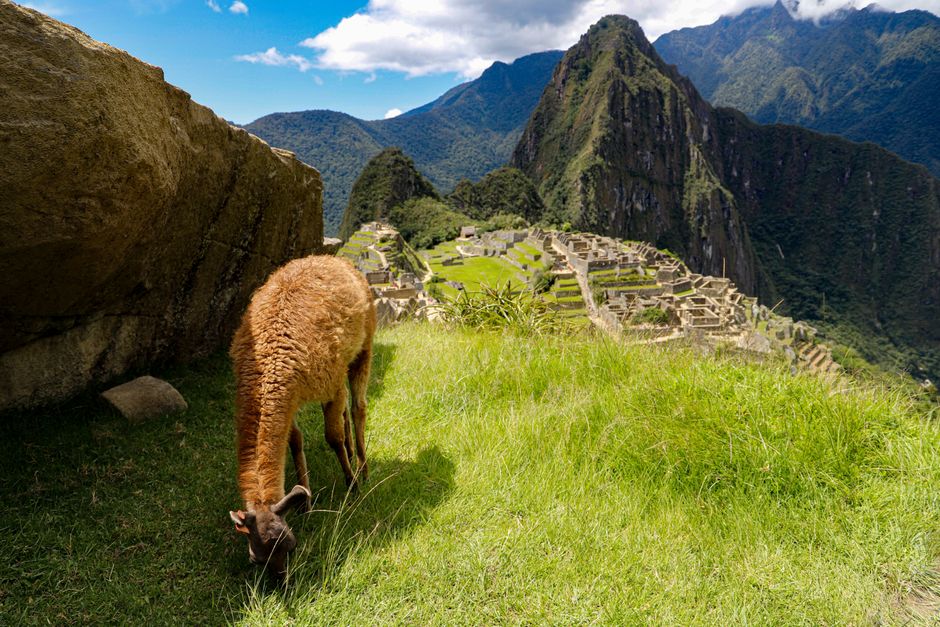
I remember gripping a rusted railing at the age of 54, my lungs burning from the thin air at 2,430 meters above sea level, as a thick fog swallowed the entire citadel. For twenty minutes, I saw nothing but grey. A Canadian couple next to me muttered, “We paid $1,200 for a guide, and now this.” I just smiled. I hadn’t paid a guide. I woke up at 3:30 a.m., hiked an hour up the steep concrete stairs from Aguas Calientes (no tourist bus, no waiting), and bought my own entry ticket the week before online for 152 soles (about $41 USD). When the mist finally lifted, I saw the iconic peaks of Huayna Picchu emerging like a ghost ship. That moment—unprompted, unscripted, un-filtered—is why I believe visiting Machu Picchu without a tour is not only possible but deeply rewarding. In this guide, I’ll walk you through every practical step: how to book your own ticket (even if the official site seems broken), which hiking route beats the expensive train-bus combo for budget travelers, and the exact mistakes that turned my friend’s solo trip into a disaster. No fluff, just ground truth.
The Essentials at a Glance
- 🏛️ Book your entry ticket yourself on the official government site (tuboleto.cultura.pe) at least 2 months ahead for the date you want—select “Machu Picchu Llaqta” for the classic citadel visit (route 1 or 2).
- 🚌 Skip the $12 tourist bus (round trip if you want and instead hike up from Aguas Calientes for free—it’s steep (1,500 steps), but takes only 45–60 minutes and saves you time and money.
- 💸 Total cost from Cusco can be under $80 for transport, entry, and basic accommodation if you take the colectivo to Hydroelectrica and then walk the train tracks (4–5 hours, flat, stunning).
- 📱 Download offline Maps.Me with the Machu Picchu region map—cell service inside the ruins is virtually non-existent, and the official site paths are poorly marked.
- ⛰️ If you want Huayna Picchu (the steep mountain behind the iconic photos), book that specific ticket months in advance—only 400 slots per day, and they sell out.
The Complete Guide
Why This Matters / Why You Should Go
Machu Picchu is not a luxury resort. It’s a 15th-century Inca estate hidden on a mountain ridge, wrapped in cloud forest. Without a tour, you own your schedule. You can sit on the Sun Gate (Inti Punku) for three hours watching condors circle without a guide rushing you. You can skip the sanitized “historical narrative” that glosses over the brutal reality of Inca stone work (some stones weigh 50 tons and fit so perfectly you can’t slide a credit card between them). This is for people who want the raw experience—smelling the wet earth after a rain in the dry season, feeling the vertigo at the edge of the Temple of the Sun, and navigating the chaos of Aguas Calientes market without a pre-planned lunch spot. You go because it’s one of the few world wonders you can still approach on your own terms, without a branded lanyard and a laminated itinerary.
When to Visit (Seasonal Guide)
April–June (shoulder months): This is my personal sweet spot. The rainy season ends in March, the grass is still emerald green, and the crowds haven’t peaked. You’ll get some morning fog (adds mystery) but generally clear skies by noon. Temperature ranges from 8–20°C (46–68°F).
July–August (peak dry season): Blue skies every day, but the ruins look like a theme park. If you go, enter at the earliest time slot (6:00 a.m.) to get photos without 200 people in frame. The bus line from Aguas Calientes snake for 45 minutes—hiking up is your only escape.
November–February (rainy season): Cheapest flights, emptiest crowds, but prepare for afternoon downpours that can last hours. The Inca bridge trail often closes due to slippery stones. However, there’s a raw beauty in the mist—I saw a rainbow over the Sacred Plaza in February that no tourist postcard captures.
Budget Breakdown
Accommodation: Hostel dorm in Aguas Calientes: $10–$15/night (e.g., Hostel Machu Picchu Inn). Private room mid-range: $30–$50 (e.g., Hotel Ferre Machu Picchu). Flashpacker: $80 (e.g., Inkaterra Machu Piccho Pueblo, but book direct for deals).
Entry ticket: $41 (152 soles) for the standard circuit (Circuit 2, Llaqta). Circuit 5 (Inca Bridge) is same price. Add $35 if you book Huayna Picchu or Huchuy Picchu.
Transport from Cusco to Aguas Calientes: Train (PeruRail Expedition) one-way: $65–$80. If you’re cheap like me: colectivo to Santa Maria ($7, 3h), then another to Santa Teresa ($3, 1h), then walk the railroad tracks to Aguas Calientes (free, ~5h, flat, along the Urubamba River). Total: $12 each way. Bring water and snacks.
Bus from Aguas Calientes to Machu Picchu entrance: $12 (USD) round trip. Or hike up for free—takes 45–60 minutes, 1,500 steps, starts near the market bridge. I do this even on rainy days; it’s my warm-up.
Food: Menu del dia (soup, main, drink) in Aguas Calientes: $5–$7. Tourist restaurant near the ruins: $12. I pack nuts and a chocolate bar for the ruins—there’s water refills at the entrance.
Total for a 3-day DIY trip from Cusco: $600–$900 including flights from Lima to Cusco (if you fly from Lima, $100–$150 round trip if booked 2 months ahead).
Getting There & Getting Around
From Cusco to the Sacred Valley: Take a colectivo from Cusco’s Calle Pavitos to Santa Teresa (6 a.m.–2 p.m., about $3). From there, walk 20 minutes to the hydroelectric train tracks of the PeruRail line. This is not a hike—it’s a flat, wide gravel road beside the rail tracks. About 5 hours, but you pass through small villages, kids selling bananas, and waterfalls. No fee, no booking. Alternatively, take the 6:00 a.m. PeruRail train from Poroy station (need to get there by taxi, $35 from Cusco).
Inside Aguas Calientes: The town is tiny—only one main drag (Av. Imperio de los Incas). Everything is walkable. The train station is at one end, the market bridge (to the Machu Picchu trail) at the other. No Uber, no taxis—just your feet.
At Machu Picchu: Once inside, you must follow one of the six official circuits (marked by colored arrows). You cannot leave the circuit and come back. Most people take Circuit 2 (classic citadel, upper platform to the Guardhouse, then down through the Temple of the Sun). To reach the Sun Gate (Inti Punku), that’s a separate one-hour hike past the main ruins—you need a separate ticket that allows extra time (Circuit 3 or 4). I messed up on my first trip and was kicked out by guards.
Top Recommendations / Must-Do Activities
Sun Gate at sunrise (6:00 a.m. entry): This is non-negotiable. The classic postcard shot looking down the trail toward the citadel with the sun rising behind you. Weak point: It requires the capacity to be at the entrance by 5:30 a.m., so if you bus up, you’ll be stuck behind 50 people. I hike up at 4:45 a.m. from Aguas Calientes, arrive at the entrance by 5:45, and most people are still waiting for the bus. Insider tip: When you enter, immediately turn left and walk 10 minutes to the Guardhouse viewpoint—empty at 6:00 a.m.
Huayna Picchu (if you book months ahead): The steep, switchback climb that looms behind every photo. 360 meters up in 45 minutes of pure adrenaline. You need a separate ticket (Circuit 5, the Huayna Picchu add-on, $35 extra, only 400 people per day). I booked mine for the 10:00 a.m. slot—the ladder sections are terrifying, but the top offers a 360-degree view of the entire Urubamba Valley. Downside: knees will scream on the way down. Not for vertigo sufferers.
The Inca Bridge (Circuit 5): A narrow stone ledge carved into a cliff face, 20 minutes walk from the main ruins. Less crowded than the main citadel, and you can see the original Inca defensive positions. I went at 2:30 p.m. and had it almost to myself.
Walk the train tracks to Hidroeléctrica: This is my favorite cheap trick. After your Machu Picchu visit (around 1:00 p.m.), instead of taking the train back to Cusco, walk the flat railroad tracks from Aguas Calientes to Hidroeléctrica (4–5 hours, free, through a gorge with waterfalls). At Hidroeléctrica, flag down a colectivo back to Santa Teresa ($3) then Cusco ($7). Saves $65 and gives you an incredible wilderness experience.
Traveler’s Pro Tips
Tip 1: Book your own ticket on a desktop browser in Spanish mode. The English interface of tuboleto.cultura.pe often breaks. Switch to Spanish (there’s a tiny flag in the top right corner). Then clear your cache and use a desktop—the site is 10 years old and hates mobile browsers. I spent 2 hours cursing before my neighbor (a Peruvian university student) showed me this trick.
Tip 2: Bring a thin rain jacket, not a massive poncho. The microclimate changes every 30 minutes. A light shell (like a $20 Outdoor Research from Amazon) packs into a fist and gives you mobility for the stone stairs. Ponchos get caught on rocks and make you look like a stressed ghost.
Tip 3: The best free view is from the back of the Guardhouse. Everyone crowds the front looking down into the main plaza. Walk around the left side of the building—there’s a small stone platform with a direct view of Huayna Picchu reflected in the old water channels. Perfect photo spot with zero people.
Tip 4: Carry exactly 20 soles in small coins for the bathroom. The public toilets near the entrance charge 2 soles per use and rarely give change. There’s no toilet paper inside the ruins—bring your own wipes. Non-negotiable.
Tip 5: If you are not hiking the Inca Trail, skip the fancy hiking gear. You don’t need trekking poles (the stairs are too uneven), hiking boots (trail runners work fine), or a 50-liter pack. A 20-liter daypack with 1.5 liters of water, snacks, a light layer, and a camera is absolutely sufficient.
Common Mistakes to Avoid
Mistake 1: Buying a “Machu Picchu” package that includes a forced guided group. These packages often herd you through the ruins in 90 minutes, skip the Sun Gate, and take you to a tourist restaurant. How to avoid: Book your own entry ticket and transport separately. Consequence: I watched a group of 15 people being rushed through the Temple of the Sun without stopping—they missed the roof’s alignment with the solstice.
Mistake 2: Arriving at Aguas Calientes without a printed entry ticket. The ticket office in town does not print tickets for online purchases. You need either a printed copy or the PDF on your phone (but cell service is patchy). How to avoid: Print two copies at the internet café in Cusco (costs $0.30). Consequence: A man at the entrance was turned away because his phone battery died—he had to pay $40 to buy a new ticket on the spot (if available).
Mistake 3: Underestimating the altitude in Cusco before the trip. Machu Picchu (2,430m) isn’t as bad as Cusco (3,400m), but if you don’t acclimate for at least 24 hours, you’ll get dizzy on the steep ruins stairs. How to avoid: Spend two nights in Cusco first. No expensive oxygen tents—just rest and drink coca tea. Consequence: I saw a woman pass out on the Inca Bridge because she flew from sea level and went straight to the ruins.
Mistake 4: Taking the tourist bus back down too late. The last bus from the ruins to Aguas Calientes leaves at 5:30 p.m., but the line forms at 4:30 p.m. Hiking down takes 45 minutes—do that instead and save an hour of queuing.
Your Travel Checklist
Documents: Printed entry ticket + passport (same name as booking). Bring your passport even if you think it’s not needed—guards check it at the gate.
Packing: 20L daypack, 1.5L water (refill at entrance tap), rain shell, sun hat, sunscreen (UV index 11+), snacks (nuts, chocolate), toilet paper wipes, small flashlight (for the dark train tunnels in the free walk to Hidroeléctrica).
Research: Download offline Maps.Me with the Machu Picchu region map. Watch a 15-minute YouTube video on the entry gate layout (Marco’s Machu Picchu Tips is solid).
Bookings: Entry ticket 2+ months ahead. Huayna Picchu ticket at the same time (if desired). PeruRail train ticket 30 days ahead (round trip, $95–$130). Colectivo doesn’t need booking.
Health/Safety: Altitude pills (Diamox) or just coca tea. Motion sickness meds if taking the bus (the zigzag road is brutal). No mosquito problem—it’s too high.
Local Currency: Peruvian soles (get at least 150 soles in cash from an ATM in Cusco—Aguas Calientes ATMs charge $5 fees).
Apps: TUBOLETO.cultura.pe (official ticket site), PeruRail (for bookings), Maps.Me, Google Translate (offline Spanish pack).
Traveler FAQ
Q: Do I need a tour to visit Machu Picchu legally?
A: No. You can visit independently. Many blogs from 2019 still say “you need a guide” because the law changed in 2021—you are allowed to enter alone. I did it in 2023 without any problems.
Q: How do I buy my own ticket without a tour?
A: Go to tuboleto.cultura.pe, select “Machu Picchu – Llaqta,” choose your circuit (Circuit 2 for the classic view), and pay with a credit card. Print the PDF. If the site crashes, go to the Dirección Desconcentrada de Cultura office in Cusco (Av. de la Cultura, 1 block from the museum)—they sell tickets in person for no fee.
Q: Is the bus or hike better for budget travelers?
A: Hike, hands down. The bus up costs $12 and you still wait 30–50 minutes in line. The hike is free, burns calories, and gets you to the entrance before most buses. I’ve done both—the hike is faster if you’re moderately fit.
Q: Can I combine a cheap route from Cusco with the Inca Trail?
A: The full Inca Trail requires a permit ($300+ and a guide by law) but the “short” Inca Trail (two days) does too. For cheap, skip the trail entirely—the free walk from Hidroeléctrica along the tracks gives you similar scenery for $0.
Q: What happens if I arrive without a ticket?
A: You won’t be allowed in, and tickets rarely become available same-day. There’s a ticket booth at the entrance but it only sells leftovers (maybe 20–50 tickets per day, for 7:00 a.m. slots only). Plan ahead.
Ready for Your Adventure?
Standing on the Sun Gate alone, with the mist evaporating to reveal a city carved into a mountain, I realized the best travel moments happen when you aren’t on someone else’s clock. No guide pointing at rocks. No bus schedule dictating your return. Just you, the thin air, and a civilization that built something we still can’t replicate. The hesitations you have—the fear of buying a wrong ticket, of missing the last bus, of getting lost in the rain—are legitimate. But I promise you, the bureaucratic friction of booking your own entry and walking the train tracks is nothing compared to the freedom of having no one telling you when to leave. Pack small, start early, trust the trail. The lost stone streets of the Incas are waiting for you to wander them on your own terms.


No comments:
Post a Comment