Top Summer Destinations in The Ultimate Long-Haul Flight Survival Packing List
The midday sun catches the whitewashed walls of a Cycladic village, baking the stone steps until you can feel the heat through your sandals. This is the moment your packing list earns its keep.
☀️ Best months: June–September · 💰 Daily budget: €90–€180 (mid-range, includes ferries & meals) · ⏱️ Ideal trip length: 10–14 days · 🎯 Difficulty: Moderate (heat + crowds + logistics) · 🌡️ Avg. temp: 31°C / 88°F · 👥 Best for: Solo travelers, couples, small groups who value local rhythm over all-inclusive convenience
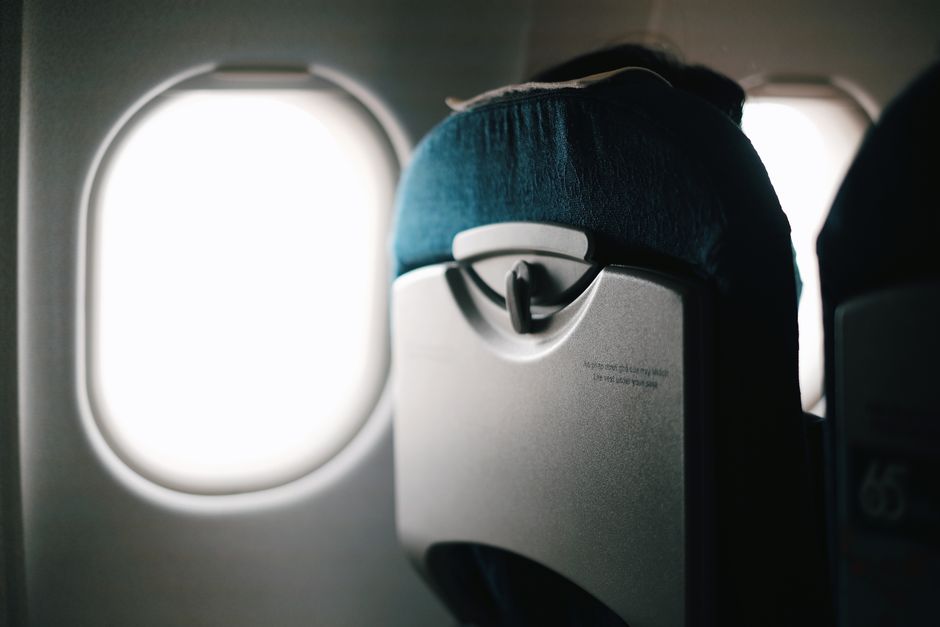
The first thing that hits you stepping off the plane in Athens isn't the heat—it's the smell of hot dust and wild thyme mixing with jet fuel. I'd slept maybe three hours on the flight, my neck craned against a window that wouldn't stop rattling. Somewhere over the Alps, I'd kicked off my shoes and immediately regretted it when the guy next to me dropped a bag of pretzel crumbs on the floor. By the time I reached the baggage claim, my shirt felt like wet paper.
I needed a shower. Badly. But more than that, I needed to remember: this trip—this whole summer circuit through the Cyclades and the Ionian coast—was supposed to feel effortless. The reality is, no amount of dreamy Instagram scrolling prepares you for the grind of a long-haul flight followed by a 40-minute taxi ride through Athenian traffic. The air conditioning in the taxi wheezed. The driver chain-smoked. I watched a stray dog trot past a pile of garbage bags on the curb and thought, This is it. This is the glamour of summer travel.
And yet, by the time I'd checked into a small pension in Plaka—the one with the bougainvillea spilling over the balcony railing and a shower that actually had pressure—I felt something shift. The exhaustion cracked open, and underneath was that familiar, stupid, unkillable excitement. I'd done the work. I'd packed smart. The survival list I'd spent a week curating was about to pay off.
The Essentials at a Glance
- 🧳 A single carry-on + a personal bag — Checked luggage is a tax on your patience. You wait at baggage claim, you risk lost bags, and you pay €50 each way. Summer crowds mean longer lines. Travel light or travel sorry.
- 💧 A reusable water bottle with a built-in filter — European tap water is generally safe, but not in every island village. The filter saves you €3–€5 every time you don't buy a plastic bottle at a tourist kiosk. Also: reduces trash.
- 🧴 Solid sunscreen (SPF 50, reef-safe) — The aerosol cans get confiscated at airport security. The liquid bottles leak under cabin pressure. A solid stick doesn't explode in your bag and it won't kill the coral.
- 🔌 A universal adapter with dual USB-C ports — Most hotel rooms in Greece have exactly one working outlet. Your phone, power bank, and e-reader will fight for it. Come prepared with a compact multi-port adapter.
- 🧢 A wide-brim hat with a chin strap — The Meltemi wind in the Cyclades will steal your baseball cap and toss it into the Aegean. A chin strap sounds dorky. Losing your hat in a port town where the only shop sells overpriced straw ones for €25 feels worse.
The Complete Summer Guide
Ferry Hopping in the Cyclades: The Art of the Island Run
The first ferry I took from Piraeus to Naxos was an education in controlled chaos. I'd booked a seat in economy class on a Blue Star ferry, which I quickly learned means you sit on a sticky vinyl bench next to a family eating spanakopita out of tinfoil and a teenager watching TikTok on full volume. The air smelled of diesel and fried calamari. I hadn't packed snacks because I assumed there'd be a cafeteria. There was. The line for a coffee was 25 minutes long, sandwiched between two guys arguing about football and a woman holding a toddler who was already crying.
What saved me: a small collapsible cooler bag I'd stuffed with a bottle of cold water, a couple of oranges, and a cheese pie from a bakery near the port. I ate that pie with my hands greasy and my back aching, watching the coast of Paros slide by through a salt-streaked window. It was the best thing I ate all week.
The lesson: ferries in Greece are not a luxury experience. They're a logistical puzzle. You need to bring water, food, a portable charger, and a layer for the wind. The deck is beautiful for about 15 minutes. After that, you're squinting into the sun and your skin is burning. Pack for the reality of the journey, not the postcard of the destination.
High-Altitude Escapes: The Mani Peninsula After Dark
I spent three days in the Mani region of the Peloponnese, a place that feels like a different country from the rest of Greece. The landscape is harsh—rocky hillsides covered in thorny shrubs, stone towers that look like medieval fortresses, and a coastline where the water is so clear it looks like liquid glass. But the heat is oppressive. By 11 a.m. the sun is already brutal, and the only sensible thing to do is find shade, drink iced coffee, and wait.
I didn't do that. I tried to hike to a remote beach in the middle of the day. The trail was unmarked, the sun was direct, and I ran out of water about halfway there. I turned back, sun-drunk and dizzy, and spent the next two hours lying on the cold tile floor of my room with a damp towel on my face. This was stupid. I knew better. But the desire to "maximize" every minute of daylight got the better of me.
What I learned: summer in the Mani is about the evening. That's when the stone houses cool down, when the cats come out, when the old men gather at the kafeneio and play backgammon. I had dinner at a taverna in the village of Vathia at 9:30 p.m. and the owner brought out a plate of sun-dried octopus, a bottle of local white wine, and a bowl of olives that tasted like the hillside they grew on. That meal cost €28. It was worth more than any overpriced boat tour I could have booked.
The Food Scene: Where the Real Summer Lives
Everyone talks about Greek food like it's a simple thing—olive oil, feta, tomatoes. But the reality of eating in Greece in the summer is that the quality of a meal depends entirely on the quality of the ingredients, which depends on the season, which depends on the last rainfall. A tomato in July is a completely different thing from a tomato in March. The one I ate on Naxos was so sweet and dense I could have called it dessert.
My best meal was at a place in the back streets of Chora, Naxos, a taverna with plastic chairs and a handwritten menu. I ordered the lamb with potatoes—it was the only thing the old woman running the kitchen seemed to care about. The lamb was slow-cooked for hours, falling apart in a pool of lemony broth. I ate it with a fork in one hand and a piece of bread in the other, mopping up every drop. €14. I still think about it.
The food scene in the Cyclades isn't about fine dining. It's about knowing where the locals eat, ordering what's fresh that day, and not expecting service that matches a Parisian brasserie. If you want that, go to Mykonos and pay €40 for a salad. I skipped Mykonos. I don't regret it.
The Crowds: How to Navigate the August Surge
I made the mistake of arriving in Santorini on a Friday in August. The port at Fira looked like a refugee camp—tourists spilling off the ferry, suitcases bumping into knees, taxis nowhere to be found. The line for the cable car was over an hour long. I hiked up the donkey path instead, which is a euphemism for walking up a steep, dusty switchback road while dodging piles of animal waste and sweating through my shirt.
Was it worth it? Once I got to the caldera edge and saw that sunset, yes. But the experience of getting there was a grind. Here's what I'd do differently: book a flight into Santorini instead of a ferry if you can swing it. Flights from Athens with Aegean or Ryanair cost €60–€120 one-way in summer. That's an investment in sanity. Or: base yourself in a quieter island like Sifnos or Folegandros and only day-trip to Santorini. Both are less crowded, just as beautiful, and half the price.
Summer Traveler's Pro Tips
- Book the first ferry of the day. The 7 a.m. departure from Piraeus is chaos-free compared to the 10 a.m. one. You'll save 20–40 minutes in boarding lines and have a better chance of getting a seat with a view. I took the 7 a.m. to Paros and had an hour of quiet before the boat filled up at the next stop.
- Carry a sarong or a large cotton scarf. It's not just for the beach. I used mine as a towel at the public shower on the ferry, a blanket when the air conditioning was too cold, a picnic cloth on a rocky beach, and a head cover when I visited a monastery near Naoussa. One item, four uses.
- Buy your sunscreen in Athens, not the islands. A bottle of SPF 50 that costs €12 at a pharmacy in Syntagma Square will be €22 on Paros. Same brand, same bottle. The markup is shameless. Stock up before you leave the mainland.
- Learn the Greek phrase for "without ice." "Horis pagota" will get you a cold drink that isn't watered down by melting ice. In the summer heat, a frappe at room temperature is better than a frappe that's half water in five minutes. Trust me on this.
- Don't trust the maps app for walking directions in older towns. The stone alleys in places like Nafplio or Pyrgi on Chios are often closed to pedestrians due to stairs or dead ends. I ended up backtracking for 15 minutes in the noon sun because Google thought a staircase was a street. Ask a local. They'll point you the right way.
In the Cyclades, the Meltemi wind can start blowing in mid-July and last through August. It's a strong, dry northern wind that makes the ferries between islands unreliable—especially the smaller high-speed ones. Always have a buffer day in your itinerary. If you schedule a ferry on your last day before a flight, you're gambling. The locals know this. They won't even attempt to cross from Paros to Naxos if the wind is over 6 Beaufort. You shouldn't either. Build in a spare day between islands, or book a refundable ticket. I watched a couple cry at the port in Naxos because they missed their flight home. Don't be them.
Common Summer Travel Mistakes
- Underestimating the ferry timetable chaos. The ferries run on "Greek time." A 10 a.m. departure might leave at 10:25, or 11:00, or not at all. I waited 3 hours in Milos for a delayed ferry. Always check the port authority's office the morning of travel and follow the local Facebook groups where people post real-time departure updates. The official app is useless.
- Relying on credit cards in smaller villages. I went to a bakery in Kardamyli that had a sign reading "Cash only" in four languages. The ATM in the next town was out of money. I had to borrow €5 from a stranger to buy bread and cheese. Carry at least €100 in small notes. Many island ATMs charge €3–€5 per withdrawal.
- Forgetting a power bank for your phone. The charging situation on ferries is a lottery. Some have USB ports on board that work. Some have ports that look like they were installed in 1998. I watched a woman's phone die mid-transfer while she was trying to read her booking confirmation. The port agent made her walk to the office to print a paper ticket. A 20,000 mAh power bank costs €25 on Amazon and it will save you this specific headache.
- Booked the wrong accommodation type. A room with "air conditioning" in Greece sometimes means a window unit that wheezes and drips water all night. Read reviews specifically about the AC. I stayed in a place in Folegandros where the unit sounded like a lawnmower and I had to choose between sleep and hearing protection. Not a fun choice at €80 a night.
Your Summer Travel Checklist
- Passport (valid 6+ months)
- Printed ferry tickets
- Travel insurance card
- Photocopy of passport (kept separate)
- EU Health Insurance Card (if eligible)
- Solid SPF 50 sunscreen (100ml max)
- Wide-brim hat with chin strap
- Polarized sunglasses
- Reusable water bottle with filter
- Electrolyte tablets
- Return flights (check luggage weight)
- Ferry tickets (book 1–2 weeks ahead)
- Accommodation (refundable if possible)
- Travel insurance
- Transfer from airport to port
- Maps.me (offline maps of islands)
- Ferryhopper app (schedule + booking)
- Google Translate (Greek offline pack)
- XE Currency (rates work offline)
- First aid / medical ID info saved as screenshot
Traveler FAQ
Q: Which Greek island is best for a first-time summer visitor who wants to avoid crowds?
A: Sifnos offers a great balance of beautiful beaches, traditional villages, and good food without the tourist crush of Santorini or Mykonos. The ferry from Athens takes about 3 hours, and the island is walkable in parts. Accommodation costs roughly €60–€90 per night in July.
Q: How much cash should I carry for a day on a Greek island in summer?
A: A realistic daily cash budget is €60–€80 per person if you're eating at tavernas, buying water, and paying for small purchases. Many places in smaller villages and beach canteens are cash-only. ATMs charge €3–€5 per withdrawal, so it pays to take out larger sums less often.
Q: Can I use my phone data freely in Greece for navigation and booking?
A: If you have an EU roaming plan, yes—Greece is covered at no extra cost for EU residents. For non-EU visitors, a local SIM from Cosmote or Vodafone costs €10–€20 for 10–20 GB of data. You can buy one at the Athens airport arrivals hall or at any mobile shop in town. Don't rely on free Wi-Fi in cafes—it's often slow and insecure.
Q: What's the biggest mistake people make when packing for a summer trip to the Greek islands?
A: Bringing too many shoes. A pair of sturdy sandals, a pair of walking shoes or sneakers, and a pair of flip-flops for the beach covers everything. I met a traveler who packed five pairs of shoes and regretted it by day two. Space in your bag is limited, and you'll be walking on uneven stone streets. Good footwear is non-negotiable. Extra pairs are a waste.
Q: Is it better to book ferry tickets online or buy them at the port?
A: Always book online in advance during peak season (July–August). The popular routes—Athens to Santorini, Crete to Mykonos—sell out days ahead, especially for the high-speed ferries. Booking online through Ferryhopper or the official Hellenic Seaways site costs the same as at the port, and you avoid the risk of showing up to a sold-out departure. I learned this the hard way in Naxos when the next available ferry to Athens was 6 hours later.
Ready for Your Summer Adventure?
The best summer trips are not the ones where everything goes perfectly. They're the ones where you sweat, you wait, you get lost, you eat something incredible on a plastic chair by the side of the road, and you come home with a fresh sunburn and a story that doesn't fit into a caption. The packing list is not a magic spell—it's a foundation. The real adventure happens when you step off the plane and into the heat, the noise, the smell of thyme and diesel and sea salt.
I still think about that cheese pie on the ferry. I think about the old woman who waved me into her taverna on Naxos and fed me lamb that tasted like home even though I was 4,000 miles from mine. I think about the wind on the deck of the ferry to Paros, the way it dried the sweat on my neck and made me feel alive in a way that air conditioning never can.
Bookmark this page, screenshot the checklist, or share it with a friend who's planning their own long-haul adventure. The more you prepare, the more you can let go and actually enjoy the chaos.
Have you traveled to the Greek islands in summer? What did your packing list miss—or include—that saved the trip? Drop a comment below with the one item you'd never travel without. Real talk helps us all pack smarter.