
Introduction: Why Tokyo Should Be Your 2026 Destination
Tokyo isn't just a city—it's a living, breathing paradox where centuries-old temples cast shadows on futuristic skyscrapers, and vending machine robots serve hot meals next to family-run ramen shops that have perfected a single recipe over four generations. In 2026, Tokyo stands at a fascinating crossroads, having refined its blend of tradition and innovation to an art form that feels both impossibly polished and warmly human. Whether you're a first-time visitor wide-eyed at the neon-drenched streets or a returning traveler digging deeper into its labyrinthine neighborhoods, the sheer density of things to do in Tokyo can feel overwhelming in the best possible way. This guide cuts through the noise, giving you a curated, week-long journey through the city's most magnetic experiences, practical logistics, and the hidden corners that make Tokyo feel like yours alone to discover.
The city pulses with an energy that's hard to describe but impossible to forget. It's the polite bow of a station attendant as the last train departs exactly on time. It's the hiss of sizzling yakitori in a smoky Omoide Yokocho alleyway. It's the quiet rustle of bamboo in a garden tucked behind a concrete office building. In 2026, Tokyo has fully embraced its role as a global cultural capital while fiercely protecting the intimate, neighborhood-level charm that makes it so endlessly explorable. Major developments like the continued evolution of the Shibuya skyline and the ever-expanding public art installations across the city mean there are fresh layers to uncover, even for repeat visitors. The things to do in Tokyo extend far beyond a checklist of landmarks—they're about sensory immersion, culinary discovery, and those spontaneous moments when you turn down an unmarked street and stumble into something extraordinary.
What makes 2026 particularly special is the city's renewed focus on sustainable tourism and visitor experience. Infrastructure improvements mean smoother connections between districts, more multilingual signage, and thoughtfully designed public spaces that invite you to slow down and linger. The classic attractions remain as compelling as ever, but there's a palpable shift toward showcasing local artisans, independent coffee roasters, and community-led walking tours that reveal the Tokyo residents actually live in. You'll find rooftop gardens atop department stores, restored machiya townhouses serving as cultural hubs, and a dining scene that continues to push boundaries while honoring culinary traditions stretching back centuries. This guide is designed to help you navigate all of it—the iconic, the obscure, and everything in between.
What Makes Tokyo Unique in 2026
Tokyo's uniqueness in 2026 lies in its masterful balance of extremes. Nowhere else on earth can you start your morning meditating in a 7th-century Buddhist temple, spend your afternoon immersed in a multi-sensory digital art installation that responds to your movements, and end your evening in a 6-seat cocktail bar where the bartender remembers your name from three years ago. The city has doubled down on what it does best: impeccable hospitality, obsessive attention to detail, and a cultural landscape that rewards curiosity at every turn. This year brings several exciting additions, including expanded pedestrian-friendly zones in central districts and new museum wings dedicated to contemporary Japanese artists pushing global boundaries.
What truly sets Tokyo apart is the depth of its neighborhoods. Each district operates almost as an independent city with its own micro-culture, signature dishes, and distinct architectural rhythm. The things to do in Tokyo multiply when you realize that exploring Shimokitazawa's vintage shops feels nothing like wandering Ginza's polished galleries, which feels nothing like losing yourself in Yanaka's nostalgic alleyways. This diversity means you can customize your trip endlessly, whether you're chasing cutting-edge fashion, traditional crafts, food markets, or quiet residential streets that seem frozen in time.
Best Time to Visit Tokyo
Timing your Tokyo visit in 2026 depends entirely on what kind of experience you're after. Spring brings the legendary cherry blossom season, typically peaking in late March to early April, when the city transforms under canopies of pale pink petals. Parks fill with hanami parties, special seasonal menus appear everywhere, and the atmosphere takes on a celebratory quality that's genuinely infectious. Autumn offers equally stunning natural displays as ginkgo trees turn brilliant gold and maple leaves flame crimson, with November being particularly spectacular and blessed with crisp, comfortable temperatures perfect for long walks.
Summer in Tokyo runs hot and humid from June through August, but it's also festival season, with massive fireworks displays lighting up the night sky and neighborhood matsuri bringing traditional music, dancing, and street food to local shrines. Winter, especially December through February, delivers clear skies, snow-dusted temple roofs, and dazzling illumination displays that make the early sunsets feel magical rather than limiting. The city is less crowded during these colder months, and you'll find better accommodation rates outside the cherry blossom and autumn foliage peaks.
How to Use This Guide
This guide is structured as a flexible 7-day framework rather than a rigid hour-by-hour itinerary. Each day focuses on a geographic cluster of neighborhoods and attractions, minimizing transit time and maximizing immersion. You'll find the iconic landmarks covered thoroughly, but we've also woven in local favorites, practical tips about navigating stations, suggestions for where to eat without hunting down reservations months in advance, and guidance on cultural etiquette that will deepen your interactions. The things to do in Tokyo listed here are arranged to give you a natural flow—mornings for major sights when crowds are thinner, afternoons for neighborhood wandering, and evenings for atmospheric dining and nightlife.
Feel free to swap days around based on your interests, energy levels, or the weather. If you're a food obsessive, you might linger longer in the Tsukiji outer market area. If you're traveling with kids, certain days feature more interactive and open-space activities. Every recommendation includes practical details like nearest station, approximate cost, and whether advance booking is recommended. We've prioritized experiences that feel genuinely Tokyo—things you can't easily replicate elsewhere—while keeping the pace humane. You won't need to sprint between 12 attractions daily; instead, you'll have room to breathe, wander, and let the city reveal itself naturally.
Iconic Landmarks You Can't Miss
Tokyo's skyline tells a story of ambition, resilience, and constant reinvention. The landmarks that define the city aren't just photo opportunities—they're living monuments that anchor Tokyo's identity amid relentless change. From ancient temples that survived wars and natural disasters to observation towers that pierce the clouds, these sites form the essential backbone of any first visit. But even if you've been to Tokyo before, returning to these landmarks in 2026 reveals new perspectives, updated exhibits, and the quiet confidence of places that have witnessed centuries of human drama unfolding at their feet. The things to do in Tokyo naturally cluster around these magnetic centers, and understanding them helps you grasp the city's geography and soul simultaneously.
What makes Tokyo's landmarks particularly rewarding is how they integrate into daily life rather than standing apart as museum pieces. Office workers eat bento lunches on the benches surrounding ancient temple grounds. Fashion photographers use centuries-old garden bridges as backdrops for street style shoots. Families celebrate children's milestones at shrines where rituals have remained unchanged for generations. This organic coexistence of past and present is uniquely Tokyo, and experiencing it firsthand transforms a simple sightseeing stop into something more meaningful. The following three landmarks represent different facets of Tokyo's character—spiritual depth, postwar resilience, and futuristic ambition—and each deserves unhurried exploration.
Tokyo Tower vs. Tokyo Skytree: Which One to Choose?
The question of Tokyo Tower versus Tokyo Skytree sparks genuine debate among locals and travelers alike, and the answer reveals more about what you value in a view than any objective ranking. Tokyo Tower, completed in 1958, wears its retro-futuristic charm proudly. Its orange-and-white lattice structure evokes a certain mid-century optimism, and the surrounding Shiba-koen area offers a more grounded, neighborhood-level experience. The observation decks sit at 150 and 250 meters, which feels positively intimate compared to its younger rival. On clear winter days, you can see Mount Fuji framed beautifully, and the tower itself lights up differently depending on the season, glowing warm orange most evenings and occasionally switching to special color schemes for events.
Tokyo Skytree, soaring to 634 meters, delivers the undisputed panoramic champion experience. Completed in 2012, its sleek digital observation decks at 350 and 450 meters offer glass floors that test your nerve and views that stretch endlessly across the Kanto plain. The surrounding Solamachi complex provides excellent shopping and dining, including a ramen floor showcasing regional styles from across Japan. The Skytree excels at sunset visits, when the city transitions from daylight to a glittering carpet of lights. However, it's farther from central Tokyo in Sumida, and queues can be substantial despite timed-entry tickets. Your choice ultimately depends on atmosphere preference: Tokyo Tower for nostalgic romance and convenience, Skytree for sheer scale and modern spectacle. Many visitors find value in experiencing both—Tokyo Tower by day for its museum and surrounding park, Skytree at dusk for that unforgettable transition.
Senso-ji Temple and Asakusa Culture
Senso-ji stands as Tokyo's oldest temple, a vibrant testament to faith and community that draws worshippers and visitors in equal measure. Approaching through the massive Kaminarimon gate, with its enormous red lantern and guardian statues, you enter a world where incense smoke wafts through the air and the thunder of taiko drums occasionally punctuates the chatter. Nakamise-dori, the 250-meter shopping street leading to the main hall, has been serving pilgrims for centuries and now offers everything from traditional ningyo-yaki cakes to handcrafted chopsticks. The things to do in Tokyo don't get more atmospheric than wandering this approach at opening time, around 8am, when shops are still rolling up their shutters and the morning light catches the temple's vermillion architecture beautifully.
Beyond the main hall, the Asakusa district rewards deeper exploration with its blend of old and new. The nearby Sumida River offers pleasant walking paths and water bus connections to Odaiba. Traditional theaters showcase rakugo comic storytelling, while craft workshops let you try your hand at Edo kiriko glass cutting or fabric dyeing. The backstreets north of Senso-ji, particularly around Denboin-dori, feature restored Edo-period buildings housing artisan shops and quiet cafes. Don't miss the Asakusa Culture Tourist Information Center across the street, whose architectural design by Kengo Kuma offers a free observation deck with a unique perspective on the temple complex below. The area truly comes alive during Sanja Matsuri in May, one of Tokyo's wildest festivals, but any visit rewards those who wander beyond the main tourist thoroughfare.
Meiji Jingu Shrine and Yoyogi Park
Stepping into Meiji Jingu feels like leaving Tokyo entirely, despite being steps from the bustling Harajuku station. The approach through a vast forest of 100,000 trees, donated from across Japan when the shrine was established in 1920, creates an immediate sensory shift. The temperature drops, traffic noise fades, and the crunch of gravel underfoot sets a contemplative rhythm. Dedicated to Emperor Meiji and Empress Shoken, who oversaw Japan's transformation into a modern nation, the shrine embodies a solemn dignity that contrasts sharply with the pop-culture explosion of nearby Takeshita Street. The main complex features towering torii gates crafted from 1,500-year-old Taiwanese cypress, and the inner garden blooms with irises in early summer.
Adjacent Yoyogi Park serves as Tokyo's communal backyard, a sprawling green space where the city's diverse tribes gather to practice tai chi, rehearse dance routines, play bongo drums, or simply sprawl on tarps with convenience store snacks. Sunday afternoons here are particularly lively, with rockabilly dancers near the park entrance and informal music performances scattered throughout. The park's western edge connects to the NHK Broadcasting Center and the Olympic memorial facilities from 1964. Between the shrine's serenity and the park's chaotic energy, this area captures Tokyo's emotional range in a single afternoon. Visit early morning for meditative shrine moments, then stay for the human spectacle as the day warms up.
Tokyo's Best Neighborhoods to Explore
Tokyo reveals its true character not in its landmarks but in its neighborhoods—those distinct urban villages where daily life unfolds in infinite, fascinating variations. Each district carries its own personality, architectural vocabulary, and unspoken social codes. Understanding Tokyo means understanding these neighborhoods, how they connect, and how they differ. The things to do in Tokyo multiply exponentially when you approach the city this way, shifting from a checklist mentality to a more intuitive mode of exploration where getting slightly lost becomes a feature rather than a bug. The three neighborhoods below represent essential starting points, each iconic in its own right yet full of hidden depths beyond the famous images that define them.
What makes Tokyo's neighborhood culture so compelling in 2026 is the ongoing tension between preservation and evolution. Family-run businesses that have operated for generations sit next to avant-garde concept stores. Narrow alleyways that barely accommodate two people walking abreast suddenly open onto major thoroughfares. This constant juxtaposition keeps even familiar areas feeling fresh, as new layers accumulate without fully obscuring what came before. The best approach is to treat each neighborhood as a day-long immersion, giving yourself permission to follow interesting side streets, pause at tiny coffee stands, and absorb the rhythm of local life rather than racing between designated attractions.
Shibuya: Beyond the Crossing
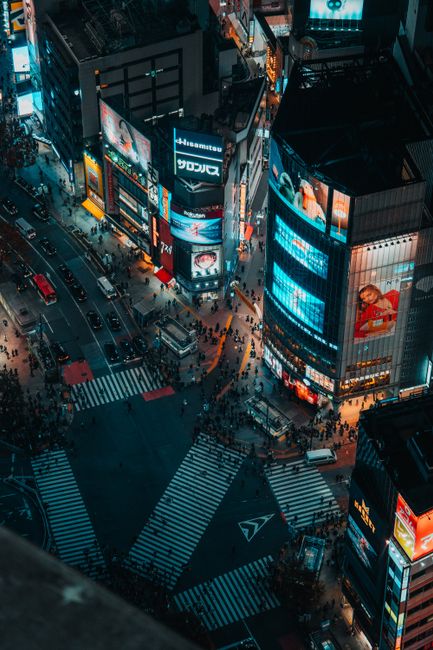
The Shibuya Scramble Crossing deserves its reputation as Tokyo's most iconic urban spectacle—a choreographed chaos of up to 3,000 people surging across the intersection with each light change, framed by towering video screens and the faithful Hachiko statue keeping silent vigil. But reducing Shibuya to its crossing misses the neighborhood's remarkable transformation over recent years. The opening of Shibuya Sky observation deck atop the Scramble Square building provides a stunning aerial perspective, while the redeveloped Miyashita Park offers a layered urban oasis combining shopping, dining, and green space atop a former riverbed. The surrounding streets climb steeply toward residential areas where excellent independent cafes and small galleries reward those willing to walk uphill.
The backstreets behind the 109 building, particularly around Nonbei Yokocho, preserve a grittier, postwar Shibuya of tiny bars and yakitori joints where regulars have been nursing highballs for decades. Meanwhile, the area between Shibuya and neighboring Daikanyama has become a walkable corridor of concept stores and architecturally striking boutiques. For dining, venture toward the Shoto and Kamiyamacho districts, where excellent restaurants hide in residential buildings and the crowds thin dramatically. Shibuya's energy extends well into the night, with live music venues, underground clubs, and late-night ramen shops serving the creative class that calls this neighborhood home.
Shinjuku: Neon Lights and Hidden Bars
Shinjuku operates at a different frequency than the rest of Tokyo—louder, brighter, more unapologetically excessive. The east side pulses with the famous Kabukicho entertainment district, where Godzilla looms above the Hotel Gracery and multi-story arcades blast competing soundtracks into the street. This is Tokyo at its most cinematic, the neon-drenched backdrop of countless films and photographs. But Shinjuku's brilliance lies in its contrasts. Mere minutes from Kabukicho's sensory assault, the Shinjuku Gyoen National Garden offers 144 acres of meticulously landscaped tranquility, combining formal French, English, and traditional Japanese garden styles in one sprawling oasis.
The true magic of Shinjuku reveals itself after dark in the warren of tiny lanes known as Omoide Yokocho and Golden Gai. Omoide Yokocho, or "Memory Lane," squeezes dozens of smoke-blackened yakitori stalls into an alleyway barely wide enough for two people, each counter seating perhaps six customers on a busy night. The smell of grilling chicken and the sound of sizzling fat create an atmosphere unchanged since the postwar black-market days. Golden Gai, a few blocks away, packs over 200 miniature bars into a grid of six narrow alleys, each establishment often seating fewer than eight people and catering to specific subcultures—jazz enthusiasts, film buffs, photography nerds, or simply loyal neighborhood regulars. Bar-hopping here requires a spirit of adventure and ideally some Japanese phrases, but the experience of squeezing into a second-floor cubbyhole while the owner pours your whiskey and shares neighborhood gossip is quintessentially Tokyo.
Harajuku: Fashion, Crepes, and Takeshita Street
Harajuku exists in a permanent state of creative flux, a neighborhood that has launched global fashion movements while remaining stubbornly, wonderfully weird at street level. Takeshita Street serves as the frenetic artery, a pedestrian thoroughfare packed with trend-obsessed teenagers, rainbow-colored cotton candy vendors, and crepe shops offering dozens of elaborate combinations. The crush of bodies can feel overwhelming, especially on weekends, but the people-watching is unmatched—Lolita fashion, decora style, visual kei, and constantly mutating subcultures parade past in real time. Duck into the side streets for vintage shops where carefully curated collections of American workwear and European designer pieces attract serious fashion buyers.
The neighborhood splits into distinct zones worth understanding. Omotesando, the broad tree-lined avenue leading away from Takeshita, functions as Tokyo's Champs-Élysées, with flagship stores designed by Pritzker Prize-winning architects. The backstreets of Jingumae and Cat Street connect Harajuku to Shibuya, forming a pleasant walking route lined with independent boutiques, artisanal coffee roasters, and the kind of concept stores that blur the line between retail and gallery. For a complete change of pace, the Nezu Museum offers a stunning collection of pre-modern Japanese and East Asian art housed in a building by Kengo Kuma, with a garden that's worth the admission alone. Harajuku rewards those who treat it as a full-day exploration rather than a quick stroll, revealing layers of creativity that extend far beyond the famous street's initial sugar rush.
Foodie's Paradise: What and Where to Eat in Tokyo
Tokyo is a culinary capital, where every meal feels like a discovery. From sizzling street stalls to hushed Michelin-starred counters, the city's food scene is a major reason travelers keep adding things to do in Tokyo lists. This section guides you through the must-eat experiences, balancing iconic flavors with modern twists.
The sheer volume of options can be overwhelming, so we've narrowed it down to the essential edible adventures. Whether you're a ramen fanatic or a dessert lover, prepare your appetite for a deep dive into Tokyo's tastiest neighborhoods.
Must-Try Street Food in Tsukiji Outer Market
While the inner wholesale market moved to Toyosu, the Tsukiji Outer Market remains a vibrant, bustling playground for food lovers. It’s a top pick for things to do in Tokyo on an empty stomach. The narrow lanes are lined with vendors selling fresh seafood, grilled skewers, and sweet treats, making it perfect for a walking breakfast or lunch.
You can easily spend a couple of hours grazing. The energy here is infectious, with shop owners calling out and the smell of charcoal smoke filling the air. Arrive early, ideally before 10:00 AM, to beat the heaviest crowds and see the stalls at their freshest.
- Tamagoyaki: Try a slice of sweet, layered Japanese omelette on a stick from Yamachō. It's served hot and custardy.
- Grilled Seafood: Look for stalls grilling giant scallops, oysters, and king crab legs with a blowtorch right in front of you.
- Uni Bun: A steamed bun stuffed with a whole, fresh sea urchin tongue. It’s a briny, creamy explosion of flavor.
- Wagyu Skewers: Perfectly marbled beef grilled over binchotan charcoal. A melt-in-your-mouth moment for just a few hundred yen.
- Croquettes: Deep-fried panko patties filled with crab cream or minced meat. Eat them hot, but watch out for the molten center.
Ramen, Sushi, and Beyond: Tokyo's Best Restaurants
No list of things to do in Tokyo is complete without eating sushi and ramen, but the city's culinary depth goes far beyond these two icons. Tokyo boasts more Michelin-starred restaurants than any other city globally, yet some of the most soulful meals are found in cramped, six-seat counters under train tracks.
For sushi, you can splurge on an omakase experience in Ginza, where the rice is still warm and the fish is brushed with a perfect soy glaze. Alternatively, a standing sushi bar in a department store basement offers incredible quality at a fraction of the price. Master the art of eating sushi in one bite, and use your fingers instead of chopsticks for the nigiri.
Ramen in Tokyo is a universe unto itself. Each shop guards its secret recipe for broth, from the pork-bone richness of tonkotsu to the elegant dried-fish complexity of niboshi. Slurping is not just acceptable but encouraged, as it cools the noodles and expresses appreciation to the chef. Beyond the bowl, don't miss tempura, where lightly battered seasonal vegetables and prawns are fried to a shattering crisp, or tonkatsu, a thick, juicy pork cutlet served with shredded cabbage and a tangy, fruity sauce.
For a truly local experience, seek out an izakaya in the evening. These Japanese-style pubs serve a parade of small plates like yakitori, sashimi, and karaage, perfect for pairing with draft beer or a highball. Shinjuku's Omoide Yokocho and Yurakucho's underpass are legendary zones for this kind of gritty, delicious dining.
Unique Themed Cafes and Dessert Spots
Tokyo's imagination runs wild in its themed cafes and dessert laboratories, offering some of the most photogenic things to do in Tokyo. These are not just meals but full-blown sensory experiences, often requiring advance reservations. The attention to detail, from the decor to the food presentation, is extraordinary.
Animal cafes have evolved beyond cats. You can now sip tea while owls perch nearby, hedgehogs waddle across your table, or miniature pigs snuggle in your lap. For pop culture fans, character cafes featuring Pokémon, Sanrio characters, or anime series feature exclusive merchandise and dishes shaped like beloved icons.
On the dessert front, the pursuit of perfection is relentless. Fluffy Japanese soufflé pancakes, which wobble and jiggle like a cloud, are a must-eat in Harajuku. Kakigori shops elevate shaved ice to an art form, drizzling it with matcha syrup and hiding silky red bean paste inside. For a futuristic treat, visit a specialty shop where liquid nitrogen is used to instantly freeze ice cream into the creamiest, smoothest scoop you’ve ever tasted.
Hidden Gems and Off-the-Beaten-Path Experiences
Venturing beyond the neon canyons reveals a different rhythm of the city. Searching for quieter things to do in Tokyo leads you to neighborhoods where wooden houses still stand, locals shop at slow-paced shotengai, and tradition feels effortlessly alive. These areas offer a deep breath away from the sensory overload of the major tourist hubs, showcasing the city's human scale.
Exploring these pockets gives you a sense of discovery that the crowded crossings can't. You'll find artisan crafts, independent coffee roasters, and a tangible sense of community. It's a side of Tokyo that rewards the curious traveler with authentic, unscripted moments.
Yanaka Ginza: Old Tokyo Charm
Yanaka survived the earthquakes and firebombings of the last century, preserving a nostalgic "Shitamachi" downtown atmosphere. A stroll down Yanaka Ginza shopping street is one of the most charming things to do in Tokyo for a glimpse into daily life. This pedestrian-friendly lane is lined with family-run businesses that have served the neighborhood for generations.
You won't find big brands here. Instead, you'll discover a butcher selling perfect menchi katsu, a calligraphy shop, and a vendor specializing in hand-carved cat figurines. The area is also known as "Cat Town," with friendly felines lounging in the sun and cat-themed treats in the bakery. Visit the nearby Yanaka Cemetery, which has a beautiful avenue of cherry trees that is surprisingly serene for a stroll. The pace here is slow, inviting you to chat with shopkeepers and savor the retro vibe.
Kichijoji: Ghibli Museum and Inokashira Park
Consistently voted one of the most desirable places to live in Tokyo, Kichijoji blends youthful energy with lush nature. The prime attraction is the Ghibli Museum, a whimsical space designed by Hayao Miyazaki himself. It's a must for animation fans, but tickets are notoriously difficult to secure and must be purchased months in advance on a specific date.
Even without a museum ticket, the journey is worth it. Inokashira Park is a verdant escape where you can rent a swan boat on the pond, visit the small zoo, or simply walk under a canopy of dense trees. The park transforms into a fiery palette of reds and oranges in autumn and a pastel wonderland during cherry blossom season. Afterwards, explore the Sunroad shopping arcade for vintage clothing, unique stationery, and some of the best people-watching in the city.
Odaiba: Futuristic Entertainment and Rainbow Bridge Views
Odaiba is a man-made island in Tokyo Bay that feels like a playground from the future. Accessible by the fully automated Yurikamome train, which loops around the waterfront, the journey itself offers a stunning view of the Rainbow Bridge. It's a distinct shift in scenery from the traditional temples elsewhere, offering a different flavor of things to do in Tokyo.
The sheer scale of the architecture here is impressive. You can visit teamLab Planets, an immersive digital art museum where you wade through water and become part of the projection-mapped installations. For a dose of retro-futurism, see the life-sized Unicorn Gundam statue outside DiverCity Tokyo Plaza, which transforms with light shows in the evening. The area also features a replica of the Statue of Liberty and a massive Ferris wheel, making the seaside promenade perfect for a romantic walk at dusk.
Day Trips from Tokyo Worth Taking
While the city itself has endless things to do in Tokyo, its location makes it a perfect launchpad for exploring the diverse landscapes of the Kanto region. In just an hour or two by train, you can swap skyscrapers for ancient forests, mountaintop shrines, or laid-back coastal towns. These escapes provide the yin to Tokyo's energetic yang.
Each destination offers a completely different atmosphere, making them ideal for a night away or even a very full day trip. Investing in a regional rail pass can make these journeys cost-effective. Here are three must-see getaways that perfectly complement your urban adventure.
Nikko: UNESCO Temples and Nature
Nikko is a place of extravagant beauty, where ornate shrines sit harmoniously within a towering cedar forest. The phrase "Never say 'kekko' until you've seen Nikko" hints at its status as a pinnacle of Japanese scenery. The main draw is the Toshogu Shrine complex, a UNESCO World Heritage site featuring the famous three wise monkeys carving and intensely detailed gold leaf and woodwork.
Beyond the temples, nature takes over. Kegon Falls is one of Japan's three most beautiful waterfalls, plunging 97 meters into a rocky gorge. A short bus ride takes you to Lake Chuzenji, a serene high-altitude lake created by a volcanic eruption. The hiking trails around Senjogahara Marsh are gentle and stunning, offering a refreshing blast of clean mountain air that feels worlds away from central Tokyo.
Kamakura: The Great Buddha and Beaches
Kamakura offers a breezy, historical seaside escape just an hour south of the city. Known as the Kyoto of Eastern Japan, its most iconic sight is the Kotoku-in Temple's Great Buddha, a 13.35-meter tall bronze statue that has serenely weathered the elements since the 13th century. You can even step inside the hollow statue for a unique perspective.
The town's laid-back vibe is its real charm. Hiking trails connect the various Zen temples, leading through bamboo groves and over hills with sweeping ocean views. Komachi-dori is the bustling main street for snacks, from matcha ice cream to freshly pounded mochi. If you're visiting in summer, Yuigahama Beach is packed with surfers and beach bars, giving the ancient capital a modern, playful soul.
Hakone: Hot Springs and Mount Fuji Views
Hakone is the quintessential day trip for iconic Mount Fuji scenery and soothing hot springs. The Hakone Free Pass covers a loop of transportation that is an adventure in itself, including a switchback mountain train, a cable car, a ropeway, and a pirate ship cruise across Lake Ashi. On a clear day, the ropeway from Owakudani offers an unobstructed, breathtaking view of Mount Fuji's symmetrical cone.
The volcanic valley of Owakudani is an active geothermal zone where you can taste black eggs cooked in the sulfuric waters, said to add seven years to your life. The art scene here is also world-class, with the Hakone Open-Air Museum displaying sculptures against a mountain backdrop. To complete the experience, soak in a natural onsen, either at a traditional ryokan or a public bath, letting the mineral-rich waters melt away any remaining travel fatigue.

Practical Tips for Navigating Tokyo Like a Local
Tokyo can feel like a beautifully organized whirlwind. The sheer scale of the city is humbling, but the infrastructure is so perfectly tuned that navigating it becomes second nature quickly. The real secret isn't just knowing which train to catch—it's understanding the rhythm of the city. Locals move with a quiet efficiency, a deep respect for personal space despite the crowds, and an unspoken agreement to keep the machinery of daily life running smoothly. To truly experience the best things to do in Tokyo, you need to shed the tourist panic and adopt a calm, prepared mindset.
Cash is still king in many smaller eateries and shrines, despite the city's futuristic reputation. Don't rely solely on credit cards. Having a Suica or Pasmo card on your phone is the single biggest quality-of-life upgrade you can make before landing. Beyond logistics, tuning into the local pace means not overscheduling. Tokyo is a city of layers. Sometimes the most authentic memory is sitting on a bench in a tiny neighborhood park, watching the world go by quietly, rather than rushing to the next big attraction.
Mastering Tokyo's Public Transportation
The Tokyo train map looks like a bowl of neon spaghetti, but the color-coded system is surprisingly logical once you stop panicking. Google Maps or Japan Travel by Navitime are essential for real-time platform numbers and exit suggestions. The key is knowing which exit to take—major stations like Shinjuku have dozens of exits, and picking the wrong one can leave you stranded on the wrong side of a highway. Always look for the yellow signs indicating your desired exit before you tap out through the gates.
Rush hour is serious business here. Between 7:30 AM and 9:00 AM, and again from 5:30 PM to 7:00 PM, certain lines become intensely crowded. If you have luggage, absolutely avoid these windows. When riding, silence is golden. Phones should be on silent mode, and talking on the phone is a major faux pas. Eating and drinking on local trains is generally avoided, though it's acceptable on the Shinkansen. Stand on the left on escalators in Tokyo (unlike Osaka, where you stand on the right), allowing the hurried salarymen to sprint past you on the right side.
- Get a digital Suica: Add it to your Apple Wallet or Google Pay before arriving. You can top it up instantly with a credit card, and it works for trains, buses, convenience stores, and vending machines.
- No need for the JR Pass: Unless you're taking multiple long-distance Shinkansen trips outside Tokyo within 7 days, the nationwide JR Pass is no longer a good value after the price increase. Stick to pay-as-you-go IC cards.
- Last trains are non-negotiable: The subway system largely shuts down around midnight. Taxis are expensive, so if you plan a late night out, budget for a pricey ride back or simply stay out until the 5 AM first train.
Etiquette and Cultural Dos and Don'ts
Japanese culture operates on a high-context, "read the air" principle. The number one rule for things to do in Tokyo without causing friction is spatial awareness. Don't block doorways, don't spread out in the middle of a busy sidewalk, and don't stop suddenly at the top of an escalator. Lining up is a sacred ritual here—whether for a train or a bowl of ramen, form a neat, single-file queue and wait your turn patiently. Tipping is not part of the culture and can actually cause confusion or embarrassment if you try to leave extra cash on a table.
When visiting temples and shrines, you are entering a spiritual space, not just a photo opportunity. Purify your hands and mouth at the water basin before approaching the main hall. Keep your voice low, and be mindful of where photography is allowed. Inside, the offering method is simple: toss a coin, bow twice, clap twice, pray, and bow once more. When entering someone's home or certain traditional restaurants with tatami mat flooring, remove your shoes immediately. There will be a clear step-up area and usually slippers provided. Never wear slippers onto tatami mats—bare feet or socks only.
- Blowing your nose: Sniffling is tolerated in public, but blowing your nose loudly is considered rude. Find a restroom if you need to clear your nose.
- Pointing: Avoid pointing directly at people with your finger. If you need to gesture, use your whole open hand.
- Chopstick taboos: Never stick your chopsticks vertically into a bowl of rice—this is a funeral ritual. Don't pass food directly from your chopsticks to another person's.
- Mask-wearing: Don't be surprised to see many locals wearing masks. It's a standard courtesy to wear one if you have a slight cold to protect others, not just a post-pandemic habit.
Budgeting and Money-Saving Hacks
Tokyo has a reputation for being expensive, but it can be surprisingly gentle on your wallet if you hack the system. Accommodation is your biggest variable. Business hotels near minor stations offer tiny but pristine rooms for a fraction of the cost of a Shibuya or Shinjuku hotel. The true magic of budget travel lies in the food. Michelin-starred quality doesn't have to drain your bank account. Department store basement food halls, known as depachika, offer free samples and heavily discounted bento boxes after 7 PM. These are not just cheap eats; they are gourmet meals at 50% off.
Convenience stores like 7-Eleven, FamilyMart, and Lawson are not just for snacks—they are a budget traveler's lifeline. You can get a decent onigiri for a dollar, surprisingly good coffee, and even pay utility bills. For attractions, avoid buying individual tickets if you plan to pack a lot into your list of things to do in Tokyo. Look into the Tokyo Metropolitan District Pass (for subway lovers) or the 24-hour combination tickets. Many observation decks and museums also offer discounted entry after 4 PM, giving you sunset views for less.
- 100-yen shops: Daiso and Can Do are incredible for souvenirs, quality kitchenware, and travel essentials you forgot to pack—and almost everything is actually 100 yen plus tax.
- Free observation decks: Skip the pricey Skytree or Shibuya Sky. The Tokyo Metropolitan Government Building in Shinjuku has a completely free, stunning 360-degree observation deck with views of Mount Fuji on clear days.
- Lunch sets rule: High-end restaurants that cost a fortune for dinner often serve the same signature dishes in a teishoku set at lunch for 1,000 to 2,000 yen.
Tokyo 7-Day Itinerary: The Perfect Plan for First-Timers
Planning a week in the world's largest metropolis is daunting, but this 7-day itinerary structures the chaos into a manageable, memorable arc. We're starting with the historical heart of the city, building up through the modern pop-culture hubs, and finally venturing outward to discover the natural beauty surrounding Tokyo. This plan balances iconic things to do in Tokyo with enough breathing room so you aren't just sprinting through a checklist. Each day is themed geographically to minimize transit time and maximize immersion.
Wear comfortable shoes—you will easily clock 20,000 steps a day. It’s wise to start your days early, not just to beat jet lag, but to enjoy temples in the quiet morning light before tour buses arrive. Evenings are left relatively open for spontaneous exploration. Tokyo’s nightlife isn't just about clubbing; it's about stumbling upon a tiny yokocho alleyway glowing with lanterns and the smell of yakitori. Trust the side streets. The best meal of your life might be in a basement bar that seats only six people.
Day 1-2: East Tokyo Classics (Asakusa, Ueno, Akihabara)
Begin your journey in the old downtown district of Shitamachi, where the vibe is decidedly more traditional. On Day 1, wake up early and head straight to Senso-ji Temple in Asakusa. Walk through the massive Kaminarimon Gate and down Nakamise-dori, a shopping street that has been serving pilgrims for centuries. The temple itself is Tokyo’s oldest and deeply photogenic. After exploring the main hall, take a river cruise down the Sumida River—it’s a refreshing way to see a different angle of the city skyline, dropping you off near the lush Hama-rikyu Gardens, where you can sip matcha in a teahouse surrounded by skyscrapers.
Day 2 shifts into culture and tech. Start your morning at Ueno Park, a massive green lung housing world-class museums. The Tokyo National Museum is the heavyweight champion of Japanese history, but the quirky National Museum of Nature and Science is equally fascinating. Grab a quick lunch at Ameya-Yokocho, a chaotic open-air market selling everything from fresh fish to bargain sneakers. In the afternoon, dive into the electric wonderland of Akihabara. Even if you aren't an anime fan, the sheer sensory overload of retro gaming arcades, maid cafes, and electronic stalls is one of the quintessential things to do in Tokyo. End your day in a multi-floor arcade like Taito HEY, playing classic cabinets.
Day 3-4: West Tokyo Vibes (Shibuya, Shinjuku, Harajuku)
Days 3 and 4 throw you into the neon-drenched, fast-paced modern pulse of the city. On Day 3, focus on the Shibuya-Harajuku corridor. Start at the Meiji Jingu shrine, a vast, tranquil forested oasis dedicated to Emperor Meiji. The contrast between the silent cypress trees and the roar of Takeshita Street just a few minutes away is staggering. Takeshita Street is Harajuku’s artery of kawaii culture—think rainbow cotton candy, vintage clothing, and animal cafes. For a more sophisticated shopping experience, slip into the backstreets of Omotesando, known as Tokyo’s Champs-Élysées. At dusk, navigate the legendary Shibuya Scramble Crossing and find a vantage point at the Magnet by Shibuya109 viewing window to watch the organized chaos below.
Day 4 is dedicated to Shinjuku. This ward is a universe unto itself. During the day, wander through Shinjuku Gyoen National Garden, a masterful blend of French, English, and Japanese landscaping that offers a perfect picnic spot. As the sun sets, the energy shifts. Explore Memory Lane (Omoide Yokocho), a tiny network of alleyways packed with yakitori stalls where office workers unwind over beer and grilled skewers. The cramped, smoky atmosphere is a portal to post-war Japan. Finish the night in Golden Gai, a surreal district of six-seater, eccentric theme bars. Don't be intimidated—many bars now welcome international visitors, though a cover charge is standard.
Day 5-7: Day Trips and Hidden Corners
After conquering the urban core, dedicate your remaining days to escaping the city and exploring its lesser-known neighborhoods. Day 5 is ideal for Kamakura, a seaside town just an hour south of Tokyo. Known as the Kyoto of the East, it’s home to the iconic Great Buddha of Kotoku-in and a stunning bamboo grove at Hokokuji Temple, which offers a quieter alternative to Kyoto’s crowded groves. Rent a bicycle from the station to cruise through the old samurai districts and finish the day with a sunset walk on Yuigahama Beach.
Day 6 should take you west to the nostalgia-soaked neighborhoods of Kichijoji and Shimokitazawa. Kichijoji’s Inokashira Park is a haven for artists and couples, with a lovely lake featuring swan boat rentals. The surrounding streets are packed with artisan coffee roasters and vintage vinyl shops. Shimokitazawa is the bohemian capital of Tokyo, a maze of thrift stores, craft beer pubs, and live music venues. For Day 7, make a pilgrimage to Nikko or Lake Kawaguchiko. Nikko boasts the lavishly gilded Toshogu Shrine, a UNESCO marvel set among towering cedars. If the weather is clear, Lake Kawaguchiko offers a breathtaking, unobstructed view of Mount Fuji reflected on the water. It's a serene, majestic finale to a week of exploring the best things to do in Tokyo.
Wrapping Up Your Tokyo Adventure
Leaving Tokyo is a strange kind of melancholy. The city seeps into your bones not through grand monuments, but through a million tiny, perfect details. It’s the memory of the train conductor bowing before entering the carriage, the precision of a tax-free wrapper folded at a convenience store, and the quiet hum of a vending machine illuminating a rural alleyway at midnight. You arrive expecting a futuristic sprawl of noise, and while you certainly find that in Shibuya, you also find pockets of absolute serenity that feel worlds away from any capital city. That duality is the city’s magic trick. The list of things to do in Tokyo is functionally infinite, yet a week is just enough to shift your entire perception of what a city can be.
You will leave exhausted, probably with sore feet and a suitcase that is slightly too full of stationery and exotic KitKats. But you will also leave with a deep admiration for a society that prizes harmony so highly. Tokyo teaches you to be a better traveler—more observant, more respectful, and more curious. It’s a city that rewards you for putting the map away occasionally. The alleyways you wandered, the tiny golden-lit bars you braved, and the morning rituals you witnessed in Ueno are now part of your own story. Until next time, carry that spirit of quiet adventure with you, and remember: the journey home is just the start of planning your return.


No comments:
Post a Comment