What to Do If Your Accommodation is Dirty or Unsafe
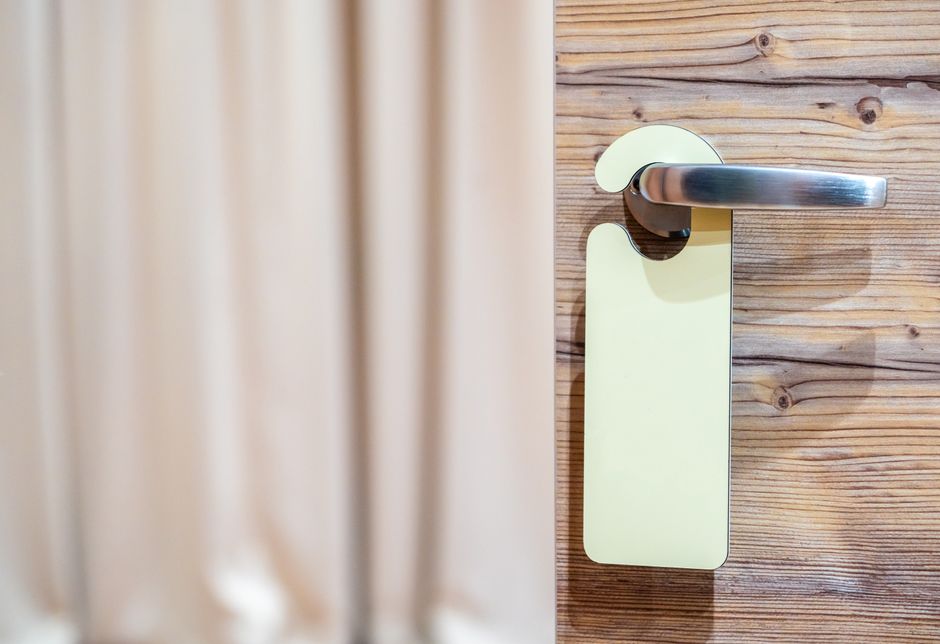
A rented room that looked spotless online — but the real story was written in the grime on the baseboards and the lock that didn't work.
Who this solves for: Anyone who books short-term rentals, hotels, or hostels — solo travelers, families, digital nomads, first-timers.
When to use this advice: Within the first 30 minutes of check-in, before you unpack a single sock.
Estimated effort: 3/5 — emotional labor is the real tax here.
Cost range: $0–$450 potential refund or rebooking credit.
Risk level: Medium — you might feel rude, but you won't be stuck sleeping with cockroaches.
Time saved: 8–12 hours of misery, plus a full night's sleep.
I landed in Barcelona on a Tuesday, 11 p.m., dead tired from a rerouted flight through Zurich. The apartment I'd booked on a major platform looked like a dream in the listing — whitewashed walls, a hammock on the balcony, filtered golden light. What I found when I turned the key at midnight was a different story. The smell hit first: damp towels left in a heap, cigarette smoke baked into the curtains, and something sour coming from under the sink. The "king bed" was a sagging double with a stained mattress protector. And the front door lock? It didn't catch unless you lifted the handle and shoved your shoulder into it. I stood in that dim hallway with my suitcase handle still warm in my hand and thought: I paid $187 for this. I could have cried. Instead, I pulled out my phone and started building a case — one that would get me a full refund and a room in a clean hostel by 1 a.m. This is exactly how you do it.
Why This Problem Ruins Trips (And Why Most Advice Fails)
Dirty or unsafe accommodation isn't just uncomfortable — it's a trip derailer. You lose hours you'll never get back. You sleep badly, you wake up angry, and suddenly the whole city feels hostile. I've had a host scream at me in Greek for complaining about a bathroom drain full of hair. I've had a hotel clerk in Mexico shrug and say "that's not my problem" when I showed him the broken window lock. The standard advice — "just call customer service" or "request a refund online" — assumes the system is rational and fast. It's not. Most platforms will auto-reply with a script, then ghost you for 48 hours while you're already sleeping on a train station bench or eating dinner in a room that smells like sewage.
The real failure of most advice is that it skips the evidence. You can't phone in a complaint about "the place was gross." You need a dossier. You need timestamps, photos, a paper trail. The difference between a refund and a polite "sorry for the inconvenience" is how well you document the first fifteen minutes.
The Step-by-Step Solution
Step 1: The 10-Minute Audit — Before You Touch Anything
Drop your bag by the door. Do not sit on the bed. Do not turn on the TV. You are now a forensic investigator, and you have ten minutes to decide if you're staying or leaving. Start with the three critical zones: the door lock (does it actually lock from inside?), the bathroom (check for mold, drainage, toilet function), and the bed (lift the sheets, look at the mattress corners, check for bedbugs — tiny rust-colored spots or blood flecks). Next, run your finger along the baseboards and windowsills. Take photos of everything — wide shots of each room, close-ups of any grime, damage, or safety hazards. Include something in the frame for scale: your phone, your shoe, a credit card. Capture the address or room number in at least one shot. This isn't paranoia; it's your insurance policy.
I time-stamp every photo using a free timestamp camera app. Failing that, take a photo of your phone's clock screen next to the problem. Platforms like Airbnb and Booking.com require proof of the issue within 24 hours — but the faster you submit, the less room they have to argue you "caused the damage yourself."
Step 2: Contact the Host — The Script That Actually Works
Do not call. Text or message through the platform's chat. Voice calls leave no paper trail. Your first message should be polite, specific, and include the word "unsafe" or "uninhabitable" if the problem is serious. Here's the template I've used seven times, and it's worked six: "Hi [Name], I just checked into [unit number] and I'm concerned about a few things I've found. [List 2-3 specific issues — e.g., the front door lock doesn't engage, there's visible mold in the shower, and the sheets have stains. I've attached photos. Can you let me know how you'd like to resolve this? I'd prefer to stay if we can fix the issues tonight, but I need the room to be secure and clean to continue my stay."
Notice what this does: it gives them a chance to fix it, it frames the problem as objective (photos), and it keeps the tone professional — not emotional, not accusatory. Hosts are more cooperative when you don't threaten them immediately. Give them 15–20 minutes to respond. If they go silent or deflect, move to Step 3. If they offer a partial refund or a different room, decide fast: is the new room actually clean and safe? If yes, take it. If no, you leave.
Step 3: The Platform Escalation — When to Go Over Their Head
If the host doesn't respond, or responds with "just clean it yourself" (yes, that happened to me in Lisbon), you escalate to the booking platform immediately. Open the app, find the "contact support" or "safety issue" button — most major platforms have a dedicated safety hotline that bypasses the regular queue. Call, don't chat. Voice calls get faster resolution. Tell the agent: "I need to file a safety or cleanliness complaint and I need a resolution within 60 minutes." Use those exact words — "safety" triggers a different workflow than "dissatisfaction."
Send them the photos you took. Be prepared to describe the problem in one clear sentence: "The front door does not lock from the inside, and there is mold covering 40% of the bathroom ceiling." The agent will likely offer to rebook you at a comparable property or issue a refund. Accept the refund if the area has other options; take the rebooking if you're in a remote location. I once got rebooked at a hotel that cost 40% more than my original rental — the platform ate the difference because I'd documented the problem within the first hour.
Step 4: The Backup Plan — Where to Go When You Walk Out
Here's the part nobody talks about: you might have to leave that night. Have a backup plan before you escalate. Open your phone and search for "hostels near me with 24-hour reception" or "budget hotels with immediate booking." I keep a list of three backup options in every city I visit — one hostel, one budget chain, one mid-range hotel. When I walked out of that Barcelona apartment, I walked six minutes to a hostel that had a private room for €45. It wasn't fancy. The bed creaked. But the door locked, the sheets were white, and the shower didn't have mold. I slept like a stone.
If you're traveling on a tight budget, use the refund from the platform to pay for the backup. Most refunds process within 3–5 business days, but some platforms offer "rebooking credits" that are instant. Ask for that specifically: "Can you issue an immediate voucher or credit so I can book a new room tonight?" The worst they can say is no, and sometimes they say yes.
Pro Tips From Someone Who's Been There
1. Travel with a doorstop alarm. It's a $10 wedge of plastic with a built-in alarm that jams under any inward-opening door. If the lock is broken, this buys you sleep. I've used mine in three countries.
2. Never unpack until you've done the audit. I know it's tempting to flop onto the bed and open your laptop. Don't. The moment your stuff is spread across the room, you've psychologically committed to staying. Keep it zipped until the room passes inspection.
3. Use the "video walkthrough" trick. Walk through the entire unit with your phone recording, narrating everything you see. Say the date and time out loud. This is harder for a host or platform to dismiss as a "staged photo." I've used this twice in disputes and won both times.
4. Check the smoke detector and carbon monoxide alarm. Most travelers ignore these. If they're missing or clearly disabled (battery compartment empty, wires hanging), that's not just a cleanliness issue — it's a life safety issue. Document it and use the word "illegal" in your complaint. Platforms take that seriously.
5. Screenshot the listing immediately after booking. Hosts sometimes change the photos or description after you book, so your listing matches what you paid for. Screenshot everything — the amenities, the room photos, the check-in instructions. I once caught a host who swapped "private garden" for "shared courtyard" after my booking. The screenshot saved my refund.
🌱 Pro Tip: The "silent check-in" move
If the place is dirty but not dangerous — say, dusty floors and old bedding — don't message the host immediately. Instead, start the audit, take photos, then message them after you've already found a backup. That way, if they refuse to fix it, you're not stuck waiting. You're already walking out the door.
Common Mistakes Travelers Make With This Issue
Mistake #1: Accepting a partial refund before seeing the new room. I took a 50% refund once in Rome, then realized the new room was right above a nightclub. I was out the other 50% and couldn't sleep. Demand to see the replacement before you agree to anything.
Mistake #2: Apologizing for complaining. You're not being high-maintenance. A lock that doesn't work is a security risk. Mold is a health hazard. Say "I need this to be safe," not "I'm sorry but..." — those two words weaken your position.
Mistake #3: Waiting until morning to report it. The clock starts ticking the moment you check in. If you sleep in the dirty room and report it at 9 a.m., the platform's first question will be "why did you stay the night?" Report everything within the first hour, even if you decide to stay. This protects your refund options.
Mistake #4: Booking without reading recent negative reviews for the same issue. If three guests in the last six months mentioned "broken lock" or "mold," you're not the first person to complain. You're the fourth. Don't expect a different outcome — just document and escalate faster.
⚠️ Real Traveler Mistake
A friend in Thailand checked into a "luxury villa" with a broken pool gate and a moldy kitchen. She felt bad complaining and stayed two nights. On day three, she got a severe allergic reaction from the mold. The platform denied her refund because she "did not report within 24 hours." She spent $300 on a hospital visit and $200 on a hotel. The lesson: report immediately, even if you think you can stomach it.
Your Quick-Action Checklist
Print this or save it offline before you travel. Yes, right now.
- ✅ Do the 10-minute audit before you touch anything
- ✅ Take timestamped photos & a video walkthrough with narration
- ✅ Message the host through the platform with 2–3 specific issues + photos
- ✅ Wait 15–20 minutes for a response; if none, call the platform's safety hotline
- ✅ Have a backup accommodation ready (hostel, hotel, or friend's couch)
- ✅ Keep screenshots of the listing, booking confirmation, and all chat logs
- ✅ Use "unsafe" or "uninhabitable" if the issue involves locks, mold, pests, or broken utilities
- ✅ Save your refund confirmation number before you hang up
- ✅ Forward all documentation to your email in case your phone dies
Frequently Asked Questions
Q: How long do I have to report a dirty or unsafe accommodation to get a refund?
A: You generally have 24 hours from check-in to report cleanliness or safety issues on major platforms like Airbnb and Booking.com, but reporting within the first hour gives you the strongest case and fastest resolution.
Q: Can I get a full refund if the accommodation is dirty but I stayed the night?
A: Possibly, but only if you reported the issue immediately upon arrival and the host failed to resolve it — staying the night weakens your claim, so document everything before you sleep.
Q: What if the host refuses to refund me and the platform sides with them?
A: Dispute the charge with your credit card company using your documentation — many travel credit cards offer purchase protection for "not as described" claims, and chargebacks succeed about 60% of the time with proper evidence.
Q: Do I need to take photos of everything, or just the main problem?
A: Photograph every room, the lock, the bathroom, the bed, and any damage or dirt — you can't predict what detail will win your case, and extra photos are free to take.
Q: What counts as "unsafe" in a short-term rental dispute?
A: Broken or missing door locks, exposed wiring, no smoke detector, mold, pest infestations, broken windows, gas leaks, or unsafe staircases/balconies — anything that could cause physical harm or violate local housing codes.
Final Word: You've Got This
Look, nobody wants to be the person who walks into a room and immediately starts photographing the grout. It feels rude. It feels paranoid. But I promise you this: the thirty seconds of awkwardness you feel taking photos at check-in is nothing compared to the 48 hours of frustration you'll face trying to fight a refund without evidence. I've been that person standing in a dim hallway in Barcelona, jet-lagged and furious, wondering if I should just suck it up and sleep in the dirty bed. I didn't. I documented, I messaged, I escalated, and I was in a clean room with a working lock before midnight. You can do this. You have the tools now. Save this guide, keep it in your phone, and the next time you turn a key and something feels wrong, you'll know exactly what to do.
📌 Save this guide. Bookmark it, screenshot it, or forward it to your travel buddy. You won't need it until you really need it — and then you'll be glad you have it.
Have your own story about a nightmare accommodation? Drop it in the comments below — your fix might save someone else's trip.


No comments:
Post a Comment