
Introduction: Why Choosing the Right Area in Tokyo Matters
Figuring out where to stay in Tokyo can feel like solving a puzzle with a thousand moving pieces. The city isn’t just a single downtown core surrounded by suburbs. It’s a constellation of distinct neighborhoods, each pulsing with its own personality, rhythm, and reason for being. In 2026, with Tokyo continuing to evolve at lightning speed, your choice of base directly shapes your entire trip experience. Pick the right neighborhood and you’ll feel like a local within hours. Pick the wrong one and you might spend precious vacation time commuting through the world’s busiest train stations when you should be eating ramen in a lantern-lit alley.
Tokyo’s sheer scale is often underestimated. The Greater Tokyo Area is home to nearly 37 million people, spread across wards that function almost like small cities themselves. A hotel in peaceful Asakusa offers a completely different trip than a hotel in neon-drenched Kabukicho. One traveler might want temple bells and morning tai chi, while another craves underground jazz bars and 3 a.m. yakitori. Both versions of Tokyo exist, often just a few metro stops apart. That’s why the question of where to stay in Tokyo isn’t just about finding a bed. It’s about curating the version of the city you want to wake up in.
Transportation is the lifeblood of this decision. The Yamanote Line, Tokyo’s iconic loop train, connects most major hubs. Staying near a Yamanote station unlocks the city with remarkable ease. But even within that loop, distances and travel times can surprise you. A hotel that looks close to Shinjuku on a map might actually be a 20-minute walk from the station, which matters when you’re carrying shopping bags or trying to catch the last train. In 2026, with inbound tourism projected to remain at record highs, proximity to efficient transit is more valuable than ever. You don’t want to spend your mornings navigating complex transfers before you’ve even had coffee.
Budget also plays a starring role in this decision, but Tokyo defies simple luxury-versus-backpacker categories. A capsule hotel in Ginza might cost more than a spacious business hotel in Ueno. A traditional ryokan in a quiet residential ward could deliver more cultural immersion than a five-star international chain. The city’s accommodation landscape in 2026 has diversified enormously. Apart-hotels with kitchenettes, designer hostels with co-working spaces, and restored machiya townhouses now sit alongside the classic high-rise hotels. This variety means you can find something that matches both your wallet and your travel style, but only if you know which neighborhoods to look in.
Safety is a common concern for first-time visitors, and here Tokyo delivers universal reassurance. The city consistently ranks among the safest metropolises on earth. Solo travelers, including women, routinely walk home at midnight without incident in most areas. That said, each neighborhood has its own nighttime vibe. Shinjuku’s Kabukicho district is lively and generally safe but comes with the usual cautions about touts and overpriced bars that exist in any entertainment district globally. Meanwhile, residential areas like Meguro or Nakano settle into a tranquil hush after 10 p.m. Understanding these nuances helps you match your comfort zone to your chosen base.
The 2026 edition of Tokyo also brings fresh considerations. Several major redevelopment projects are reaching completion, including new complexes around Shibuya and Toranomon Hills. These shiny additions bring new hotels, restaurants, and public spaces that can tip the scales when choosing where to stay in Tokyo. Additionally, the city’s ongoing push toward multilingual signage and digital payment options makes it easier than ever to stay slightly off the beaten path without feeling lost. Neighborhoods that felt intimidating five years ago now welcome international guests with open arms and translated menus. This means your options are wider than they’ve ever been.
Ultimately, the best neighborhood for you depends on your itinerary, your interests, and your tolerance for crowds. A food-obsessed traveler might prioritize proximity to Tsukiji’s outer market and the tiny bars of Yurakucho. A family with young children might value the open spaces of Odaiba or the zoo at Ueno Park. A fashion-forward visitor on a shopping mission will gravitate toward Shibuya or Harajuku. There’s no single correct answer, but there is a correct answer for you. The following guide breaks down Tokyo’s most compelling accommodation zones for 2026, giving you the honest, detailed picture you need to make that choice with confidence.
Shinjuku: The Never-Sleeping Heart of Tokyo
Shinjuku is Tokyo turned up to maximum volume. It’s a place where skyscrapers cast shadows over tiny yakitori alleys, where the world’s busiest train station funnels over 3.5 million people daily, and where you can eat Michelin-starred sushi at noon and sing karaoke in a velvet-lined booth at 2 a.m. For many travelers wrestling with the question of where to stay in Tokyo, Shinjuku emerges as the instinctive answer. It’s the Tokyo of Blade Runner dreams and travel brochure covers. In 2026, it remains the city’s most comprehensive base, offering every accommodation type imaginable, from opulent five-star towers to budget-friendly capsule hotels that feel like spaceships.
The area splits naturally into distinct zones, each with its own character. West of the station, the skyscraper district feels almost corporate and polished, home to the Tokyo Metropolitan Government Building and its free observation deck with staggering views of Mount Fuji on clear days. East of the station buzzes with the controlled chaos of Kabukicho, Japan’s largest entertainment district, where izakayas, arcades, and the newly opened Tokyu Kabukicho Tower create a 24-hour carnival atmosphere. Then there’s the southern side, where Shinjuku Gyoen National Garden spreads its manicured lawns and cherry blossom groves, offering a serene counterpoint to the surrounding urban intensity. Understanding this geography helps you pinpoint exactly which pocket of Shinjuku matches your travel style.
Shinjuku’s accommodation strength lies in its sheer variety and density. The ward contains more hotel rooms than any other district in Tokyo. Major international chains like Hilton, Hyatt, and Kimpton have flagship properties here. Japanese hospitality groups operate sleek business hotels where efficiency meets comfort. Budget travelers find some of the city’s most social hostels and reliable capsule hotels within a five-minute walk of the station. In 2026, several properties have completed renovations, refreshing rooms and adding the universal USB-C ports and smart-room features that modern travelers appreciate. The competition among hotels here keeps standards high and prices surprisingly reasonable at the mid-range level.
Food is another compelling reason to plant your flag in Shinjuku. The neighborhood contains an estimated 10,000 restaurants. Omoide Yokocho, the narrow alley nicknamed “Piss Alley,” packs dozens of tiny eateries into a space no wider than a hallway, serving grilled skewers and ice-cold beer in a setting that feels frozen in the 1950s. Shinjuku’s ramen scene alone could occupy a dedicated food tour, with legendary shops like Fuunji serving tsukemen dipping noodles to perpetually snaking queues. For high-end dining, the top floors of Shinjuku’s skyscrapers house restaurants where you can pair kaiseki cuisine with glittering night views. You could stay in Shinjuku for a month and never exhaust its culinary possibilities.
Entertainment options cascade through every hour of the day. Shinjuku is home to the Samurai Museum, the VR Zone, and the tiny Golden Gai district where over 200 miniature bars seat just a handful of patrons each. These bars, many occupying second-floor spaces up narrow staircases, range from welcoming international haunts to members-only spots where regulars have been drinking for decades. The Robot Restaurant may have closed, but 2026 has seen new immersive art installations and themed cafes fill the gap. Shinjuku’s movie theaters, including the Toho Cinemas complex that features a life-size Godzilla head roaring above the building, add yet another dimension to your evenings. Staying here means the night is always young.
Shopping completes the package. Multi-level electronics stores like Bic Camera and Yodobashi Camera compete for your attention with their bewildering floors of gadgets, beauty products, and toys. Department stores including Isetan and Takashimaya represent the pinnacle of Japanese retail, where the basement food halls alone warrant a dedicated visit. Don Quijote’s labyrinthine Shinjuku branch operates 24 hours, perfect for late-night souvenir hunting. Fashion spans the spectrum from Uniqlo’s flagship to vintage stores tucked into side streets. Shinjuku doesn’t just offer a place to sleep. It offers a complete, self-contained Tokyo experience where everything you want is within walking distance.
Best Hotels in Shinjuku for Every Budget
Luxury seekers in Shinjuku have exceptional choices in 2026. The Park Hyatt Tokyo, immortalized in Lost in Translation, continues to define understated elegance with its sky-high swimming pool and live jazz at the New York Bar. The Kimpton Shinjuku Tokyo, a relative newcomer, brings playful design and a pet-friendly policy to the neighborhood, complete with a rooftop bar that draws a stylish local crowd. For a more classic Japanese luxury experience, the Keio Plaza Hotel offers rooms with traditional tatami areas and views stretching to Mount Fuji, all directly connected to the station’s west exit.
Mid-range options abound and often deliver outstanding value. The JR Kyushu Hotel Blossom Shinjuku occupies a prime spot just minutes from the south exit, with rooms that feel spacious by Tokyo standards and bathrooms featuring deep soaking tubs. Citadines Central Shinjuku offers apartment-style rooms with kitchenettes, ideal for longer stays or travelers who want the option of preparing simple meals. Hotel Sunroute Plaza Shinjuku remains a reliable workhorse, popular with tour groups for its unbeatable location facing the station’s southern entrance and its efficient, spotless rooms.
Budget travelers find Shinjuku surprisingly accommodating. The Millennials Shibuya gets more hype, but Shinjuku’s branch of the same chain offers a similarly sleek capsule experience with app-controlled reclining beds and a lively communal lounge. Imano Tokyo Hostel provides dorm beds and private rooms aimed at a young, international crowd, with a ground-floor bar that doubles as a social hub. For solo travelers who want privacy without the price tag, the Shinjuku Kuyakusho-mae Capsule Hotel delivers a spotless, quiet environment with separate floors for men and women, sauna access included, at rates that leave plenty of yen for ramen.
Shinjuku Nightlife and Dining Scene
Nightlife in Shinjuku operates on a spectrum from refined to raucous. Golden Gai remains the crown jewel for adventurous drinkers, its 200-plus tiny bars each seating around six people and often specializing in a single theme, from French cinema to jazz vinyl to vintage video games. Bar Albatross, with its chandeliers and friendly English-speaking staff, makes a welcoming entry point. A few streets away, the less touristy Omoide Yokocho focuses on food, with smoke billowing from charcoal grills and salarymen loosening their ties over skewers of pork belly and glasses of highball whiskey.
Dining in Shinjuku rewards exploration. The top floors of the Odakyu department store house a restaurant floor where queues form for tonkatsu at Tonki and tempura at Tsunahachi. For sushi, the conveyor-belt chain Numazuko offers fresh neta at reasonable prices without the tourist markups of Tsukiji-adjacent spots. Shinjuku’s Korean town, clustered around Shin-Okubo station just north of the main hub, serves bubbling stews and crispy fried chicken in neon-lit restaurants that stay open late. Vegetarians and vegans, often challenged in Tokyo, find refuge at Ain Soph Journey, a plant-based restaurant with fluffy pancakes and hearty curry plates that even carnivores enjoy.
Getting Around from Shinjuku Station
Shinjuku Station is a legend and a labyrinth, but once mastered it becomes your key to effortless Tokyo exploration. The station serves over a dozen train and subway lines including the JR Yamanote loop, the Chuo Line rapid service to Nakano and Kichijoji, the Odakyu Line to Hakone, and the Narita Express for direct airport access. In 2026, the ongoing renovations to streamline the station’s east-west passageways have improved navigation, with clearer English signage and wider corridors reducing the infamous pedestrian bottlenecks.
Practical tips make a difference here. The south exit is generally less chaotic than the west or east exits, making it a smart meeting point and a convenient hotel location. The underground passageways connect directly to most nearby hotels and department stores, so you can walk from your hotel to the platform without getting rained on. For day trips, the Odakyu Romancecar departs from Shinjuku’s dedicated platforms, whisking you to Hakone’s hot springs in about 85 minutes. The express bus terminal at the station’s south side, renovated for the 2020 Olympics and still gleaming, connects to destinations across Japan including Kawaguchiko for Mount Fuji views. Staying in Shinjuku means you’re never more than a few steps from a connection to anywhere.
Shibuya: Trendy, Youthful, and Iconic
Shibuya is Tokyo’s cultural pulse point, a neighborhood that defines and redefines cool with every passing season. It’s the home of the Scramble Crossing, that hypnotic flood of humanity captured in countless films and photographs. It’s where fashion trends are born on the backs of teenagers and where tech startups cluster in repurposed warehouses. When travelers ask where to stay in Tokyo and their priority is energy, youth culture, and being at the center of the action, Shibuya answers with a confident, neon-lit grin. In 2026, following years of massive redevelopment, Shibuya feels both futuristic and deeply rooted in its history as Tokyo’s trendsetting heart.
The neighborhood has transformed dramatically with the completion of the Shibuya Scramble Square complex and the surrounding Shibuya Station redevelopment. The Shibuya Sky observation deck, perched 230 meters above the crossing, offers an open-air panorama that has quickly become one of Tokyo’s essential experiences. Around the station, new pedestrian plazas, public art installations, and elevated walkways have created breathing room in what was once a notoriously congested area. These improvements make staying in Shibuya more pleasant than ever, with genuine public spaces where you can pause and people-watch without being swept along by the crowd.
Shibuya’s accommodation landscape reflects its dual identity as both a cutting-edge trendsetter and an increasingly sophisticated urban center. The neighborhood has moved beyond its reputation for love hotels and basic business accommodations. Today’s Shibuya offers design-forward boutique hotels, sleek apartment-hotels with minimalist aesthetics, and even a handful of luxury properties that rival anything in Ginza or Marunouchi. The 2026 hotel scene here caters to creative professionals, fashion-conscious travelers, and anyone who wants their accommodation to feel like part of the experience rather than just a place to crash.
The area’s compact geography works in its favor. Unlike sprawling Shinjuku, Shibuya’s main attractions cluster within a walkable radius. The shopping streets of Center Gai, the tree-lined boulevard of Koen-dori, the hidden speakeasies of Dogenzaka, and the serene grounds of Meiji Jingu shrine all sit within 15 minutes of each other on foot. This density means a Shibuya hotel puts more of your itinerary within strolling distance. You can shop for vintage denim, eat award-winning ramen, and catch a live band all before lunch without once descending into the subway. That pedestrian-friendly scale is a genuine quality-of-life advantage that reveals itself more each day you stay here.
Where to Stay in Shibuya: Luxury to Capsule Hotels
Shibuya’s luxury tier, while smaller than Shinjuku’s, has grown impressively. The Shibuya Excel Hotel Tokyu, directly connected to the station, offers rooms with floor-to-ceiling windows overlooking the Scramble Crossing. Watching the crossing from your bed at midnight, when the crowds thin and the neon reflects off wet asphalt, is a quintessential Tokyo experience. The Cerulean Tower Tokyu Hotel, a short walk from the station’s west exit, occupies a skyscraper where higher-floor rooms deliver panoramic views and the hotel’s jazz club draws top international acts. For something more intimate, the Trunk Hotel in the Cat Street area blends boutique design with a strong sustainability ethos, its rooms featuring reclaimed materials and its lobby doubling as a popular workspace for Tokyo’s creative class.
Mid-range and budget options in Shibuya punch above their weight. The Shibuya Stream Excel Hotel Tokyu, part of the redeveloped Shibuya Stream complex, offers sleek, compact rooms aimed at design-conscious travelers who plan to spend more time exploring than lounging in bed. Dormy Inn Premium Shibuya Jingumae provides a Japanese business hotel experience with a twist: a natural hot spring bath on the top floor and complimentary late-night ramen. For capsule enthusiasts, The Millennials Shibuya sets the standard with its pod-style sleeping capsules, app-controlled lighting and reclining, and a co-working lounge that fosters genuine social interaction. Nine Hours Shibuya offers a more minimalist, almost sculptural capsule experience, with its signature sleeping pods arranged in a futuristic, hushed environment perfect for a single night or a memorable one-off stay.
Shibuya’s Shopping and Entertainment Hotspots
Shopping in Shibuya is a masterclass in variety. Shibuya 109, the cylindrical temple of teenage fashion, remains relevant in 2026 by incubating new designers and hosting pop-up events that draw style-obsessed crowds. Across the street, Shibuya Hikarie offers a more grown-up retail experience, its floors packed with curated Japanese design goods, artisanal food halls, and a theater hosting contemporary performances. The backstreets between Shibuya and Harajuku, particularly the Cat Street area, hide independent boutiques, vintage stores, and the kind of concept shops where you might find a single rack of hand-dyed indigo clothing and a barista pulling espresso behind a hidden door.
Entertainment extends deep into the night. Shibuya’s live music venues form the backbone of Tokyo’s indie scene. Clubs like WWW and duo Music Exchange host everything from punk bands to electronic producers in intimate spaces where you can stand meters from the stage. The Nonbei Yokocho alley, Shibuya’s answer to Shinjuku’s Golden Gai, squeezes tiny bars into a sliver of land beside the railway tracks, their noren curtains fluttering as trains rumble past. For a more polished evening, the rooftop bars atop the newer skyscrapers serve craft cocktails with views stretching to Tokyo Tower and beyond. Shibuya’s entertainment isn’t just preserved nostalgia or futuristic gloss. It’s a living, evolving blend that rewards curious travelers who wander beyond the obvious.

Asakusa: Traditional Tokyo with a Modern Twist
If you want to feel the soul of old Edo without sacrificing modern comfort, Asakusa is your answer. This district is where you'll find the scent of incense drifting from ancient temples, rickshaw drivers calling out to tourists, and centuries-old craft shops tucked between family-run izakayas. It's one of the most atmospheric places to consider when deciding where to stay in Tokyo, especially for first-time visitors craving that postcard-perfect Japanese experience.
Unlike the neon-drenched chaos of Shinjuku or the sleek glass towers of Marunouchi, Asakusa moves at a gentler pace. The area has undergone a subtle renaissance heading into 2026, with several boutique hotels and renovated guesthouses breathing new life into its historic streets while preserving the shitamachi (downtown) charm. You'll wake up to the sound of temple bells, not train announcements, yet you're only a short subway ride from the city's modern core.
The neighborhood truly shines in the early morning and late evening. Before the tour buses arrive, you can have Sensoji Temple's sprawling grounds almost to yourself. After dark, the illuminated Skytree reflects in the Sumida River, and the lantern-lit Nakamise-dori takes on a magical quality that photos can't quite capture. It's also surprisingly well-connected. The Ginza Line, Asakusa Line, and Tobu Railway all converge here, making it easy to reach Ueno, Akihabara, or even Nikko on a day trip.
Food lovers will appreciate the unpretentious culinary scene. From melt-in-your-mouth unagi (eel) restaurants that have operated for over a century to street stalls selling freshly made melon pan and ningyo-yaki (little doll-shaped cakes filled with red bean paste), Asakusa is a feast for the senses. For those asking where to stay in Tokyo on a tighter budget, this area offers some of the best value accommodations with a cultural depth that pricier districts often lack.
Ryokans and Budget Stays in Asakusa
Asakusa is one of the few central neighborhoods where you can still find authentic ryokan experiences without remortgaging your house. A ryokan stay here typically means sleeping on a futon laid over tatami mats, soaking in a deep ofuro bath, and padding around in a yukata robe. Properties like Cyashitsu Ryokan Asakusa offer an intimate, design-forward take on the traditional inn, blending tea-house aesthetics with modern minimalism. For a more classic experience, Ryokan Kamogawa remains a family-run gem where the hospitality feels genuinely personal rather than performative.
The budget hostel scene has matured beautifully by 2026. Gone are the days of cramped, fluorescent-lit dormitories. Newer openings like KAIKA Tokyo by The Share Hotels occupy converted heritage buildings, offering sleek private rooms and art-filled common spaces at remarkably fair prices. You'll find pod hotels with privacy screens, female-only floors, and communal kitchens where travelers swap tips over morning coffee. These aren't just places to crash; they're designed to foster connection without sacrificing comfort.
Mid-range business hotels like Richmond Hotel Premier Asakusa International and The Gate Hotel Kaminarimon deliver exceptional value, often including rooftop terraces with direct Skytree views. What makes these properties stand out is their location. You can roll out of bed and be standing at the Kaminarimon Gate within three minutes. For anyone mapping out where to stay in Tokyo while prioritizing culture and cost-efficiency, Asakusa's accommodation landscape provides a sweet spot that's increasingly rare in the capital's more commercialized zones.
A quick tip: rooms with balconies overlooking the Sumida River book out months in advance for summer fireworks season. If your 2026 trip coincides with the Sumida River Fireworks Festival in late July, secure your reservation early. Even if you skip the festival, the riverside rooms offer a serene vantage point for watching water buses glide past and the Skytree transition through its evening illumination sequence.
Exploring Sensoji Temple and Riverside Views
Sensoji Temple isn't just Tokyo's oldest Buddhist temple; it's the beating heart of Asakusa and an experience that shifts dramatically depending on when you visit. Arrive at dawn to witness monks chanting sutras in near solitude, the main hall's lanterns glowing softly against the pre-dawn sky. By mid-morning, Nakamise-dori, the 250-meter approach lined with 89 shops, buzzes with energy as vendors hawk traditional snacks and handcrafted souvenirs. The contrast between the temple's sacred stillness and the street's carnival-like atmosphere captures Tokyo's duality perfectly.
The temple grounds reveal layers of history with every step. The massive red Kaminarimon Gate, with its 700-kilogram paper lantern, serves as the iconic entry point. Beyond it, the five-story pagoda and the main hall invite quiet reflection. Don't miss the omikuji stalls where you can draw your fortune for a 100-yen coin. Shake the metal cylinder until a numbered stick emerges, then retrieve your fortune from the corresponding drawer. If it's bad, tie it to the nearby racks and leave the misfortune behind. The ritual feels timeless, a small moment of cultural immersion that costs nearly nothing.
Once you've had your fill of incense and history, walk east toward the Sumida River. The riverside promenade underwent significant beautification ahead of 2026, with wider pedestrian paths, art installations, and terraced seating areas perfect for an afternoon rest. Water buses and the futuristic Himiko ferry, designed by manga artist Leiji Matsumoto, glide between Asakusa and Odaiba. The 40-minute river cruise offers a completely different perspective of Tokyo's skyline and beats sitting on a crowded train any day.
Across the river, the Tokyo Skytree looms, but the best view of it isn't from its observation deck. Walk to the Sumida Park terrace at dusk, when the tower's LED lights shift through "Iki" (pale blue) and "Miyabi" (purple) themes. Locals gather here with convenience store beers and bento boxes, turning an ordinary evening into something quietly spectacular. If you're still weighing where to stay in Tokyo and want mornings that start with temple walks and evenings that end with river breezes, Asakusa makes a compelling case that's hard to ignore.
Ginza & Tokyo Station: Luxury and Convenience Combined
When travelers ask where to stay in Tokyo for seamless logistics and polished sophistication, the Ginza and Tokyo Station area answers with authority. This is Tokyo operating at its most refined. Wide, tree-lined boulevards, flagship designer boutiques, and Michelin-starred restaurants set the tone in Ginza, while the Marunouchi district surrounding Tokyo Station pulses with corporate energy and architectural grandeur. The area's central position on the Yamanote Line loop means you can reach Shinjuku, Shibuya, or Ueno within 15 minutes.
What makes this zone truly special is how it transforms on weekends. The main street through Ginza, Chuo-dori, closes to vehicle traffic every Saturday and Sunday afternoon, becoming a pedestrian paradise where shoppers spill onto the asphalt and cafes set up outdoor seating. It's a civilized, almost European ritual that feels worlds away from the cramped scramble crossings elsewhere in the city. The Marunouchi side, meanwhile, quiets down as offices empty, revealing beautifully illuminated historic brick buildings and open-air terraces along Naka-dori street.
Accommodation here skews toward the high end, but the value proposition becomes clearer when you factor in transportation savings and time efficiency. Being able to walk back to your hotel after an early bullet train arrival or a late-night sushi dinner without navigating complex transfers is a luxury in itself. Business travelers will appreciate the proximity to corporate headquarters, while leisure visitors benefit from direct airport limousine bus connections and the sheer density of world-class dining within strolling distance.
Top 5-Star Hotels and Business Accommodations
The Ginza and Tokyo Station corridor harbors some of the city's most legendary addresses. The Palace Hotel Tokyo, overlooking the Imperial Palace moat and gardens, sets a standard for understated luxury that few can match. Rooms feature floor-to-ceiling windows framing protected green space, and the spa's onsen-style facilities provide an urban oasis. Nearby, The Tokyo Station Hotel occupies the meticulously restored red-brick station building itself, with rooms that whisper Art Deco elegance and a location that quite literally places you inside a national cultural asset.
For modern luxury, the Edition Toranomon and Bulgari Hotel Tokyo have injected fresh energy into the scene, drawing a younger, style-conscious crowd with rooftop bars and design-forward interiors. In Ginza proper, the Hyatt Centric Ginza Tokyo offers a slightly more accessible price point while maintaining five-star service standards. Its location places you steps from the Kabuki-za Theatre and the upscale Mitsukoshi department store, where the basement food hall alone warrants an hour of exploration.
Business travelers working with corporate budgets should look closely at the Marunouchi Hotel and the Shangri-La Tokyo, both directly connected to Tokyo Station. The real advantage here isn't just the thread count of the sheets; it's the ability to check in three minutes after stepping off the Narita Express. For those mapping out where to stay in Tokyo around conference schedules, these properties eliminate commute stress entirely. Several also offer executive lounges with substantial evening cocktail hours and breakfast spreads that rival standalone restaurants.
Don't overlook the mid-range business chains clustered on the Yaesu side of the station. Properties like the SUPER HOTEL Premier Tokyo Station Yaesu and Dormy Inn Premium deliver compact but brilliantly designed rooms, public baths, and complimentary ramen at night. These aren't luxury experiences, but they punch far above their weight class in terms of location and amenities for the price point.
Day Trips and Bullet Train Access from Tokyo Station
Tokyo Station isn't just a transit hub; it's the launchpad for some of Japan's most spectacular day trips. The shinkansen platforms here serve lines heading north, west, and south, meaning you can be eating fresh seafood in Kanazawa, hiking in Nikko, or soaking in a hot spring in Hakone within two hours of waking up. This connectivity fundamentally changes how you structure your trip, allowing you to treat Tokyo as a comfortable base camp rather than a city you need to escape.
Kamakura makes for an ideal first-timer day trip. The JR Yokosuka Line whisks you to this coastal temple town in just under an hour. You'll spend the day wandering between giant bronze Buddha statues, bamboo groves, and surf beaches, then return to your Ginza hotel in time for a late dinner. Nikko, reached via the Tohoku Shinkansen and a local line, rewards visitors with the lavishly gilded Toshogu Shrine and some of the most accessible waterfall hikes near the capital. The UNESCO World Heritage site feels culturally distinct from Tokyo, yet the round trip fits comfortably into a single day.
For a deeper cultural immersion, Karuizawa offers cool mountain air, upscale shopping, and cycling paths through larch forests just 70 minutes from Tokyo Station on the Hokuriku Shinkansen. In winter 2026, the resort town's ski slopes and onsen provide a snow-dusted contrast to Tokyo's mild climate. The Japan Rail Pass, if your itinerary justifies it, covers these journeys and transforms the economics of spontaneous day trips. Even without a pass, the efficiency of booking reserved seats at the station's JR East Travel Service Center makes the process painless for English speakers.
This day-trip flexibility is the strongest argument for choosing the Tokyo Station area as your base. When you're deciding where to stay in Tokyo and plan to take multiple regional excursions, the cumulative time saved by avoiding cross-city transfers to the shinkansen platforms each morning is enormous. You'll gain hours back in your itinerary, and after a long day of temple hopping or mountain trekking, knowing your hotel is steps from the arrival gate feels like a genuine privilege.
Roppongi & Akasaka: Cosmopolitan Vibes and Nightlife
Roppongi and Akasaka occupy a unique space in Tokyo's neighborhood ecosystem. This is where international business, contemporary art, and after-dark revelry collide in a way that feels distinctly global. Expats gravitate here for the English-friendly infrastructure and diverse dining scene, while art enthusiasts treat the Roppongi Art Triangle as a pilgrimage. If you're still pondering where to stay in Tokyo and want a neighborhood that never feels parochial or sleepy, this corridor delivers with confidence.
Roppongi shed much of its gritty reputation over the past decade. The area around Roppongi Hills and Tokyo Midtown now gleams with polished sophistication. The Mori Art Museum, perched on the 53rd floor of Roppongi Hills Mori Tower, pairs world-class contemporary exhibitions with a panoramic observation deck that rivals the more tourist-heavy Shibuya Sky. Tokyo Midtown, meanwhile, anchors the neighborhood's greener side, with the 21_21 Design Sight museum and Hinokicho Park offering cultural and natural breathing room between the high-rises.
Akasaka, just one subway stop away, feels like Roppongi's more mature sibling. Narrow lanes packed with tiny, excellent restaurants wind behind the main avenues, and the presence of the National Diet and numerous embassies lends a diplomatic, polished atmosphere. The area truly comes alive at night, when the office workers clear out and the izakayas, whiskey bars, and karaoke lounges fill with a mix of locals and international residents. You'll hear more languages spoken in Akasaka's eateries than almost anywhere else in the city.
Accommodation options span the full spectrum. The Ritz-Carlton Tokyo anchors the luxury end within Tokyo Midtown, offering rooms that start on the 45th floor with uninterrupted skyline views. The ANA InterContinental Tokyo, straddling the border between Akasaka and the government district of Kasumigaseki, remains a reliable choice for business travelers and diplomats. At the boutique end, the BnA STUDIO Akasaka offers artist-designed rooms where the wall murals and installations make each stay feel like sleeping inside a gallery. For budget-conscious travelers, the APA Hotel chain has several outposts here, though rooms run small even by Tokyo standards.
The nightlife in Roppongi divides into distinct tiers. High-end cocktail bars like Gen Yamamoto in Azabu-Juban offer omakase-style tasting menus of seasonal drinks crafted with meticulous precision. Club culture thrives at venues like V2 Tokyo and 1 OAK, where international DJs spin until dawn. For a more relaxed evening, the izakayas along Akasaka's Hitotsugi-dori serve cold beer, grilled skewers, and lively conversation at prices that won't destroy your travel budget. A practical note: Roppongi's touts and hostess bar promoters can be aggressive on the main strip, but a firm "no thank you" and continued walking is all the response required. Stay on the main streets and you'll avoid any discomfort entirely.
What ultimately distinguishes this area is its 24-hour energy. Unlike neighborhoods that shutter after the last train, Roppongi and Akasaka hum through the night with ramen shops, convenience stores, and lounges catering to jet-lagged arrivals and night owls alike. For travelers who want a base that matches their own cosmopolitan outlook, this corner of Tokyo feels less like a foreign destination and more like a global village where you happen to be sleeping in one of the world's most fascinating cities.
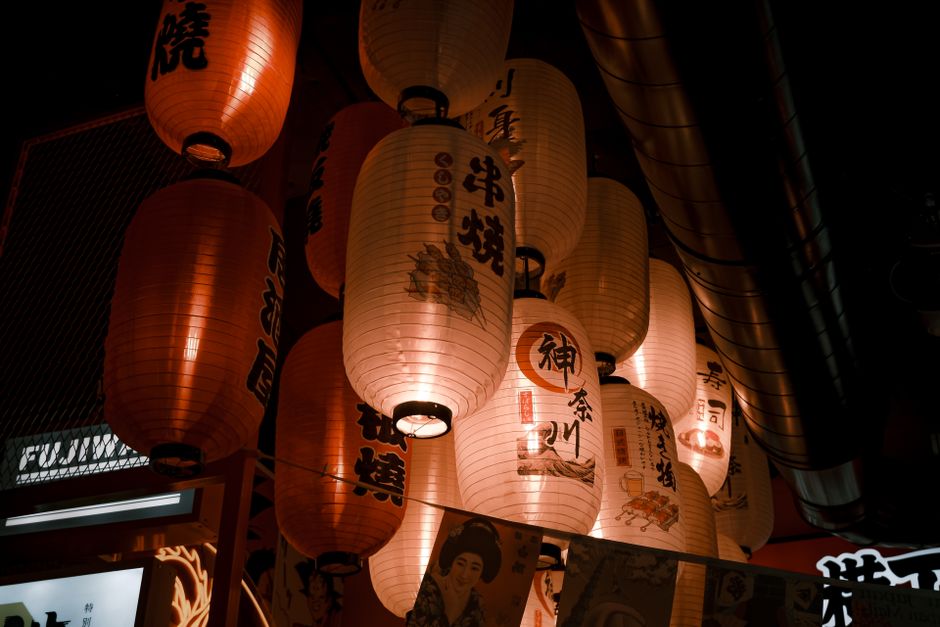
Ueno & Akihabara: Culture, Museums, and Otaku Heaven
Deciding where to stay in Tokyo often splits travelers into two distinct camps: those craving world-class art and serene parkland, and those who live for the electric buzz of neon arcades and manga shops. The adjacent districts of Ueno and Akihabara deliver both in spades, connected by a short walk or a single stop on the JR Yamanote line. Ueno offers a more laid-back, cultural atmosphere with Japan’s oldest public park, several national museums, and a famous zoo. Just south, Akihabara is a sensory explosion of electronics, anime, and gaming culture that has become legendary worldwide. Basing yourself here means easy access to Narita Airport via the Keisei Skyliner and a neighborhood dynamic that shifts from tranquil temple grounds to buzzing geek paradise within minutes. Hotels in this area have evolved dramatically for 2026, moving beyond basic business accommodations into themed experiences and renovated design-forward spaces.
The culinary scene is another major draw. Ueno’s Ameyoko market street is a chaotic, wonderful stretch of open-air food stalls and tiny restaurants serving fresh seafood bowls, yakitori, and cheap beer. In Akihabara, the food culture has matured beyond maid cafes, with excellent ramen joints, curry houses, and retro gaming-themed bars popping up in back alleys. Whether you are a solo traveler hunting for vintage Nintendo cartridges or a family needing a convenient base for museum days, the Ueno-Akihabara corridor offers some of the best value in central Tokyo. The area sees fewer international luxury flagships than Shinjuku or Ginza, which keeps prices remarkably competitive, especially in the mid-range category.
Affordable Stays Near Ueno Park and Ameyoko Market
Ueno is arguably the best answer to where to stay in Tokyo for budget-conscious culture lovers. The area surrounding the massive Ueno Park is packed with affordable hotels that punch well above their weight class, offering surprisingly spacious rooms by Tokyo standards. The park itself is a cultural goldmine: the Tokyo National Museum, the National Museum of Western Art, and the Metropolitan Art Museum are all within a five-minute stroll of each other. In spring 2026, this is also one of the city’s prime cherry blossom viewing spots, with the central pathway becoming a tunnel of pink petals.
For affordable lodging, consider the newly refreshed Hotel Sardonyx Ueno, which includes a complimentary breakfast that goes well beyond typical toast and coffee, offering Japanese curry and fresh salads. A short walk away, Mitsui Garden Hotel Ueno provides a slightly more polished experience with a rooftop terrace overlooking the park, yet still keeps nightly rates well under luxury thresholds. The real secret to saving money here, however, is the Ameyoko market itself. Rather than booking an expensive hotel restaurant dinner, you can assemble an incredible meal from market vendors selling everything from giant grilled scallops to Taiwanese-style shaved ice.
- Ueno First City Hotel: A no-frills business hotel with spotless rooms, located literally steps from Ameyoko’s food stalls and the Yamanote line entrance.
- APA Hotel Ueno Ekimae: Compact but brilliantly located, this chain offers excellent bedding and a communal bath on the top floor with views of the Sumida River.
- Centurion Hotel Ueno: A stylish boutique option where rooms feature wooden accents and large desks, perfect for digital nomads needing a workspace.
- Kinuya Hotel: A classic Japanese-style inn option with tatami mat rooms and shared baths, offering a traditional experience at a hostel-level price point.
Travelers should note that Ueno becomes especially busy during summer festival season and the spring cherry blossom peak. Booking at least two months ahead for March and April 2026 stays is strongly recommended. The neighborhood also connects directly to both Narita and Haneda airports, making it a supremely practical first or last stop on any Japan itinerary. Unlike the more corporate eastern side of the station, the park-side hotels offer quiet mornings where the only sound might be crows cawing over Shinobazu Pond’s lotus beds.
Akihabara’s Unique Accommodations for Anime Lovers
For anime fans and gamers, the question of where to stay in Tokyo has a single answer: as close to Akihabara’s Electric Town as possible. This district has transformed its hotel landscape dramatically for 2026, moving from dated business hotels to immersive accommodations that celebrate Japanese pop culture. The streets here are a playground of multi-story arcades, glass cases filled with rare figurines, and specialty shops dedicated to everything from model trains to vintage video games. Staying overnight means you can explore until the last arcade closes and wake up to a quiet Akihabara that most day-trippers never see, when the maids aren’t handing out flyers and the neon has just dimmed.
The standout accommodation is the Remm Akihabara, directly connected to the station. Its rooms feature massage chairs as standard, a godsend after hours of walking through massive Yodobashi Camera or navigating crowded hobby shops. For a truly themed experience, the Anime Hotel Tokyo has opened permanent floors dedicated to rotating popular series, where rooms are decked out with exclusive artwork, themed alarm clocks, and life-sized character standees. Even mid-range options like Dormy Inn Akihabara now lean into the local culture with retro gaming lounges in their lobbies, stocked with classic Famicom consoles and free ramen served nightly.
- Remm Akihabara: Sleek rooms with rain showers and built-in massage chairs, located directly above the station for unbeatable convenience.
- Anime Hotel Tokyo: Fully immersive themed rooms that change seasonally, featuring limited-edition merchandise you can only get by booking a stay.
- Dormy Inn Akihabara: A hot-spring bath on the top floor, free late-night soba noodles, and a retro game corner make this a favorite for relaxing after long shopping days.
- Akihabara Washington Hotel: A reliable classic with views directly over the main strip’s neon glow, recently renovated with manga-styled accent walls.
Practical tip: many smaller Akihabara hobby shops close by 8 PM, but the arcades, major electronics stores, and restaurants run late. Book a hotel slightly set back from the main drag if you are a light sleeper, as the neon and street noise can persist until midnight. The area’s proximity to Ueno also means you can easily split your time between museum mornings and gaming nights, giving you two radically different Tokyo experiences from a single hotel base.
Harajuku & Aoyama: Fashion-Forward and Stylish Stays
When travelers debate where to stay in Tokyo for a dose of cutting-edge creativity, the answer often lies in the fascinating contrast between Harajuku and Aoyama. These adjacent neighborhoods, linked by the elegant Omotesando avenue, represent two sides of Tokyo style: one youthful, chaotic, and trend-obsessed, the other refined, architectural, and quietly luxurious. Harajuku explodes with color on Takeshita Street, where crepe stands and vintage clothing shops compete for attention with the latest TikTok-born fashion brands. Walk just ten minutes east, and Aoyama greets you with minimalist designer flagships by Pritzker Prize-winning architects, hidden art galleries, and some of the city’s most sophisticated cafes. Staying here places you in the creative heart of Tokyo, with easy access to Shibuya’s energy and Shinjuku’s vastness without being overwhelmed by either.
This area is not typically associated with budget travel, but 2026 has brought a wave of interesting mid-range design hotels and stylish guesthouses that make the neighborhood more accessible. The backstreets of Jingumae, between Harajuku Station and Aoyama Cemetery, are a treasure trove of boutique accommodations tucked behind unassuming facades. These smaller properties often feature collaborations with local artists, lobby galleries, and rooftop terraces where you can sip morning coffee while gazing at the zelkova trees lining Omotesando. The real luxury of staying here is walkability: Meiji Shrine’s forested grounds are steps away, the Nezu Museum’s stunning garden is a short stroll, and you can pop into concept stores that double as art installations.
- Trunk Hotel Cat Street: A design-forward boutique hotel built from repurposed materials, featuring a buzzing lobby lounge, a rooftop with fire pits, and rooms that blend raw concrete with warm wood. It epitomizes modern Harajuku cool.
- Allamanda Aoyama: A sleek, understated luxury option on a quiet Aoyama side street, with spacious rooms, an indoor pool, and a spa that draws a fashionable local crowd.
- Mustard Hotel Shibuya: Technically on the border of Harajuku, this music-themed hotel offers record players in every room, a bagel-focused cafe downstairs, and a youthful, creative atmosphere.
- Nadeshiko Hotel Shibuya: A unique women-only capsule hotel that reimagines the concept with sleek, kimono-inspired designs, a communal bath, and a supremely safe, stylish environment near Omotesando.
- Hotel Graphy Nezu: A social hostel-hotel hybrid a short bike ride from Aoyama, with industrial-chic common areas, a rooftop terrace, and a community vibe that suits solo travelers seeking connections.
Dining and shopping define the Aoyama lifestyle. The streets behind the Prada and Comme des Garçons flagships hide intimate sushi counters, farm-to-table restaurants, and patisseries that rival those in Paris. Harajuku’s food scene is more chaotic and fun: rainbow grilled cheese sandwiches, towering cotton candy, and the legendary fluffy pancakes at hidden cafes. Even if your hotel room is compact, the neighborhood itself becomes your living room. The rooftop at Tokyu Plaza Omotesando Harajuku, with its kaleidoscopic mirrored entrance, is a free public space where you can relax with a coffee and people-watch above the fray. For a more serene moment, the walking paths through Aoyama Cemetery in spring transform into one of Tokyo’s most underrated cherry blossom tunnels, completely free of crowds.
Practical considerations are important when choosing this area. Harajuku Station is undergoing continued redevelopment for 2026, and the area around Meiji Jingu Mae Station can be extremely crowded on weekends and holidays. If you prefer a quieter base, lean toward the Aoyama side, which feels worlds away despite being a five-minute walk. Train access is excellent, with the Yamanote Line at Harajuku and multiple subway lines at Omotesando connecting you to the rest of the city. This neighborhood suits travelers who prioritize aesthetics, independent boutiques over department stores, and the ability to return to the hotel for a midday break without losing hours in transit. It is not the place for wild nightlife, but perfect for evening cocktails at a rooftop bar overlooking the tree-lined boulevard, watching Tokyo’s most stylish residents walk their tiny dogs.
Final Thoughts: Matching Your Tokyo Stay to Your Travel Style
Choosing where to stay in Tokyo is not merely a logistical decision about proximity to train lines; it is the single most important choice that will shape your entire experience of this sprawling, multifaceted city. Tokyo is not a place you conquer from a single home base, but a collection of distinct villages, each with its own rhythm, aesthetic, and personality. The neon-drenched energy of Shinjuku, the refined elegance of Ginza, the cultural richness of Ueno, and the creative buzz of Harajuku all represent entirely different versions of Tokyo. Your hotel neighborhood effectively selects which version of the city you will wake up to each morning.
Budget travelers and solo adventurers often find their sweet spot in areas like Asakusa, Ueno, or Ikebukuro, where accommodations are reasonably priced and the streets feel genuinely lived-in rather than curated for tourists. Those seeking a romantic or upscale trip should look toward Ginza or Aoyama, where the hotels themselves become destinations with Michelin-starred restaurants and impeccable service. Families frequently gravitate toward the wide sidewalks and easy airport access of Ueno or the entertainment complexes of Odaiba, where children can run freely without the crushing pedestrian density of central hubs. Nightlife enthusiasts have no better launchpad than Shinjuku’s eastern districts, where the last bar never truly closes.
As you plan your 2026 journey, consider the pace you want. Tokyo can be overwhelming, and having a calm, familiar neighborhood to return to each evening is invaluable. Read reviews with an eye toward noise levels, room size, and the walking distance from the nearest station exit, not just the station itself. A hotel listed as “two minutes from Shinjuku Station” might actually be a ten-minute underground walk through tunnels and ticket gates. Finally, do not over-optimize for one attraction. Tokyo’s public transport is so efficient that you can stay in a neighborhood you genuinely love and still reach anywhere else in the city within thirty minutes. Pick the place that feels like the Tokyo you dreamed of visiting, and let that instinct guide you. The perfect stay is the one that makes you excited to open your curtains each morning.


No comments:
Post a Comment