
In This Article
- Introduction: Why the Cabot Trail Is a Must-Ride Destination
- Understanding the Cabot Trail Seasons: Weather and Road Conditions
- The Best Overall Time to Ride: Month-by-Month Breakdown
- Riding the Cabot Trail in Spring: Pros, Cons, and Tips
- Summer Riding: Maximizing Enjoyment Amidst the Crowds
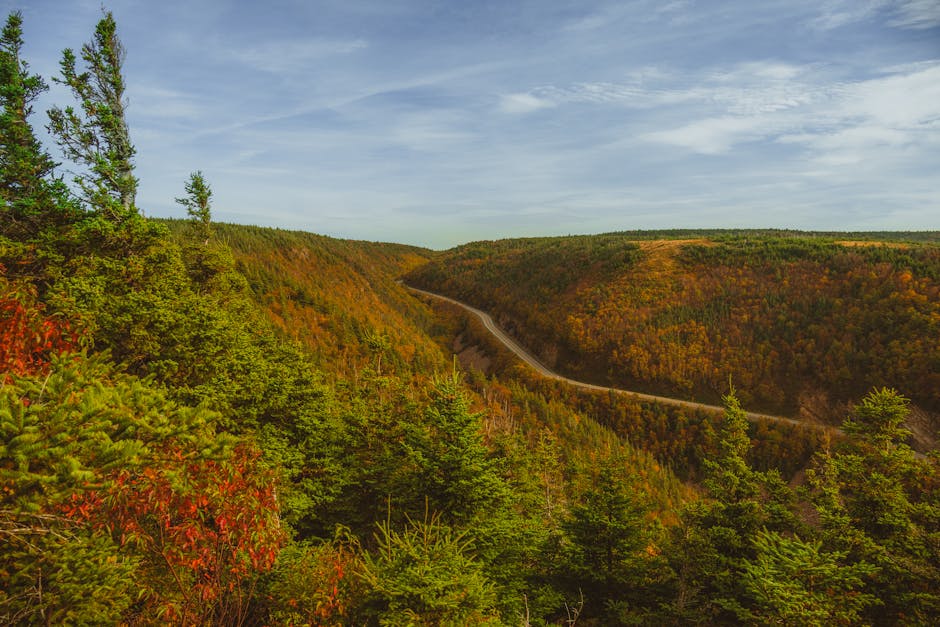
- Autumn Splendor: Why Fall Might Be the Ultimate Season
- Special Considerations for Motorcyclists and Cyclists
- Packing and Preparation: What to Bring for Each Season
- Final Thoughts and Recommendations for the Best Ride
Introduction: Why the Cabot Trail Is a Must-Ride Destination
The Cabot Trail is not just a road; it is a ribbon of asphalt that weaves through the rugged coastline of Cape Breton Island, Nova Scotia, offering some of the most dramatic ocean views on the planet. For riders, whether on a motorcycle, a bicycle, or in a convertible, this 298-kilometer loop is a bucket-list experience that combines the thrill of the drive with the serenity of the Atlantic wilderness. The road climbs and dips through the Cape Breton Highlands, presenting sweeping vistas of the Gulf of St. Lawrence and the Atlantic Ocean at nearly every turn. It is a place where the journey truly is the destination, and where the scent of salt air mixes with the pine forests that line the highlands.
What sets the Cabot Trail apart from other scenic drives is its raw, unpolished beauty. You are not simply passing through a curated landscape; you are immersed in a living, breathing ecosystem where moose may wander onto the shoulder and bald eagles soar overhead. The road itself demands respect, with tight switchbacks, steep grades, and sections that hug cliff edges with no guardrails. This is not a passive sightseeing trip; it is an active, engaging ride that rewards skill and attention. For those who love the feeling of leaning into a corner with the ocean stretching out to the horizon, there is simply nothing else like it in North America.
Planning when to experience this marvel is crucial. The Cabot Trail is a seasonal road in the truest sense. Its character changes dramatically from month to month, shifting from a quiet, misty escape in the spring to a bustling summer thoroughfare, and finally to a riot of autumn color that draws visitors from around the world. The weather can be unpredictable, the services can be sparse, and the crowds can be overwhelming if you pick the wrong week. That is why understanding the rhythm of the seasons is the single most important step in planning your ride. The best time to ride the Cabot Trail depends entirely on what you are looking for: solitude, warmth, or spectacle.
In this guide, we will break down the seasonal shifts, road conditions, and month-by-month highlights so you can confidently choose your ideal window for 2026. Whether you are dreaming of a quiet spring cruise with the road to yourself or a crisp autumn ride through a tunnel of red and gold leaves, the timing will make or break your adventure. Let’s dive into what makes this route so iconic and how to time it perfectly.
What Makes the Cabot Trail Special for Riders
The Cabot Trail is a rider’s paradise because it offers a rare combination of technical riding and breathtaking scenery. The road surface is generally excellent, with smooth asphalt that invites confident cornering, yet the layout is challenging enough to keep even experienced riders engaged. You will encounter everything from sweeping, high-speed curves along the coast to tight, hairpin switchbacks as you climb into the highlands. The elevation changes are significant, taking you from sea level up to over 450 meters, which means your ears pop and the temperature drops noticeably as you ascend. This constant variety keeps the ride exciting from start to finish.
Beyond the tarmac itself, the Cabot Trail is special because of the sense of isolation it provides. Unlike crowded mountain passes in the United States or Europe, the Trail often feels wild and untamed. Cell service is spotty, traffic is generally light outside of peak summer, and the pull-offs are unmarked and raw. You can stop at a gravel shoulder, walk ten feet, and find yourself standing on a cliff edge with no one else in sight. It is this blend of accessibility and wilderness that makes riders return year after year.
Overview of the Route and Highlights
The Cabot Trail loops around the northern tip of Cape Breton Island, passing through Cape Breton Highlands National Park. Most riders choose to travel counterclockwise, starting from Baddeck and heading up the eastern coast through Ingonish before crossing the highlands and descending the western side through Chéticamp. This direction puts you on the ocean side of the road for much of the coastal stretch, offering unobstructed views and easier access to scenic pull-offs. The full loop can be completed in a single long day, but two to three days is far more rewarding, allowing time to explore side roads like the Mary Ann Falls or the Skyline Trail.
Key highlights along the route include the fishing village of Chéticamp, known for its Acadian culture and rug hooking, and the dramatic cliffs of Cape Smokey on the eastern shore. The Skyline Trail, a short hike off the main road, offers a boardwalk that leads to a stunning headland where you can often spot whales in the summer. The town of Baddeck, at the start and end of the loop, is a charming base with the Alexander Graham Bell National Historic Site. Each of these stops adds depth to the ride, turning a simple drive into a multi-day exploration.
Importance of Timing Your Ride
Timing your ride on the Cabot Trail is critical because the experience varies so drastically by season. In the wrong month, you could face closed restaurants, fog so thick you cannot see the ocean, or temperatures that make riding uncomfortable. In the right month, you get clear skies, comfortable temperatures, and the full sensory experience of the coastline. The shoulder seasons of late spring and early autumn often provide the best balance of good weather and low traffic, but they also come with trade-offs like cooler nights and the risk of early snow at higher elevations.
Choosing the best time to ride the Cabot Trail also affects your safety and logistics. Many businesses, including gas stations and motels, close for the winter and do not reopen until late May. If you arrive too early in the season, you may find long stretches without fuel or food. Conversely, arriving in mid-July means sharing the road with RVs and tour buses, which can dampen the sense of freedom. Understanding these patterns allows you to plan a ride that matches your comfort level and expectations, ensuring that your 2026 adventure is everything you hoped for.
Understanding the Cabot Trail Seasons: Weather and Road Conditions
The Cabot Trail sits in a maritime climate zone, which means the weather is heavily influenced by the surrounding ocean. This creates a unique set of conditions that can change rapidly, even within a single hour. One moment you might be riding under bright sunshine, and the next you could be enveloped in a cold fog bank rolling in from the Atlantic. Understanding these patterns is essential for packing the right gear and planning your daily mileage. The ocean keeps coastal areas cooler in the summer and milder in the winter, but the highlands can be significantly colder and windier than the shoreline. Always prepare for layers, even in the warmest months.
Road conditions are generally excellent from late May through mid-October. The province of Nova Scotia invests in maintaining the Trail because it is a major tourist draw, so potholes and rough patches are usually repaired quickly. However, the road is subject to frost heaves in the spring, and gravel washouts can occur after heavy rains. Riders should be especially cautious on the steep descents into Chéticamp and Ingonish, where sharp curves and shaded areas can hide damp patches or loose gravel. The national park section is well-marked and patrolled, but wildlife, particularly moose, pose a real hazard, especially at dawn and dusk.
Fog is perhaps the most defining weather feature of the Cabot Trail. It can roll in without warning, reducing visibility to a few dozen meters. This is most common in the spring and early summer when warm air meets the cold ocean. If you encounter fog, slow down, use your low beams, and consider pulling over at a safe spot to wait it out. The fog often burns off by mid-morning, revealing the spectacular views that were hidden just an hour before. Patience is a virtue on this road, and the more flexible your schedule, the more enjoyable your ride will be.
Spring: Awakening and Unpredictability
Spring on the Cabot Trail is a season of transition and unpredictability. In late April and early May, the snow begins to melt at lower elevations, but the highlands can still see freezing temperatures and occasional flurries. The road itself may be clear, but shoulders can be muddy, and gravel left over from winter sanding can linger on the curves. Many businesses, including restaurants, motels, and even some gas stations, remain closed until the Victoria Day weekend in late May. If you ride in early spring, you must be self-sufficient, carrying extra fuel, food, and warm layers.
By late May, the Trail begins to wake up. The trees are budding, the waterfalls are rushing with snowmelt, and the first wildflowers appear along the roadside. Traffic is almost nonexistent, giving you the road to yourself. The main drawback is the weather. Rain is common, and fog can blanket the coast for days at a time. Temperatures typically range from 5°C to 15°C, but wind chill on a motorcycle can make it feel much colder. For hardy riders who do not mind bundling up, late May offers a quiet, raw beauty that is hard to match. Just check the forecast carefully and be ready to adjust your plans.
Summer: Peak Warmth and Crowds
Summer is the most popular time to ride the Cabot Trail, and for good reason. July and August bring the warmest temperatures, usually between 18°C and 25°C, with long daylight hours that stretch until nearly 9 p.m. The ocean is calm, the skies are often clear, and every restaurant, shop, and attraction is open for business. This is the season for whale watching, kayaking, and enjoying the many festivals that dot the Cape Breton calendar. The road is in its best condition, and the vibrant green of the highlands is at its peak.
However, summer also brings significant crowds. The Trail can become congested with RVs, tour buses, and slow-moving sightseers, especially on weekends and during the Celtic Colours festival in October, though that is technically autumn. Passing opportunities are limited on the winding sections, so you may find yourself stuck behind a line of vehicles for long stretches. Accommodations fill up months in advance, and prices are at their highest. If you choose to ride in summer, plan to start your days early, around 7 a.m., to beat the crowds and enjoy the best light. Mid-week travel is far more pleasant than weekends. Despite the traffic, the reliable weather makes summer the safest choice for riders who want to avoid cold and rain.
Autumn: Spectacular Colors and Crisp Air
Autumn transforms the Cabot Trail into a world-class destination for fall foliage. From late September through mid-October, the hardwood forests of the highlands explode into brilliant shades of red, orange, and gold. The contrast between the fiery leaves and the deep blue ocean is simply breathtaking, and photographers flock from around the globe to capture it. The air turns crisp, with daytime highs ranging from 10°C to 18°C, and the humidity of summer gives way to clear, dry days. This is arguably the most beautiful time to ride, but it also comes with challenges.
The biggest challenge in autumn is the weather’s volatility. While early October can be glorious, late October can bring strong winds, heavy rain, and even snow at higher elevations. The days grow shorter, and the sun sets earlier, which means less time for riding and more time for warm meals indoors. Many seasonal businesses begin to close after Thanksgiving weekend in mid-October, so services become scarcer. Still, for many riders, the chance to see the Cabot Trail in full autumn splendor is worth the risk. The key is to aim for the first two weeks of October, when the colors peak and the weather is still relatively stable. You will share the road with other leaf-peepers, but the scenery makes every slow mile worthwhile.
The Best Overall Time to Ride: Month-by-Month Breakdown
Choosing the best time to ride the Cabot Trail in 2026 requires weighing your priorities. Do you value empty roads over warm weather? Are you willing to risk a little rain for the chance to see autumn colors? Each month from May through October offers a distinct experience, and what works for one rider may not work for another. This breakdown will help you match your riding style to the ideal month. We will look at the practical details: what is open, what the weather is typically like, and what kind of traffic you can expect. By the end, you should have a clear picture of your perfect window.
For most riders, the sweet spot falls in September. The summer crowds have thinned, the weather is still pleasant, and the first hints of fall color begin to appear in the highlands. The ocean water is still warm from the summer sun, and the long-range forecast is often more stable than in the spring. However, if you are a rider who hates cold mornings, July might be your best bet. If you are a photographer chasing peak foliage, early October is unbeatable. There is no single correct answer, but there is a correct answer for you. Let’s explore each window in detail.
May and June: Early Season Advantages
May and June offer the quietest riding of the entire season. In May, you may go for long stretches without seeing another vehicle, giving you the freedom to set your own pace and stop wherever you like. The waterfalls are roaring with snowmelt, and the forests are a brilliant, fresh green. The main advantage is solitude. You can ride the entire Trail and feel like you have the island to yourself. The trade-off is the weather. May is often cool and damp, with highs rarely exceeding 15°C. June improves significantly, with longer days and warmer temperatures, but fog can still be an issue along the coast.
By mid-June, most businesses have opened for the season, and the Trail is fully accessible. The bugs, particularly black flies and mosquitoes, can be active in the woods, but they are less of a problem on the open road. Traffic remains light until the end of June, when schools let out and families begin their summer vacations. If you can tolerate a bit of chill and pack good rain gear, June is one of the best months for a peaceful, scenic ride. The sun sets late, giving you long evenings to explore, and the wildflowers are in full bloom. The best time to ride the Cabot Trail for solitude is definitely early June.
July and August: High Season Considerations
July and August are the warmest and busiest months on the Cabot Trail. The weather is at its most reliable, with long stretches of sunny days and temperatures that make riding a joy. You can leave your heavy gear at home and enjoy the ride in a light jacket. The ocean is warm enough for swimming, and every attraction, from the Skyline Trail to the local lobster suppers, is open and buzzing with energy. This is the classic summer road trip experience, and for many riders, it is the only time they can get away from work or family obligations.
The downside is the traffic. The Trail becomes a corridor for RVs, camper vans, and tour buses, all moving at a slower pace than a motorcycle. Passing zones are limited, and the narrow, twisting sections can feel frustrating when you are stuck behind a line of vehicles. Accommodations are expensive and often booked out months in advance. If you ride in July or August, plan to start your day at dawn, take a long lunch break during the midday rush, and ride again in the early evening when the tour buses have parked for the night. The light is also more beautiful at these times, and the roads are noticeably quieter. For warm-weather lovers, August is the peak, but it comes with a price.
September and October: The Golden Window
September and October represent the golden window for many experienced riders. September offers a near-perfect balance: the summer warmth lingers, the crowds thin out dramatically after Labour Day, and the first touches of yellow and red appear in the maple trees. The ocean is still warm, and the days are long enough for a full day of riding without feeling rushed. Many riders consider the first two weeks of September to be the absolute best time to ride the Cabot Trail. You get the reliability of summer weather with the tranquility of the shoulder season.
By early October, the foliage reaches its peak, and the Trail becomes a visual masterpiece. The air is crisp and clear, with brilliant blue skies that make the autumn colors pop. The crowds return for the fall foliage, but they are generally more spread out than in summer, and the atmosphere is more relaxed. The main risk is the weather. A cold front can sweep in, bringing rain and wind that make riding uncomfortable. By late October, many businesses close, and the first snow can dust the highlands. If you choose October, aim for the first two weeks, pack warm layers, and be flexible with your daily plans. The reward is a ride you will never forget.
Riding the Cabot Trail in Spring: Pros, Cons, and Tips
Spring on the Cabot Trail is a gamble, but for the right rider, it pays off with empty roads and a landscape waking from winter. The best time to ride the Cabot Trail for solitude is arguably late May, when services begin reopening but the summer rush has not arrived. You will trade predictability for peace, and that is a trade many motorcyclists happily make.
The biggest pro is having the pavement nearly to yourself. You can stop at overlooks without jostling for space, and the air carries that crisp, clean scent of thawing earth and salt spray. The cons are real, though: frost heaves, lingering gravel, and the chance of a late snow squall at higher elevations. Plan for shorter riding days and build flexibility into your itinerary.
Call ahead to confirm fuel stops and restaurants. Many seasonal businesses do not open until the Victoria Day weekend in late May. Carrying a small tool kit and knowing how to handle a quick chain adjustment or minor fix will serve you well when help is far away.
Weather Patterns and Road Readiness
Cape Breton weather in April and early May swings wildly. Morning temperatures can hover near freezing, while afternoons might reach 15°C (59°F). Rain is frequent, and fog can roll in off the Gulf of St. Lawrence with little warning. Check the forecast twice daily and be ready to adjust your route.
Road readiness varies by elevation. The coastal sections clear first, while the highlands around French Lake and North Mountain can hold snow and ice into late April. The province typically begins sweeping gravel from winter sanding in early May, but fresh patches of loose grit persist into June. Treat every shaded corner as potentially slick.
Before you commit, check the Nova Scotia 511 road conditions website or app. It provides real-time updates on closures, construction, and surface conditions. If a section is listed as rough or under repair, trust that warning.
Wildlife and Scenery in Spring
Spring transforms the Trail into a study in green and grey. Waterfalls roar with snowmelt, rivers run high, and the first wildflowers push through last year's brown ferns. The absence of leaves on deciduous trees actually opens up views that summer hides behind foliage.
Moose are more visible in spring, especially at dawn and dusk near boggy areas. Give them enormous space; a startled moose on pavement is unpredictable and dangerous. Bald eagles patrol the coastlines, and you may spot seals hauled out on rocks below the cliffs.
The scenery is raw and dramatic rather than lush. You will see the bones of the landscape, the geology of the highlands exposed and honest. For photographers, the low angle of spring light and the moody skies create images that summer simply cannot replicate.
Essential Gear for Spring Riding
Layering is non-negotiable. A base layer, a heated vest if you have one, an insulating mid-layer, and a waterproof outer shell will handle most conditions. Heated grips are worth their weight in gold on a cold May morning.
Pack waterproof gloves and boots, not just water-resistant ones. Spring puddles hide potholes, and your feet will get wet. A neck gaiter and a balaclava make a huge difference when temperatures drop fast.
- Waterproof, breathable rain suit that fits over your riding gear
- Warm gloves plus a spare pair in a dry bag
- Compact tire pressure gauge and a 12V mini air compressor
- High-visibility vest for foggy conditions
- Small microfiber towel for wiping your visor and mirrors
- Emergency blanket and a few high-energy snacks
Summer Riding: Maximizing Enjoyment Amidst the Crowds
Summer is the most popular answer to the question of the best time to ride the Cabot Trail, and for good reason. Warm temperatures, long daylight hours, and every attraction fully open make July and August the easiest months to plan a trip. The trade-off is sharing the road with RVs, tour buses, and thousands of other visitors.
The key to loving summer on the Trail is strategy. Ride early, stay flexible, and know which stops are worth the wait and which you can skip. The road itself remains world-class, and even in peak season, you can find quiet stretches if you time your day right.
Book accommodations well in advance, especially in Baddeck, Ingonish, and Chéticamp. Campgrounds fill up months ahead, and last-minute options are scarce and expensive. A little planning turns summer chaos into summer bliss.
Navigating Traffic and Popular Stops
Traffic concentrates around the major lookouts and villages between 10 a.m. and 4 p.m. Skyline Trail, Middle Head, and the Chéticamp boardwalk are the busiest spots. If you want to hike Skyline without crowds, arrive before 8 a.m. or after 5 p.m.
Do not let slow traffic frustrate you. Pull off at the next viewpoint, stretch, and let the convoy pass. You will enjoy the ride far more when you are not tailgating a motorhome through a series of tight switchbacks.
Popular stops worth your time include the Rusty Anchor in Pleasant Bay for seafood, the Glenora Distillery for a tour, and the Dancing Moose Café in Birch Plain for excellent coffee and baked goods. For fuel, top up in Baddeck, Ingonish, and Chéticamp rather than relying on smaller stations.
Best Times of Day to Ride in Summer
Early morning is golden. Between 6 a.m. and 9 a.m., the roads are nearly empty, the light is soft, and the air is cool. You can cover serious ground before the tour buses even start their engines. This is when the best time to ride the Cabot Trail truly reveals itself.
Late afternoon and early evening are the second sweet spot. Day-trippers head back to their hotels, and the low sun paints the highlands in warm tones. Aim to be on the west side of the Trail for sunset, where the Gulf of St. Lawrence catches the last light.
Avoid riding between noon and 3 p.m. if you can. That is peak traffic and peak heat. Use that window for a long lunch, a swim at Ingonish Beach, or a nap in the shade.
Summer Events and Festivals to Plan Around
Cape Breton's summer calendar is packed, and events can affect both traffic and lodging. The Baddeck Gathering Ceilidhs run all summer, filling the village with fiddle music most evenings. They are a delight, but they also mean more pedestrians and parked cars.
The Ingonish Beach Days festival in late July brings family activities and a lively atmosphere. The Chéticamp Farmers Market on Saturdays is a great stop for local crafts and Acadian treats. If you are riding in early August, check the dates for the Busking Festival in Sydney, which draws visitors from across the region.
Plan your route to avoid festival traffic when possible, but do not skip these events entirely. They offer a cultural richness that makes a summer ride on the Cabot Trail about more than just the pavement.
Autumn Splendor: Why Fall Might Be the Ultimate Season
Ask a local when the best time to ride the Cabot Trail is, and many will say late September to mid-October. Autumn brings the most spectacular scenery of the year, with hardwood forests exploding into reds, oranges, and golds against the deep blue of the Atlantic. The air is crisp, the bugs are gone, and the summer crowds have thinned considerably.
Fall riding requires a bit more preparation. Temperatures drop quickly, and daylight shrinks with each passing week. But for riders who value beauty and a quieter road, autumn is unbeatable. The entire Trail becomes a moving painting.
You will still find open restaurants and fuel stations through the Thanksgiving weekend, after which many seasonal businesses close. Plan accordingly, and you will experience the Cabot Trail at its most photogenic and peaceful.
Peak Foliage Timing and Predictions for 2026
Predicting peak foliage is part science, part art. In 2026, expect the highlands to turn first, usually in the last week of September. The coastal lowlands follow in early to mid-October. The window for full color typically lasts two to three weeks, depending on wind and rain.
The western side of the Trail, around Chéticamp and the Margaree Valley, often peaks a few days before the eastern side near Ingonish. If your schedule allows, ride the loop once in each direction over a few days to catch both spectrums.
Check Nova Scotia's fall foliage reports starting in mid-September. These weekly updates track color progression across the province. Book accommodations with flexible cancellation policies, since peak timing can shift by a week or more.
Cooler Temperatures and Riding Comfort
Autumn temperatures on the Cabot Trail range from 18°C (64°F) on a sunny afternoon to near freezing overnight. Wind chill at speed makes it feel considerably colder, especially along exposed coastal sections. A good layering system keeps you comfortable from morning to evening.
Heated gear becomes your best friend. A heated jacket liner and gloves extend your riding day significantly. Even without heated gear, a thermal base layer, a warm mid-layer, and a windproof outer shell will handle most October conditions.
Watch for wet leaves in shaded corners. They can be as slippery as ice, especially after a light rain. Reduce speed in forested sections and avoid hard braking or sharp lean angles on leaf-covered pavement.
Photography Opportunities and Scenic Overlooks
Autumn is a photographer's dream on the Cabot Trail. The contrast of fiery foliage against dark evergreens and blue water creates compositions you cannot find anywhere else. Bring a real camera if you have one, and always carry extra batteries; cold drains them faster.
The best overlooks for fall color include MacKenzie Mountain, North Mountain, and the pull-offs along the Aspy Fault. The view from Cape Smokey looking south toward Ingonish is stunning when the hillsides are ablaze. The Skyline Trail offers a dramatic coastal panorama with autumn color framing the cliffs.
Golden hour arrives earlier in the fall, around 5:30 p.m. in early October. Position yourself on the west side of the Trail for sunset shots over the Gulf. The soft, warm light on the red and orange hillsides is worth the wait, and the cool evening air makes the ride back to your lodging a refreshing end to the day.

Special Considerations for Motorcyclists and Cyclists
The Cabot Trail is not just a scenic drive; it is a bucket-list ride for those on two wheels, whether powered by an engine or by legs. The experience of leaning into the sweeping coastal curves or grinding up a long climb is unmatched, but it demands a different level of preparation than driving a car. Understanding the specific challenges and joys for motorcyclists and cyclists will help you decide the best time to ride the Cabot Trail for your preferred style.
The road surface is generally excellent, but the terrain is relentless. You are either going up, coming down, or carving a corner. This constant elevation change affects traction, braking, and fatigue levels. Weather rolls in fast from the Gulf of St. Lawrence, and microclimates exist between the interior highlands and the coast. You might leave Cheticamp in sunshine and hit thick fog on French Mountain ten minutes later. Planning for this variability is the key to a safe and enjoyable ride.
Traffic is another major factor. In July and August, the trail is busy with RVs, tour buses, and distracted sightseers. These vehicles move slowly up hills and often swing wide on corners. For a motorcyclist, this can be frustrating and dangerous if you attempt risky passes. For a cyclist, the lack of a paved shoulder on many sections means you are sharing the lane with this traffic. Choosing a shoulder season like June or September dramatically reduces these interactions and improves the flow of your ride.
Below, we break down the specific needs of motorcyclists and cyclists to help you plan your 2026 adventure.
Motorcycle-Specific Tips for the Cabot Trail
For motorcyclists, the best time to ride the Cabot Trail is late June or early September. The pavement is warm enough for good grip, but the traffic volume is manageable. If you ride in July or August, plan to be on the road by 8:00 AM to beat the tour buses. The afternoon rush between 11:00 AM and 3:00 PM can turn the twisties into a slow parade.
Fuel is a critical consideration. The loop is roughly 300 kilometers, but gas stations are sparse. Do not attempt the northern section without a full tank. Fill up in Baddeck, Cheticamp, or Ingonish before heading into the highlands. Cell service is dead for long stretches, so do not rely on apps to find fuel. Carry a small reserve or plan your stops using a paper map.
- Watch for gravel washouts on the inside of blind corners, especially after rain.
- Beware of moose at dawn and dusk, particularly between Cape North and Pleasant Bay.
- The pavement on North Mountain can be bumpy; adjust your suspension for comfort over speed.
- Always pack rain gear, even if the forecast looks clear in the morning.
- Watch for tar snakes that become slick in the hot afternoon sun.
If you are trailering your bike to Nova Scotia, consider basing yourself in Baddeck. It offers central access to the trail and has the most motorcycle-friendly amenities. From there, you can ride the loop in either direction, though counter-clockwise is generally preferred for the ocean-side lane positioning.
Cycling the Trail: Best Months for Two Wheels
For cyclists, the best time to ride the Cabot Trail is September. The weather is cooler, the traffic is lighter, and the fall colors begin to emerge. July and August are possible, but the heat and the RVs can make the climbs feel punishing. June is also good, though you may encounter more rain and lingering debris on the shoulders from winter.
The full loop is a serious undertaking. It is roughly 300 kilometers with over 3,000 meters of elevation gain. Most cyclists take three to five days to complete it. The climbs up French Mountain and North Mountain are long and steep, with grades hitting 12% in places. You need low gearing and a high level of fitness. Do not underestimate the descents; they are fast, technical, and often wind-blown.
- Start early to avoid afternoon winds that howl down the Aspy Fault.
- Carry at least two liters of water; refill spots are limited on the northern loop.
- Use a bright rear light even in daylight, as fog can reduce visibility to meters.
- Book campsites or B&Bs well in advance for July and August; they fill up fast.
- Be prepared for long stretches with no services between Cape North and Cheticamp.
Cycling counter-clockwise from Baddeck puts the ocean on your right and often gives you a tailwind along the west coast. The shoulder is narrow or non-existent in places, so confidence riding in traffic is essential. If you want a shorter introduction, ride the section from Cheticamp to Pleasant Bay and back; it is the most scenic and has the fewest steep grades in the interior.
Accommodation and Logistics Planning
Where you sleep matters as much as when you ride. The Cabot Trail is not a place to wing it, especially in peak season. For 2026, many lodges and campgrounds are already taking reservations. Book early if you want to stay in the villages right on the water.
Baddeck is the most popular base. It sits at the start of the loop and has a range of hotels, motels, and restaurants. Cheticamp is the gateway to the western side and offers Acadian culture and music. Ingonish is ideal if you want to split the ride into two days and enjoy the beaches. For a quieter stay, look at Pleasant Bay or Dingwall, but note that dining options are limited.
- Campgrounds in Cape Breton Highlands National Park open in late May and close in October.
- Many small motels are family-run and do not list on major booking sites; call directly.
- If riding a motorcycle, ask about secure parking or a spot near your room.
- Grocery stores are only in Baddeck, Cheticamp, and Ingonish; stock up before heading north.
- Check ferry schedules if you are coming from Newfoundland or Prince Edward Island.
Plan your daily mileage realistically. On a motorcycle, the loop is a full day. On a bicycle, it is a multi-day tour. Do not try to push from Baddeck to Cheticamp after 4:00 PM; the light fades fast in the mountains and wildlife becomes more active. Having a flexible itinerary with a rest day built in will make your 2026 ride far more enjoyable.
Packing and Preparation: What to Bring for Each Season
Packing for the Cabot Trail is a study in contradictions. You need gear for sun, fog, rain, wind, and cold, often in the same afternoon. The ocean moderates the air, but the highlands create their own weather. A warm, sunny morning in Cheticamp can turn into a chilly, damp climb up French Mountain by noon. The key is to pack light but smart, focusing on layers and waterproofing.
The best time to ride the Cabot Trail is whenever you are prepared for the conditions. A rider who has the right gear will enjoy a crisp October day far more than an unprepared rider shivering through a July fog bank. Think in terms of systems: a base layer to manage sweat, an insulating layer to trap heat, and a shell to block wind and rain. This approach works whether you are on a motorcycle or a bicycle.
Do not overpack. Every extra pound makes the bike feel heavier and the climbs harder. Choose items that serve multiple purposes. A buff can be a neck warmer, a headband, or a face mask against bugs. A lightweight down jacket packs small but provides serious warmth at viewpoints. The goal is to be comfortable without looking like you are moving house.
Layering Strategies for Variable Weather
The foundation of any Cabot Trail packing list is a three-layer system. The base layer should be merino wool or a high-quality synthetic. It wicks sweat away from your skin and dries quickly. Avoid cotton; once it gets wet, it stays wet and pulls heat from your body. A long-sleeve merino shirt is ideal for both spring and fall rides.
The mid-layer is your insulation. A lightweight fleece or a packable down jacket works well. This layer traps warm air close to your body. You will add it at the top of a climb when the wind hits and remove it on the descent when you are working hard. Look for a mid-layer with a full zip so you can ventilate without stopping to pull it over your head.
The outer layer is your wind and rain shell. It must be truly waterproof, not just water-resistant. The Cabot Trail gets real rain, and the wind can drive it sideways. Pit zips are a bonus for cycling. For motorcyclists, a quality touring jacket with a thermal liner can replace the mid-layer. The shell should fit loose enough to go over your other layers without restricting movement.
Must-Have Gear and Safety Equipment
Beyond clothing, a few pieces of gear make the difference between a good ride and a miserable one. Waterproof gloves are essential. Cold, wet hands lose feeling and control. Bring a second pair so you can swap out if one gets soaked. For motorcyclists, a pinlock visor or anti-fog insert is a game-changer in the frequent fog banks.
For cyclists, a bright rear light is non-negotiable. The fog can roll in so thick that cars cannot see you until they are fifty meters away. Run the light even at noon. A small headlight is also useful for the short tunnels and overcast days. A basic repair kit with tire levers, a spare tube, and a multi-tool is mandatory; there are long stretches with no bike shops.
- Carry a compact first aid kit with blister care and basic pain relief.
- Bring a power bank; cold weather drains phone batteries faster.
- Pack high-energy snacks like nuts, dried fruit, and electrolyte tablets.
- Include a small towel to wipe down your visor or glasses after rain.
- For motorcyclists, a tire plug kit and a mini compressor can save a long tow.
Do not forget your feet. Waterproof boots or shoe covers are worth their weight. Wet feet lead to blisters and misery on a bicycle. On a motorcycle, wet boots make shifting and braking clumsy. A pair of dry socks in a zip-lock bag is one of the simplest morale boosters you can pack.
Navigation Tools and Offline Resources
Cell service on the Cabot Trail is unreliable at best and non-existent for large portions of the northern loop. Do not count on streaming maps or making calls. Download offline maps before you leave your accommodation each morning. Google Maps and Maps.me both allow you to save areas for offline use. Do this on Wi-Fi before you hit the road.
A paper map is still the most reliable tool. The Nova Scotia tourism map shows the entire trail with fuel stops, viewpoints, and campgrounds. It never runs out of battery and works in the rain if you keep it in a zip-lock bag. Mark your planned stops and note the distance between services. This is especially important for cyclists who need to plan water refills.
- Download the Parks Canada app for trail conditions and closures in the national park.
- Save a screenshot of your accommodation address and phone number.
- Carry a small compass as a backup; the sun is often hidden by fog.
- Share your planned route with someone who is not on the trip.
- Learn the names of the major villages so you can ask for directions if needed.
A GPS unit designed for motorcycles or bicycles is a worthwhile investment if you ride the trail often. These units are weatherproof and have long battery life. But even with a GPS, carry the paper map. The Cabot Trail is a loop, so getting truly lost is hard, but knowing which side road leads to a gas station can save you from a long walk.
Final Thoughts and Recommendations for the Best Ride
The Cabot Trail is more than a road; it is a rhythm of climbs and descents, of ocean spray and mountain mist, of quiet Acadian villages and windswept lookouts. Finding the best time to ride the Cabot Trail in 2026 comes down to what you value most. If you crave warm sun and lively towns, July and August deliver, but you will share the road with everyone else. If you want solitude and crisp air, September and early October offer a quieter, more reflective journey. June brings green hills and rushing waterfalls, but also the chance of lingering rain.
For most riders, the sweet spot is the first two weeks of September. The summer crowds have thinned, the water is still warm enough for a quick dip at Ingonish Beach, and the maples begin to show their first hints of red. The light is golden in the late afternoon, making the views from MacKenzie Mountain look like a painting. It is a time when the trail feels both alive and peaceful, a balance that is hard to find in the peak of summer.
Whatever month you choose, ride with patience. The Cabot Trail is not a race track; it is a place to slow down. Stop at the lookouts, talk to the fishermen in Bay St. Lawrence, and take the short hike to Skyline Trail at sunset. The road will still be there tomorrow. The memories you make when you pause are the ones that last. Plan well, pack smart, and let the trail set its own pace. Your best ride is waiting in 2026.
Gear for this trip
- Waterproof Motorcycle Rain Suit
- Heated Motorcycle Grips
- High Visibility Motorcycle Vest
- Portable Tire Inflator 12V
- Merino Wool Base Layer
As an Amazon Associate I earn from qualifying purchases.


No comments:
Post a Comment