In This Article
- Why Finding a Trustworthy Mechanic Abroad Is Different
- How to Vet a Motorcycle Mechanic Before You Need One
- Red Flags: How to Spot a Dishonest or Incompetent Mechanic
- Communicating Your Motorcycle’s Problem Across Language Barriers
- Negotiating Costs and Understanding Local Pricing for Repairs
- What to Do When You’re Stuck: Emergency Repair Strategies
- Building a Relationship with a Foreign Mechanic for Long-Term Travel
- Essential Tools and Spare Parts to Carry for Self-Reliance
- Final Thoughts: Ride with Confidence, Repair with Trust
Why Finding a Trustworthy Mechanic Abroad Is Different
Finding a trustworthy motorcycle mechanic foreign country is not the same as walking into your local shop back home. At home, you likely have a relationship built over years. You know the owner's name, you understand the pricing structure, and you can hold someone accountable if a repair goes wrong. When you cross a border, all of that familiar infrastructure disappears. You are suddenly operating without a safety net, and the consequences of a poor decision can leave you stranded hundreds of miles from the nearest major city.
The reality of motorcycle travel in 2026 is that bikes have become more electronically complex. Even a simple drop can damage sensors, bend levers, or knock a wheel out of alignment. Finding someone who can diagnose a modern adventure bike in a rural village requires a different approach than looking for a tire patch. You are not just looking for a wrench; you are looking for a translator, a diagnostician, and an honest businessperson all rolled into one.
Time pressure changes your judgment. When you are stuck on the side of a mountain pass with a broken clutch cable, your standards can drop. You might accept help from the first person who offers it, simply because the alternative is waiting for hours in the heat. A smart rider prepares for this mental shift. You need to know how to evaluate a workshop quickly, even when you are tired, frustrated, and desperate to keep moving. The goal is to make a calculated decision, not a panicked one.
Parts availability also changes the equation. A mechanic in a foreign country might be perfectly skilled but unable to source the specific OEM part your bike needs. They may offer a creative workaround, a used part, or a fabricated solution. Judging whether that solution is safe for the next five hundred miles requires you to understand your own machine. The more you know about your motorcycle, the better you can evaluate the advice you are receiving. A trustworthy mechanic will explain the risk of a temporary fix rather than just slapping it on and sending you away.
Finally, the concept of accountability is different. In many parts of the world, business is done on a handshake and a verbal agreement. If the repair fails two days later, you cannot simply return the bike and demand a refund. You are likely already gone. This means the vetting process has to happen before the work begins, not after. You need to look at the workshop, watch how other customers are treated, and ask the right questions upfront. Finding a trustworthy motorcycle mechanic foreign country is a skill that can save your trip.
The Stakes of a Bad Repair on the Road
A bad repair at home is an inconvenience. A bad repair on a remote highway is a safety crisis. If your front brake caliper bolts were not torqued properly, you might not discover the problem until you are descending a steep grade with a cliff on one side. The margin for error shrinks dramatically when you are far from medical care, towing services, or even cell phone reception. A loose chain can destroy an engine case. A poorly patched tire can blow out at speed. These are not hypothetical risks; they are the daily realities of long-distance riding.
Beyond the immediate danger, a botched job can derail your entire budget and timeline. You might pay for a repair that fails again in three days, forcing you to pay twice. You might miss a border crossing deadline or a visa expiration because your bike is stuck in a workshop waiting for parts. The true cost of a bad repair is measured in lost days, unexpected expenses, and the stress of uncertainty. That is why the search for a trustworthy mechanic is worth the effort.
Cultural and Language Barriers in Motorcycle Repair
Language is the most obvious barrier, but it is rarely the most dangerous one. Even with a translation app, technical terms get lost. The word for "bearing" might translate literally but mean something slightly different to a local mechanic. You need to use visual aids, point to parts, and demonstrate the sound or feeling of the problem. Photos and videos on your phone are invaluable tools. A short clip of the noise your engine makes can communicate more than a hundred translated words.
Cultural attitudes toward repair can also surprise you. In some countries, the concept of preventative maintenance is rare. Mechanics fix what is broken and ignore what is wearing out. They may not understand why you want to replace a chain that still has a few hundred miles left in it. In other places, losing face is a serious concern, so a mechanic might tell you a repair is complete when it is not, simply to avoid admitting difficulty. You need to read body language and tone, not just words. Patience and respect go a long way. Rushing a mechanic or acting superior will not get you better service; it will get you a rushed job.
Understanding Local Mechanic Business Models
Not all mechanics operate the way you expect. In many countries, the workshop is a family business. The person you speak to might be the owner, the head mechanic, and the parts runner all at once. They may not have a computer, a formal invoice system, or a waiting room. Payment is often cash only, and receipts are handwritten or nonexistent. This does not mean they are dishonest. It simply means the business structure is informal. You need to adapt your expectations and ask for a written estimate before work begins, even if it is just a note on a scrap of paper.
Another common model is the specialist shop that focuses on one brand or one type of bike. These shops are often the best choice for complex repairs because they have the right diagnostic tools and factory training. However, they may be more expensive and less willing to work on a bike that is not their specialty. The third model is the roadside stall, which handles tires, chains, oil changes, and basic welding. These are perfect for quick fixes but should be avoided for engine internals or electronics. Knowing which type of shop you are dealing with helps you set realistic expectations for the quality of work.
How to Vet a Motorcycle Mechanic Before You Need One
Smart riders do not wait for a breakdown to start looking for help. They build a mental map of resources as they travel. Every time you stop for fuel, ask the attendant if there is a mechanic in town. Every time you meet another rider, ask who they trust. This habit costs nothing and can save you hours of stress later. The process of vetting a mechanic is about gathering information in advance, so that when the pressure is on, you already have a shortlist of options.
Start with your own eyes. A good workshop looks organized, even if it is small. Tools are put away or at least arranged logically. The floor is not covered in oil slicks and scattered parts. The mechanic asks questions before touching your bike. They want to understand the symptoms, the history, and your travel plans. A mechanic who immediately starts tearing things apart without listening is a red flag. The best professionals are curious and methodical, not impulsive.
Watch how they treat other customers. If a local rider brings in a bike, does the mechanic greet them warmly? Do they explain what they are doing? Are they transparent about cost? A shop that is trusted by locals is almost always a safe bet. Locals have no reason to tolerate poor workmanship, and they know the reputation of every mechanic in the area. If you see a steady stream of local customers, that is a strong signal of reliability. A trustworthy motorcycle mechanic foreign country is often the one with a queue of regulars waiting outside.
Finally, trust your gut. If a shop feels wrong, if the mechanic is evasive, if the price seems too high or too low, walk away. You are not obligated to accept the first option. Sometimes the best decision is to ride a little further or wait a little longer for the right person. Your motorcycle is your lifeline on the road. Entrusting it to someone who makes you uncomfortable is never wise.
Leveraging Online Reviews and Forums for Foreign Mechanics
Online resources have improved dramatically for overland riders. Forums like ADVrider and Horizons Unlimited still maintain active regional threads where travelers share mechanic recommendations in real time. A quick search for the town you are approaching plus the word "mechanic" can reveal gold. Look for posts from the last twelve months, as shops change ownership and quality can decline quickly. Pay attention to riders who have a similar bike to yours. A mechanic who is great with a carbureted single might be lost on a modern fuel-injected twin.
Google Maps reviews are useful but require filtering. Many reviews come from car owners, not motorcyclists. A shop with five stars for oil changes might be terrible at diagnosing an ABS fault. Look for keywords like "motorcycle," "moto," or the specific brand of your bike. If a reviewer mentions that the mechanic stayed late to finish a job or explained the problem clearly, that is a good sign. Be wary of shops with only a handful of reviews, all written in the same style. Fake reviews are common in tourist areas.
Asking Other Travelers and Locals for Recommendations
Word of mouth remains the most reliable vetting tool. Other travelers have no incentive to lie to you. They have been where you are and they know the stakes. When you meet a rider coming from the direction you are heading, ask them directly: "Do you know a good mechanic in the next town?" Their answer will be based on personal experience, not marketing. Hostels, campgrounds, and border crossings are excellent places to have these conversations. Riders share this information freely because they know they might need the same help tomorrow.
Locals offer a different perspective. A hotel owner, a restaurant server, or a fuel station attendant knows who is reliable in their community. They also know who to avoid. The key is to ask in a way that invites honesty. Instead of asking "Is there a mechanic?" ask "Which mechanic would you take your own bike to?" That phrasing changes the dynamic. You are no longer a tourist asking for directions; you are a fellow rider seeking trusted advice. If a local names a specific person rather than just pointing down the street, you have found a real lead.
Checking Certifications, Experience, and Workshop Setup
Certifications matter, but they are not universal. A mechanic in Thailand may not have a framed diploma on the wall, but they might have twenty years of experience fixing the exact model you ride. Ask how long they have worked on motorcycles, and specifically on bikes like yours. A good mechanic will answer directly. They might say, "I mostly work on scooters, but I can look at your chain." That honesty is valuable. You want someone who knows their limits and is willing to say so.
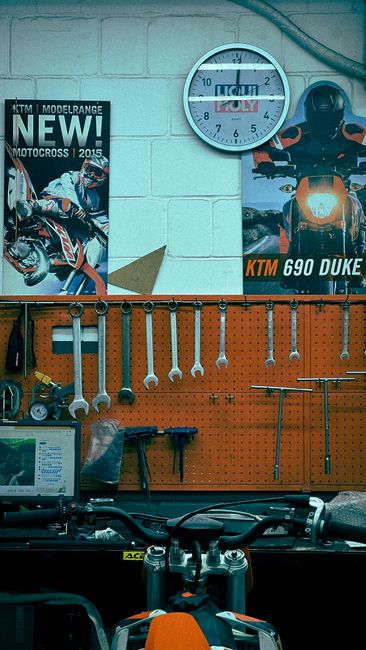
The workshop setup tells you a lot. Look for a proper bike lift or at least a stable center stand. Check for a torque wrench, a multimeter, and a tire changing station. These are basic tools for any serious shop. If you see only a hammer and an adjustable wrench, be cautious. A clean, well-lit workspace suggests pride in the job. A dark, cluttered room with parts scattered everywhere suggests the opposite. None of these observations guarantee quality, but together they form a picture. When combined with recommendations and your own instinct, they help you choose wisely.
Red Flags: How to Spot a Dishonest or Incompetent Mechanic
Most mechanics around the world are honest people trying to earn a living. But the few who are not can ruin your trip. Learning to spot the warning signs early is a core skill for any rider. The most common red flag is vagueness. A trustworthy mechanic will tell you exactly what is wrong, what parts are needed, and how long the job will take. A dishonest one will wave a hand and say, "It's complicated. Very expensive. Leave the bike with me." That is a setup for a padded bill or unnecessary work.
Another red flag is the mechanic who refuses to let you watch. In many cultures, customers are expected to wait outside. That is normal and not a sign of dishonesty. But if a mechanic becomes nervous or angry when you simply stand near your bike, something is off. You have every right to see what is being done to your machine. A confident professional has nothing to hide. If you are told to go away and come back in a few hours, ask for a clear explanation of the plan first. Get a price in writing, even if it is just a text message.
Finally, watch for the upsell. You came in for a brake pad replacement, and suddenly the mechanic claims your clutch is failing, your forks are leaking, and your fuel pump is about to die. Some of these warnings may be legitimate. A good mechanic will point out safety issues. But if the list of "urgent" repairs grows longer every time you hesitate, you are being played. Ask for evidence. Ask to see the worn part or the leak. A trustworthy motorcycle mechanic foreign country will show you the problem and explain why it matters. A scammer will just repeat that it is dangerous and you must pay now.
Common Scams Targeting Foreign Motorcyclists
One classic scam is the phantom part replacement. The mechanic claims to have replaced a bearing or a seal, but in reality, they only cleaned the old one and charged you for a new part. You cannot easily verify this without disassembling the bike yourself. To protect yourself, ask to see the old parts. A legitimate mechanic will have them in a box or on the bench. If they cannot produce the worn part, question the charge. Another version is the inflated parts price. The mechanic buys a cheap local part and charges you the price of a premium imported one. Ask to see the packaging or the receipt from the parts supplier.
The "found more problems" scam is common in tourist areas. You drop the bike off for a simple oil change, and an hour later you receive a call saying the piston rings are shot and the engine needs a full rebuild. The mechanic is counting on your fear and your lack of local knowledge. The best defense is to get a second opinion. Tell them you need to think about it, take the bike back, and find another shop. A real problem will be confirmed by a second mechanic. A fake one will disappear. Also beware of the bait and switch, where the price quoted over the phone is doubled when you arrive to pick up the bike. Always agree on a total price before work begins, and write it down.
Signs of Poor Workmanship or Lack of Proper Tools
You can often judge a mechanic's skill by the tools they use. A professional workshop should have a torque wrench. If you see a mechanic tightening critical bolts like axle nuts or brake caliper bolts with a standard ratchet and pure guesswork, that is a serious problem. Over-tightened bolts can strip threads or snap under load. Under-tightened bolts can vibrate loose. Both are dangerous. Ask if they use a torque wrench for critical fasteners. If they laugh or look confused, find another shop.
Look at the condition of their equipment. A tire changer with a bent bead breaker will damage your rims. A multimeter with frayed wires will give false readings on your electrical system. A bike lift that wobbles is unsafe. These are not cosmetic issues; they directly affect the quality of the repair. Also watch how the mechanic handles your bike. Do they place a rag over the tank before leaning over it? Do they use the correct size socket or force a slightly larger one onto a bolt? Small habits reveal a lot about a person's attention to detail. A mechanic who treats your bike with care is more likely to do careful work. One who tosses tools onto your seat and leaves greasy handprints on the paint is showing you exactly how much they respect your property.

Communicating Your Motorcycle’s Problem Across Language Barriers
Finding a trustworthy motorcycle mechanic in a foreign country becomes far easier when you can clearly explain what is wrong with your bike. Language barriers can turn a simple brake pad replacement into a confusing and expensive ordeal. The good news is that you do not need to be fluent to get your point across. With the right tools and a little preparation, you can bridge the gap and help a mechanic diagnose the issue accurately.
Start by observing your motorcycle carefully before you arrive at a workshop. Note the specific sounds, smells, and sensations you experience while riding. Does the engine knock when cold? Does the bike pull to one side under braking? Is there a burning smell after ten minutes on the highway? These details matter, and you can communicate them even without perfect grammar. A mechanic who listens to a recorded engine sound or watches you gesture toward the chain will understand far more than one who only hears a vague complaint.
Your goal is to be understood, not to impress anyone with your language skills. Keep sentences short and simple. Avoid idioms, slang, and complex explanations. Instead of saying “the bike feels a bit off when I roll on the throttle,” say “problem when I open gas.” Pair that phrase with a hand motion of twisting the throttle. The mechanic will immediately understand the context. This approach works in almost every country and with almost every level of language proficiency.
Remember that patience is part of the process. A rushed explanation often leads to a wrong diagnosis. Take your time, repeat yourself if needed, and confirm that the mechanic understands before you leave the workshop. A trustworthy motorcycle mechanic in a foreign country will appreciate your effort and will likely ask clarifying questions. If a mechanic seems impatient or dismisses your attempts to communicate, consider that a red flag and look for another shop.
Using Translation Apps and Visual Aids Effectively
Translation apps have transformed how travelers handle mechanical emergencies. Download an offline language pack for your destination before you leave home. Google Translate, DeepL, and Microsoft Translator all offer offline modes that work without cellular data. Type a short, clear sentence such as “the front brake makes a grinding noise” and show the translation to the mechanic. Avoid long paragraphs; short phrases translate more accurately.
Visual aids are just as powerful as words. Take photos and videos of the problem area before you visit the shop. A short video of your bike idling roughly or a close-up photo of a leaking fork seal gives the mechanic instant context. Use your phone’s drawing tool to circle the affected part. Point to the part on your own bike and then to the same part on a diagram if one is available.
Prepare a small folder of images on your phone before your trip. Include pictures of common parts like brake pads, chains, sprockets, spark plugs, and air filters. When you need to explain a problem, pull up the relevant image. You can also use hand gestures to mimic the motion or sound. For example, a fist opening and closing near the clutch lever communicates a clutch issue faster than any dictionary lookup.
Learning Key Motorcycle Vocabulary in the Local Language
Learning a handful of motorcycle-specific words before you travel will save you hours of frustration. Focus on nouns for major components and a few adjectives for common problems. Write these words in a small notebook or save them in a notes app on your phone. Even if your pronunciation is rough, pointing to the written word removes all doubt.
- Engine, brake, clutch, chain, tire, oil, battery, spark plug, headlight
- Leaking, broken, noisy, hot, loose, stuck, worn out
- Left, right, front, rear, top, bottom
- Numbers for sizes and quantities, plus the words for “replace” and “repair”
Practice these words out loud a few times before you arrive. Locals appreciate any effort to speak their language, and mechanics are no exception. If you struggle with pronunciation, simply show the written word. A trustworthy motorcycle mechanic in a foreign country will meet you halfway and help you find the right term.
Negotiating Costs and Understanding Local Pricing for Repairs
Pricing for motorcycle repairs varies dramatically from country to country, and even between cities within the same country. Without a basic understanding of local rates, you risk paying double or triple the fair price. A trustworthy motorcycle mechanic in a foreign country will quote you a price that aligns with regional norms, but you still need to know what those norms are. Doing a little research before you hand over your keys protects both your wallet and your peace of mind.
Start by asking other riders. Hostels, motorcycle rental shops, and online forums like ADVrider or local Facebook groups are goldmines of pricing information. Post a simple question: “How much should a chain and sprocket replacement cost in Chiang Mai?” You will usually get several answers within hours. Compare those answers and use the average as your baseline. This step alone can save you from the most common overcharging tactics.
When you arrive at a workshop, observe the environment. A clean, organized shop with modern tools often charges more than a roadside stall, but that higher price may be worth it for complex engine work. For simple tasks like oil changes or brake pad swaps, a smaller local shop is usually fine and far cheaper. Match the shop to the complexity of the job.
Always ask for the price before work begins, not after. A mechanic who hesitates to give a clear answer is likely sizing you up. Politely insist on a number. If the mechanic refuses, walk away. A trustworthy motorcycle mechanic in a foreign country has nothing to hide and will quote you confidently.
Researching Average Repair Costs in the Region
Before you travel, spend thirty minutes researching common repair costs in your destination countries. Search for terms like “motorcycle oil change price Vietnam” or “brake pad replacement cost Mexico.” Look for recent forum posts, blog articles, and YouTube videos where travelers share what they paid. Write down a realistic range for each common job.
Keep in mind that labor costs in Southeast Asia, South America, and Eastern Europe are often a fraction of what you would pay in North America or Western Europe. A full service that costs $300 at home might cost $40 in rural Thailand. Use local currency when comparing prices, and convert using the current exchange rate. This research gives you a solid foundation for evaluating any quote you receive.
Getting Written Estimates and Avoiding Overcharging
Ask for a written estimate before approving any work. This can be a formal printed quote or simply a handwritten note listing the parts and labor costs. A written estimate protects you if the final bill suddenly doubles. It also shows the mechanic that you are paying attention and will not accept surprise charges.
If the mechanic will not provide a written estimate, proceed with caution. At minimum, write down the agreed price yourself and show it to the mechanic for confirmation. Take a photo of the note with your phone. When you return to pick up the bike, compare the final bill to the estimate. If there are extra charges, ask for an explanation before paying.
Common overcharging tactics include adding unnecessary parts, charging for “emergency” fees, or inflating the cost of imported parts. If you suspect overcharging, stay calm and ask questions. A trustworthy motorcycle mechanic in a foreign country will explain every line item and adjust the bill if a mistake was made. If the mechanic becomes defensive or aggressive, pay what you must to retrieve your bike and leave an honest review online to warn other riders.
What to Do When You’re Stuck: Emergency Repair Strategies
A breakdown in a foreign country feels overwhelming, especially when you are far from a city or do not speak the language. The key is to stay calm and work through a simple checklist. First, get yourself and the bike to a safe location off the road. Turn on your hazard lights if you have them, and place the bike where oncoming traffic can see it. Your safety matters more than the motorcycle.
Next, assess the problem as best you can. Is the bike completely dead, or does it start but run poorly? Can you see an obvious issue like a loose chain, a flat tire, or a leaking hose? Take photos and videos of anything that looks wrong. These will help you explain the situation to a mechanic later, even if you cannot diagnose it yourself.
If you have cell service, use your phone to search for nearby motorcycle shops. Google Maps, Maps.me, and local navigation apps often list repair shops even in small towns. Call or message the shop if possible. If you cannot call, send a text or use a translation app to write a short message. Include your location, the make and model of your bike, and a brief description of the problem.
When you cannot find a shop nearby, ask locals for help. Gas stations, small restaurants, and roadside stalls are excellent places to ask. Show them a photo of your motorcycle and use the word for “mechanic” in the local language. In many countries, someone will know a friend or relative who can help. A trustworthy motorcycle mechanic in a foreign country often comes recommended through exactly this kind of local network.
Temporary Fixes to Get You to a Safe Workshop
Some breakdowns can be temporarily patched well enough to ride slowly to a workshop. Carry a basic tool kit and a few emergency supplies so you can attempt these fixes yourself. A spare clutch cable, zip ties, duct tape, tire plugs, and a small air pump can solve many common problems on the roadside.
- For a flat tire, use a plug kit and pump to reinflate it, then ride slowly to the nearest shop.
- For a broken clutch or throttle cable, zip tie the broken end to a reachable spot and limp forward carefully.
- For a loose or rattling fairing, secure it with duct tape until you can reach a mechanic.
- For an overheated engine, stop and let it cool completely before adding coolant or water.
Never attempt a temporary fix that compromises your brakes, steering, or tires beyond safe limits. If you are unsure, wait for professional help. Riding a dangerously compromised motorcycle to save a few dollars is never worth the risk.
Finding a Mechanic in Rural or Remote Areas
Rural breakdowns require a different approach. In remote areas, formal motorcycle shops are rare, but local mechanics often work out of small garages or even their own homes. Look for signs with a wrench or tire icon, or ask at the nearest village store. In many farming communities, someone with mechanical skills is never far away.
Use your translation app to ask for “someone who fixes motorcycles” rather than “motorcycle mechanic.” The simpler phrase often works better in areas where formal terminology is less common. Show a photo of your bike and point to the problem area. Locals may lead you to a person who can help, or offer to call someone on your behalf.
If you are truly stuck and cannot find help, contact your travel insurance provider or a roadside assistance service if you have one. Some international motorcycle organizations offer recovery services in popular riding regions. Even if the nearest tow truck is hours away, it is better than abandoning your bike or attempting a risky repair. Patience and clear communication remain your best tools until you find a trustworthy motorcycle mechanic in a foreign country.

Building a Relationship with a Foreign Mechanic for Long-Term Travel
Finding a trustworthy motorcycle mechanic foreign country riders can rely on is only half the battle. The real magic happens when you turn a one-time repair into an ongoing partnership. For long-term travelers, having a local expert who knows your bike’s history is worth more than any toolkit. A mechanic who has already worked on your machine understands its quirks, previous fixes, and what might fail next. That kind of continuity saves you time, money, and stress on the road.
Start by returning to the same shop for small jobs before you need major work. An oil change, a chain adjustment, or a brake pad replacement gives you a low-stakes chance to observe their work quality and communication style. If they treat a minor job with care, they will likely handle a bigger repair the same way. Ask questions while they work, but do not hover or micromanage. Show genuine interest in their process and respect their expertise.
Language barriers can actually deepen a relationship when both sides make an effort. Learn a few key mechanical terms in the local language. Words for “oil,” “brake,” “chain,” “tire,” “tight,” and “loose” go a long way. Mechanics appreciate riders who try. Even if you stumble, the attempt builds goodwill. Bring a translation app, but do not rely on it for every exchange. Gestures, drawings, and pointing at parts work surprisingly well.
Pay fairly and promptly. Do not haggle over every small charge. If a quote seems reasonable for the local market, accept it without complaint. Mechanics remember riders who respect their pricing. Over time, that respect translates into priority service when you limp in with an urgent problem on a Friday afternoon.
Share your route plans. A good foreign mechanic can warn you about upcoming road conditions, fuel availability, or known trouble spots for your specific bike model. They may even know other trustworthy mechanics in the next town or region. This network effect is invaluable for overland travelers crossing multiple borders in 2026.
Finally, document everything. Keep a small notebook or digital file with the shop’s name, location, contact details, and what was repaired. When you return months later, that record helps the mechanic pick up exactly where you left off.
Why Loyalty Pays Off: Discounts and Better Service
Loyalty to a single shop creates a feedback loop of better service and lower costs. A mechanic who recognizes you and your motorcycle will often prioritize your work over a walk-in stranger. That priority can mean the difference between waiting three days for a part and having it sourced the same afternoon.
Discounts rarely come as a formal loyalty program. Instead, they appear as rounded-down bills, free minor adjustments, or a spare bolt thrown in at no charge. In many countries, this informal generosity is the local way of saying “welcome back.” Accept it graciously and do not push for more.
Returning customers also benefit from accumulated knowledge. Your mechanic will remember that your rear shock was rebuilt in Cambodia or that your stator was replaced in Turkey. That history prevents redundant diagnostics and unnecessary part replacements. Over a multi-month journey, those savings add up significantly.
Trust grows both ways. When you keep returning, you signal that you value their work. In return, they are more likely to be honest about what needs fixing now versus what can wait another thousand kilometers. That honesty is the true currency of a trustworthy motorcycle mechanic foreign country travelers need most.
How to Show Appreciation and Maintain Good Rapport
Showing appreciation does not require grand gestures. Small, consistent acts build lasting rapport. A simple thank you in the local language, spoken with eye contact, matters more than you might expect. Mechanics in busy shops rarely hear genuine gratitude from foreign riders in a hurry.
Consider bringing a small gift on your second visit. Local snacks, cold drinks on a hot day, or a pack of quality coffee are universal gestures of goodwill. Avoid tipping in cash if it is not the local custom, as it can feel awkward or even insulting in some cultures. Observe how locals treat the mechanic and follow that lead.
Share photos of your journey. Mechanics love seeing where their work has taken you. A picture of your bike at a mountain pass or a remote desert crossing gives them pride in their craft. It transforms a transaction into a shared adventure.
If you recommend the shop to other travelers, tell the mechanic. Word-of-mouth referrals are powerful. They will remember that you brought them business. Just be sure the travelers you send are respectful and patient. One rude referral can sour a relationship you worked hard to build.
Finally, say goodbye properly when you leave the region. Stop by the shop, thank them again, and let them know your plans. A warm farewell leaves the door open for your return. Long-term travel is full of hellos and goodbyes, but the best mechanic relationships never really end.
Essential Tools and Spare Parts to Carry for Self-Reliance
Even the most trustworthy motorcycle mechanic foreign country riders can find will not be around every corner. Remote roads, closed shops on holidays, or a breakdown at night means you need to handle basic fixes yourself. Carrying the right tools and spares turns a potential disaster into a minor delay. The key is balancing usefulness against weight and space. Every item must earn its place on your bike.
Start with a quality multitool designed for motorcycles. Look for one with hex keys, Torx bits, screwdrivers, and a socket adapter. A compact ratchet set with common metric sizes covers most fasteners on Japanese and European bikes. Include a spark plug socket specific to your engine. A small adjustable wrench fills gaps for odd-sized nuts and bolts.
Tire repair gear is non-negotiable. A tubeless puncture kit with reamer, insertion tool, and mushroom plugs can fix most flats in under fifteen minutes. For tube-type tires, carry spare tubes, tire levers, and a compact pump or CO2 inflator. Practice at home before you leave. Changing a tire in your garage is far easier than on a gravel shoulder in the rain.
Electrical problems strand more riders than engine failures. Pack a simple multimeter, spare fuses, electrical tape, zip ties, and a few lengths of wire. A jump starter power bank is worth its weight when your battery dies far from help. Check that your bike’s charging system is healthy before a long trip.
Spare parts should focus on wear items and known weak points for your model. Carry a spare clutch cable, throttle cable, and brake lever. These are light, small, and can end a trip if they snap. Spark plugs, an air filter, and a set of brake pads take little room but solve common issues. If your bike uses an unusual oil filter, bring one or two.
Fluids matter too. A small bottle of engine oil, brake fluid, and chain lube should live in your luggage. Seal them in zip-top bags to prevent leaks. A compact funnel makes roadside top-ups cleaner and easier.
Organize everything in a dedicated tool roll or small dry bag. You want to find the right tool quickly, not dig through a jumble of loose items. Label the outside so you can grab it fast when trouble strikes. Reassess your kit every few weeks. Remove items you never use and add anything you wish you had.
Learning basic maintenance before you travel multiplies the value of every tool you carry. An oil change, chain adjustment, brake bleed, and cable replacement are all skills you can learn in a weekend. A trustworthy motorcycle mechanic foreign country riders respect will teach you, but you should arrive with a foundation. Self-reliance gives you confidence to explore further and ride longer without fear.
Final Thoughts: Ride with Confidence, Repair with Trust
Traveling by motorcycle in a foreign country is an act of faith. You trust your machine, your own judgment, and the kindness of strangers. Finding a trustworthy motorcycle mechanic foreign country riders can depend on transforms that faith into something practical. It turns an anxious breakdown into a solvable problem. It replaces fear with a plan.
Throughout this guide, you have learned to research before you need help, ask the right questions, spot red flags, and build lasting relationships with local experts. You have also learned to carry the tools and spares that keep you moving when no mechanic is nearby. Both skills work together. The mechanic handles what you cannot, and your own preparation handles the rest.
Every rider’s journey is different. Your bike, your route, and your comfort level will shape how you use this advice. But the core principle remains the same: treat mechanics with respect, pay fairly, communicate clearly, and trust your instincts. A good mechanic is not just a service provider. They are a partner in your adventure, a local guide to your machine’s health, and often a friend by the time you ride away.
So pack your tools, learn your bike, and keep this guide handy. The road ahead in 2026 is long and full of unknowns. But with the right preparation and the right people in your corner, you can ride with confidence and repair with trust. The world is waiting. Your motorcycle is ready. Go find your mechanic, and then go find your horizon.
Gear for this trip
- Motorcycle Multitool
- Tubeless Tire Repair Kit
- Spare Clutch Cable
- Compact Multimeter
- Motorcycle Tool Roll
As an Amazon Associate I earn from qualifying purchases.


No comments:
Post a Comment